Serving Santa Clara, CA & nearby
(408) 786-3314
Santa Clara, CA

The Garage Door Your Santa Clara House Was Built With

Santa Clara homes built 1947-1987 came with uninsulated garage doors by default. Here's what that means for the panel on your house today and when it's worth replacing.

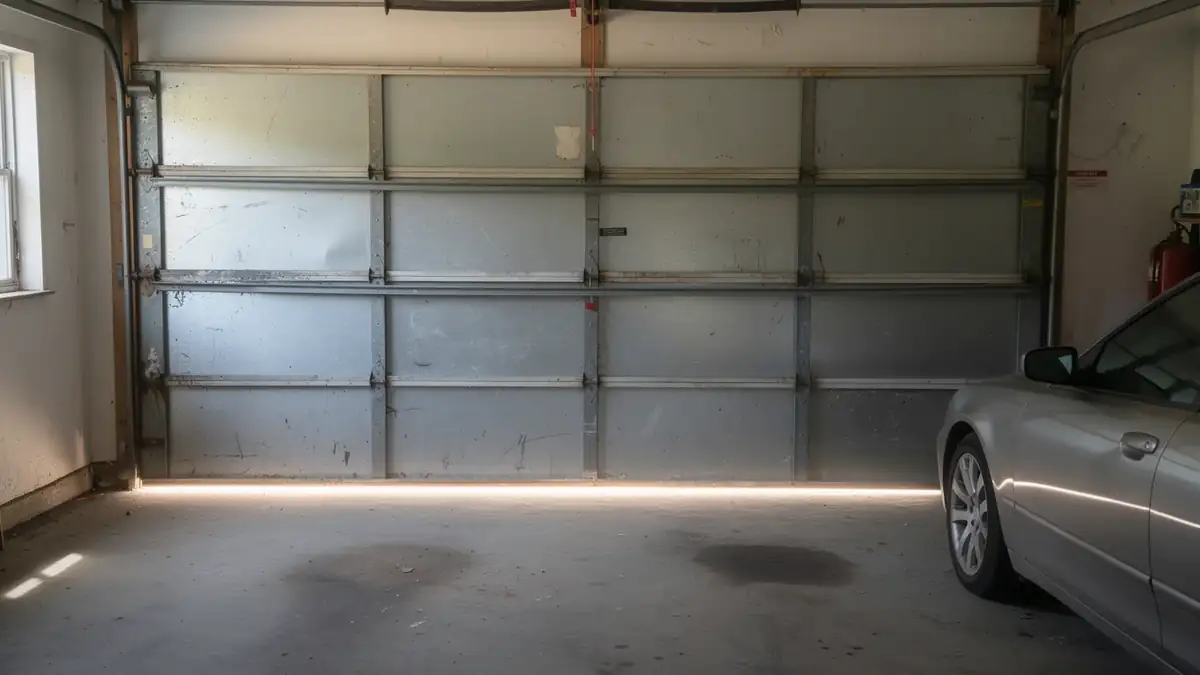
The garage door is closed with a gap at the bottom, and a car is parked inside.

What Is Going On

  1. Most houses in Santa Clara went up between 1947 and 1987

    With the median landing around 1964, and that date matters more than people think. Insulation requirements for garage doors didn't exist when these houses were framed. The builder put up whatever single-layer steel or wood panel was standard that year, and across the 26 named areas that make up this stretch of the valley, that's still what's hanging on a huge share of garages today. No foam core, no thermal break, just a sheet of material between the garage and the outside.

  2. That's not automatically a problem

    A door is a door - it keeps the car dry and the tools from walking off. But if you've ever noticed the garage running 10-15 degrees off the rest of the house, or a laundry room over the garage that never feels quite right, the door is usually part of the reason. It was never built to do more than block weather and swing open. Nobody was thinking about R-value in 1964, and the door reflects that.

  3. If your house falls in that 1947-1987 window

    And odds are good it does - the original or like-for-like replacement door is almost certainly uninsulated. That's worth knowing before you decide whether a repair or a swap makes sense.

What the Weather Here Does to It

Santa Clara sits in a mild temperate band, and that cuts both ways for an old uninsulated door. The upside: you're not fighting the freeze-thaw cycles that crack panels and warp tracks in harsher climates, so a door from the 1960s can run for decades without the structural damage you'd see elsewhere. The steel doesn't rust through, the wood doesn't swell and split the way it would somewhere wetter or colder.

The downside is quieter. Mild temperate means steady, moderate temperature swings day after day, and an uninsulated panel transmits every bit of that into the garage - and into any room that shares a wall or ceiling with it. You won't get the dramatic failure of a door that's been through a hard winter. What you get instead is a garage that's just always a little too warm or a little too cool, because the one piece of the building envelope with no insulation is thirty-plus square feet of thin steel.

So the climate here isn't going to force your hand on a worn-out door the way it might in a place with real winters. That's useful to know if you're trying to decide whether this is urgent or whether it can wait.

When Waiting Is Fine

Because the mild climate isn't stressing the hardware, an uninsulated door on a 1960s-era Santa Clara house doesn't need to be treated as an emergency. If it opens smoothly, the springs are balanced, and the panels aren't dented or delaminating, there's no climate-driven deadline pushing you to replace it. You can wait for the door to actually show wear - noise, sag, a panel that's started to bow - rather than replacing it just because it's old and uninsulated.

This is also where I'll be honest about a limit: an insulated replacement costs more up front, and in a mild climate the energy payback is slower than a company selling insulated doors might tell you. If your garage isn't attached to living space, or you don't use it as a workshop, the comfort gain from insulation may not be worth chasing right now. Put the money toward the door itself - springs, rollers, opener - before you pay extra purely for a thermal break you may not need.

Waiting makes sense when the only issue is the door's age and construction, not its condition.

Where People Go Wrong

  1. The mistake I see most in this housing stock is assuming an old door needs full replacement when the actual problem is the hardware around it

    A 1960s-70s door with a failing spring or worn rollers can look like it's dying when it's really a thirty-dollar part away from fine. People replace the whole door chasing insulation they don't need in this climate, when what actually failed was a cable or a roller.

  2. The other mistake runs the other way

    Treating an uninsulated door on an attached garage as harmless when the room above it runs hot or cold year after year. If that's your situation, the door is worth addressing directly rather than working around it with extra insulation in the walls, since the door itself is the weak point in the envelope.

  3. Either way, the fix starts with knowing what you actually have

    The door's age, its construction, and whether the issue is the panel or the parts that move it.
How it works

From “it’s stuck” to “it’s fixed”

A quick, honest process - no guesswork and no surprises.

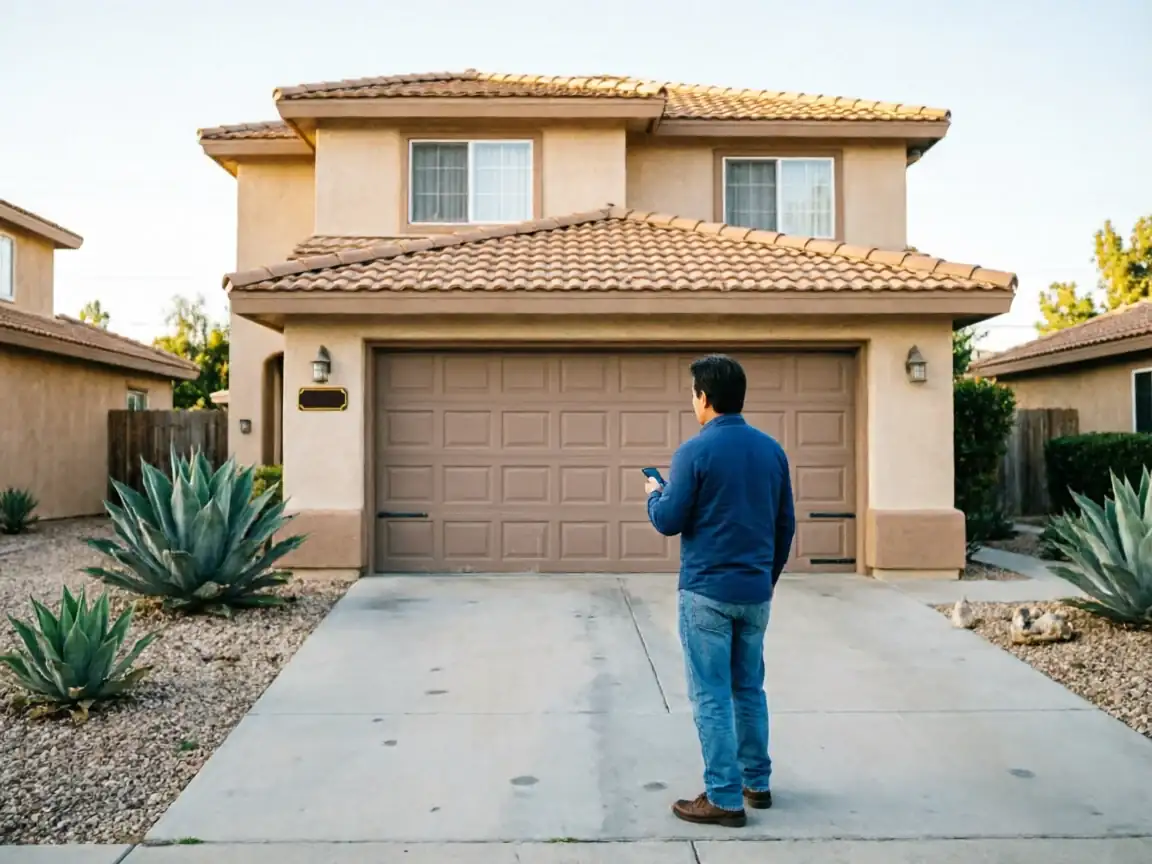
  1. A man stands in a driveway looking at his phone in front of a house with a brown garage door.
    1

    Tell us what’s wrong

    Describe the symptom - won’t open, loud bang, opener runs but the door won’t move.

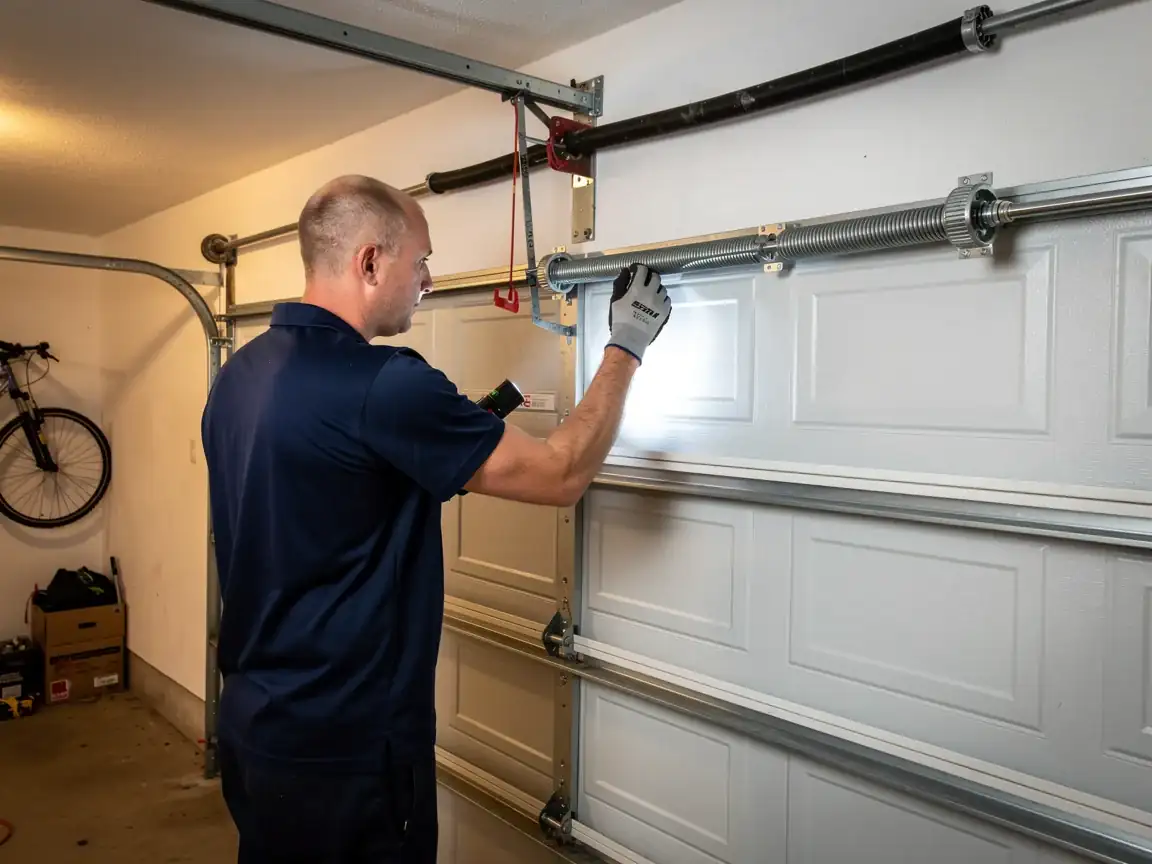
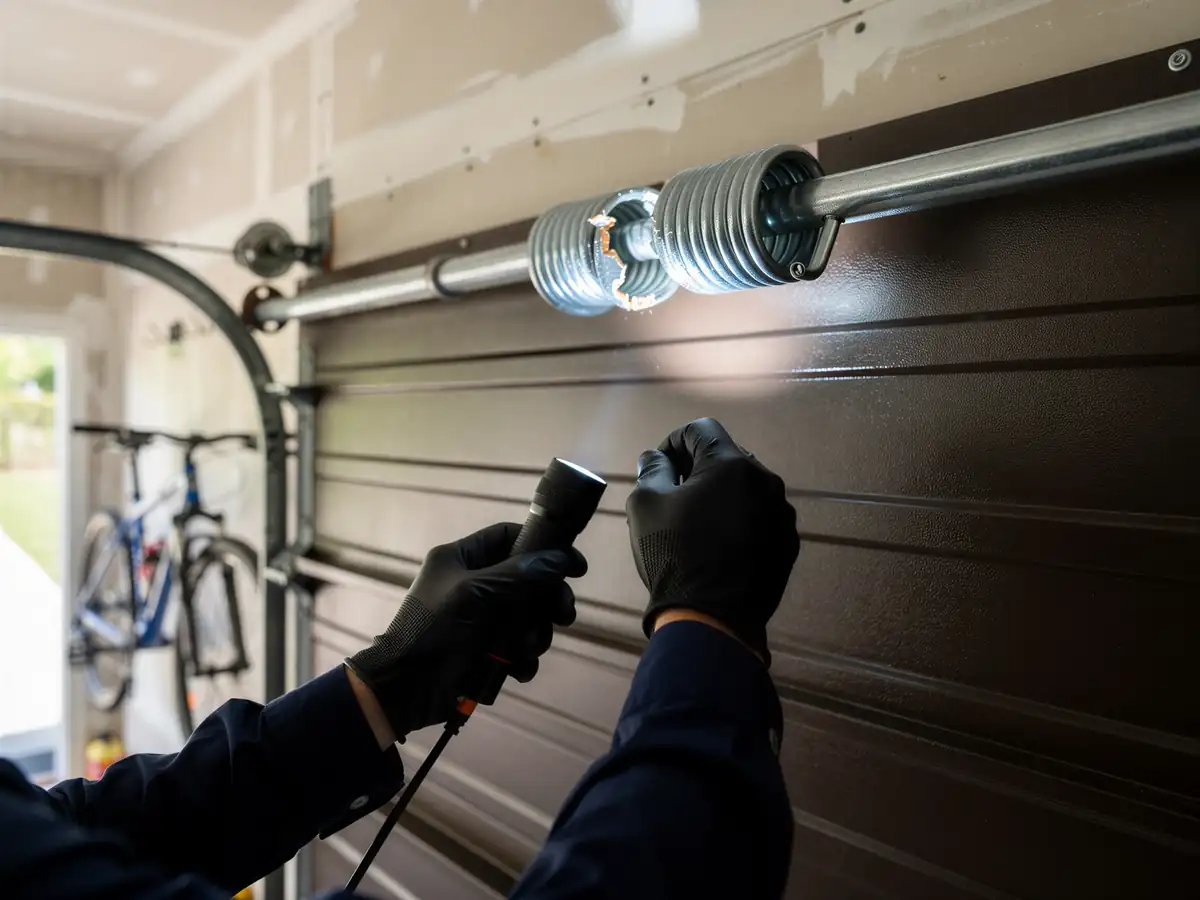
  2. A technician shines a flashlight on a garage door torsion spring.
    2

    On-site diagnosis

    A technician tests the door under power and by hand and finds what actually failed.

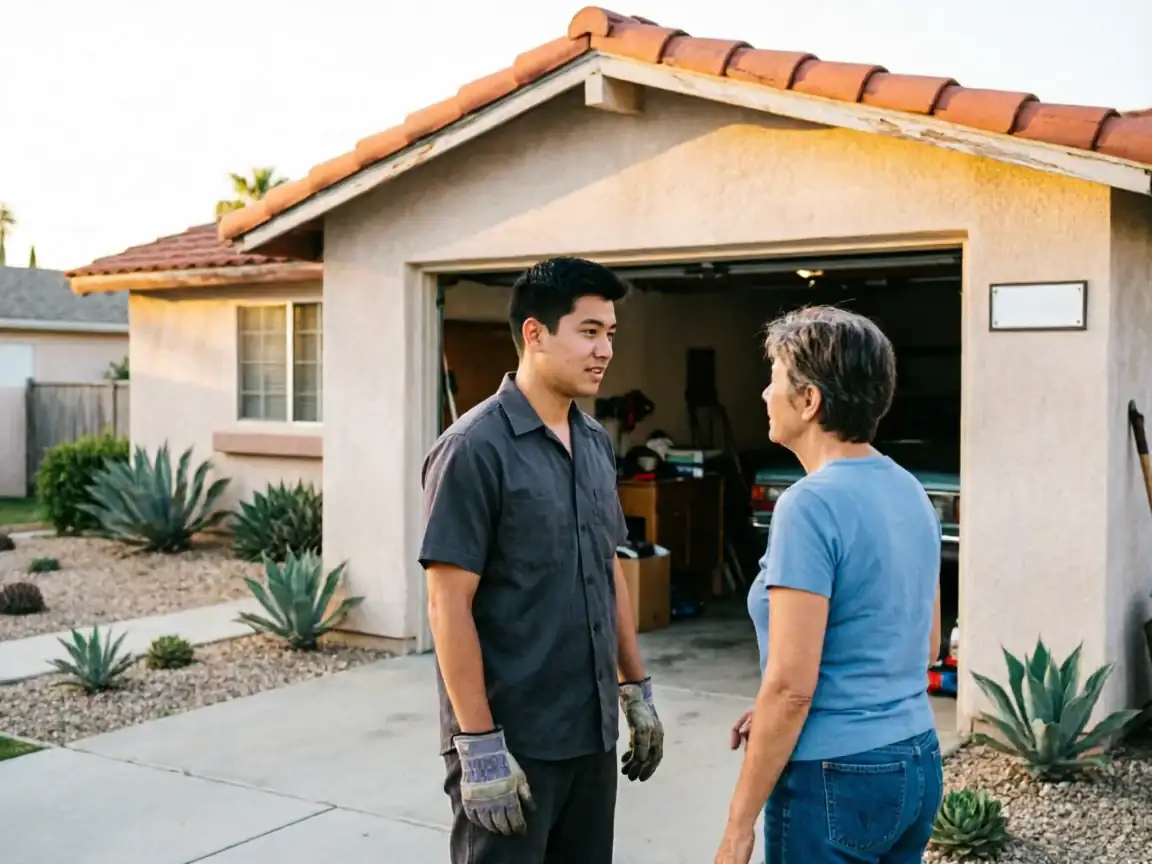
  3. A technician talks to a woman in front of a garage with an open door.
    3

    Clear, up-front plan

    You get the fix that’s needed and what drives the cost - before any work starts.

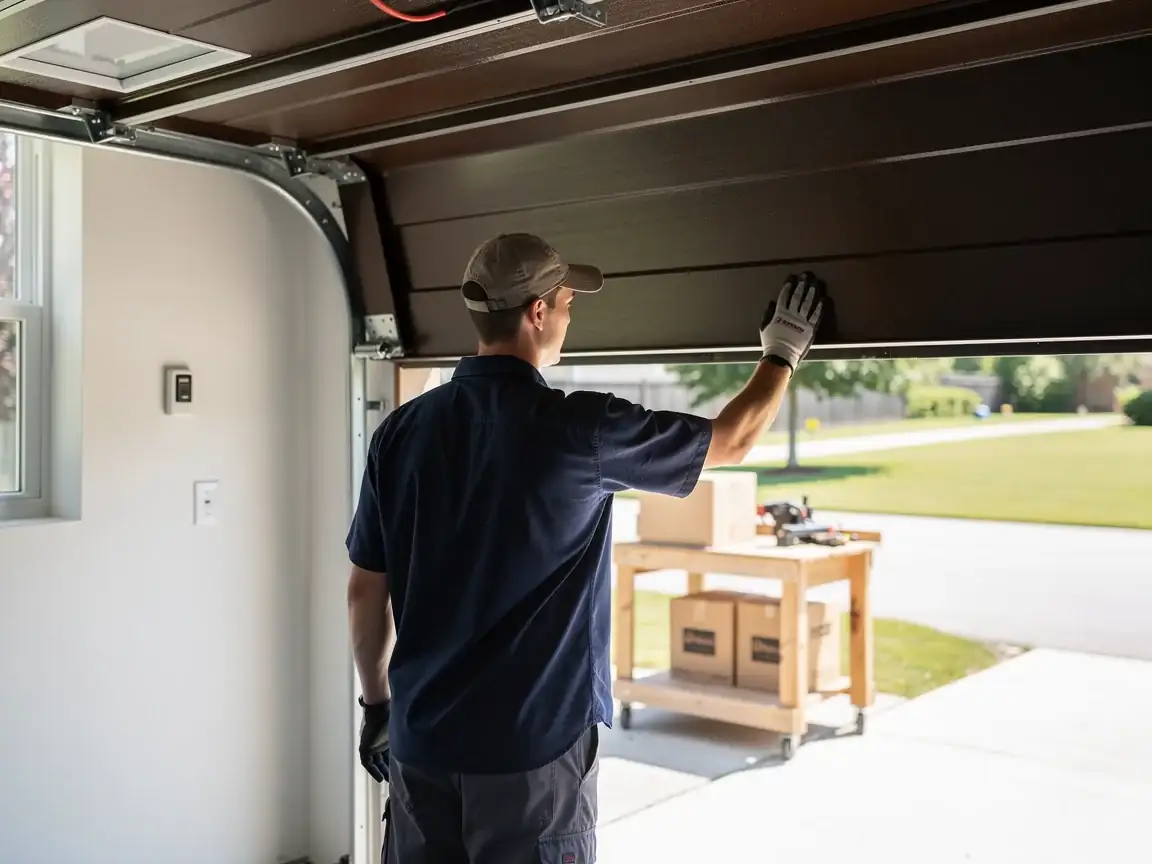
  4. A technician in a cap and gloves adjusts a brown garage door.
    4

    Repaired & tested

    The repair is done, the door is set true and tested, and the work area left clean.

Not sure which repair your door needs in Santa Clara, CA? Describe what it’s doing - every job starts with a diagnosis.

How we work

What to expect

Diagnosis first

Every visit starts by finding what actually failed - not a pre-written parts list.

The right part for the door

Springs and openers matched to the door’s weight and age, so the fix holds up.

Straight answers

When a repair makes more sense than a replacement - or the reverse - you hear it plainly.

Clean, careful work

Tension released safely, hardware set true, the door tested under power before we leave.

What we do

Garage Door Services

Repair and installation work for Santa Clara homes and businesses.

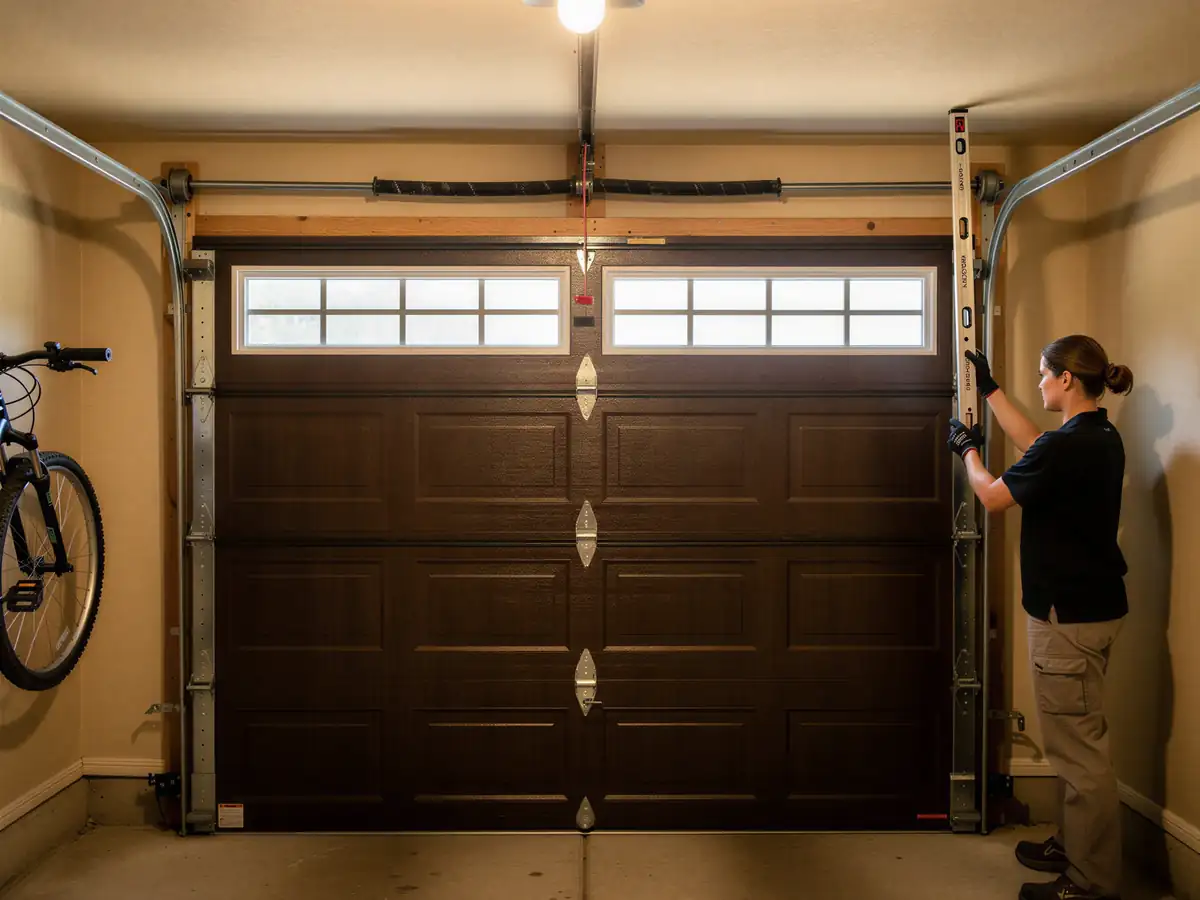
A technician uses a level to adjust the brown garage door track.

Garage Door Repair

Garage door repair for Santa Clara homes built 1947-1987, where original torsion hardware and mild-climate wear are the common failure points. Call for a diagnosis.

Learn more
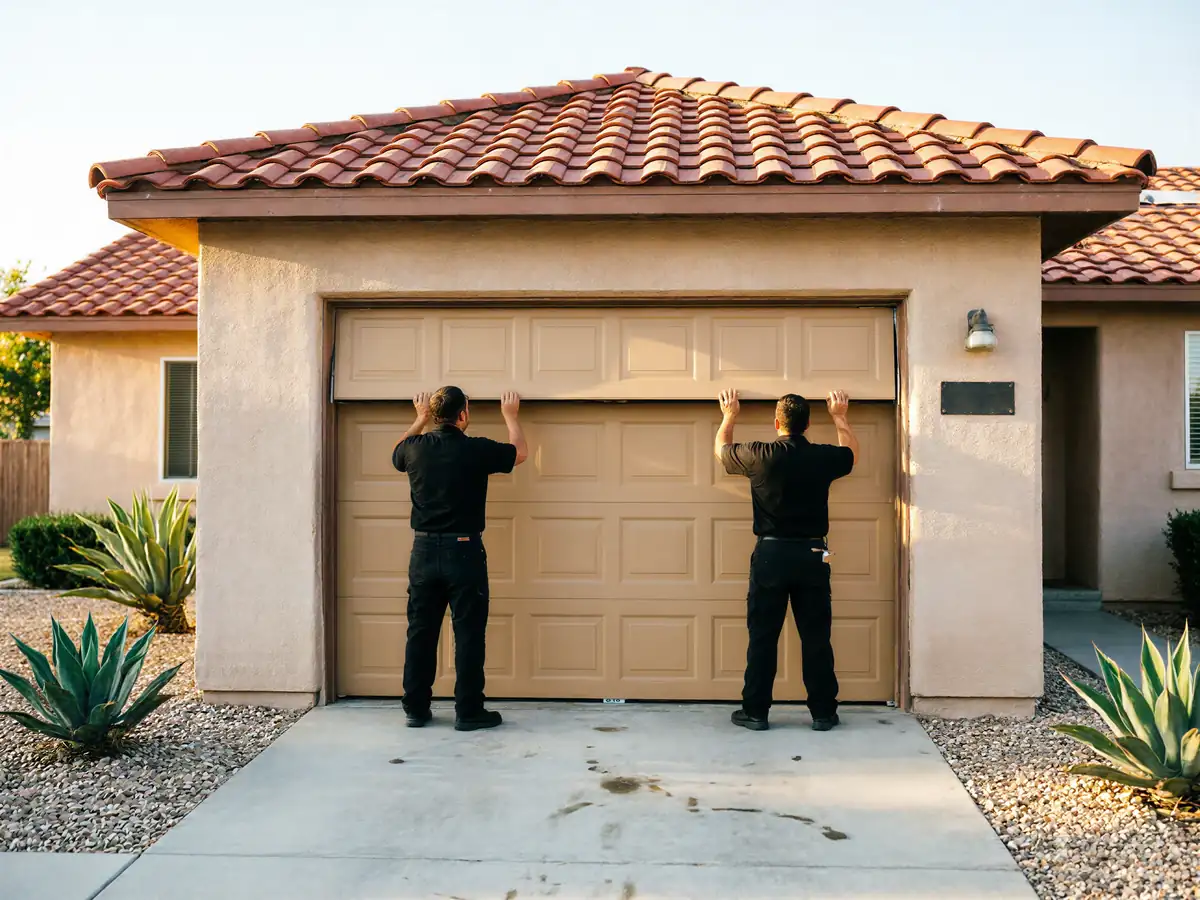
Two technicians are working on a tan garage door on a house.

Garage Door Installation

New garage door installation for Santa Clara homes built 1947-1987, where original hardware and non-insulated panels are the norm, not the exception.

Learn more
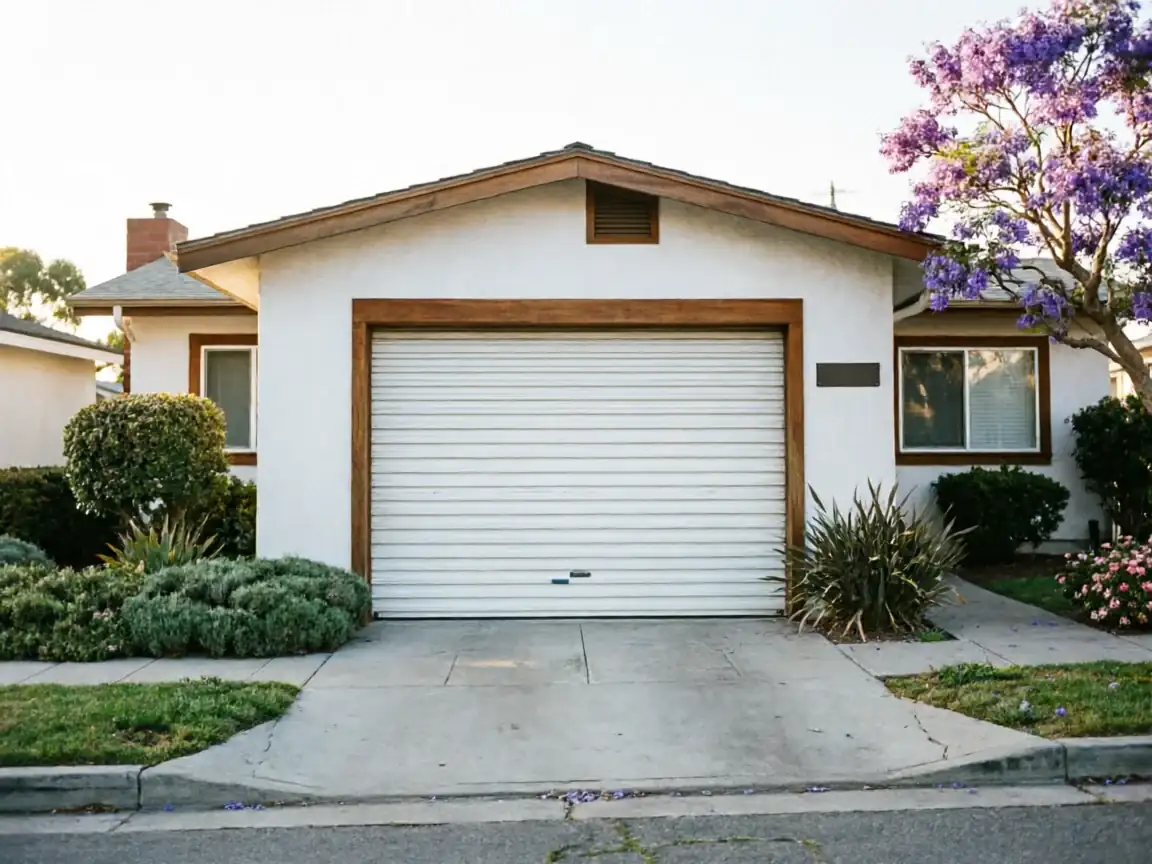
The white house has a white garage door, a driveway, and landscaping.

Garage Door Service

Service for 1960s-70s Santa Clara garage doors: worn torsion springs, original hardware, and track wear from decades of daily use. Fast, honest repair calls.

Learn more
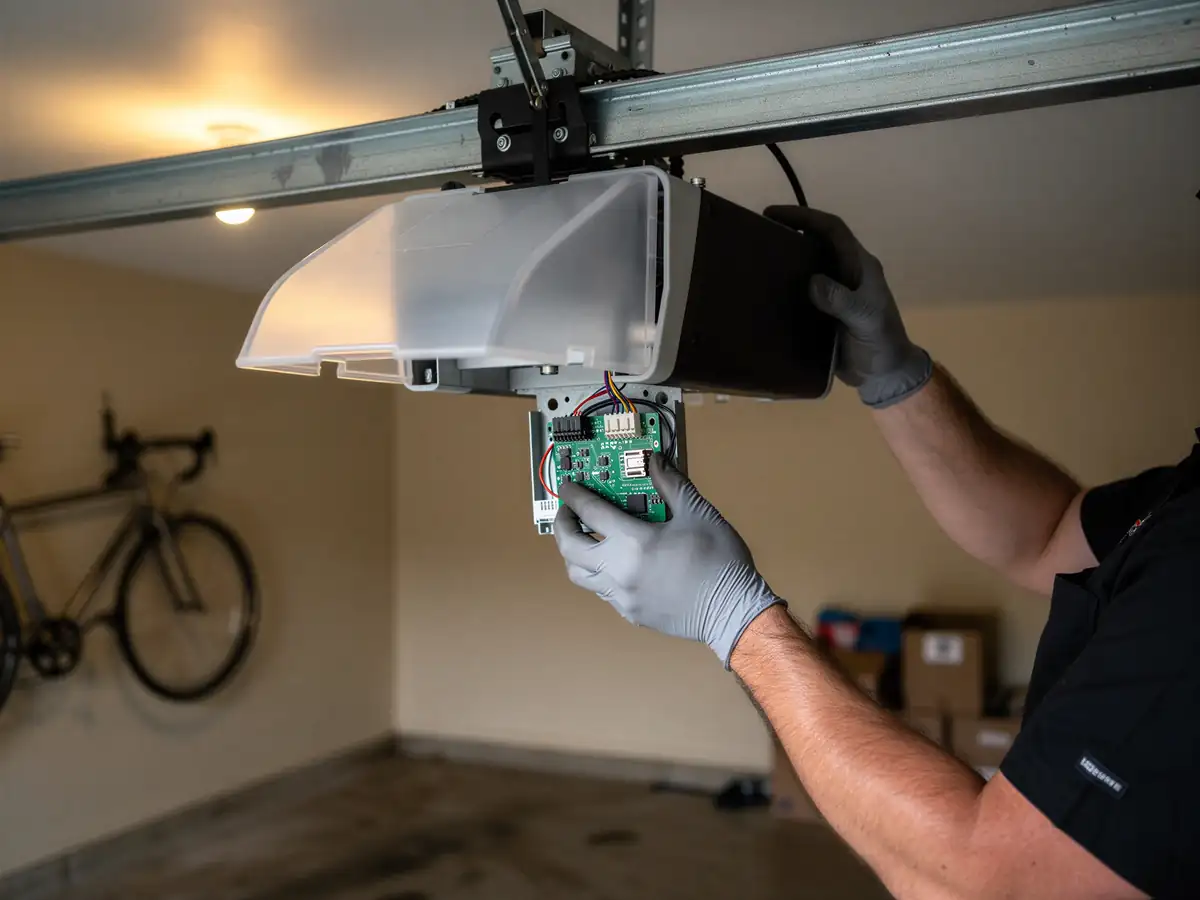
A technician wearing gloves works on the circuit board of a garage door opener.

Opener Repair

Opener repair for Santa Clara homes built mostly in the 1960s and 70s, where original wiring and worn gears are the usual culprits. Same service area, real diagnosis.

Learn more
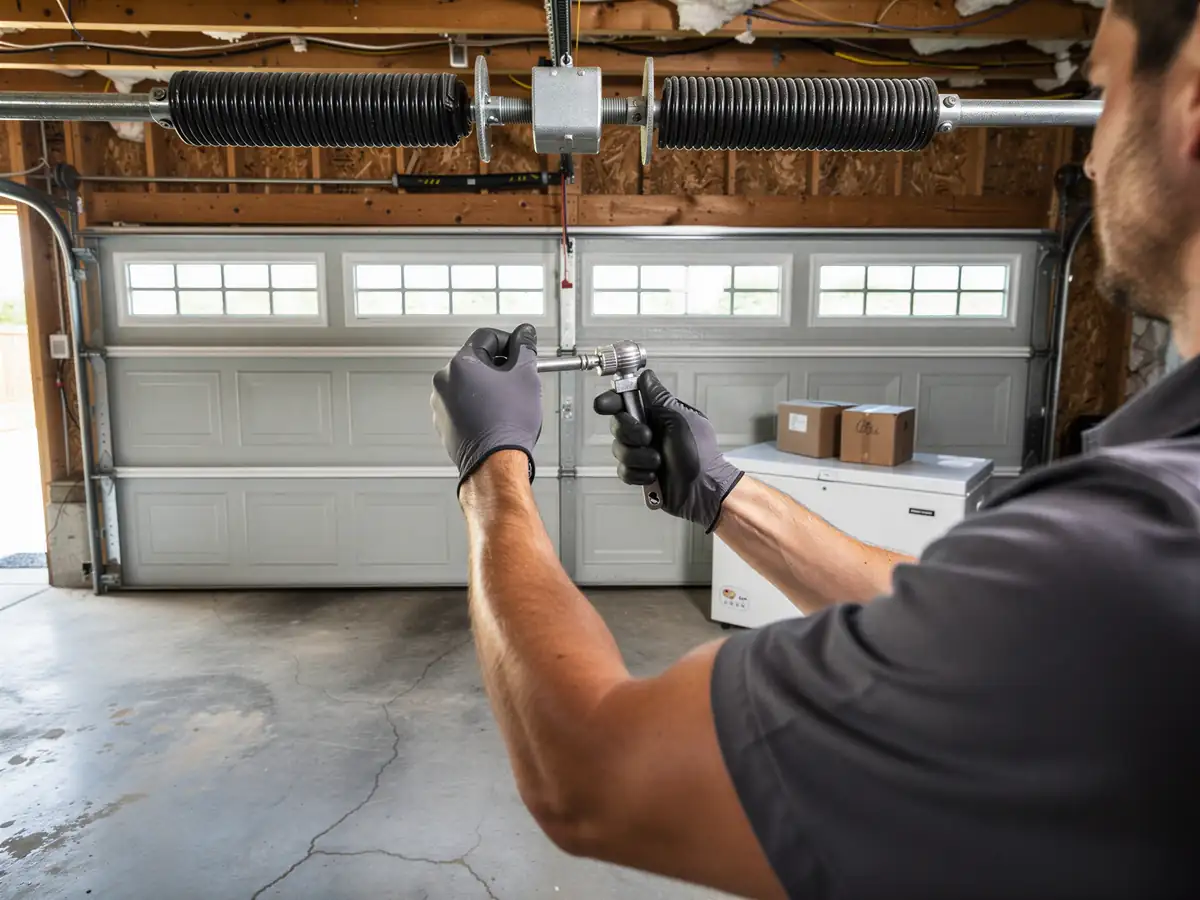
A technician in black gloves holds a wrench near a garage door torsion spring.

Spring Repair

Broken torsion spring on a Santa Clara garage door? We fix the original 1960s-era hardware still common across this part of the South Bay. Same-area service.

Learn more
A technician in gloves installs a white garage door panel.

Panel Replacement

Dented, cracked, or rusted garage door panels on a 1960s or 70s Santa Clara house? We match panels to older steel and wood-composite doors across the valley.

Learn more
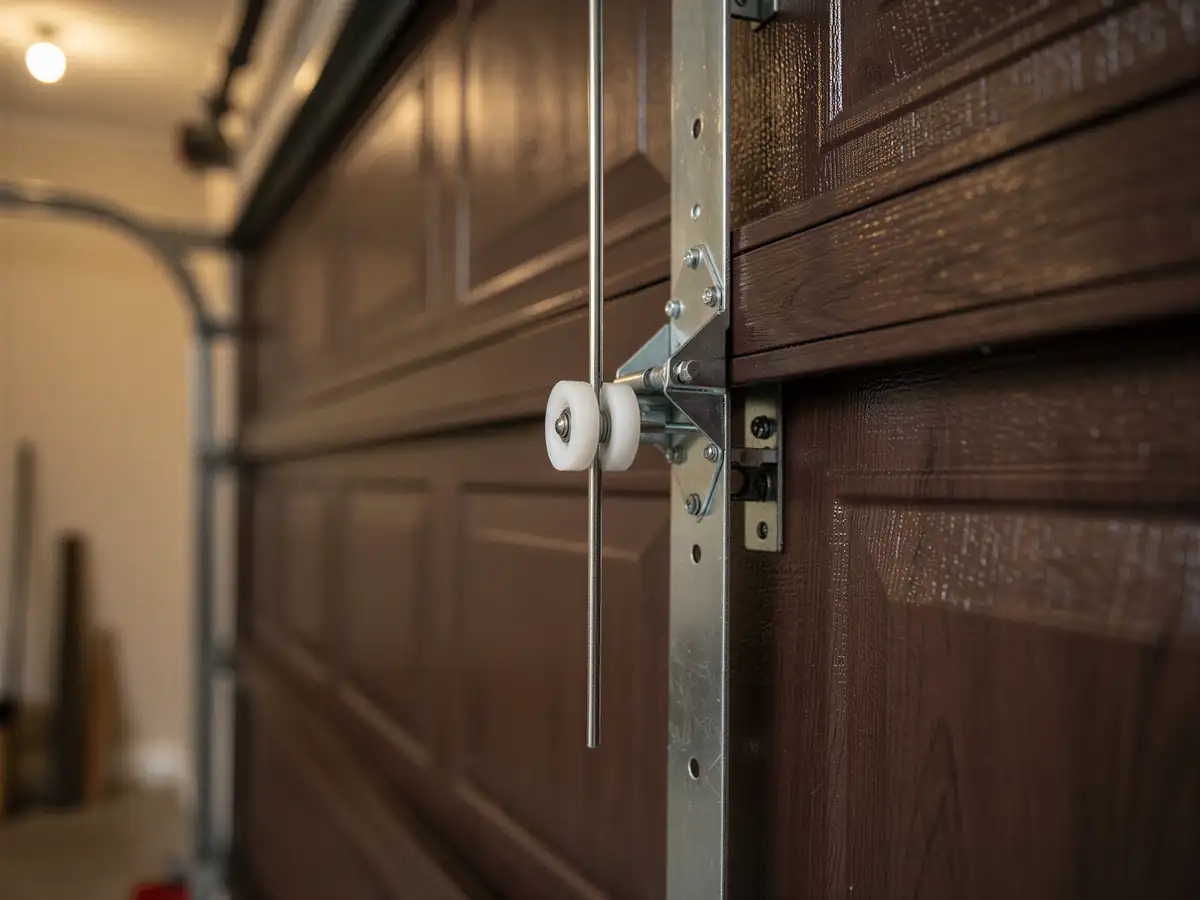
The brown garage door is open, showing a roller and track.

Roller Replacement

Worn rollers on Santa Clara's 1960s-70s garage doors cause grinding and sticking tracks. Santa Clara Garage Door Pros replaces rollers on original hardware across the area.

Learn more
A technician shines a flashlight on a broken garage door torsion spring.

Emergency Garage Door Repair

Santa Clara homes built mostly between 1947 and 1987 carry original hardware that fails in predictable ways. Here's what breaks, what it costs to fix, and how fast we get there.

Learn more
Questions

Frequently asked

Straight answers about garage door repair in Santa Clara. Still unsure? Ask us directly.

Is my garage door insulated if my house was built in the 1960s?

Probably not, unless a previous owner replaced it. Insulation requirements for garage doors weren't standard when most Santa Clara houses were built between 1947 and 1987, median around 1964, so the original or like-for-like door is almost always a single uninsulated panel.

Does Santa Clara's climate make an uninsulated door urgent to replace?

No. The mild temperate climate here doesn't put the structural stress on an old door that freeze-thaw regions do. An uninsulated door can run fine for decades as long as the springs, rollers, and cables are in good shape - the age and lack of insulation alone aren't a reason to replace it.

Is it worth paying extra for an insulated door in a mild climate?

Depends on the room above or beside the garage. If it's unattached or unused space, the payback on insulation is slow here. If you've got living space sharing a wall, addressing the door directly is worth more than insulating around it.

Ready to get your garage door sorted?

Tell us what it’s doing and where you are in Santa Clara - we’ll take it from there.

Request a QuoteCall