Opener repair for Santa Clara homes built mostly in the 1960s and 70s, where original wiring and worn gears are the usual culprits. Same service area, real diagnosis.
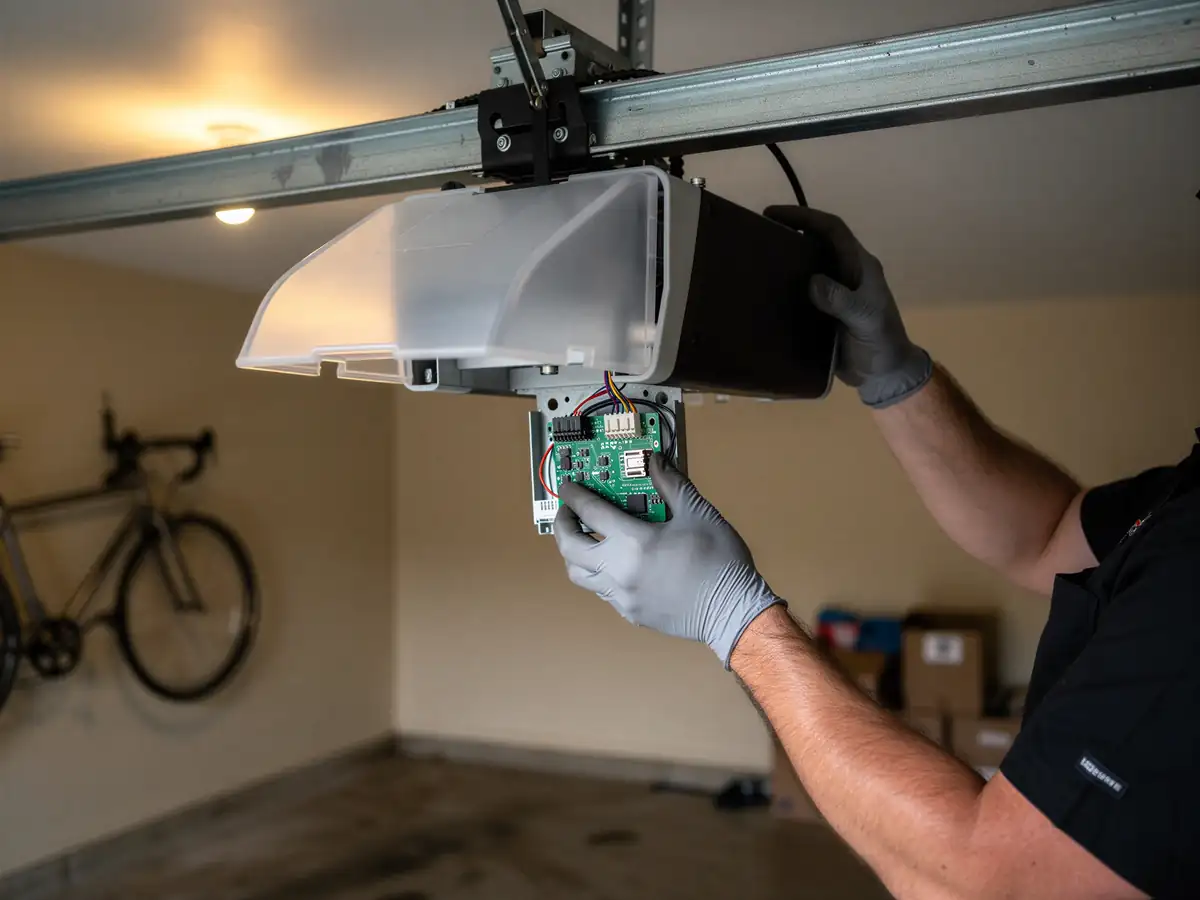
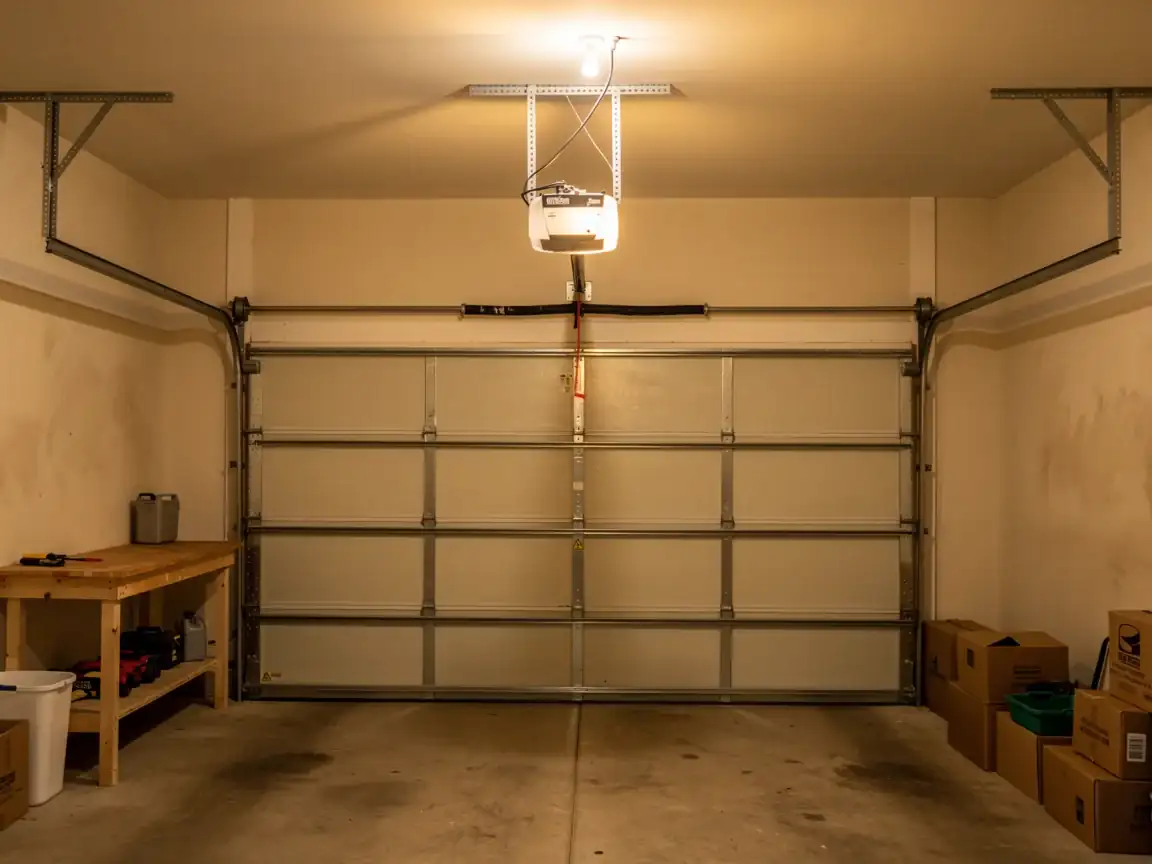
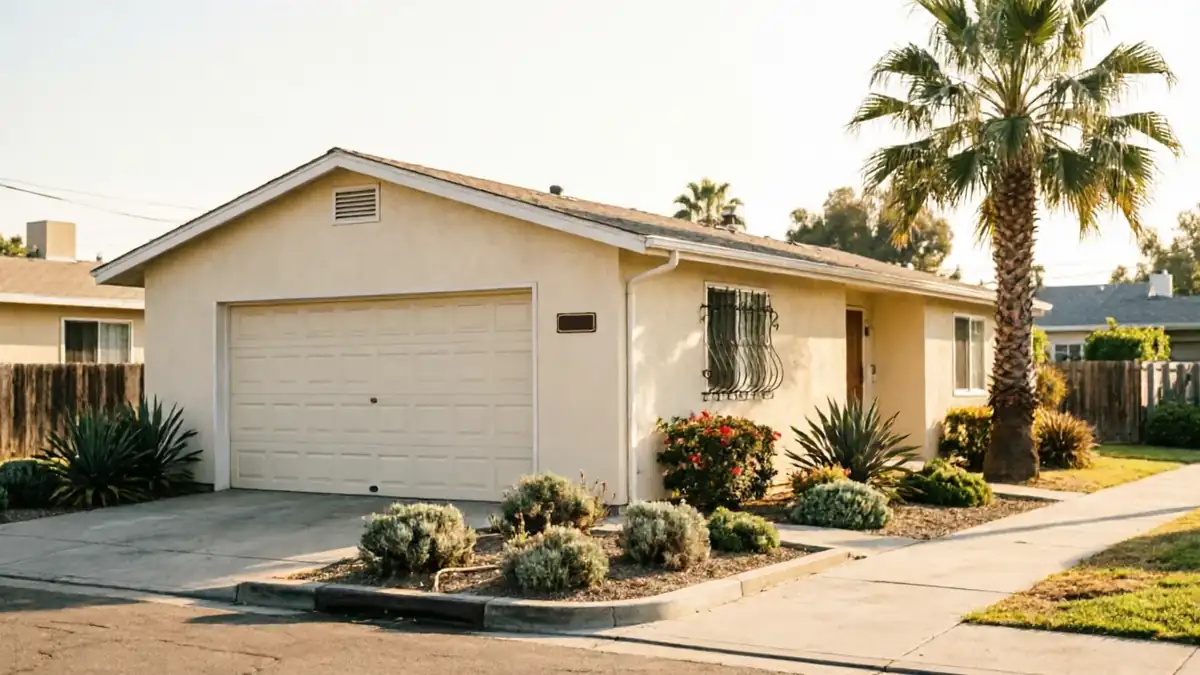
Most of the housing stock in this service area went up between 1947 and 1987, with the median build year sitting around 1964. That matters for openers more than most homeowners realize. A chain-drive unit installed when a house was built in the mid-60s has likely been replaced once already, but the second-generation opener is often now 20-plus years old itself, and the drive gear - a nylon part - wears out from age and heat cycling, not misuse. Houses across the 26 named neighborhoods and nearby cities in this area, from Cupertino and Milpitas out to Los Gatos and Saratoga, share this same build era, so the failure pattern repeats block to block. The mild temperate climate here helps in one way: you don't get the freeze-thaw cycling that cracks housings and corrodes circuit boards in colder regions. But mild doesn't mean dry heat and dust don't matter - stucco construction common to this period means garages often run hotter than the house itself in summer, and that heat is hard on capacitors and logic boards inside older opener units. We see a lot of failed start capacitors and stripped gears on units that are original or one replacement cycle old, which tracks with a neighborhood where so many homes were built in the same twenty-year window.
What You Pay
We don't have a flat number to publish here, since the right fix depends on what's actually broken - a $40 gear-and-sprocket kit is a different job than a full logic board or motor replacement. What we can tell you is that in a service area with a median household income around $214,149 and roughly 94,788 owner-occupied houses, we see the full range of opener ages and conditions, from newer smart openers to units that predate remote keypads entirely. We price the job after we look at it, not before, because guessing over the phone leads to surprises on both ends.
What You Are Seeing
If the opener hums but the door doesn't move, that's usually a stripped gear, not a dead motor - common on units from the 60s-70s building wave that are still running their original drivetrain. If the door reverses right after it touches the floor, check the close-limit setting before assuming a sensor problem; these settings drift on older units more than people expect. A remote that works inches from the receiver but not from the driveway points to a weak antenna or interference, not necessarily a dying opener. And if the light blinks but nothing else happens, that's almost always a safety sensor alignment issue, which takes minutes to fix and costs nothing in parts. We'd rather tell you it's a $15 fix than talk you into a new unit you don't need yet.
How Long It Takes
A gear kit, capacitor swap, or sensor realignment is typically a same-visit repair once we're on site - these are common failures on openers from this area's housing era and we carry the parts that fail most often. Full motor or logic board replacement can take longer if the unit is old enough that parts aren't stocked locally, which does happen with some chain-drive models from the 80s that are still hanging on in houses here. In that case we'll tell you honestly whether repair is worth it or whether replacement is the better call - an opener that's failed twice in a year usually isn't worth a third repair.
How it works
From “it’s stuck” to “it’s fixed”
A quick, honest process - no guesswork and no surprises.
1
Tell us what’s wrong
Describe the symptom - won’t open, loud bang, opener runs but the door won’t move.
2
On-site diagnosis
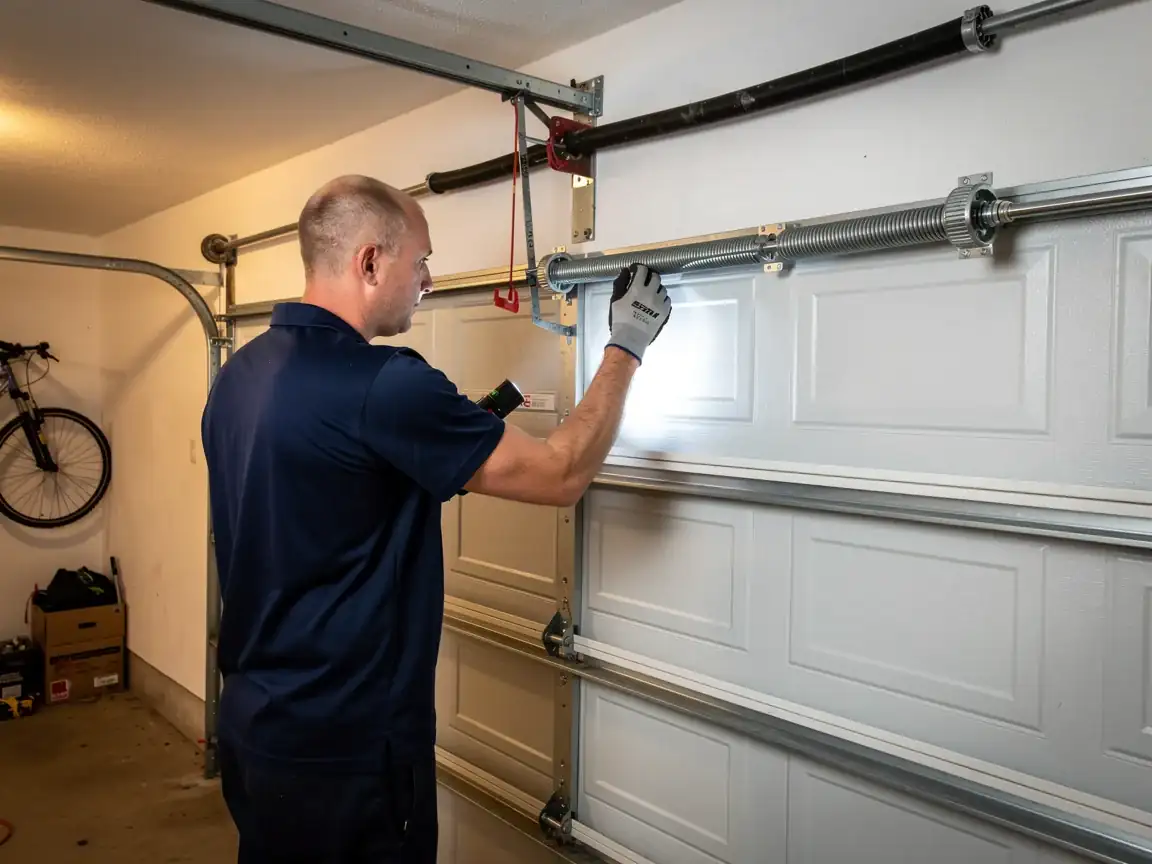
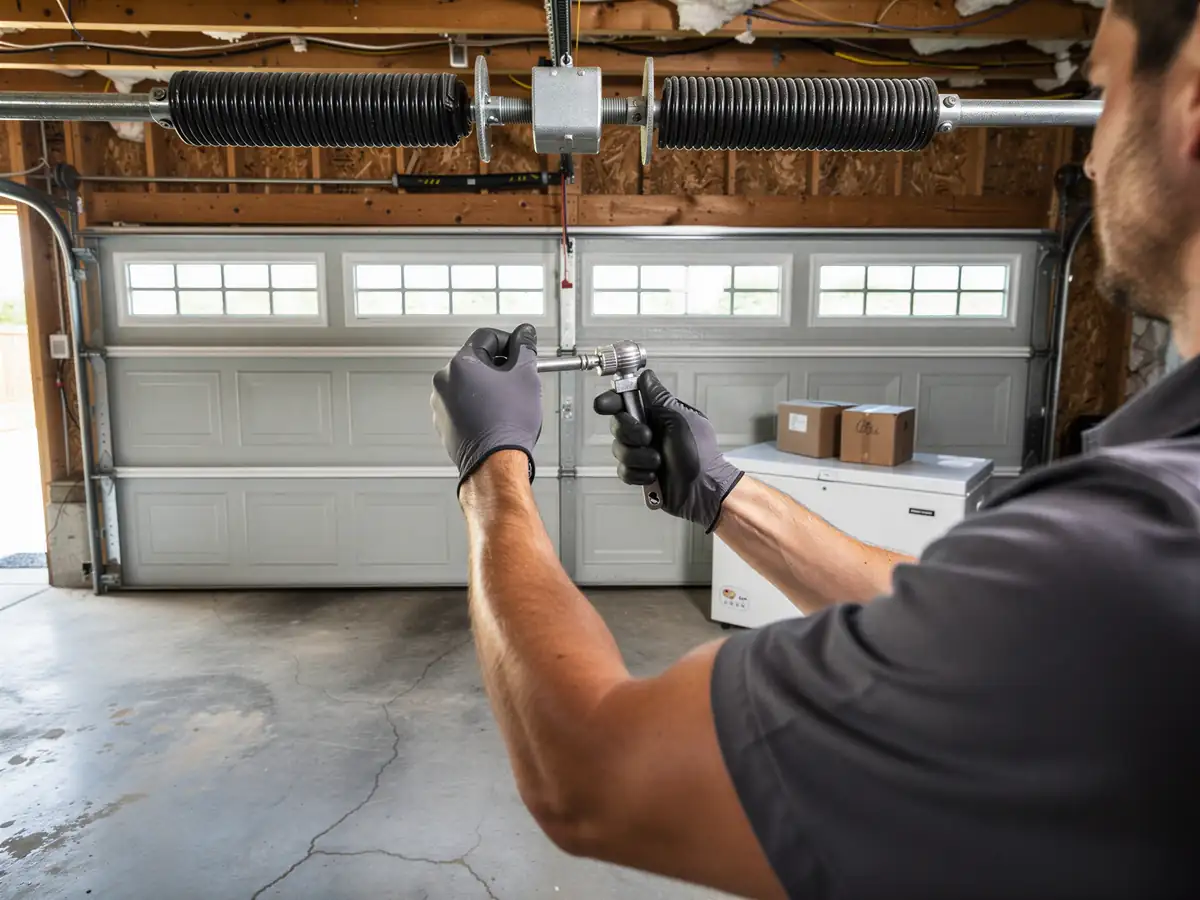
A technician tests the door under power and by hand and finds what actually failed.
3
Clear, up-front plan
You get the fix that’s needed and what drives the cost - before any work starts.
4
Repaired & tested
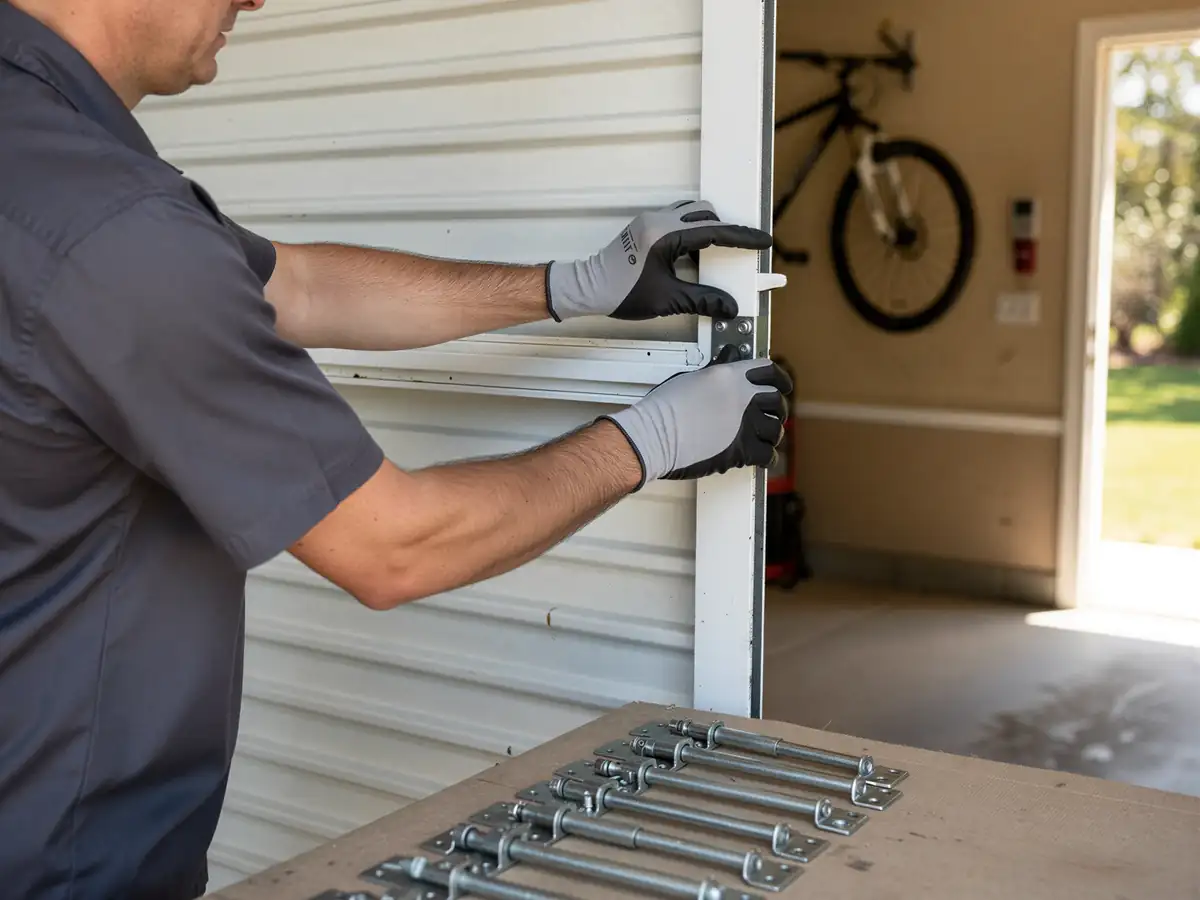
The repair is done, the door is set true and tested, and the work area left clean.
Not sure which repair your door needs in Santa Clara, CA? Describe what it’s doing - every job starts with a diagnosis.
Why does my garage door opener keep failing even though I've had it repaired before?
If your house was built in the 1960s or 70s, like most in this area, your opener may be an older replacement unit itself, now reaching the end of its own service life. Repeated failures on an opener over 15-20 years old usually mean it's worn out generally, not that one part keeps breaking.
Does the weather here affect garage door openers?
Santa Clara's mild temperate climate means you don't get freeze damage, but garages with stucco construction from the 60s-70s building boom can run hot in summer, which stresses capacitors and circuit boards in older opener units over time.
Can you fix my opener instead of replacing it?
Often, yes - gear strips, capacitor failures, and sensor misalignment are common on units from this area's housing stock and are usually repairable. We'll tell you plainly when a repair isn't worth it, which does happen on older units.
Do you work on openers in nearby cities too?
This page covers opener repair across our service area, which includes nearby cities and neighborhoods near Santa Clara. Each town has its own page with local detail; this one covers the service generally.
Ready to get your garage door sorted?
Tell us what it’s doing and where you are in Santa Clara - we’ll take it from there.