What Causes It Around Here
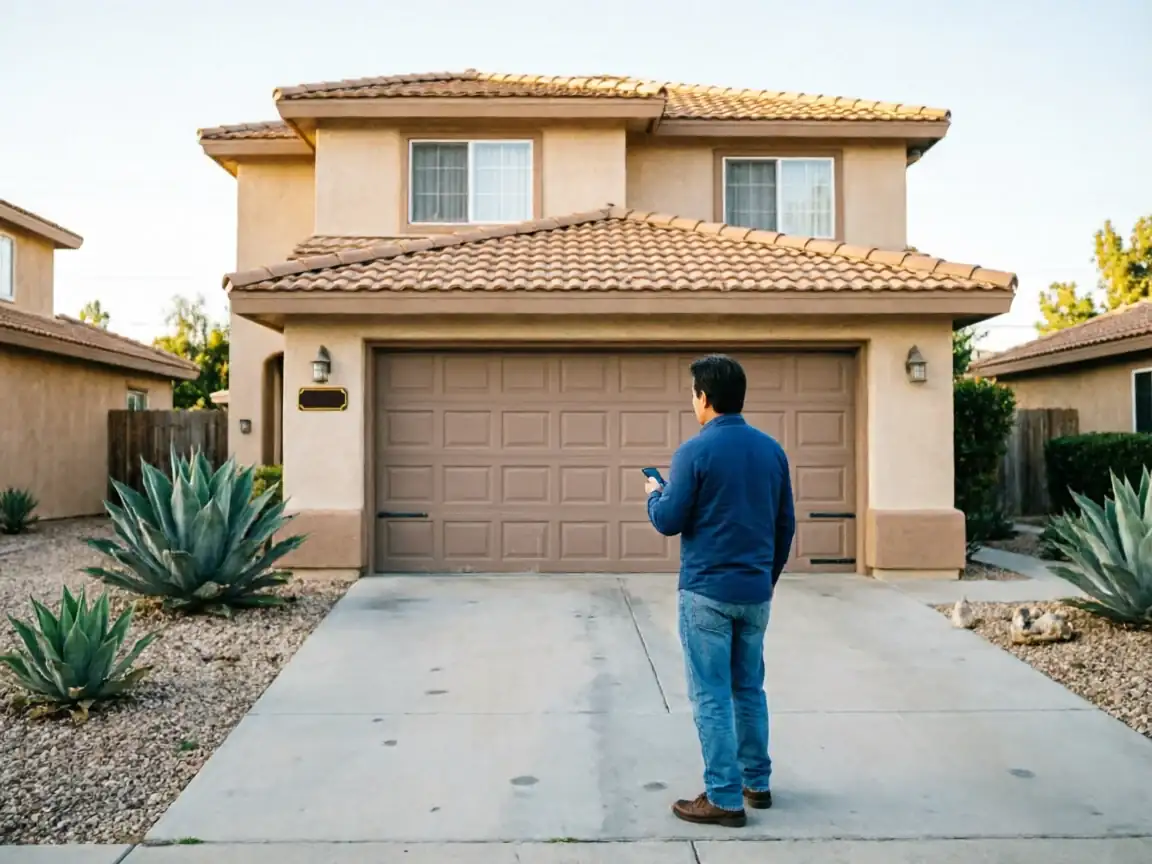
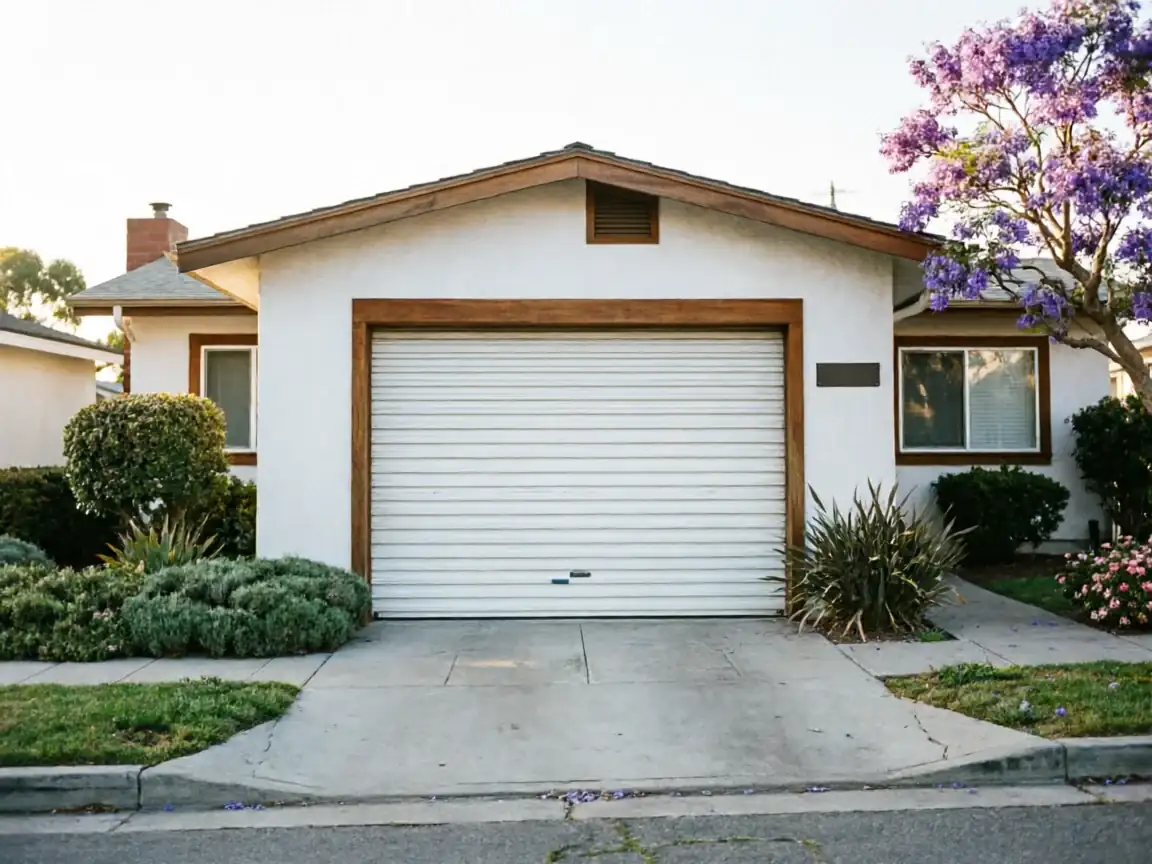
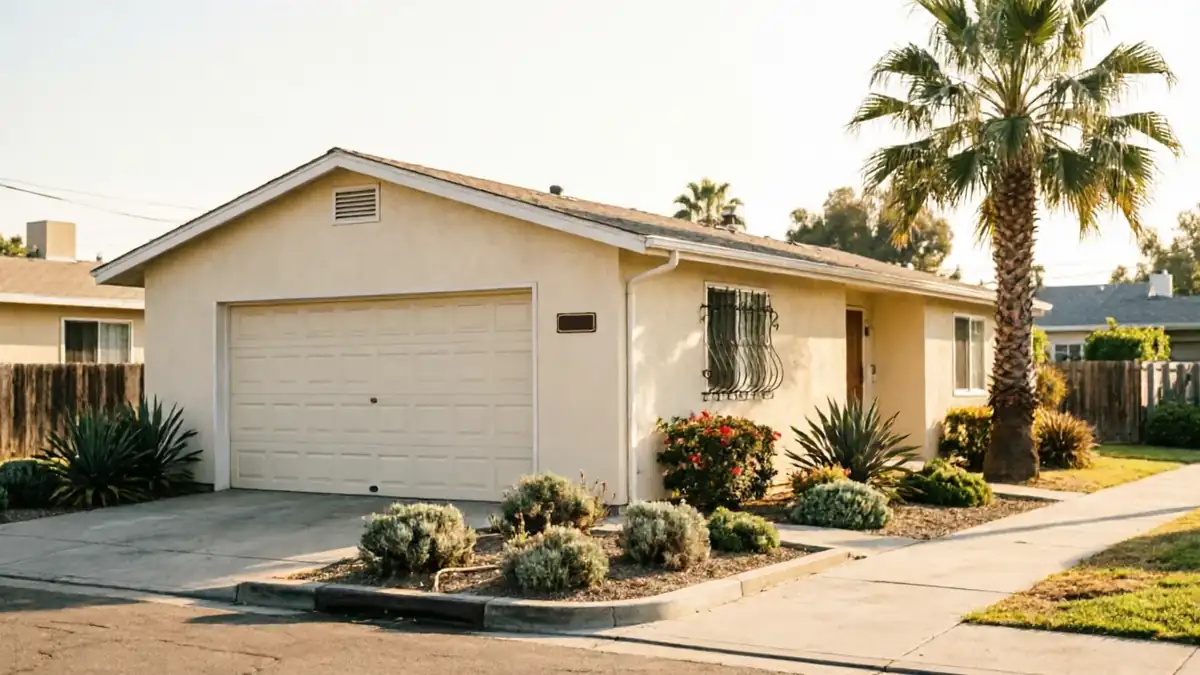
Most of the housing stock in this part of the South Bay went up between 1947 and 1987
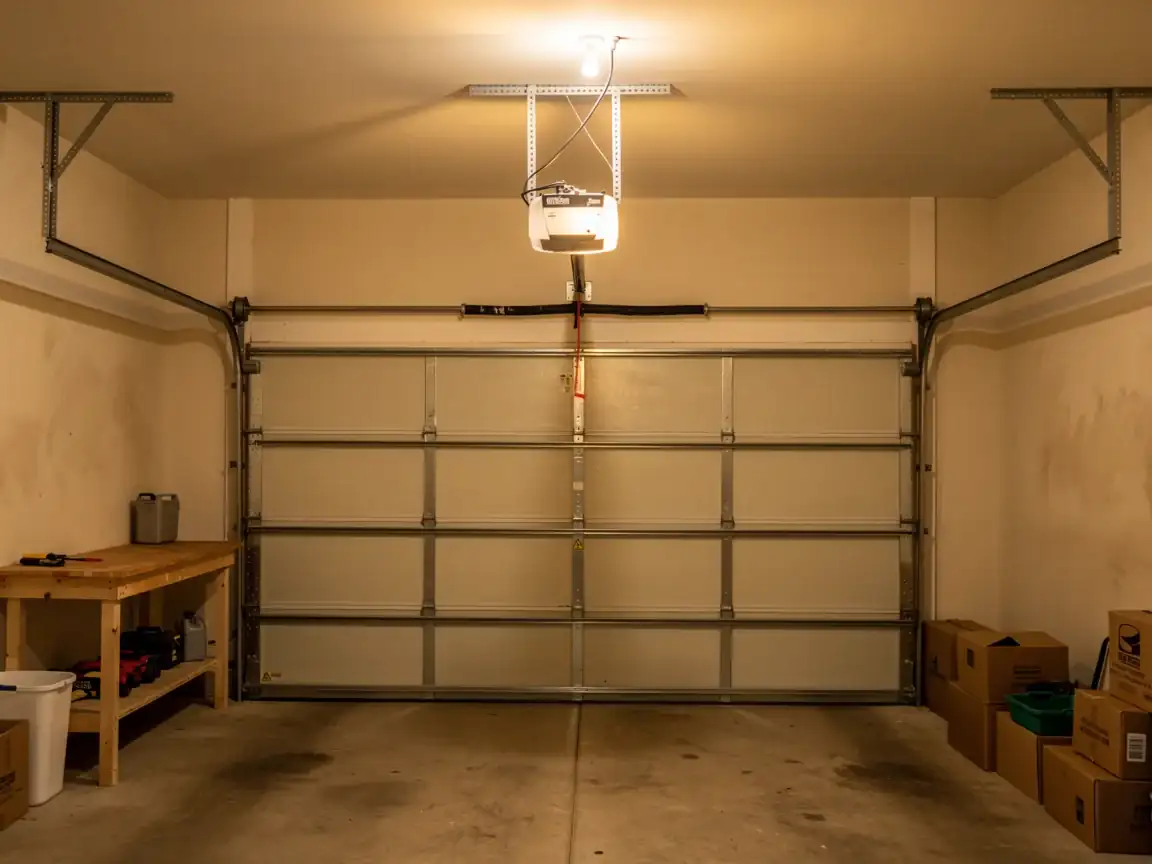
With a lot of it clustered in the 1960s and 70s. That matters for springs because houses from that era were built with torsion or extension spring setups sized for the door weight and opener tech of the time - lighter steel doors, lighter openers, lower cycle counts expected out of the hardware. Fifty-plus years on, a lot of those original springs are still in the ceiling track, way past the cycle life any spring is rated for, just waiting on the day the metal finally gives out.
Santa Clara sits in a mild temperate climate band
So you're not dealing with the freeze-thaw stress that snaps springs in colder regions, or the kind of swing that cracks coil coatings. Here the failure mode is almost always fatigue, not weather. A spring that's done ten or twelve thousand cycles over four decades doesn't announce itself - it just breaks, usually on a cold morning when the metal is at its stiffest, or after a stretch of heavy use.
With 94,788 owner-occupied houses across this service area built mostly in that same window
We see the same torsion hardware fail the same way, house after house, street after street. It's not bad luck. It's the math on steel fatigue catching up with houses that are now 40 to 75 years old.
- 94,788 owner-occupied
- 75 years
What You Pay
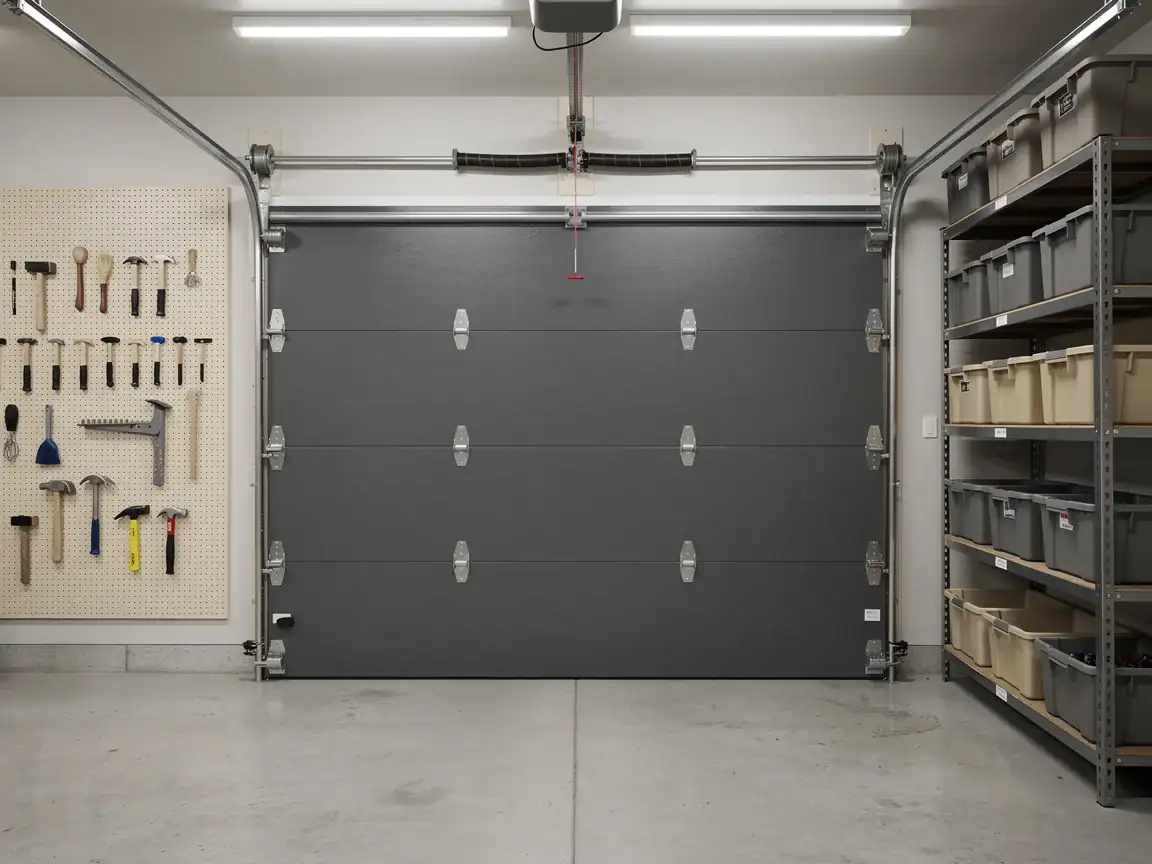
We don't post a flat number for spring repair because the job isn't flat - it depends on whether you've got one torsion spring or two, what size and weight the door is, and whether the drums, cables, or bearings went with it. A single-spring setup on a lighter door is a different job than a two-spring setup on a heavier insulated door, and pricing follows the parts and the labor, not a quote we hand out blind over the phone.
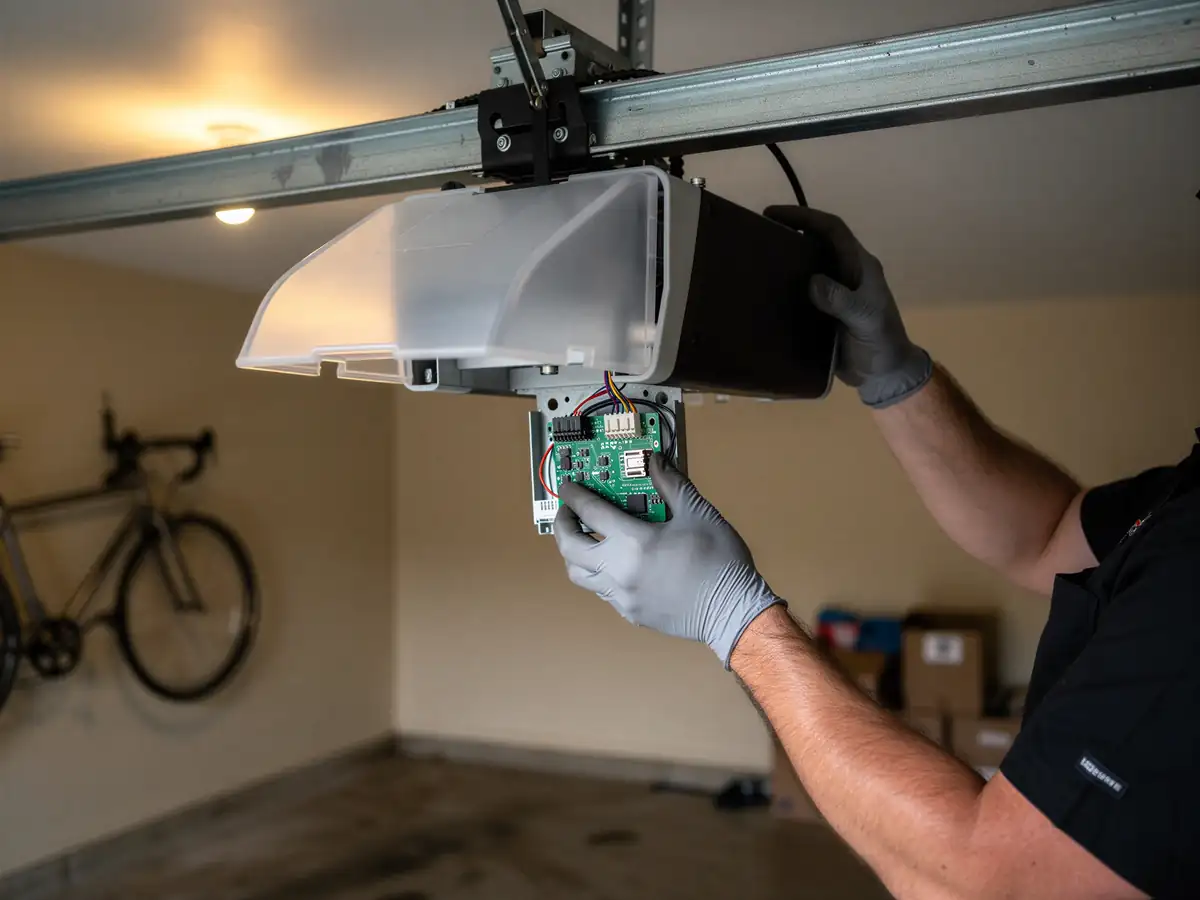
What we can tell you: this is a parts-plus-labor job, same as any spring repair, and the spring itself is rarely the expensive part - it's the diagnostic time and the adjustment after, getting the door balanced so the opener isn't straining against uneven tension. A door that's out of balance after a spring swap will burn out a new opener gear just as fast as the old spring would have.
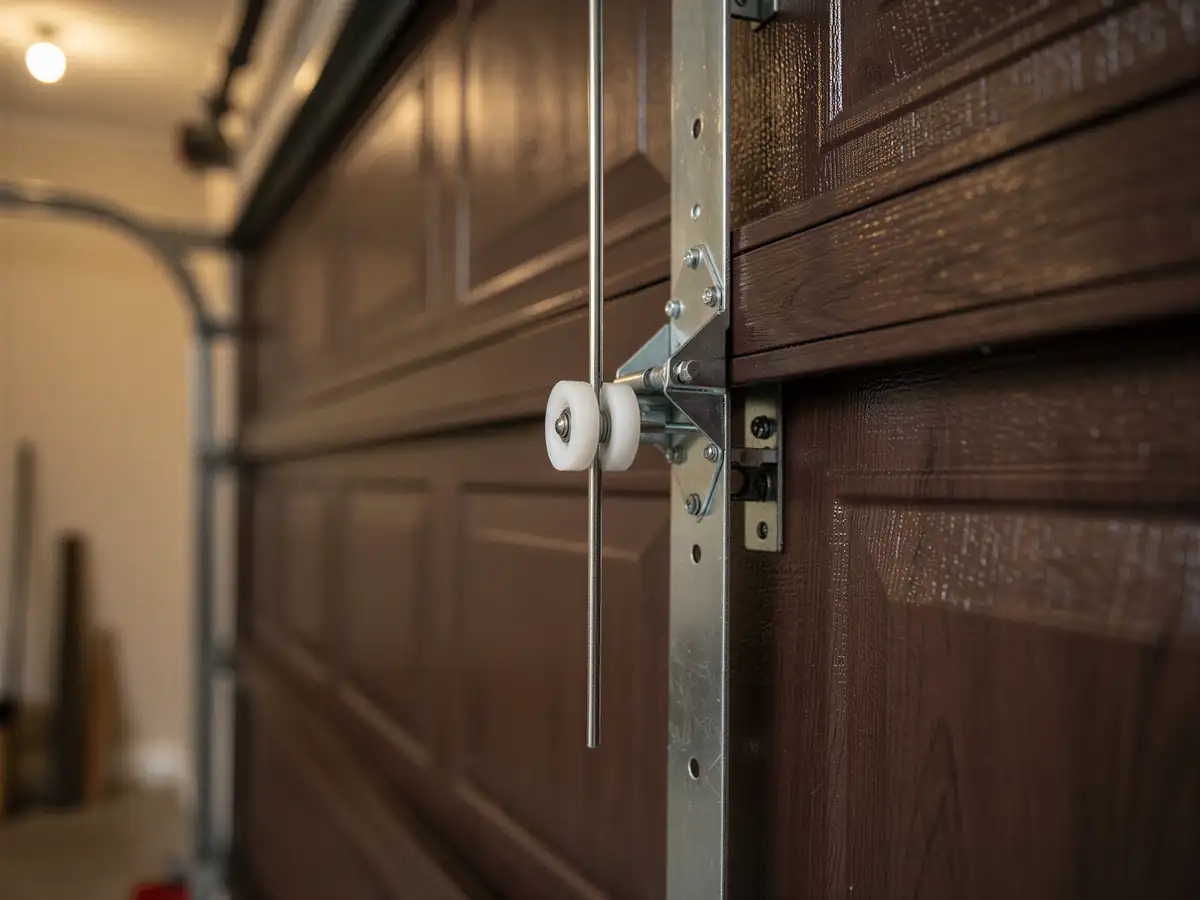
One honest limit: if your springs are original to a house built in the 60s or 70s, we're often finding worn cables, pitted bearings, or a rusted drum in the same visit. We'll quote what's actually failing, not just the spring, because replacing one part on forty-year-old hardware and leaving the rest is a repeat call waiting to happen.
What You Are Seeing
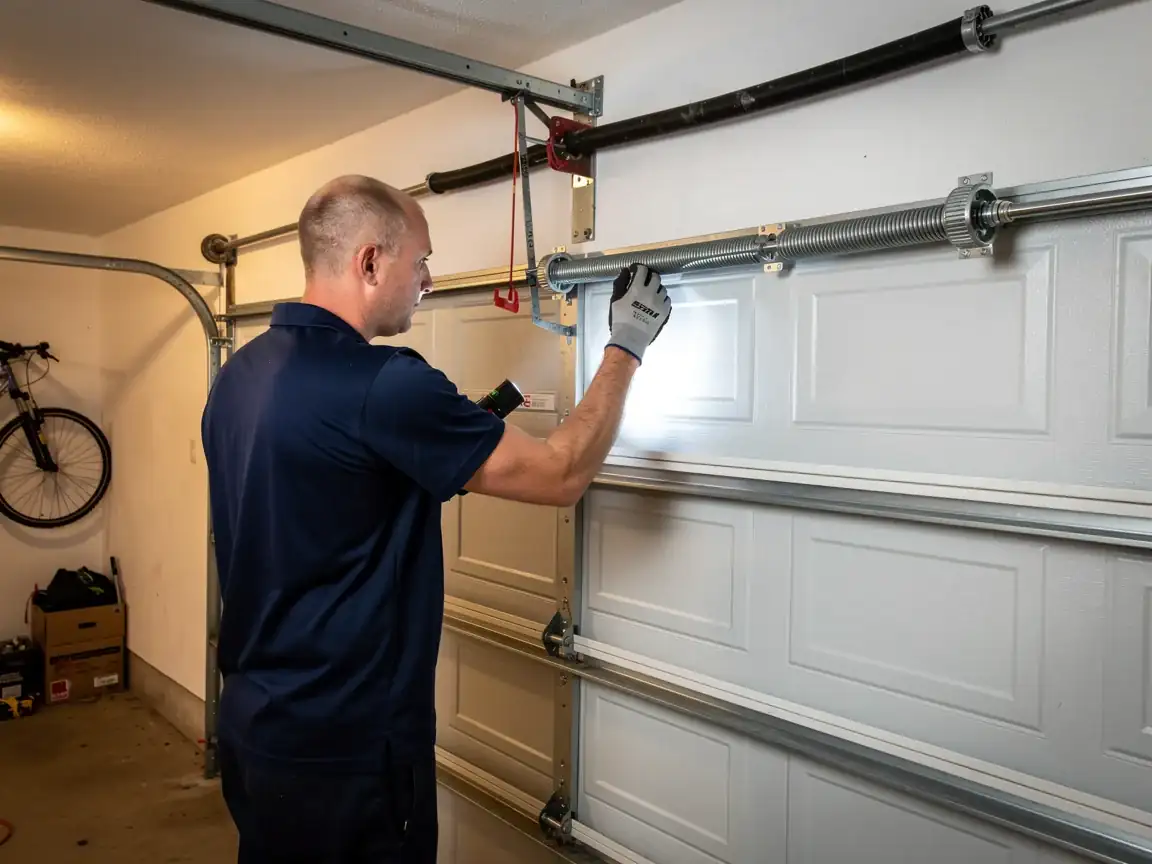
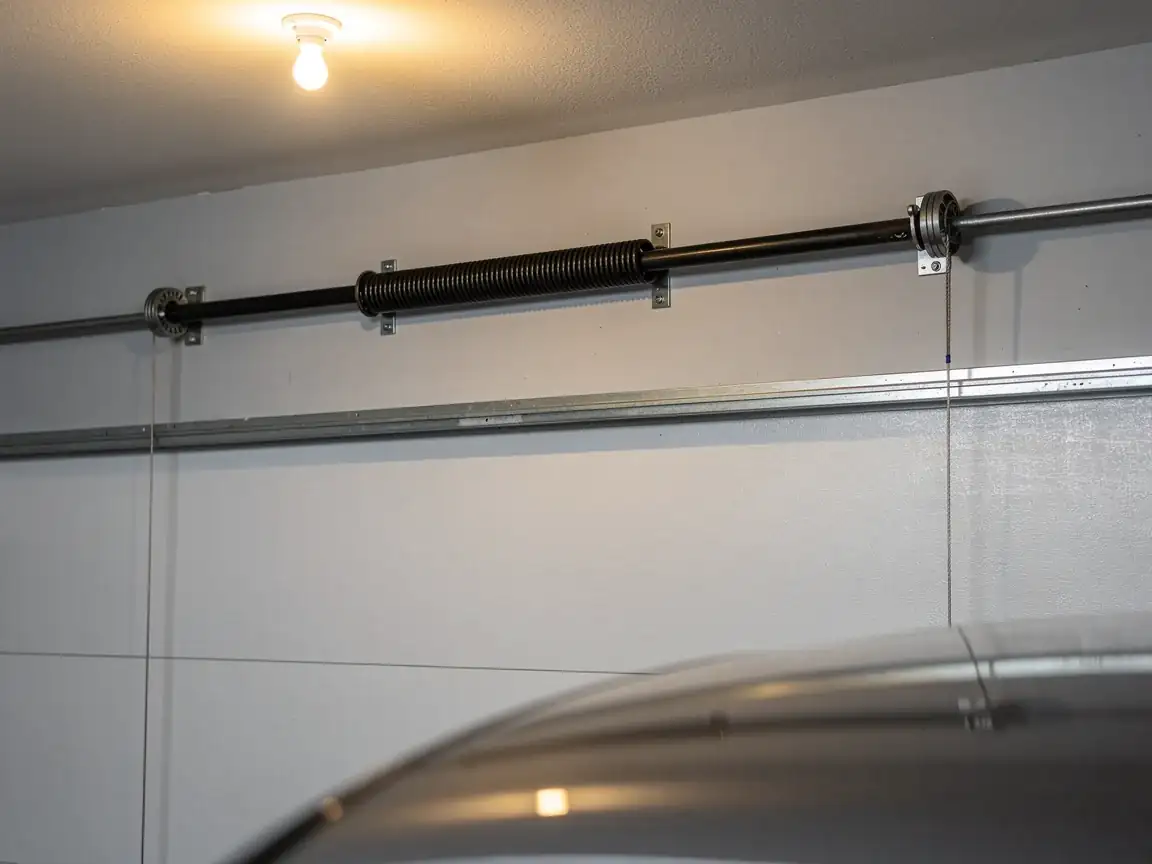
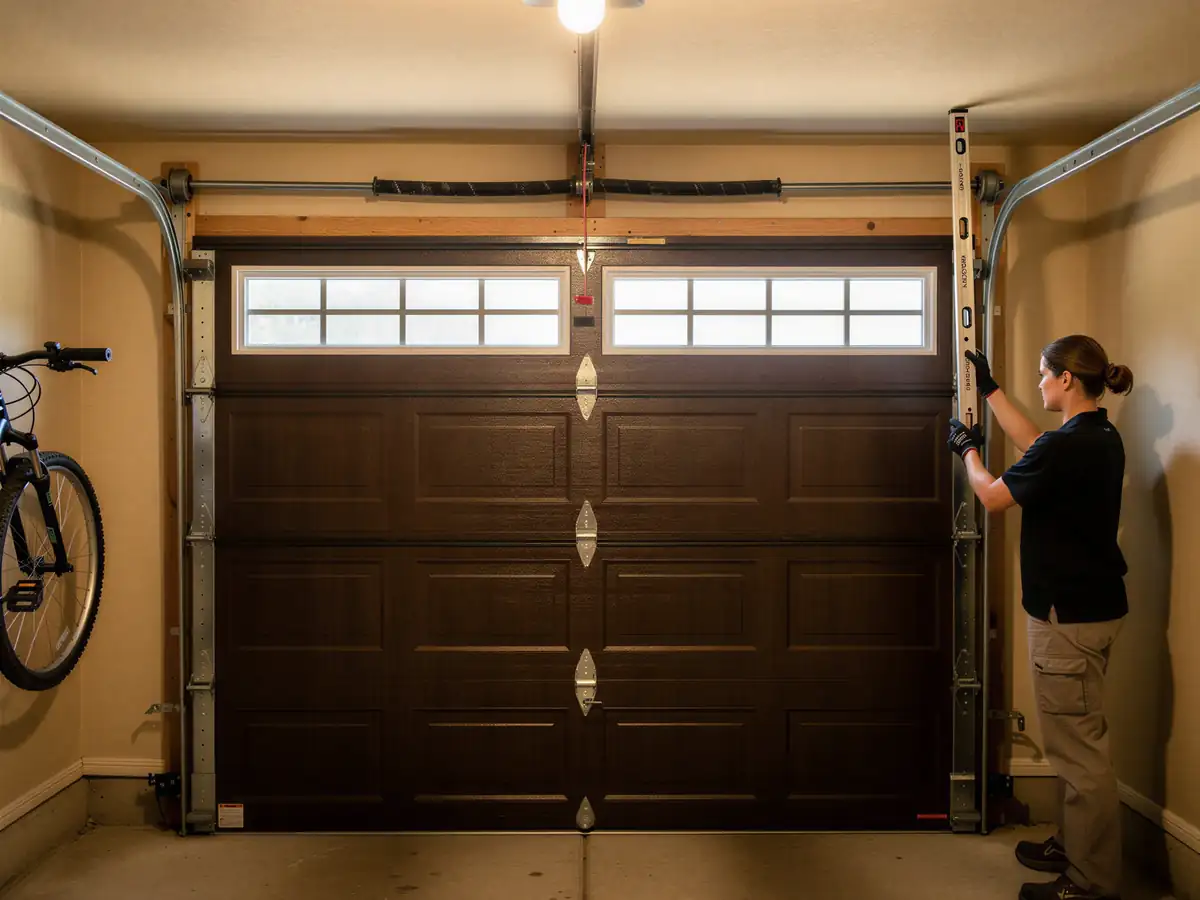
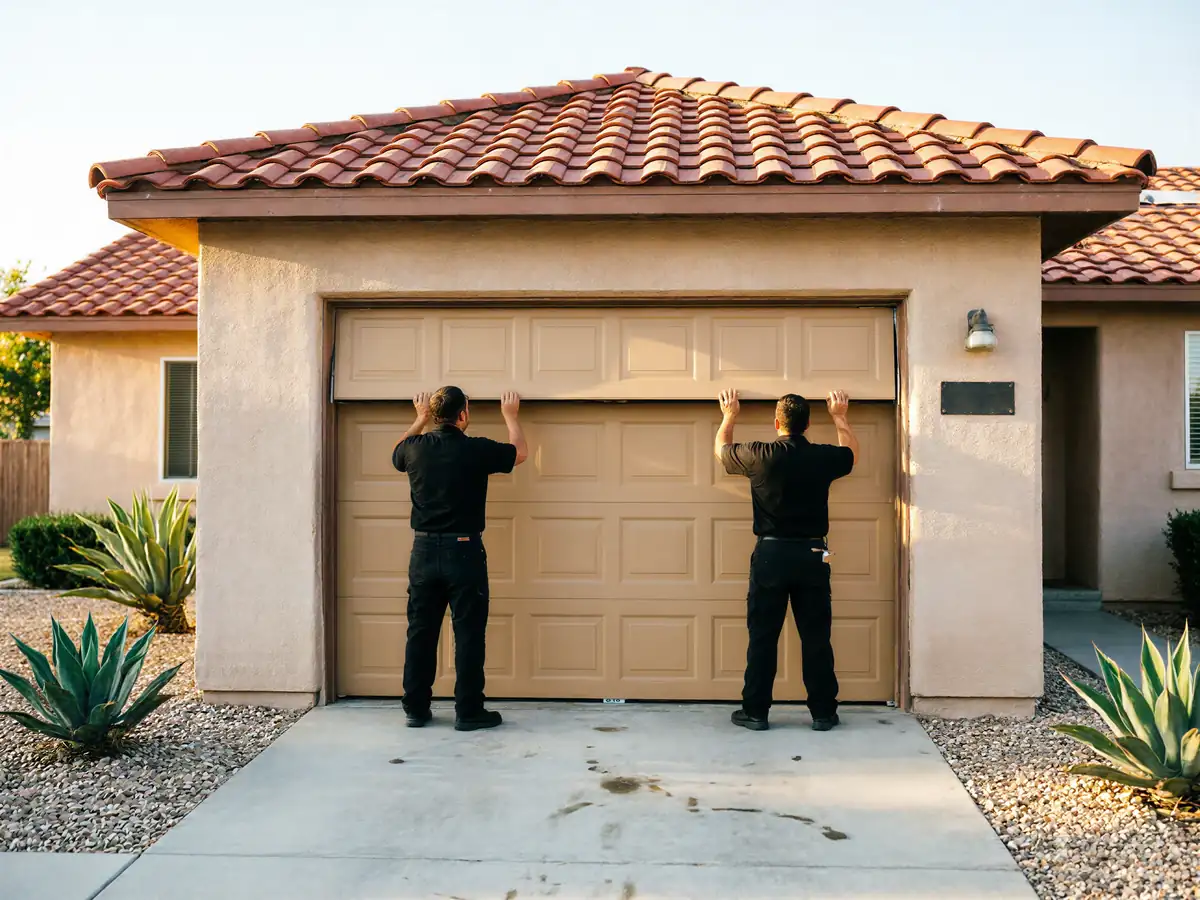
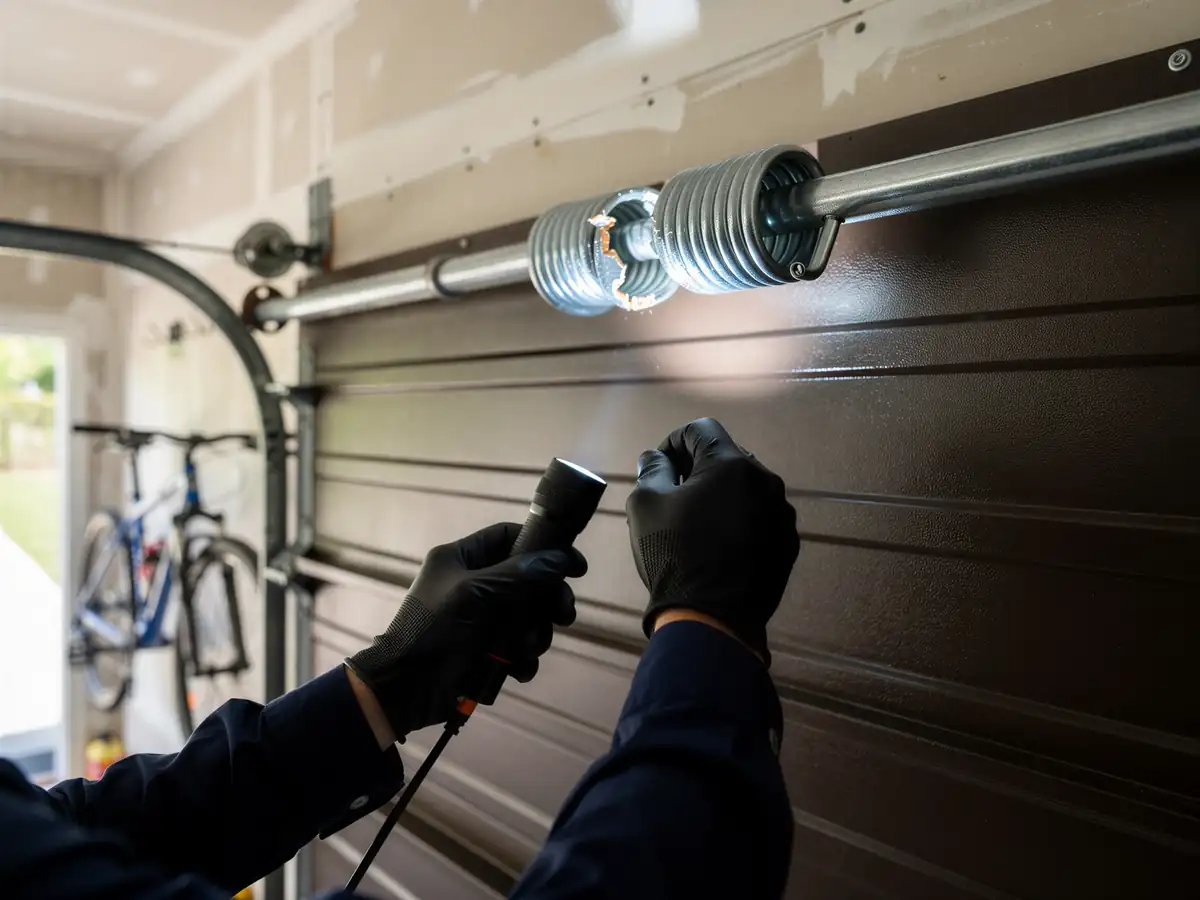
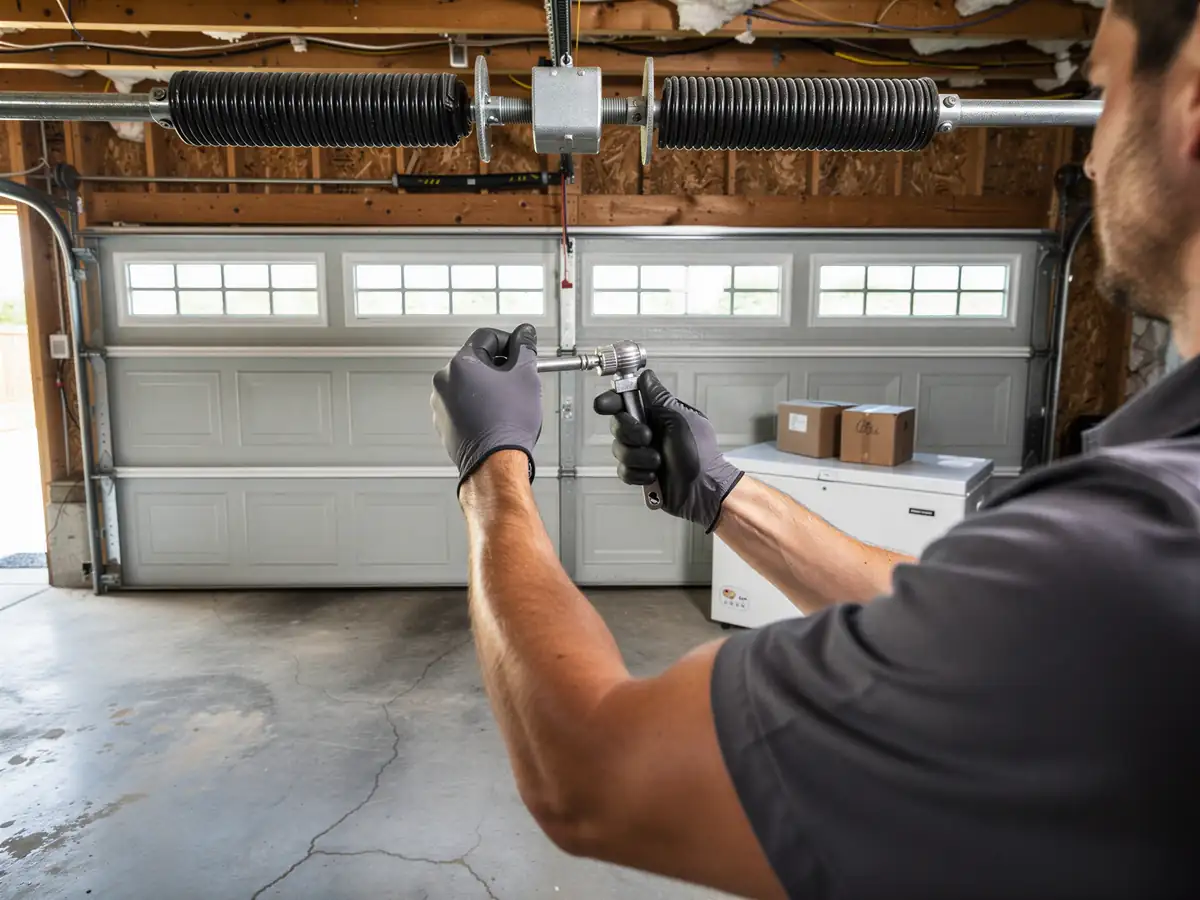
The clearest sign is a door that won't budge, or one that slams down fast instead of lowering under control - that's a snapped torsion spring losing its grip on the shaft. You might hear a loud bang from the garage before this happens; that's often the spring itself breaking, not an accident.
Other signs: the opener strains and reverses, making a grinding or straining noise partway up, because it's trying to lift a door weight the spring used to carry. Or the door looks lopsided when it's open halfway, hanging crooked in the track - that's usually one spring on a two-spring door giving out while the other is still holding.
If you can see a visible gap in the coil of the spring above the door, don't try to open it manually. A broken torsion spring under tension is the most common cause of serious injury in garage door repair, and it's not a DIY fix regardless of how simple the parts look once the door's open.
How Long It Takes
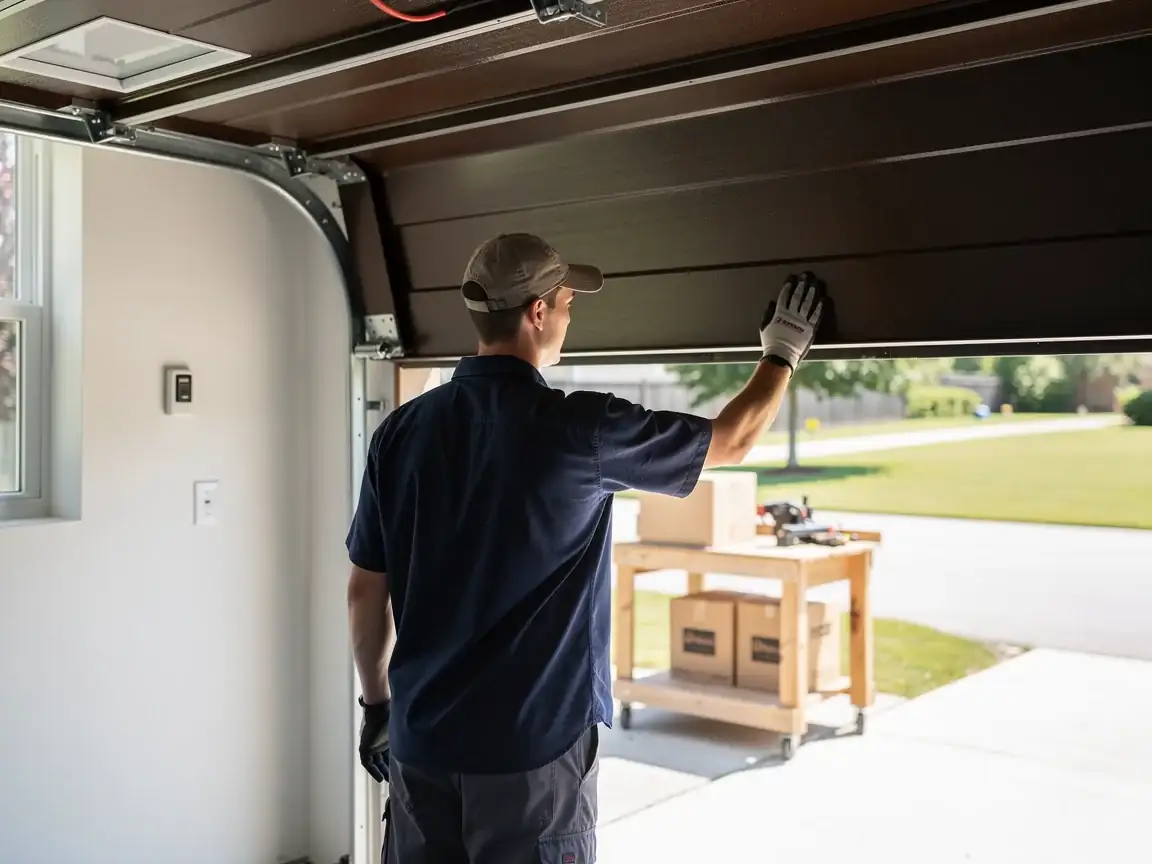
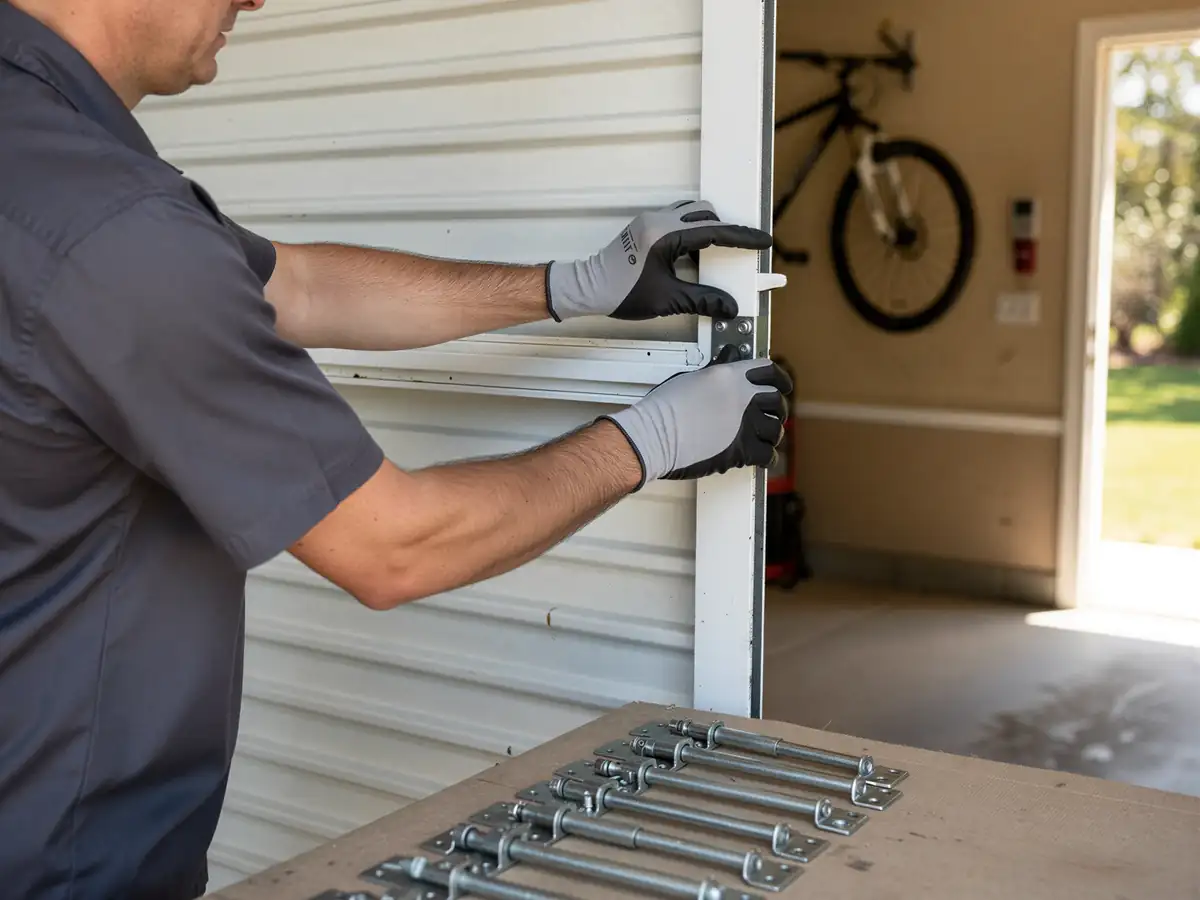
A straightforward torsion spring swap, no cable or drum damage, is usually a same-visit job once we're on site
Most of the time on the call goes to confirming spring size and door weight, not the swap itself. If cables, bearings, or the drum also failed, which happens more often on original hardware from the 60s and 70s, the visit runs longer because we're replacing worn parts at the same time rather than coming back for them separately.
Parts availability is the one variable outside our control
Standard torsion springs we stock. Less common sizes, or hardware tied to an older or discontinued door model, can mean a short wait on parts before the job finishes. We'll tell you up front if that's the case rather than guess.