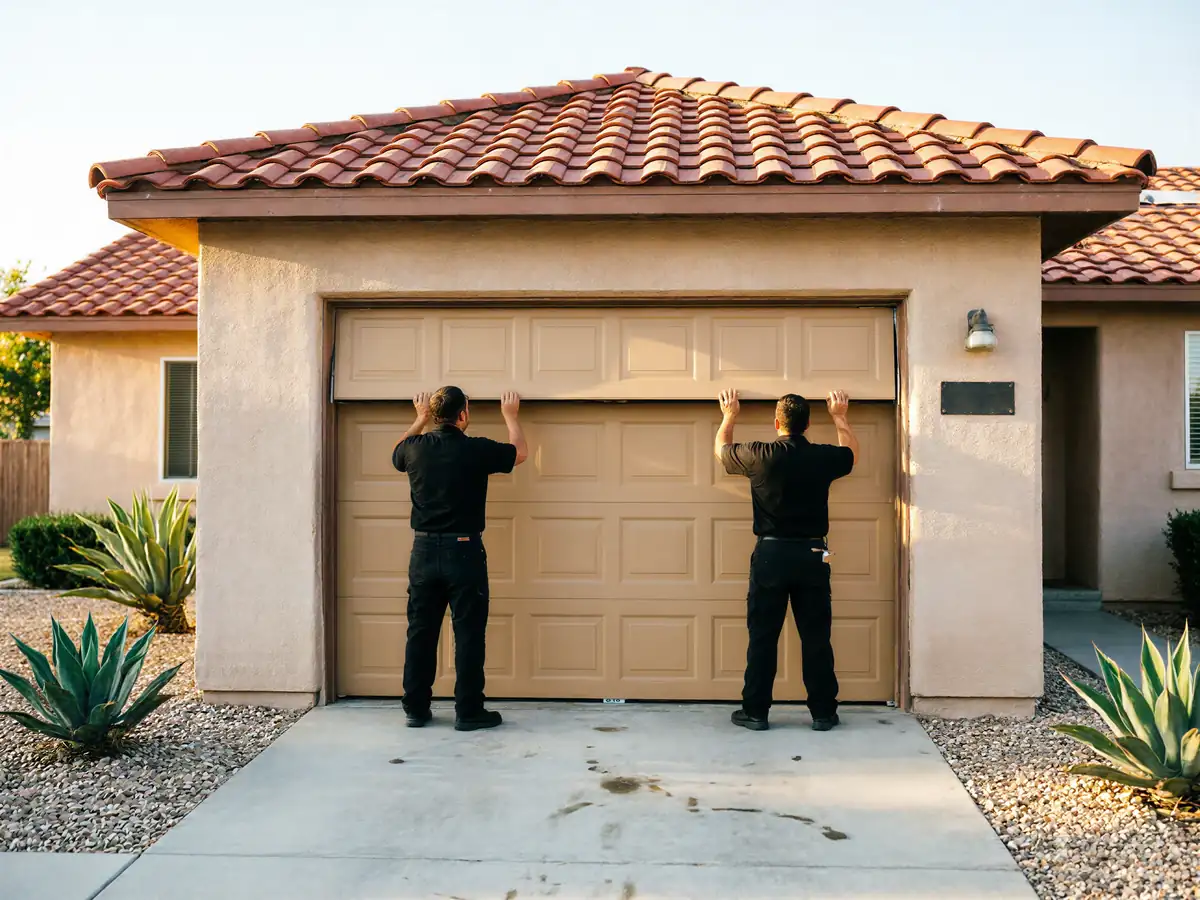
What Causes It Around Here
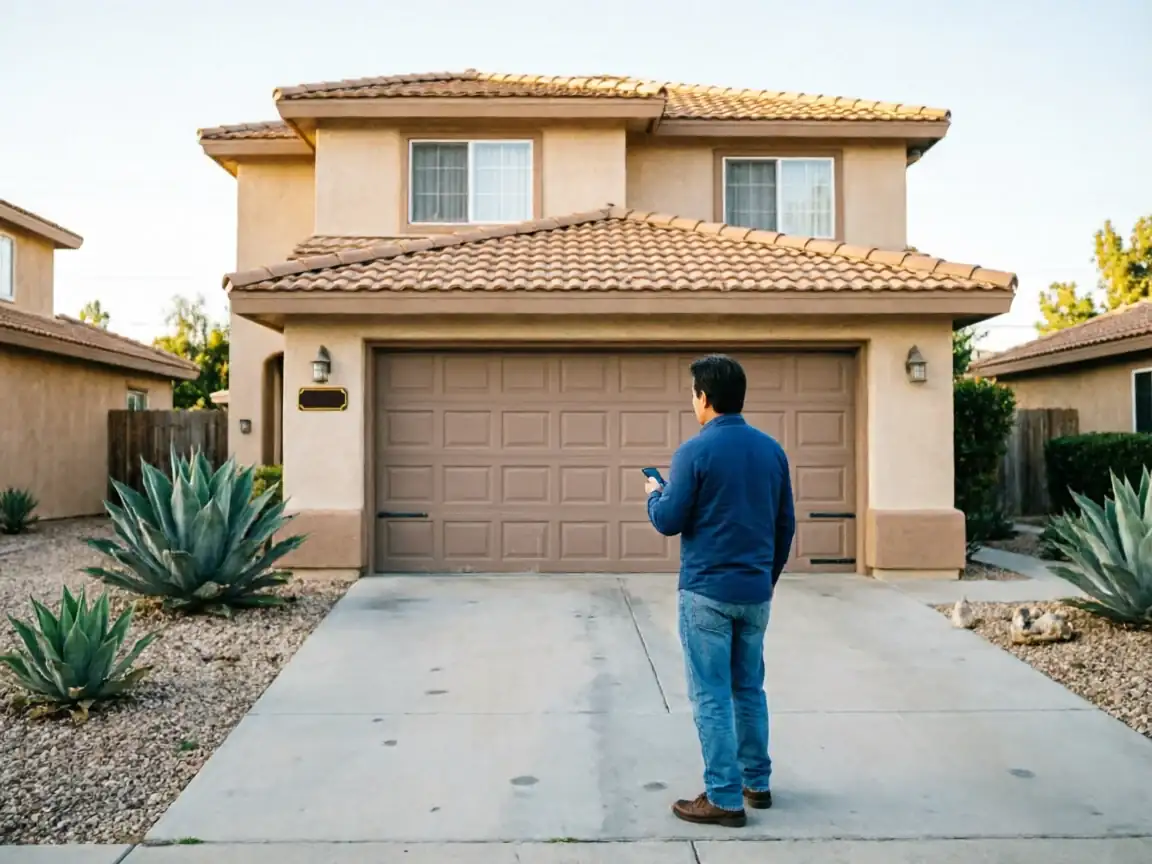
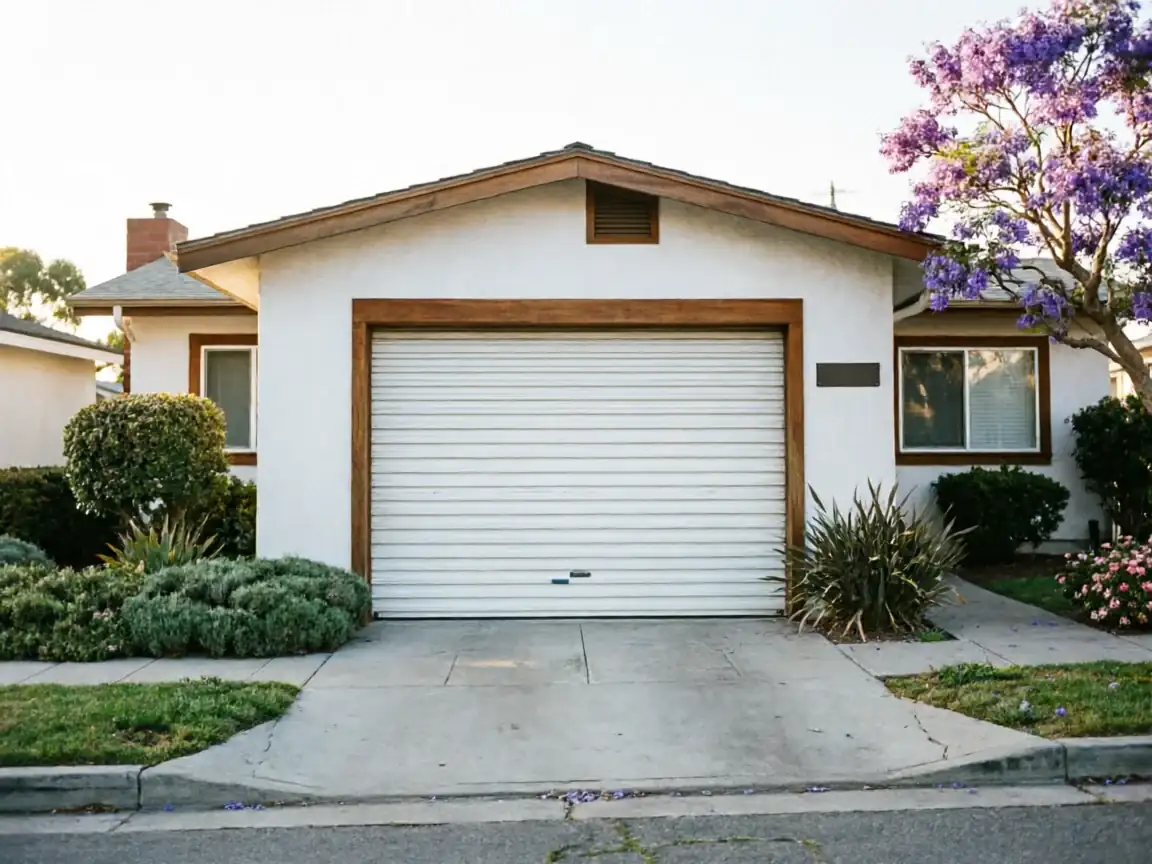
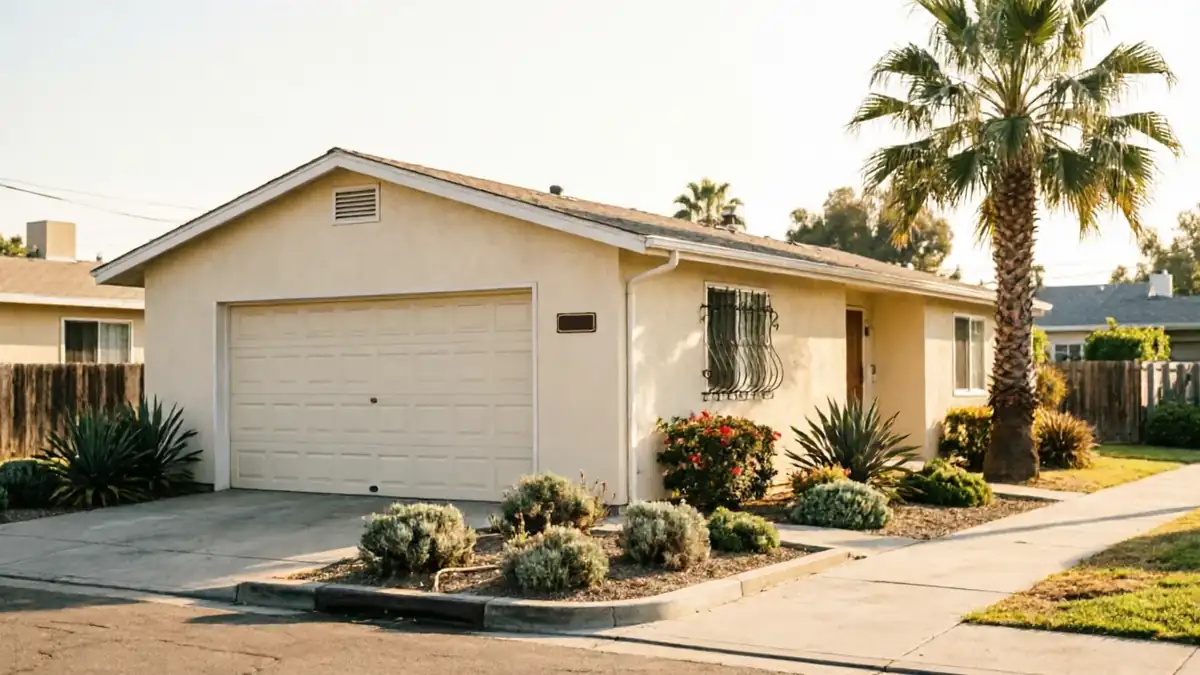
Most of the housing in Santa Clara's service area went up between 1947 and 1987
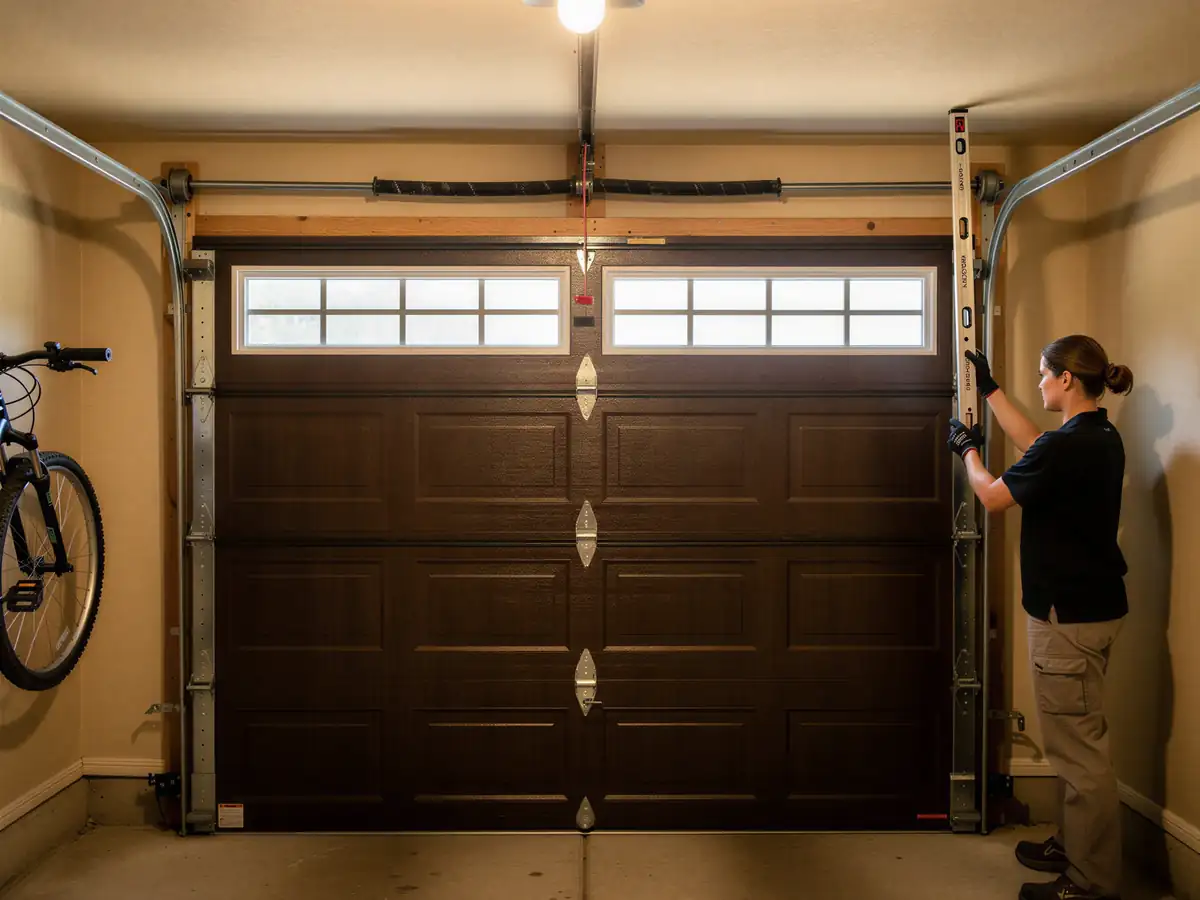
With the median home dating to 1964. That's not a small detail when it comes to garage doors. A door installed on a house built in the early 1960s has had sixty years to outlive its hardware two or three times over, and a lot of those openings still carry the original track width, header clearance, and spring mounting from the first build. When a homeowner calls us wanting a new door, the job is rarely a simple panel swap - it's often a question of whether the existing jamb and header can even take a modern insulated door without some carpentry first.
The mild temperate climate here doesn't put the same stress on doors that you'd see in a place with hard freezes or heavy humidity swings
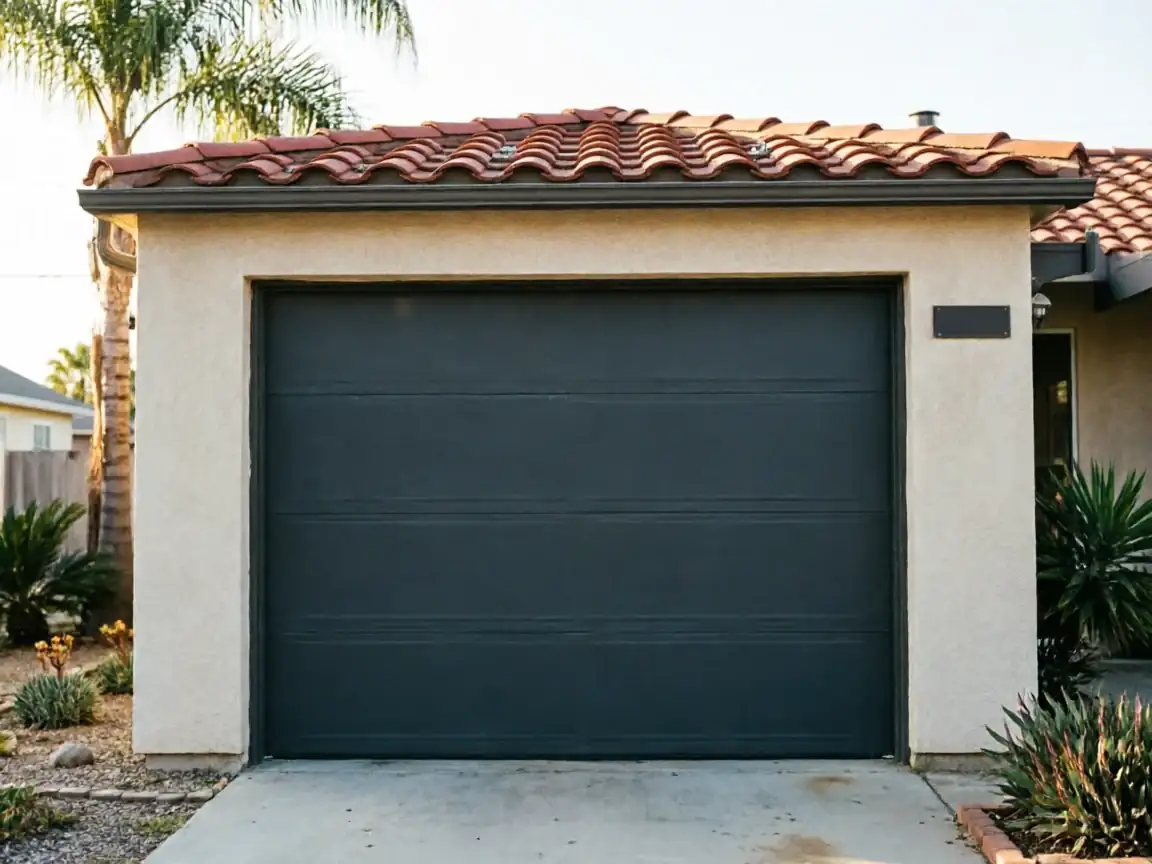
So you don't get the warping or rust-through that drives replacement elsewhere. Instead, the failure mode around here is almost entirely wear: steel that's fatigued from decades of cycles, non-insulated single-layer panels original to a 1960s build, and track systems sized for lighter doors than what's sold today. That combination of old housing stock and a gentle climate means doors here tend to get replaced because they're worn out or outdated, not because the weather wrecked them.
What You Pay
We don't post a flat number here because what you pay depends on what's behind your current door. A straight swap - same size opening, same track position, door going in where a door already fits - costs less than a job where we're widening a header or re-framing for a modern insulated panel on a house built decades before double-layer steel doors existed.
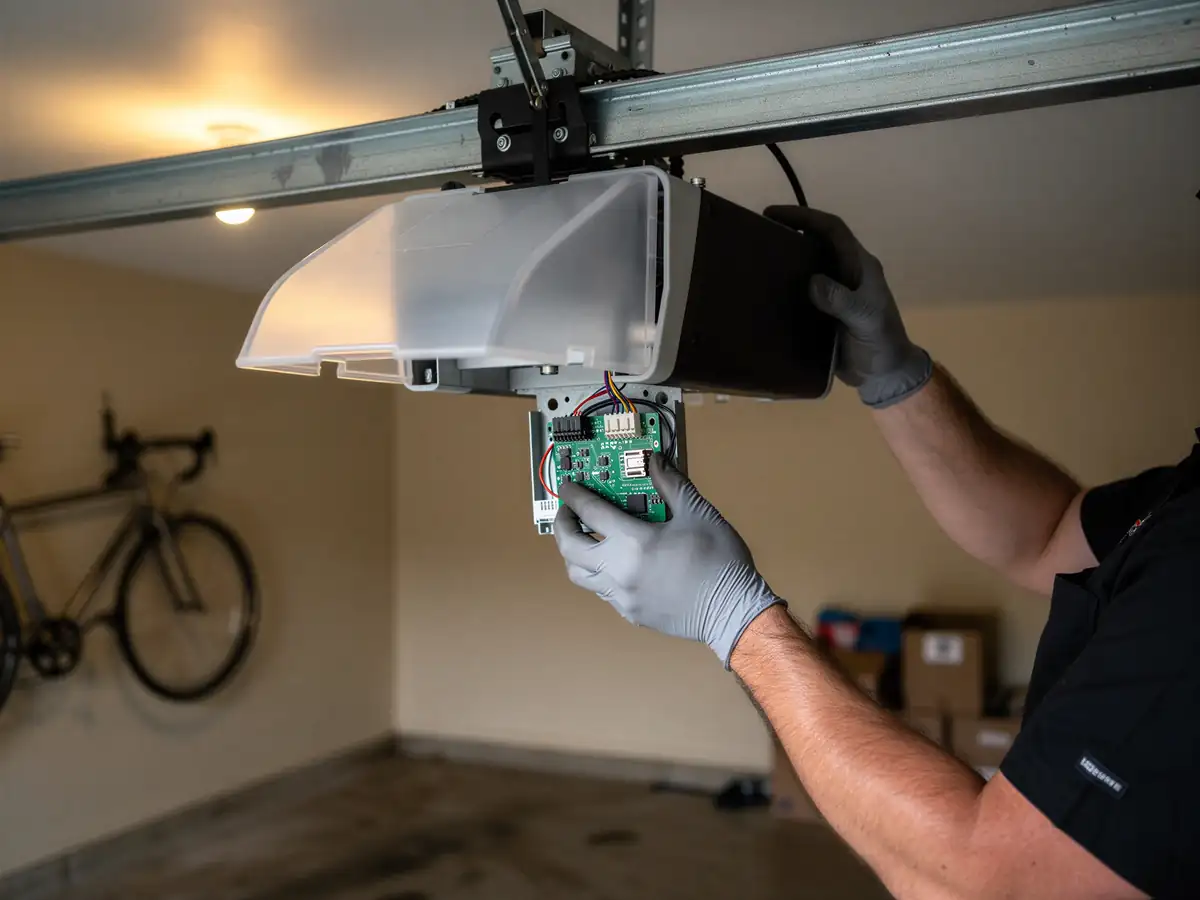
With median household income in the service area sitting around $214,149, we see a wide range of requests, from a basic single-layer steel replacement to fully insulated doors with upgraded openers. The honest answer is that we need to see your opening before we quote it. A lot of 1960s-era garages have non-standard rough openings that need shimming, re-trimming, or a new header before a new door will seat right - and that labor is the real variable in your price, not the door itself.
What You Are Seeing
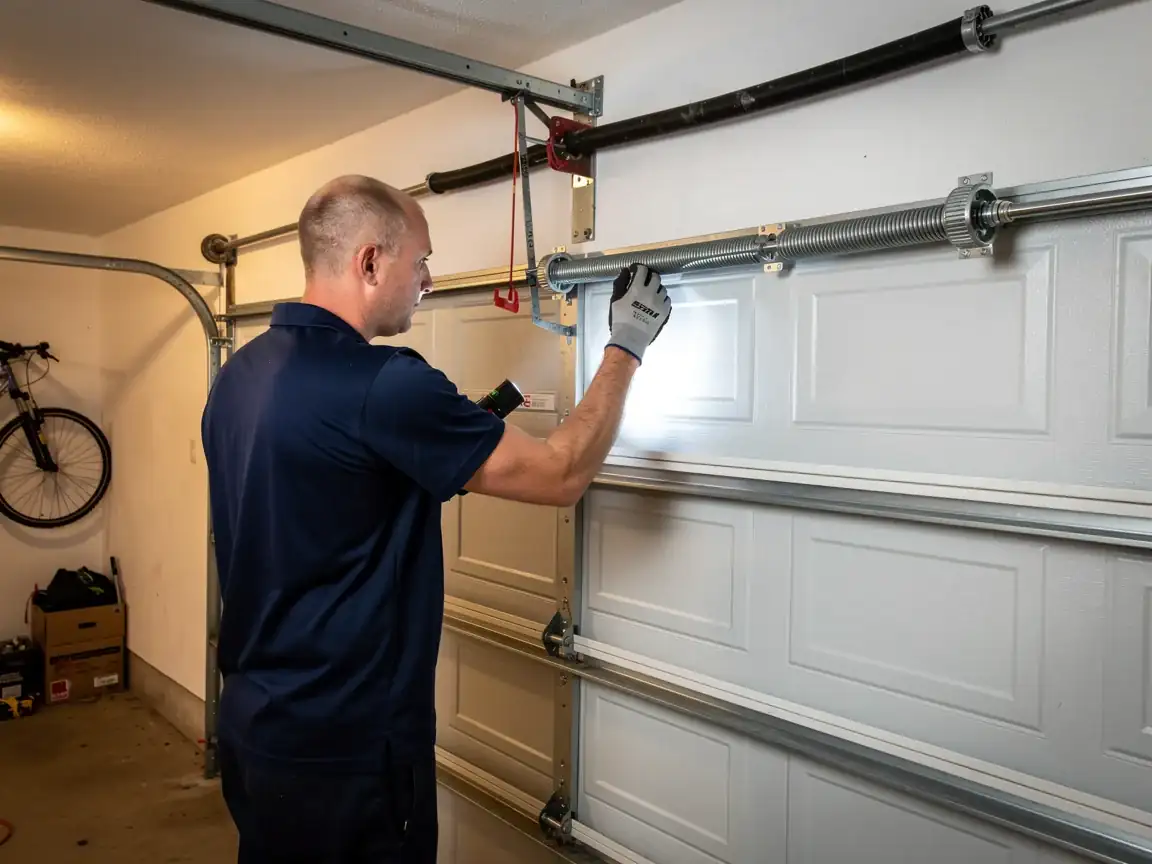
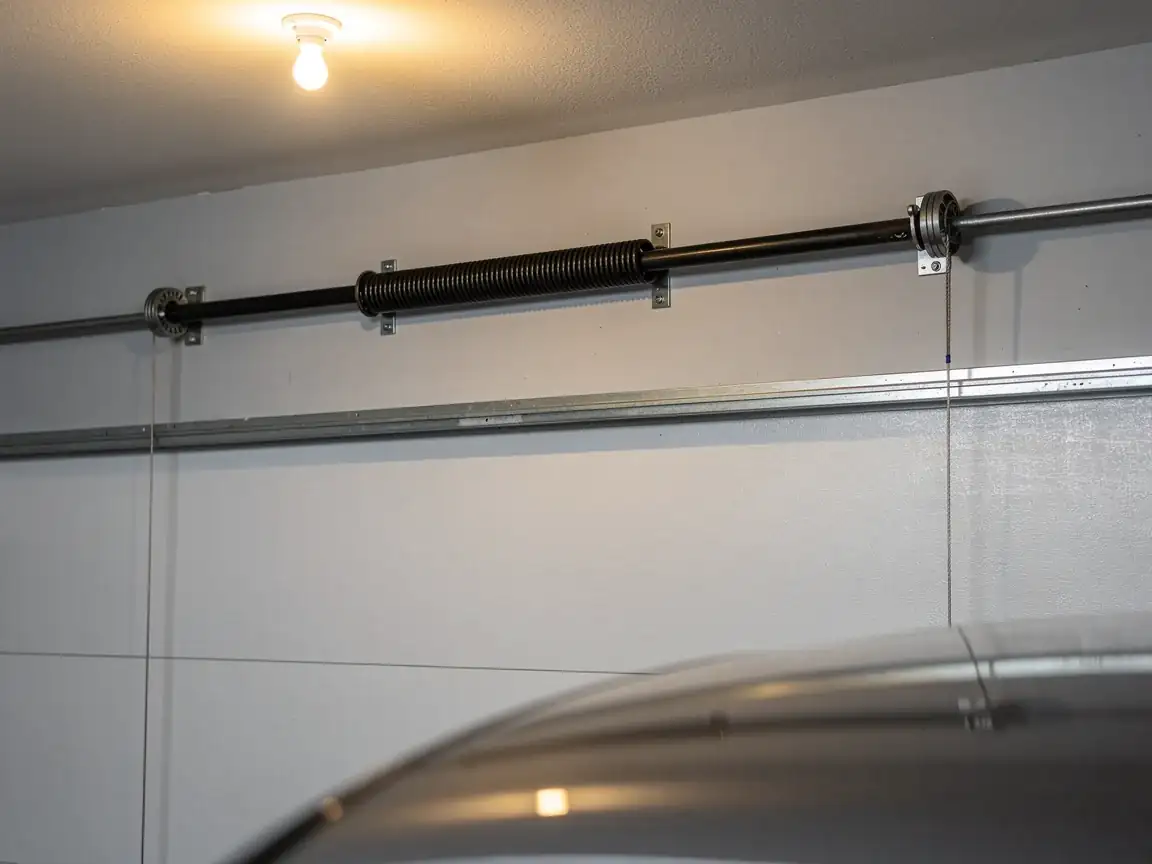
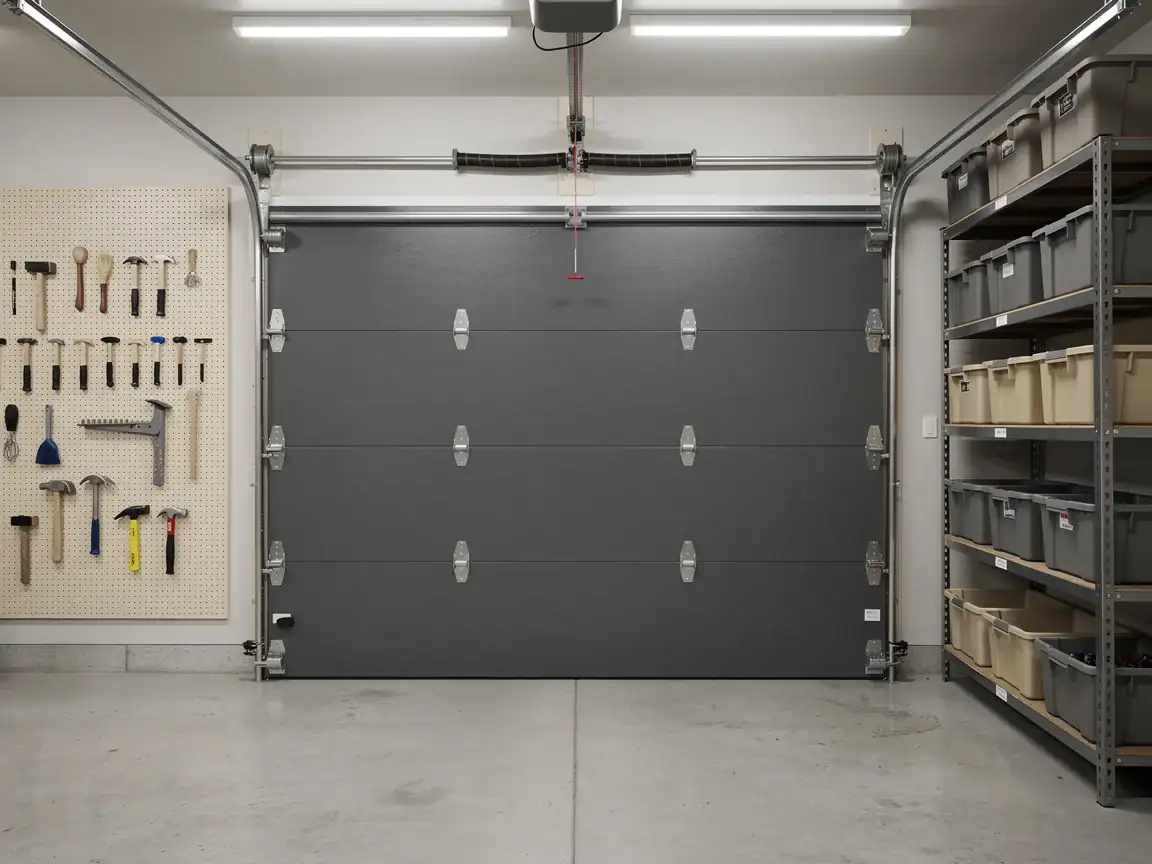
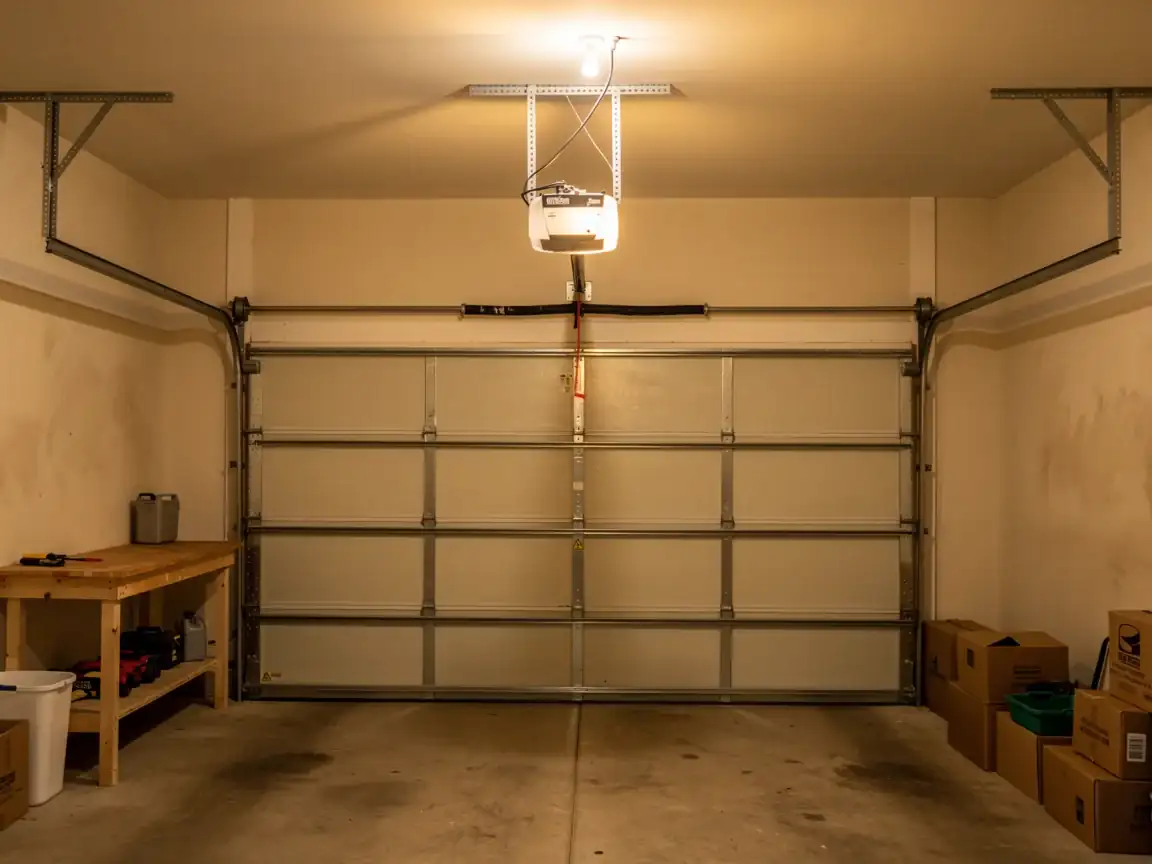
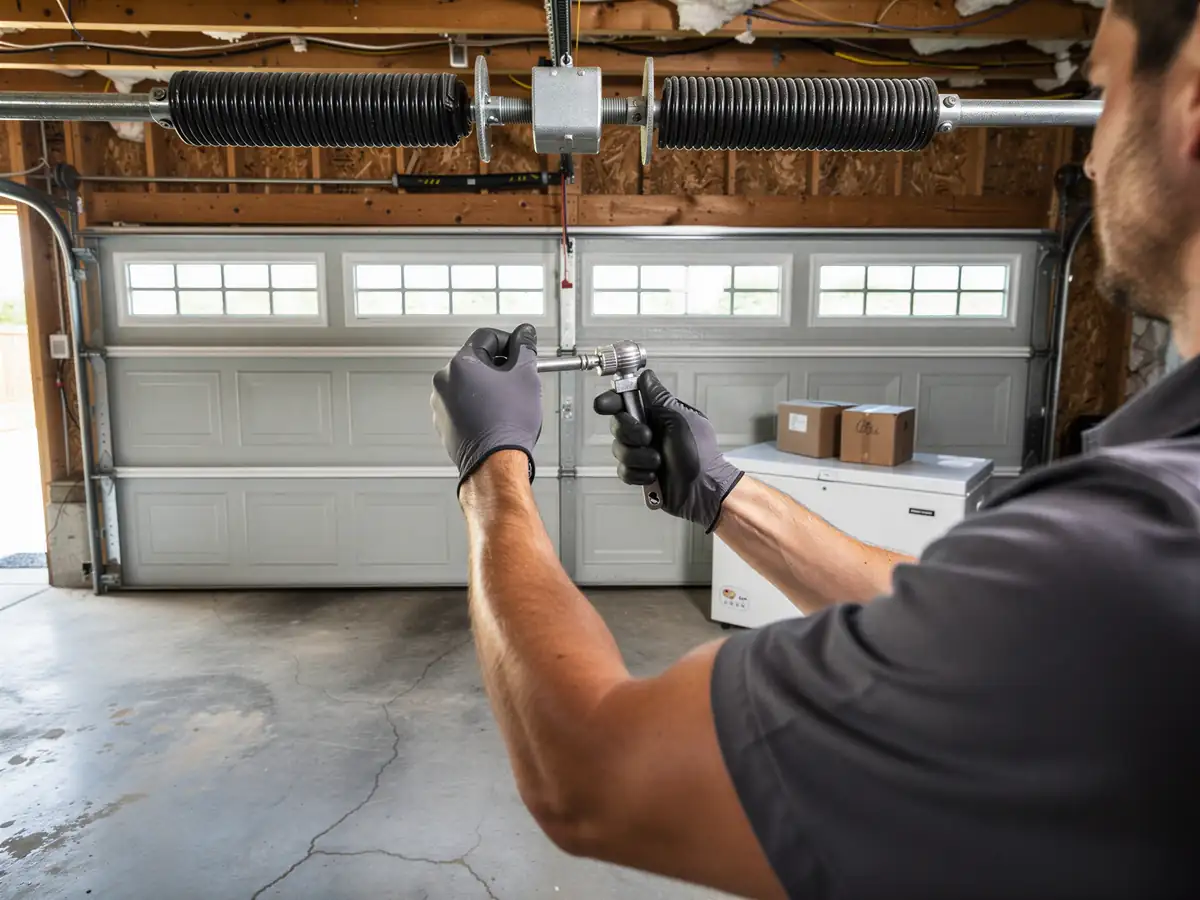
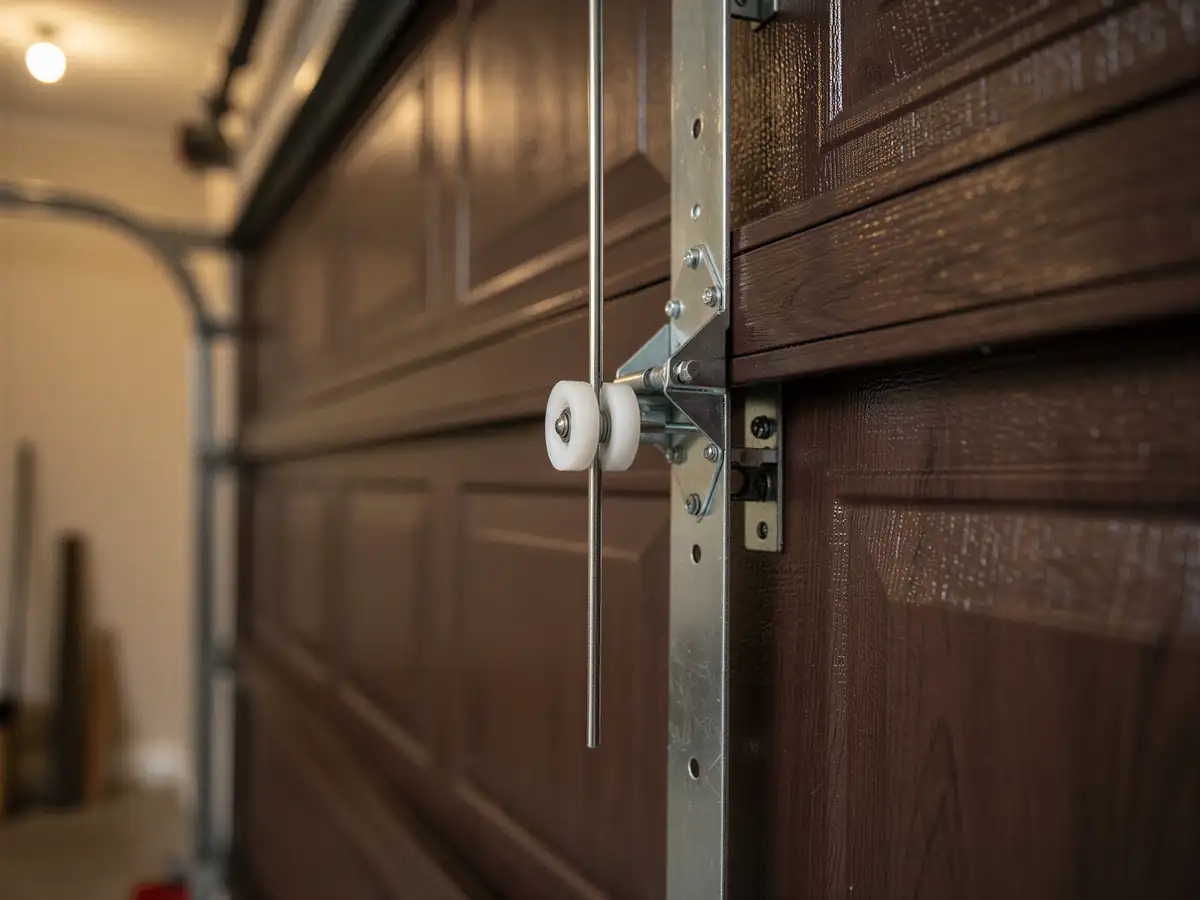
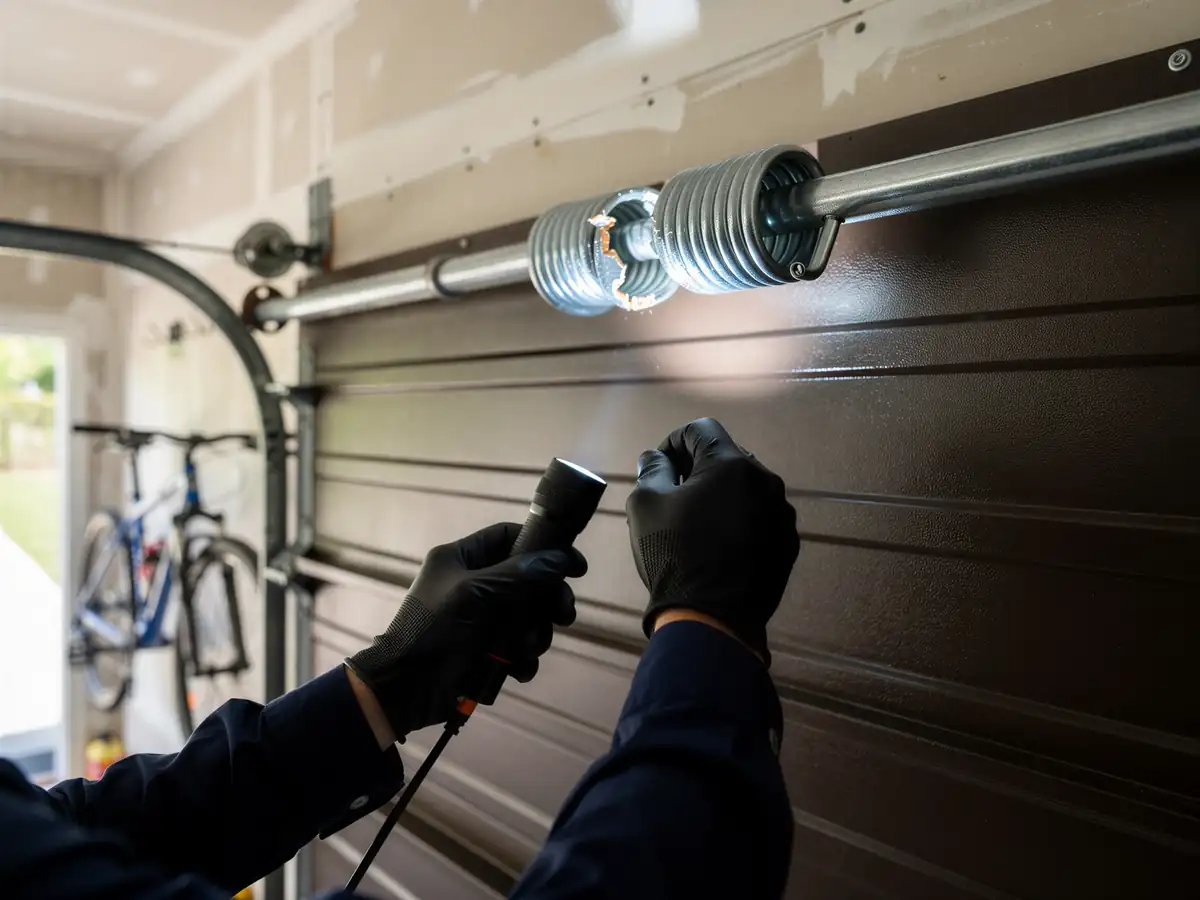
If your garage was built when most of the neighborhood was - in that 1947 to 1987 window, with most of the stock dating to the 1960s and 70s - here's what we typically find when we open it up: a single steel panel with no insulation layer, steel hinges that have worn oval where the rollers sit, and a torsion or extension spring system sized for a lighter door than anything on the market now. You might notice the door is heavier to lift by hand than it used to be, or that it sags visibly at the bottom corners when closed.
Sometimes what looks like a simple cosmetic problem - a dented panel, a cracked window insert - turns out to be the excuse to finally replace a door that was already due. We'll tell you straight if your current door is a repair candidate or if the hardware underneath is old enough that installing a new door is the better use of your money. We won't talk you into a full replacement if a spring or roller fix solves the actual problem.
How Long It Takes
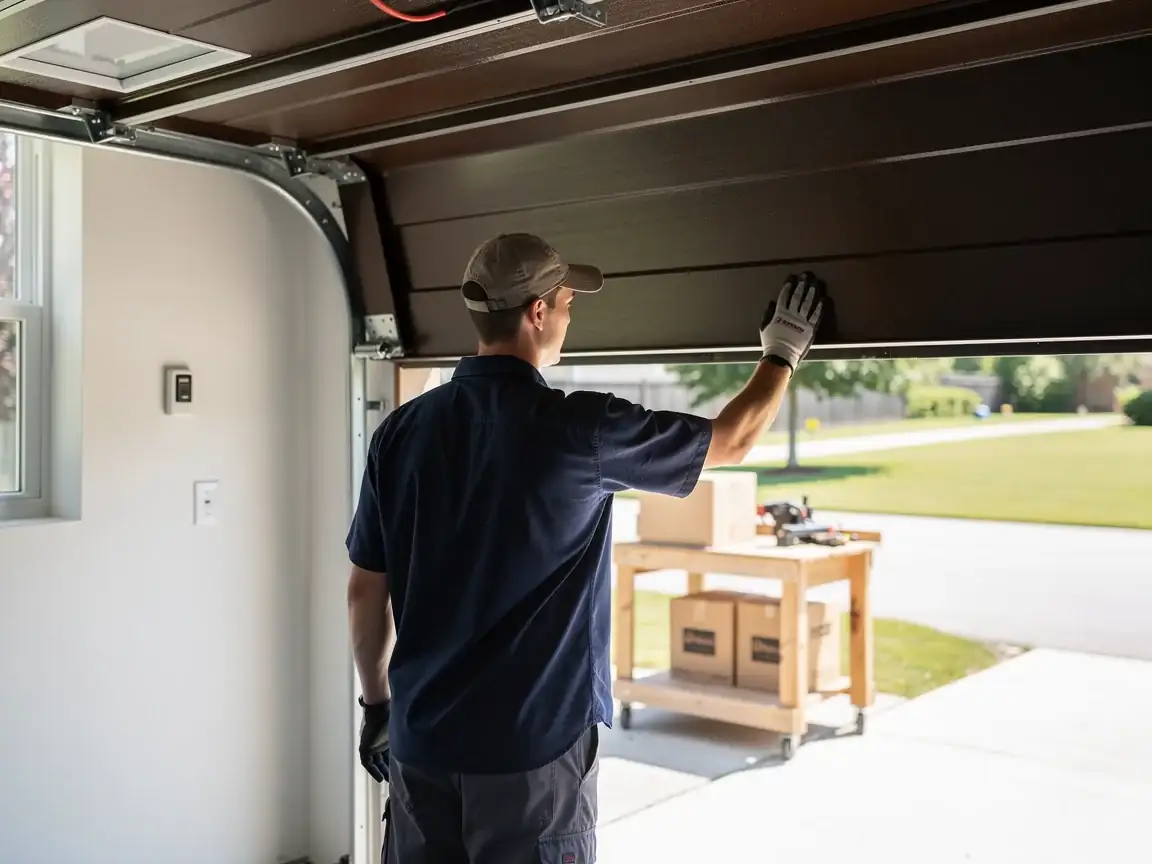
A standard replacement on an opening that already fits
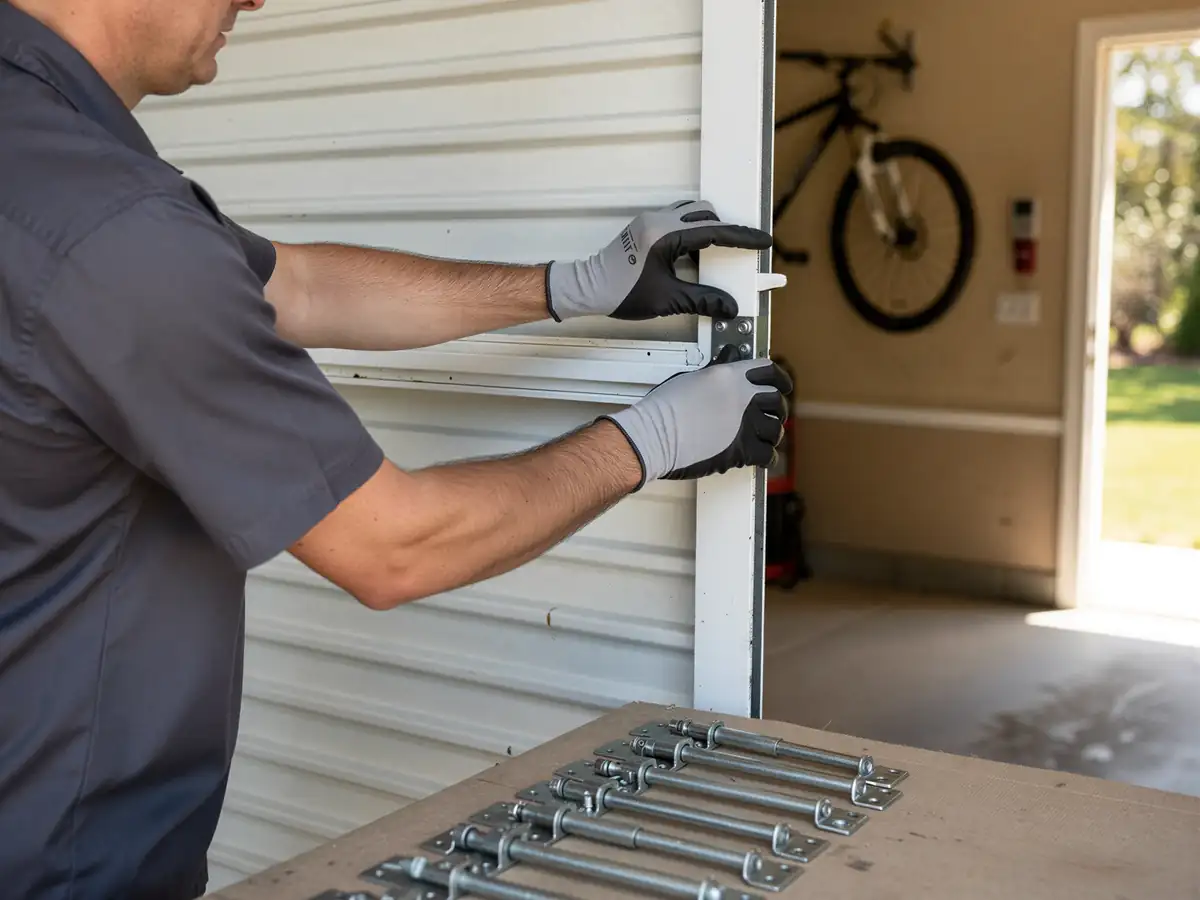
No header work, no re-framing - is usually a same-day job from removal of the old door to a working new one. Where it stretches out is the header and framing work that a lot of these older Santa Clara-area openings need before a modern door will fit square. If we find that once we're into the job, we'll tell you before we start cutting anything, not after.
One limitation worth saying plainly: we don't stock every size and style of door on the truck
If you want a specific insulated model or a particular panel style, there can be a short lead time waiting on the door itself to arrive from the supplier. We'd rather tell you that up front than rush a job with the wrong door on hand.