What Causes It Around Here
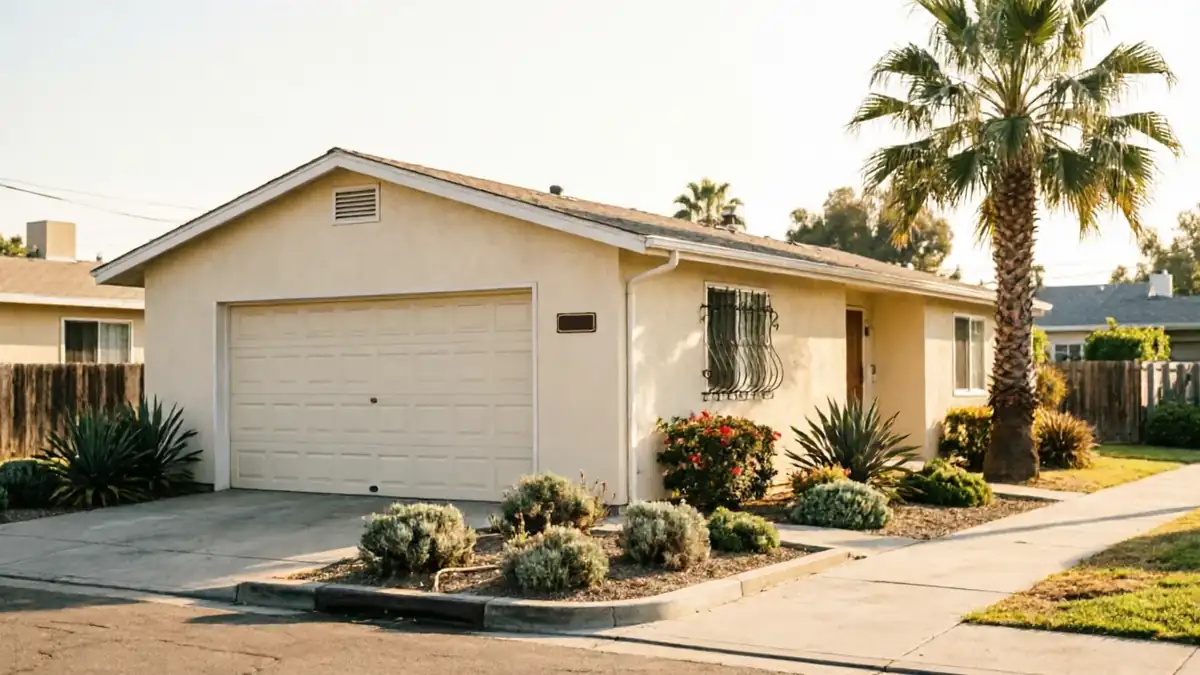
Most of the housing stock in this part of the valley went up between 1947 and 1987
With the bulk of it clustered in the 1960s and 70s. That matters for rollers because doors from that era were built with steel rollers running in steel tracks, often with little or no nylon buffer. Over three or four decades those steel-on-steel rollers wear flat on one side, and the bearings inside them dry out and seize. You end up with a roller that doesn't roll anymore - it just drags or chatters through the track.
The mild temperate climate here doesn't put doors through the freeze-thaw cycles that crack rollers in colder regions
So that's not the driver. What is the driver is age and mileage. A door that's been opened and closed twice a day since the Johnson administration has put tens of thousands of cycles on original hardware that was never meant to last this long. Across the 26 named areas we cover, the pattern is consistent: original builder-grade rollers, now worn past their bearing life, on doors that are otherwise still structurally sound. Swapping rollers on a door that's mechanically fine elsewhere is usually the fix - not a full door replacement.
What You Pay
We don't have a flat number to quote here, because roller jobs vary with how many rollers are bad, whether the track needs straightening along with them, and whether you want steel or nylon replacements. What we can tell you is what drives the cost: nylon rollers with sealed bearings cost more per unit than steel but run quieter and last longer, which matters if you're trying to avoid a repeat visit. If only a few rollers on one side are worn, that's a shorter job than replacing a full set of ten across a double door.
One honest limitation: if your track itself is bent or the door is badly out of alignment, roller replacement alone won't fix the noise or sticking. We'll tell you straight if the problem is bigger than the rollers before we start, rather than selling you parts that won't solve it.
What You Are Seeing
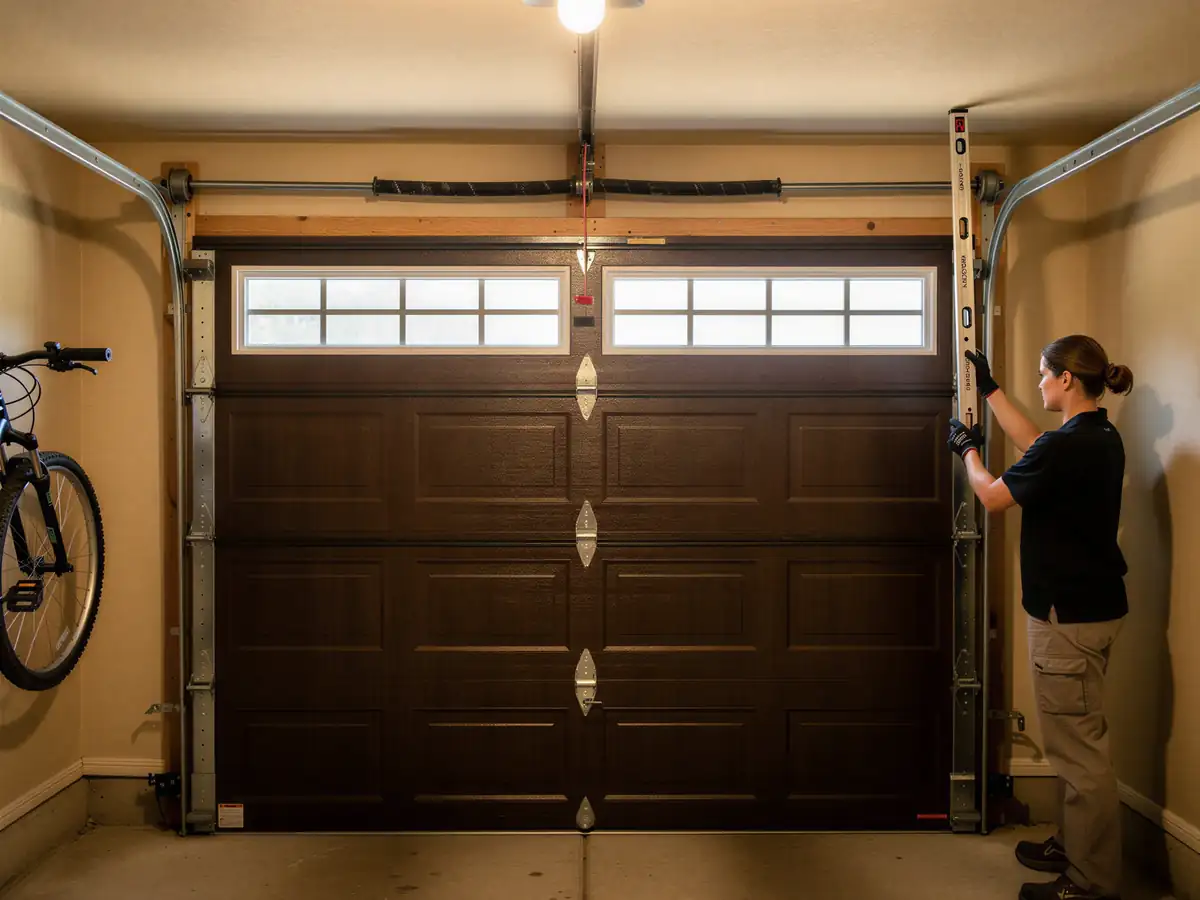
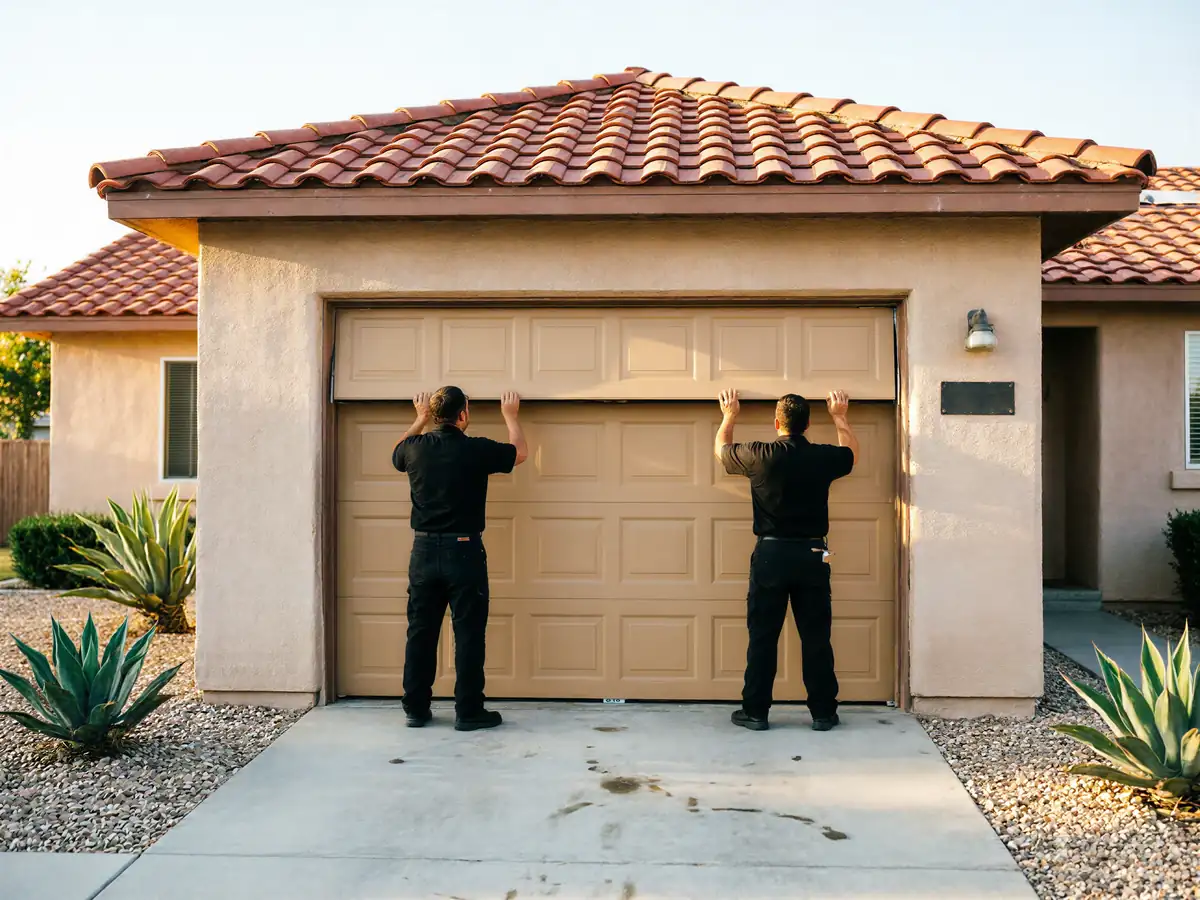
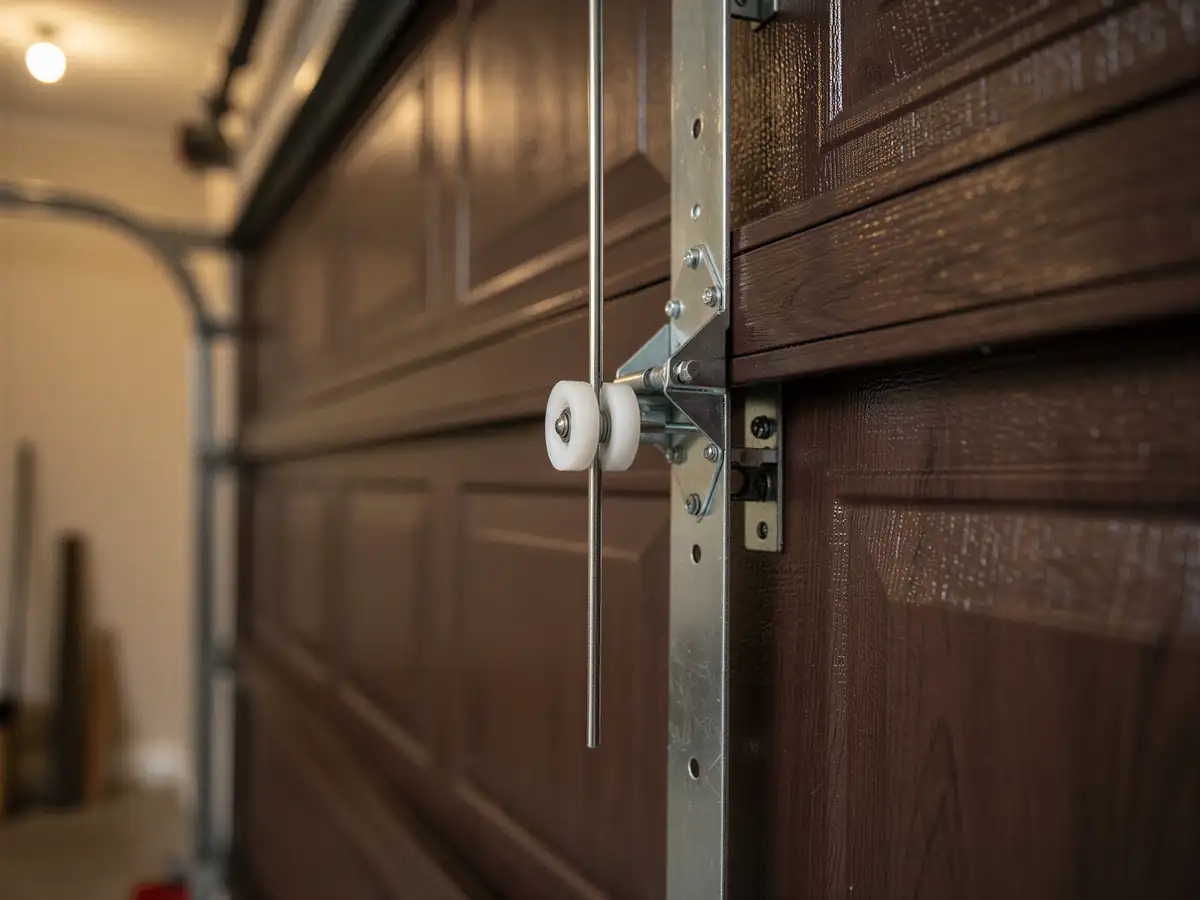
The telltale sign is a grinding or rattling noise as the door travels, usually worse at the same spot in the track every time - that's the flat spot on a worn roller hitting the rail. Some owners notice the door jerking or hesitating partway through its cycle instead of moving smoothly. Others see the door hanging crooked when it's down, which happens when rollers on one side have worn faster than the other and the door has started riding unevenly in the tracks.
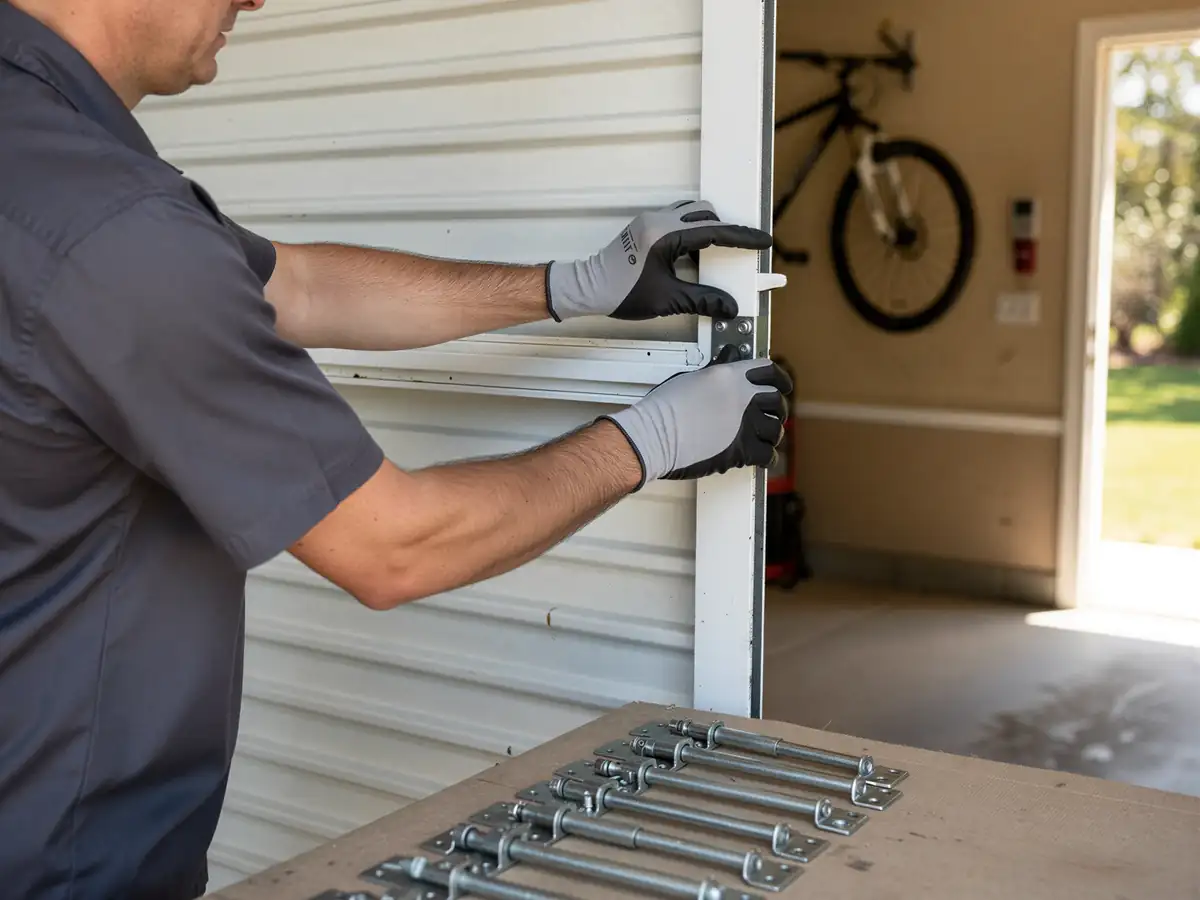
If you can see the roller itself, look for a wheel that's cracked, chipped, or worn down to a smaller diameter than its neighbors. Steel rollers that have gone this long without lubrication often show rust at the stem where it meets the hinge. None of this means the opener or springs are at fault - rollers are a separate wear item, and it's common for a thirty- or forty-year-old door with original hardware to need new rollers while the rest of the system is fine.