What Causes It Around Here
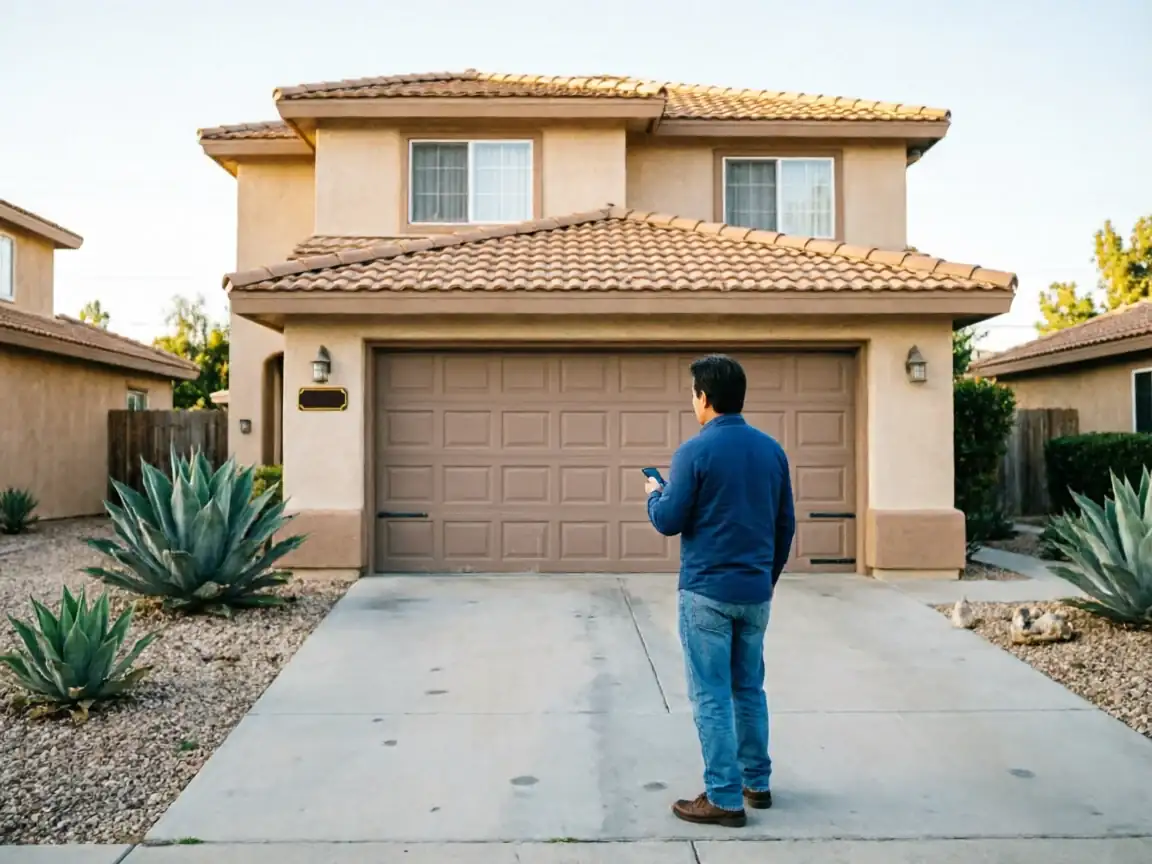
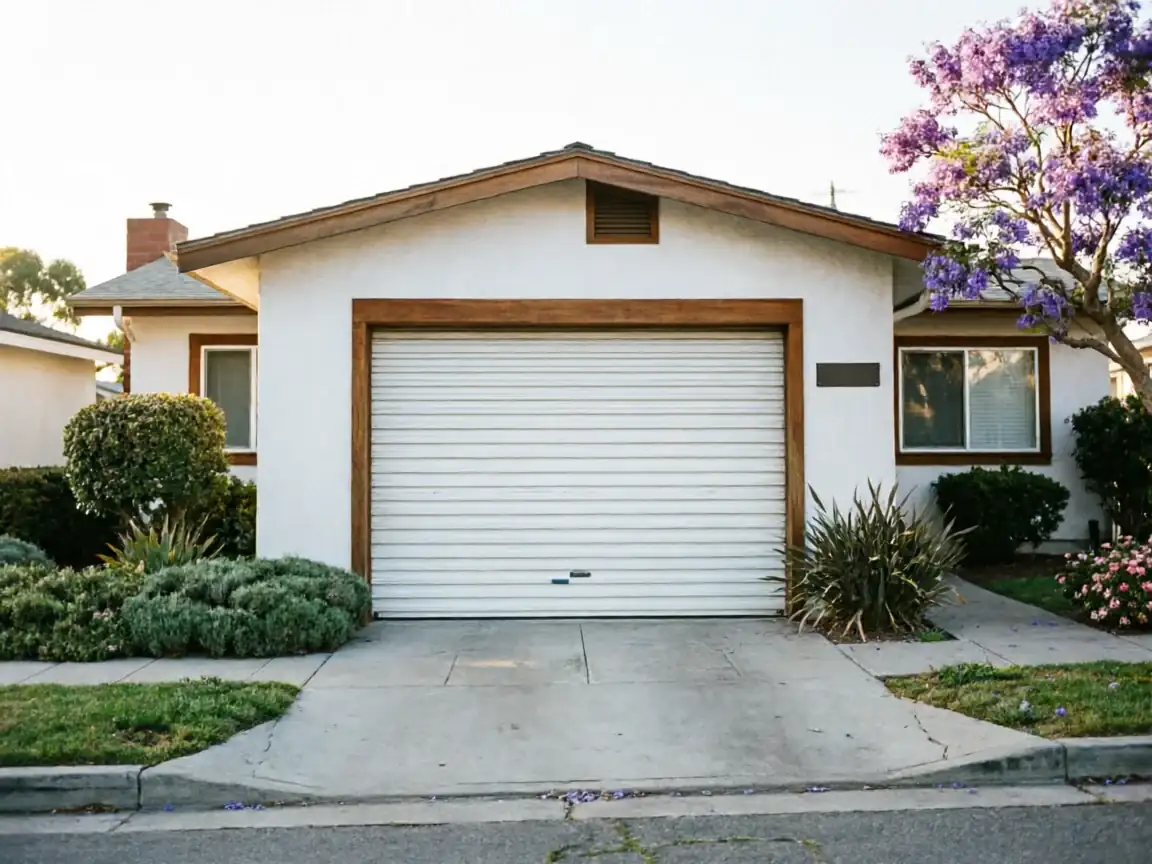
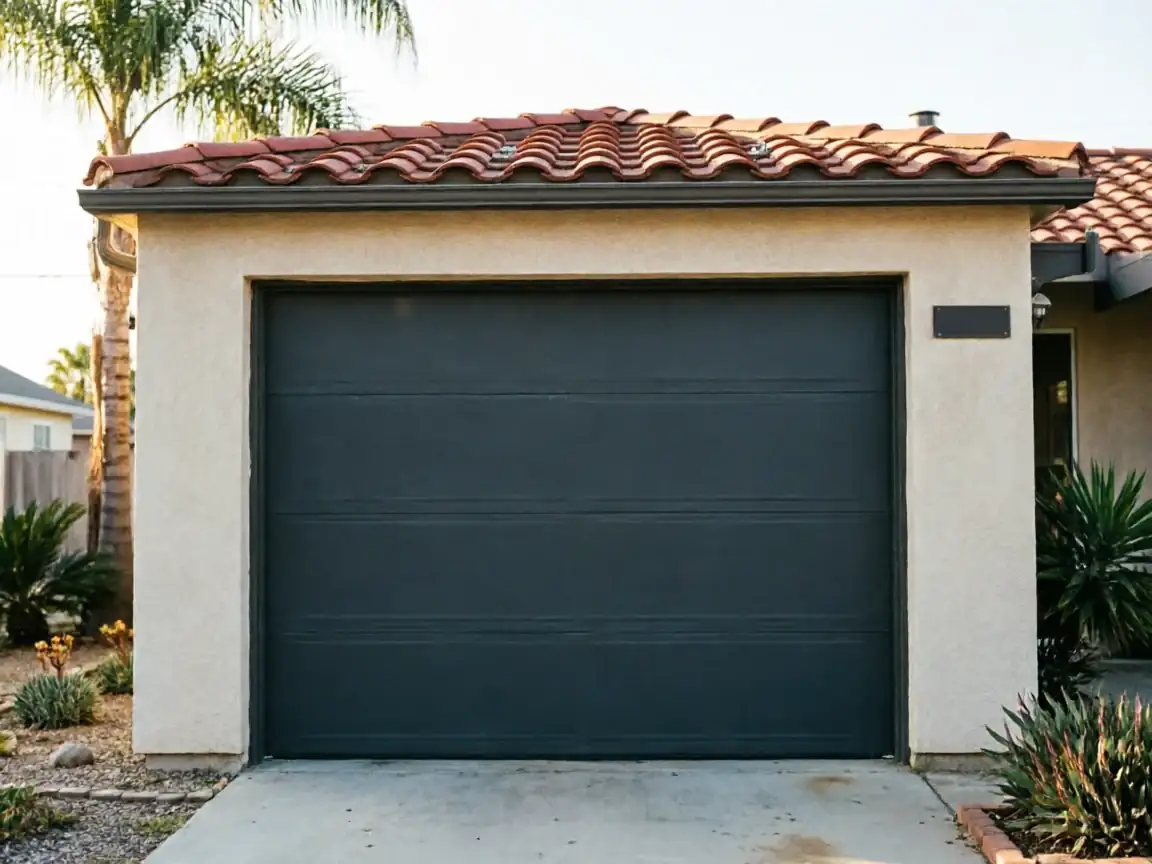
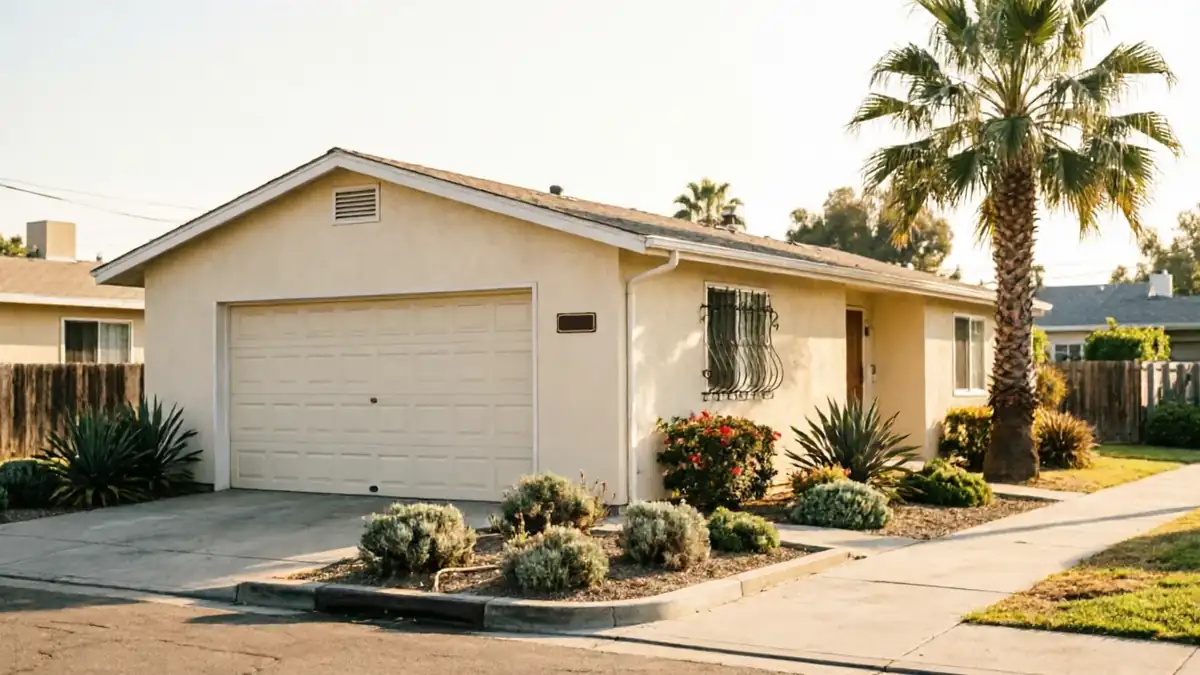
The typical Santa Clara garage went up somewhere around 1964
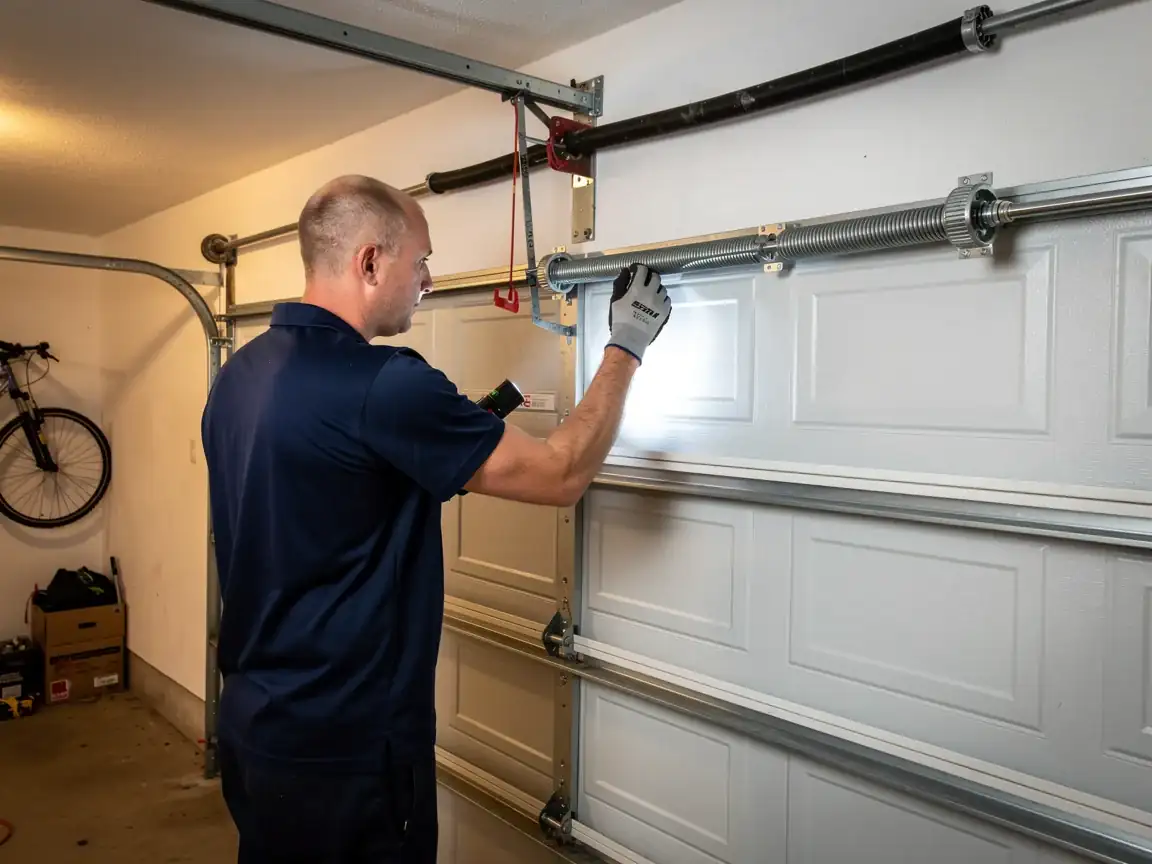
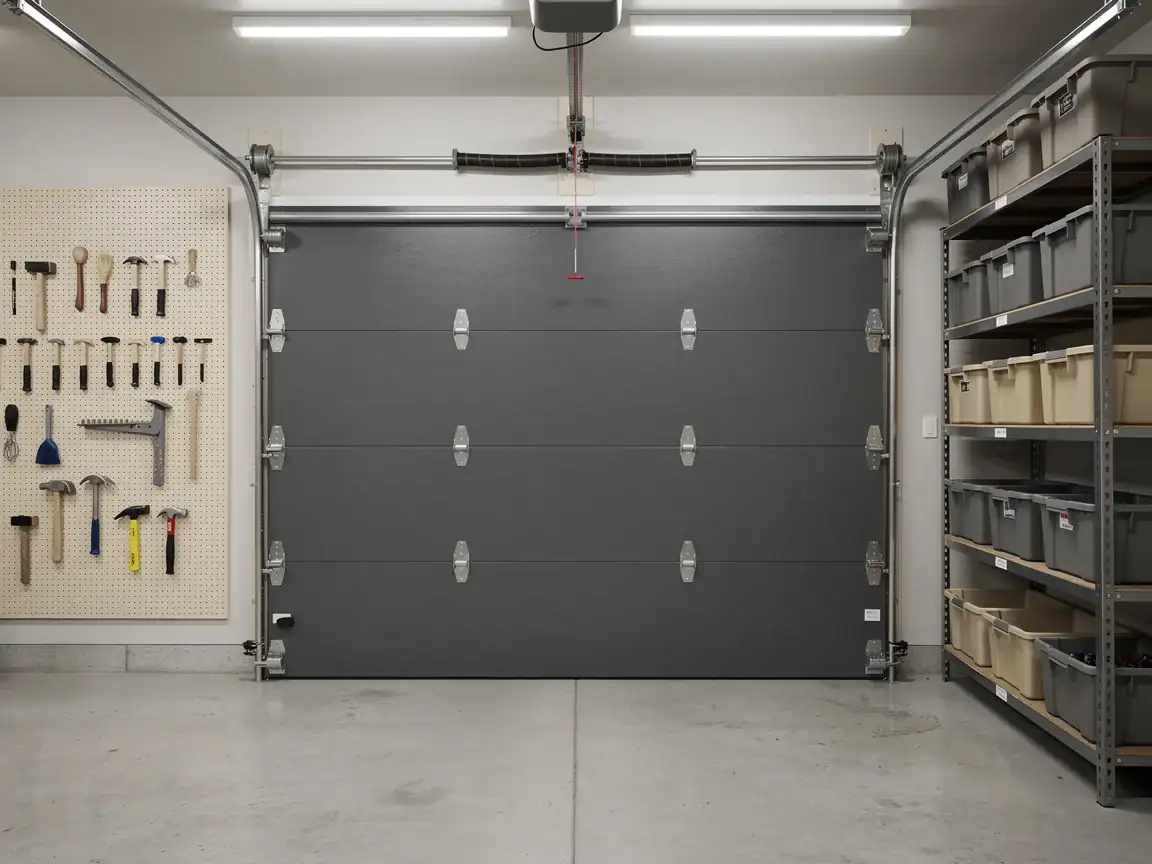
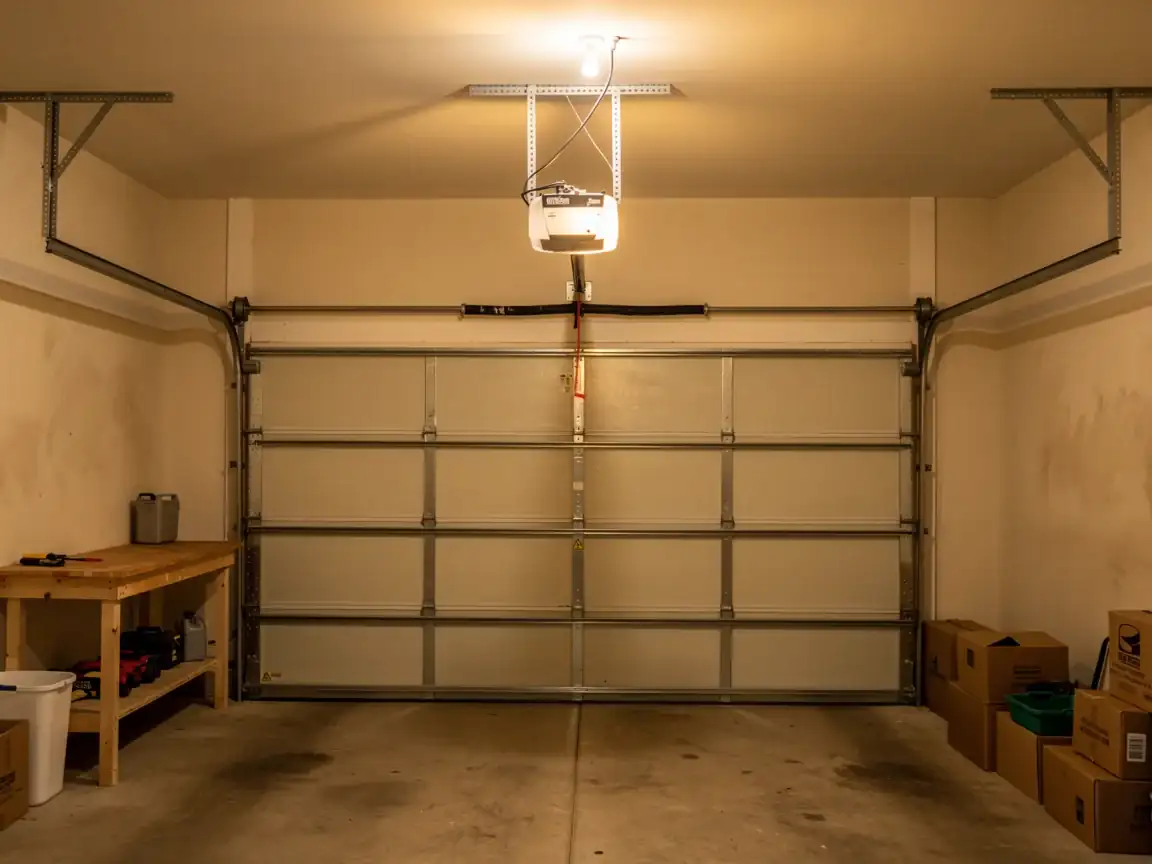
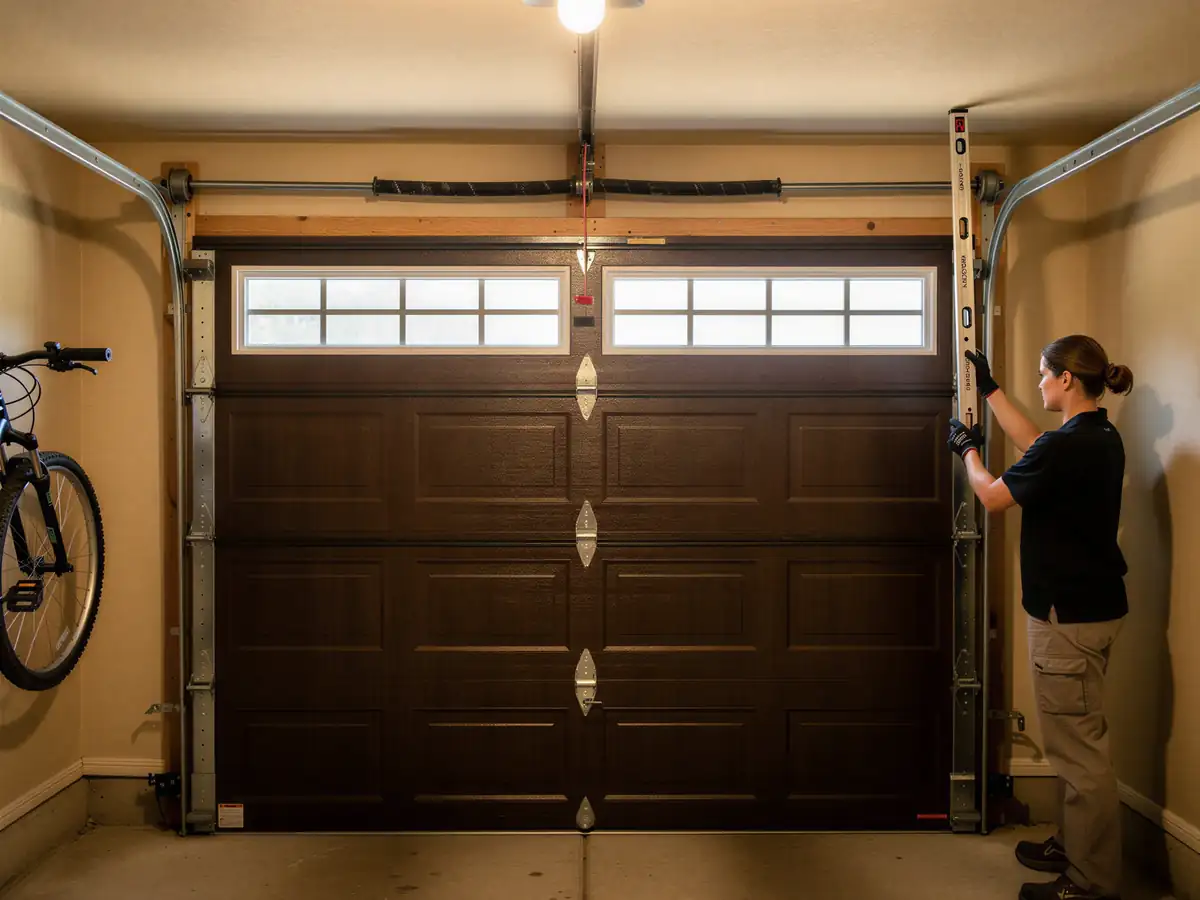
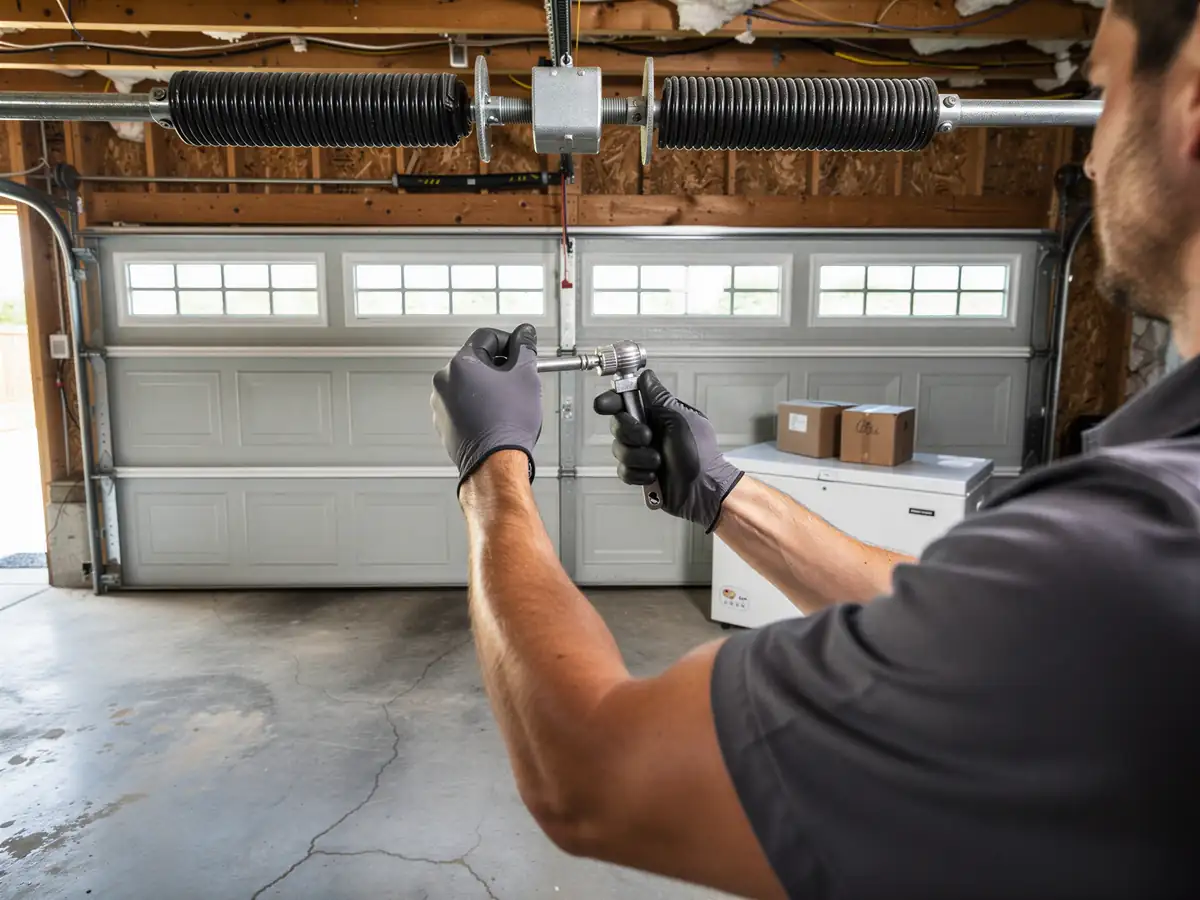
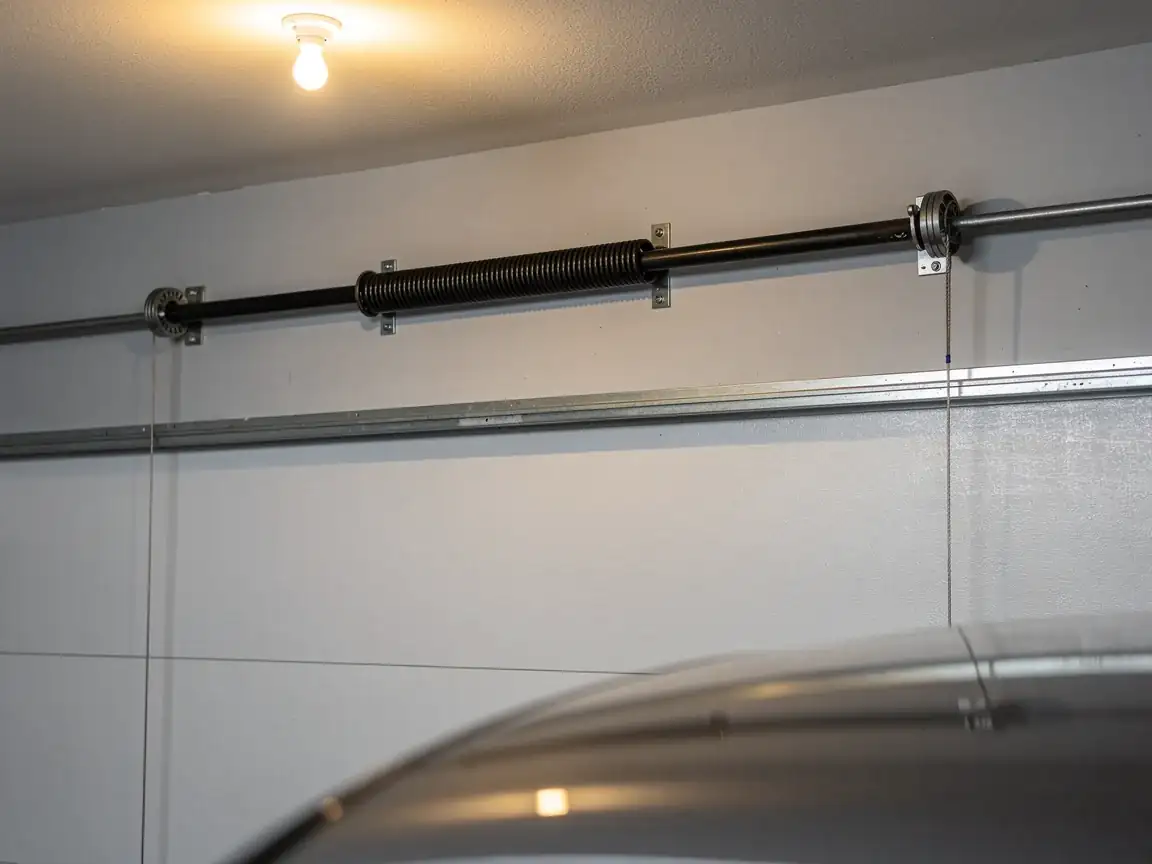
And a lot of the original torsion springs and track hardware are still bolted to the same jamb they were installed on. Across the 26 named areas we work in, the stock runs heavy to 1960s and 70s construction, which means steel springs engineered for a 20-year service life that's now been pushed to 50 or 60 years of daily cycles. That's not neglect on the owner's part - it's just math catching up with the house.
- 60 years
Santa Clara's mild temperate climate doesn't crack panels the way a hard freeze-thaw cycle does
So when a door fails here it's almost always wear, not weather. No ice splitting a panel seam, no extreme heat warping a steel skin. What you get instead is slow fatigue: springs that have cycled past their rated count, rollers worn oval, cable ends frayed from thousands of lifts. The door doesn't fail because of a storm. It fails because it's been opening and closing twice a day since the Johnson administration.
A fair number of these homes still have the original hardware the builder spec'd
Not an upgrade. That's the thing to check first before assuming the opener motor is the problem.
What You Pay
We don't have a posted price list here, and we're not going to make one up for this page. What we can tell you is what drives the number up or down on a 1960s-70s Santa Clara door: whether the spring size is still a stocked part or something we have to special-order for original hardware, whether the track is bent (cheap fix) versus the jamb itself settled (bigger job), and whether you're repairing one failure or several that have been piling up on the same door for years.
With a median household income near $214,149 across the area, most owners here have the option to replace rather than keep nursing along a door from the 1960s - the choice tends to come down to hassle and how much life is left in the rest of the hardware, not whether the repair is affordable. We'll tell you straight when a repair is going to cost close to what a new door would, because that's the honest answer more often than people expect on hardware this old.
We quote the job in person, after we've looked at the spring, the track, and the opener, not over the phone from a description.
What You Are Seeing
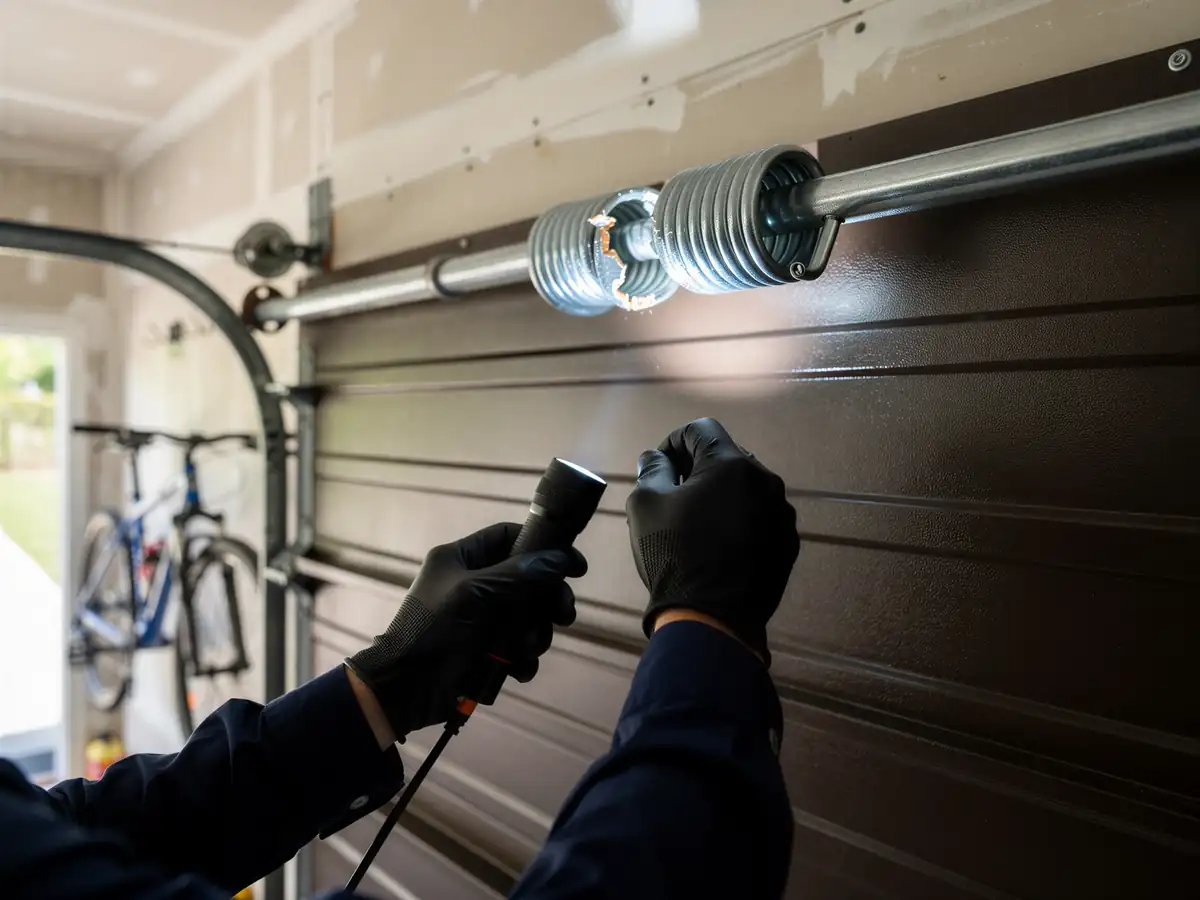
If your garage door is loud going up, moves in a jerky way instead of a smooth pull, or feels suddenly heavy when you lift the release handle, that's usually a spring that's lost tension, not a dead opener. On the 1960s and 70s builds that make up most of this area's stock, that spring is often the original one or a direct replacement sized the same way - same weak point, same wear pattern.
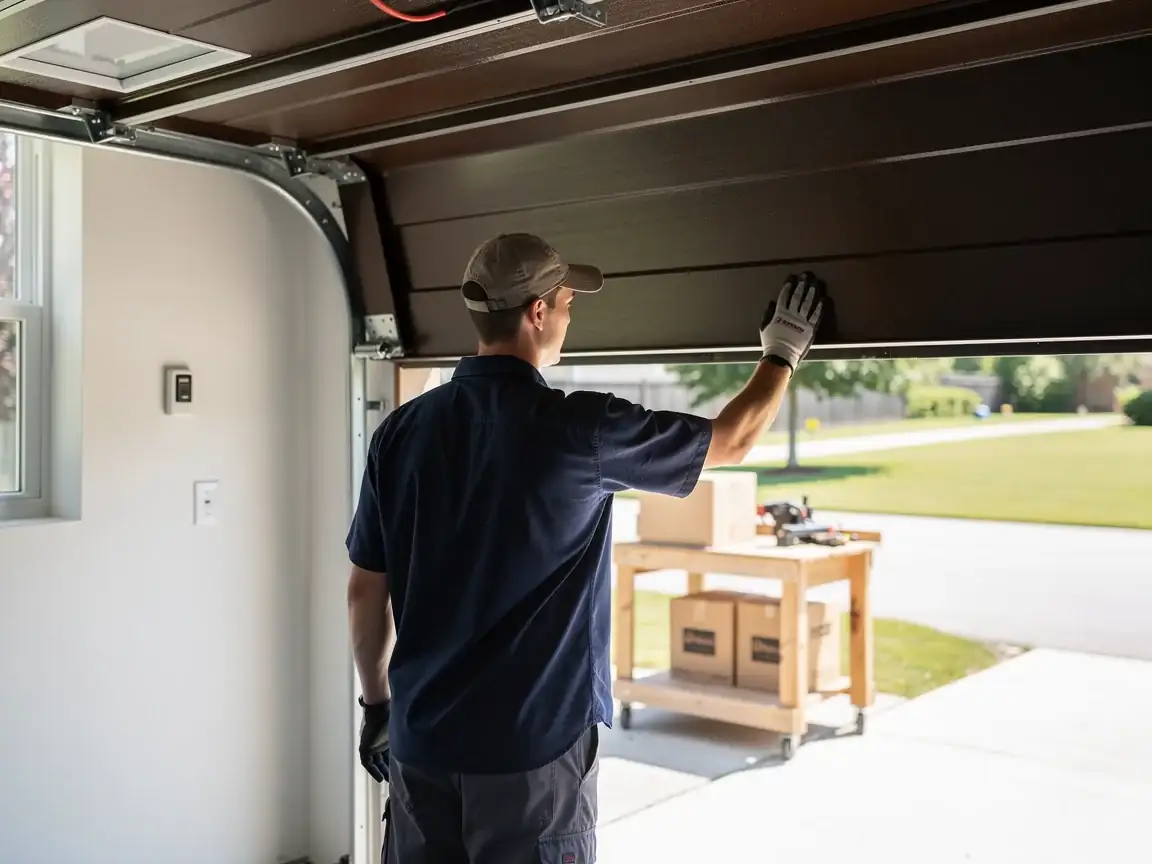
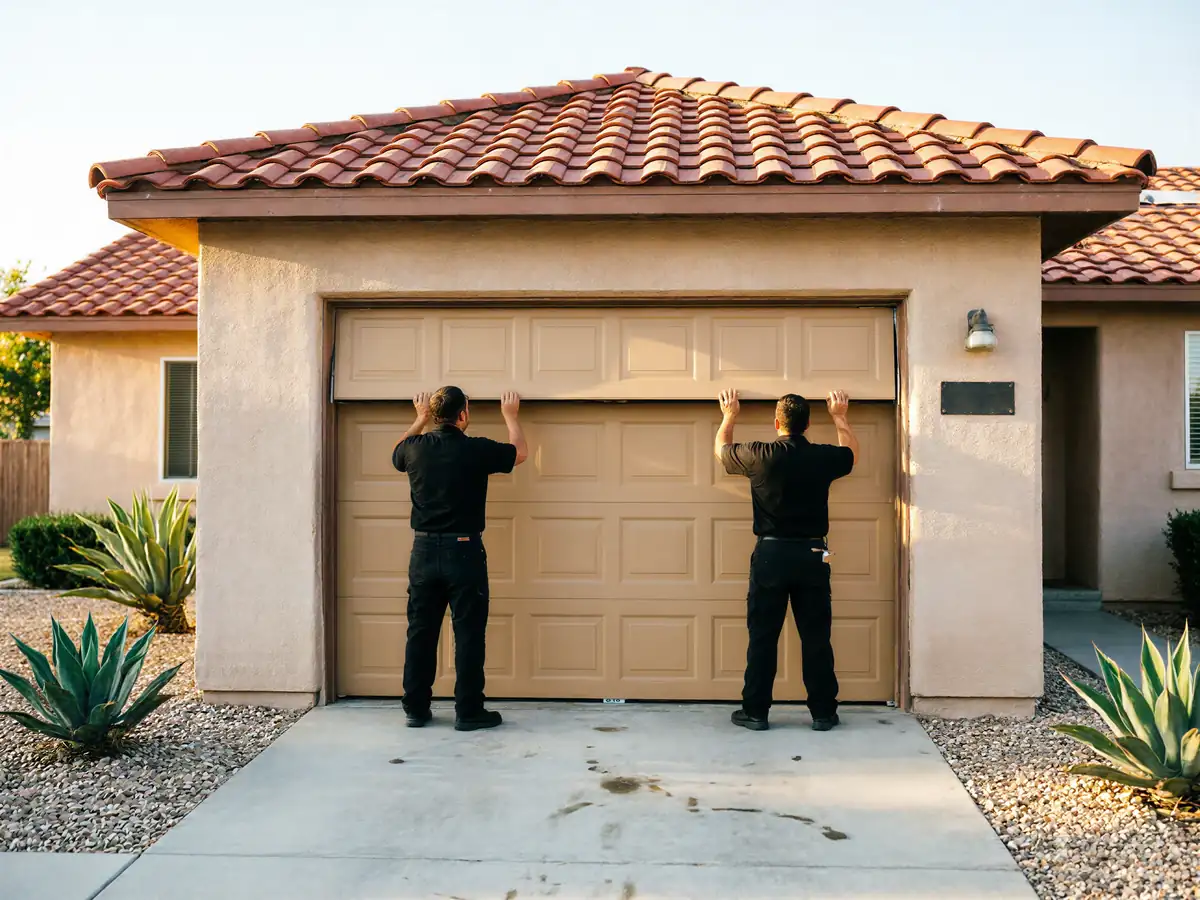
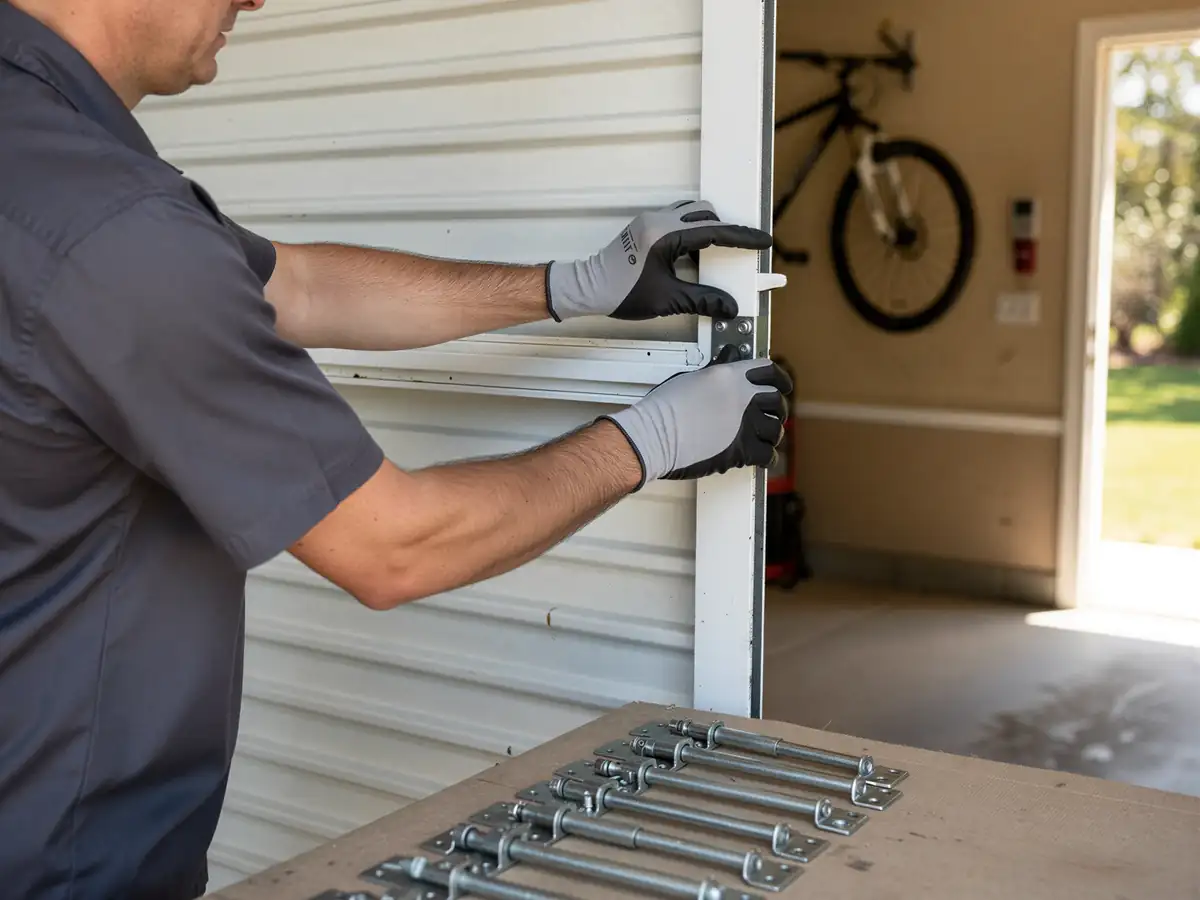
A door that opens fine but won't fully close, or reverses partway down, often points to a track that's gone slightly out of alignment over decades of the house settling. That's common on hardware this old and usually a straightforward fix rather than a full track replacement.
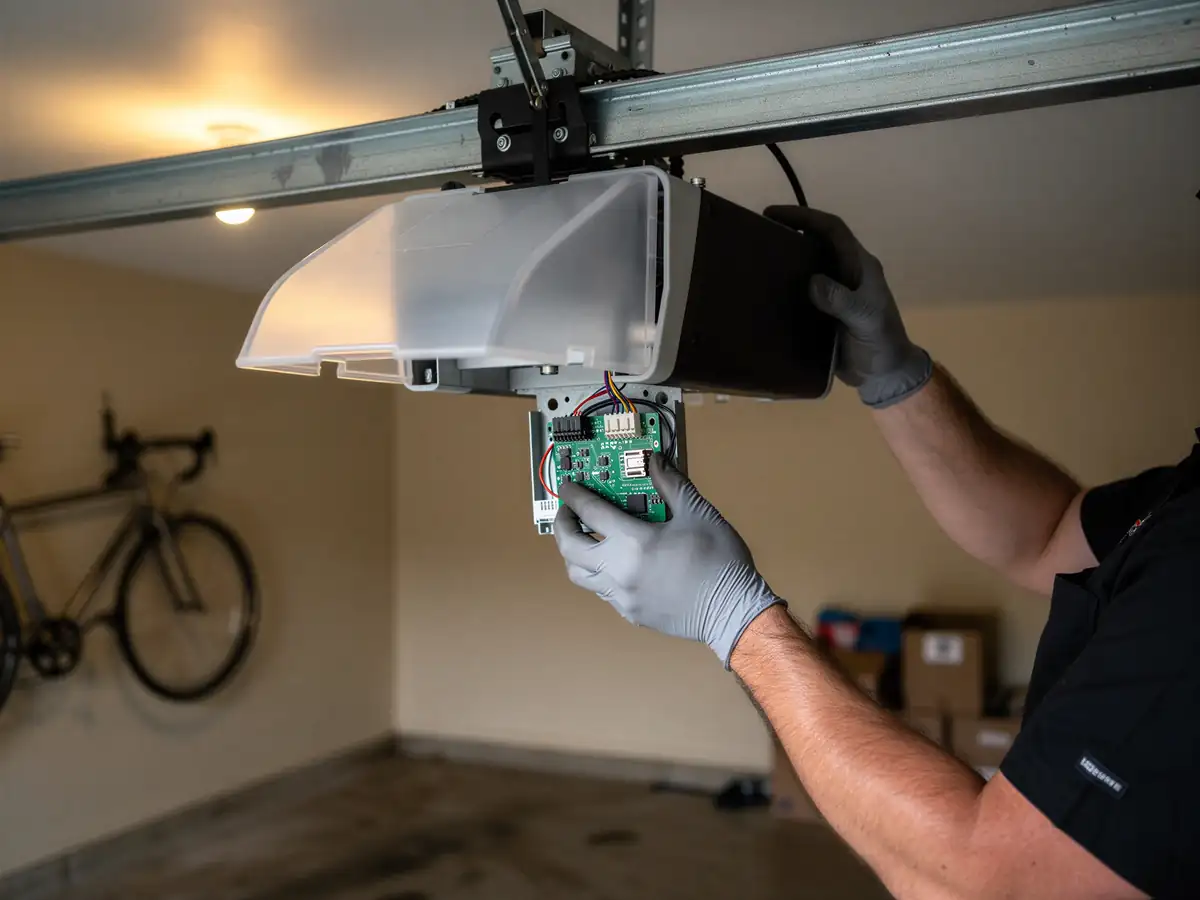
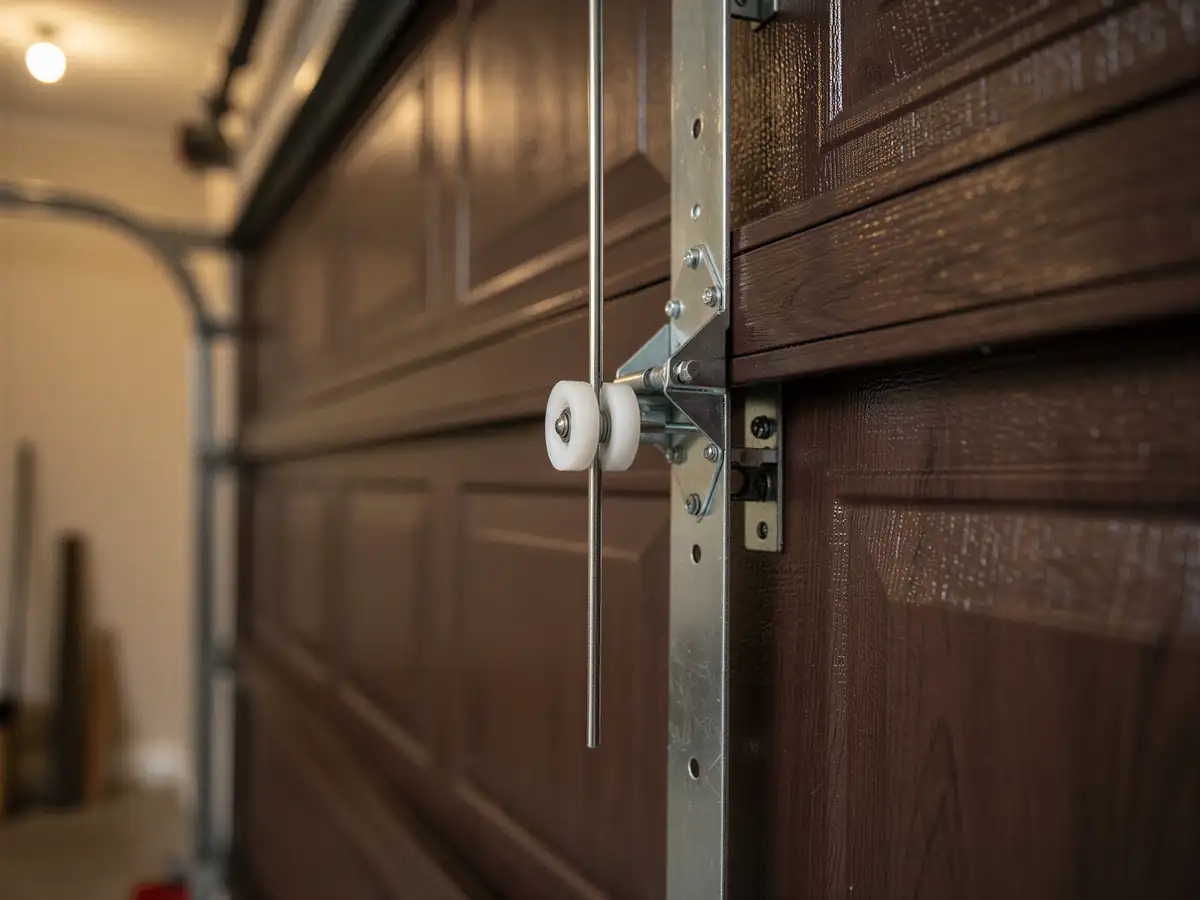
Cables fraying at the bottom bracket, rollers that have gone from round to egg-shaped, or an opener that runs but the door doesn't move - all of these show up more on original hardware than on anything installed in the last fifteen years. If you're hearing a grinding or popping sound right at the moment the door starts to move, stop using it and get it looked at before a cable lets go under load.
How Long It Takes
We're not going to put a number on this page that we can't back up
So here's the honest version: most of what slows a job down on these older Santa Clara doors isn't the labor, it's the part. If your spring or track hardware matches what the original builder put in across the area's 1960s and 70s stock, it's often a size we carry. If it's an odd original fitting that nobody's made in decades, that part has to be sourced, and that's the piece that adds time, not the wrench work.
A straightforward spring swap or roller replacement on hardware we stock is a single visit
A door where the track has bent, the jamb has shifted, and the opener is also dying - that's a longer conversation, and sometimes the honest answer is that replacing the whole door costs less time and money than chasing three separate failures on a fifty-year-old frame.
We'll tell you on the first visit which situation you're in before we start any work