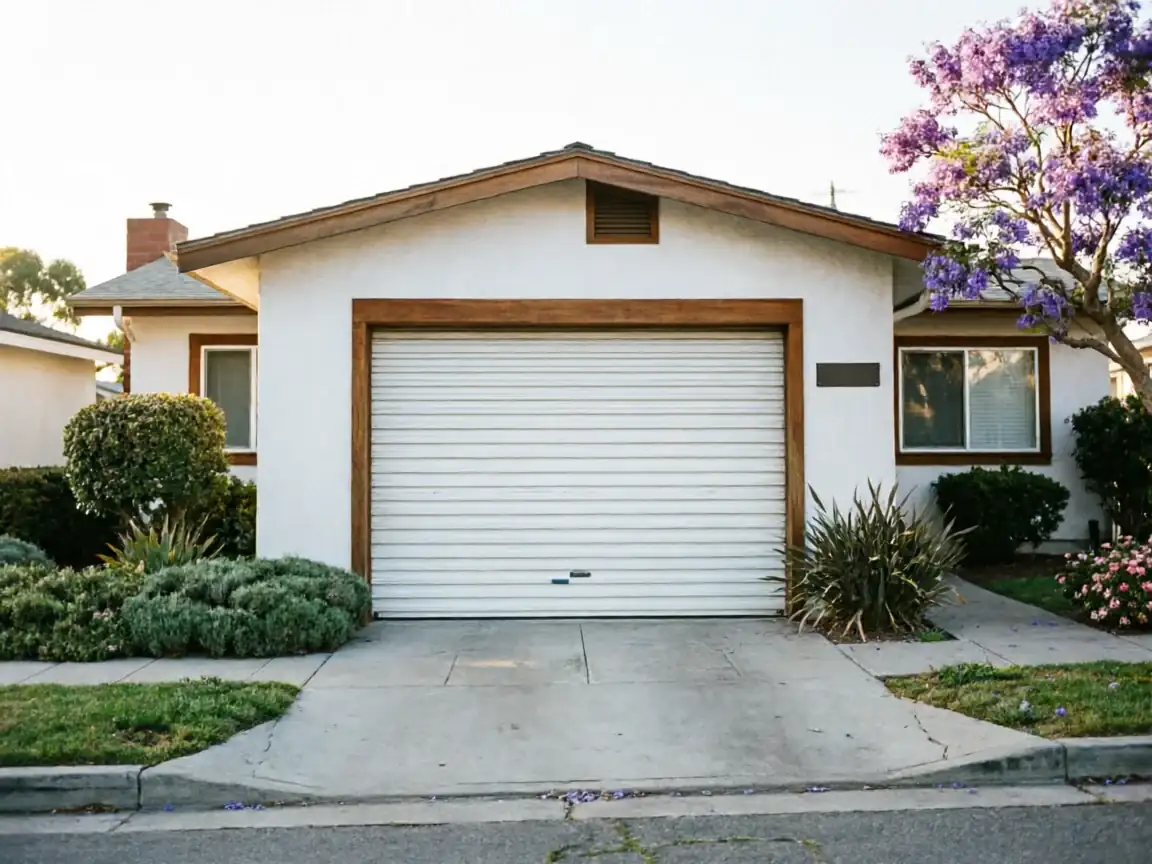
Santa Clara's garage doors mostly date to the 1960s and 70s. Here's how to tell a noise that's normal wear from one that means a spring or cable is about to fail.
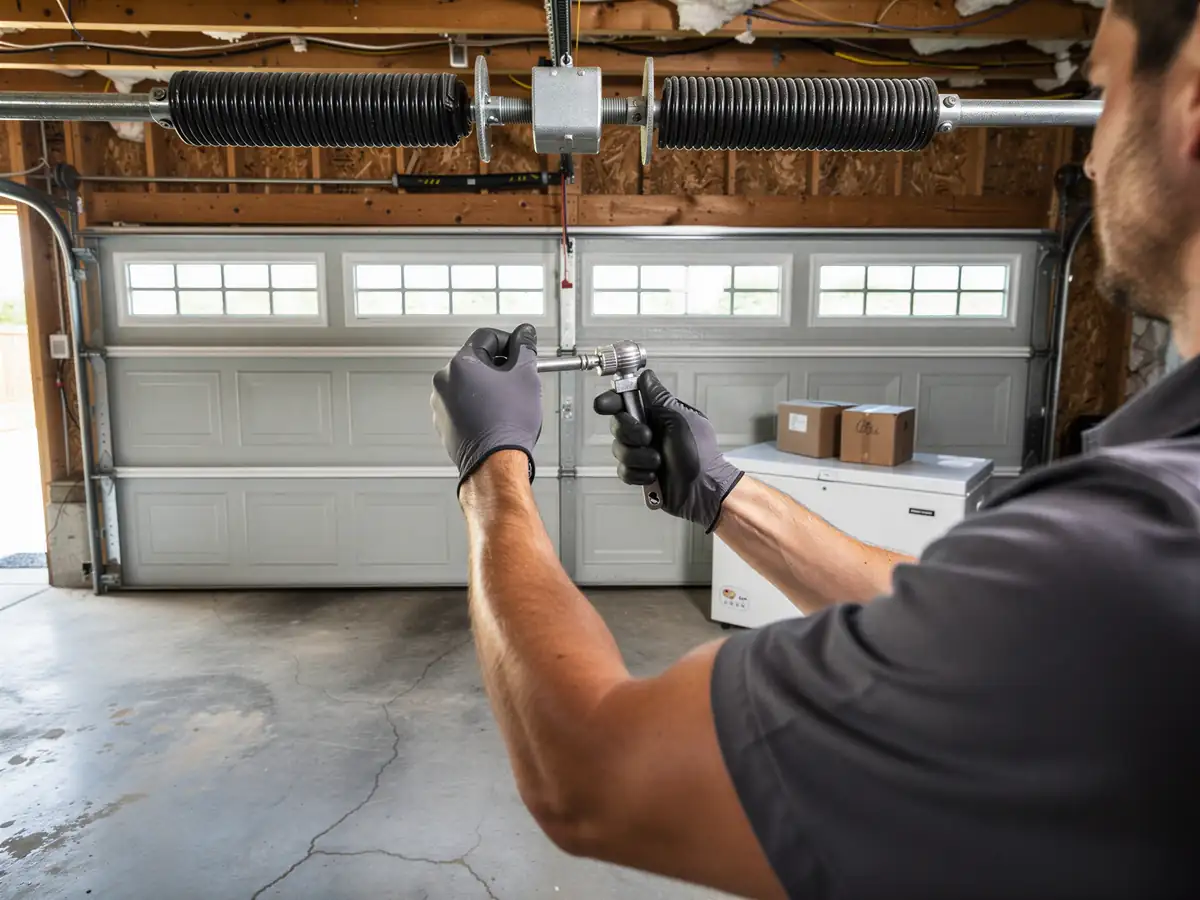
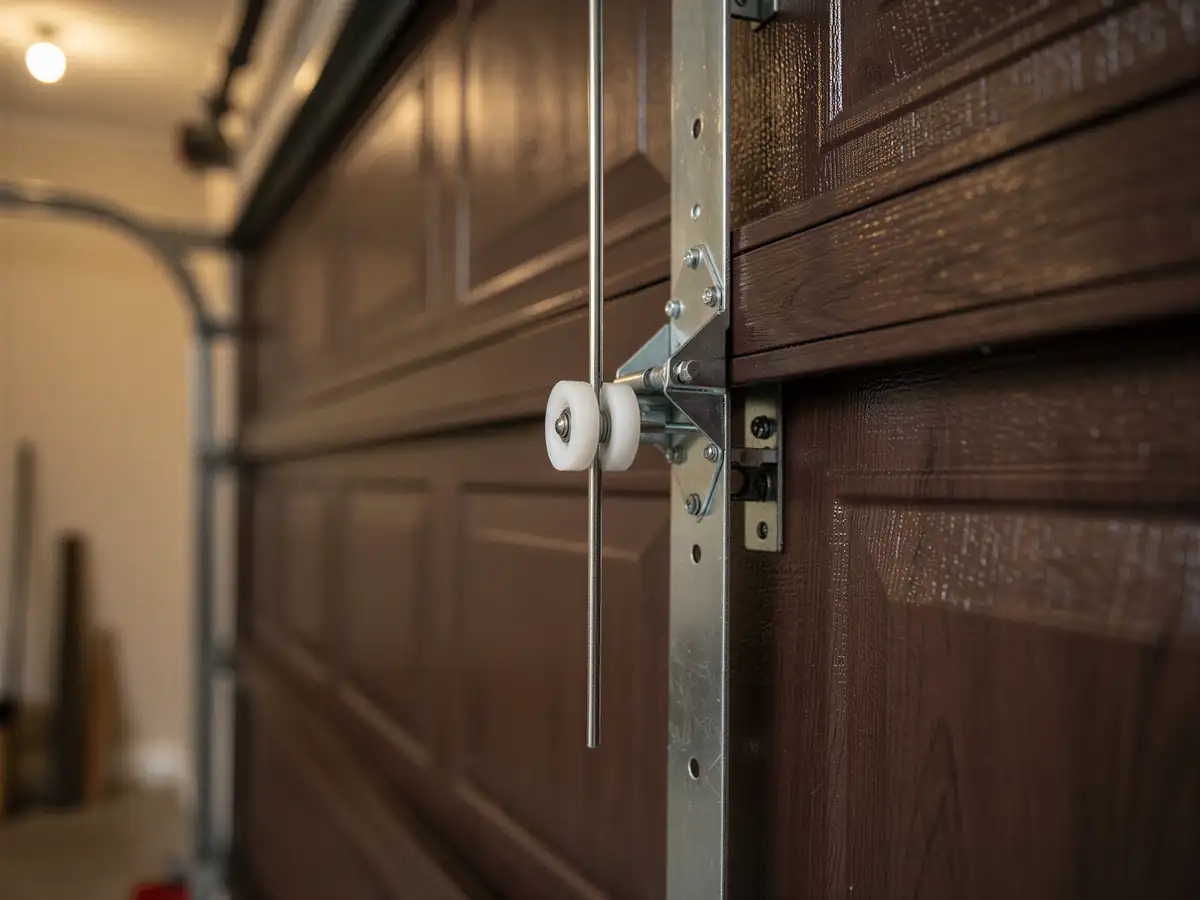
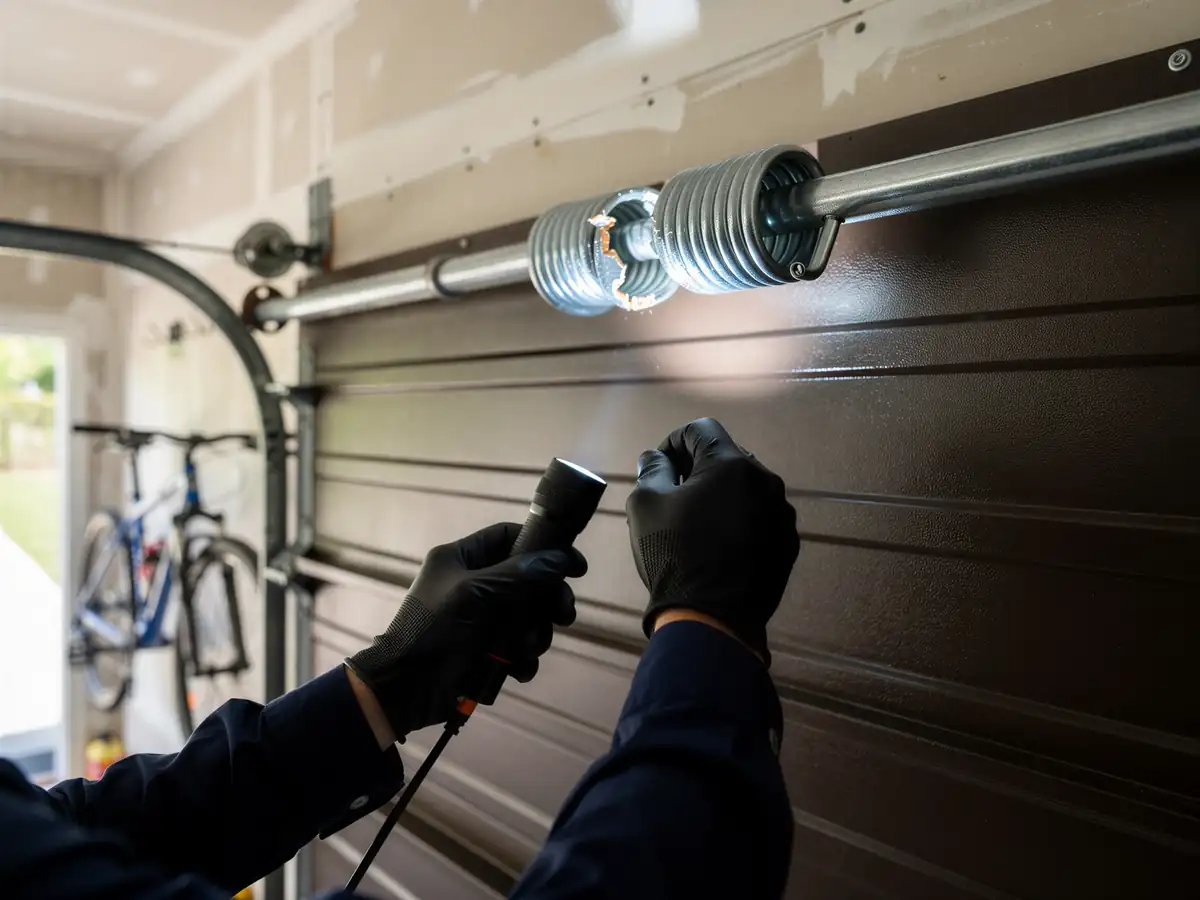
Most houses in this part of the valley went up between 1947 and 1987, with the bulk of that stock built in the 1960s and 70s. That matters for noise because a door built on original hardware from that era is running steel rollers in steel tracks, not the nylon rollers that quieted things down later. A grinding sound when the door starts moving is usually that original roller wearing flat on one side. A sharp bang partway through the cycle is often a torsion spring losing tension after decades of cycles it was never rated for that long. A rhythmic thunk on every rotation is almost always a bent track section or a roller that's worked loose from its stem. None of these are mysteries. They're what happens to hardware that's been doing the same job since Johnson was president and nobody's touched it. The sound tells you roughly where to look before you touch anything - starting, mid-travel, or near full close - and that's the first useful piece of information in any noise complaint, whether you're calling someone or climbing the ladder yourself.
What the Weather Here Does to It
Santa Clara sits in a mild temperate band, no hard freezes, no heavy snow load, nothing that cracks a panel or swells a wood jamb overnight. That's good news and it also means something specific: if your door is making noise, it's not the weather doing it, the way it might in a place with real winters. A squeal here is wear, not a temporary stiffness from cold grease that'll loosen up by afternoon. The flip side is lubricant. Mild, dry stretches through summer bake grease out of hinges and rollers faster than owners expect, since there's no cold snap forcing a relube the way there is elsewhere. A door that was quiet in spring can start talking by August simply because everything's dried out, not because anything broke. If your noise shows up seasonally and goes away with a squirt of the right lubricant on hinges and rollers, that's a weather-driven symptom. If it doesn't go away, it's a part.
When Waiting Is Fine
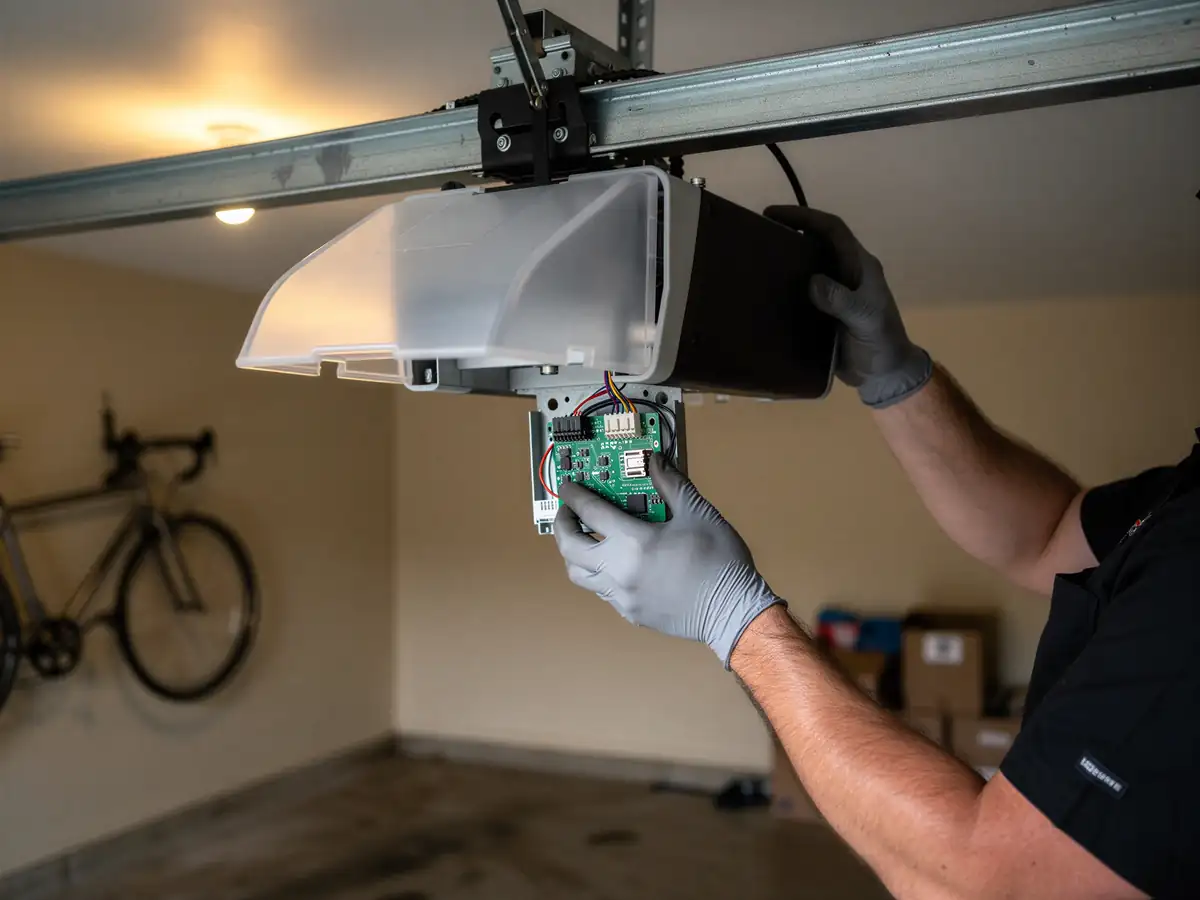
A light rattle from the chain or belt on an opener installed any time in the last couple decades is usually just slack, not damage, and it's fine to live with for a while. Same with a faint squeak on an otherwise smooth-running door, especially right after you've skipped a lubrication cycle in a dry stretch - that's a maintenance reminder, not an emergency. Because the climate here doesn't push rust the way a humid or coastal town would, hardware on these 1960s and 70s doors tends to wear slowly rather than fail suddenly from corrosion, so a known, stable noise that isn't getting louder or more frequent usually buys you time to plan rather than react. What doesn't buy you time: a new noise on a door with the original torsion spring from that era, a loud bang followed by the door refusing to move, or a noise that's gotten noticeably worse over a couple of weeks. Those are the ones where waiting costs you a trapped car or a cable that lets go under load.
Where People Go Wrong
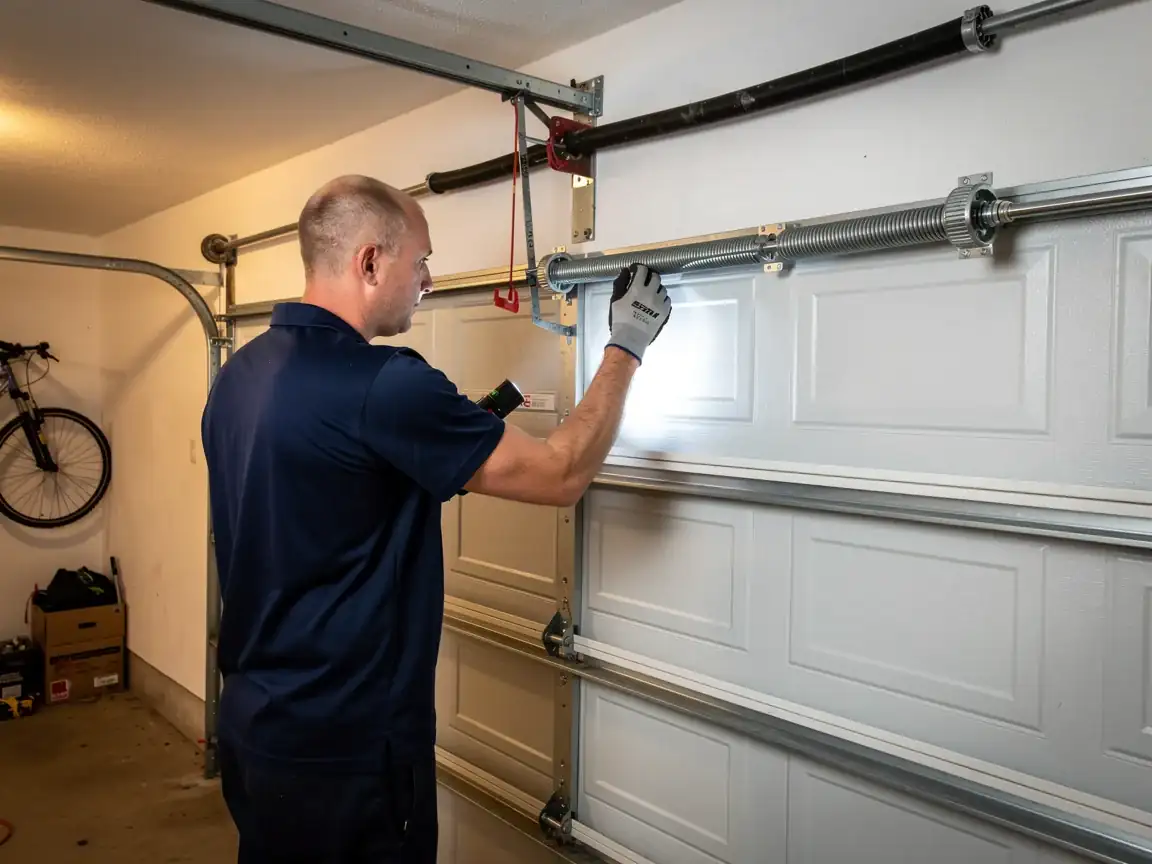
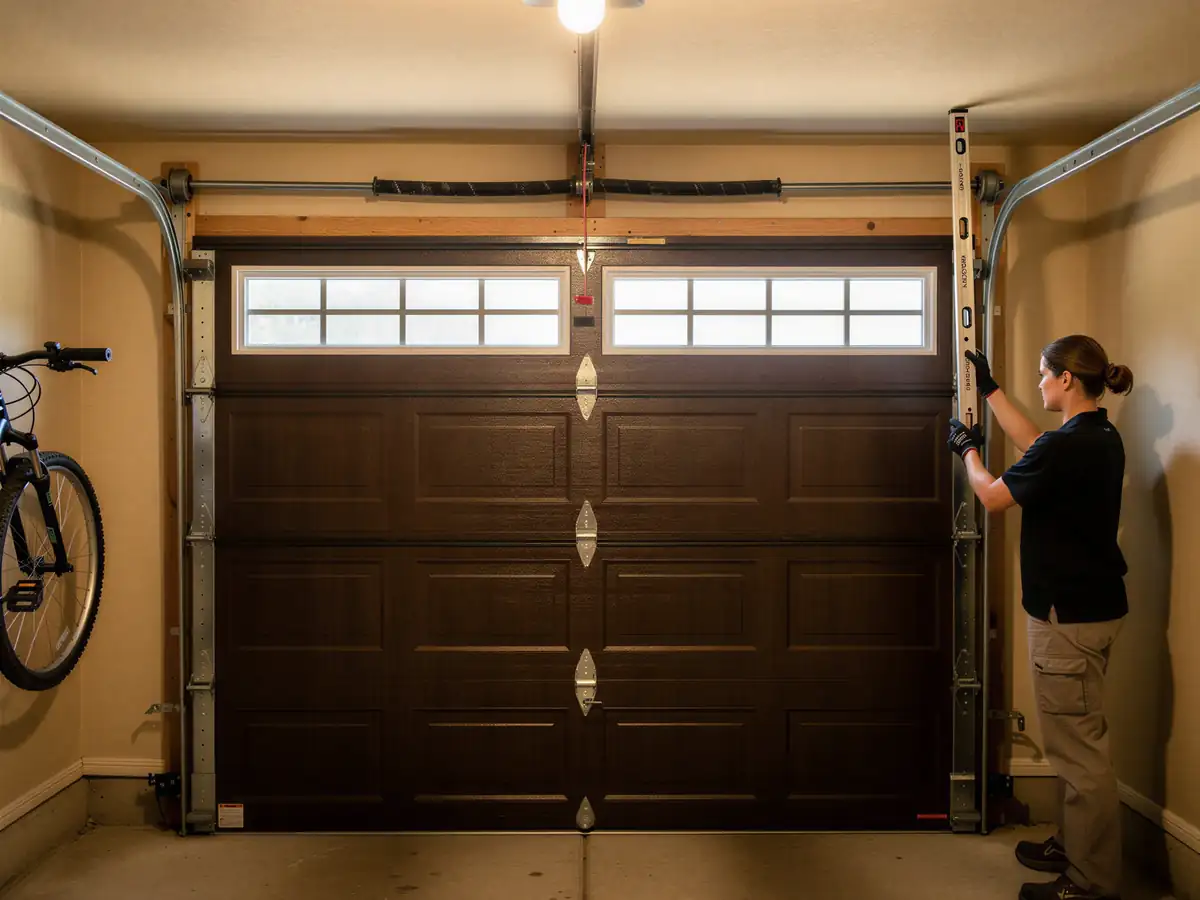
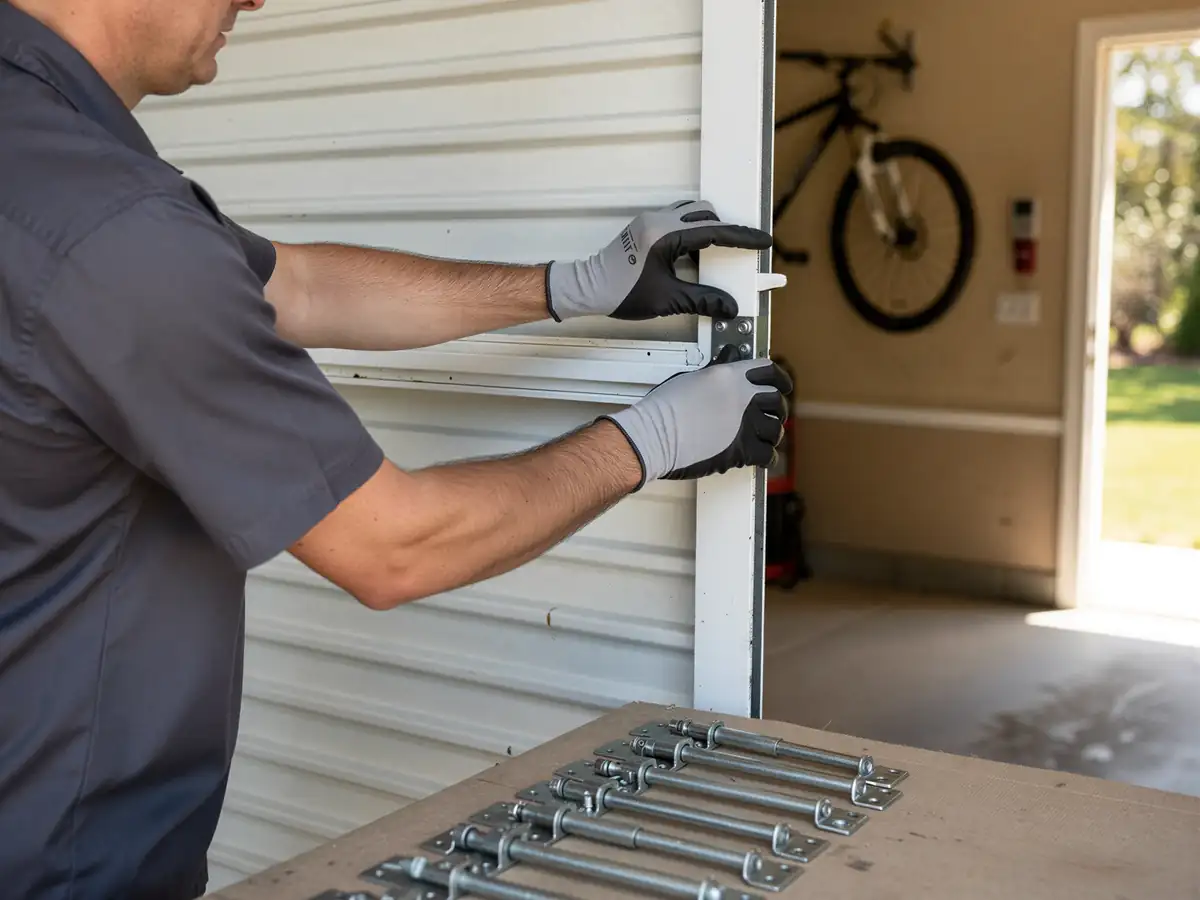
The most common mistake we see on houses from this era is treating the noise as a lubrication problem when it's actually a wear problem. Spraying oil on a flat-worn steel roller quiets it down for a week and does nothing for the roller itself, which keeps grinding a little rounder every cycle until it jumps the track. The second mistake is assuming a door that's run fine for fifty-plus years will keep doing it indefinitely - original torsion springs on 1960s and 70s installs are well past any reasonable cycle count, and a spring that's been quiet for decades can still let go without much warning. We'll say plainly where we draw the line: if the spring, drum, or track hardware is original to a house built in that window, we're going to recommend replacing the whole hardware set rather than patching one part, because mixing worn originals with new components just moves the next noise complaint a few months down the road instead of solving it.
How it works
From “it’s stuck” to “it’s fixed”
A quick, honest process - no guesswork and no surprises.
1
Tell us what’s wrong
Describe the symptom - won’t open, loud bang, opener runs but the door won’t move.
2
On-site diagnosis
A technician tests the door under power and by hand and finds what actually failed.
3
Clear, up-front plan
You get the fix that’s needed and what drives the cost - before any work starts.
4
Repaired & tested
The repair is done, the door is set true and tested, and the work area left clean.
Not sure which repair your door needs in Santa Clara, CA? Describe what it’s doing - every job starts with a diagnosis.
My garage door squeals every morning but stops after a few cycles - is that serious?
Usually not on its own. On houses from this area's common 1960s-70s build era, that pattern points to dried-out lubricant on hinges or rollers rather than a failing part, especially after a dry summer stretch. Lubricate hinges, rollers, and the top of the track, and watch whether it comes back within a couple of weeks. If it does, something's actually worn and needs a look.
Is a loud bang from the garage always a broken spring?
Not always, but it's the first thing to check. A sudden bang followed by the door feeling heavy or refusing to open is the classic sign of a torsion spring letting go, especially on original hardware from the 1960s and 70s housing common in this area. A bang with no change in how the door moves can also be a bent track section settling.
Why does my opener suddenly sound different with no weather change?
Santa Clara's mild climate doesn't swing enough to explain a sudden noise change on its own, so it's more likely wear catching up with the hardware than anything seasonal. Chain slack, a worn drive gear, or a roller finally giving out after years of slow wear are the usual culprits when the weather hasn't moved.
Ready to get your garage door sorted?
Tell us what it’s doing and where you are in Santa Clara - we’ll take it from there.