The Houses Here
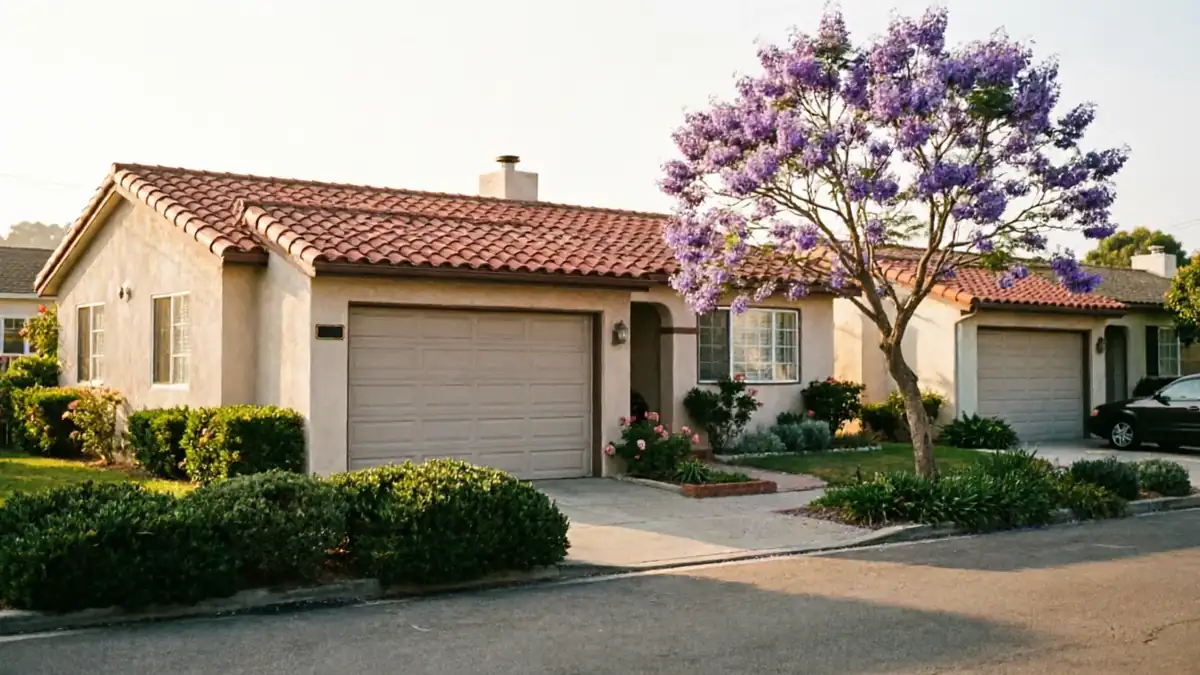
Union City's housing stock centers on 1979, noticeably newer than the broader service area
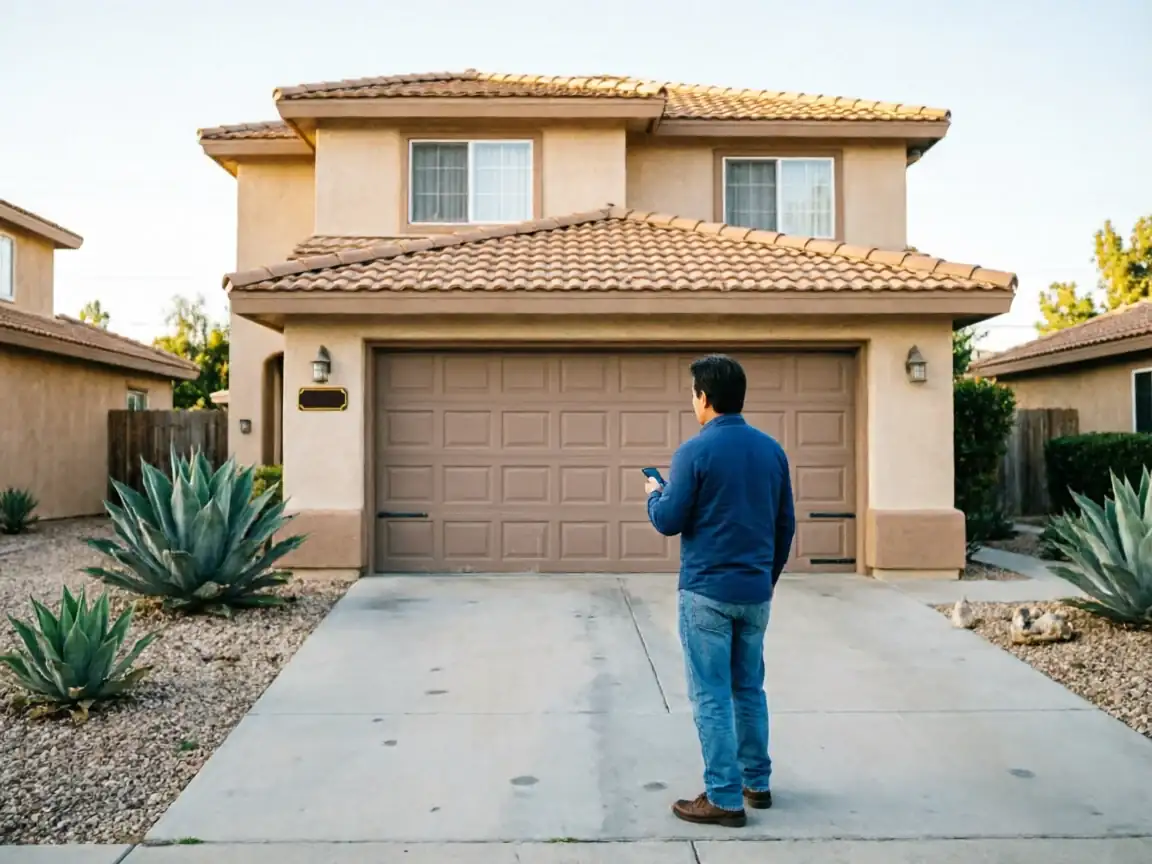
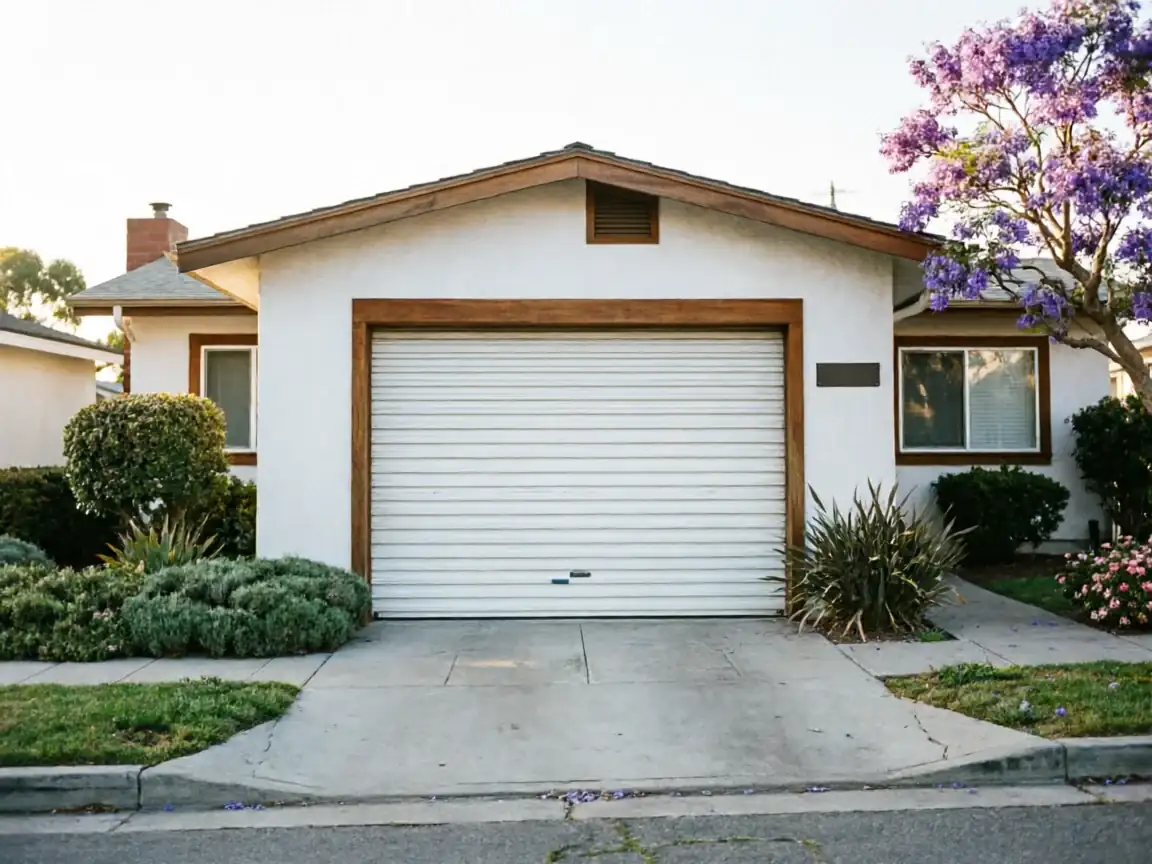
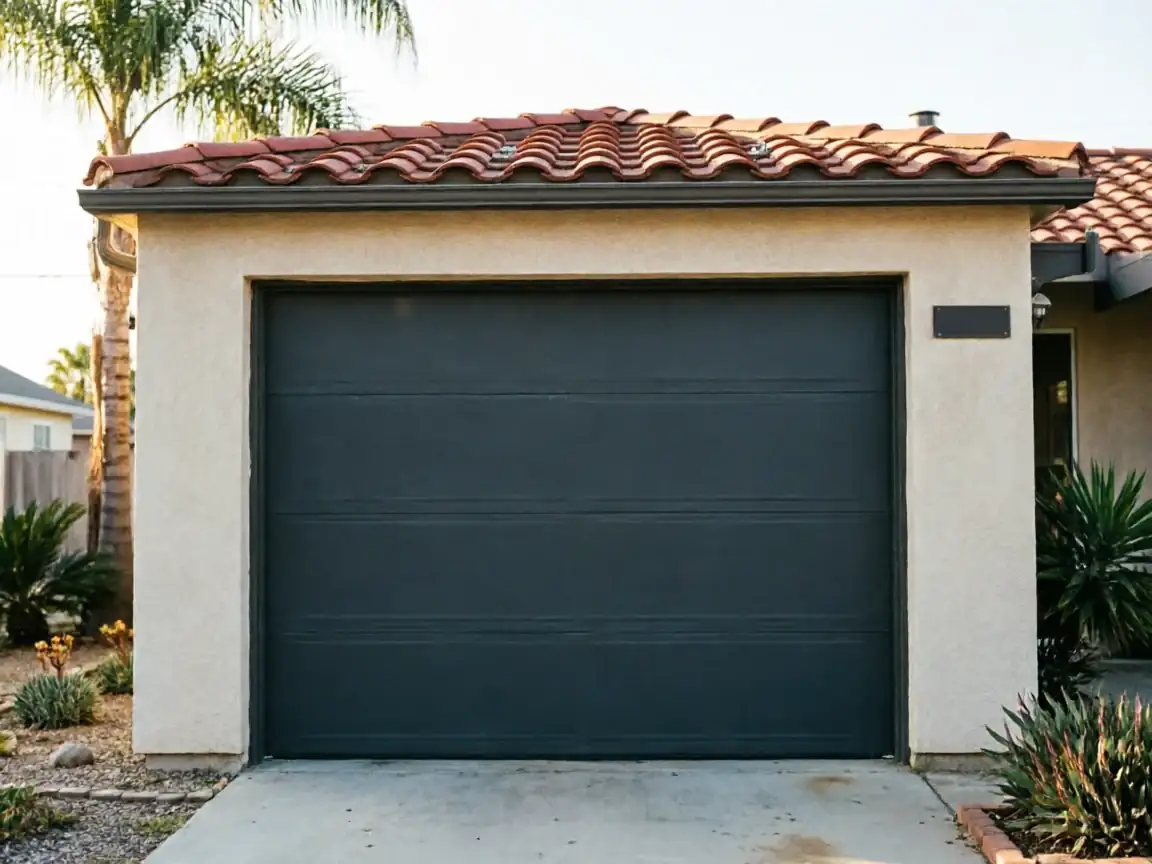
Where the median build year runs closer to 1964. That ten-to-fifteen year gap matters more than it sounds like it should. A house framed in the late 1970s was built to a different set of garage door standards than one from the mid-1960s - wider openings became more common, and steel sectional doors had mostly replaced older wood and one-piece swing-up styles by then. With roughly 21,202 households in the area, you've got a lot of homes built in that same narrow window, which means a lot of garages carrying the same generation of hardware, aging out around the same time. We see this pattern a lot: a street goes quiet on garage door calls for years, then half the block needs springs or openers replaced within the same season because the houses were all built together.
- 21,202 households
That said, not every Union City house fits the 1979 profile
Infill and later construction exist too, and we don't assume an age before we look at the door.
What We Do Not Do
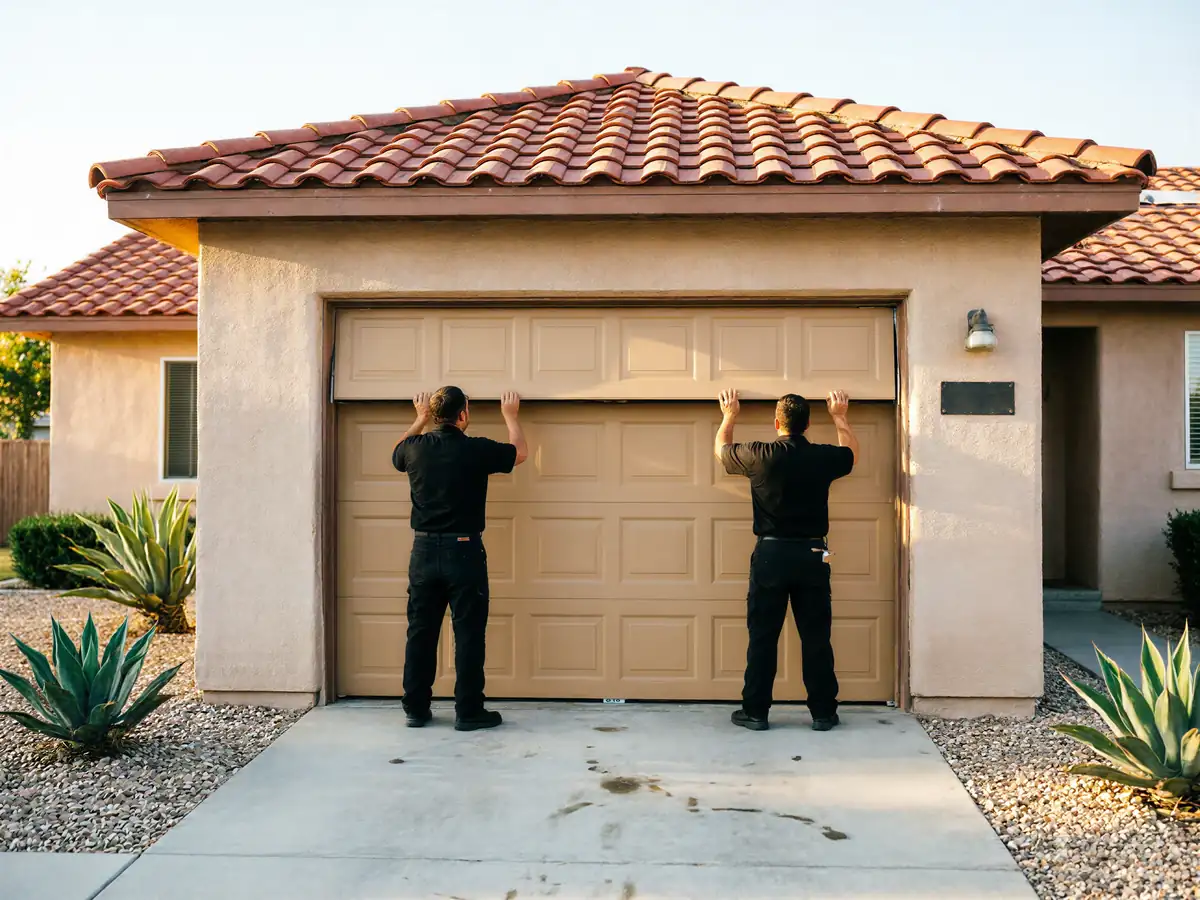
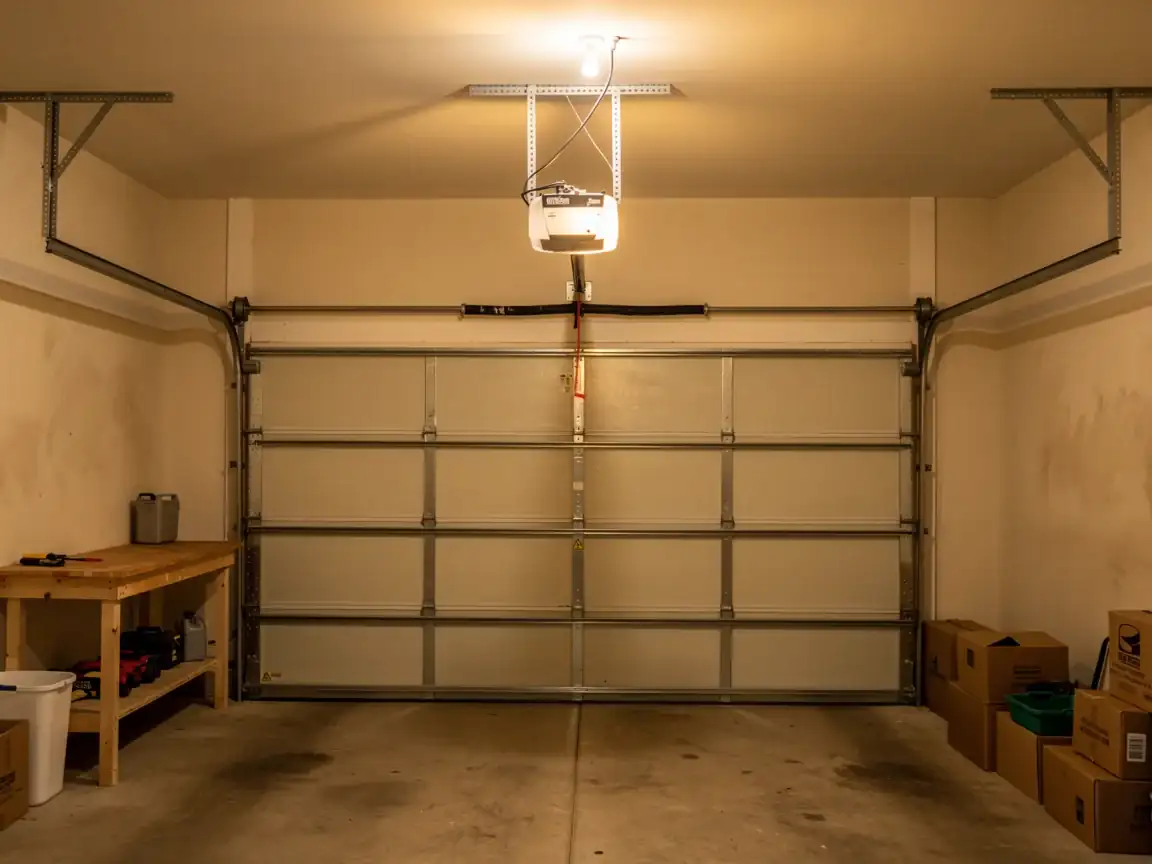
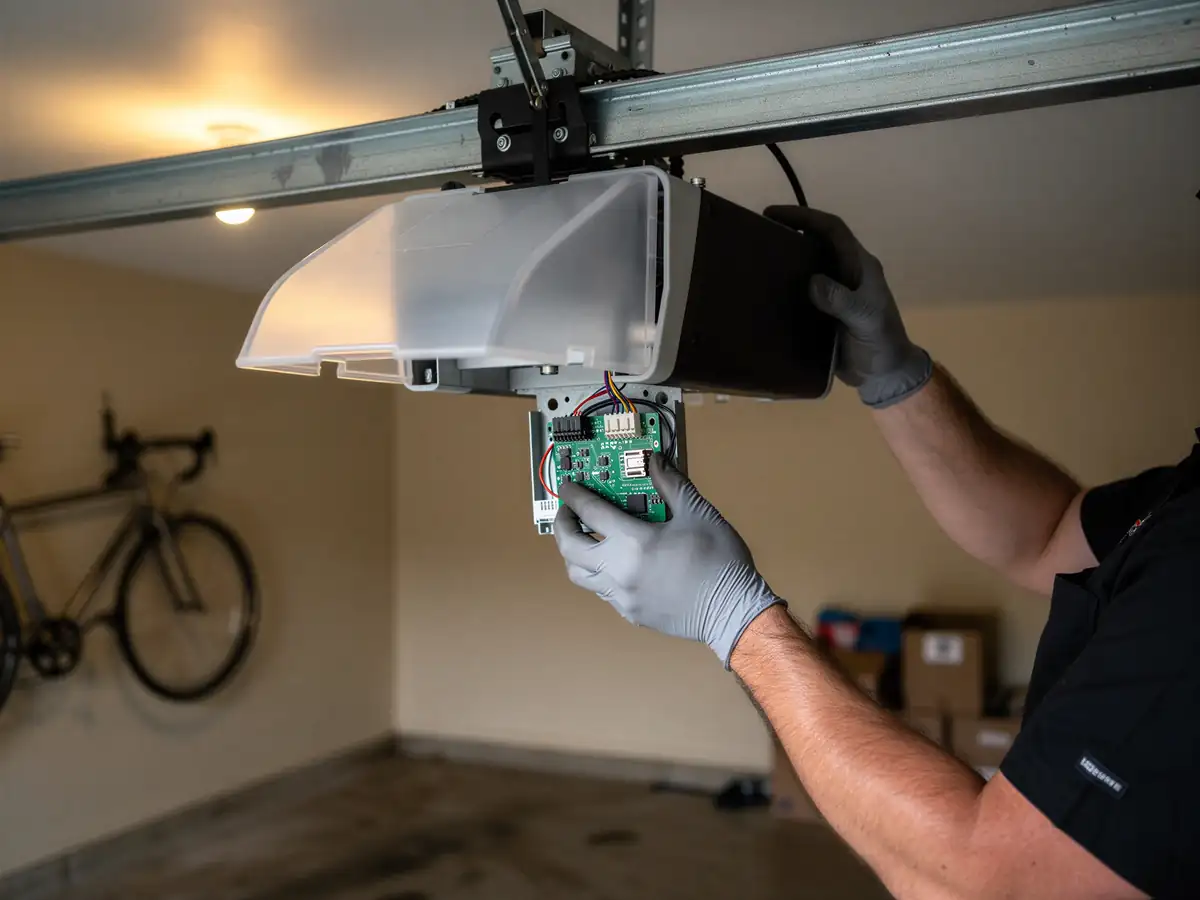
We don't keep a crew or depot in Union City. Santa Clara Garage Door Pros works out of Santa Clara, about 17 miles away, and Union City is one of the areas we travel to for scheduled jobs. We're not going to pretend there's a local branch around the corner, and we won't promise a same-day fix we can't commit to from that distance. We also don't do structural garage conversions, don't touch electrical panel work beyond the opener circuit itself, and if a door's track or jamb has shifted from a bigger framing problem, that's a carpenter's job before it's ours. If your opener is older than its logic board can support - some units from the late 1970s and early 1980s simply don't have a safety reversal sensor retrofit option - we'll tell you replacement is the honest answer instead of trying to patch something that can't legally or safely be patched.
The Split Between Old and New
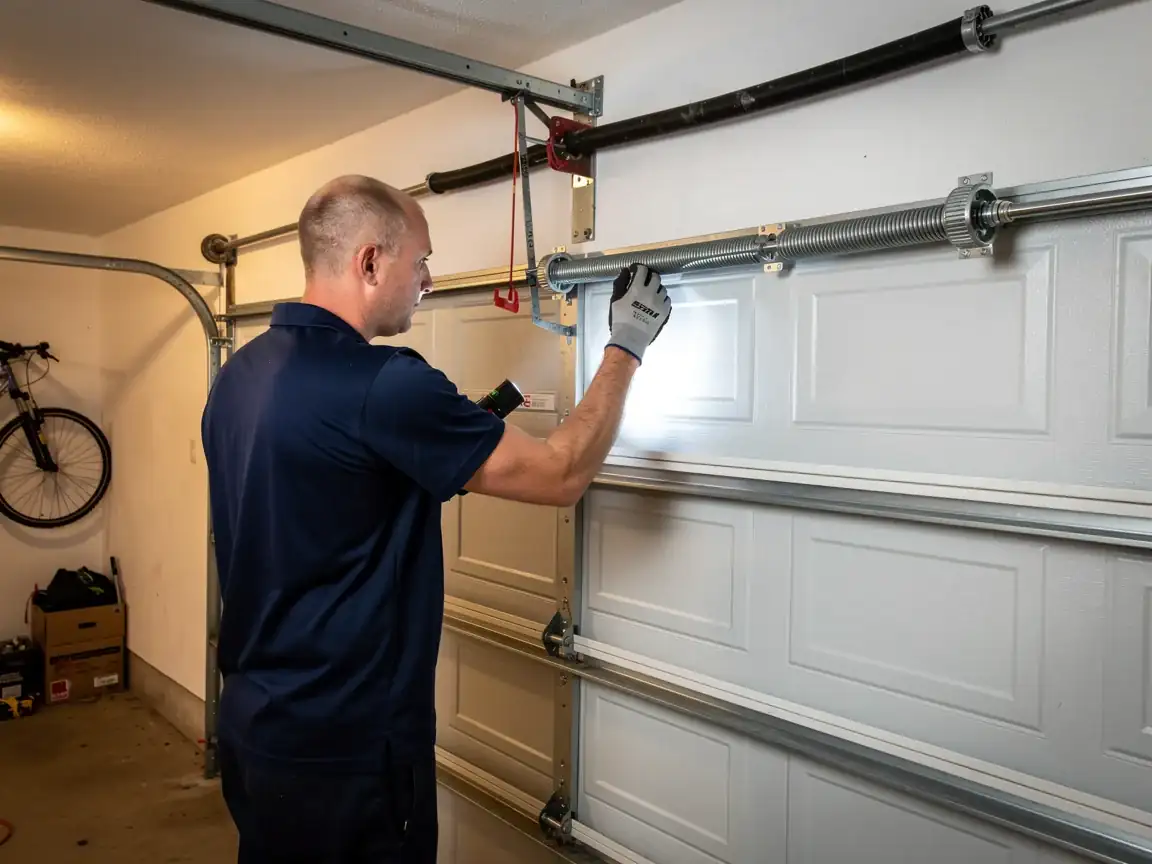
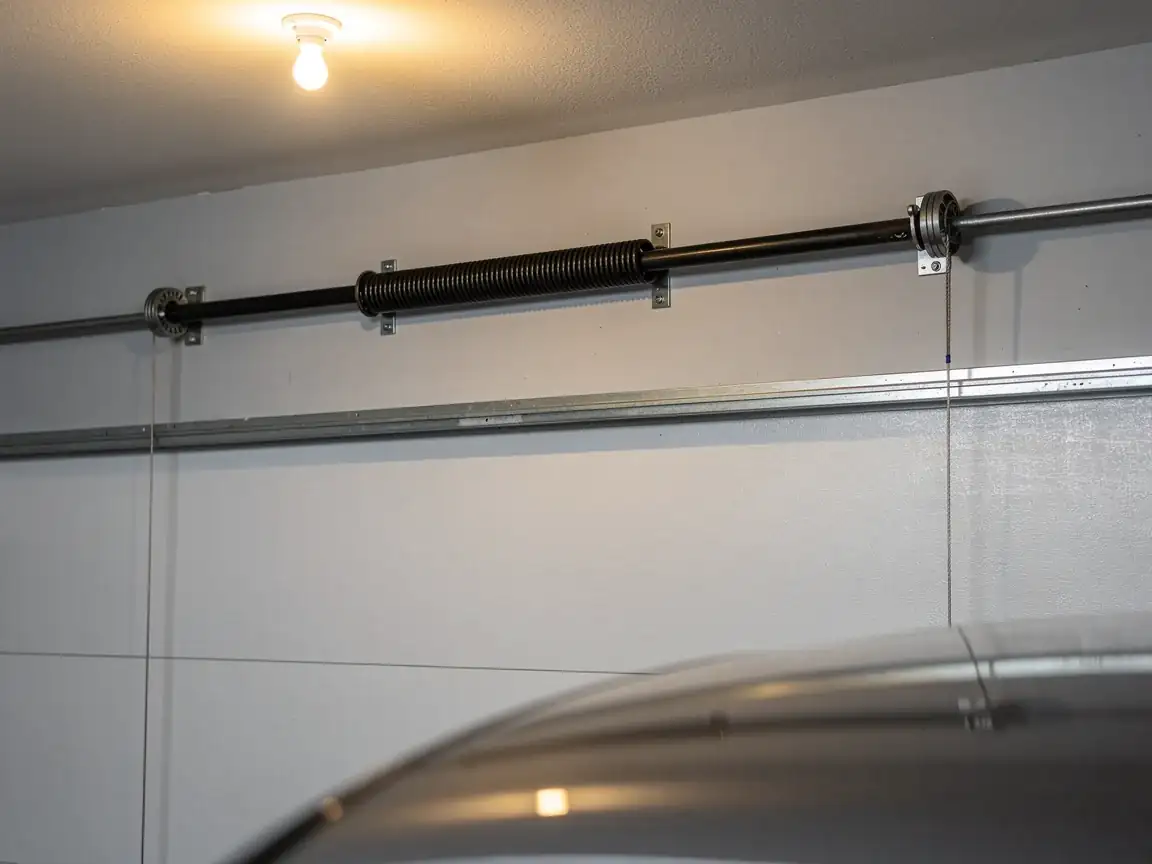
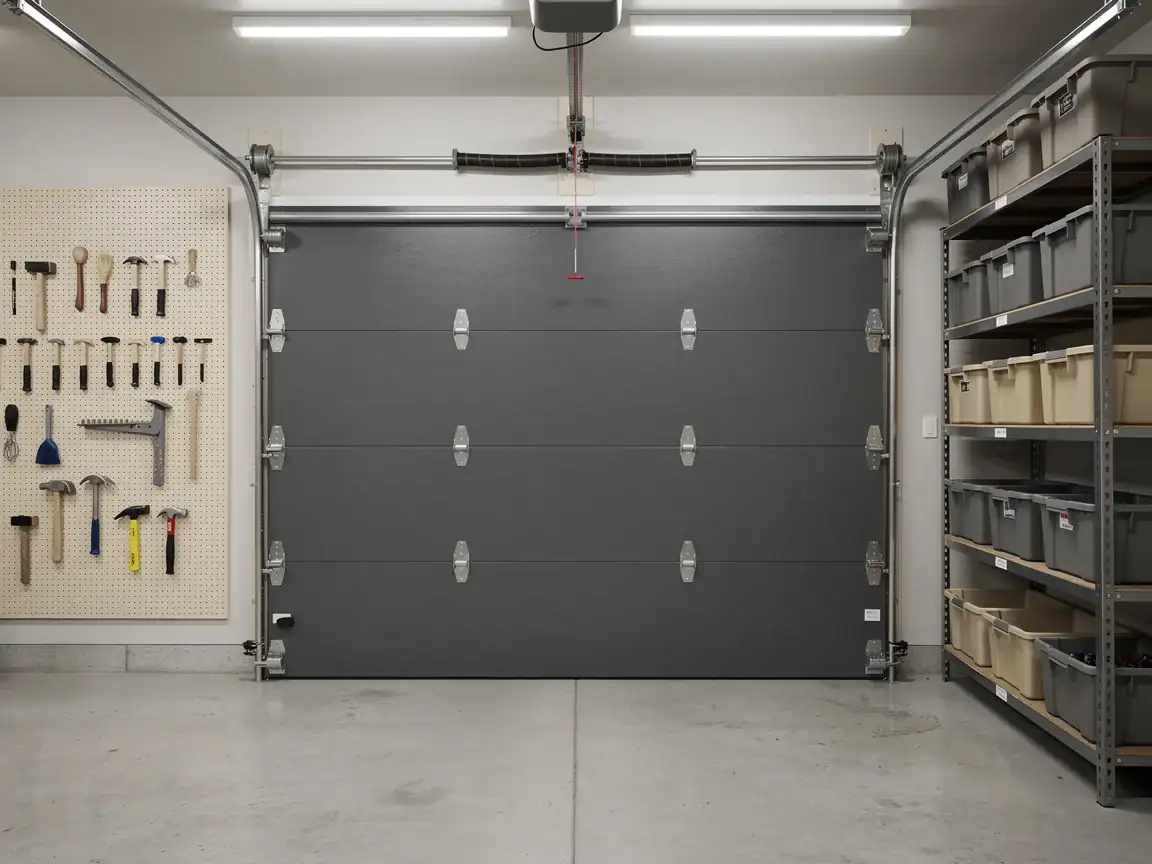
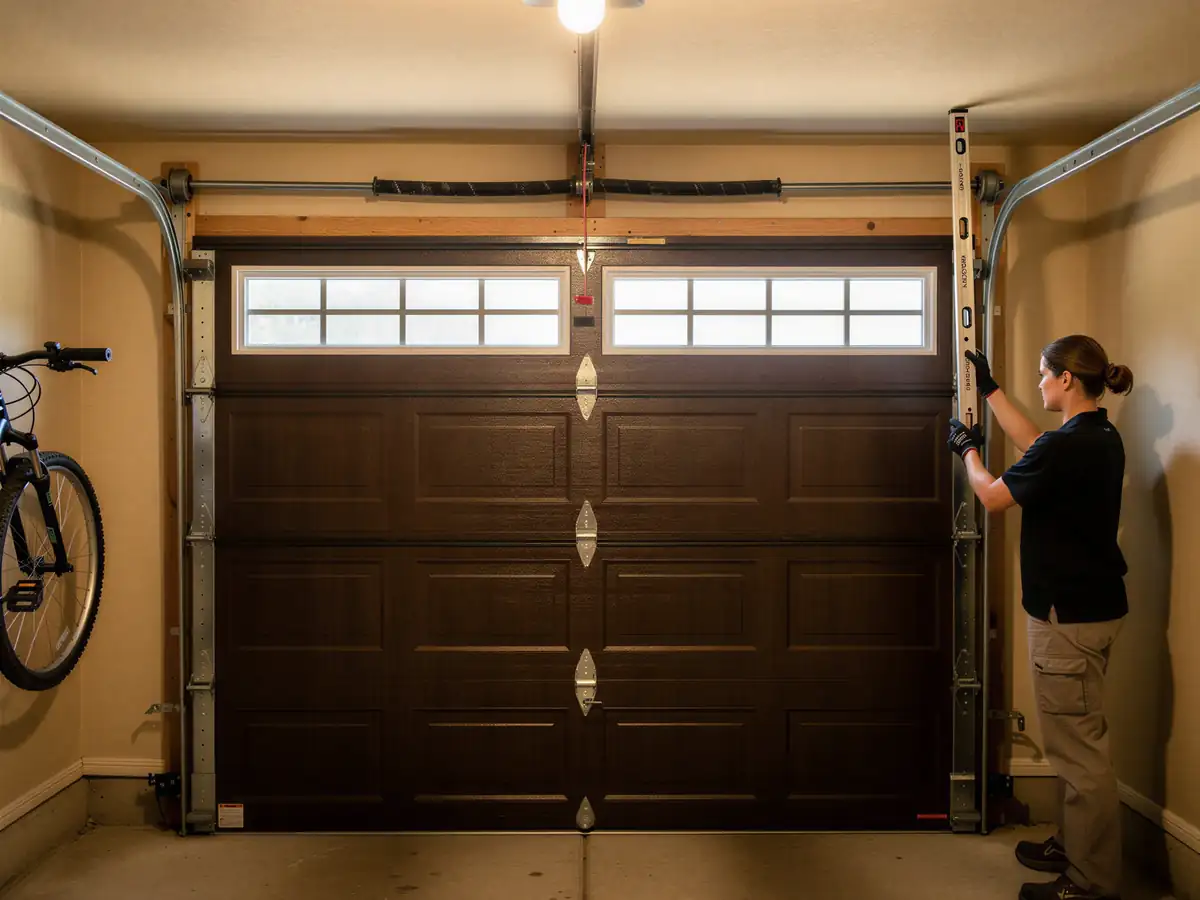
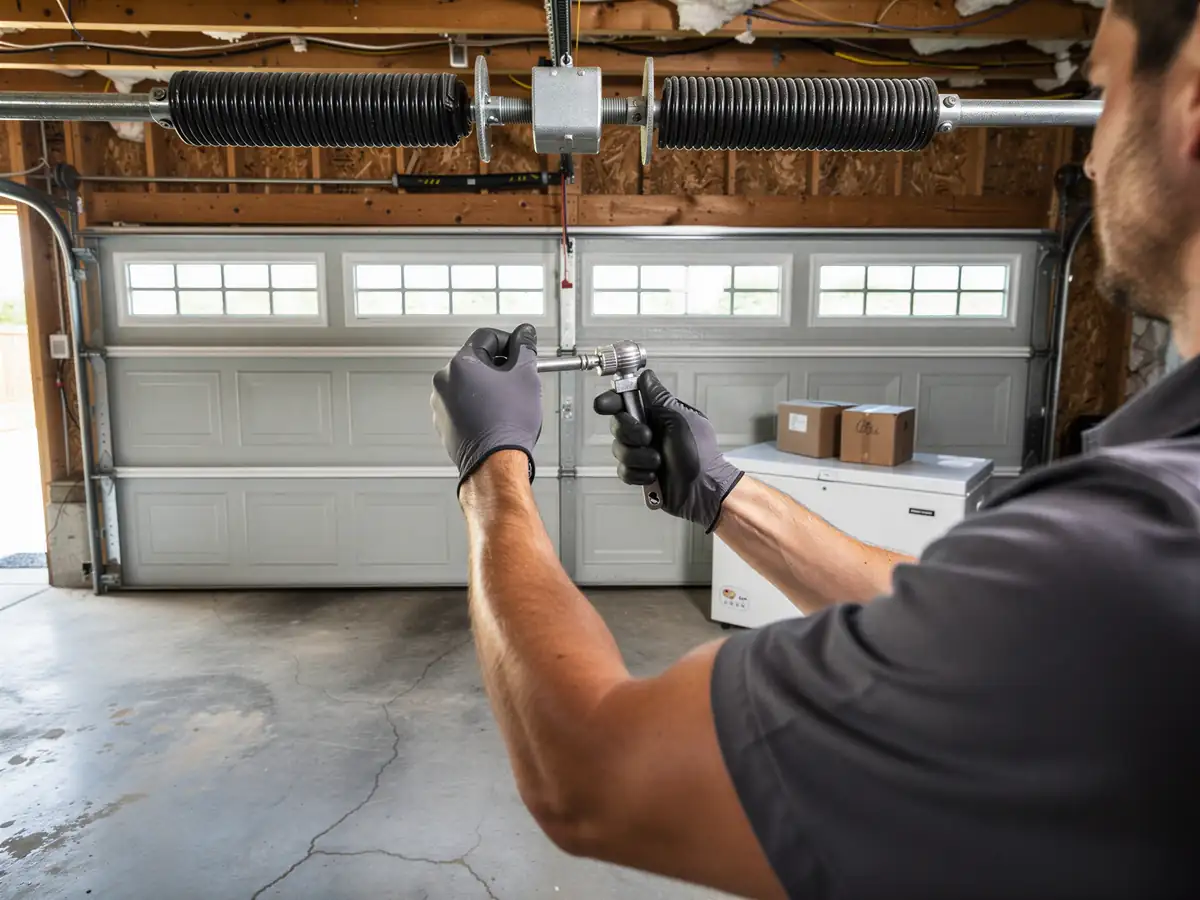
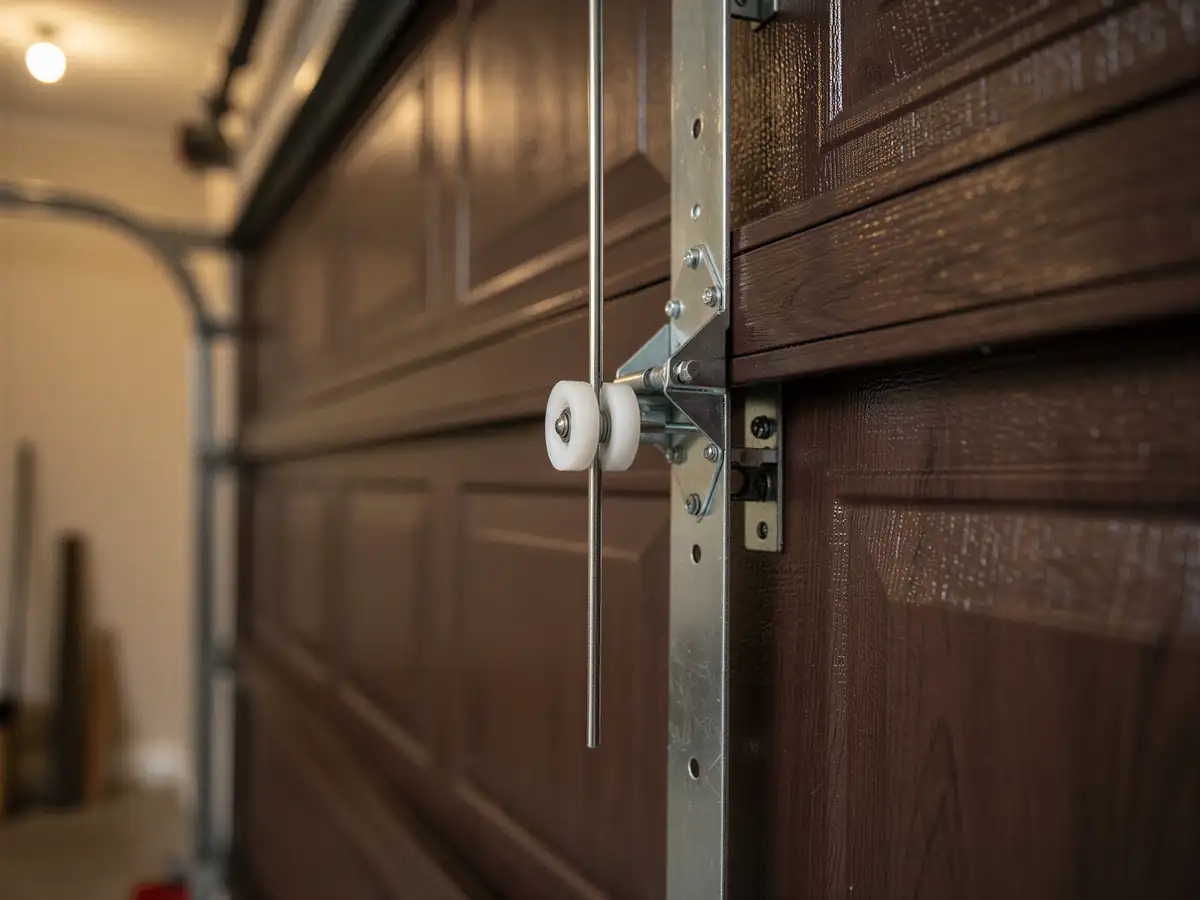
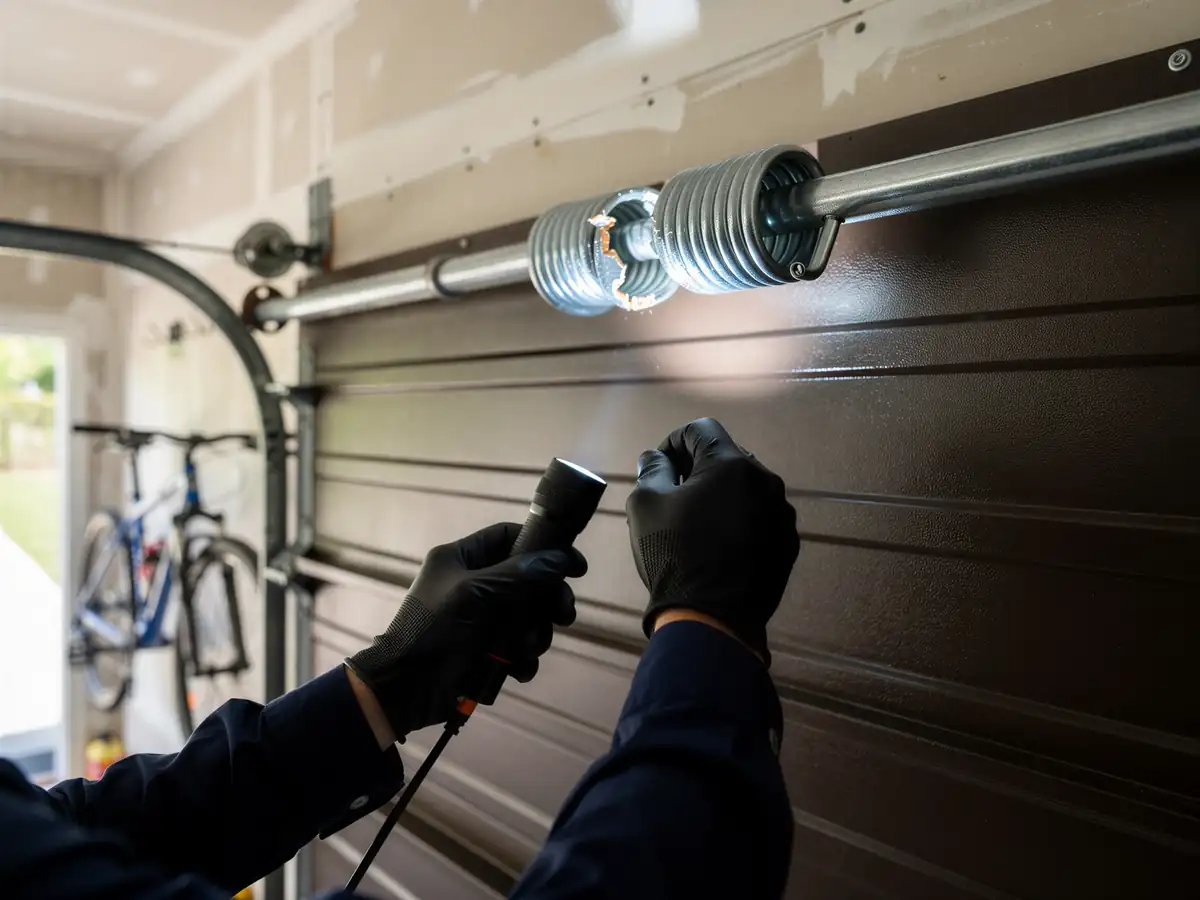
At $137,194 median household income, Union City sits well above the income level typical of homes still running original 1960s-era garage hardware - and that shows up in what we find on service calls. A lot of these 1979-built houses have already had at least one opener swap, sometimes two, over their lifetime, but the original torsion spring systems and track hardware from construction are still in plenty of garages. The mild temperate climate across this part of the Bay doesn't put the stress on doors that a harsher climate would - no deep freeze-thaw cycling, no heavy snow load - so components tend to last on their rated cycle count rather than failing early from weather. What ages these doors out is mostly just mileage: a spring rated for a certain number of open-close cycles finally gives out, a cable frays at the drum, a roller wears its bearing smooth. It's steady wear, not storm damage, driving most of the calls we get in this part of the area.