What You Pay
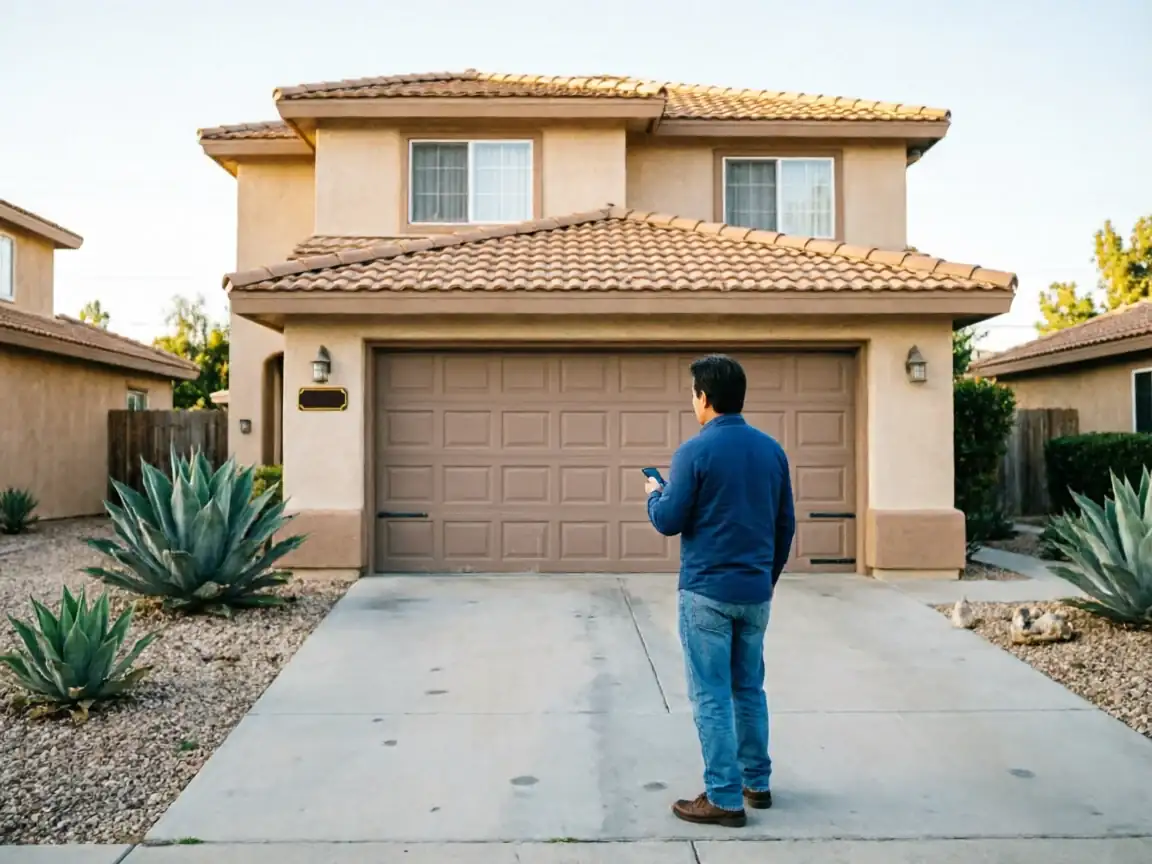
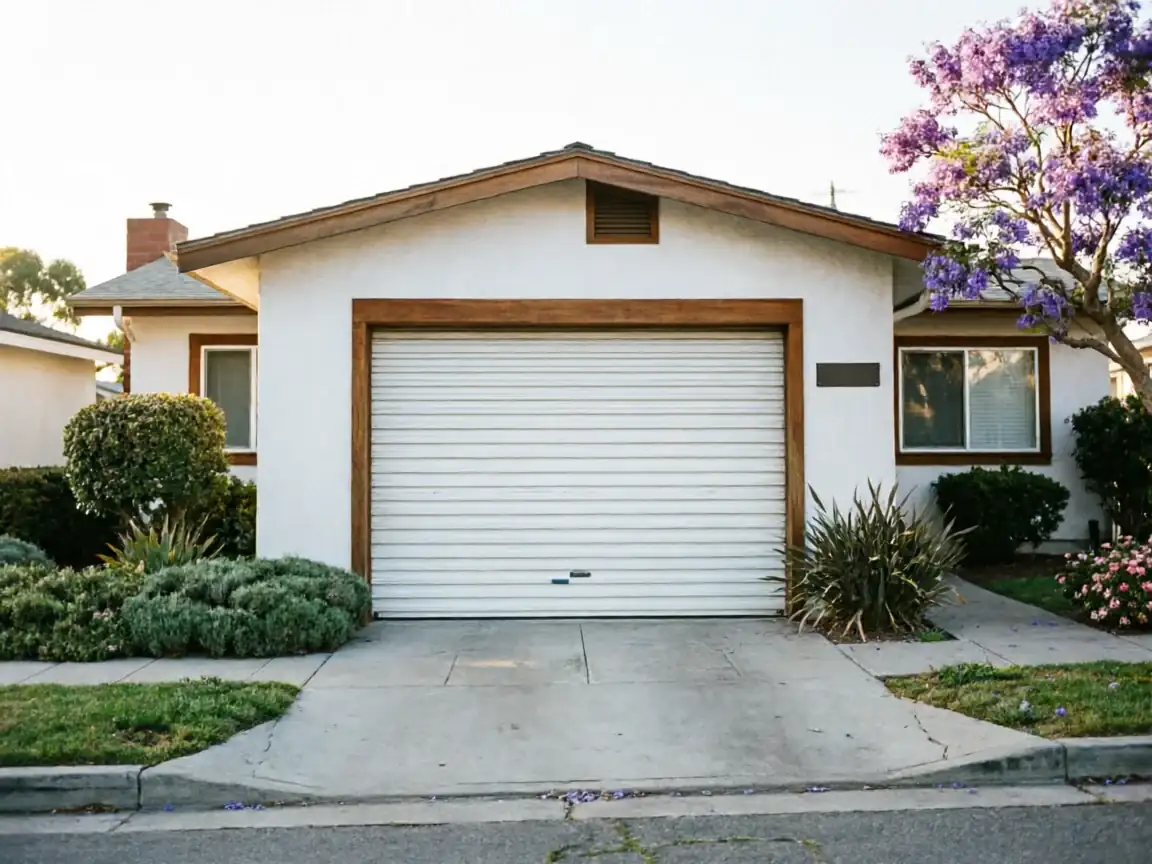
Most garage doors in Union City went up around 1979
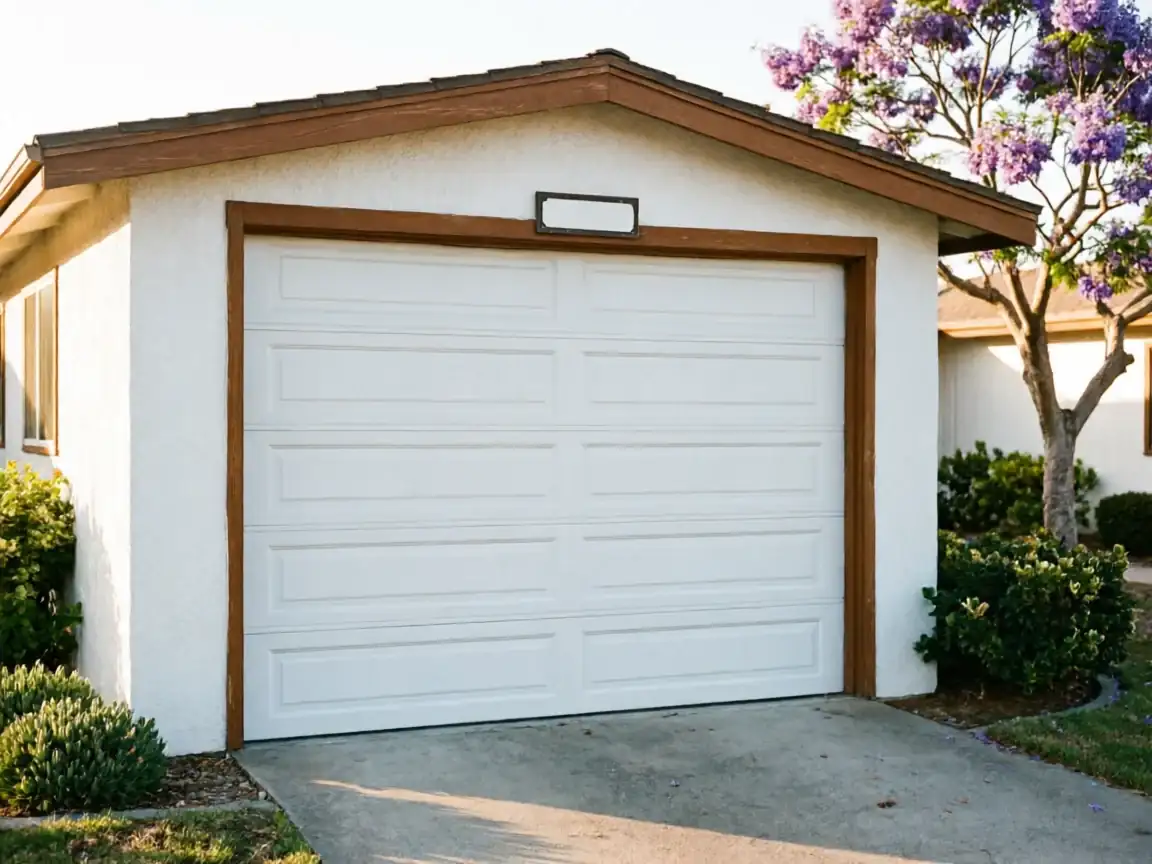
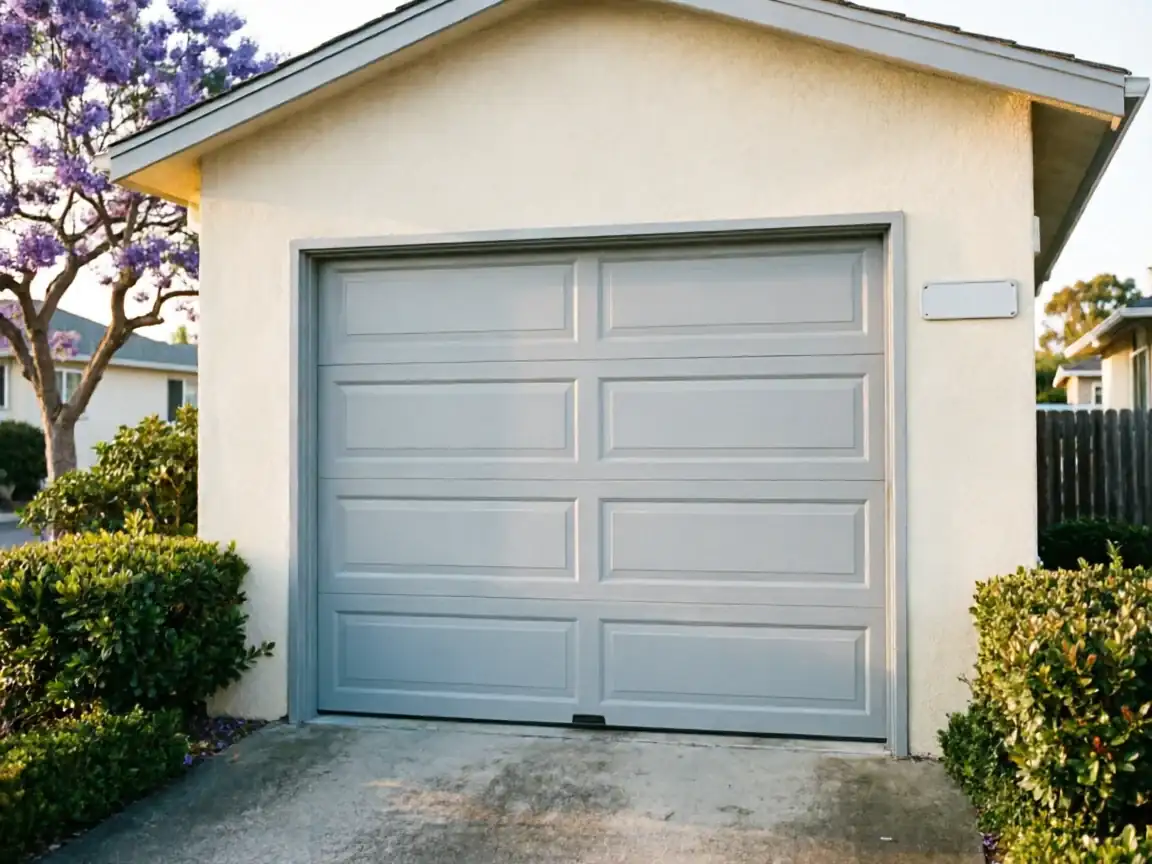
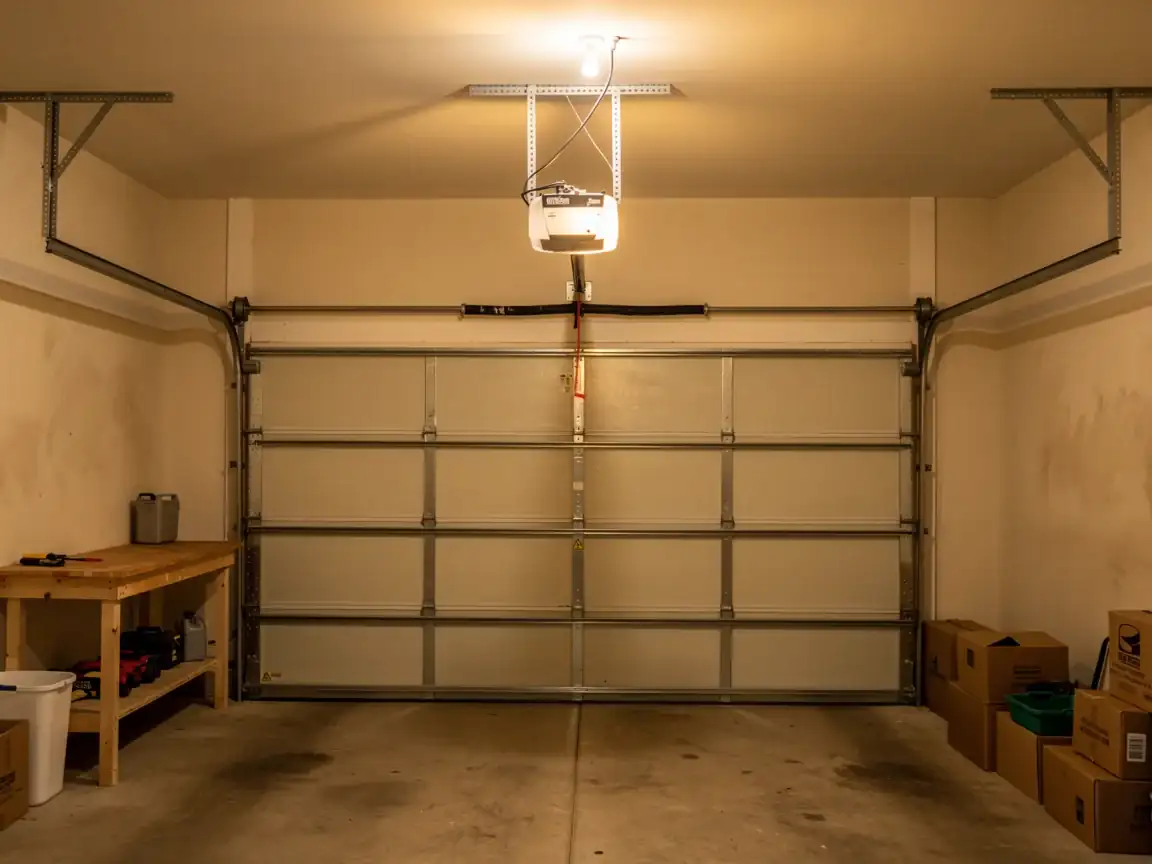
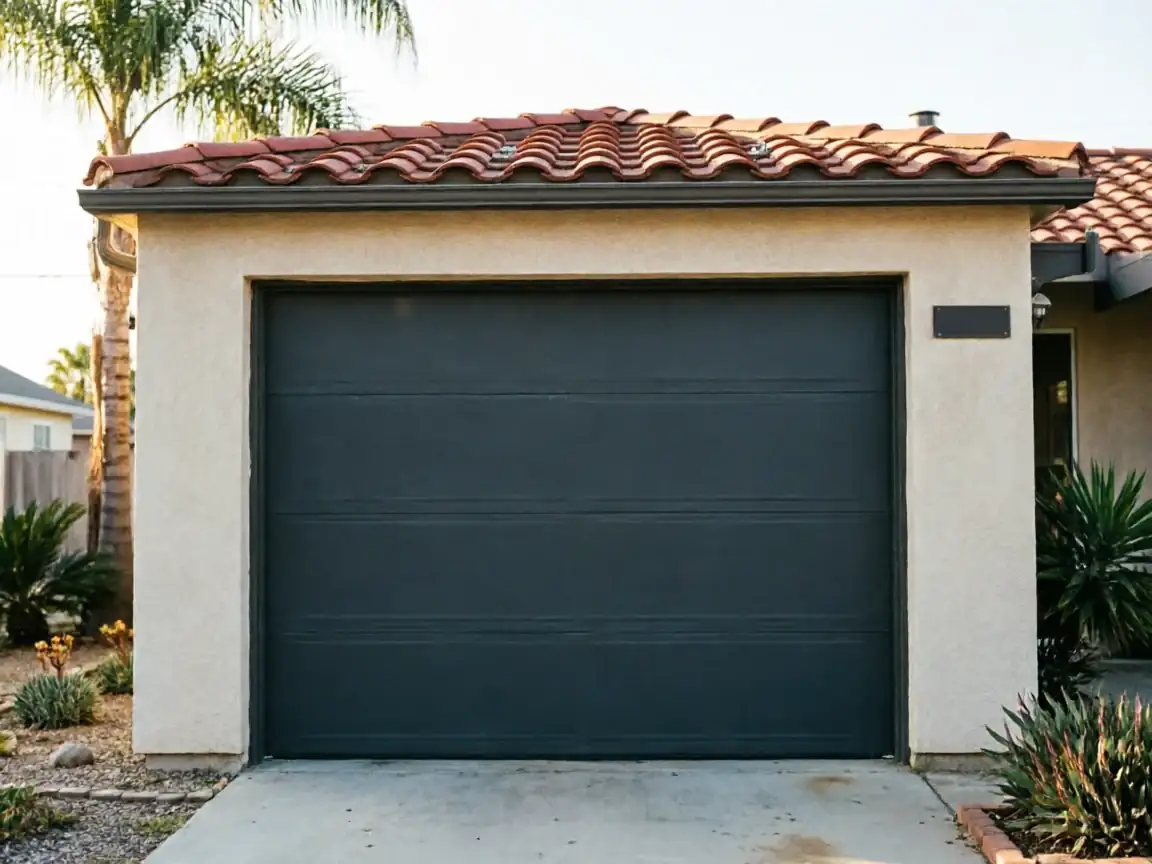
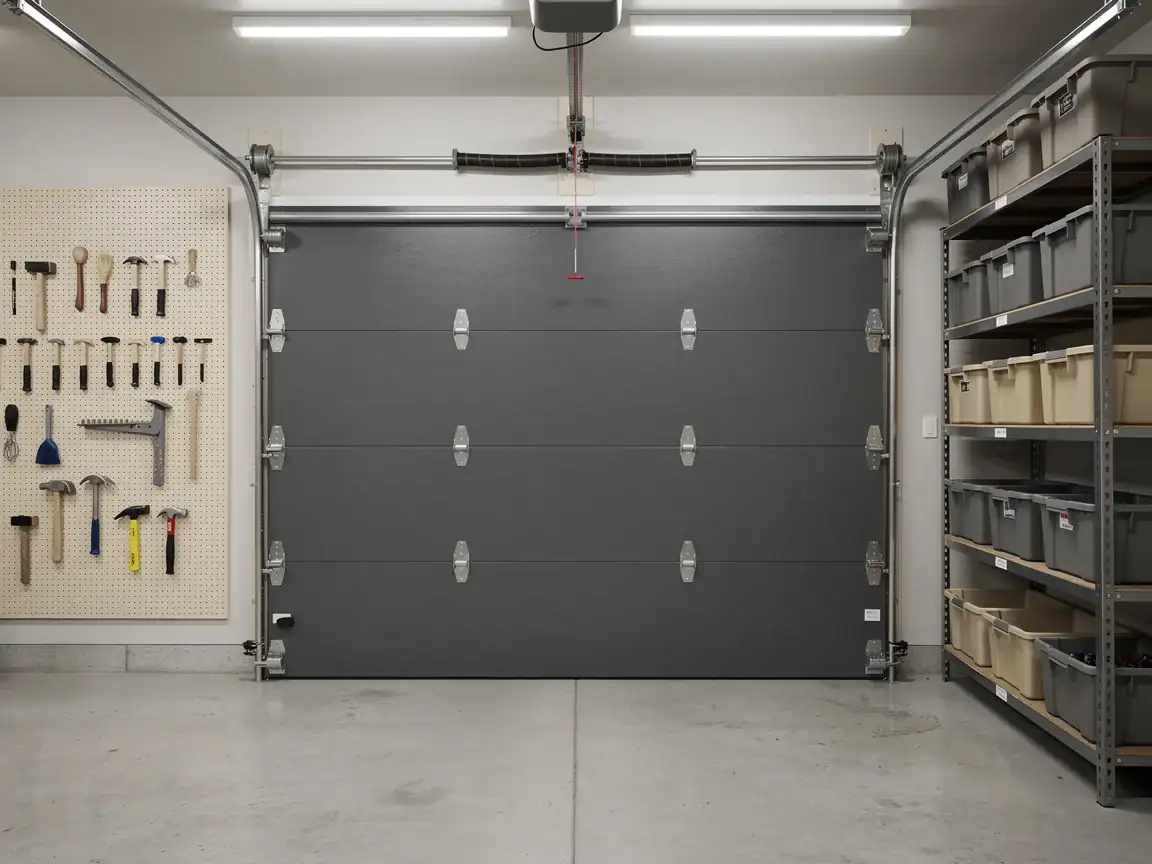
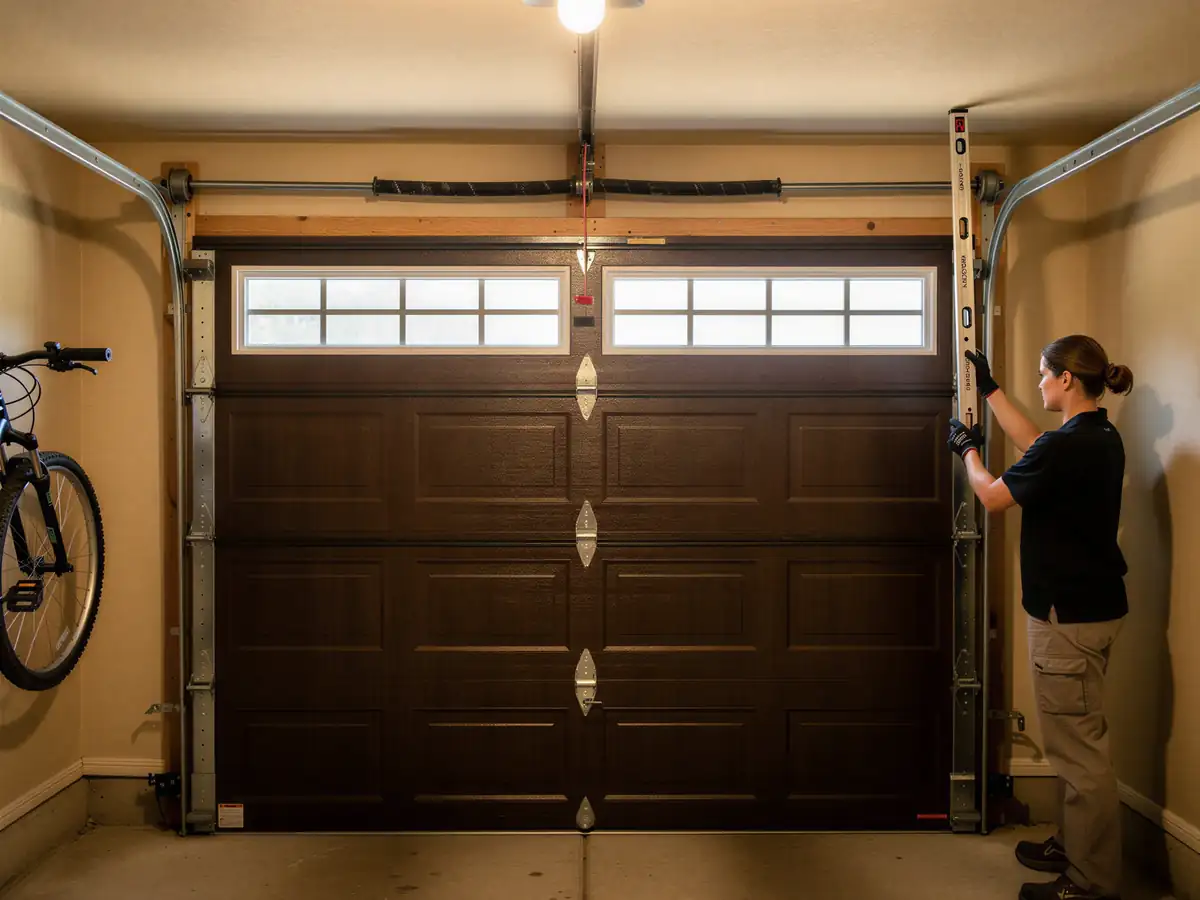
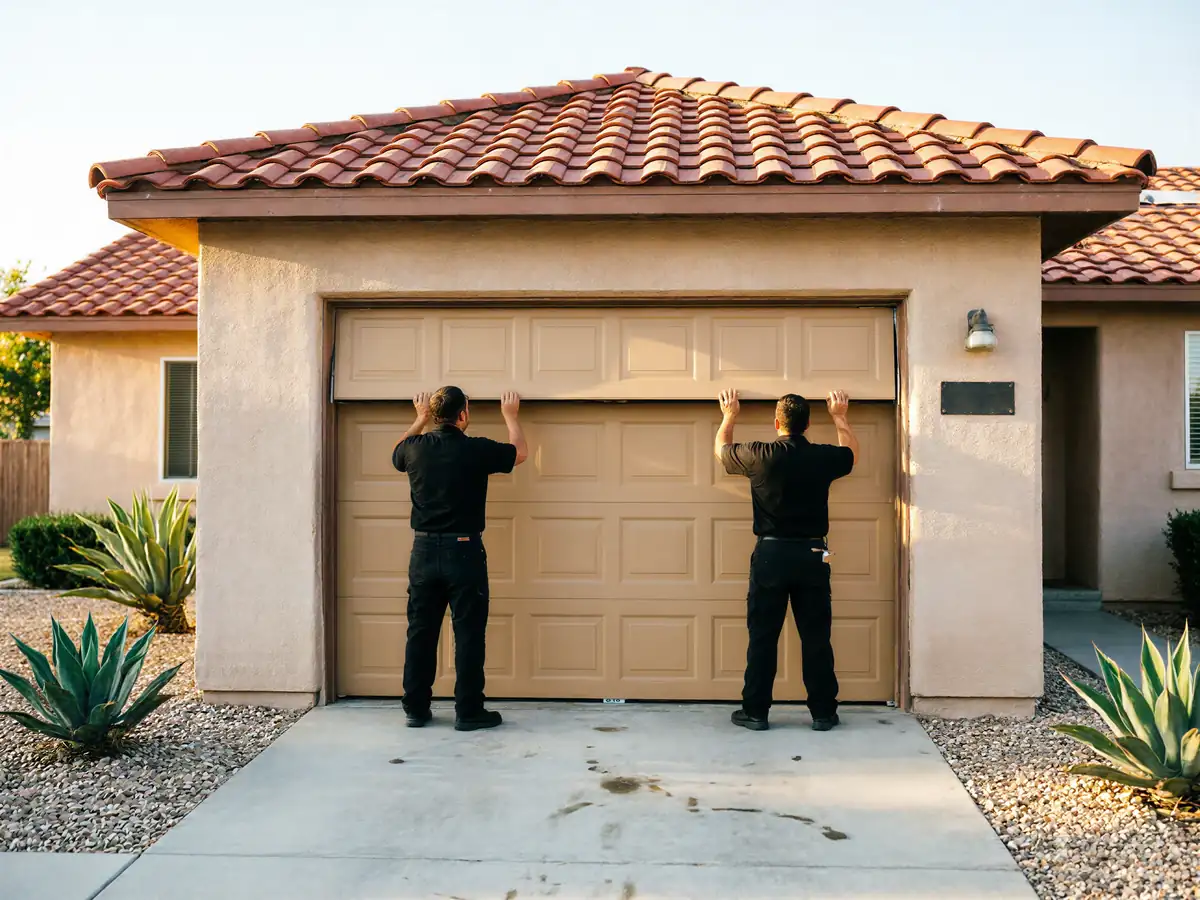
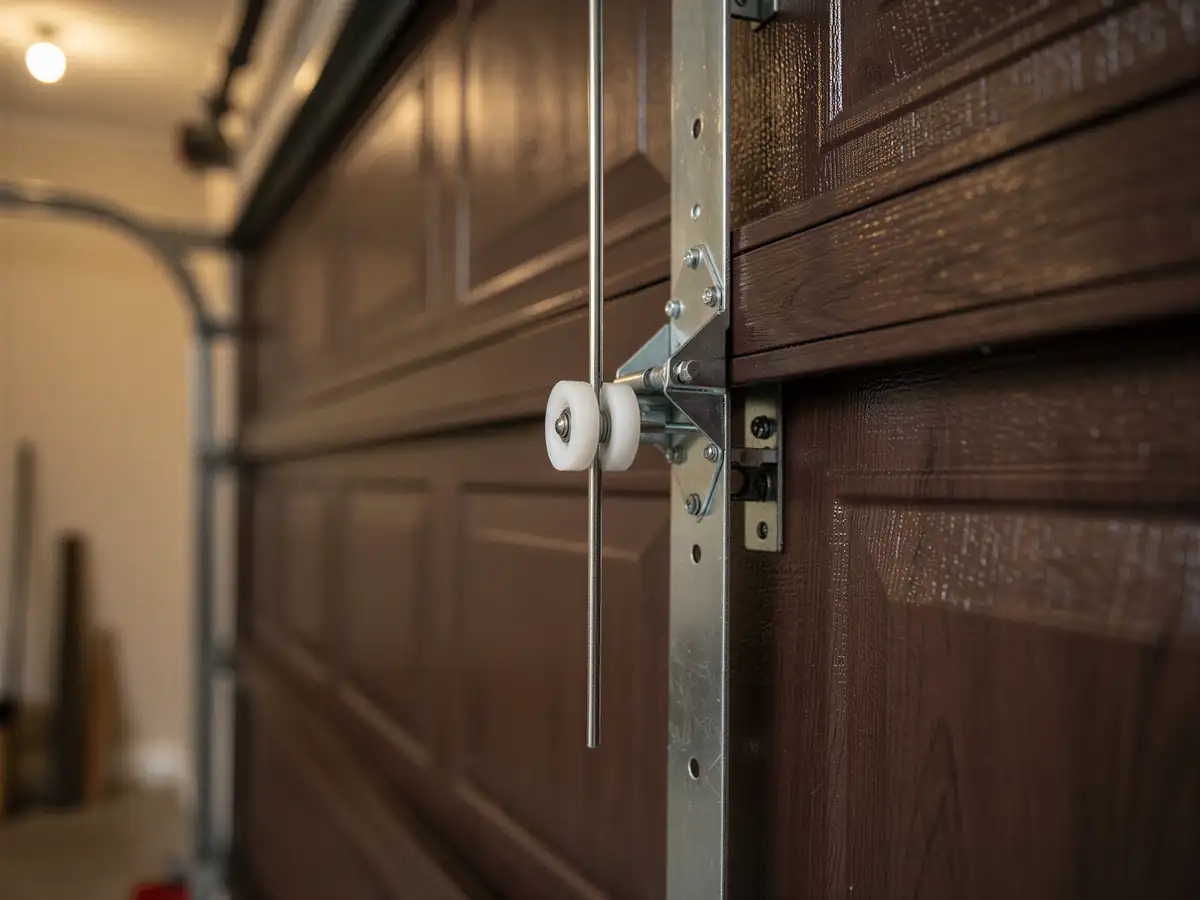
Later than the 1964 median across the wider Santa Clara service area. By then, builders here had mostly moved off wood-panel doors and into steel sectional doors, usually in wider 16-foot double configurations rather than the narrower single-car doors common on older stock. That matters for cost before anything else does: a single damaged panel on a wide steel door is a bigger, heavier piece of material than the narrow panels on a 1950s single door, and depending on the manufacturer, you may not be able to buy just one panel at all - some lines only sell the full set.
What you pay comes down to three things
How many panels are damaged, whether the color and bead pattern still exist to match the rest of the door, and whether the track and rollers need adjustment once the new panel goes in. We don't have a flat number to quote here, because those three variables swing the job more than anything else. If a dent is cosmetic and the door still runs true, we'll tell you that too - sometimes a panel doesn't need replacing, it needs a roller fixed.
Stocked Parts
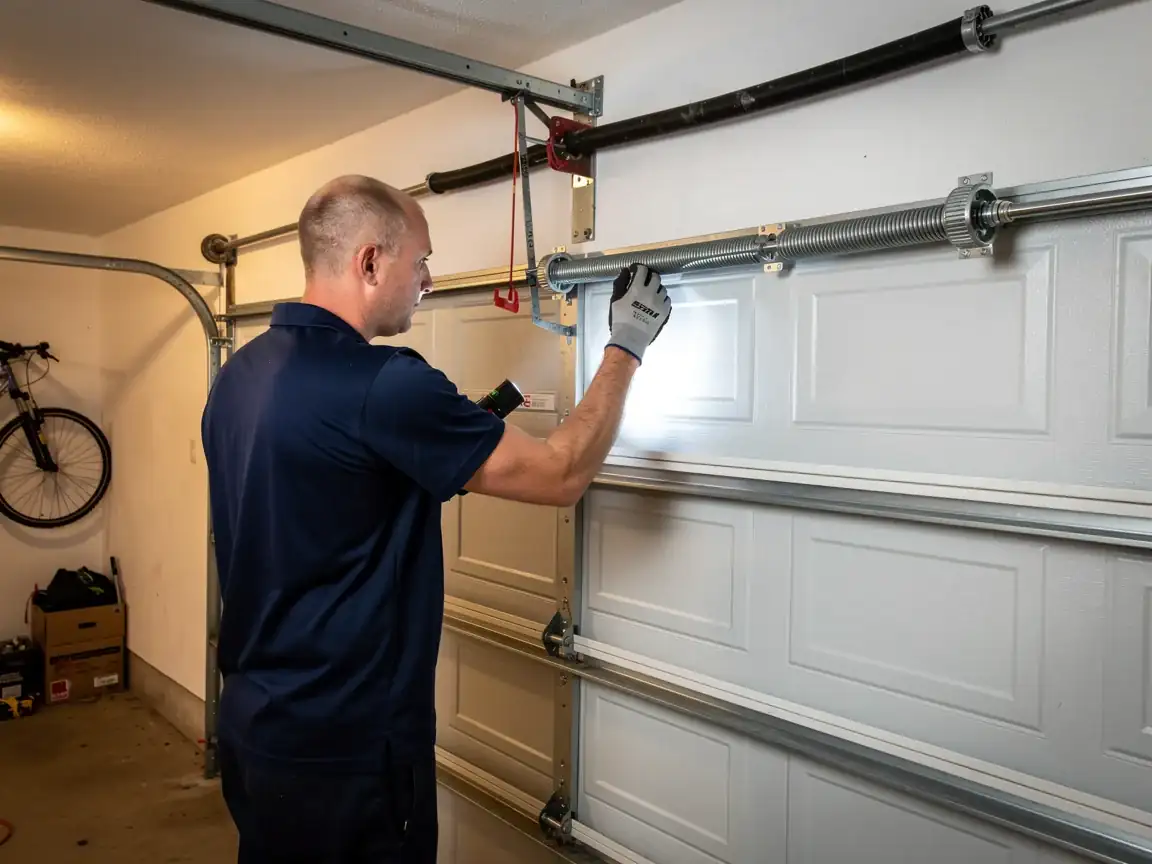
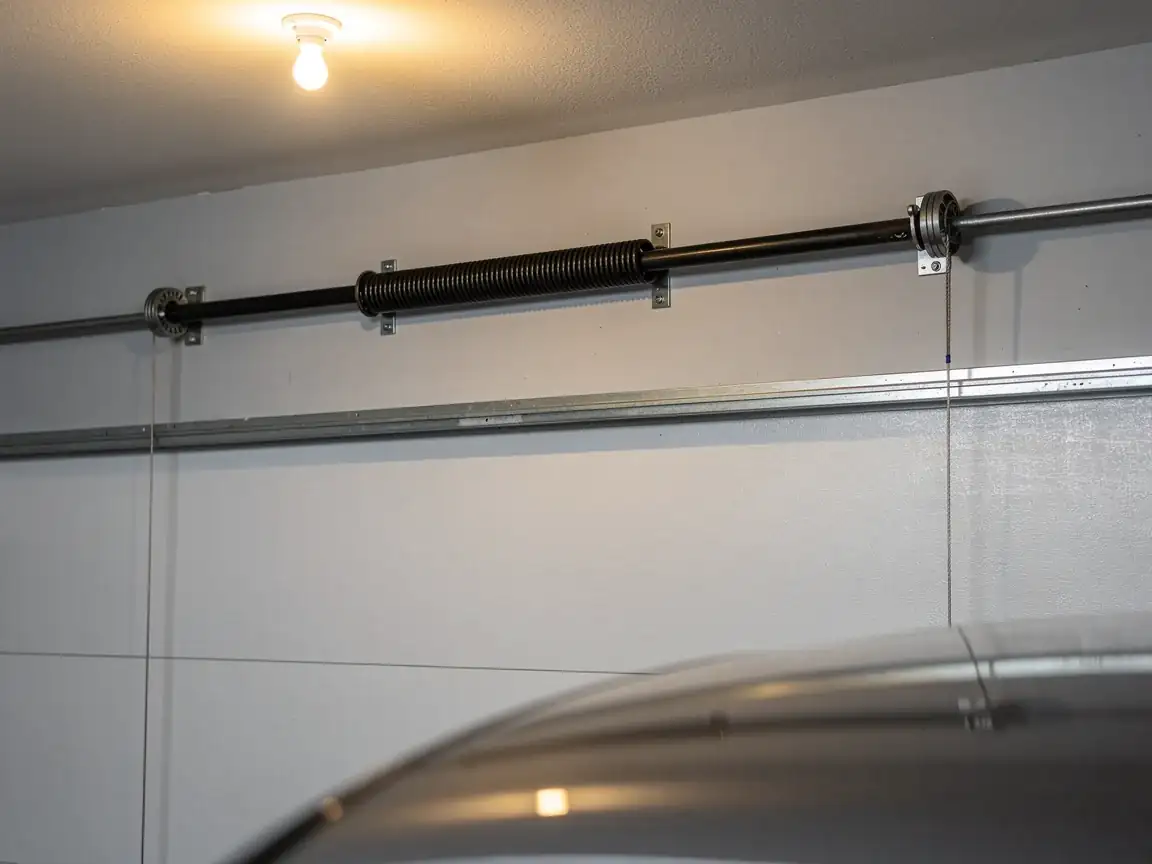
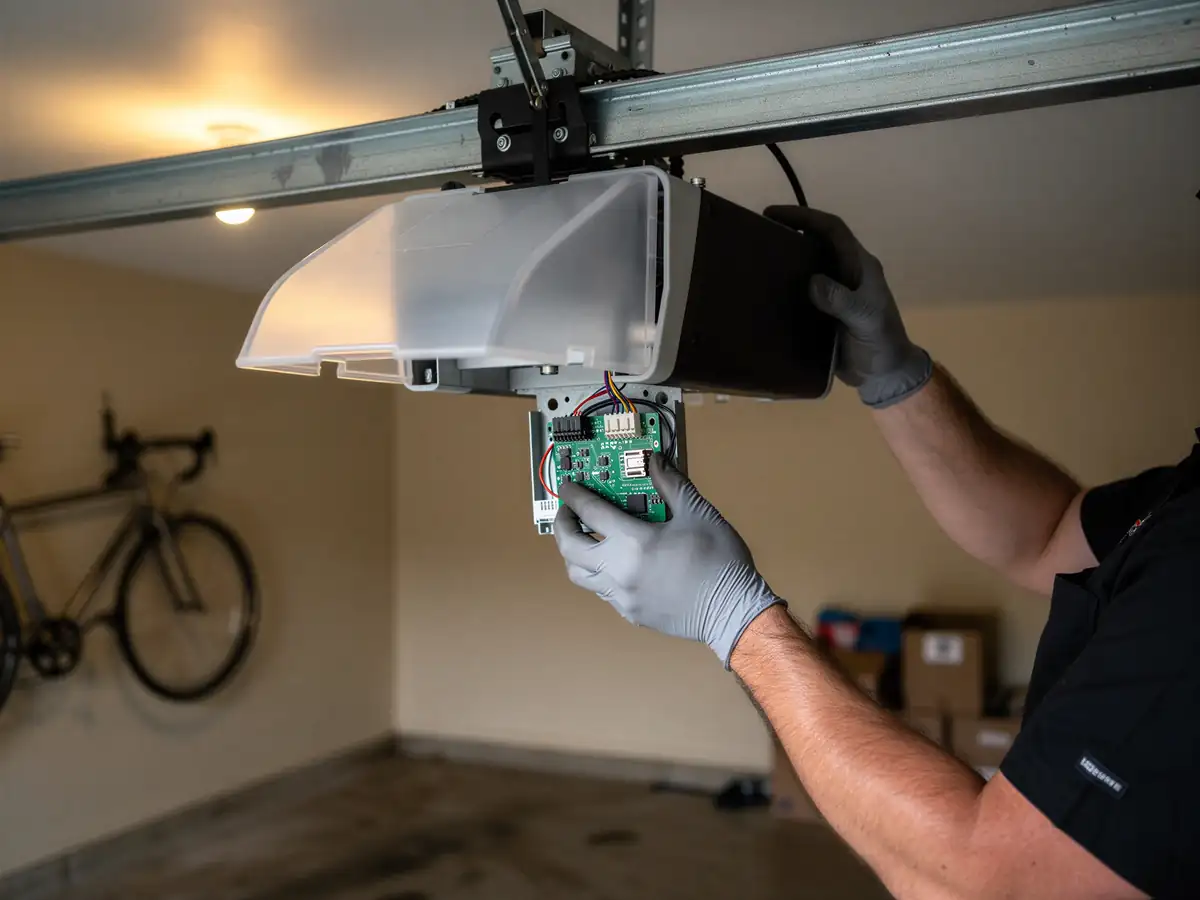
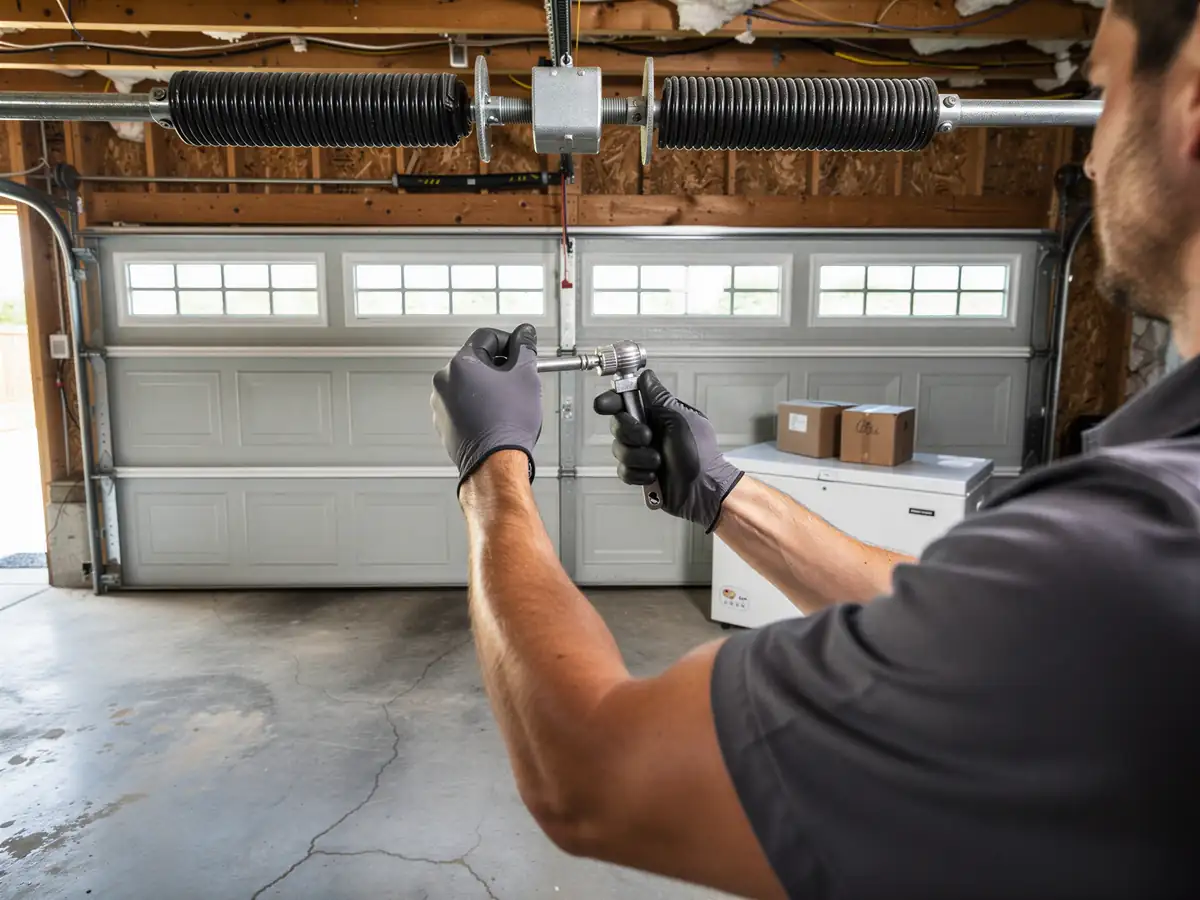
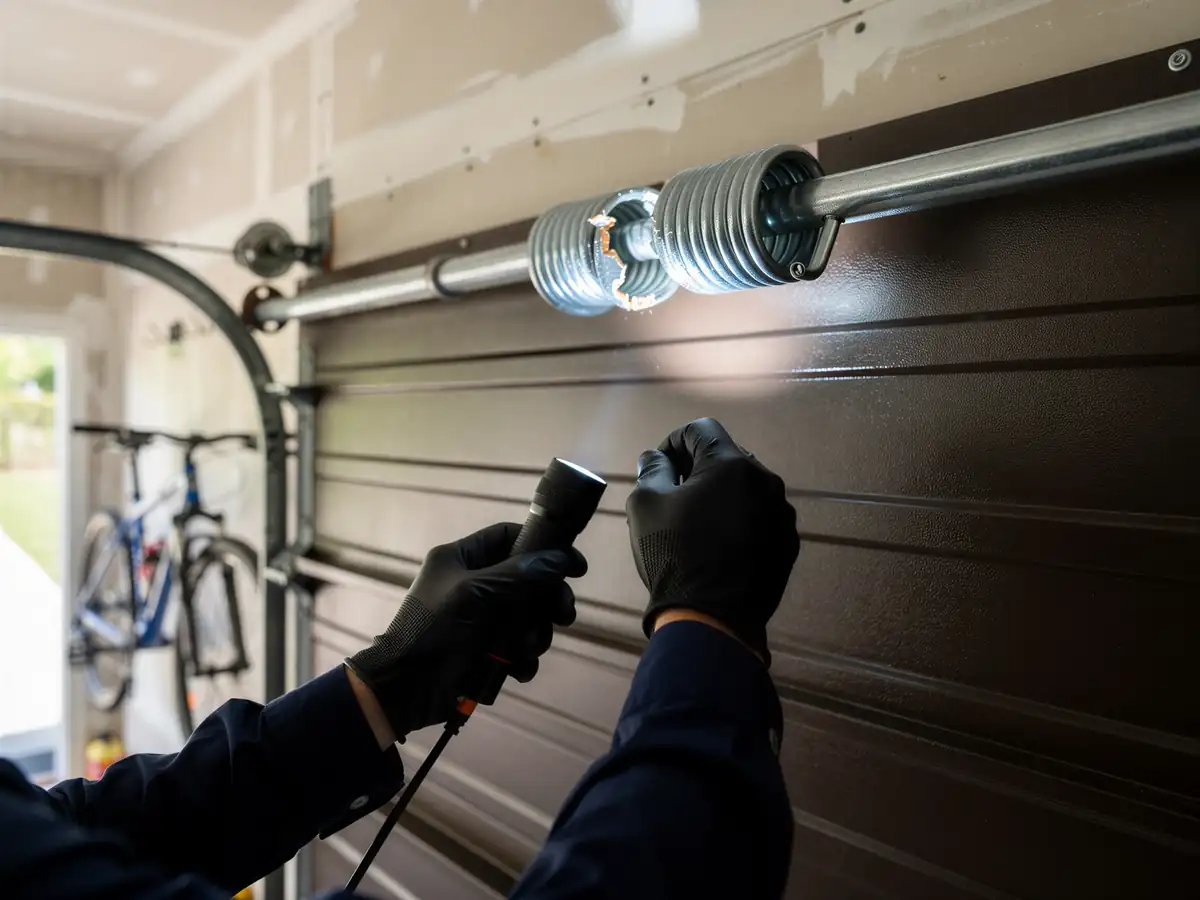
Because Union City's door stock dates mostly to the back half of that 1947-1987 window, the hardware tends to be steel sectional panels on standard torsion springs rather than the side-mounted extension hardware you'd find on an older single door. That's good news for parts - this is common hardware, not a discontinued profile. We carry common panel widths and standard rollers and hinges on the truck.
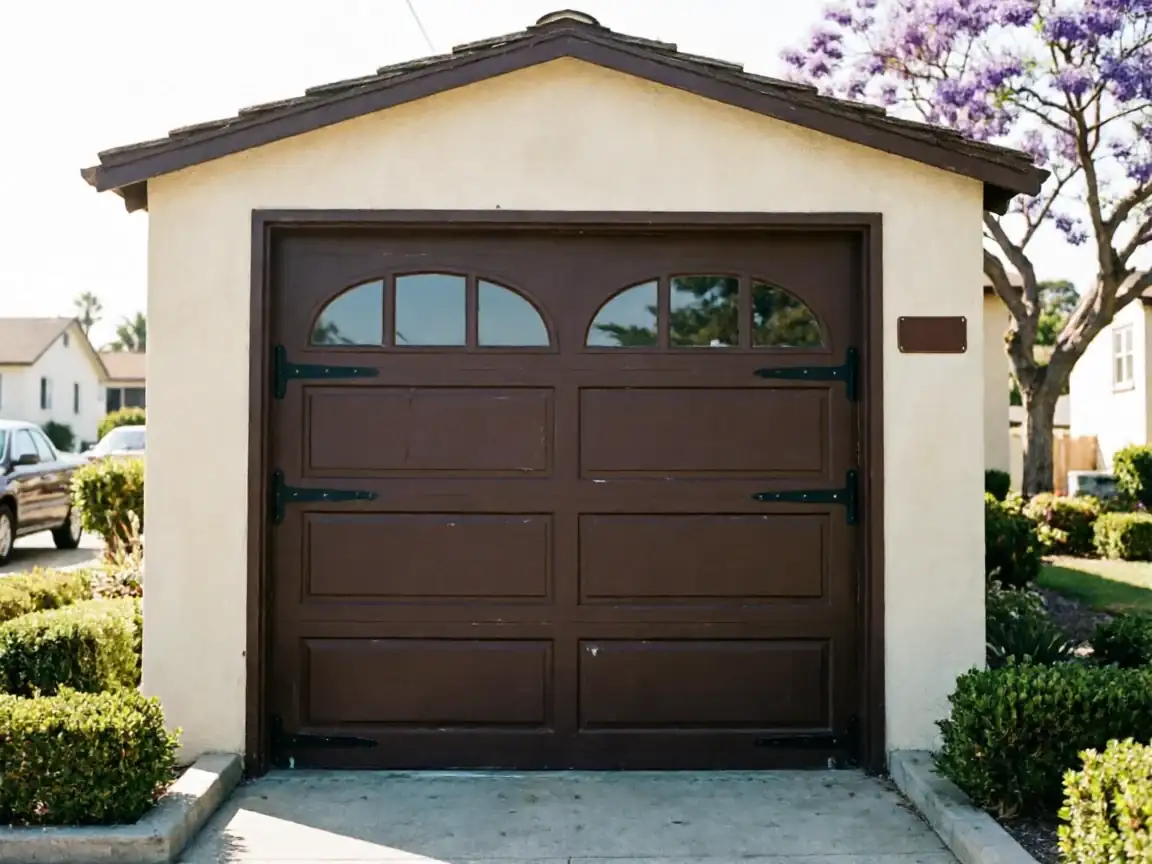
What we don't carry on the truck is an exact color and texture match for every manufacturer that built doors in this area through the late 1970s and 1980s. Some finishes faded under years of sun even in this area's mild temperate climate, and a 40-year-old panel's paint is never going to match a brand-new one off the shelf. If your door is still under a run that's been discontinued, we'll tell you straight that a full-door swap may look better than a patched panel - stocked parts fix the mechanism, they don't always fix the mismatch.
What Causes It Around Here
With roughly 21,202 households in Union City and a lot of them sitting on doors from that late-1970s build wave, the panel damage we see is less about weather and more about forty-plus years of daily use. A mild temperate climate here means panels aren't cracking from freeze-thaw or warping from extreme heat swings the way they would elsewhere - that's not the driver.
The driver is backing into the door, a trash can or bike clipping a bottom panel, or a bottom section that's been scraping the slab for years because the rollers wore out and nobody replaced them before the panel itself started to crack. On the wider double doors common to this era's stock, a bent bottom panel also throws off how the door seats, which speeds up wear on the next panel up. We also see panels that were never damaged in an impact at all - just sun-faded and chalky after decades, which is a cosmetic call rather than a structural one.
How Long It Takes
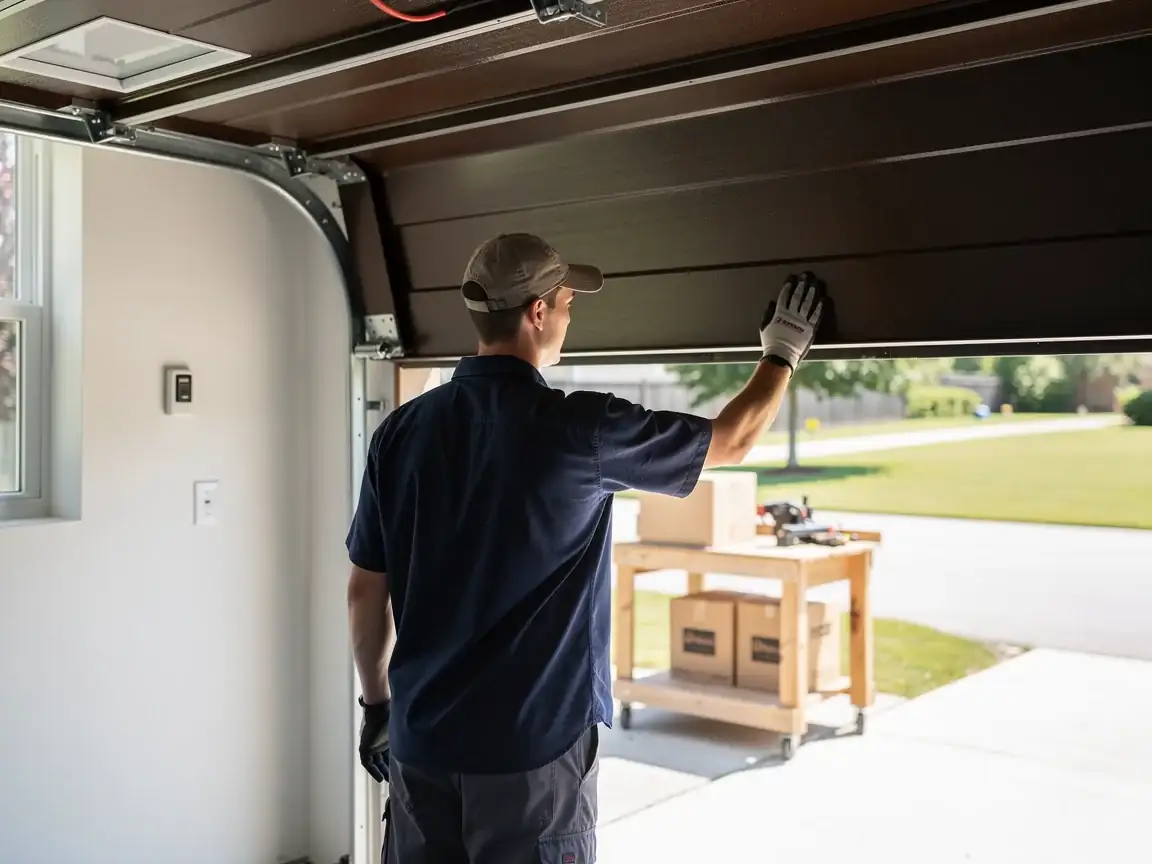
A straightforward single-panel swap, once we're on site with the right part
Usually runs under two hours. What adds time is matching - if your door's panel profile is an older run that the manufacturer no longer makes in that exact bead pattern, we may need to source a close match rather than an exact one, and that's a conversation we have with you before we order anything.
We travel to Union City from our Santa Clara shop, about 17 miles each way
So we schedule the visit rather than offer a walk-up time window. We're not quoting a same-day guarantee here - we're telling you we route the truck for the job once we know what part it needs. If your door needs a part we don't stock, that adds lead time on top of the drive, and we'll say so up front rather than guess.
- 17 miles