What You Pay
We won't quote you a number here
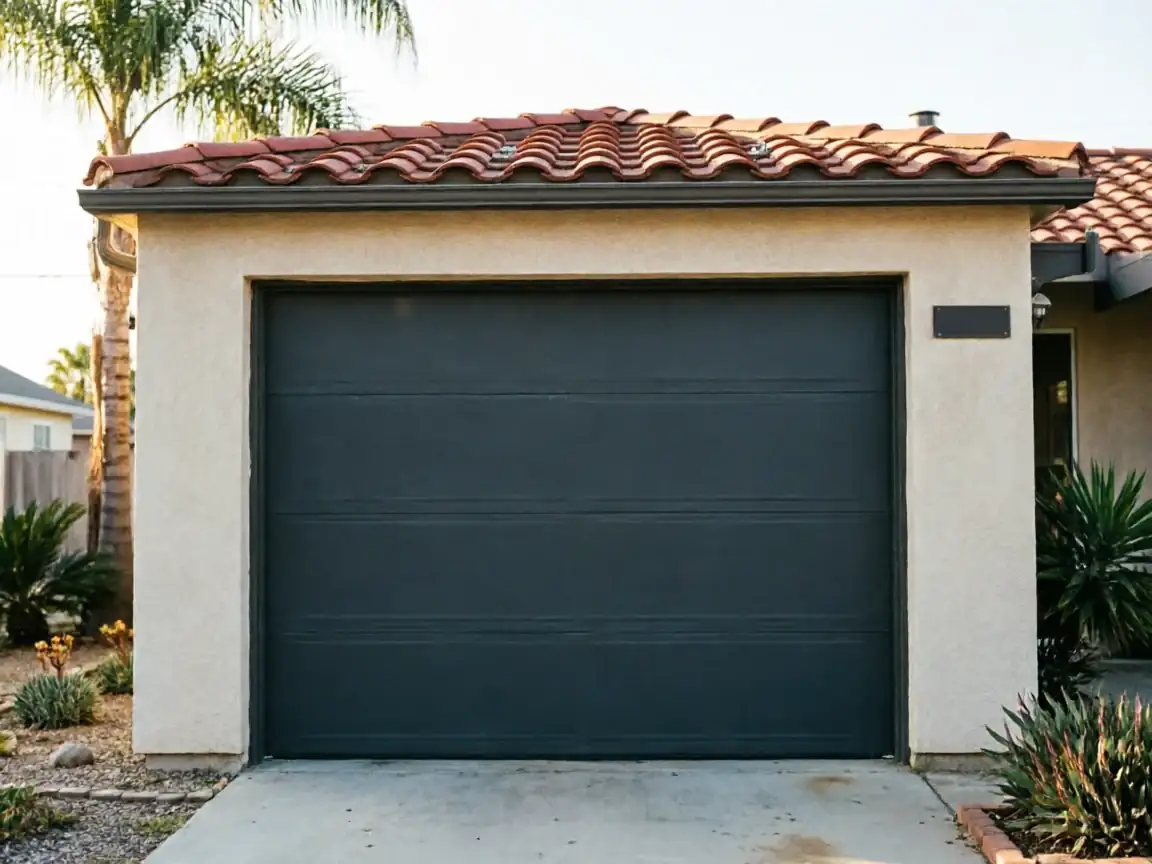
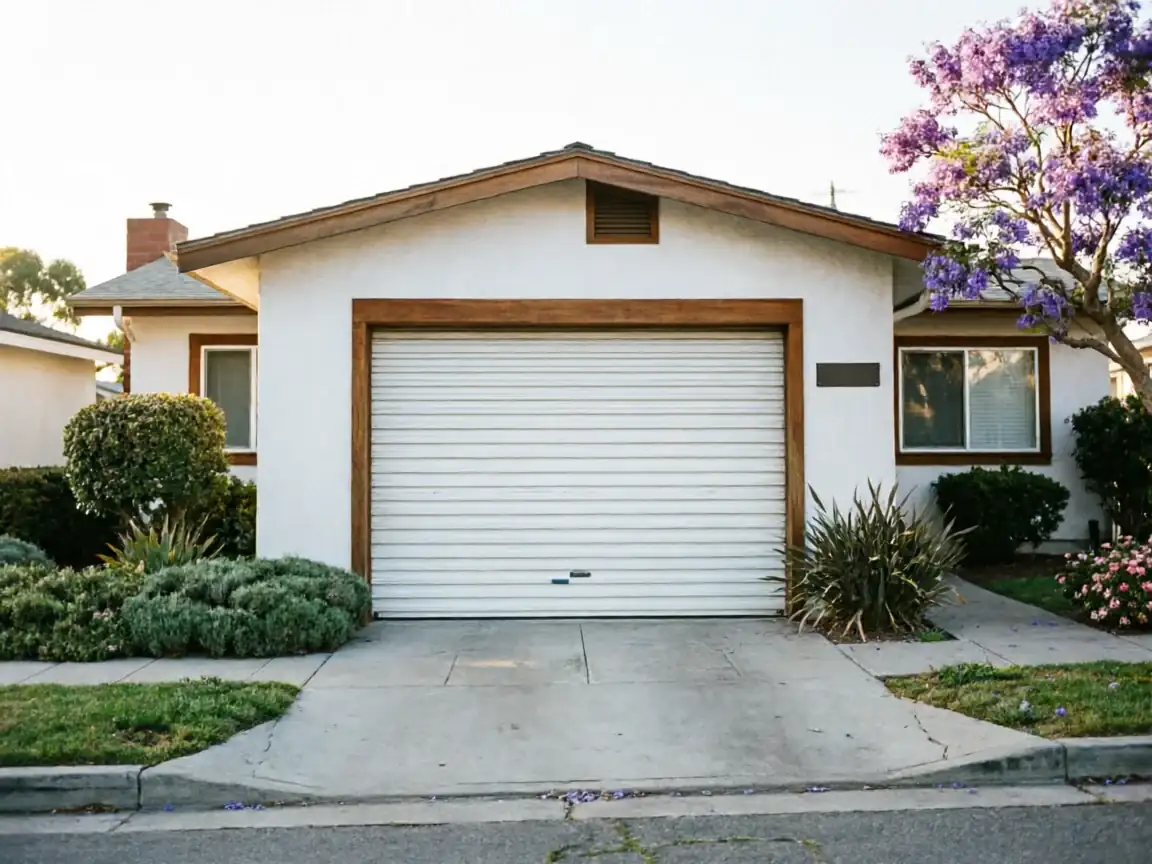
Because the right fix for a 1979-era door isn't the same job twice. What we can tell you is how the decision usually breaks for Union City homeowners. The service area's median household income sits at $214,149, but Union City itself runs lower, around $137,194, and that gap shows up in the call. Lower-income blocks tend to ask us to fix the spring or roller that's actually broken and move on. Higher-income blocks more often ask us to replace the whole opener or door while we're already on site, especially once it's a 1979-vintage steel sectional door with a chain-drive opener that's original to the house.
We'll tell you straight if a repair isn't worth it
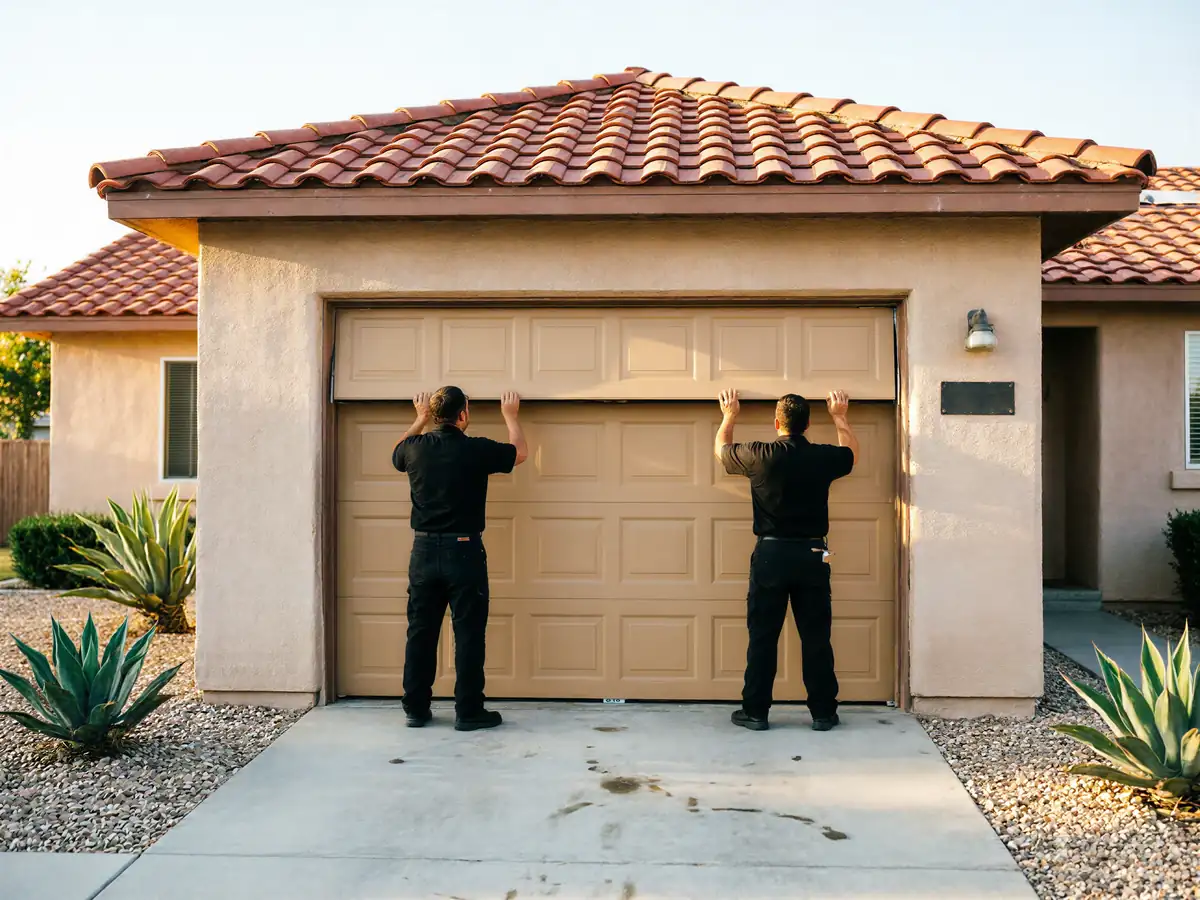
A cracked panel on a 40-plus-year-old door, paired with a dying opener, is usually a replace-the-door conversation, not a third repair visit. We'd rather say that up front than bill you twice.
Stocked Parts
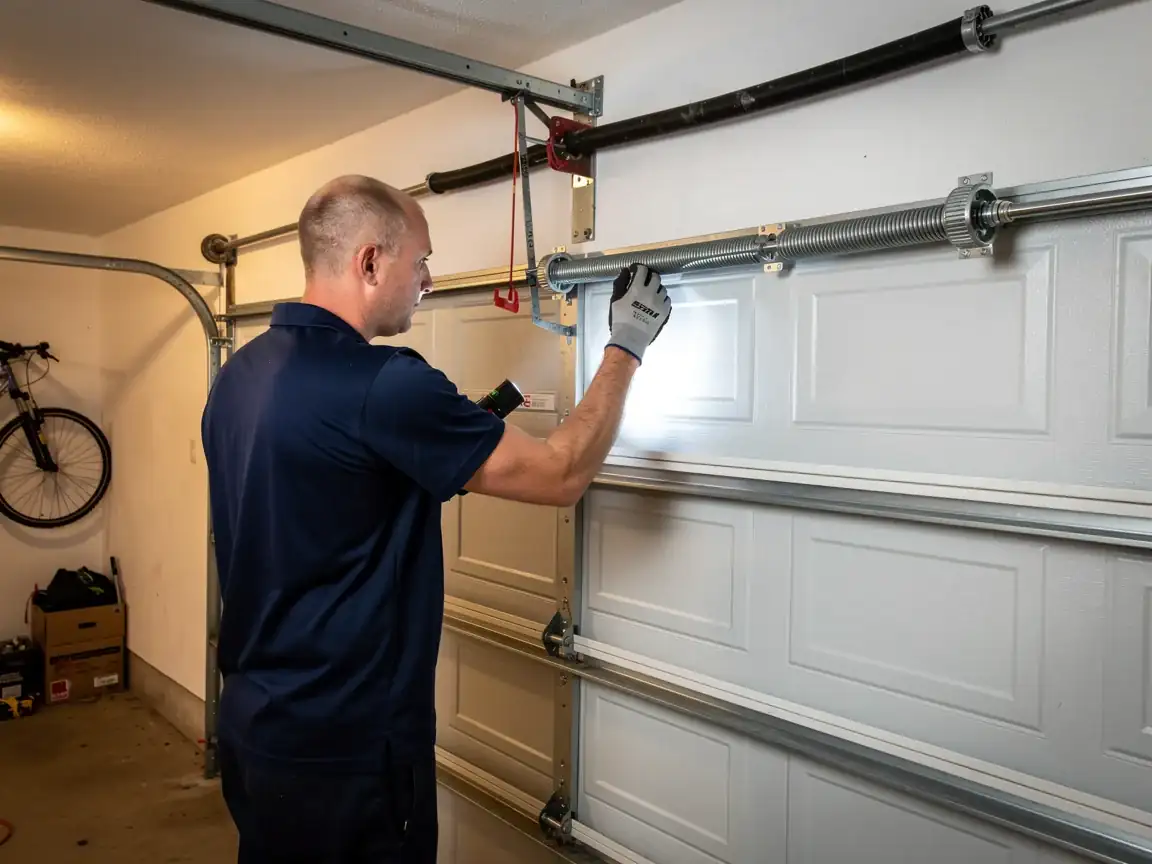
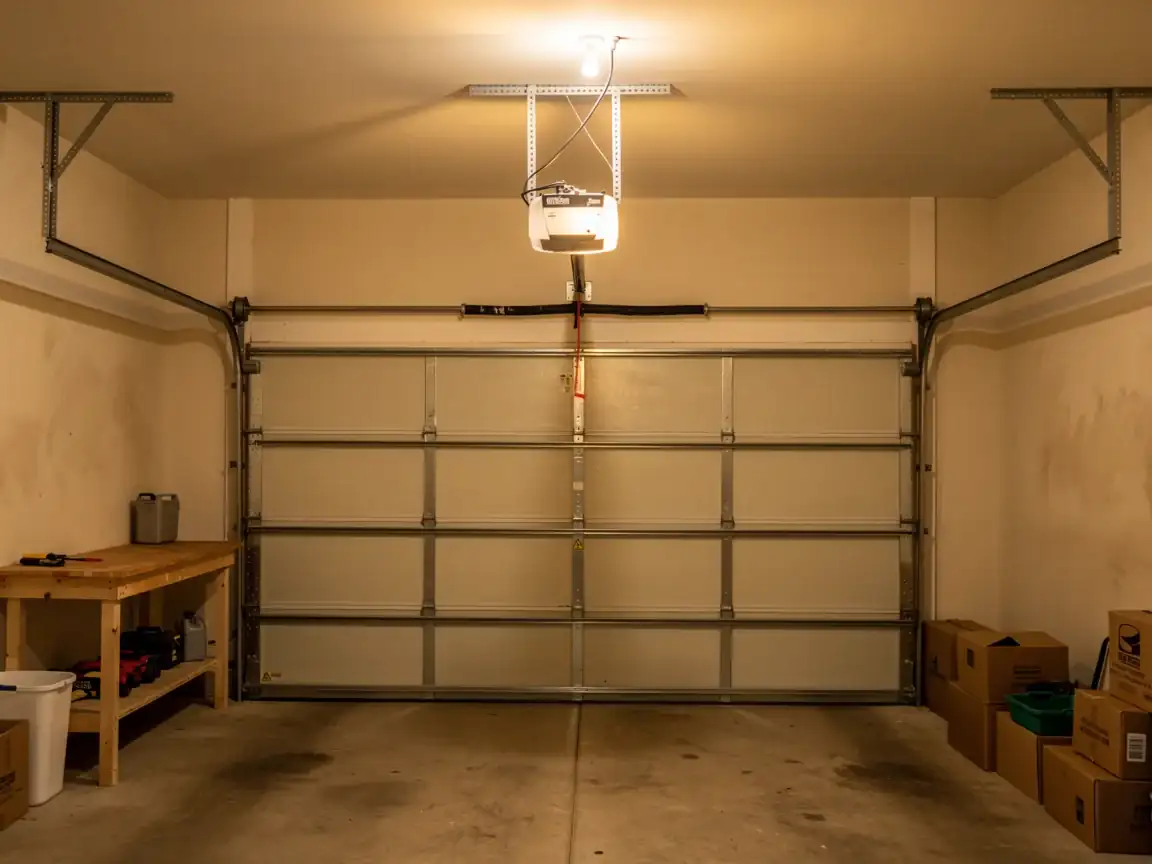
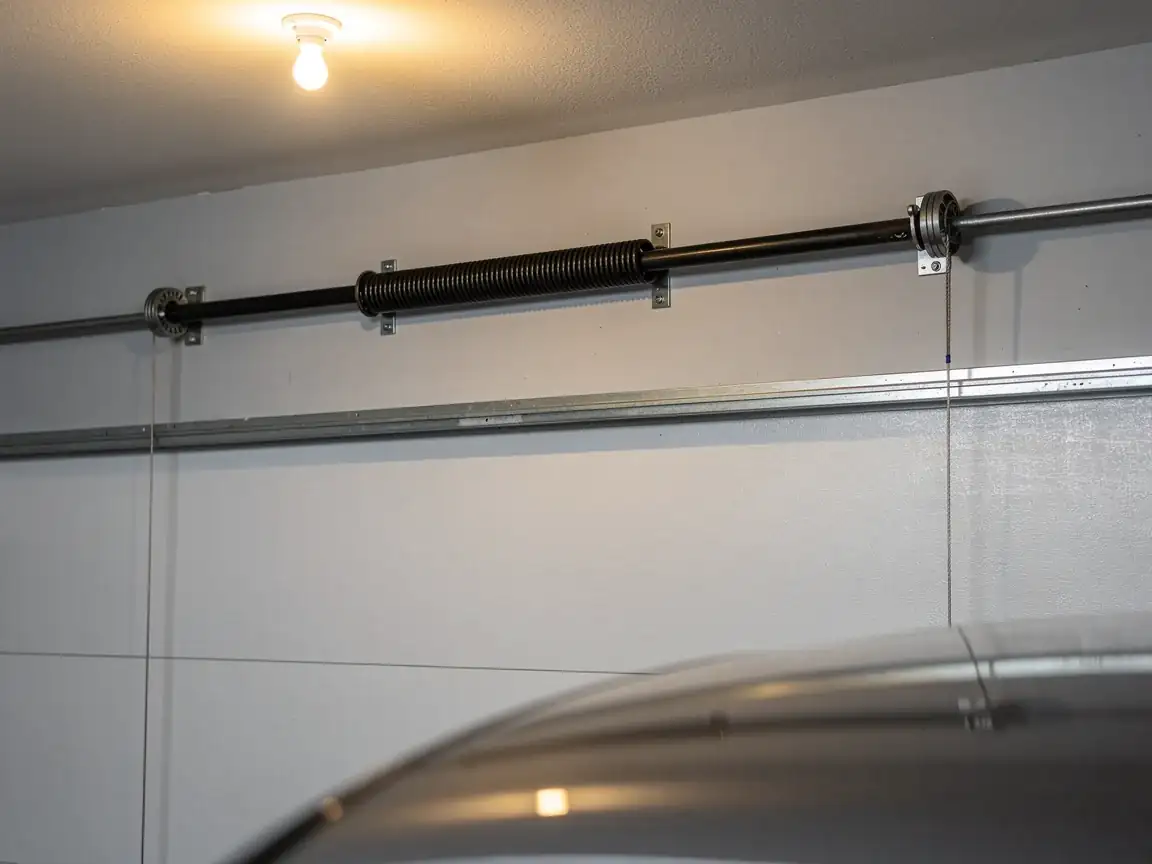
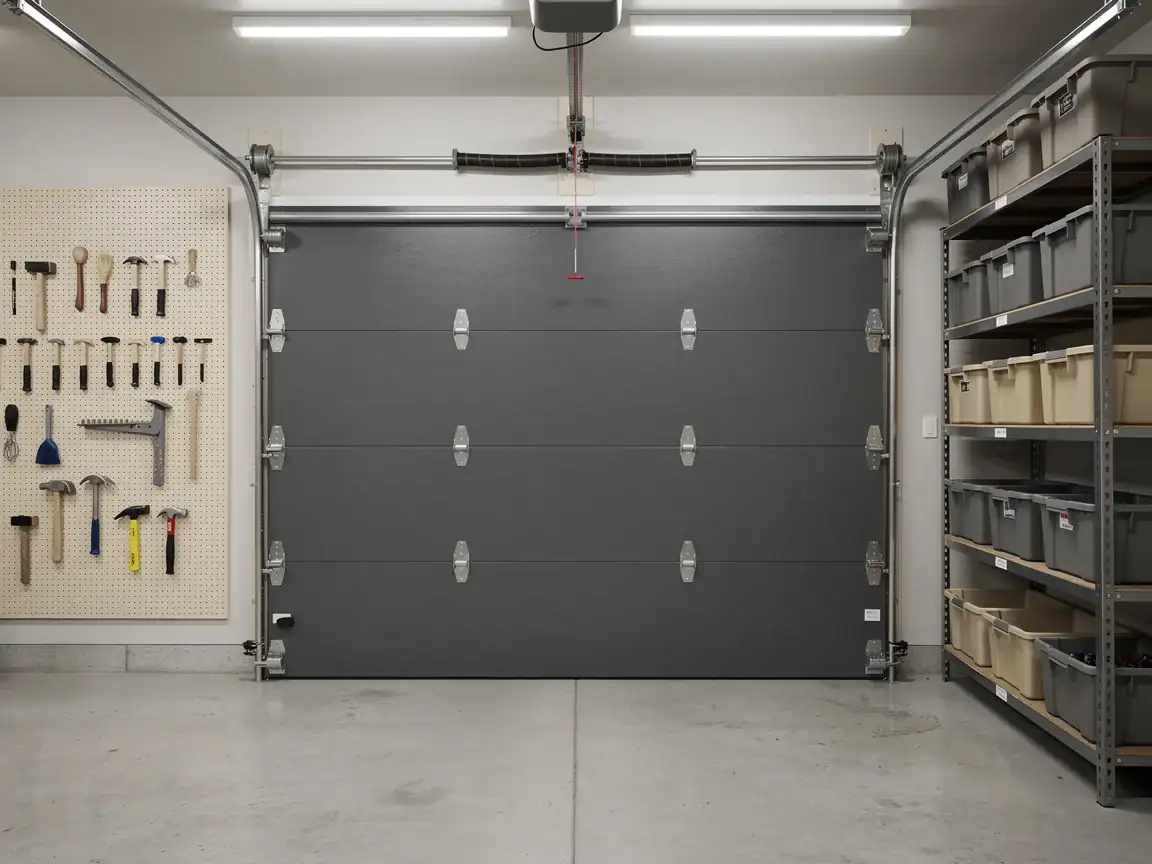
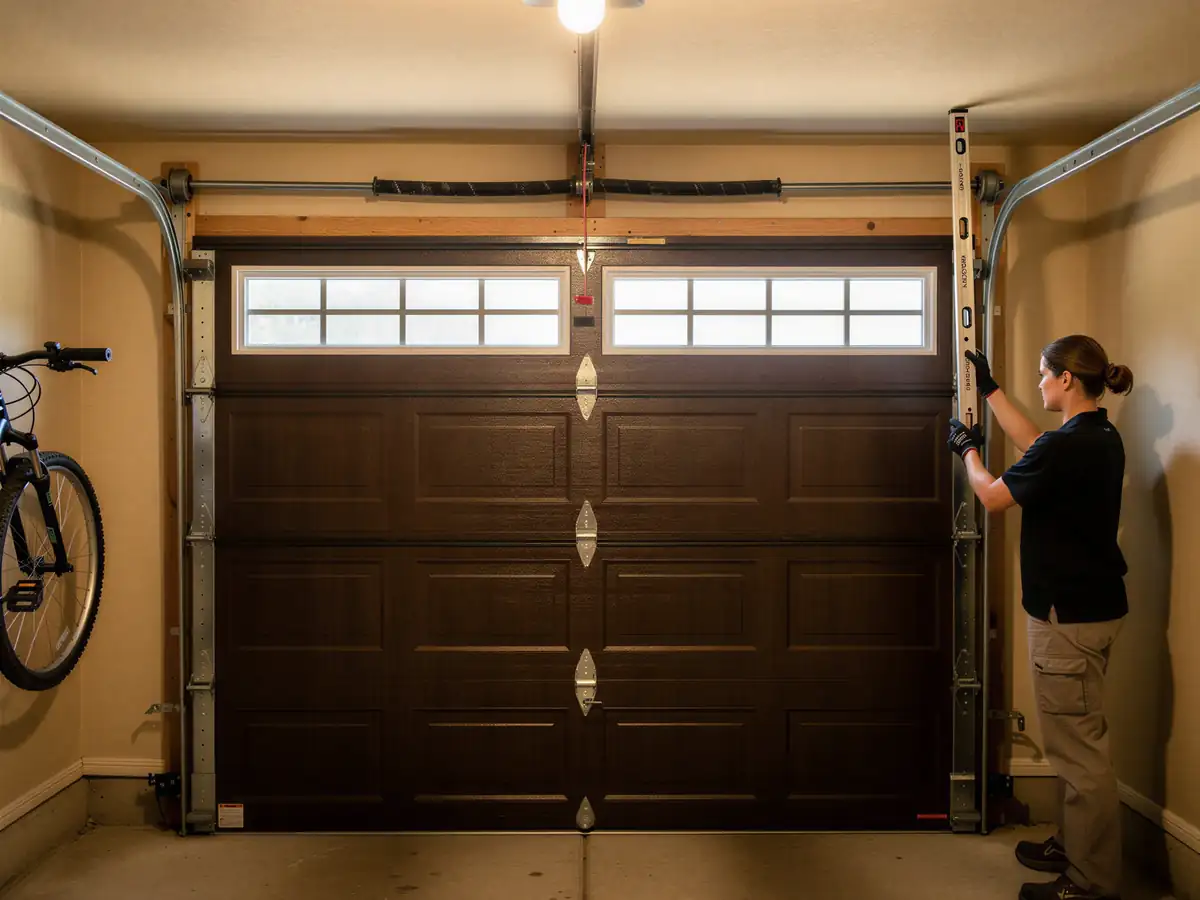
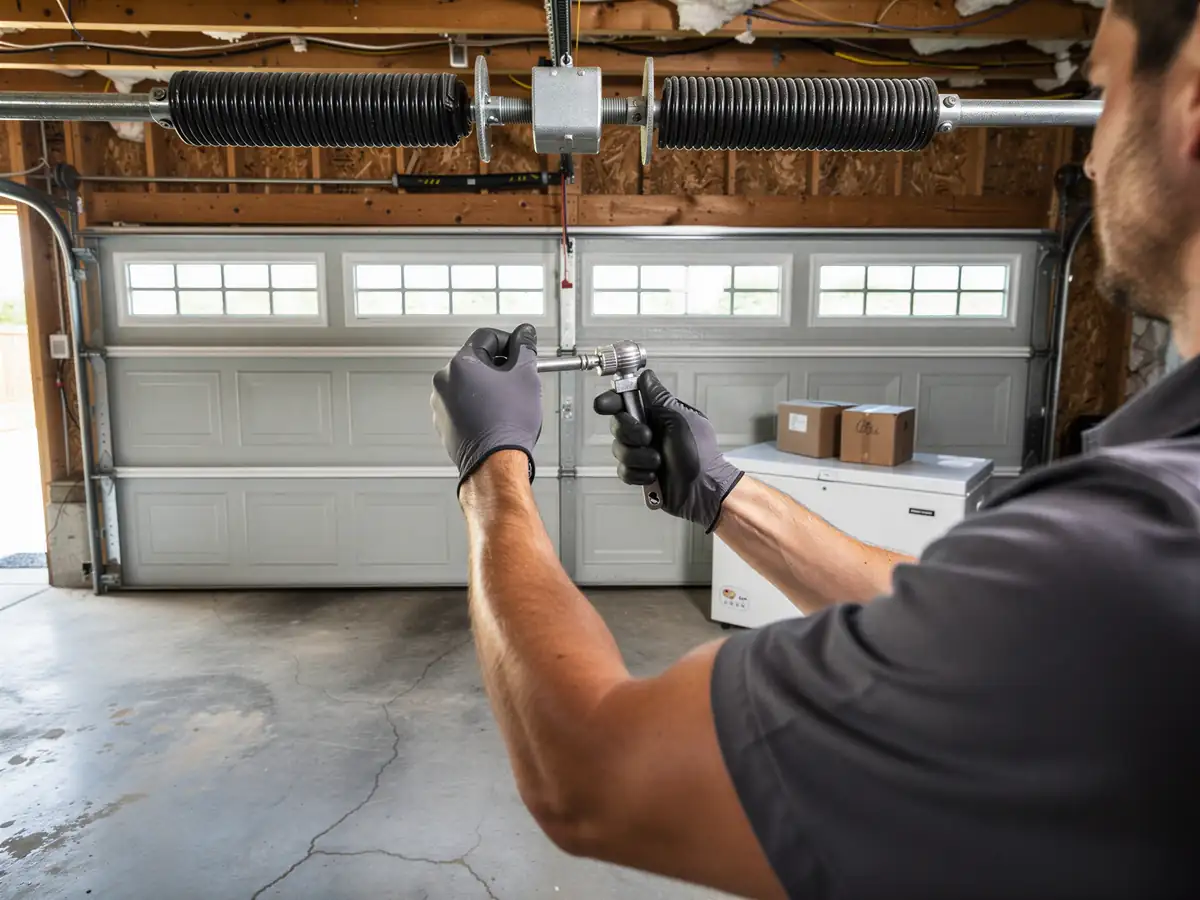
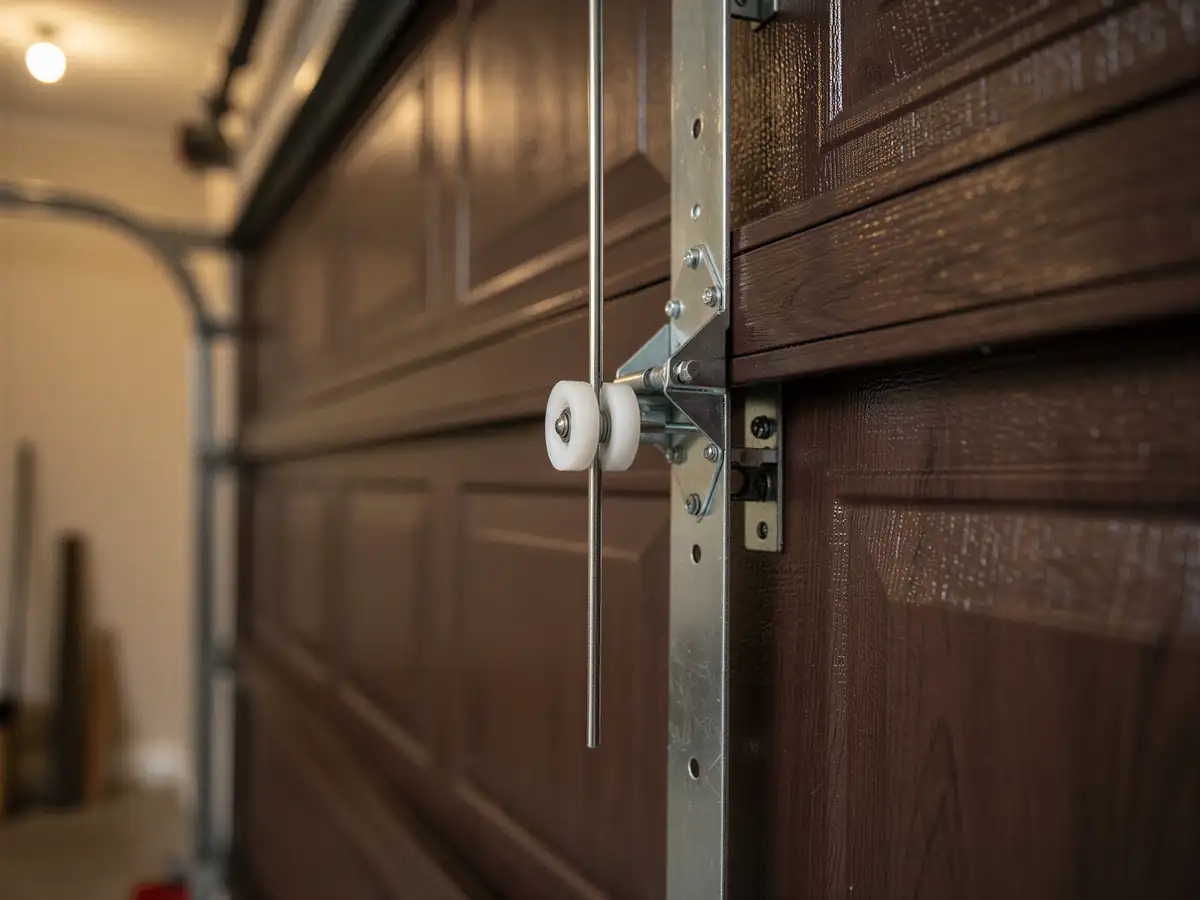
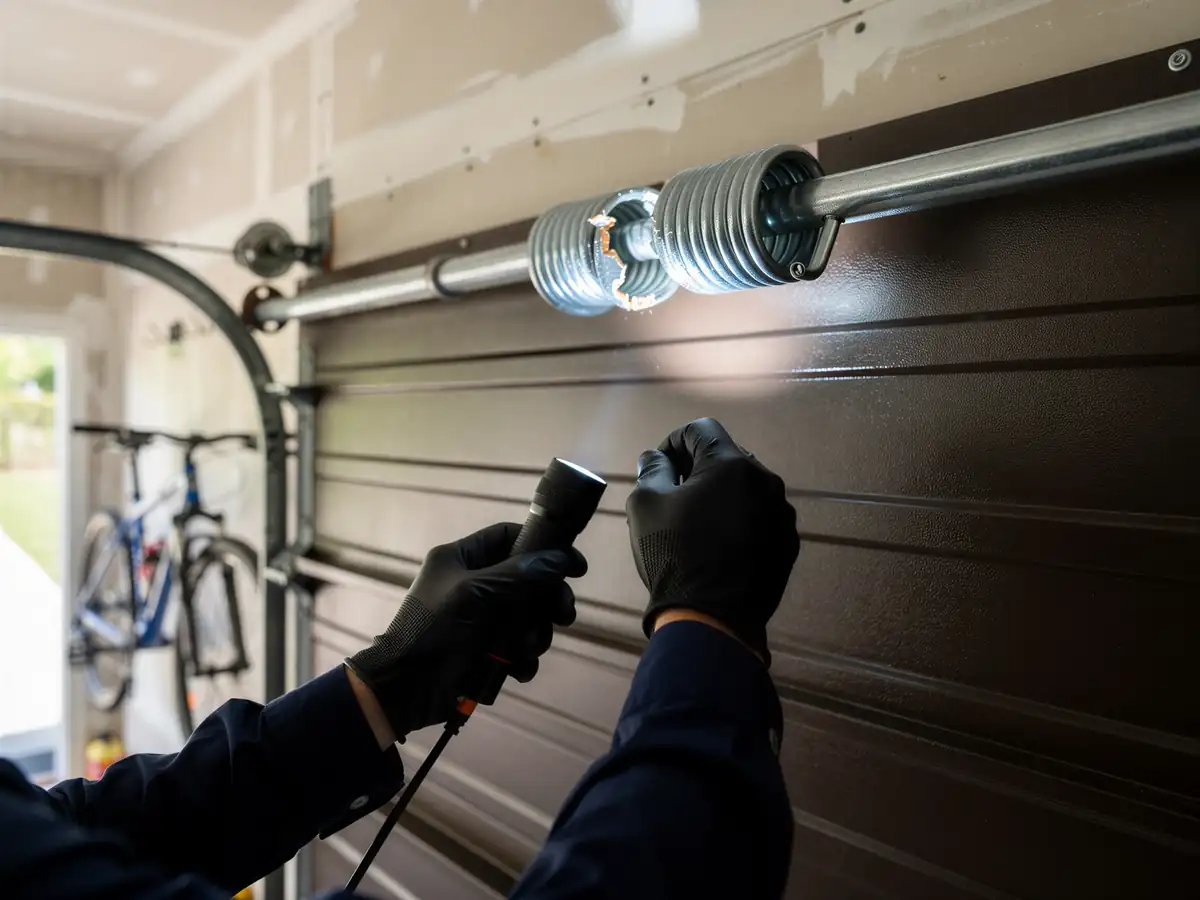
Our trucks carry torsion springs, extension springs, rollers, and cable matched to the hardware that actually went into houses built in the late 1970s and early 1980s - which is most of what's on the ground in Union City. That means steel sectional doors, not the older one-piece wood doors you'd find on a house from the service area's 1964 median build year. Extension-spring setups, in particular, are common on these doors and they fail differently than torsion springs: the cable frays, the pulley seizes, or one spring snaps and leaves the door hanging crooked on the track.
Here's the honest limit: we stock what's common for this era, not everything. If your door has an unusual opener model or a panel style we don't carry on the truck, that part may need to be ordered, and that adds a day or two. We'd rather tell you that before the job than after.
What Causes It Around Here
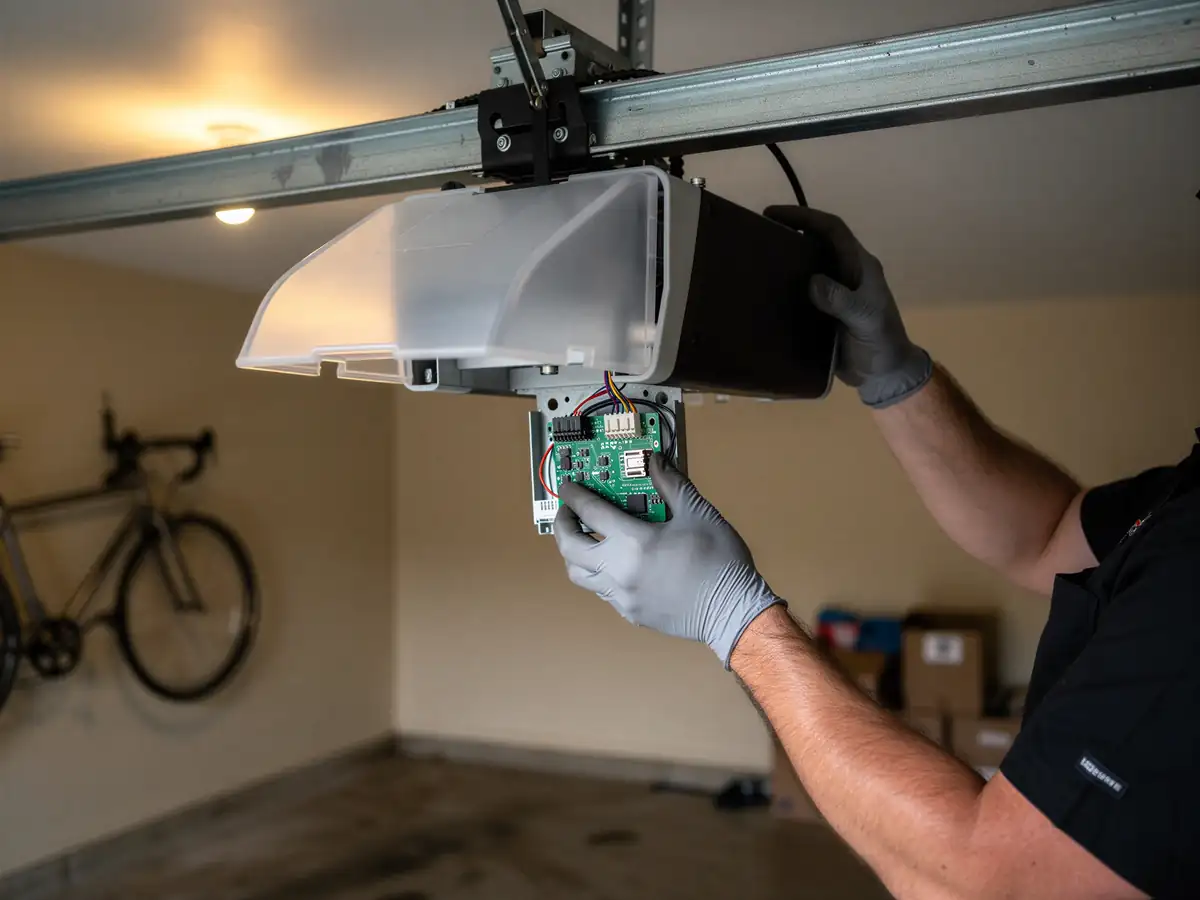
Union City's housing stock centers on 1979, later than the service area's overall median of 1964, and that timing matters. Doors from this period came with extension springs over the track rather than torsion springs above the opening, and after four decades those springs and the pulleys they ride on are the first thing to go. The second most common call is the opener itself - chain-drive units from this era burning out their motors or stripping a gear after years of daily use.
The climate here doesn't do the damage that cold-weather towns deal with. It's mild and temperate, so we're not chasing frost-cracked weatherstripping or ice-jammed tracks the way a repair outfit in a colder state would be. What we are chasing is plain mechanical wear: a spring that's cycled tens of thousands of times, a roller that's worn its track groove uneven, a cable that's finally frayed through. Age does the work here, not weather.
How Long It Takes
We run out of Santa Clara, and Union City is about 17 miles out
That's real drive time, and we're not going to pretend otherwise or promise a window we can't hit from that distance. Traffic on the route varies by time of day, so when you call, we'll give you a realistic estimate based on where our truck already is, not a flat number that sounds good on a website.
- 17 miles
Once we're on site, the job itself is usually quick if it's a straightforward spring or roller swap
The kind of failure that's common on Union City's 1979-era doors. If it turns out to be a part we don't carry on the truck, that's the piece that adds time, not the drive.