Stocked Parts
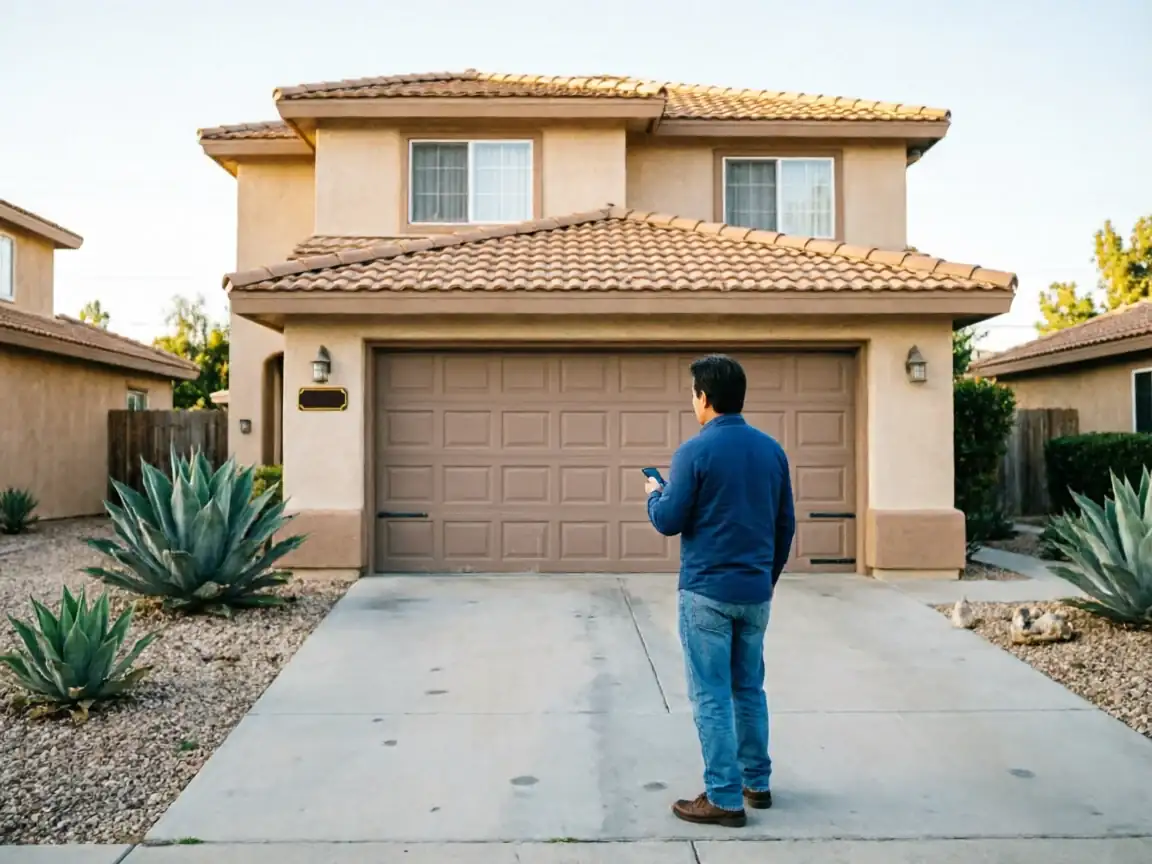
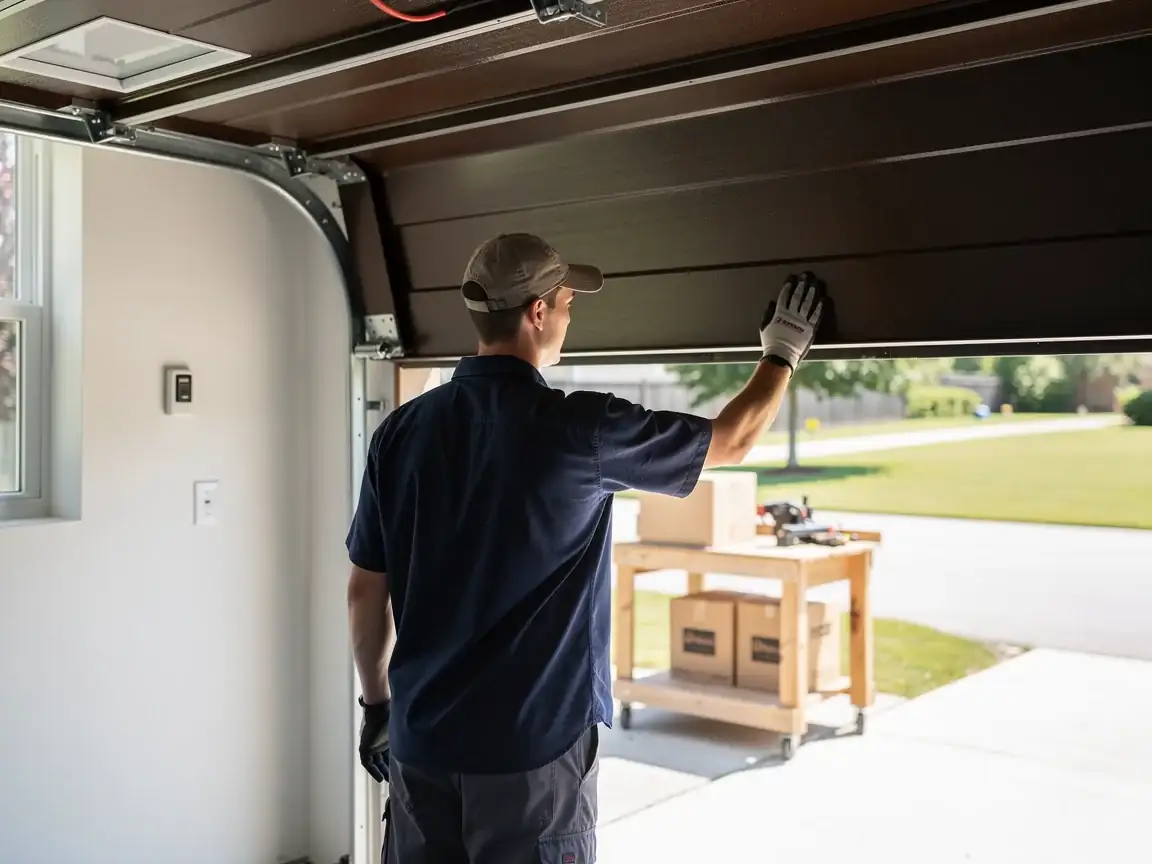
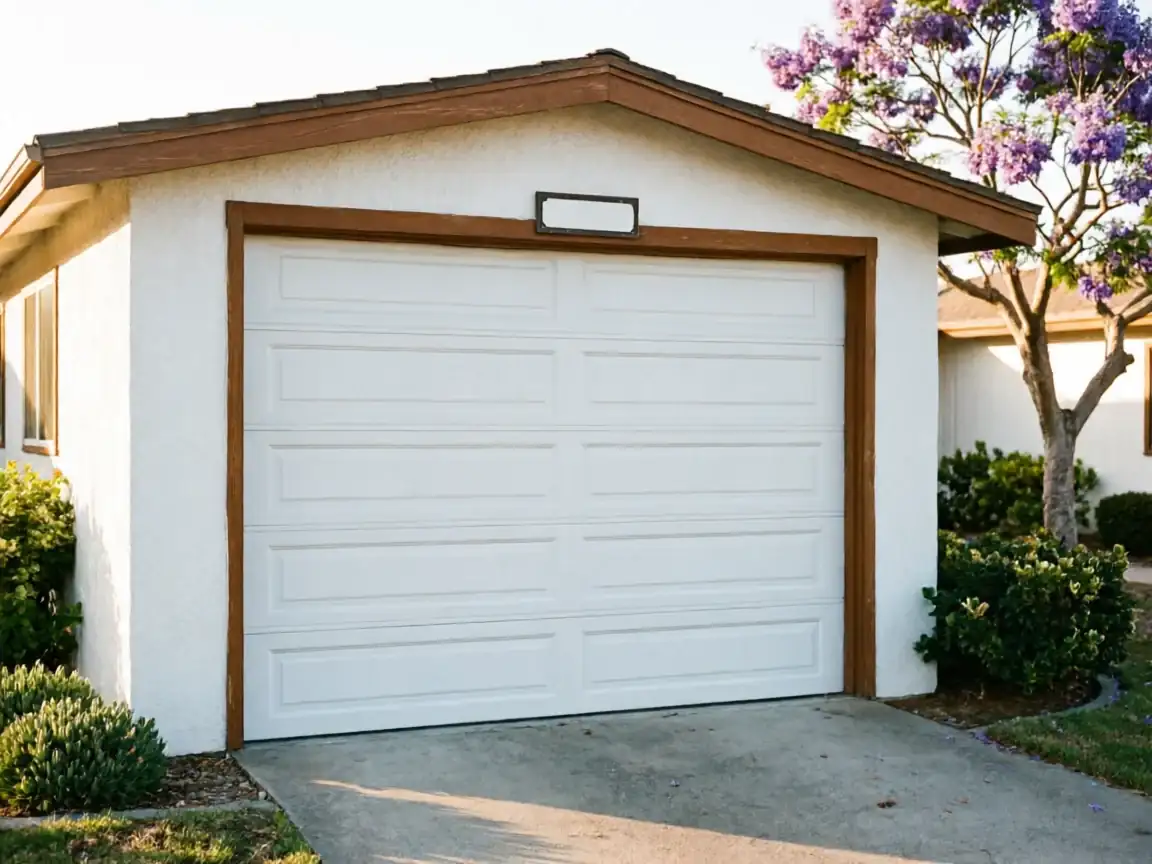
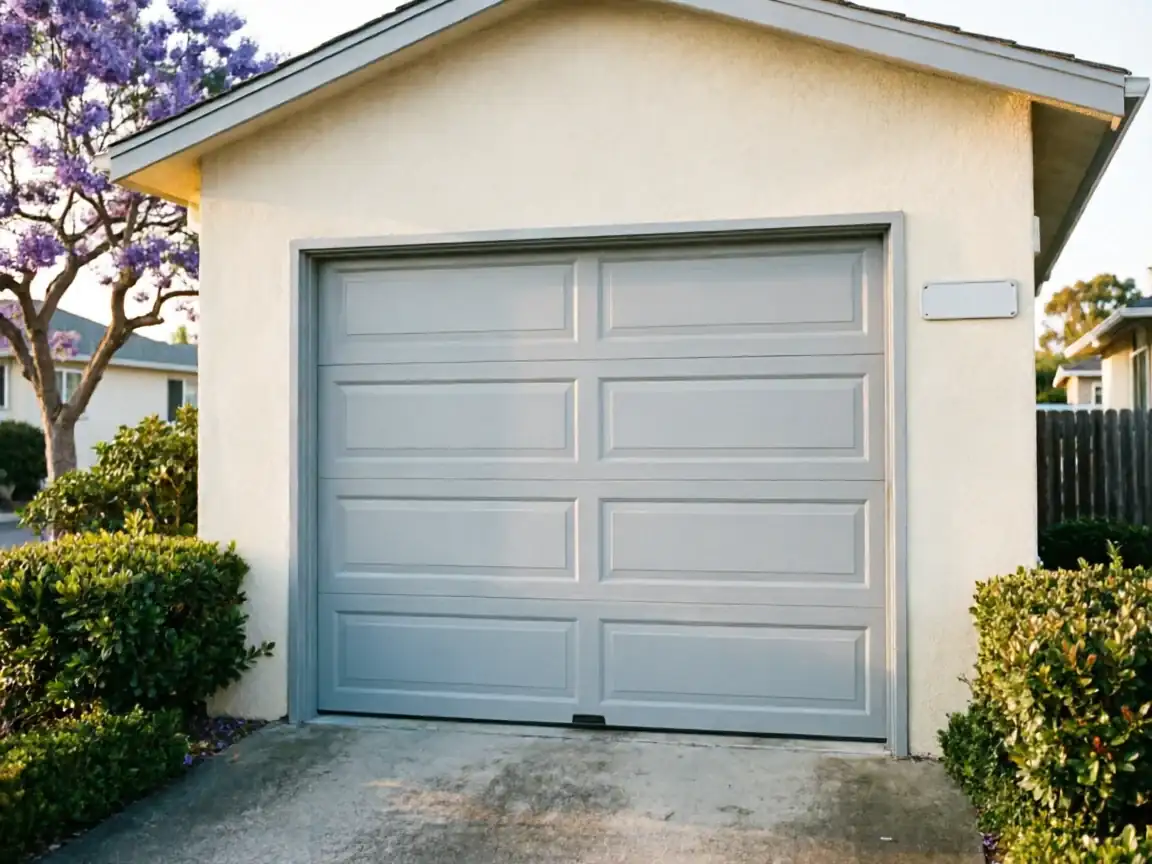
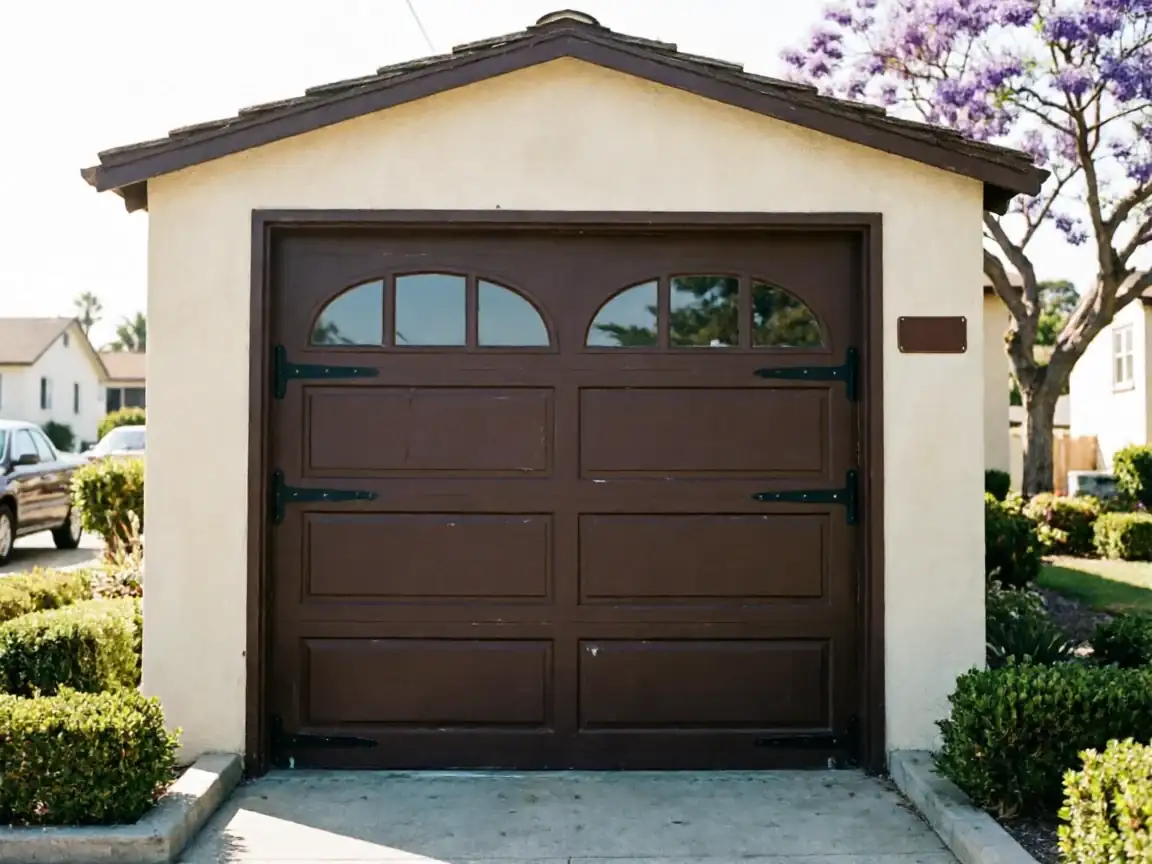
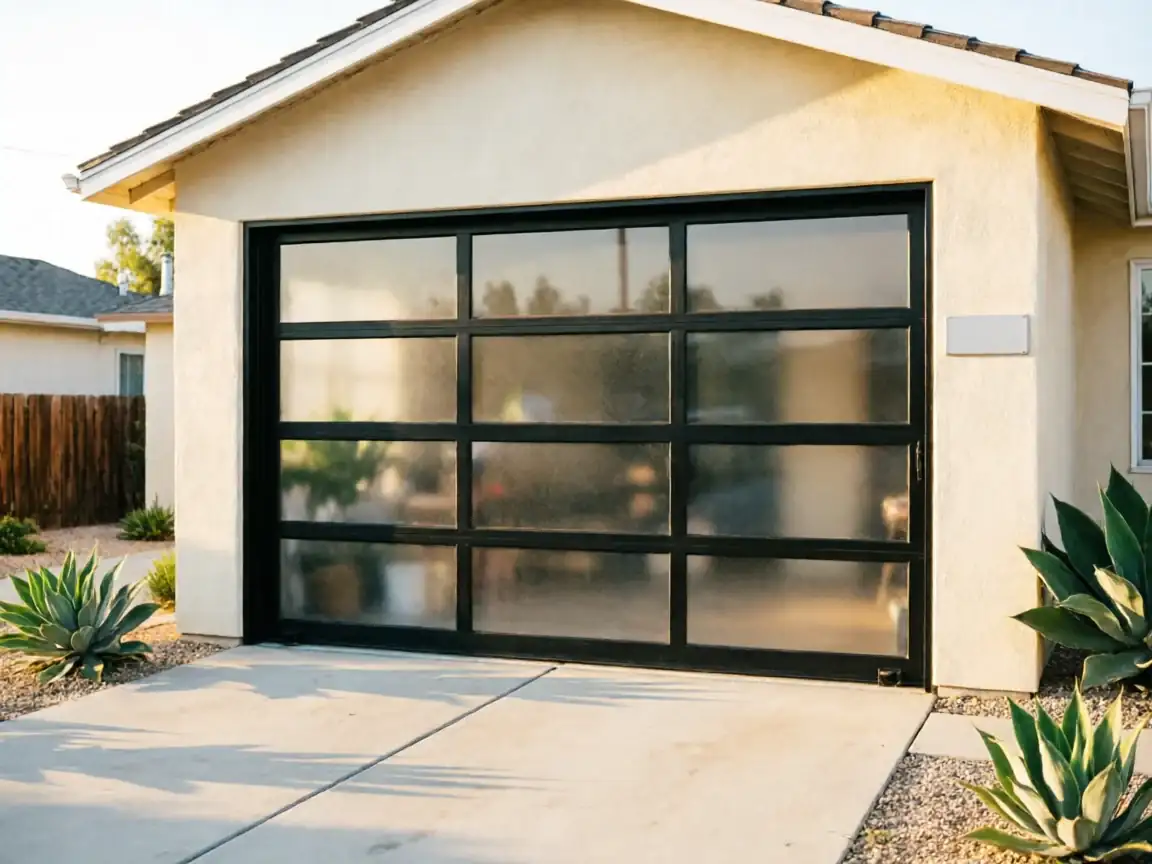
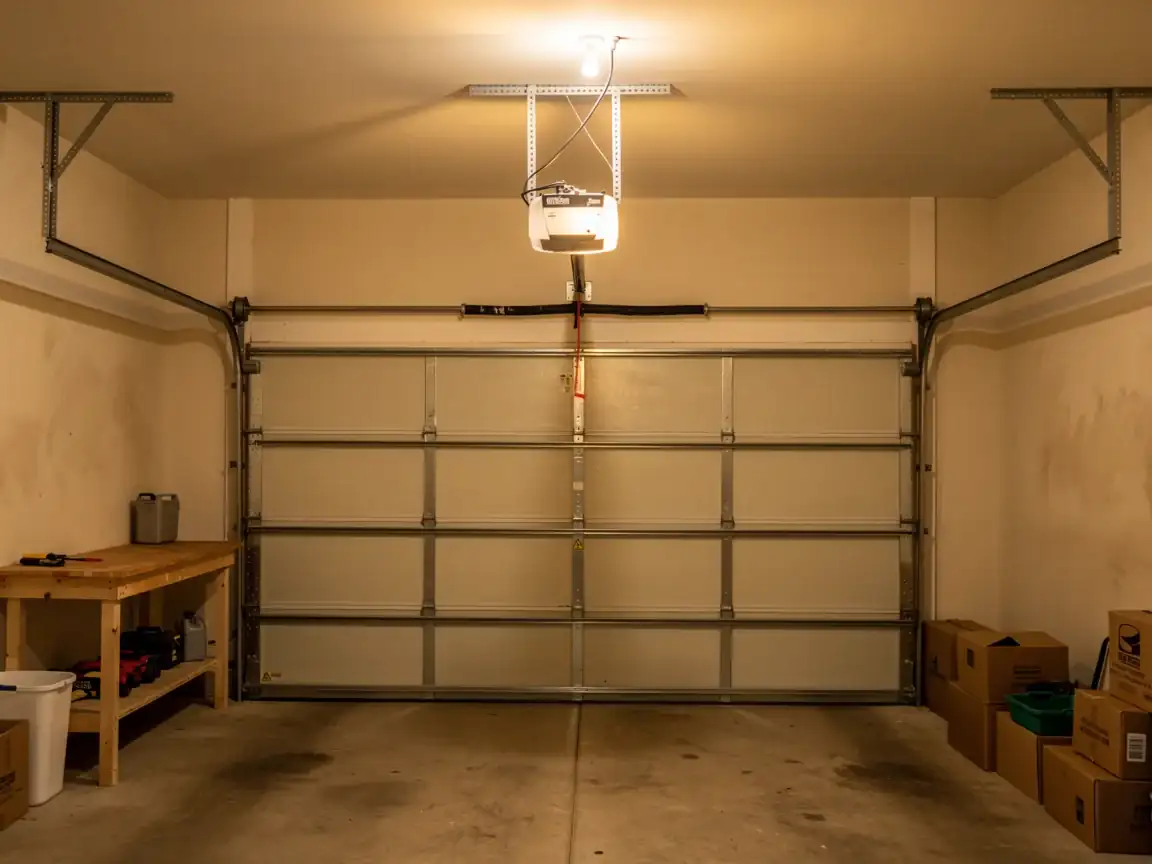
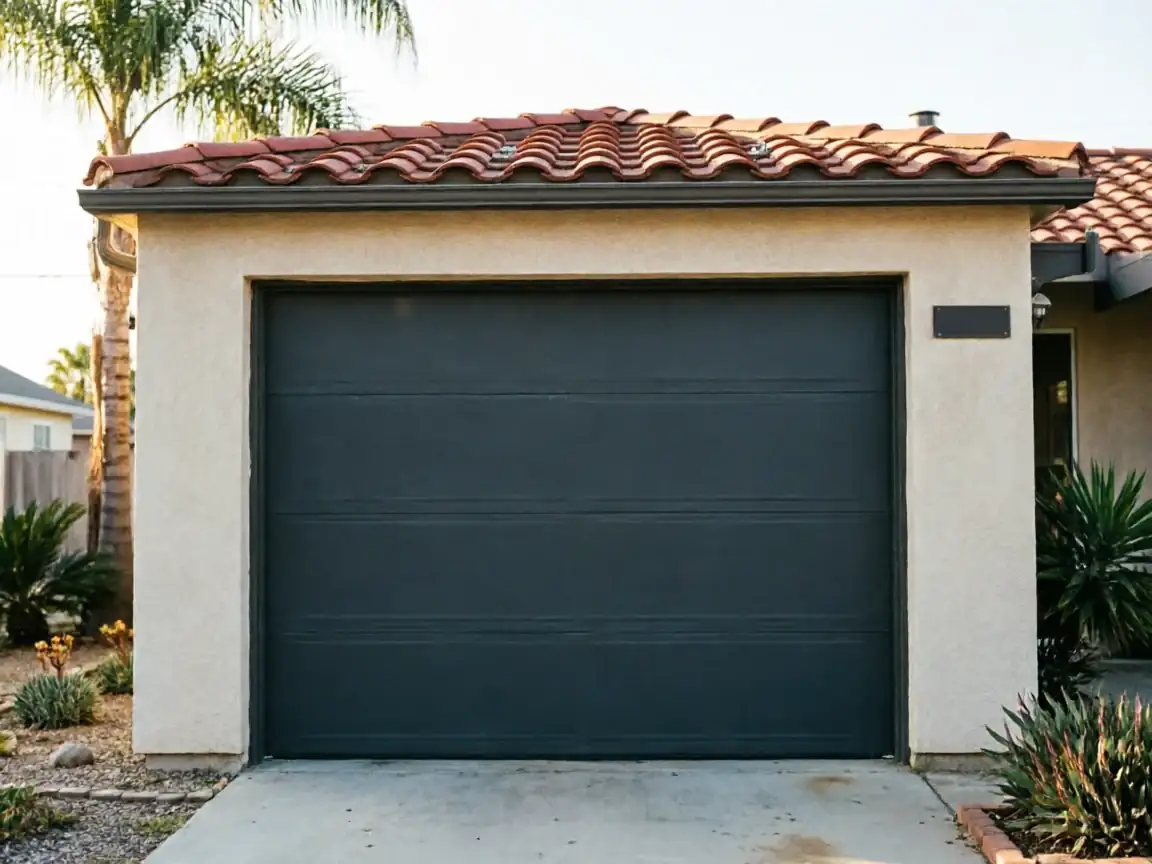
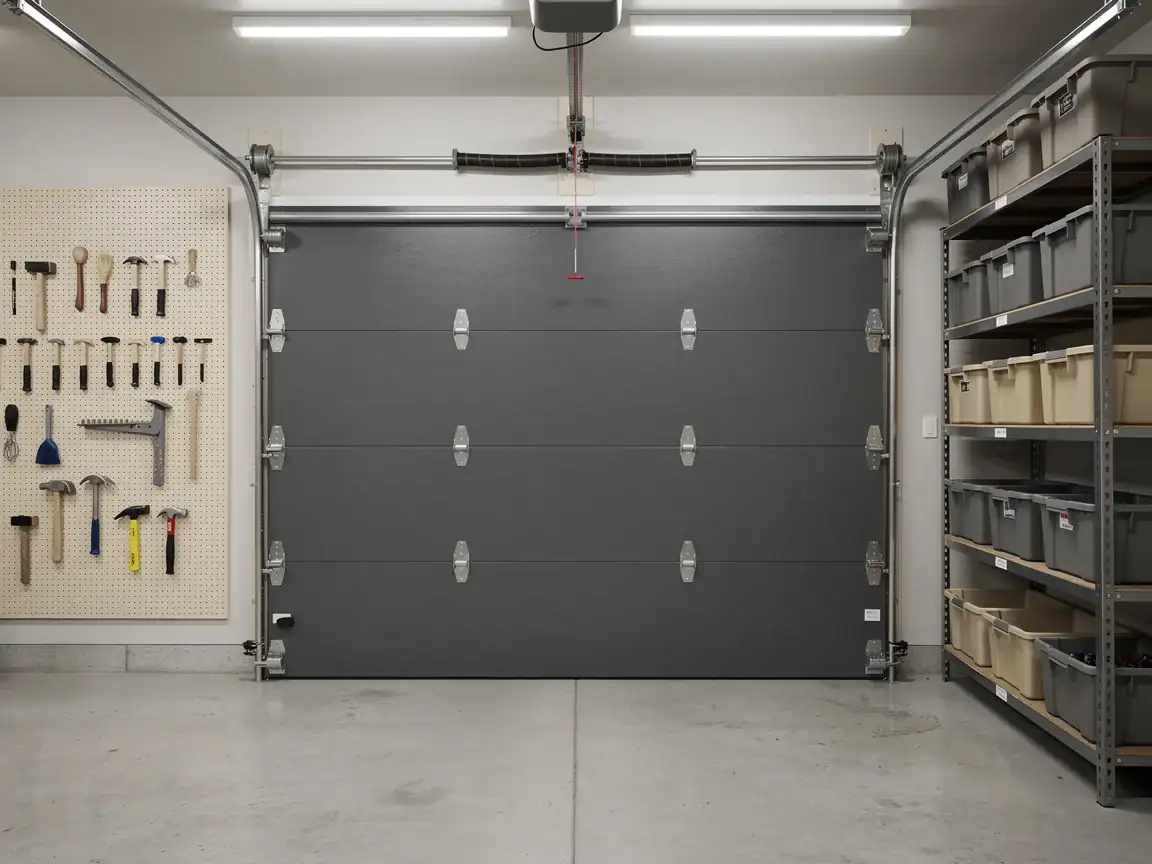
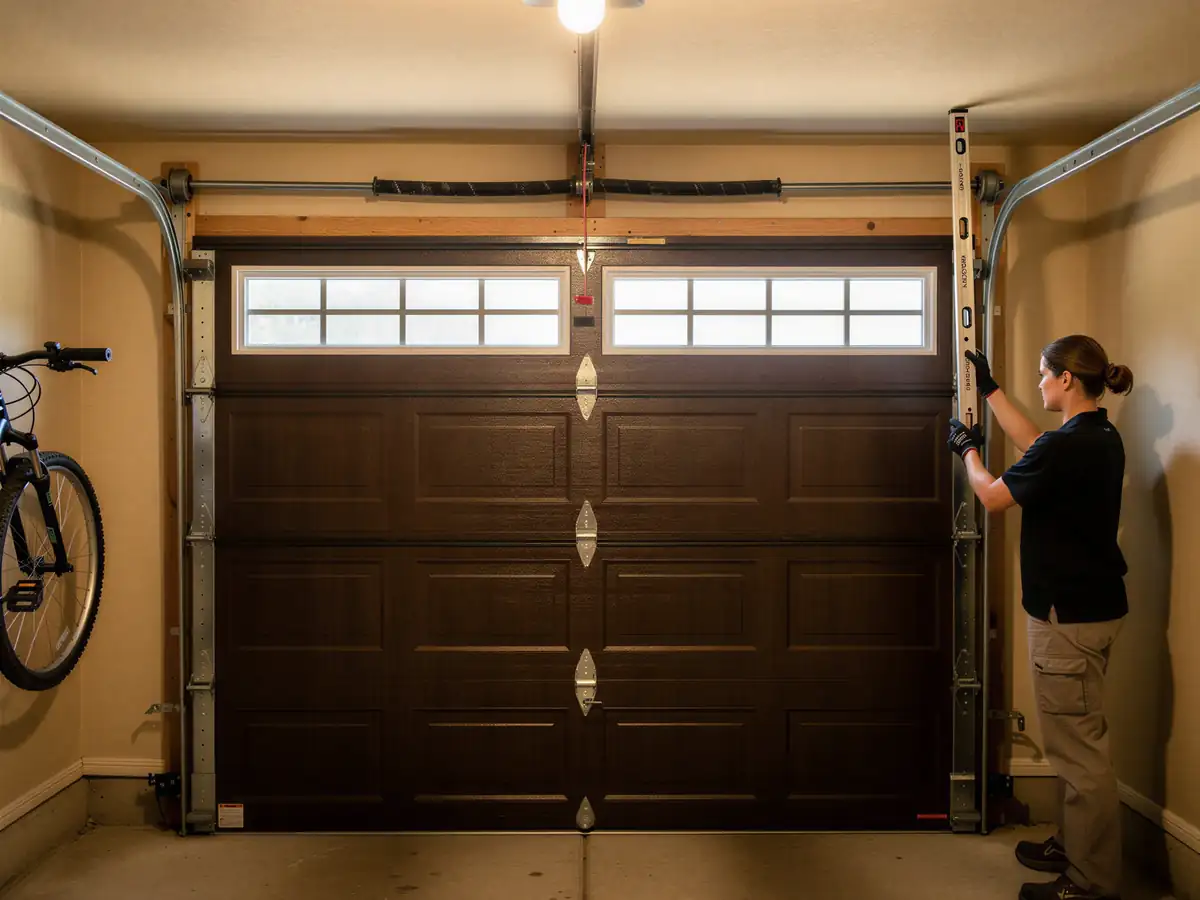
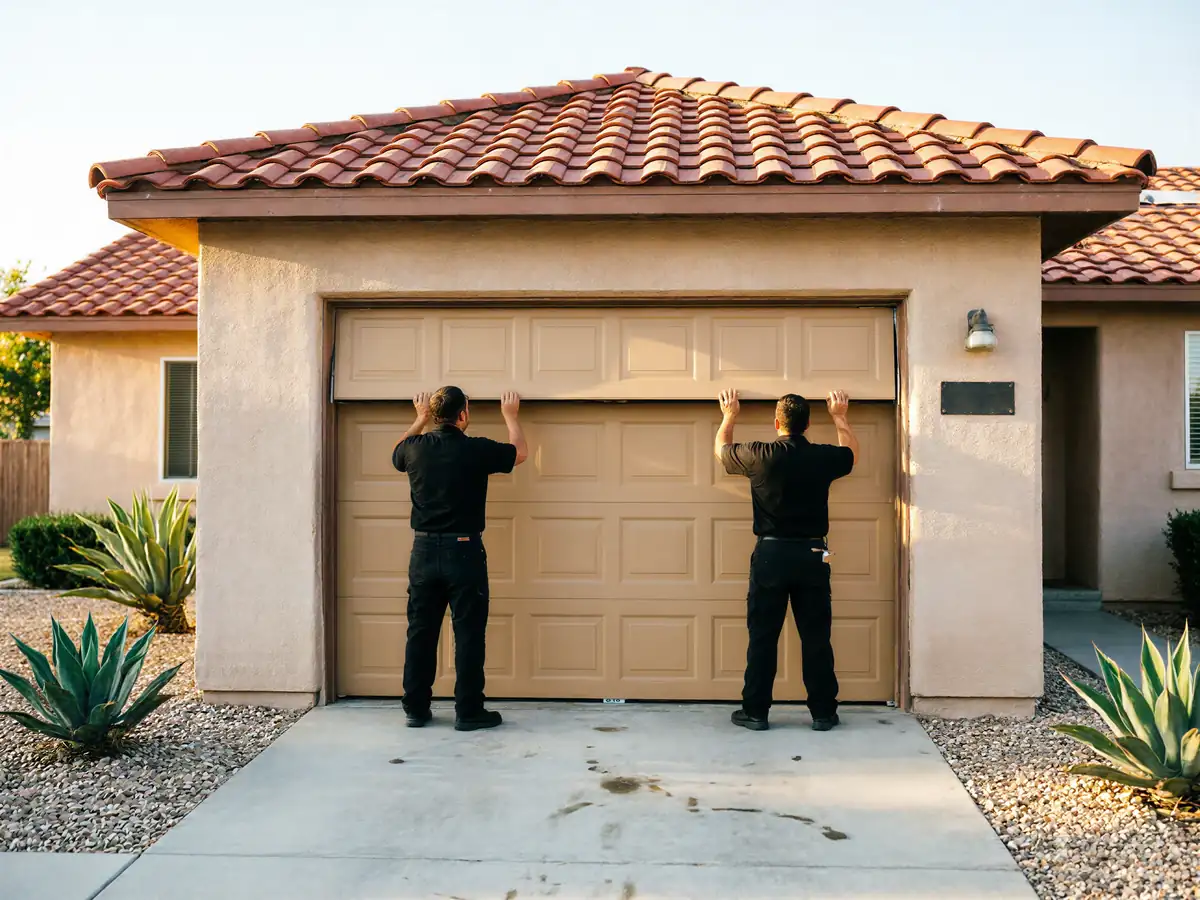
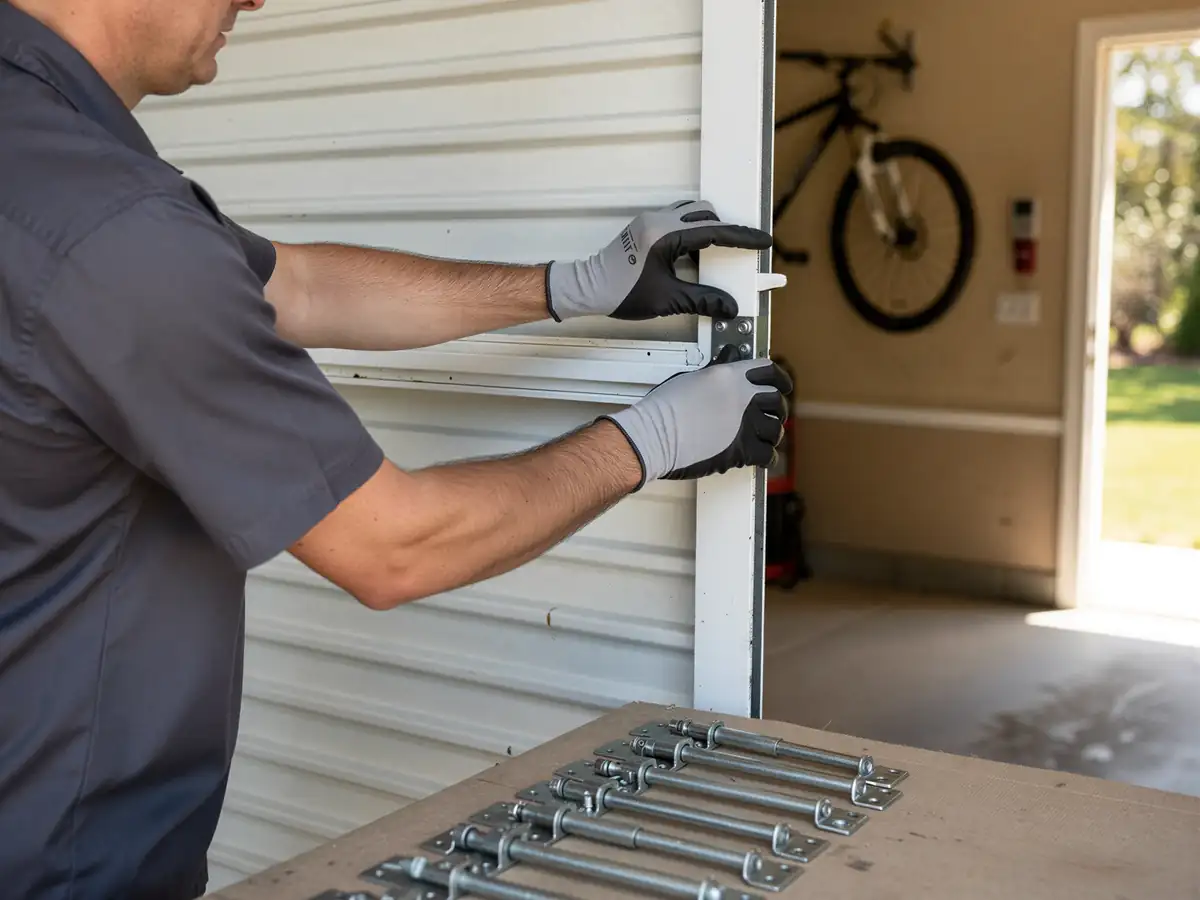
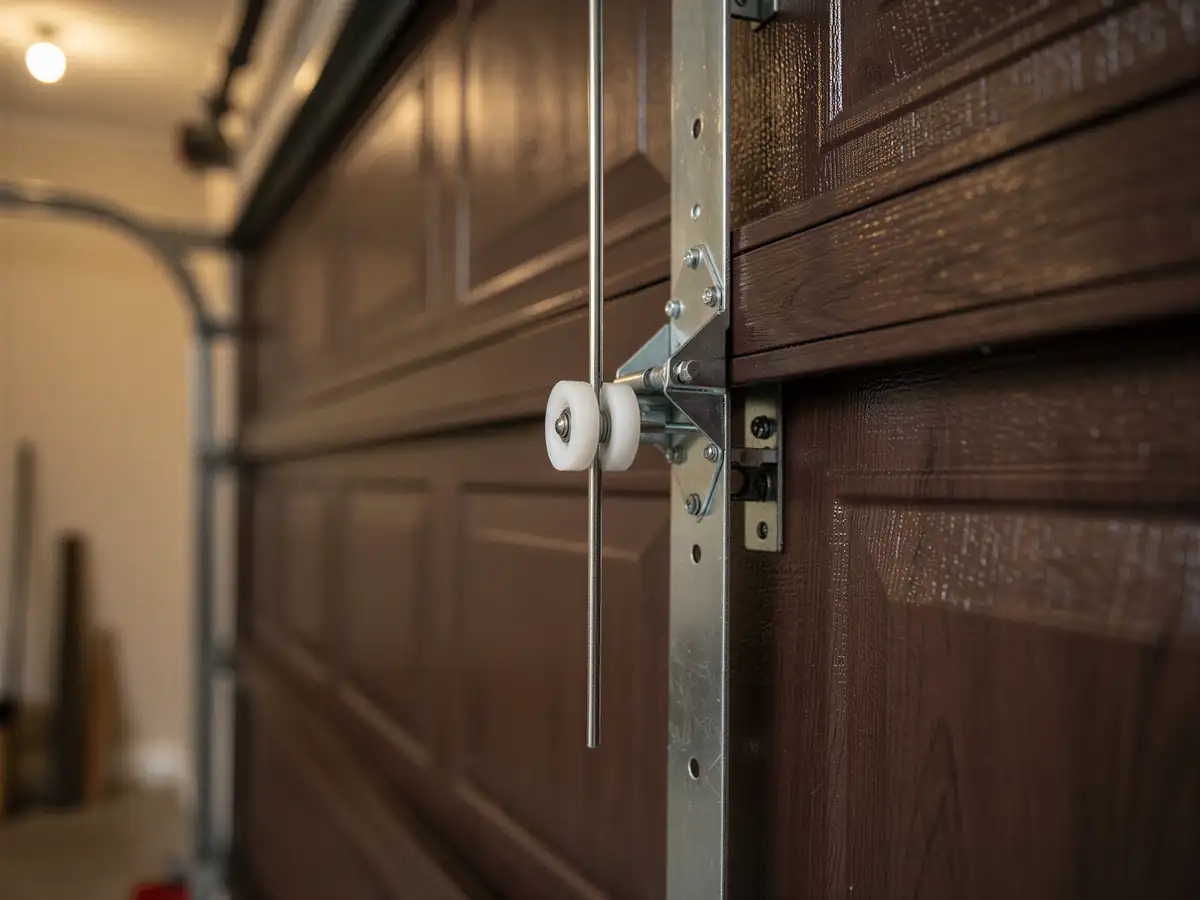
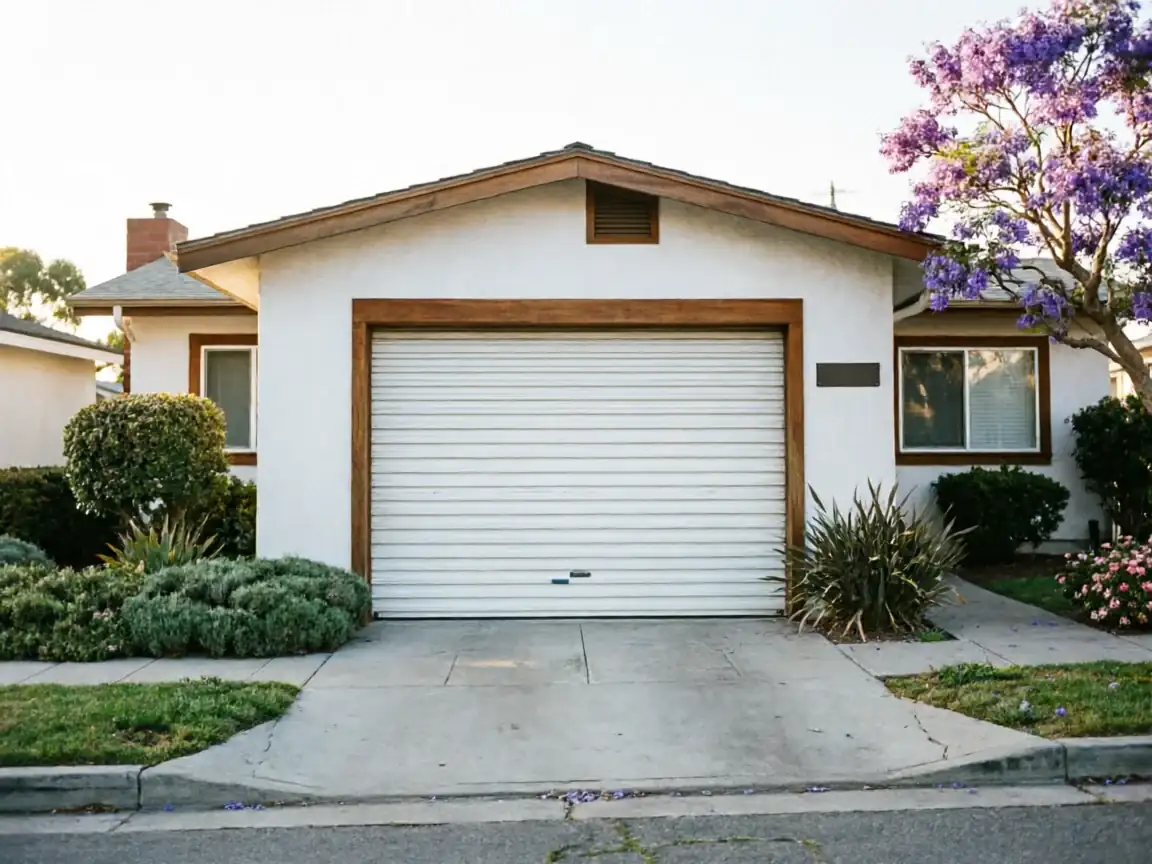
Houses in Union City mostly went up around 1979, late in the broader area's 1947-1987 build window and newer than the oldest stock closer to the Santa Clara core. That means most doors here are steel sectional panels on extension or early torsion spring setups from the late '70s and '80s, not the wood one-piece doors you still find on the oldest blocks elsewhere in the service area. The truck stocks the spring weights and roller sets that cover that era, along with openers that bolt to the common 7-foot sectional track from that period. What doesn't ride on the truck is anything custom - a discontinued panel profile, or a circuit board for an opener nobody's made parts for in twenty years. That has to come in as a special order, and it adds a few days before we can finish the job. We drive the 17 miles out from Santa Clara for every call here, so nothing is held back at a counter, but special-order hardware still has its own lead time and that's the one thing we can't rush.
What Causes It Around Here
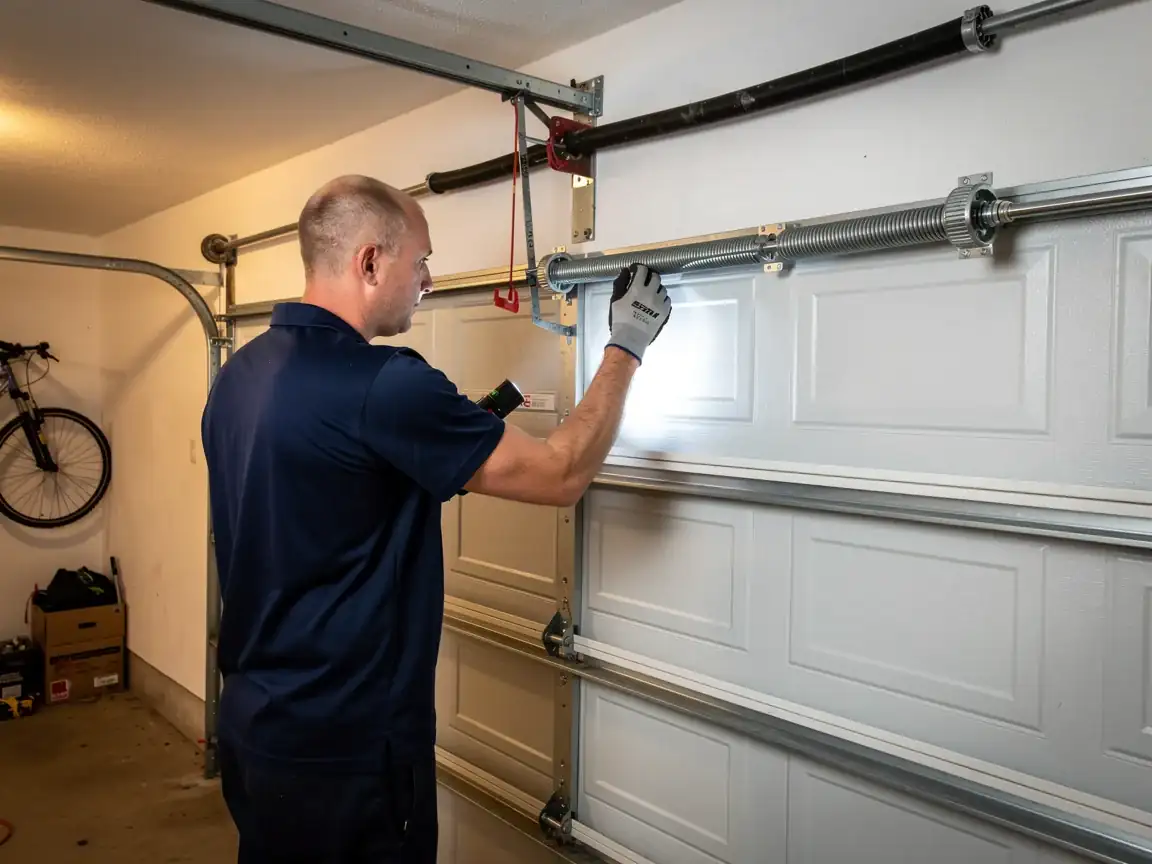
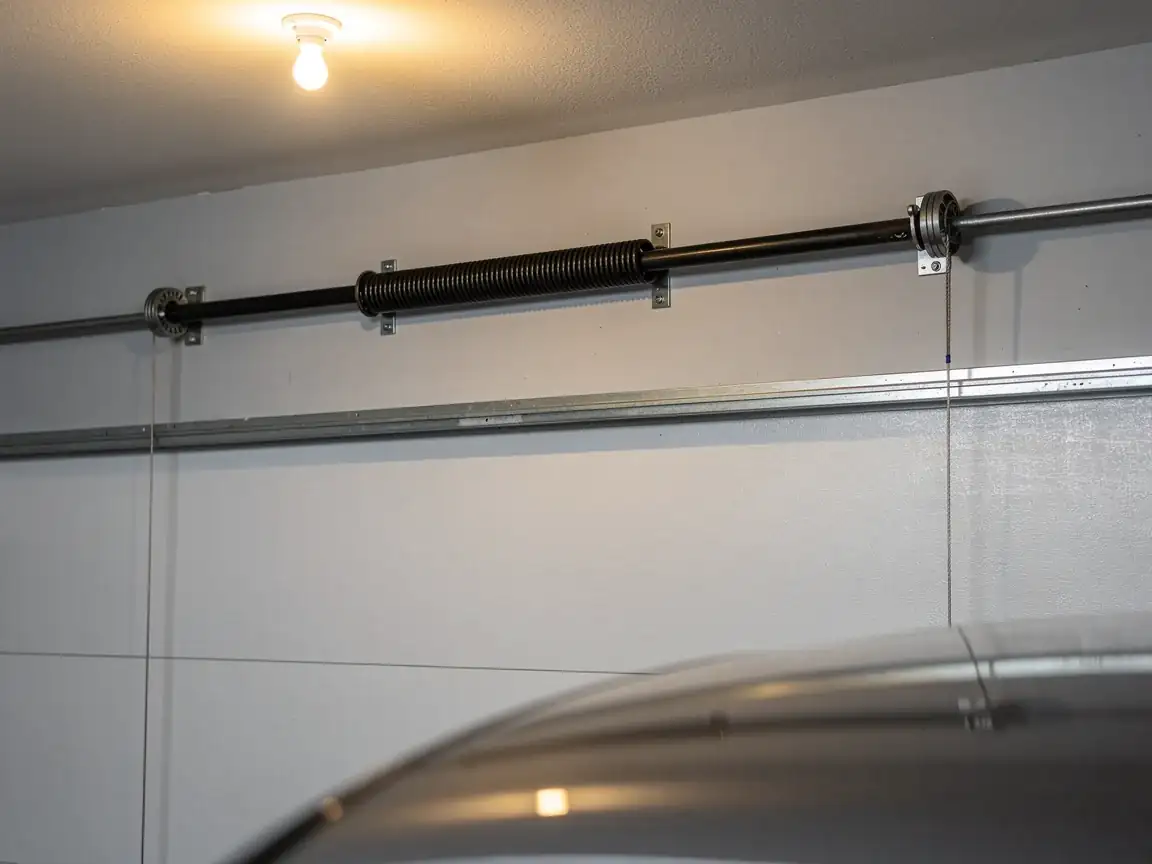
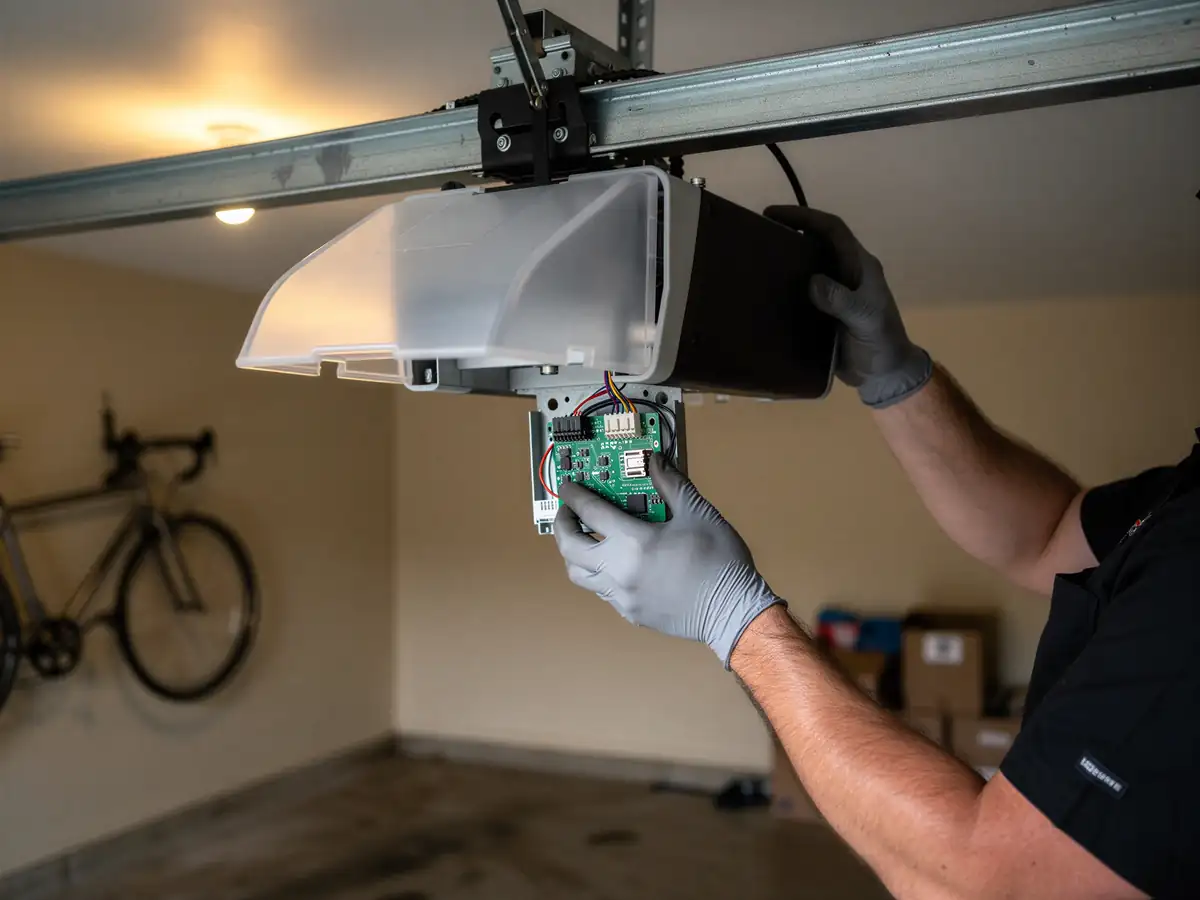
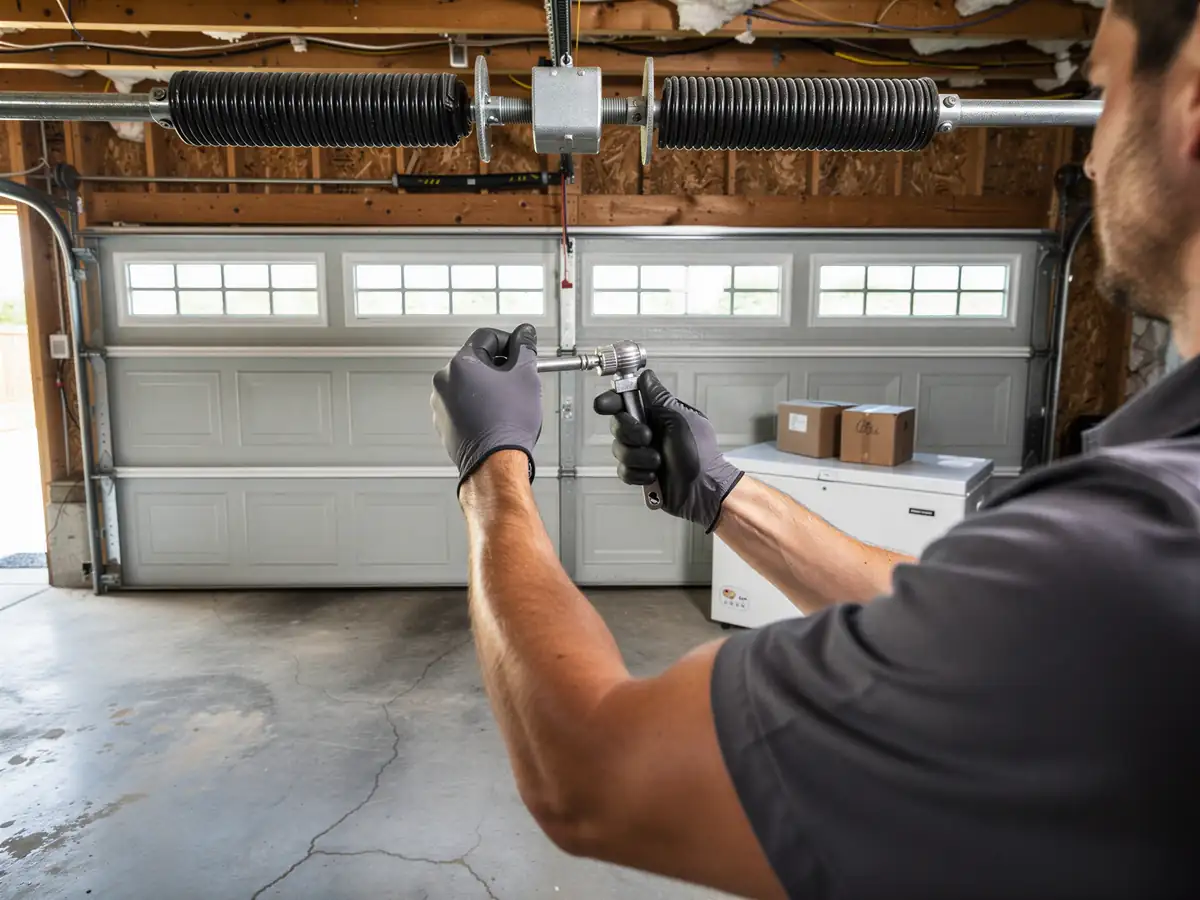
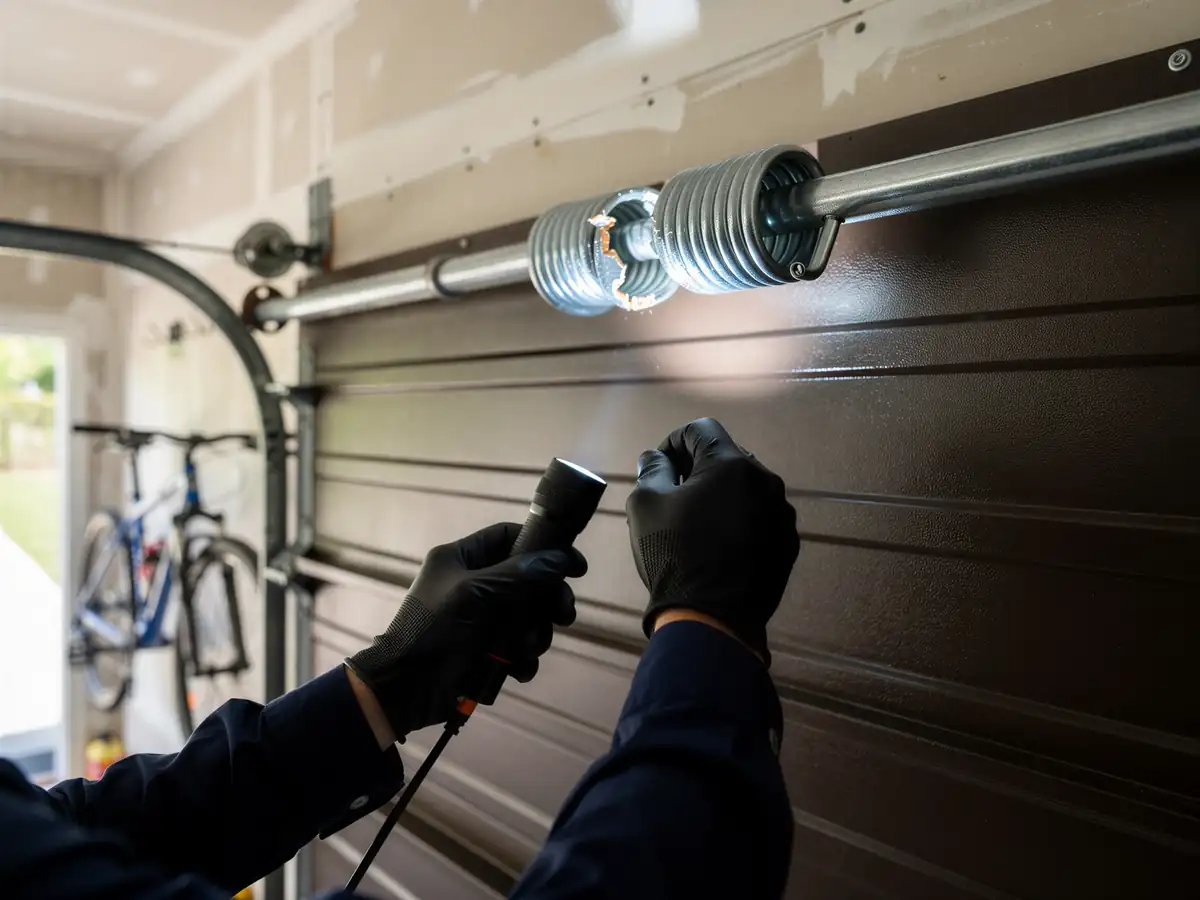
The climate across this part of the Bay stays mild temperate year-round, so the faults we see in Union City aren't about ice or wind damage - they're about age catching up with hardware. A door that went up around 1979 is pushing 46 years old, and torsion springs rated for roughly 10,000 cycles start fatiguing well before that mark, especially on a door that's opened and closed twice a day for decades. Rollers wear out their bearings, lift cables fray at the drum, and openers from the '80s and '90s are hitting the end of their circuit board life right about now. We're not fighting freeze-cracked seals or storm-bent track like companies working harsher climates do - what we see instead is slow, predictable mechanical wear on hardware that's simply run its course. One honest limitation worth saying here: if the opener is original to the house, replacement parts for that specific board often don't exist anymore, and a full opener swap ends up being the only real fix.