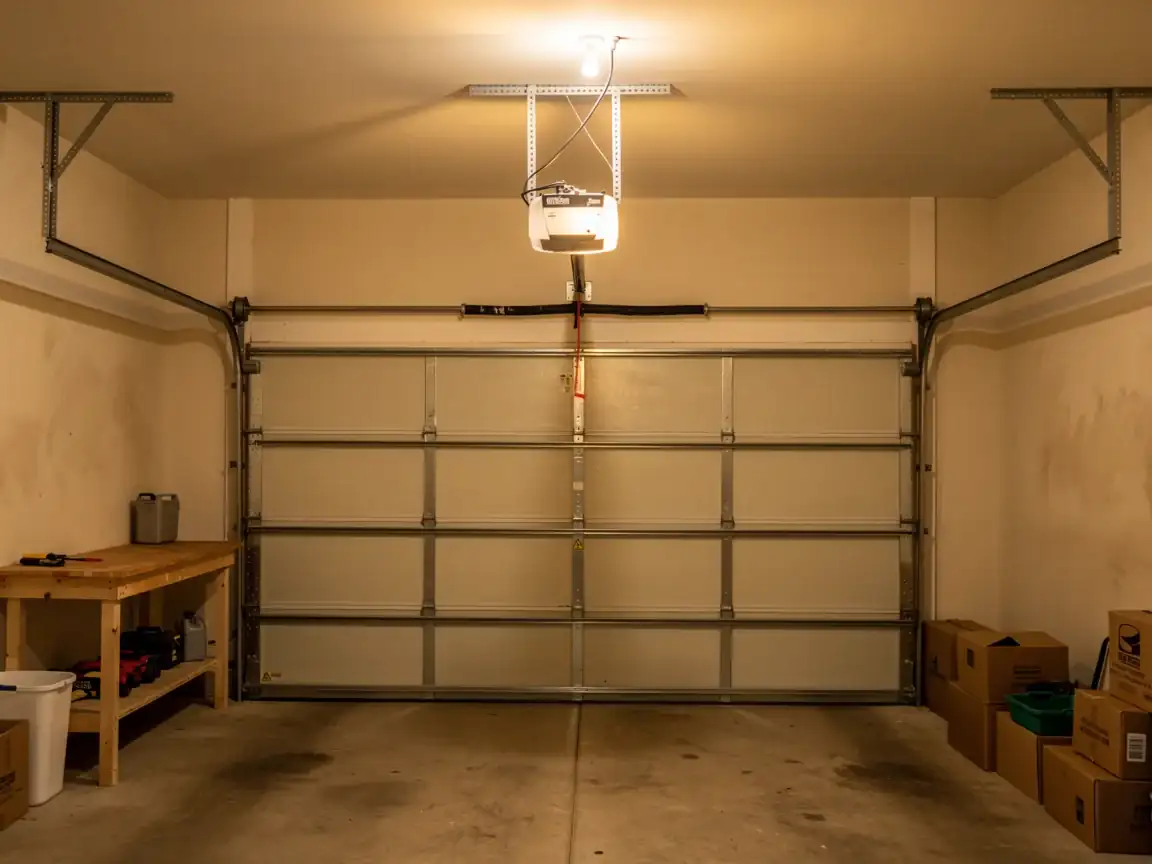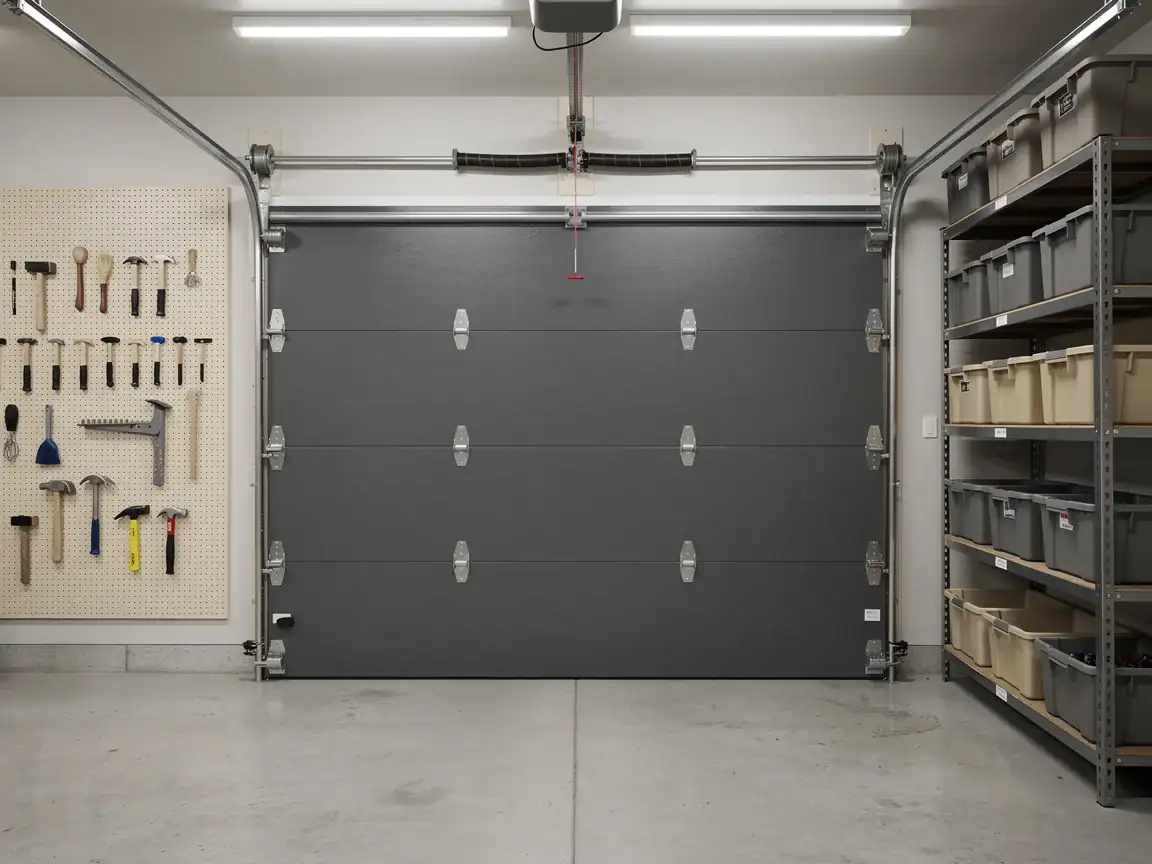
Stocked Parts
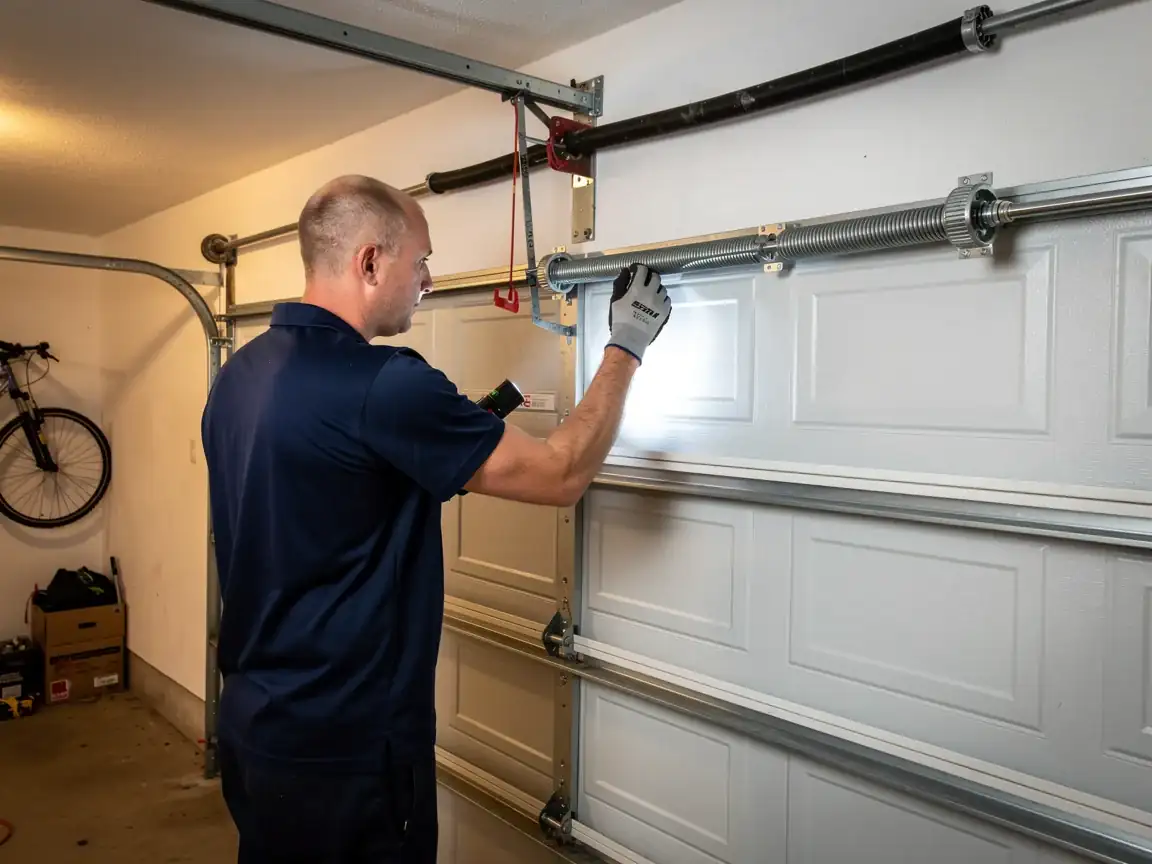
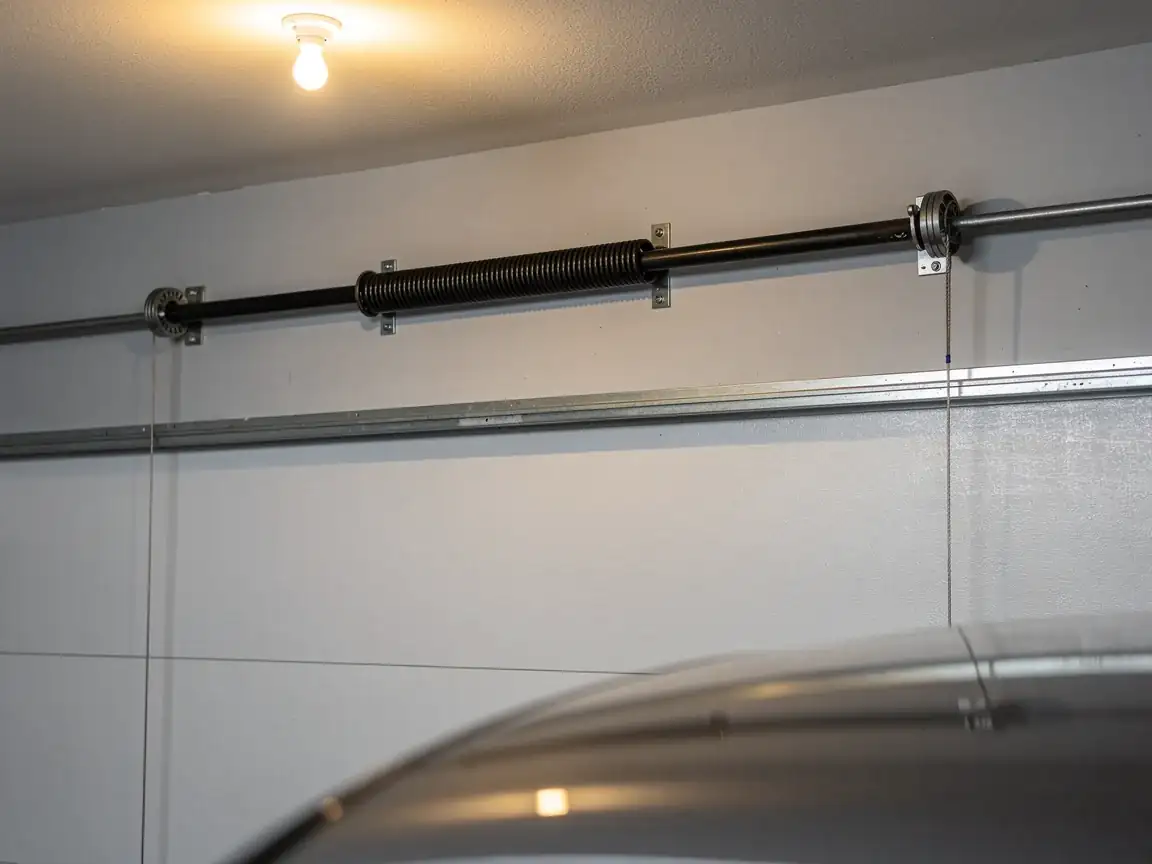
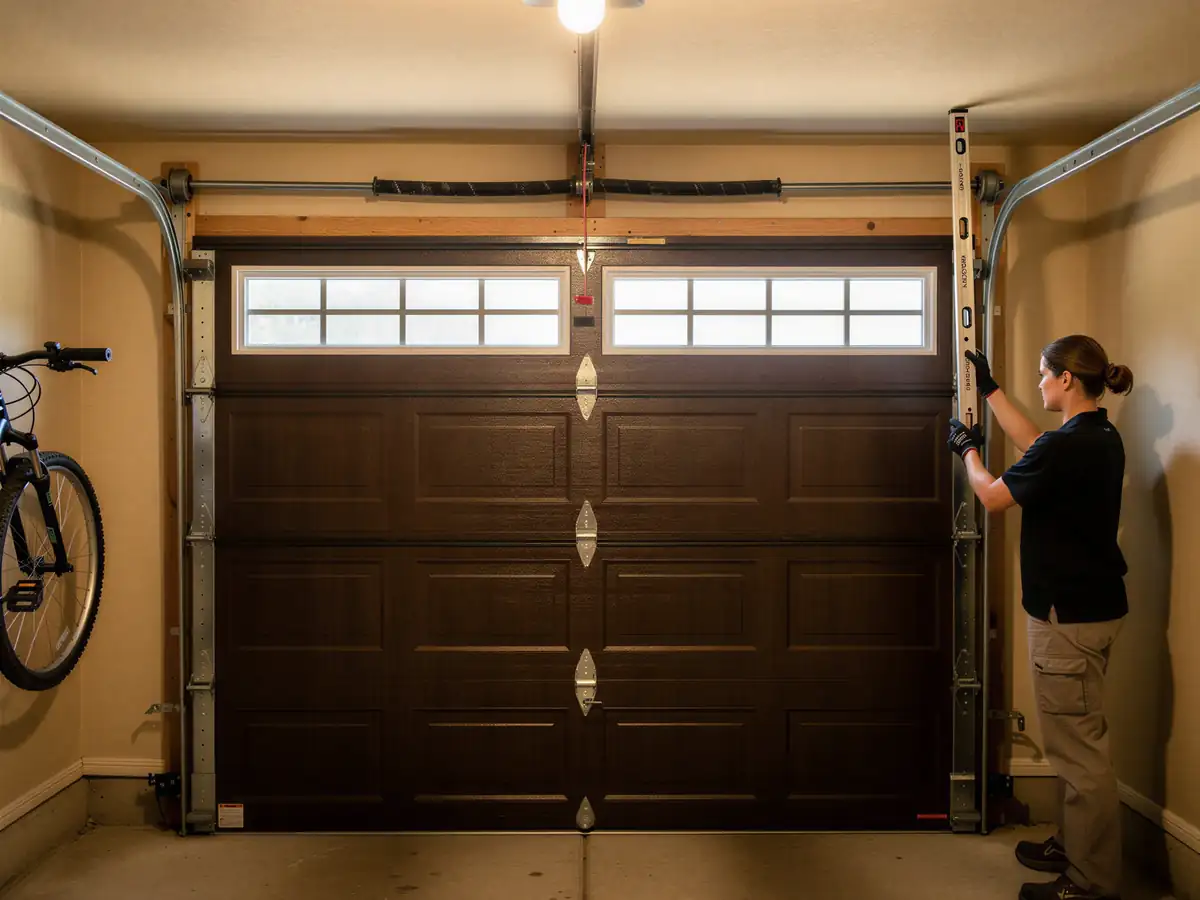
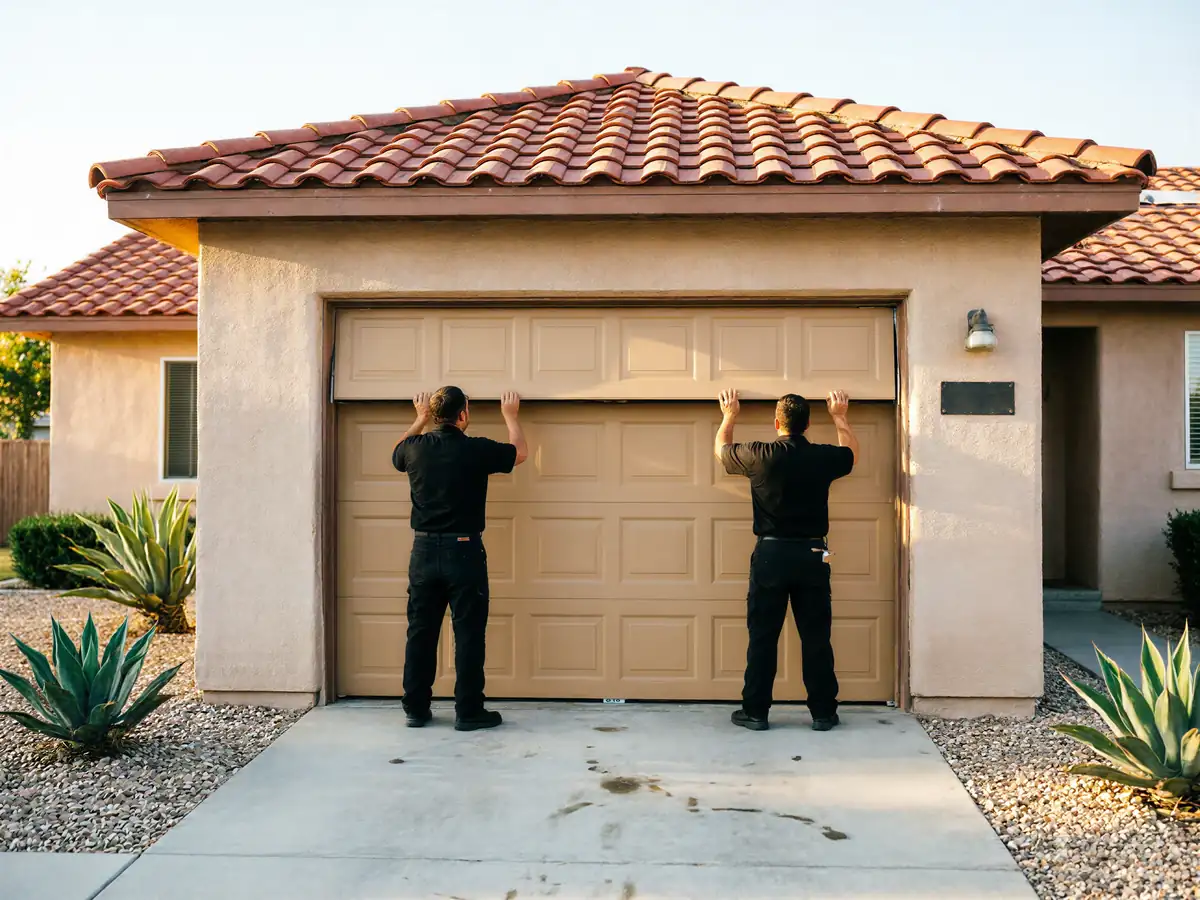
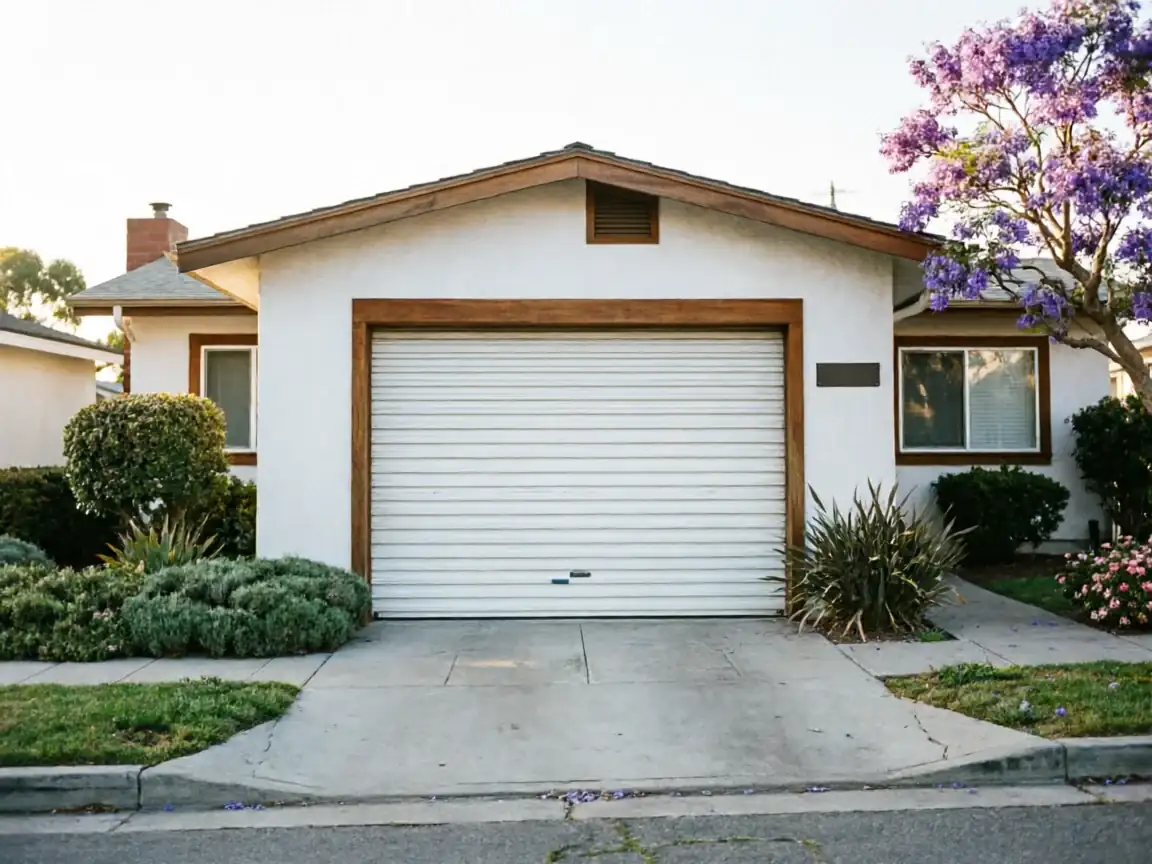
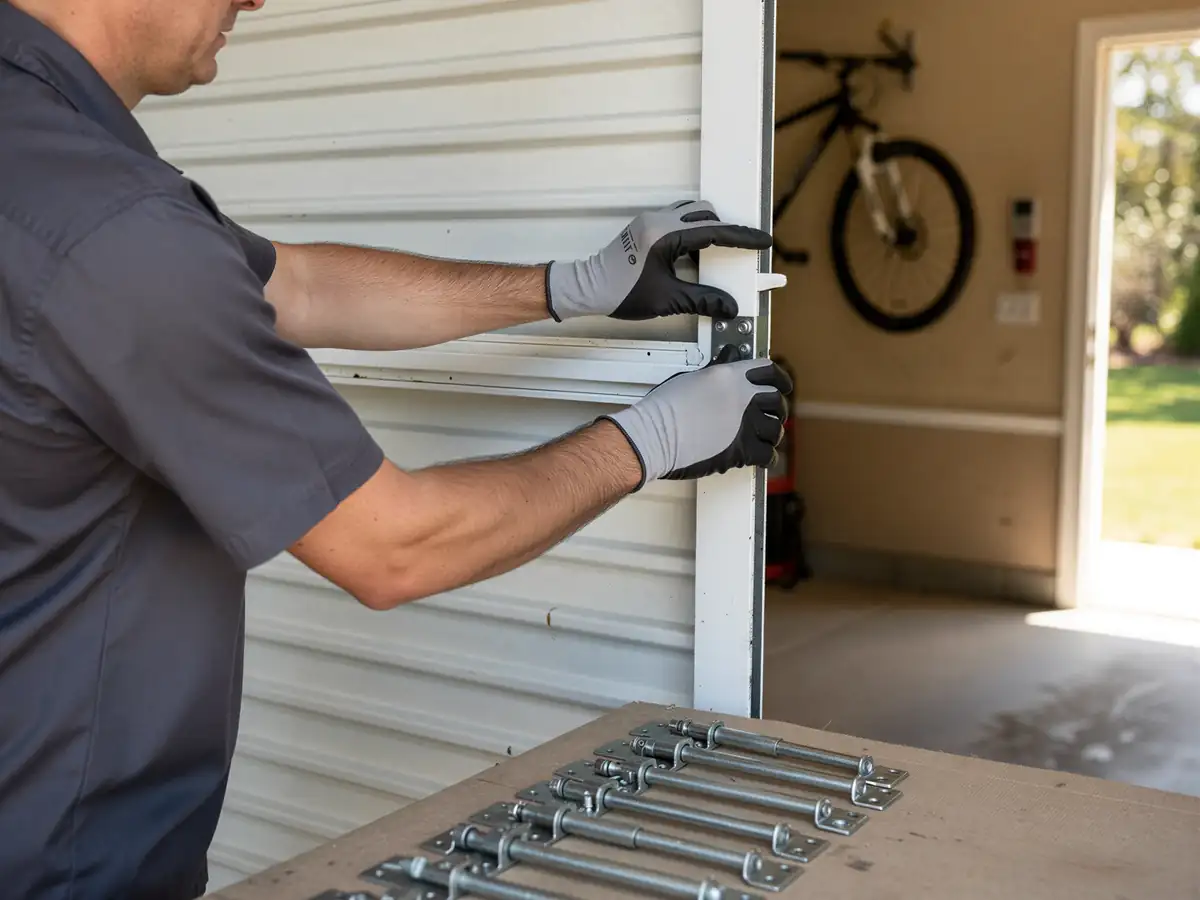
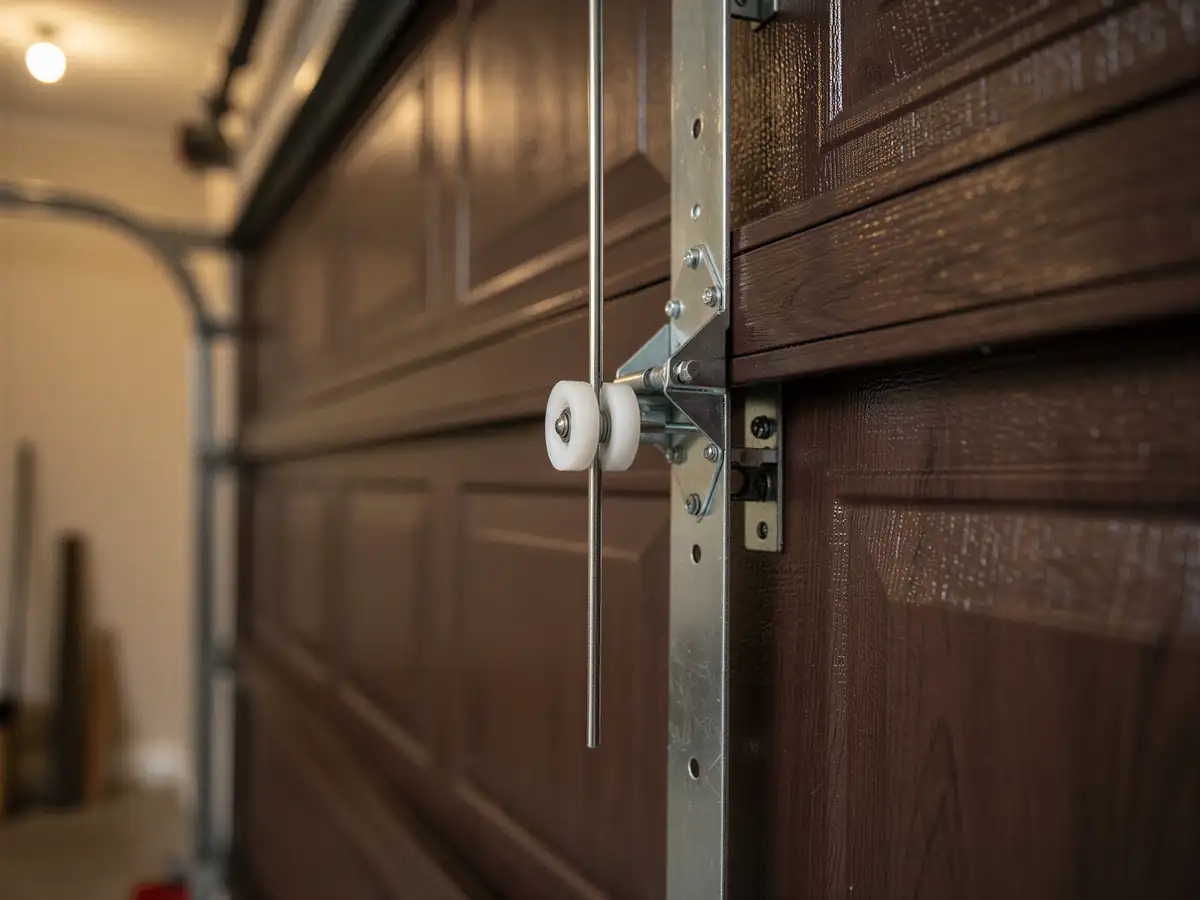
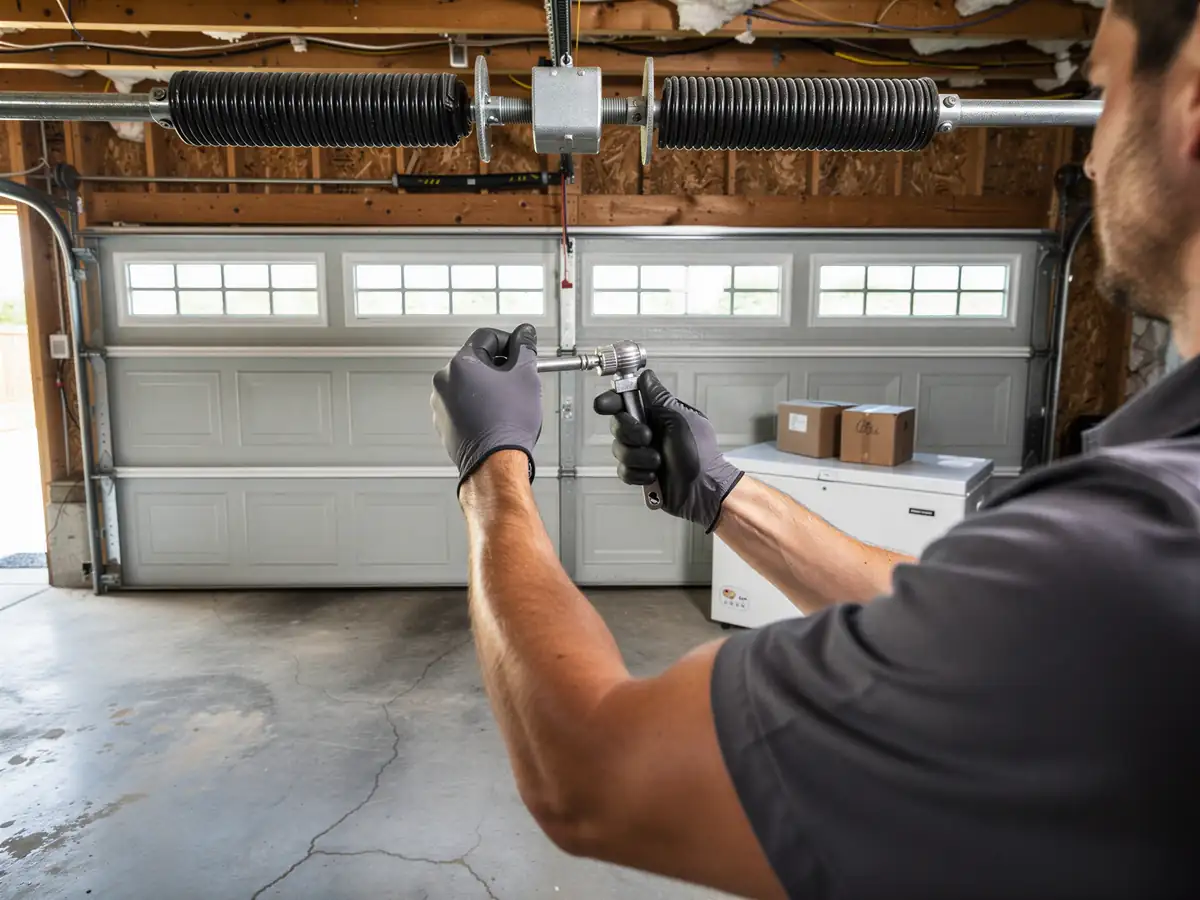
Housing in this part of the service area mostly dates to the 1960s and 70s, and Union City's own median build year - 1979 - puts it on the later end of that run. That matters for spring repair because torsion systems from that era tend to use standard-diameter shafts and winding cones that are still common stock, not the oddball one-piece hardware you'd find on a house built in the 1950s. We carry the torsion springs, cables, and drums sized for that generation of door on the truck, because it's what we see most across the 26 named areas we cover out of Santa Clara. What we don't stock are specialty springs for oversized custom doors or anything with a manufacturer-specific wind pattern - those get ordered, and we'll tell you up front if your door needs one instead of pretending we have it in the van.
What Causes It Around Here
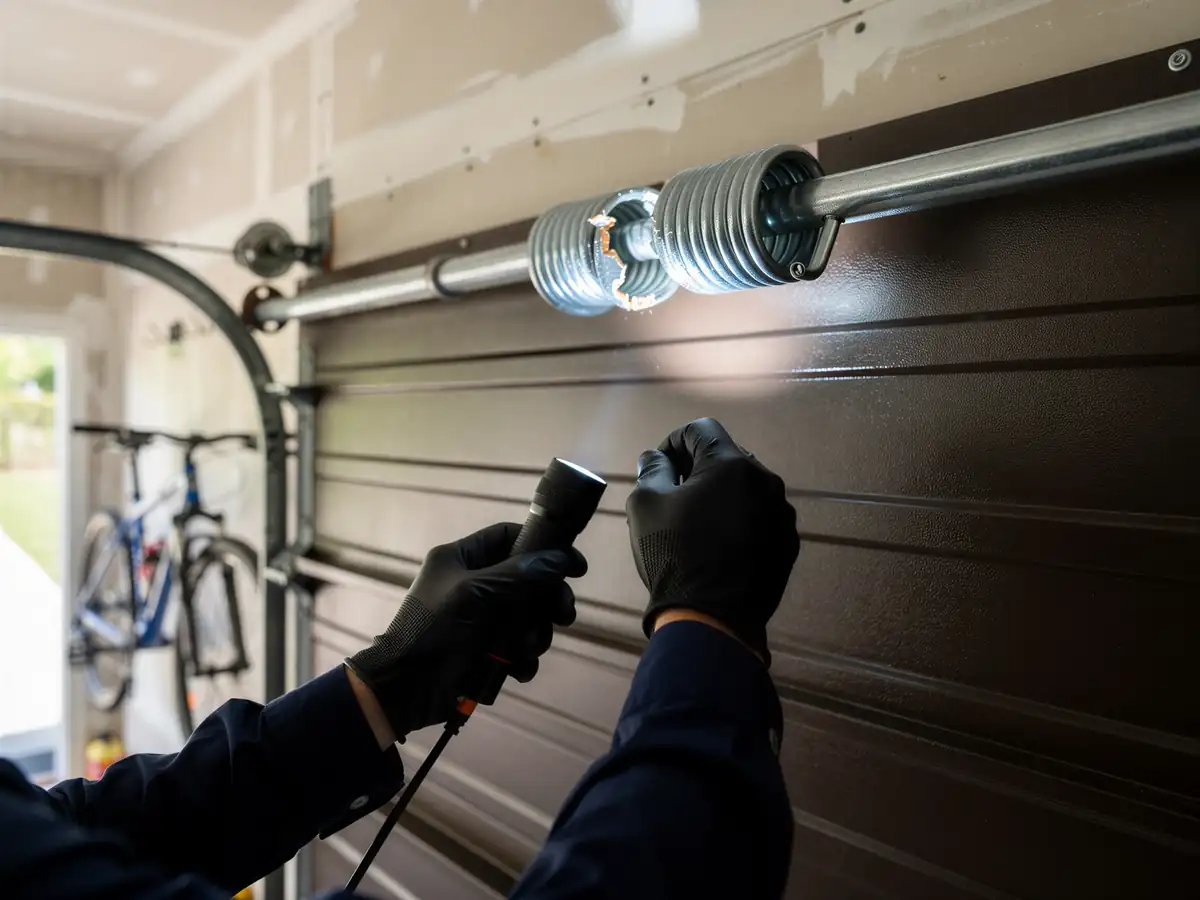
A door built around 1979 is now pushing 45 years old, and a torsion spring on normal daily use is rated for somewhere around 10,000 cycles - most of these springs have been through that cycle count once or twice already, sometimes with an opener added later that cycles the door more often than the original hardware was sized for. The mild temperate climate here doesn't put the kind of thermal stress on springs that you'd see in a place with hard freezes or extreme heat swings, so when a spring breaks in Union City it's almost always fatigue from age and use, not weather. What we see less of here than in some other parts of the service area is rust-seized hardware - the climate's easy on metal - but the springs themselves still wear out on schedule, and a lot of owners don't know they're overdue until one side snaps.