Stocked Parts
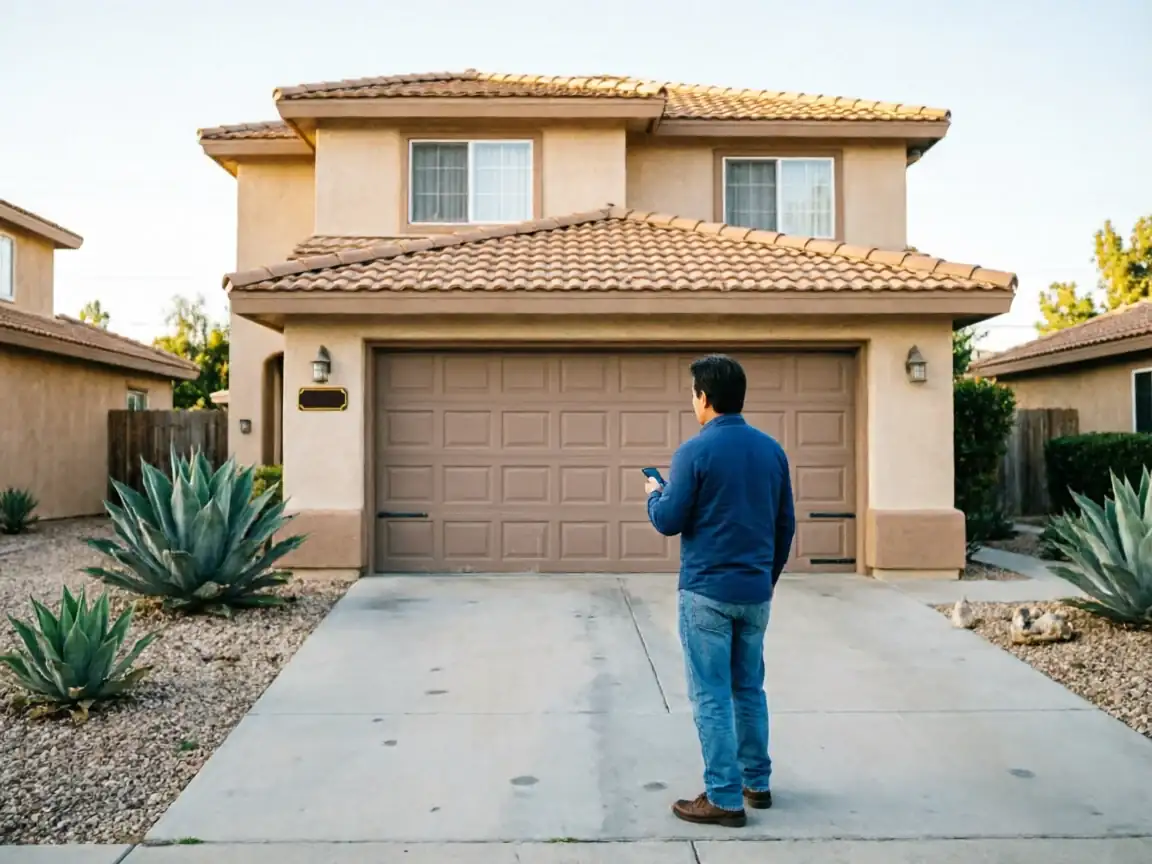
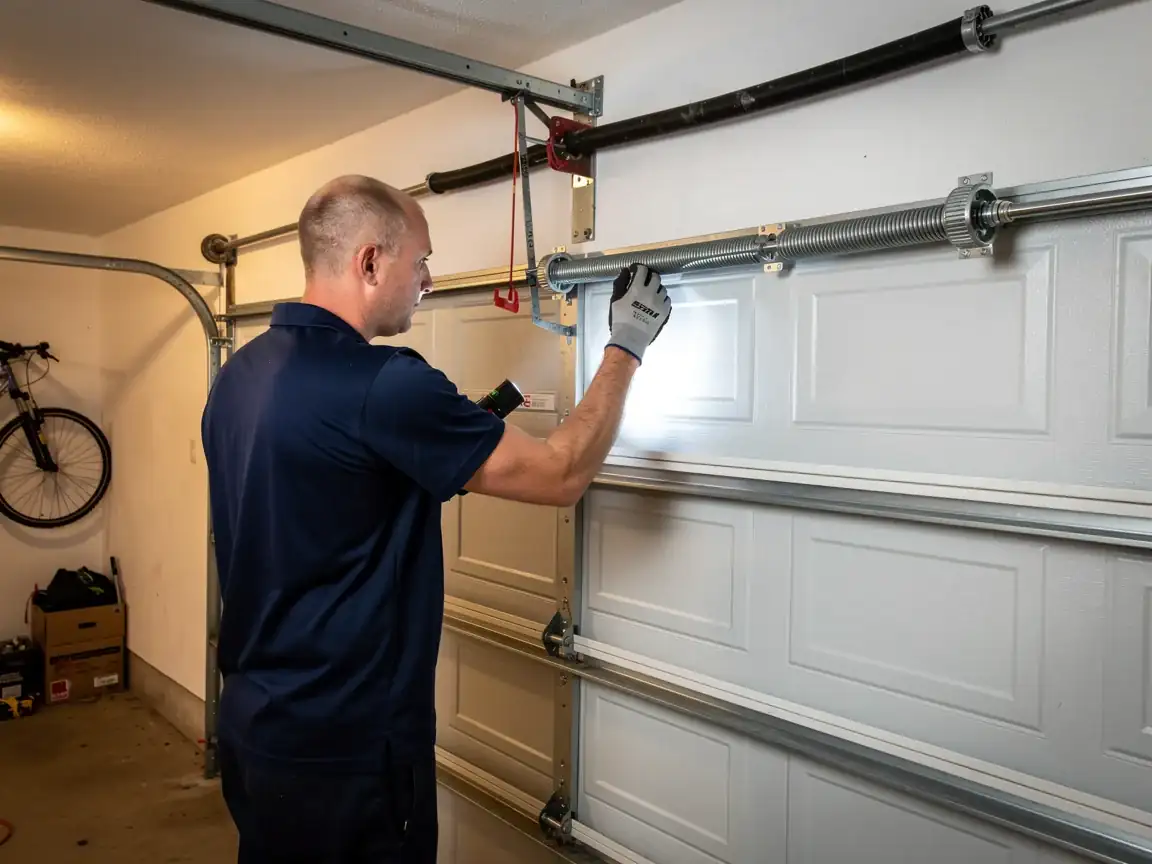
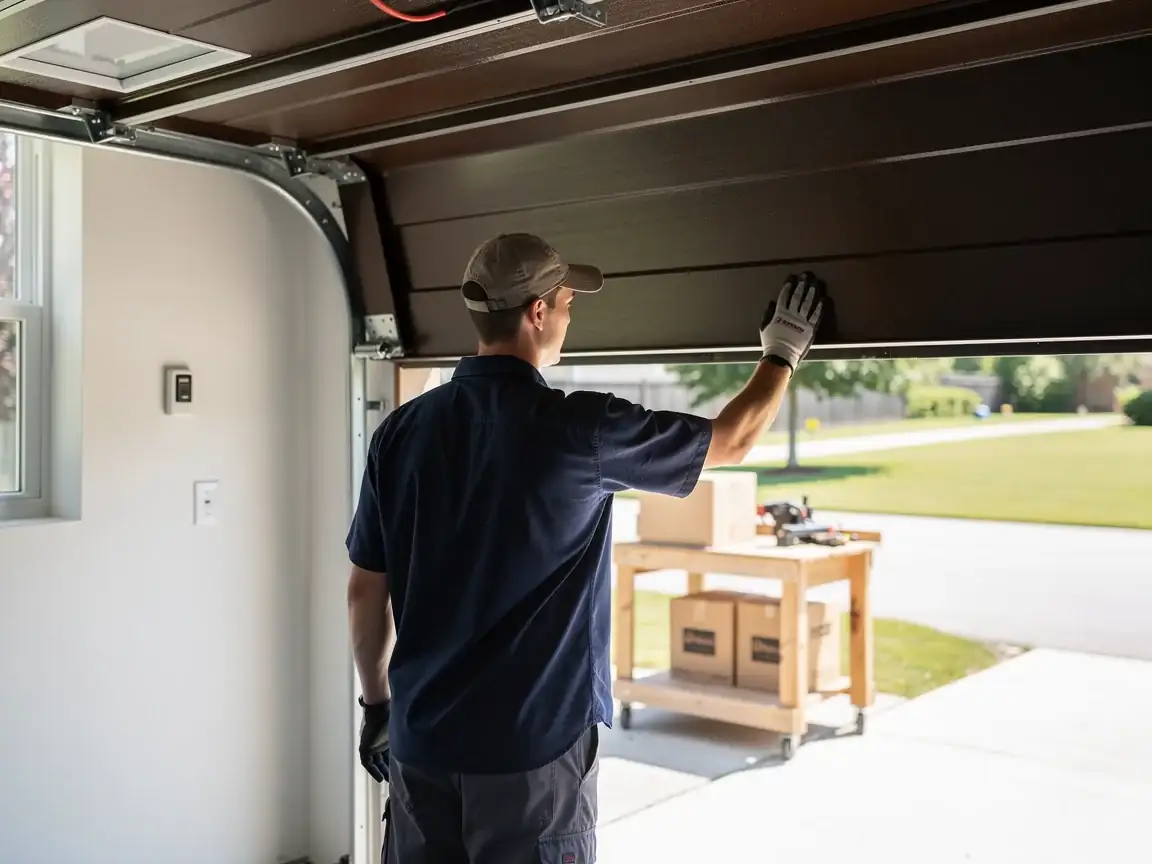
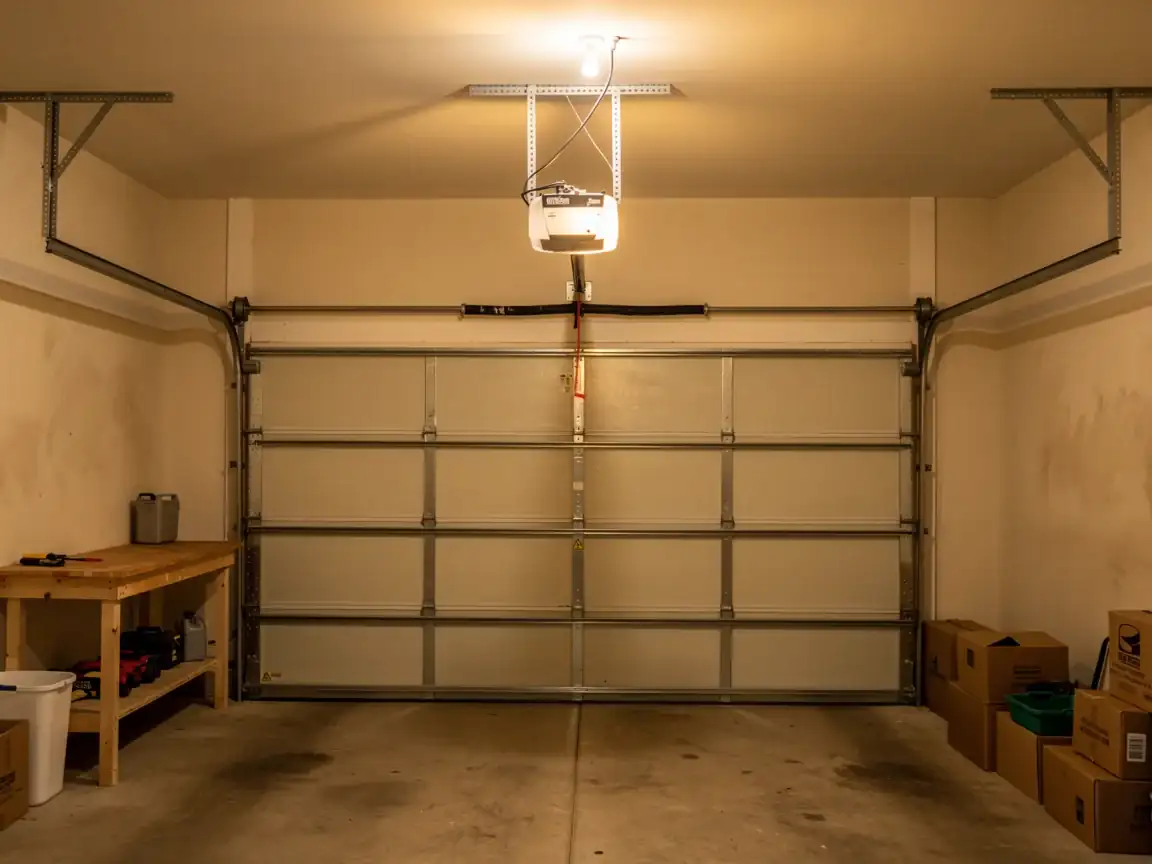
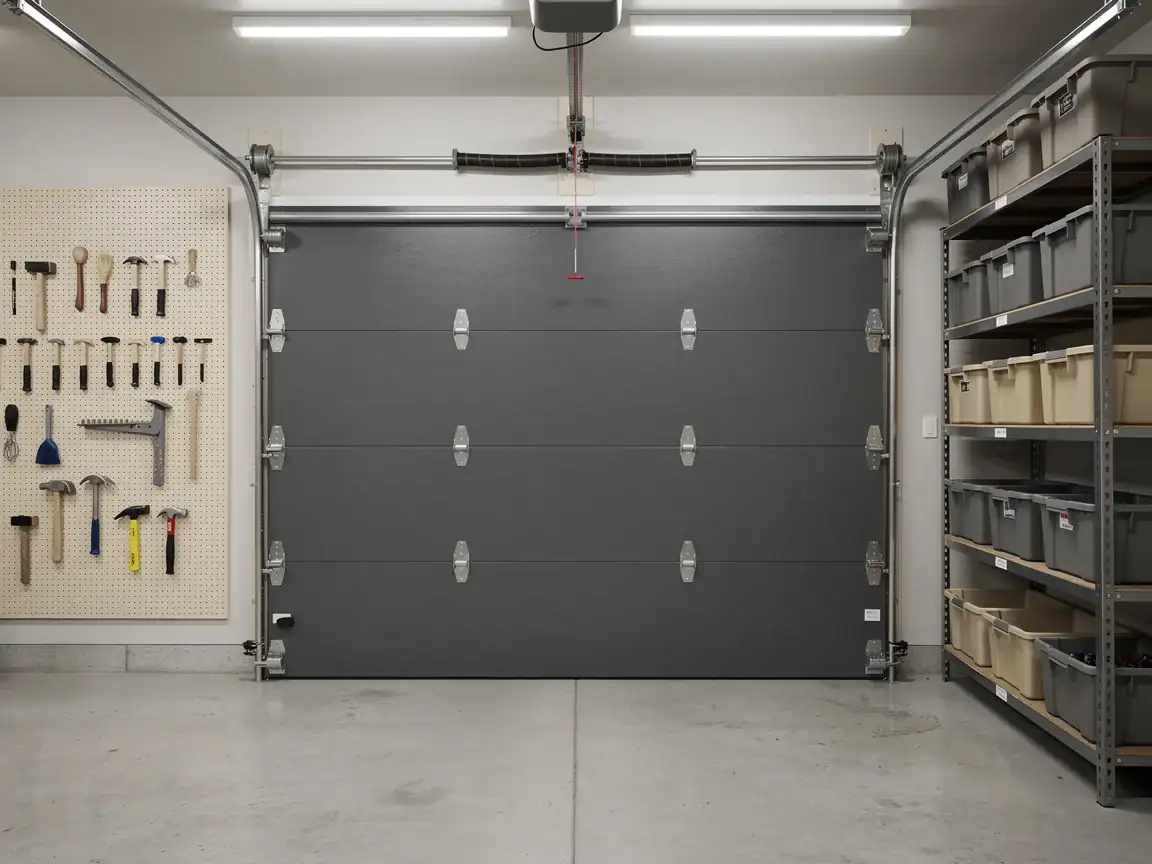
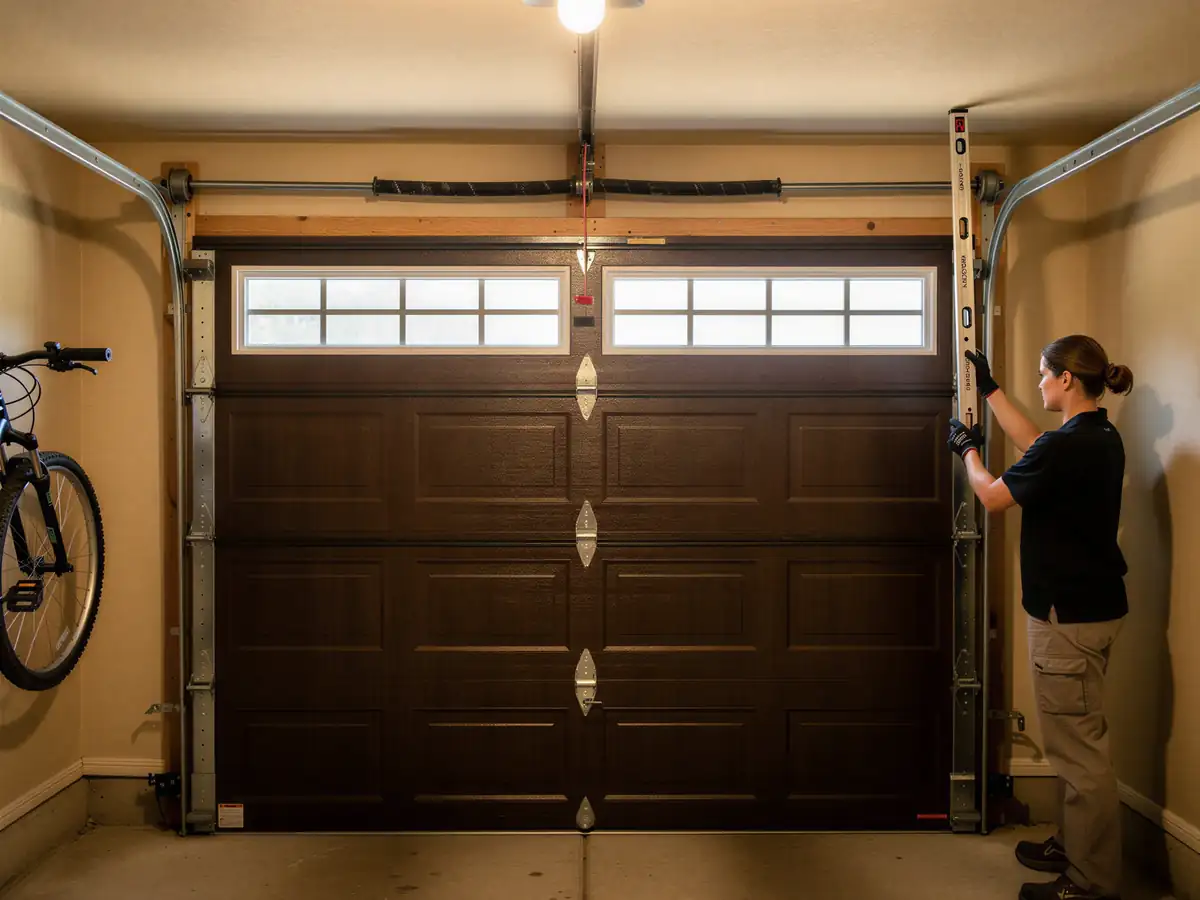
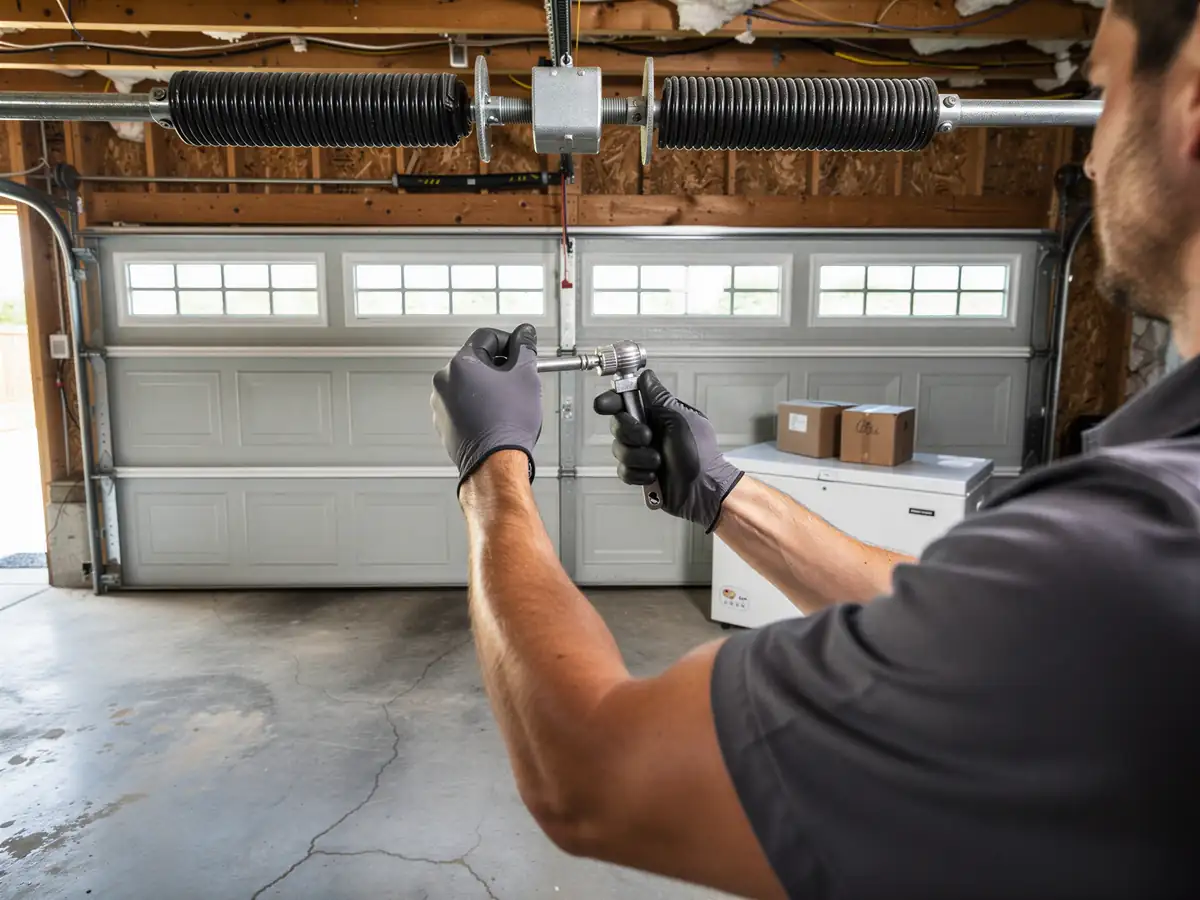
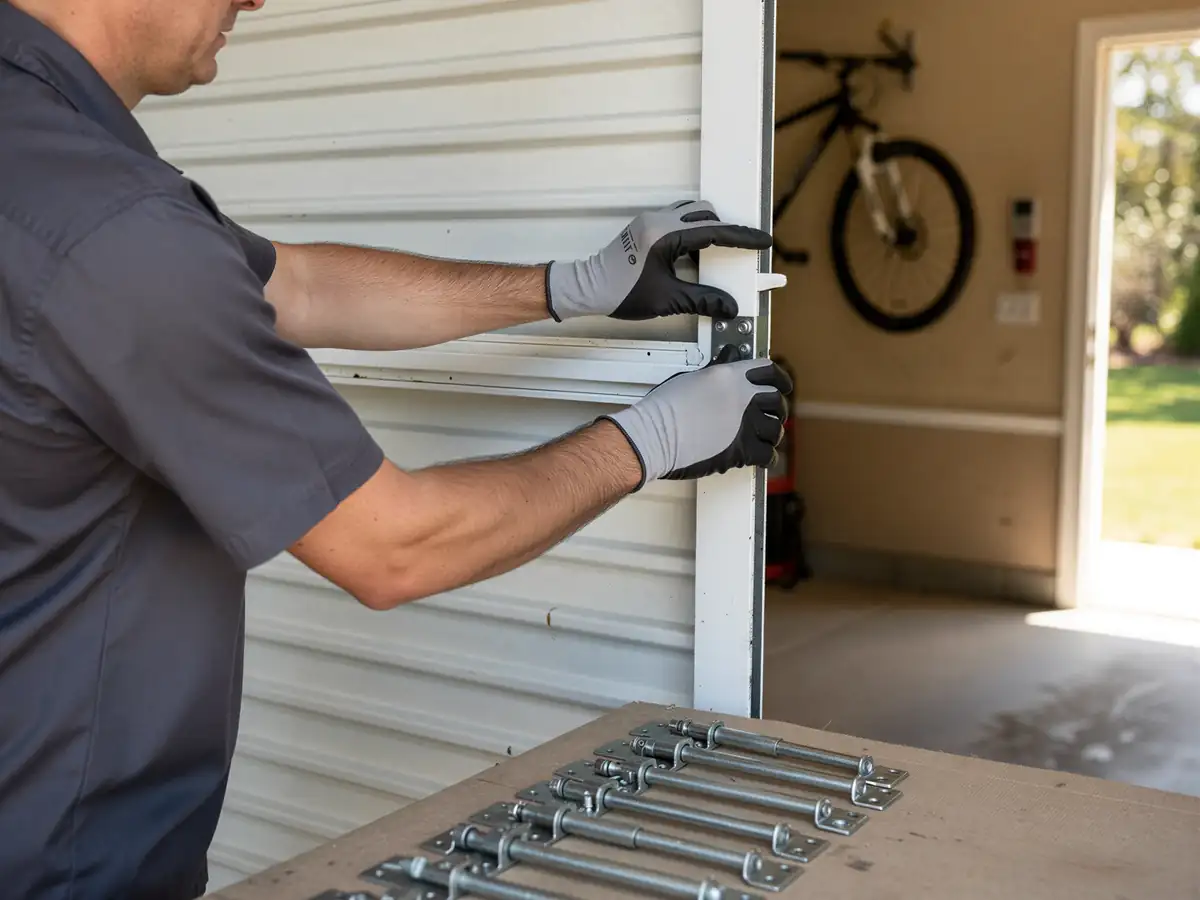
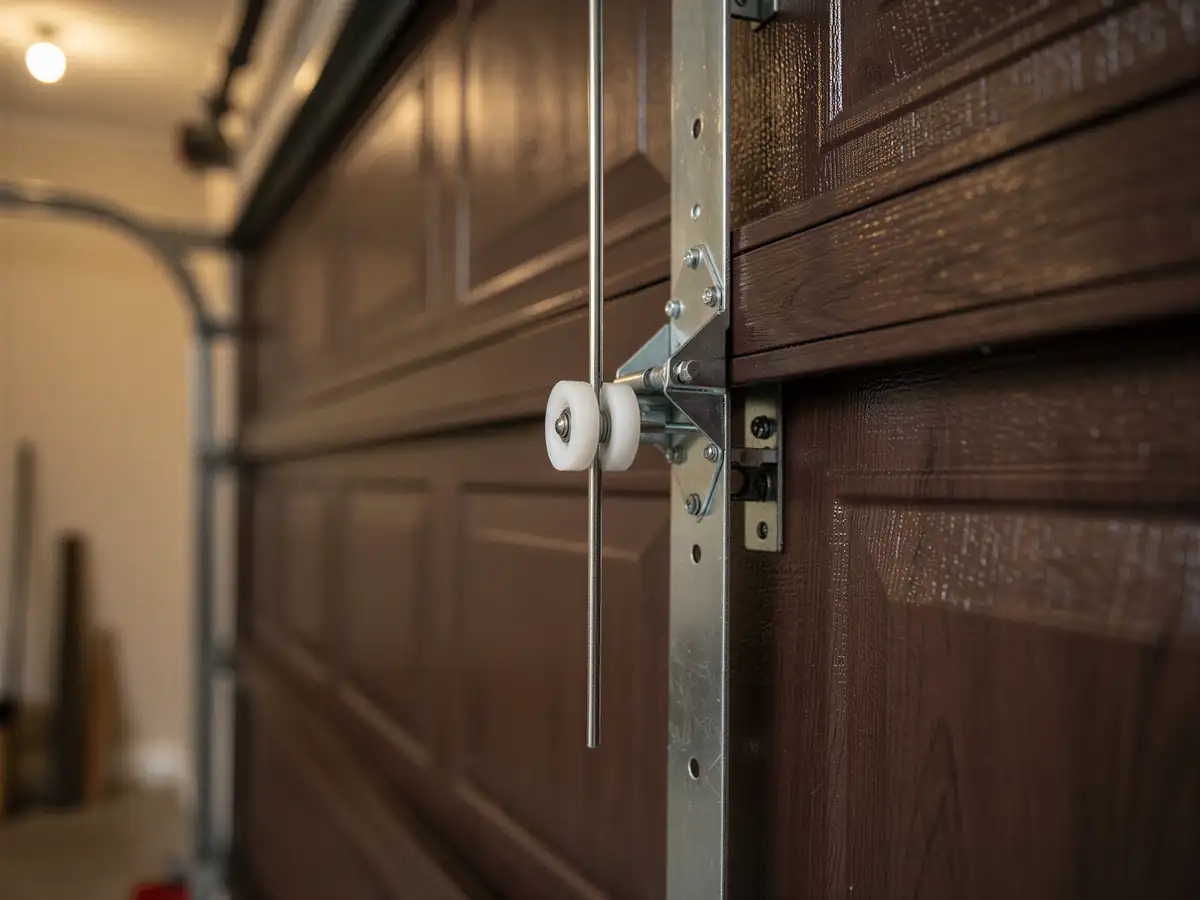
Union City's housing stock centers on 1979, which puts a lot of these doors a decade or more past the Santa Clara area's broader 1964 median build year. Doors going up in the late 1970s almost always came with steel rollers running in raw steel track - nylon rollers weren't standard equipment yet, and a lot of these original setups are still in the garage. We carry both: galvanized steel rollers with sealed bearings for owners who want to match what's there, and nylon for anyone upgrading off the original hardware. We also stock the short stub shafts these older roller carriers use, since the thread and hole spacing on a 1970s bracket doesn't always match what's sold today. If a track has been dented by a roller that's been grinding for months, that's a track swap, not a roller swap, and it's worth knowing the difference before we show up.
What Causes It Around Here
The mild temperate climate across the service area means Union City doors aren't fighting hard freezes or heavy salt air, so rust isn't usually what kills a roller here. Age and use are. A door built in 1979 has had over four decades of rollers riding the same track, and steel rollers with unsealed bearings eventually lose their grease and start grinding metal on metal - you'll hear it before you see it, a grating sound each time the door passes a certain point in the track. With 21,202 households in Union City and most of the garages built in that same late-1970s window, we see a pattern: the roller closest to the opener arm, which carries the most repeated stress, usually goes first. Once one roller seizes, it throws extra load on its neighbors, so a single bad roller at six months often turns into a full set at twelve.