Stocked Parts
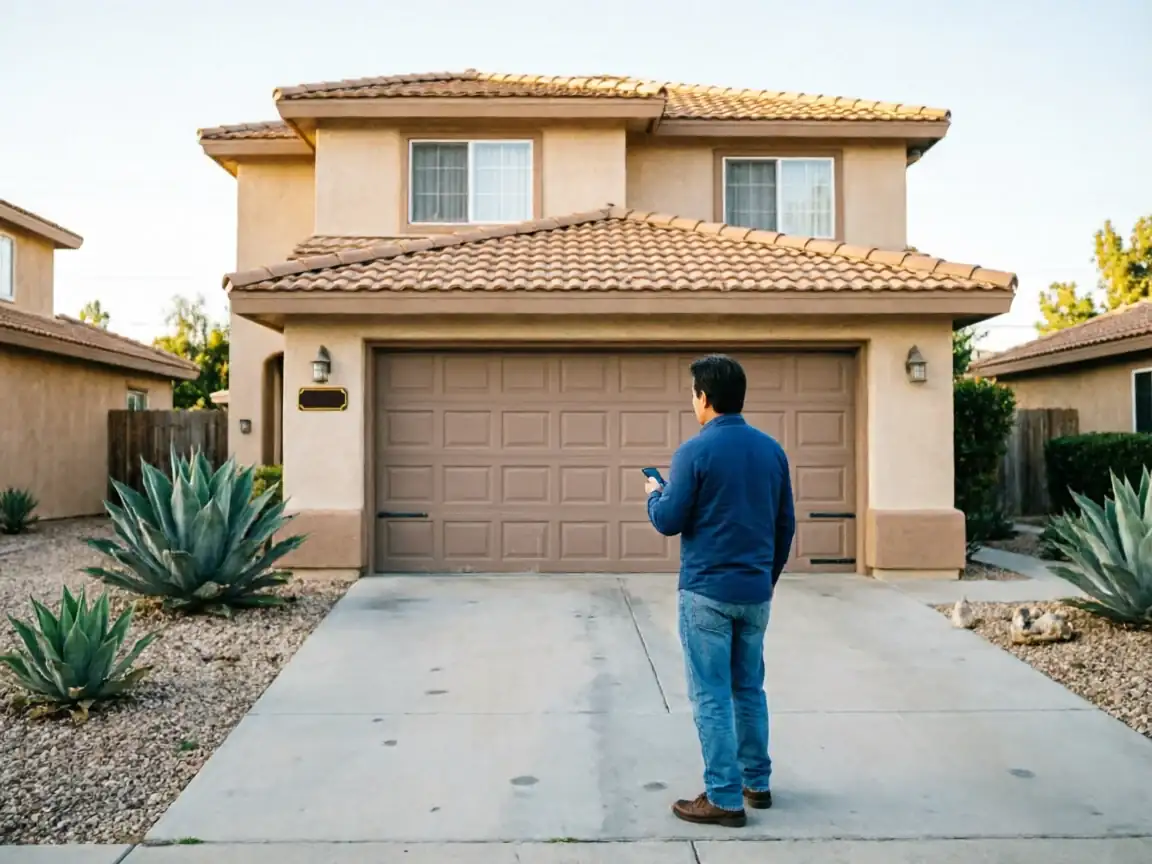
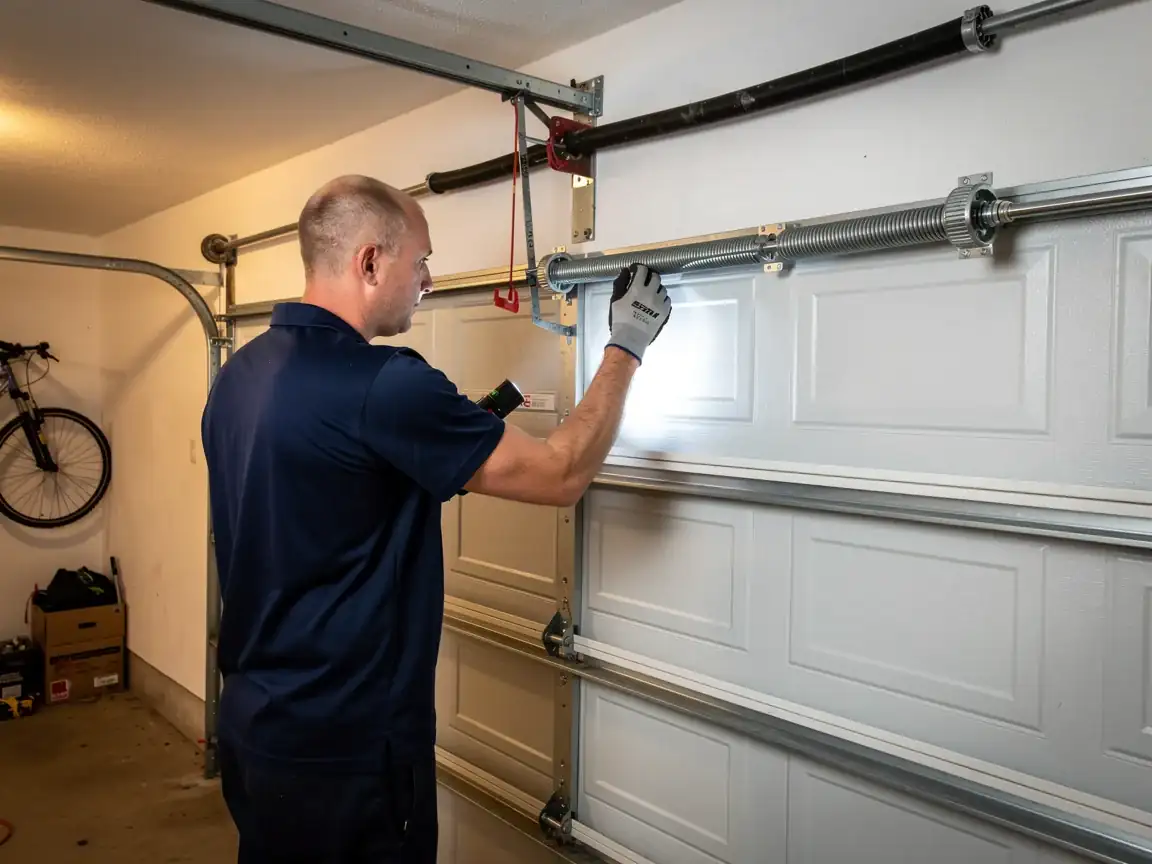
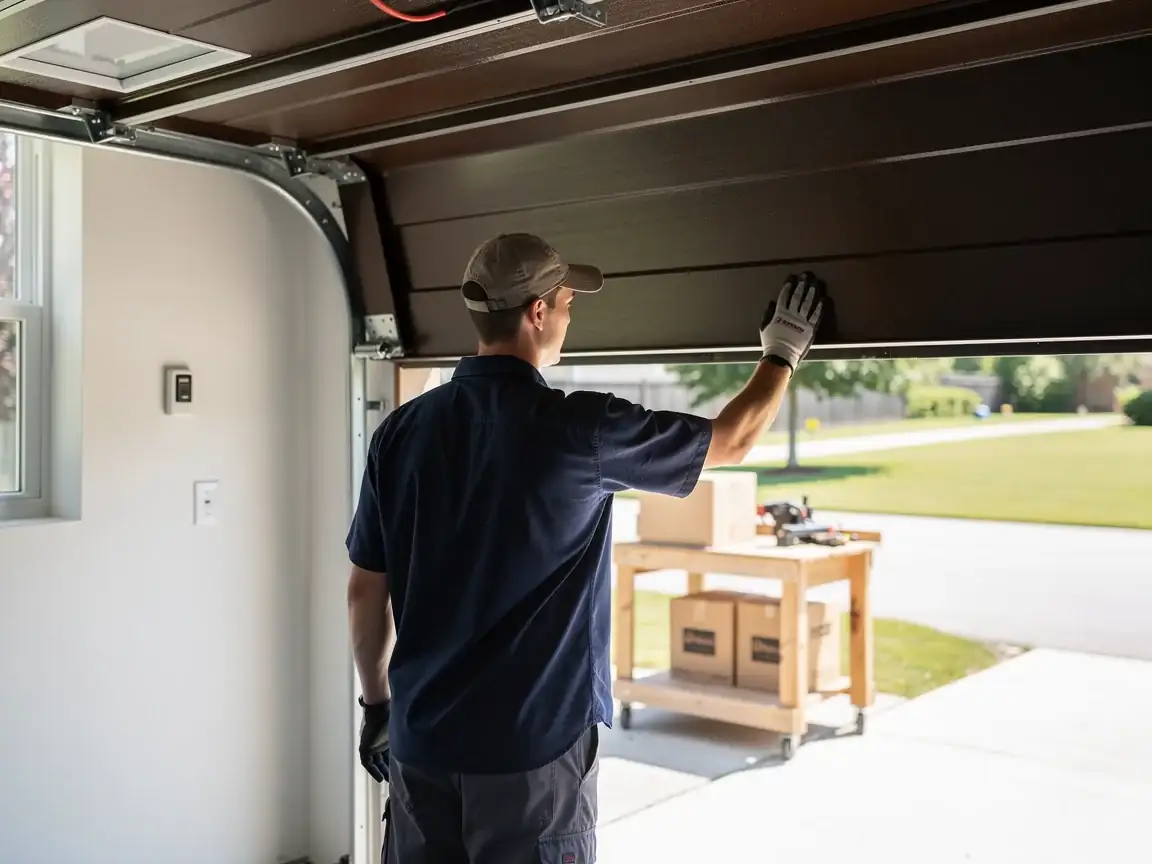
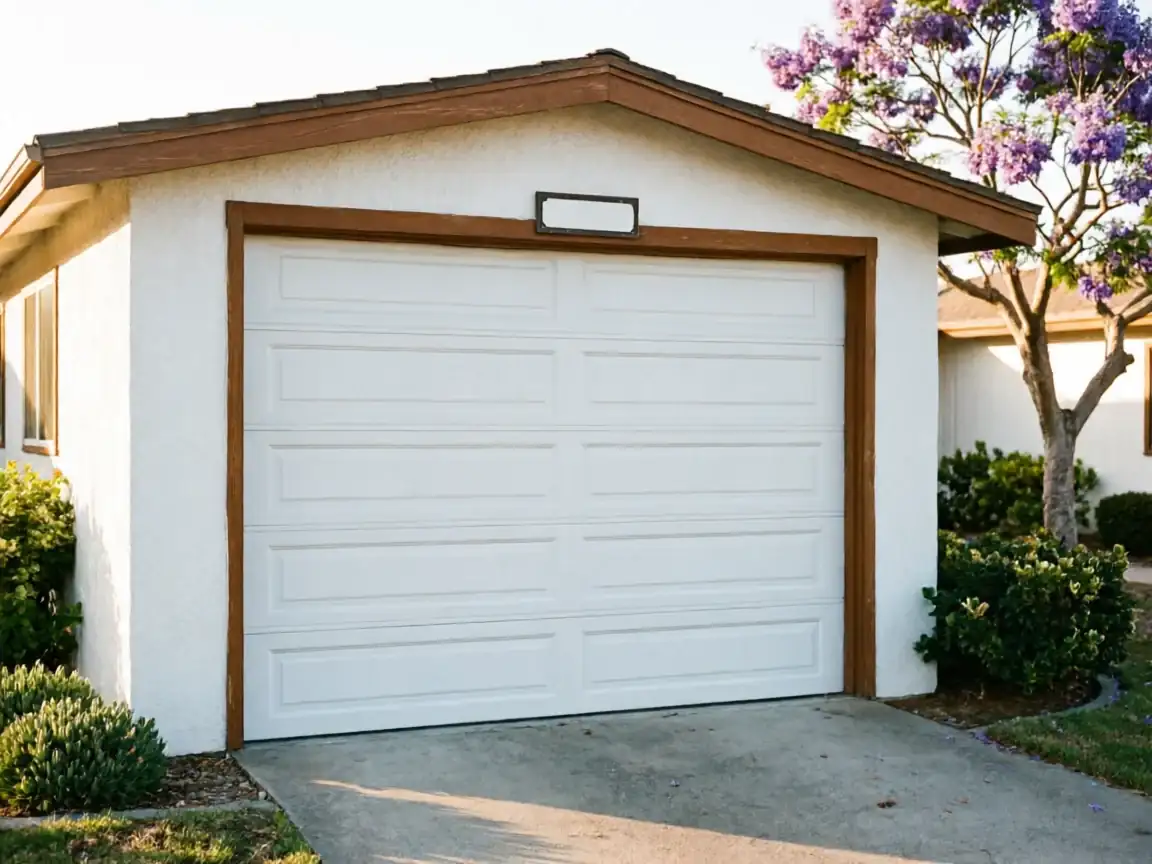
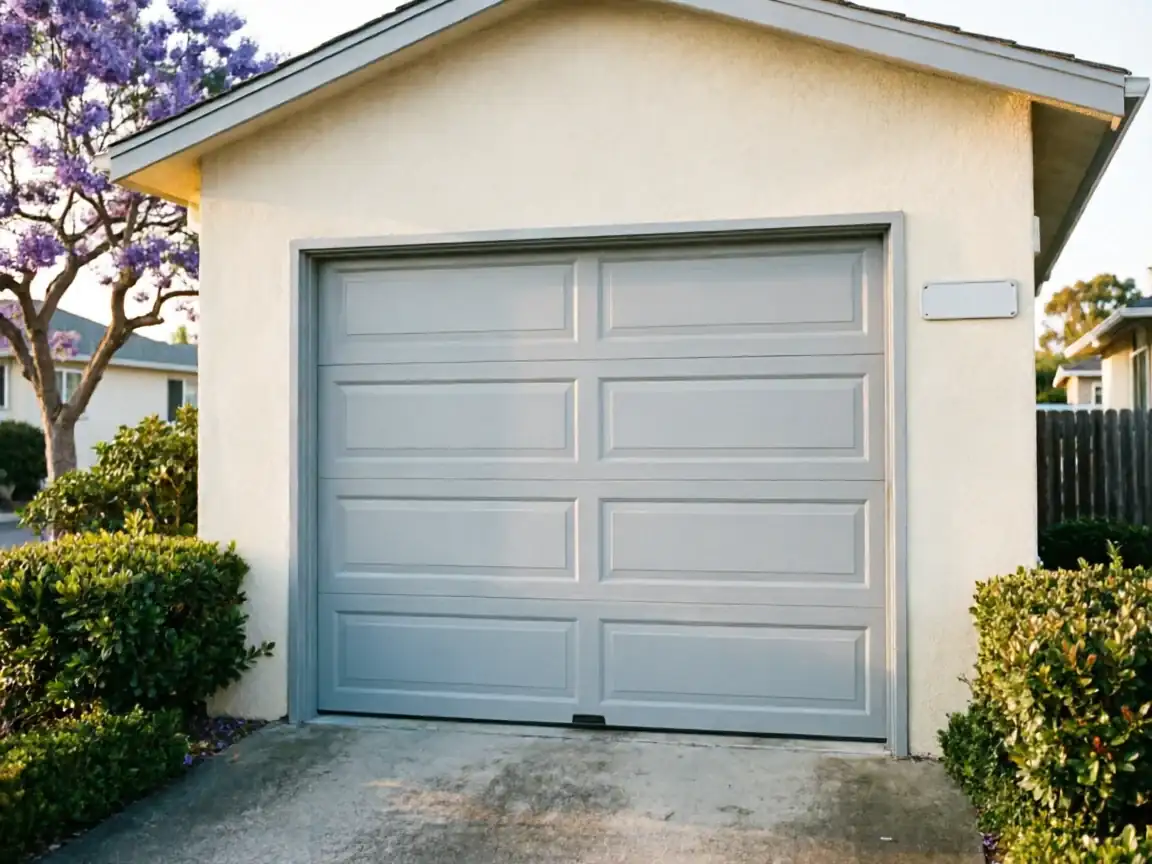
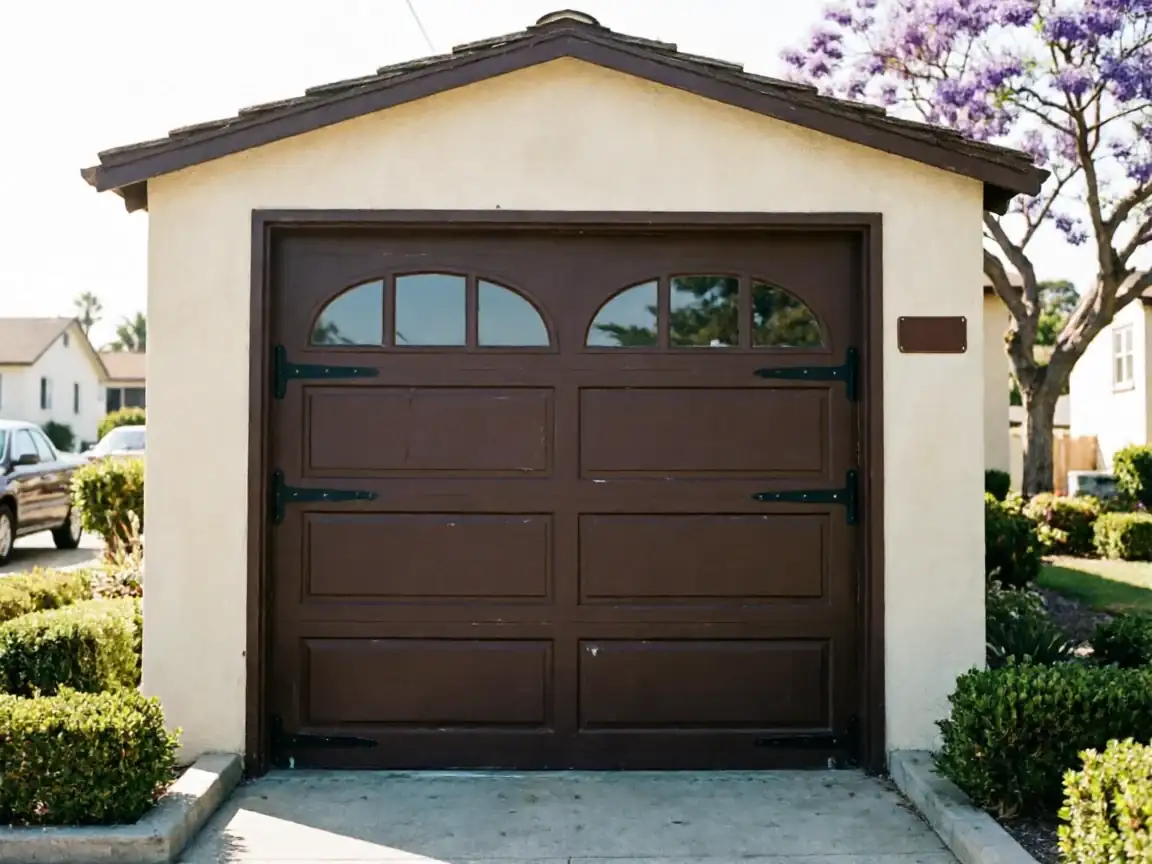
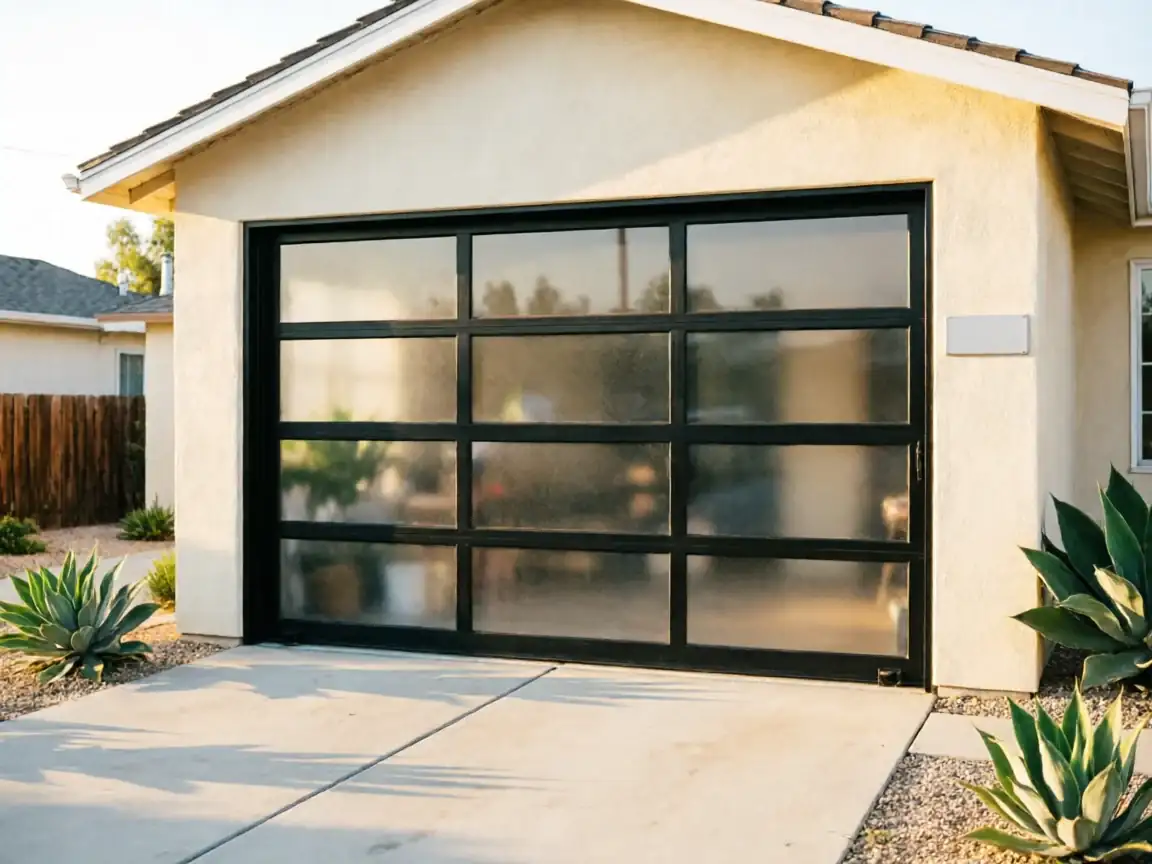
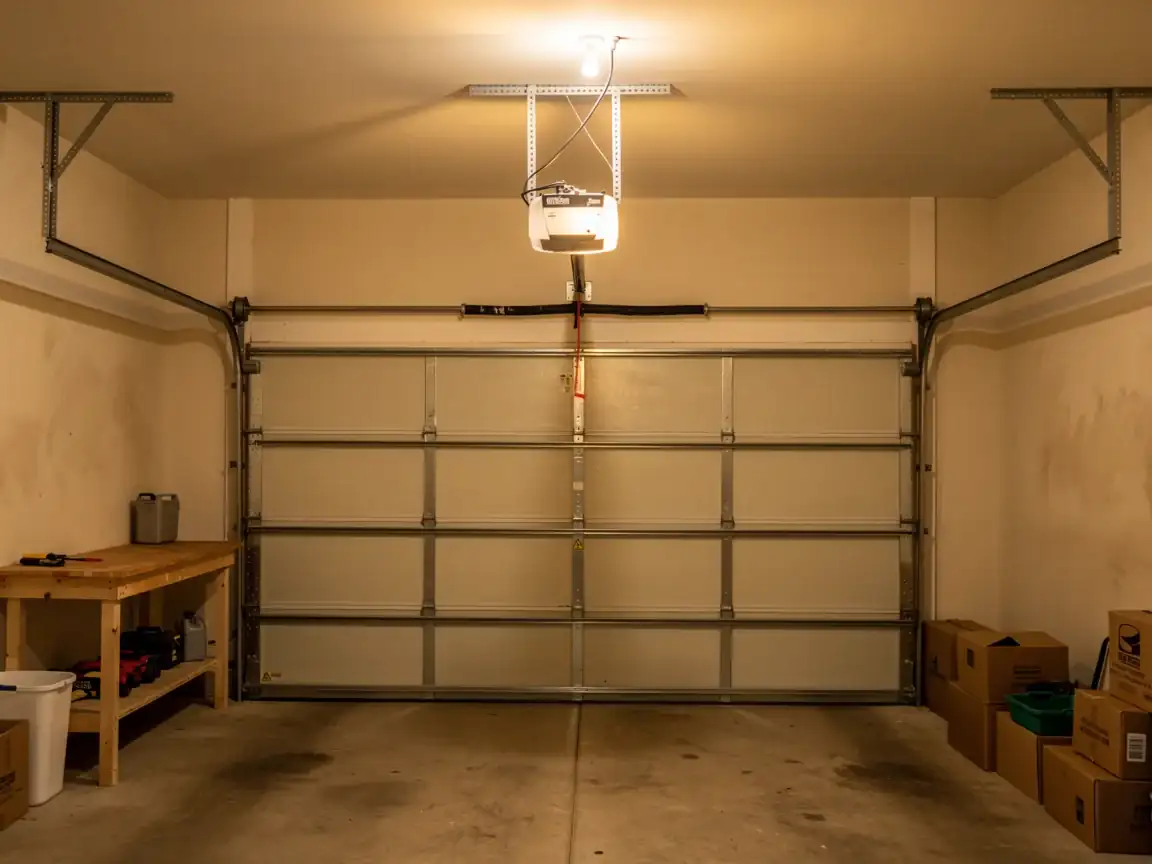
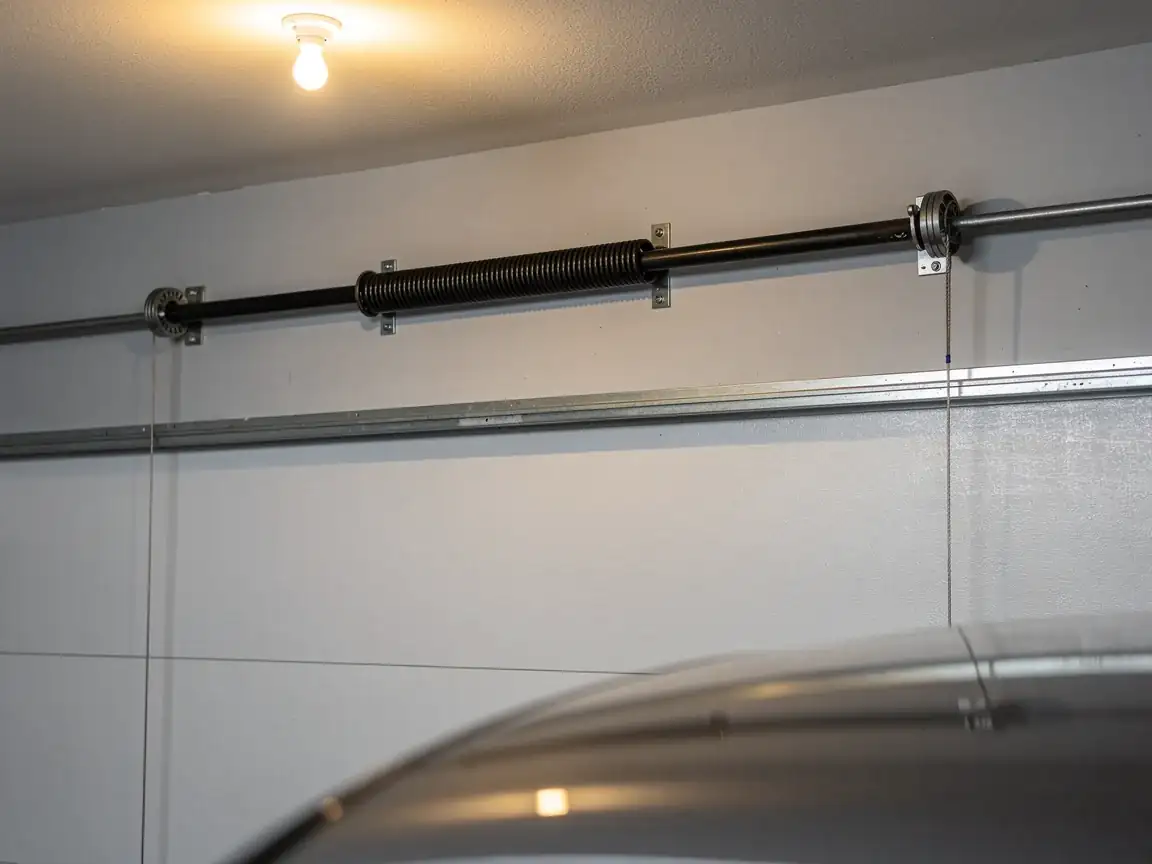
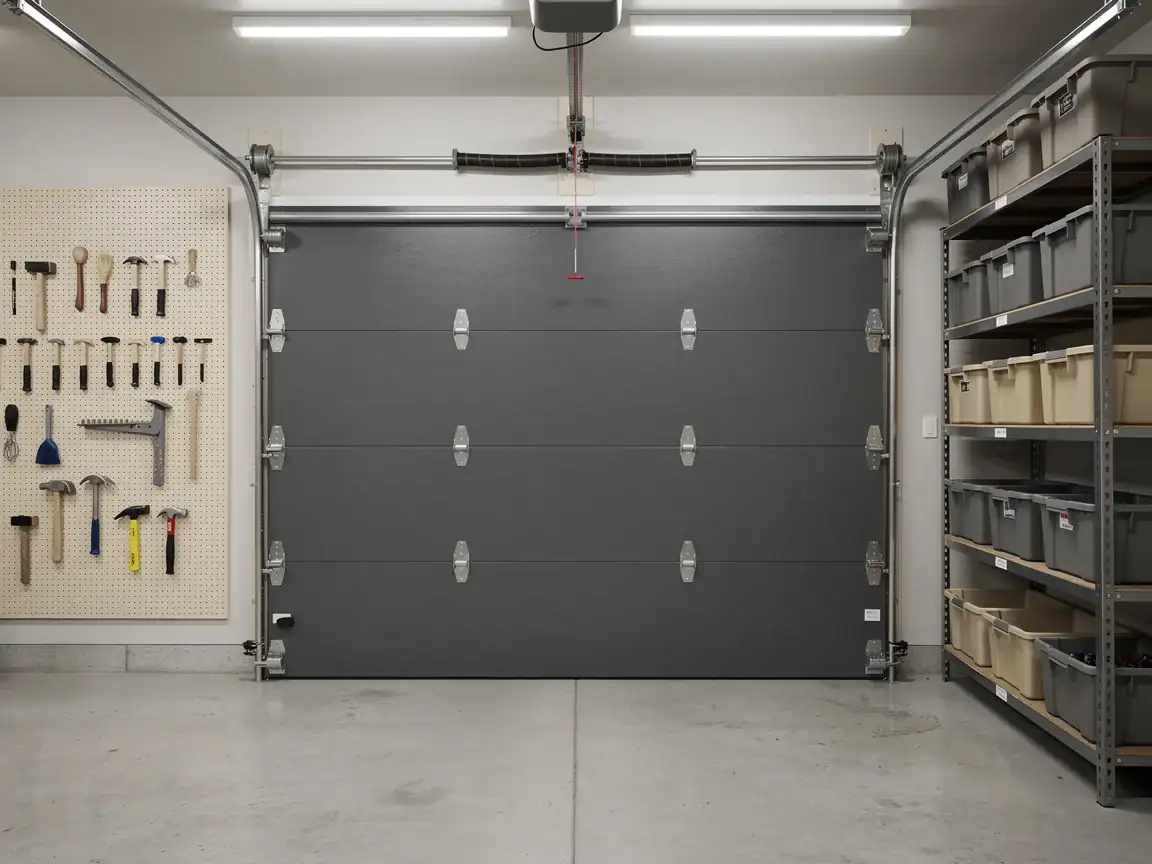
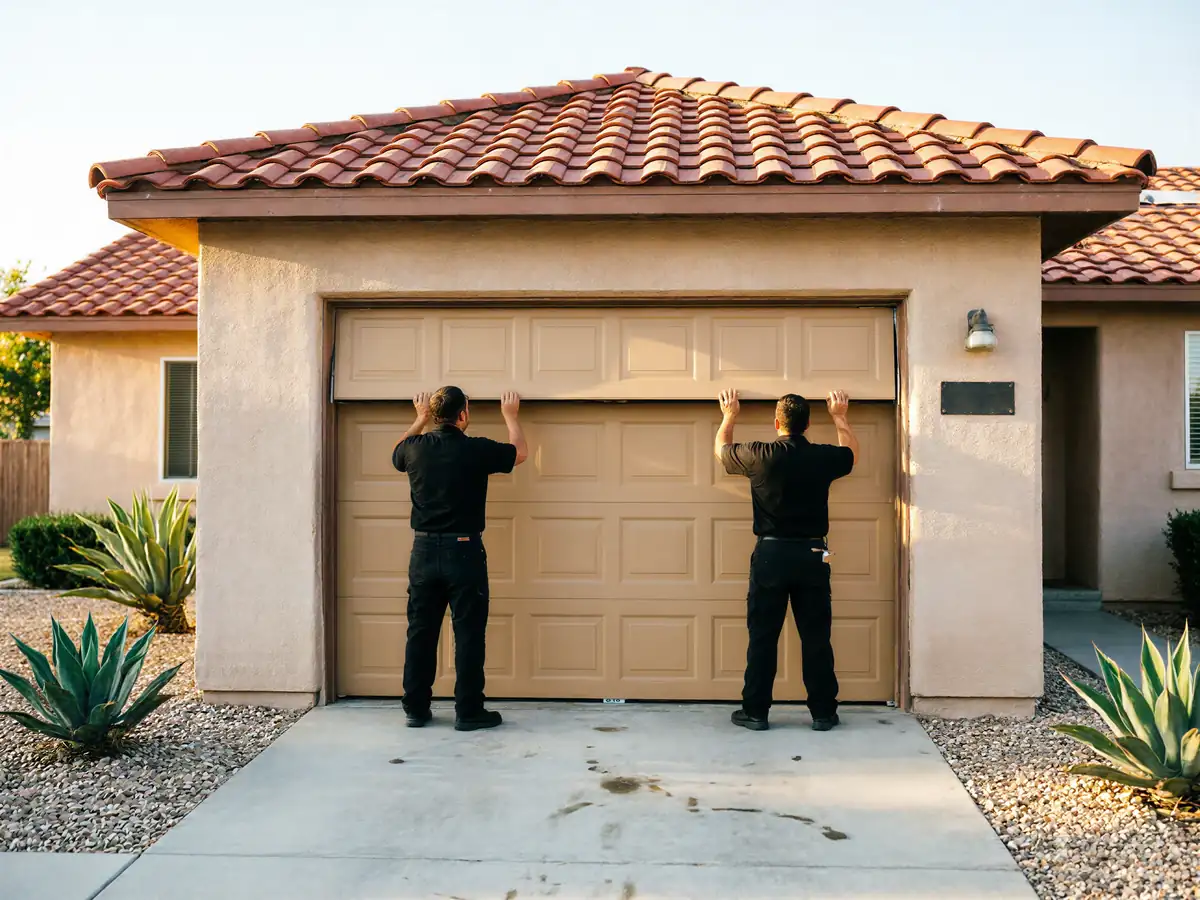
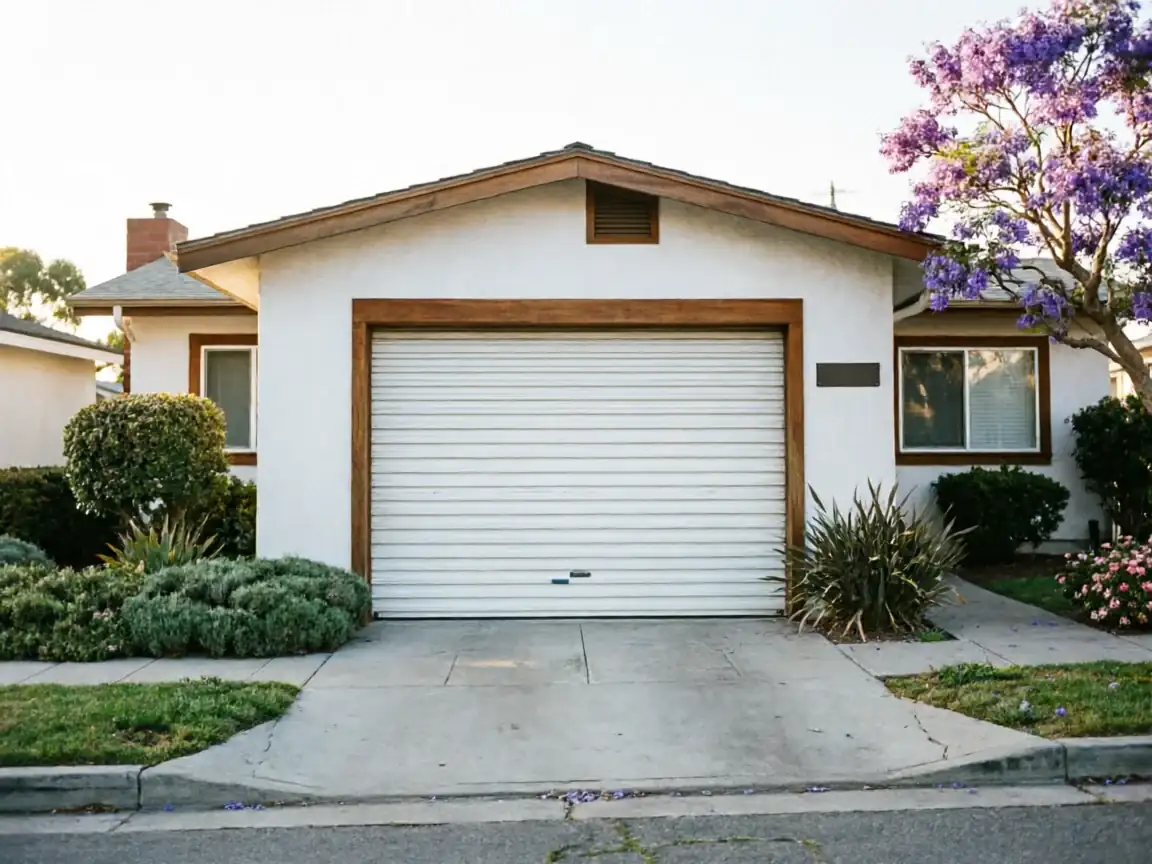
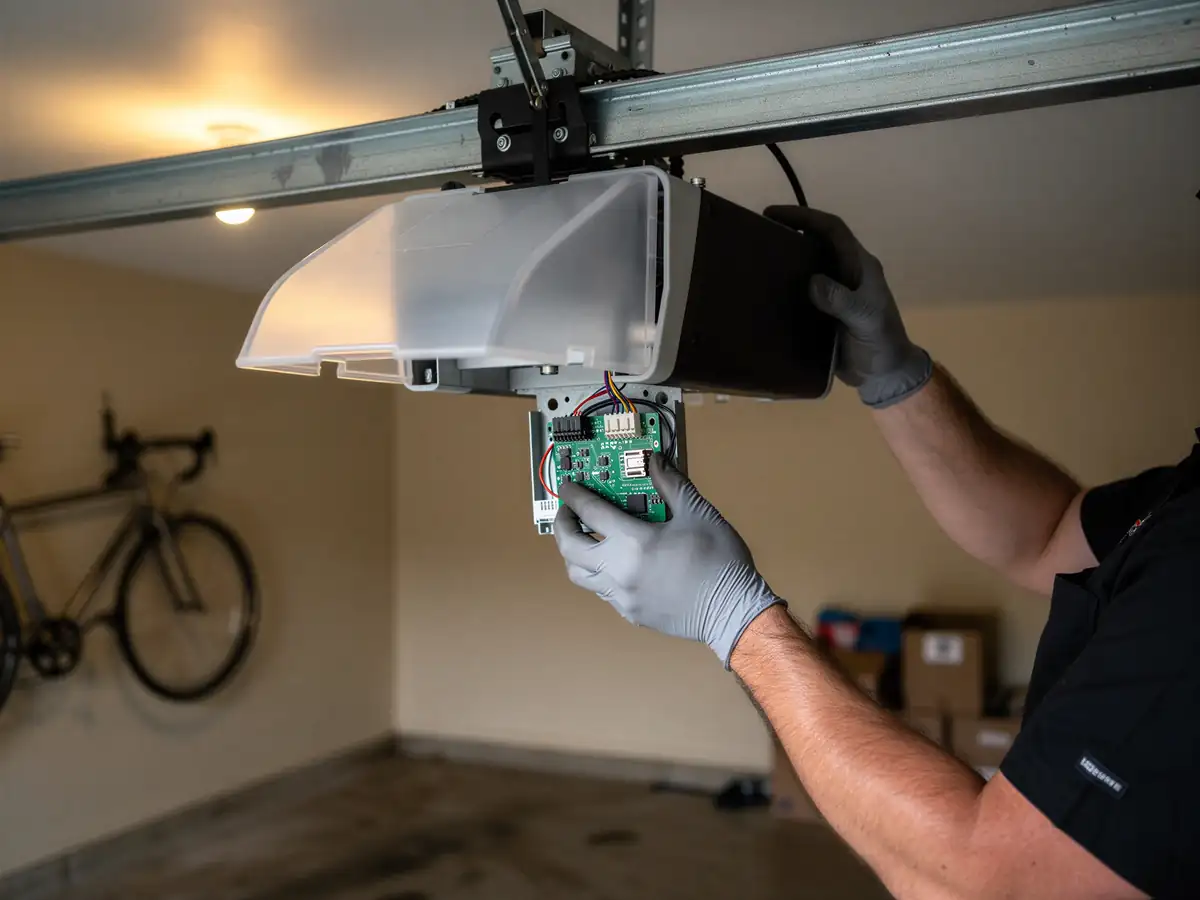
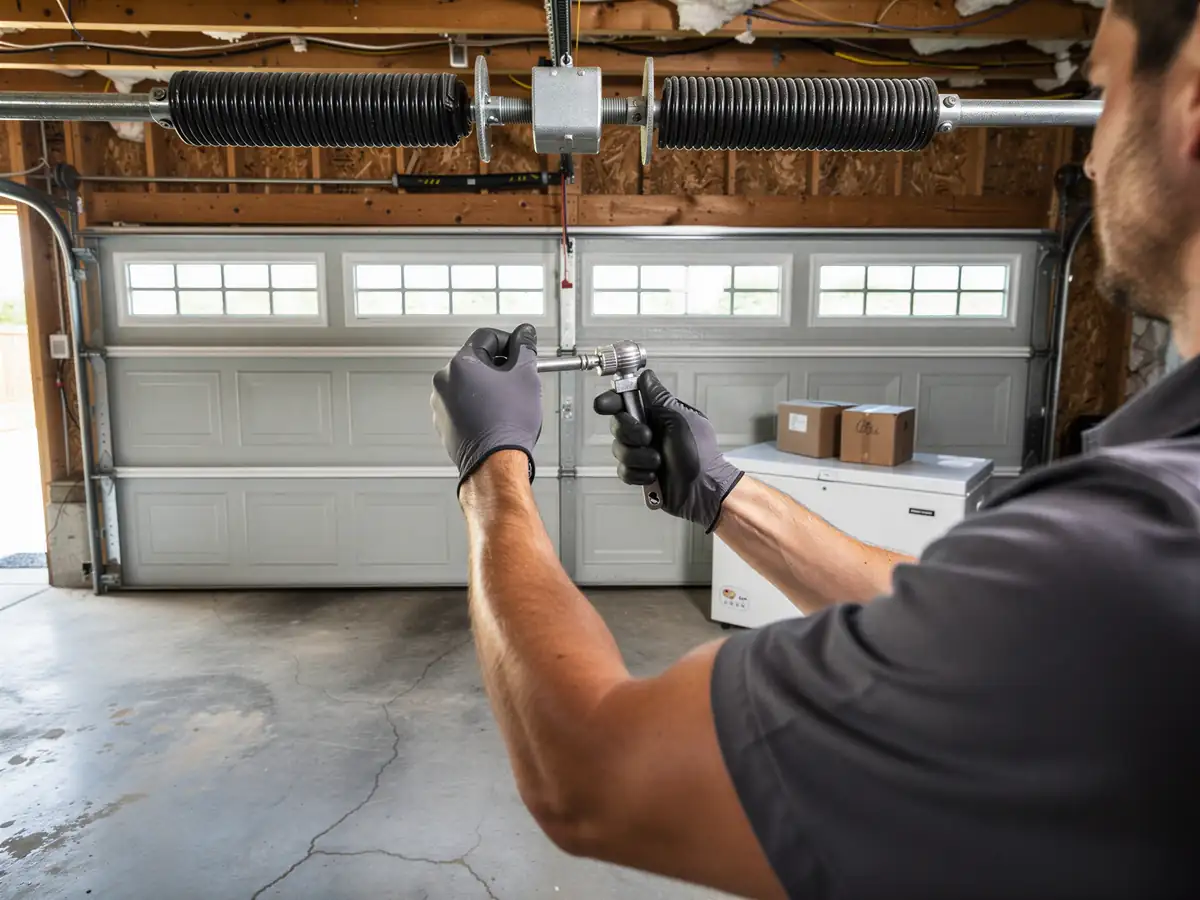
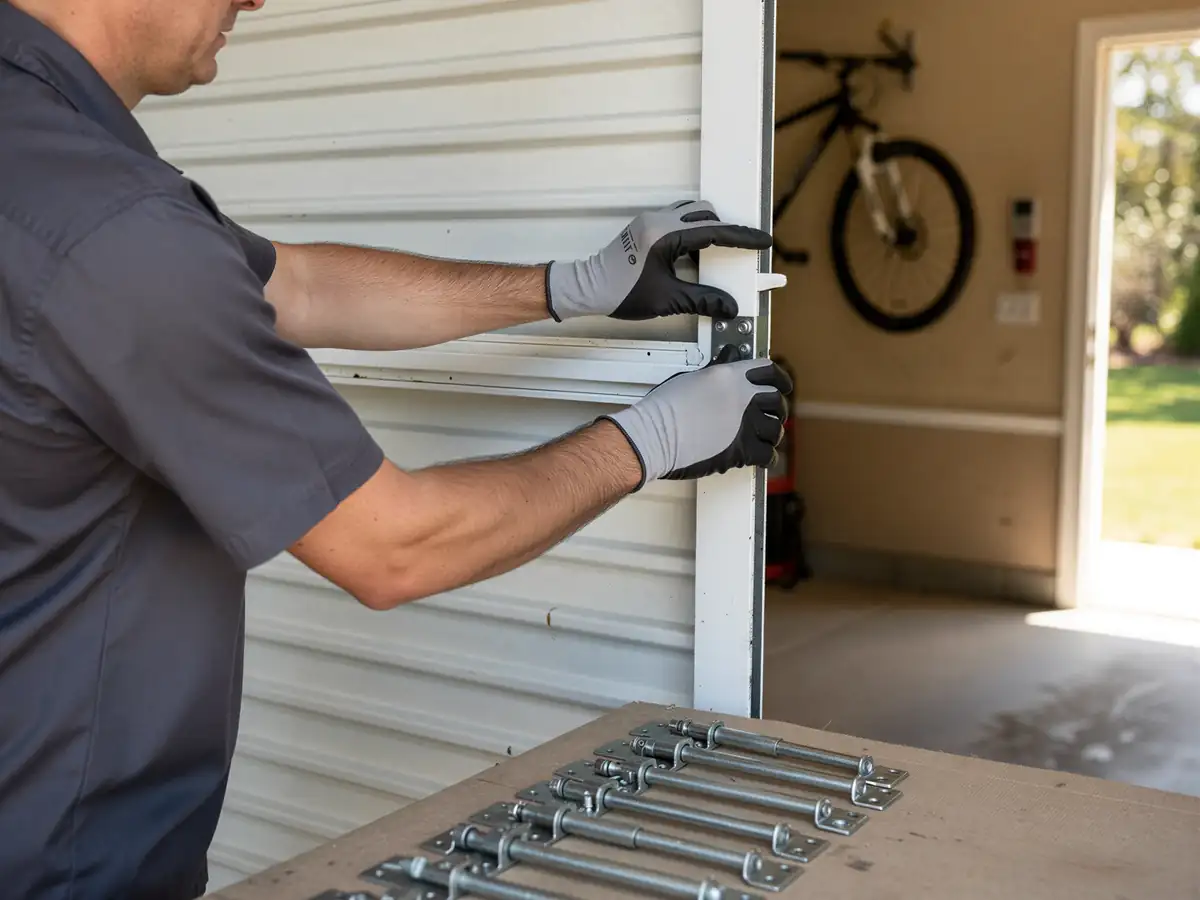
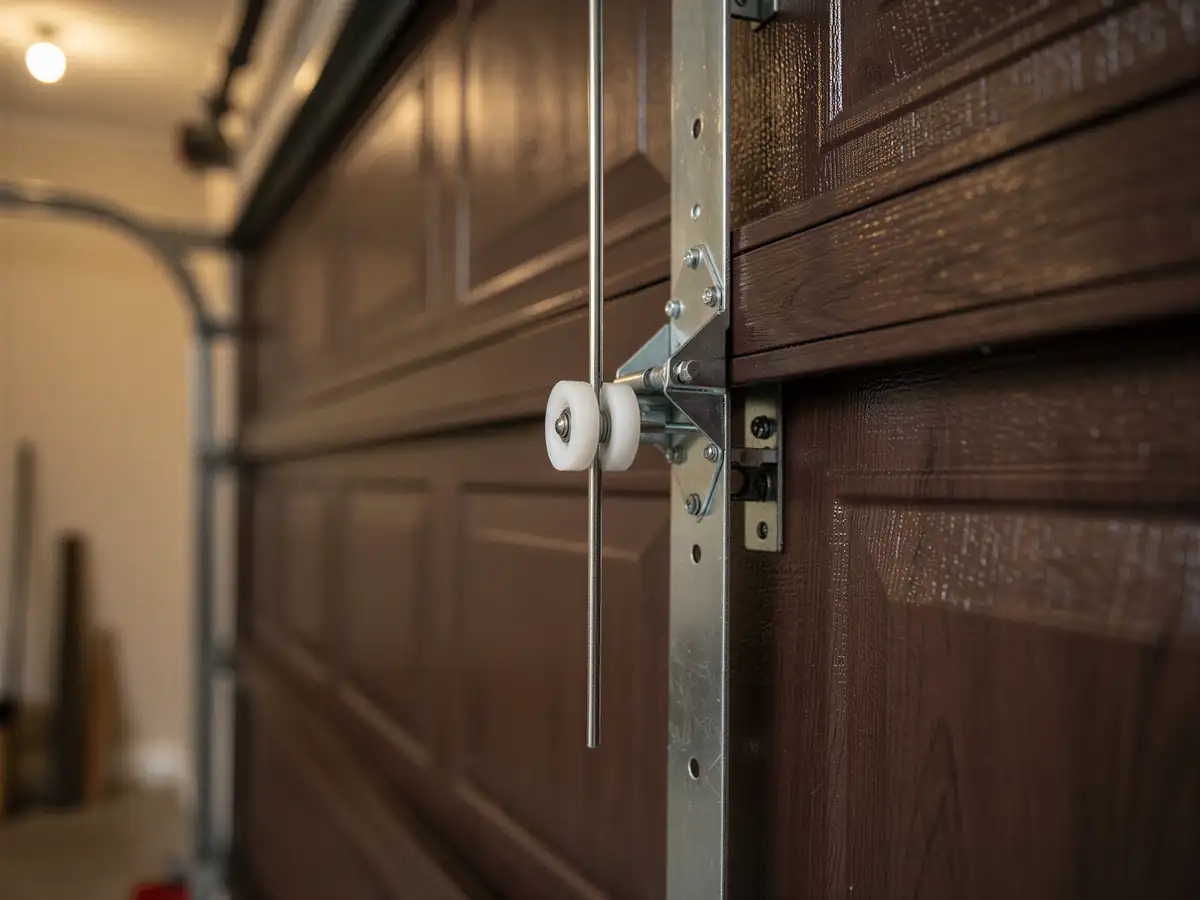
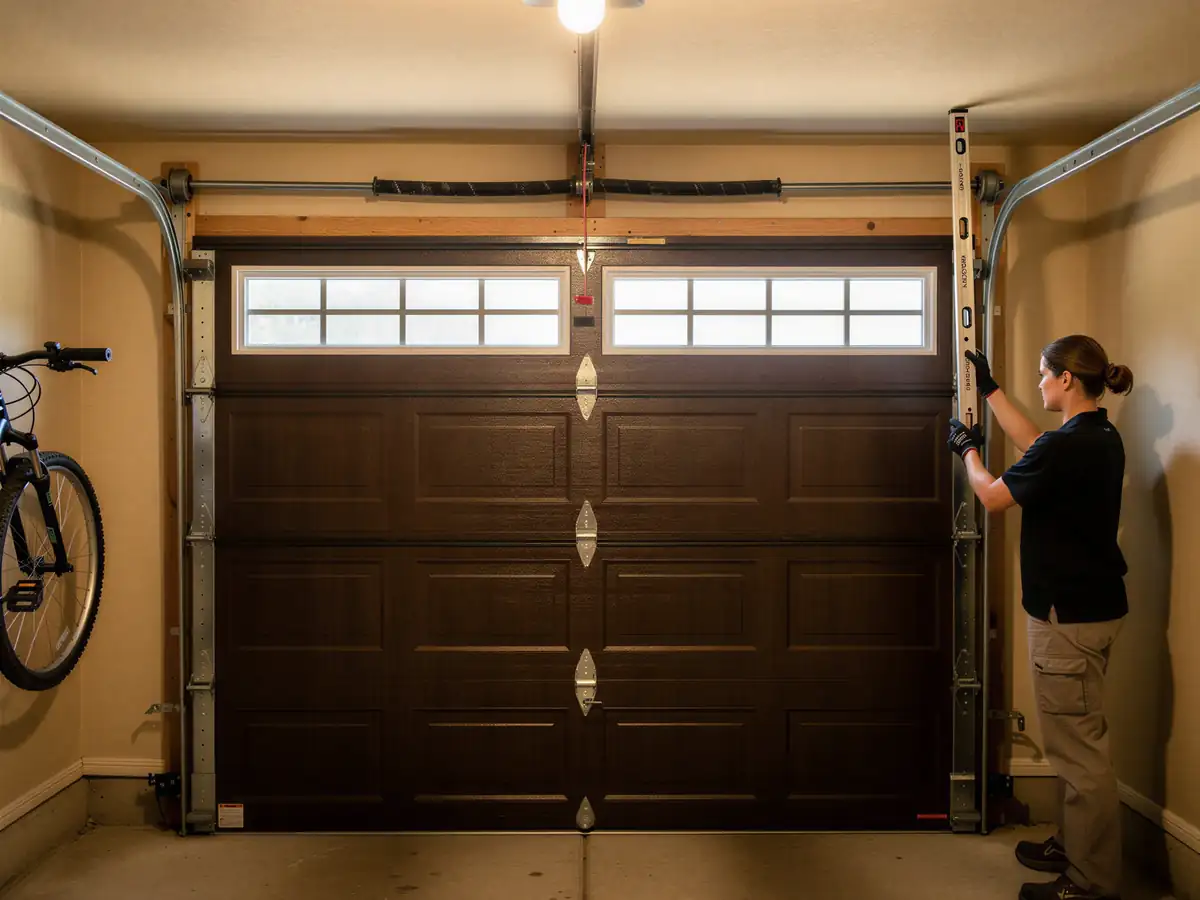
Union City's housing stock skews newer than a lot of what we see closer to Santa Clara - more of it went up around 1979 than in the 1960s wave that shaped a lot of the service area. That matters for parts. Doors from that era are more likely steel sectional panels on extension spring setups than the older one-piece doors on side-mounted torsion hardware we find in some of the 1960s neighborhoods we also cover. We carry standard-size extension springs, rollers, and cables for that generation of door on the truck, along with the torsion springs and drums that cover the earlier builds. Openers are the wildcard - a house built in 1979 has usually had at least one opener swap since, so what's actually bolted to the ceiling could be from any decade. We stock the common chain-drive and belt-drive logic boards and safety sensors that cover most of what we run into, and we carry extra travel limit switches, since those fail often enough on older units to be worth keeping on hand.
What Causes It Around Here
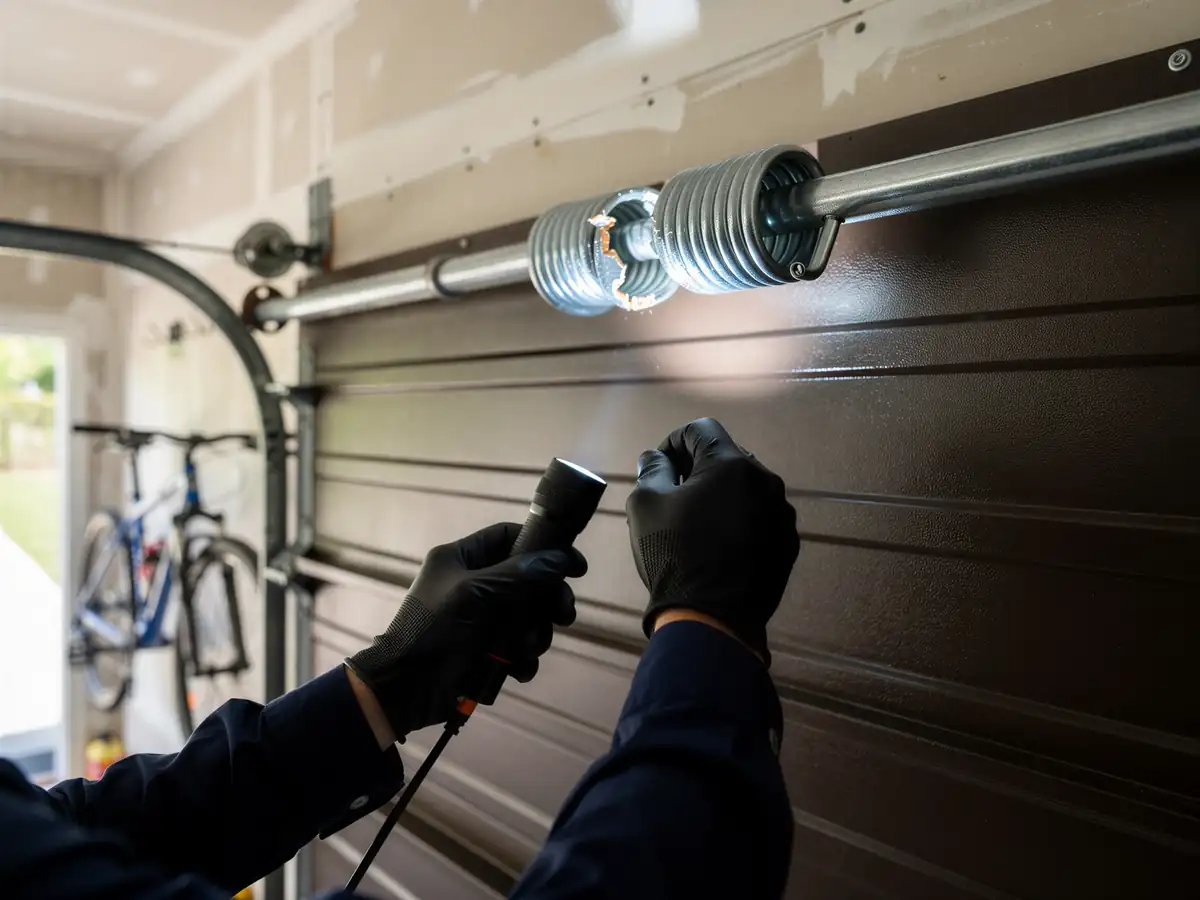
The mild temperate climate across this service area means we're not chasing the rust and ice-jam failures you'd see somewhere with hard winters. In Union City the wear pattern tracks more with age and use than weather. A door built around 1979 is now old enough that its original springs are well past a normal cycle count, even if the door looks fine - springs fail on a cycle count, not a calendar, and nobody tracks that number until the spring snaps. Extension springs without proper safety cables are the most common issue we find on houses from this build era, since that safety hardware wasn't standard when a lot of these doors went in. We also see a fair number of openers that were upgraded once in the 1990s or 2000s and are now due again. With 21,202 households in Union City, the volume of calls we get tends to cluster around these same two or three failure points rather than anything unusual to the area.