What Causes It Around Here
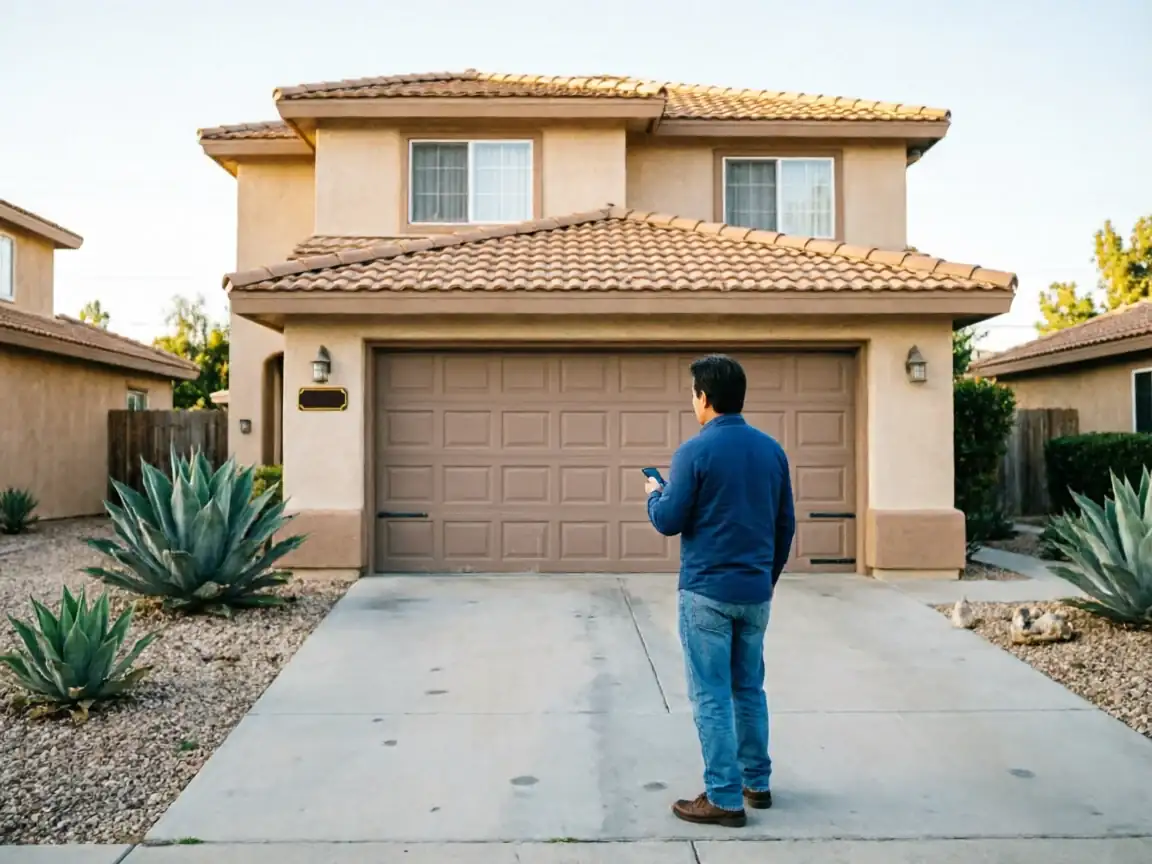
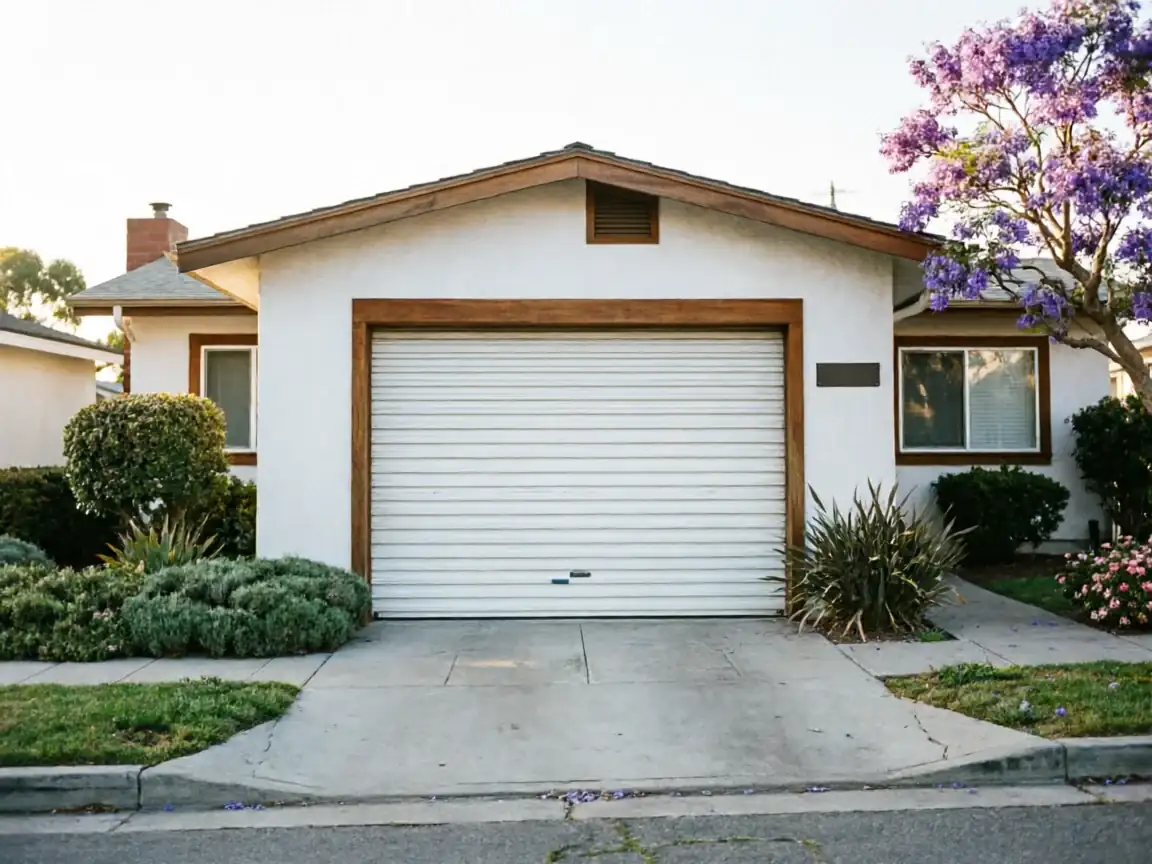
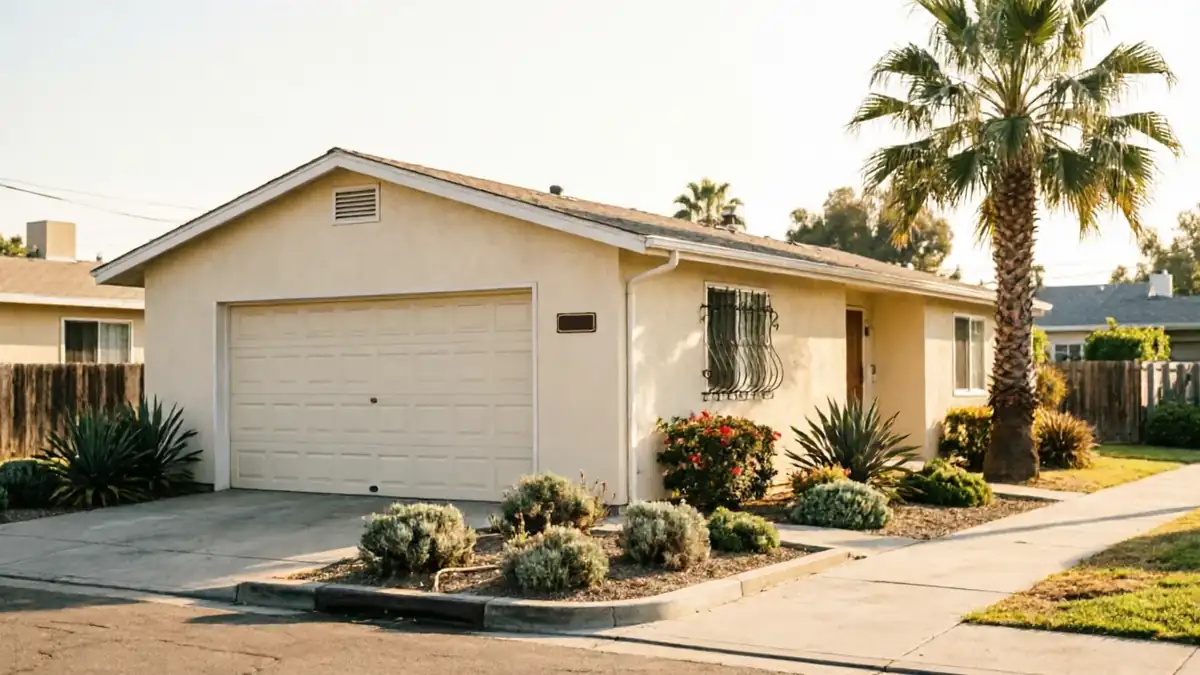
Most of the houses we get called to in Santa Clara went up between 1947 and 1987
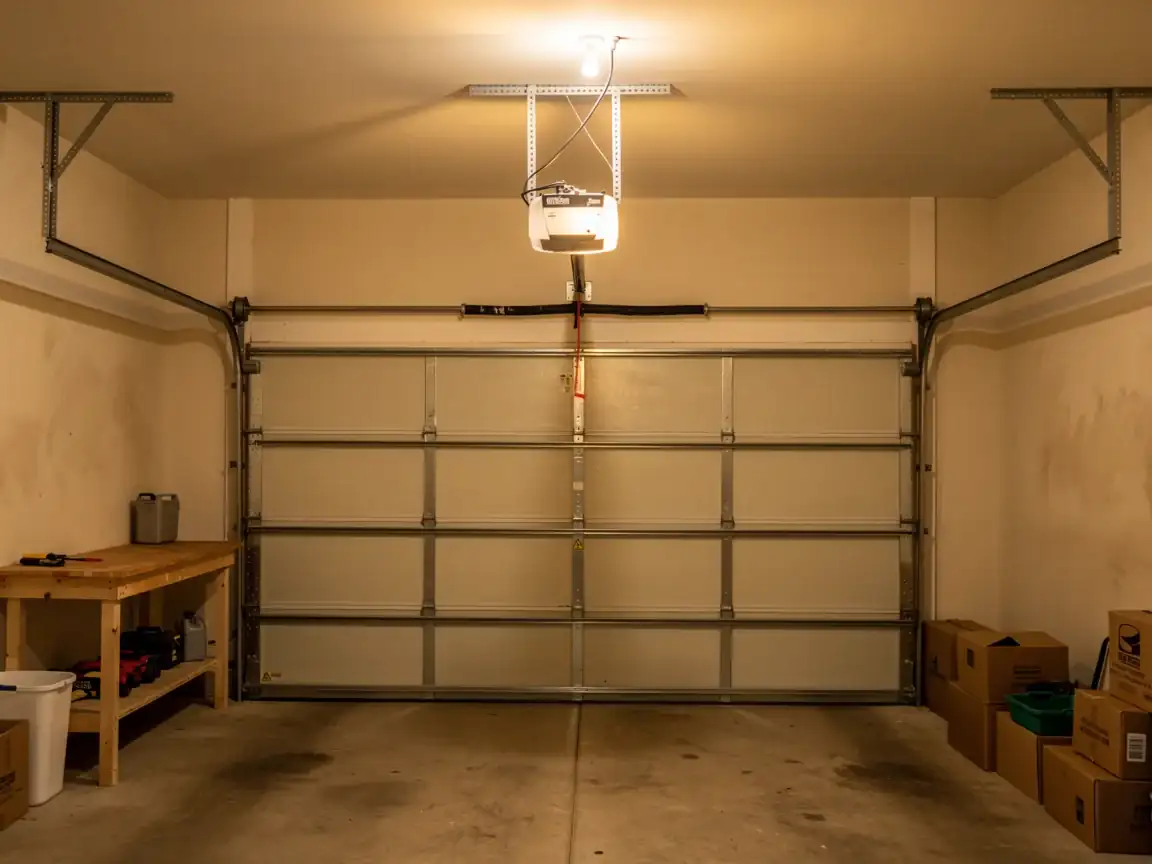
With the bulk of that stock dating to the 1960s and 70s across the neighborhoods we work in -. That means a lot of original torsion spring setups and tracks that have been painted over, adjusted a dozen times, or never touched since the house was framed.
The mild temperate climate here doesn't put the stress on doors that you'd see from freeze-thaw cycles or heavy humidity swings
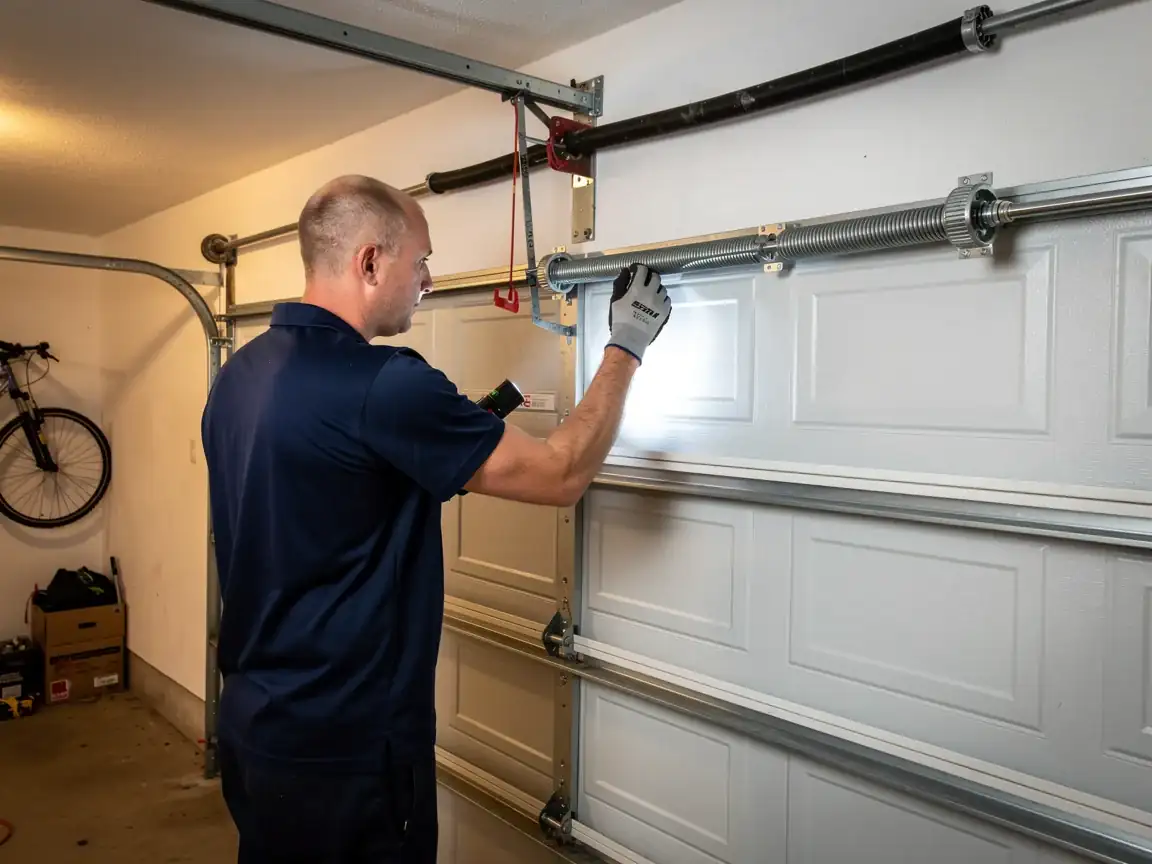
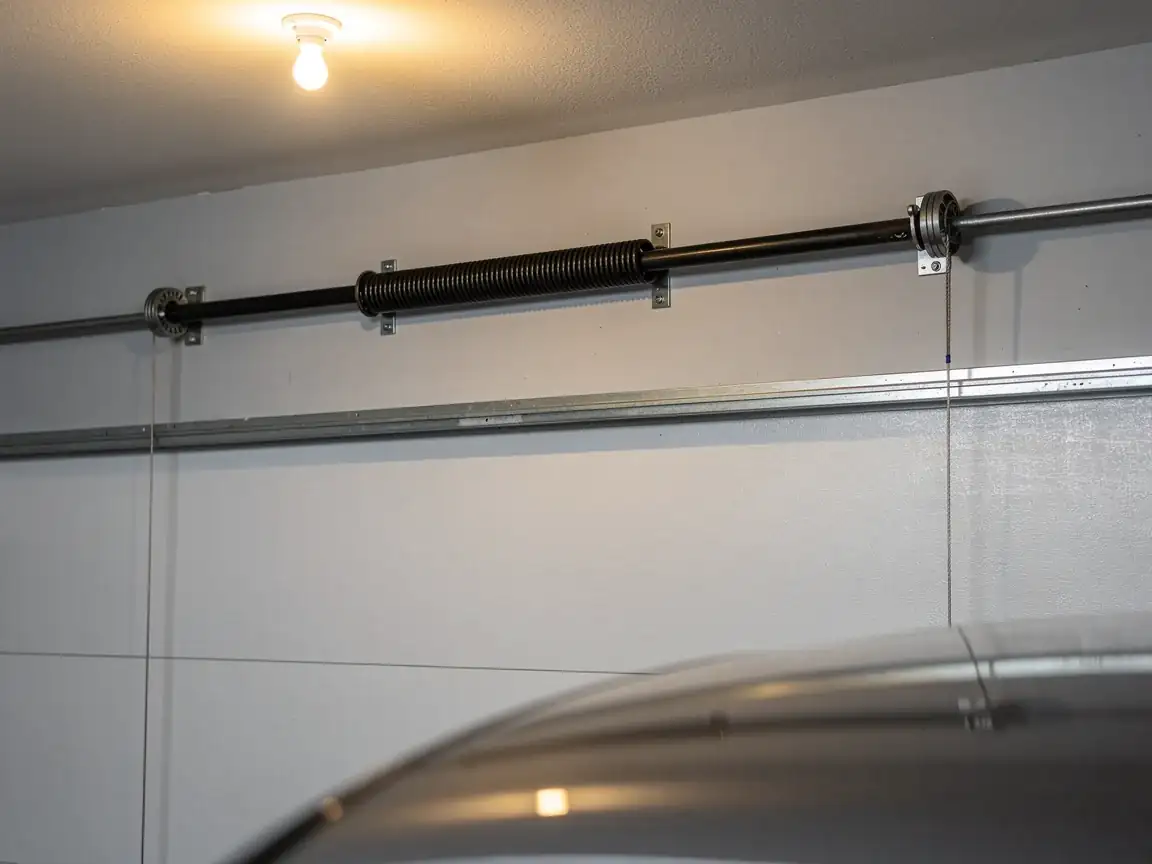
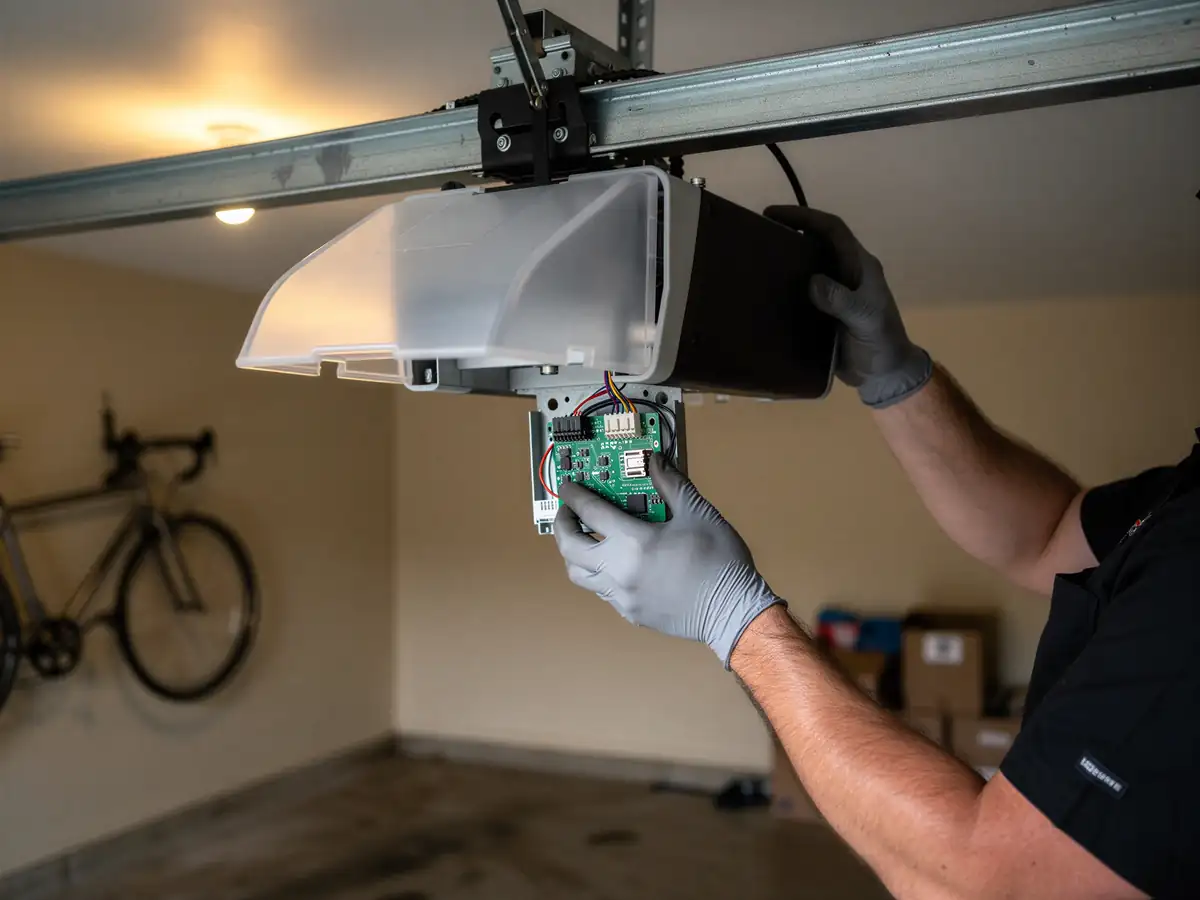
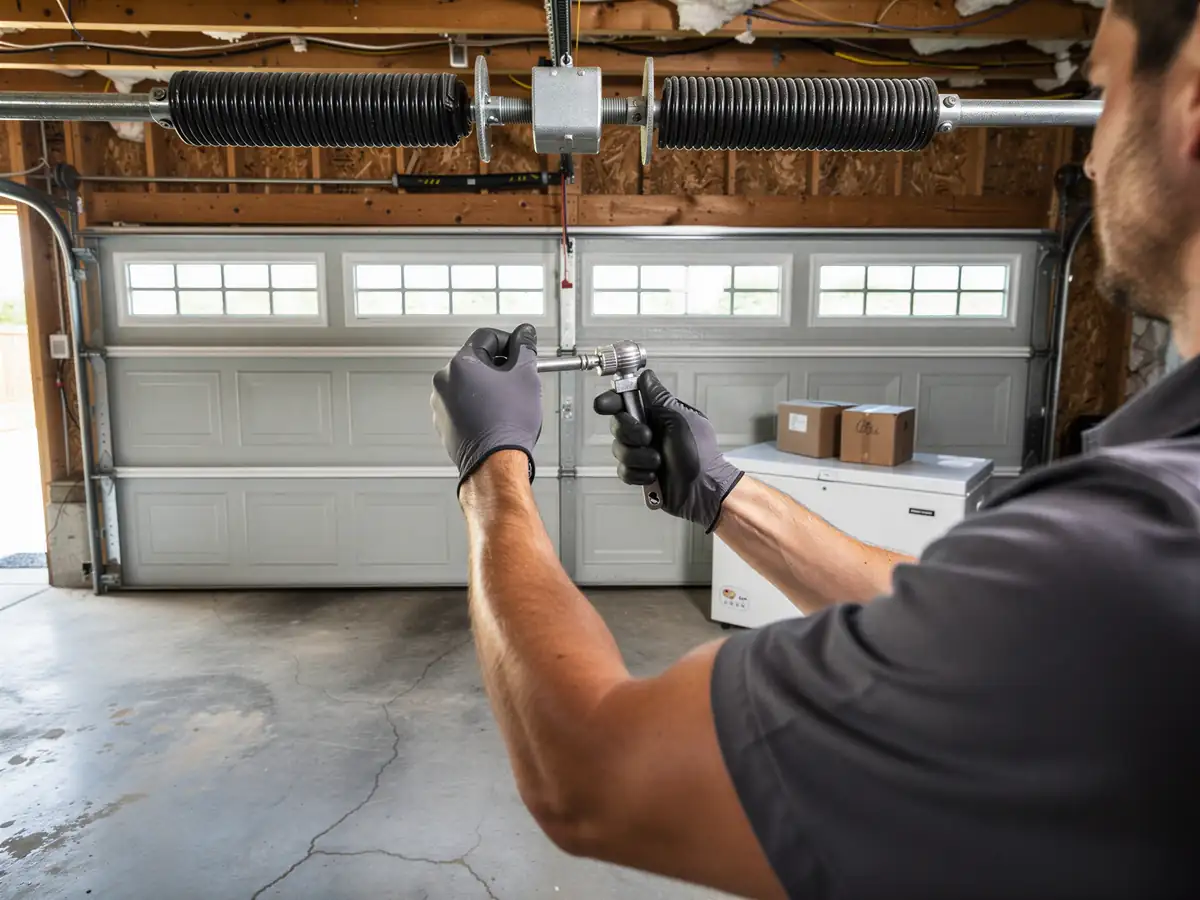
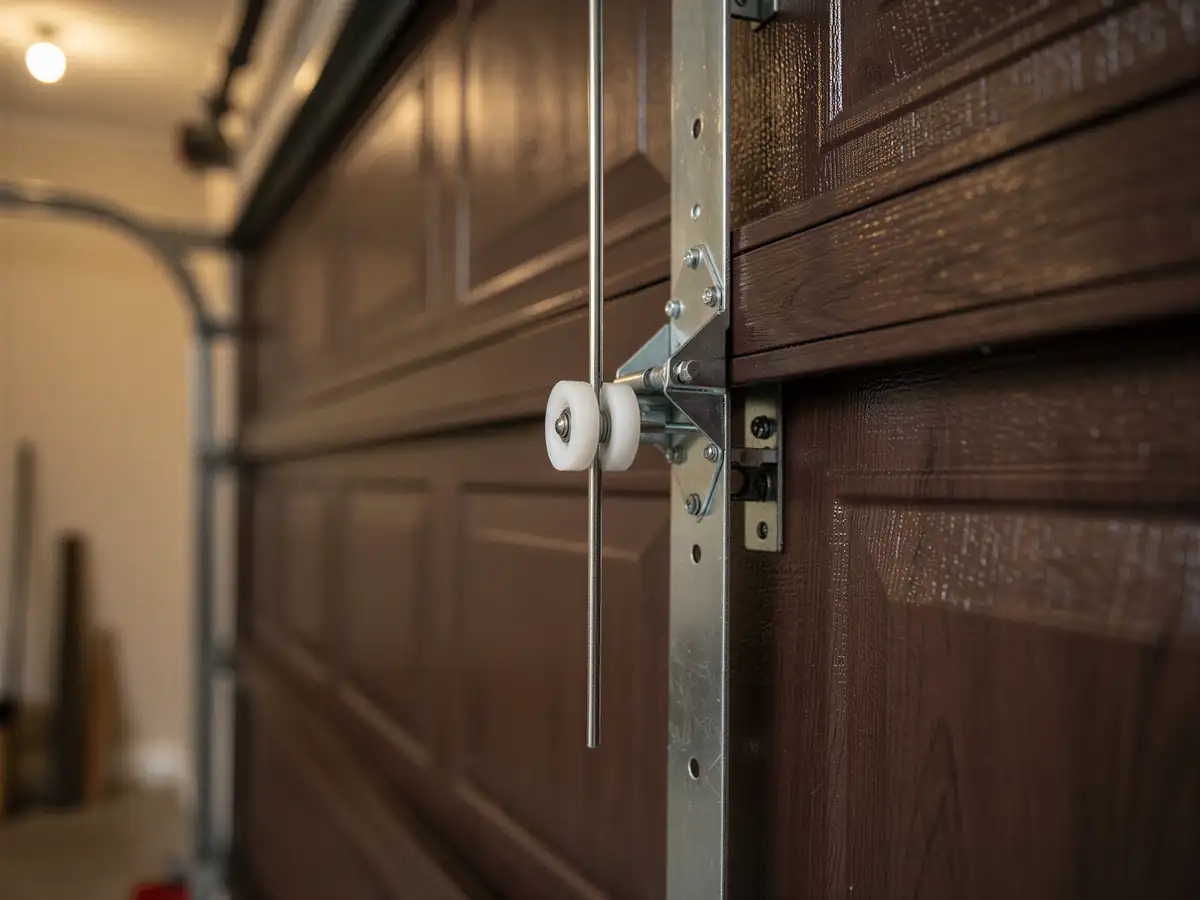
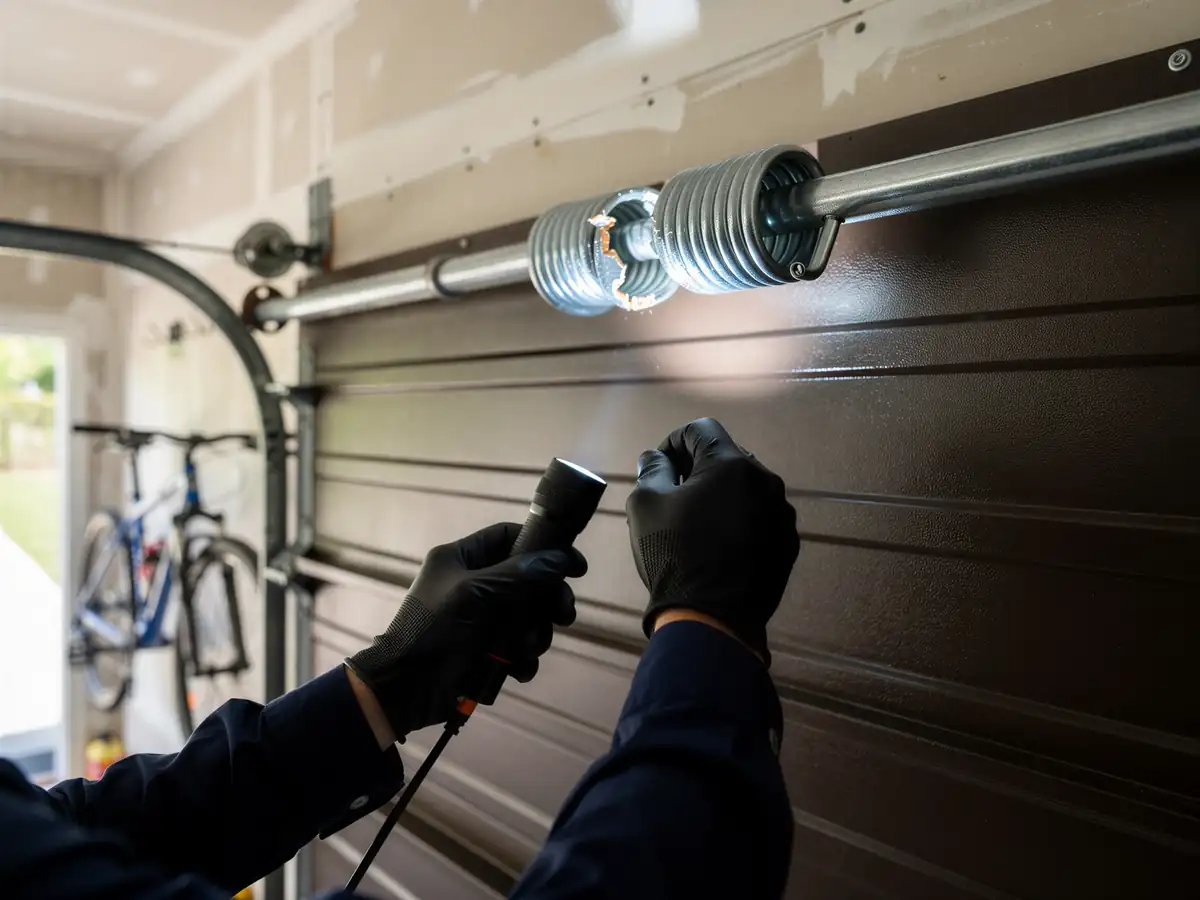
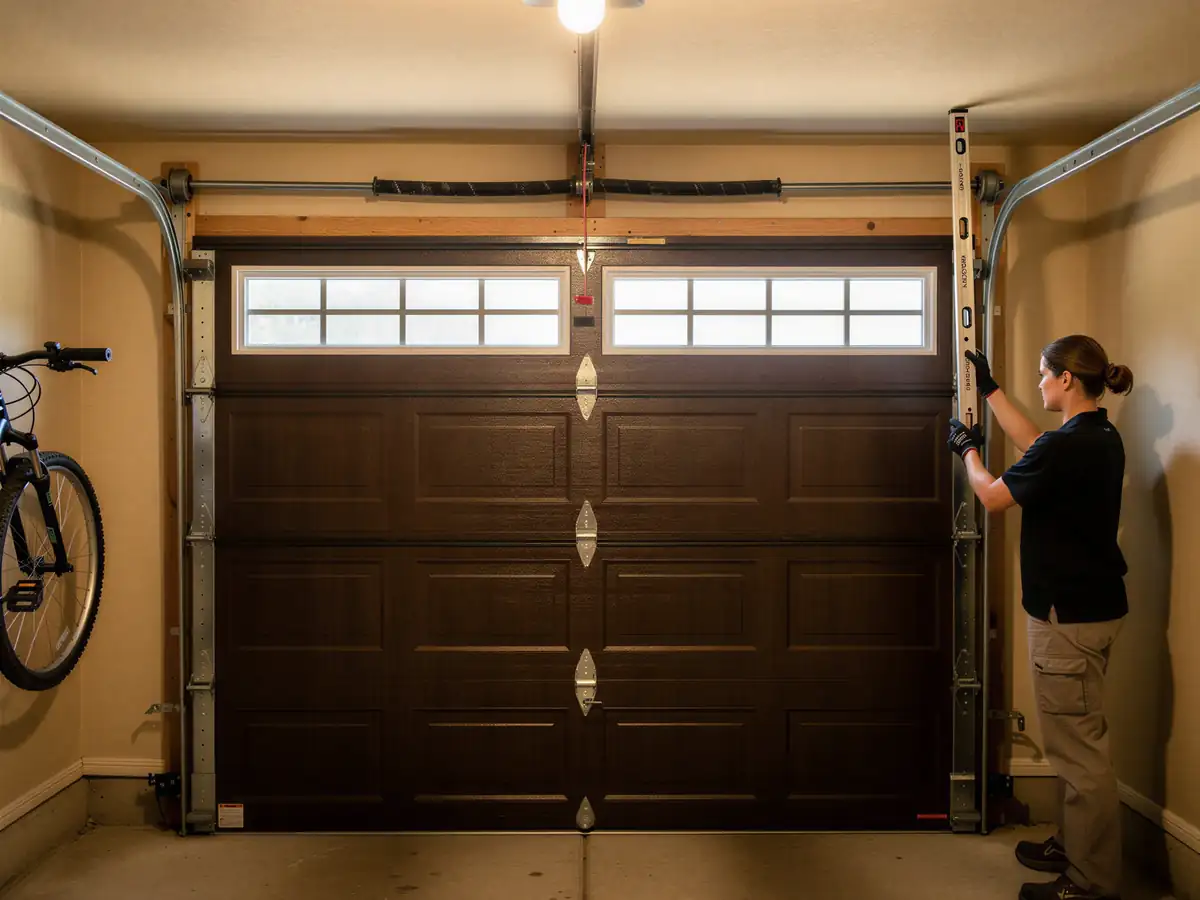
So Santa Clara garage doors don't usually fail from weather damage. What they fail from is age and cycle count - a torsion spring rated for a certain number of open-close cycles just runs out, and on a 1960s door that's often the original spring, never replaced. Rollers wear out of round, cables fray at the drum, and openers from a prior remodel reach the end of their circuit board life.
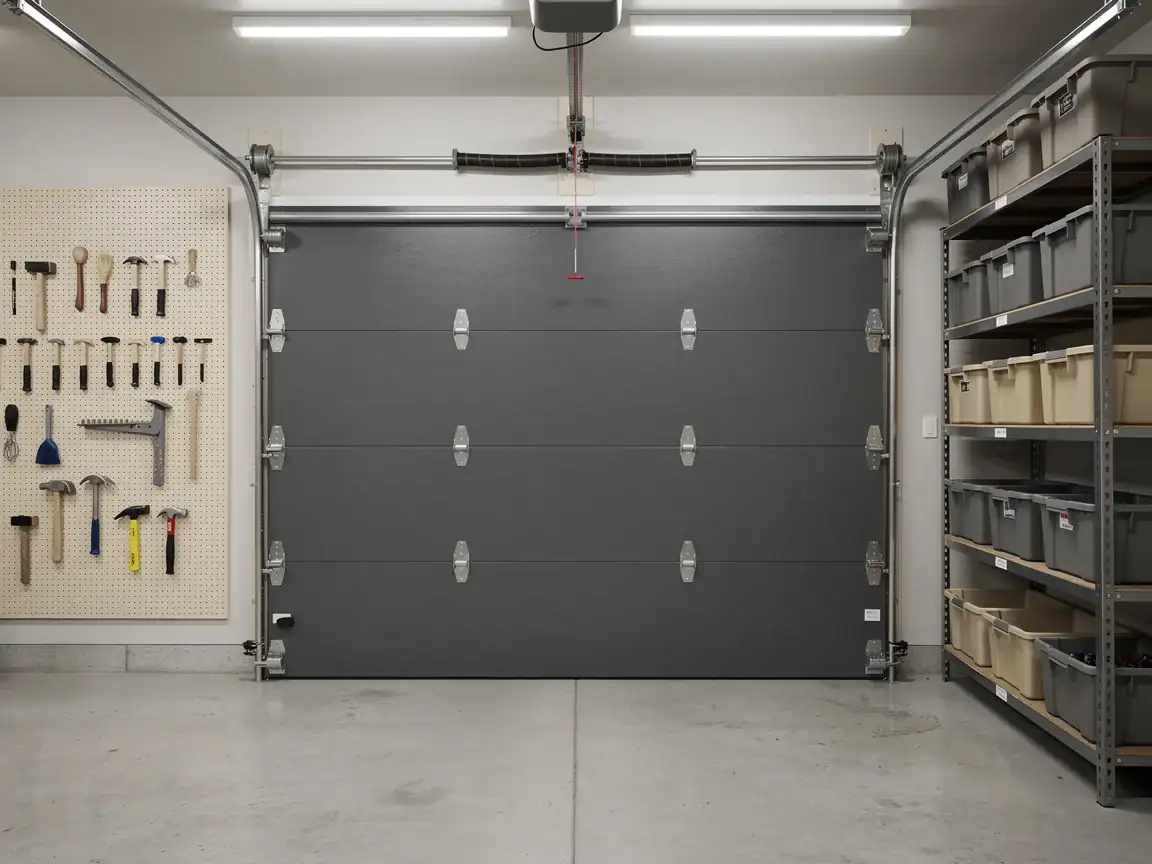
We also see a fair number of homes where a previous owner swapped in a newer opener but left the original track and hinges in place
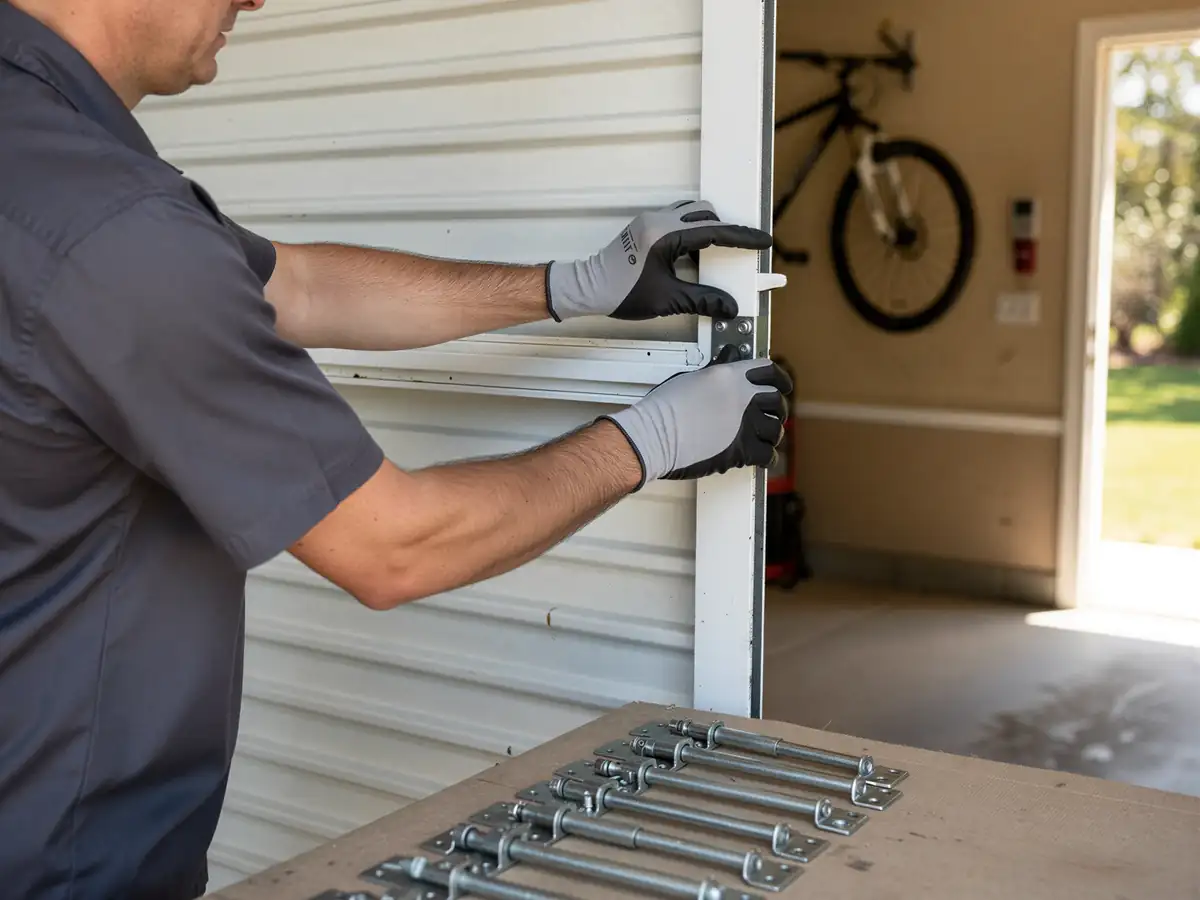
Which creates mismatched wear - the new motor is strong enough to force a bent track or a stuck roller instead of stalling out, and that's when a bracket lets go or a panel cracks.
What You Pay
We don't post a flat price list here because what a torsion spring replacement costs versus a full opener swap versus a bent track repair are different jobs with different parts, and the honest number depends on what's actually wrong once we're looking at the door. What we can tell you is that we price the job after a diagnosis, not before, and we'll walk you through the parts cost versus labor before anything gets replaced.
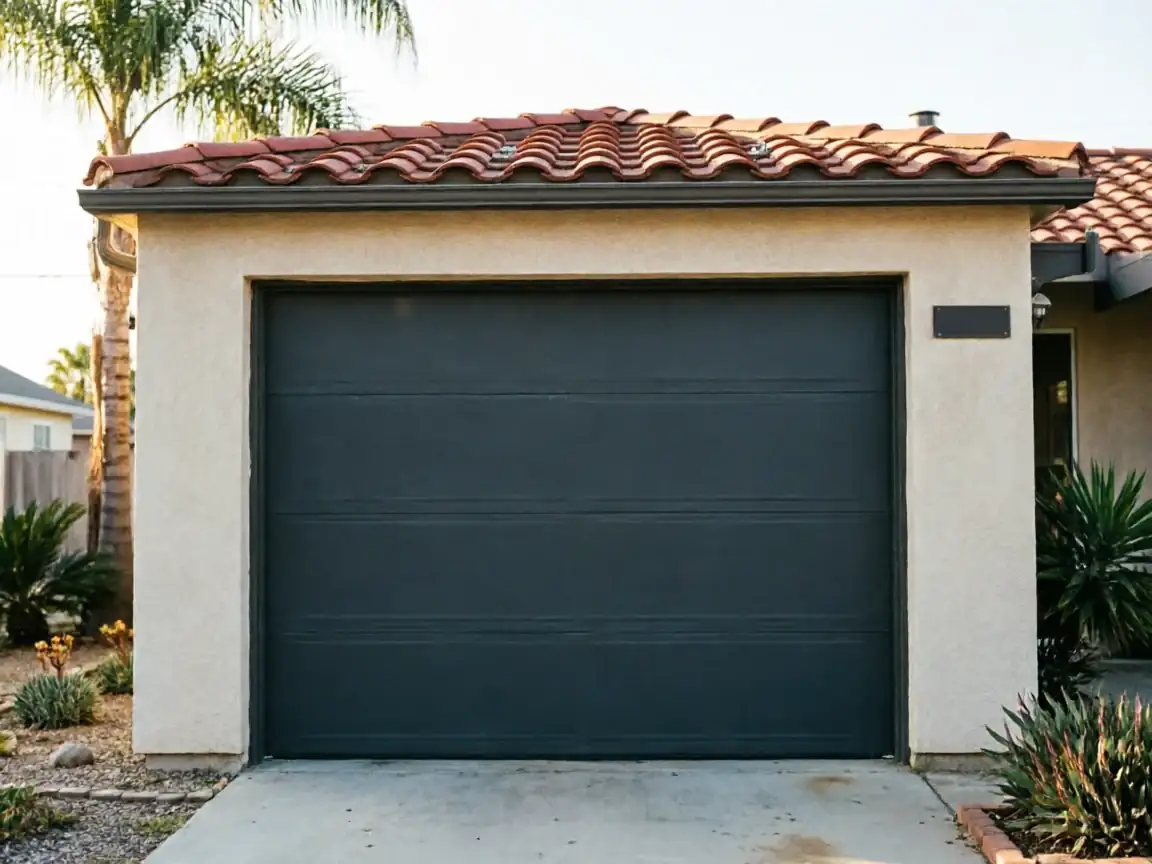
If your door is original to a 1960s or 70s Santa Clara build, factor in that some parts - specific spring wind sizes, older track profiles - aren't sitting on a shelf at the big box store, and sourcing the right match can take a little longer than a same-day opener swap. We'll tell you up front if that's the case rather than quoting a number we can't hit.
What You Are Seeing
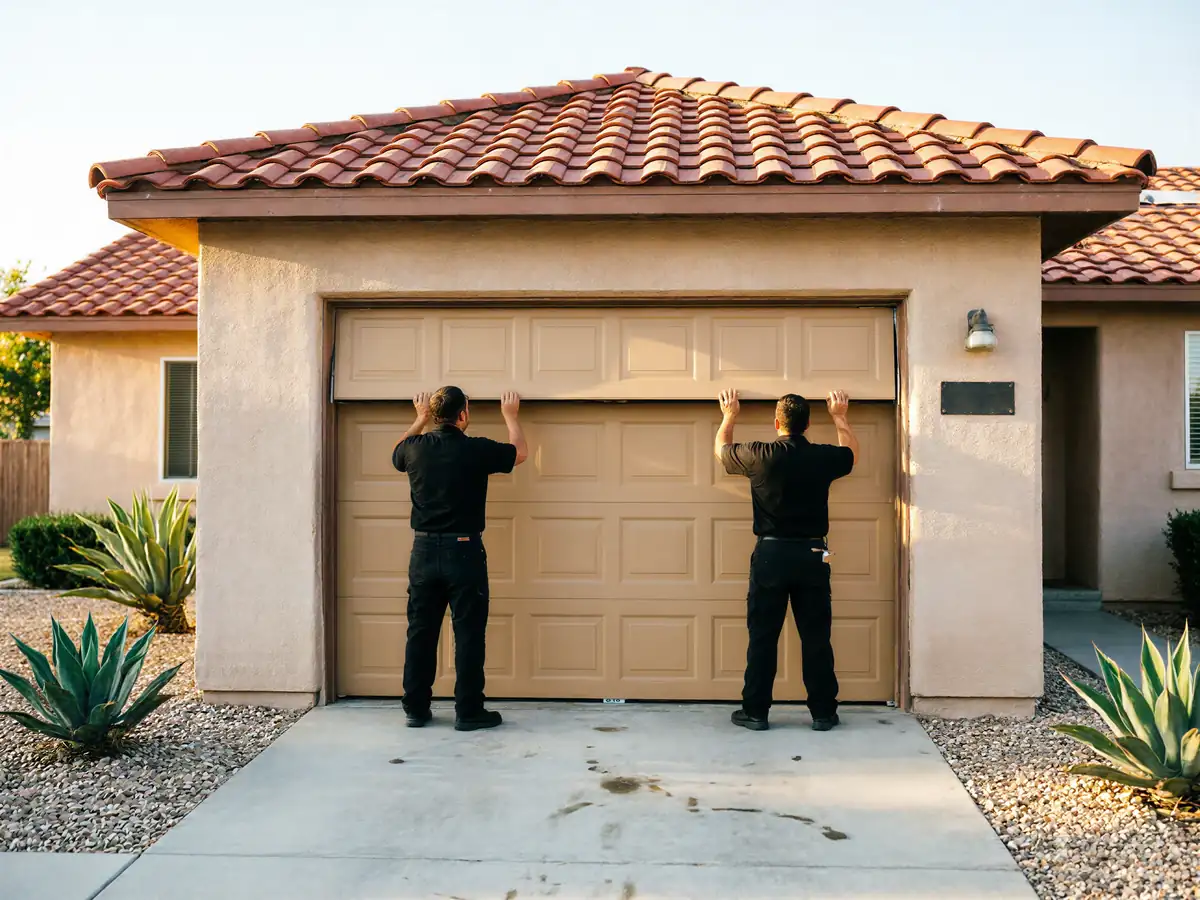
If your door is slow to open, makes a grinding noise at the top of the track, or the opener runs but the door barely moves, that's usually a spring that's lost tension - common on original torsion springs in houses from this era. A door that opens unevenly, with one side higher than the other, is often a cable that's slipped off the drum rather than a full spring failure, and it's a different repair.
A door that reverses right after it touches the floor, or won't close at all, points to the safety sensors or the travel limit on the opener - on older units without updated photo-eye sensors, this shows up more because the original hardware doesn't always play well with newer safety requirements. Rust streaks or flaking paint on the tracks themselves are mostly cosmetic given the mild climate here, so that's rarely the actual problem even when it looks bad.
A door that's heavy to lift by hand with the opener disconnected is almost always a spring issue, not an opener issue - don't let anyone tell you otherwise without checking the spring first.
How Long It Takes
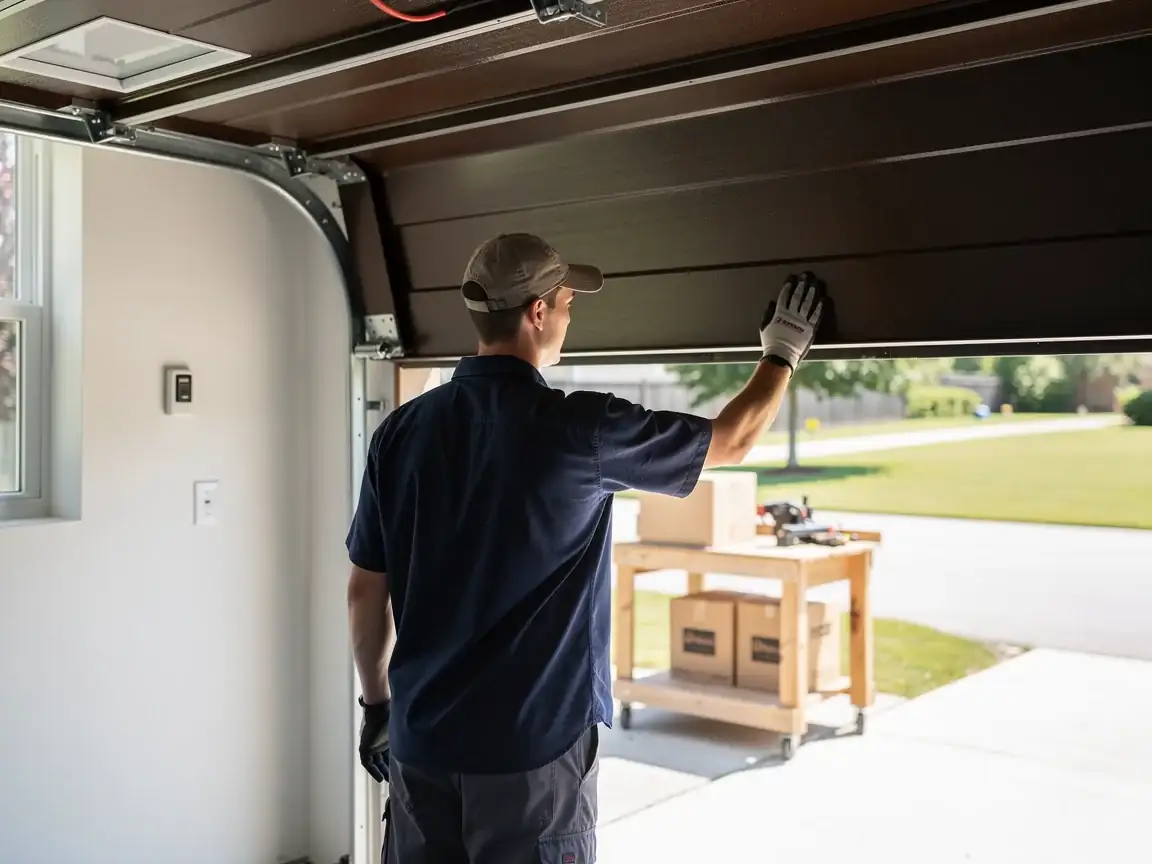
A straightforward torsion spring replacement or cable repair on a standard residential door is usually a single visit
Opener replacements are also typically same-visit work once we've confirmed the track and hardware underneath are sound.
Where it runs longer is on original hardware from the 1947-1987 housing stock that needs a part we have to source
An older spring wind size or a track profile that doesn't match current standard dimensions. We'll tell you at diagnosis if that's the situation rather than promise a timeline we can't back up. We don't stock every legacy part for every build year, and that's a real limitation - sometimes the honest answer is that a full replacement with current hardware is faster and more reliable than hunting down an exact match for a 60-year-old track.