What Causes It Around Here
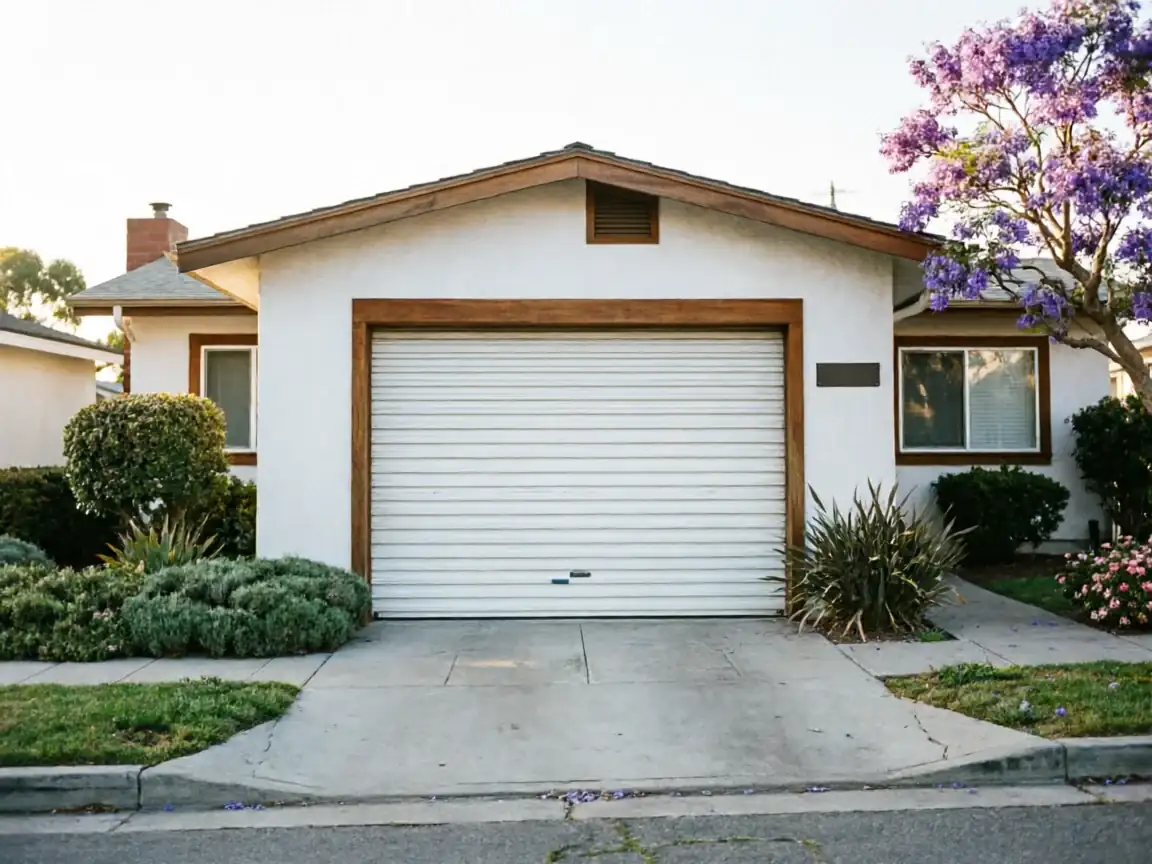
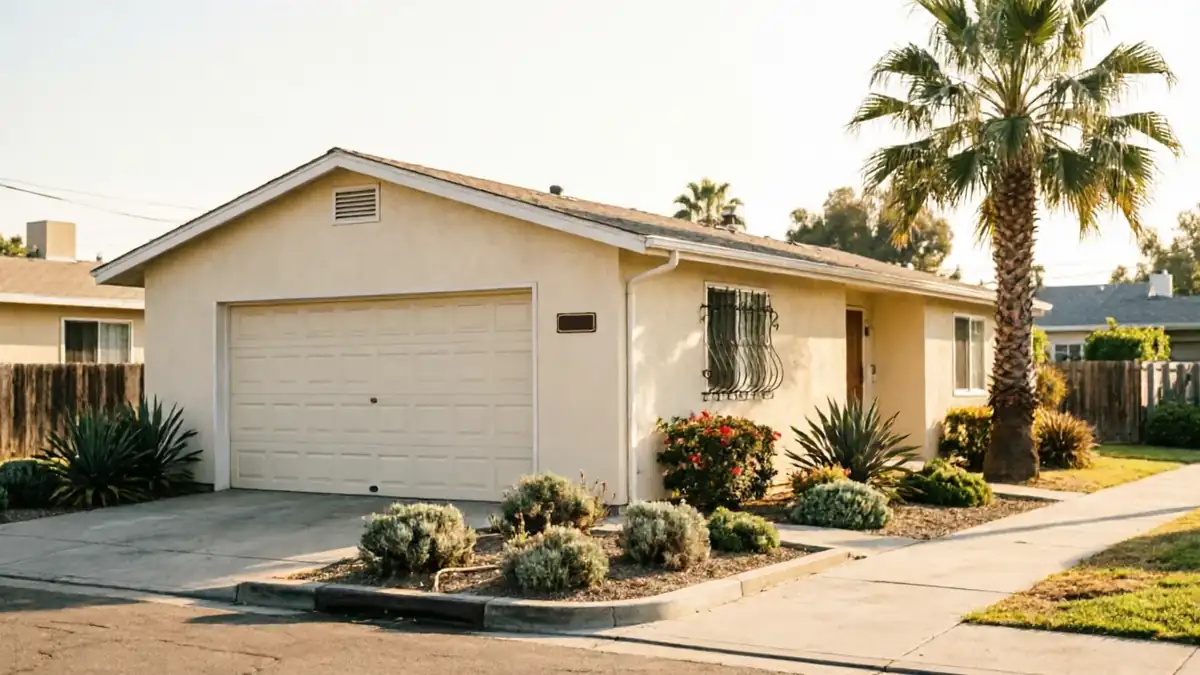
Housing across this service area mostly went up between 1947 and 1987
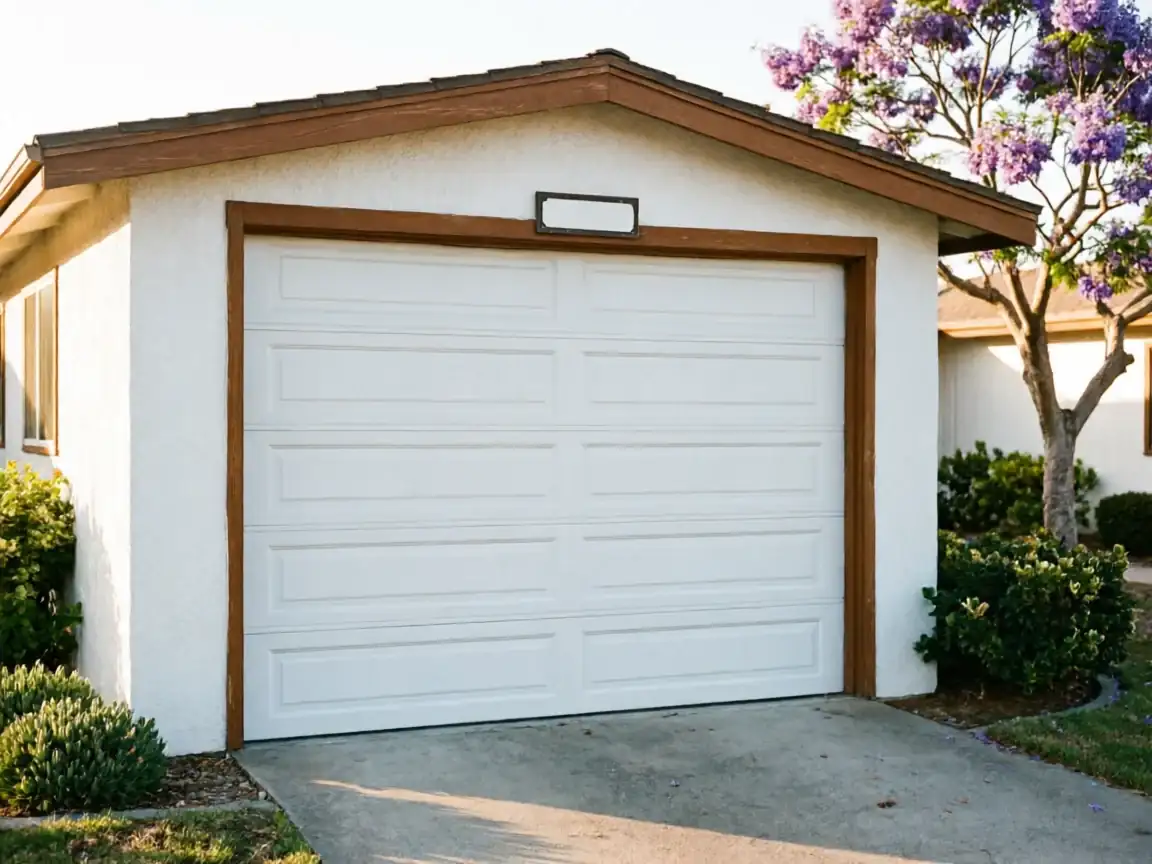
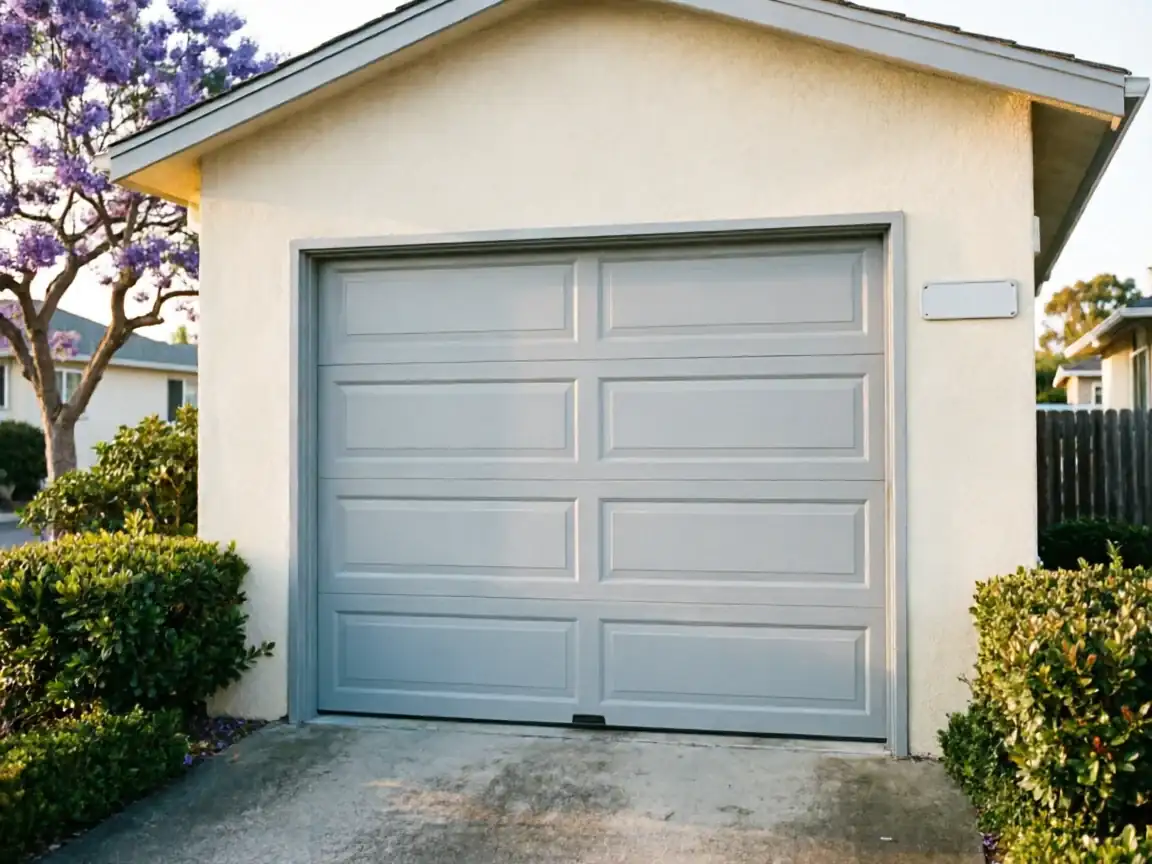
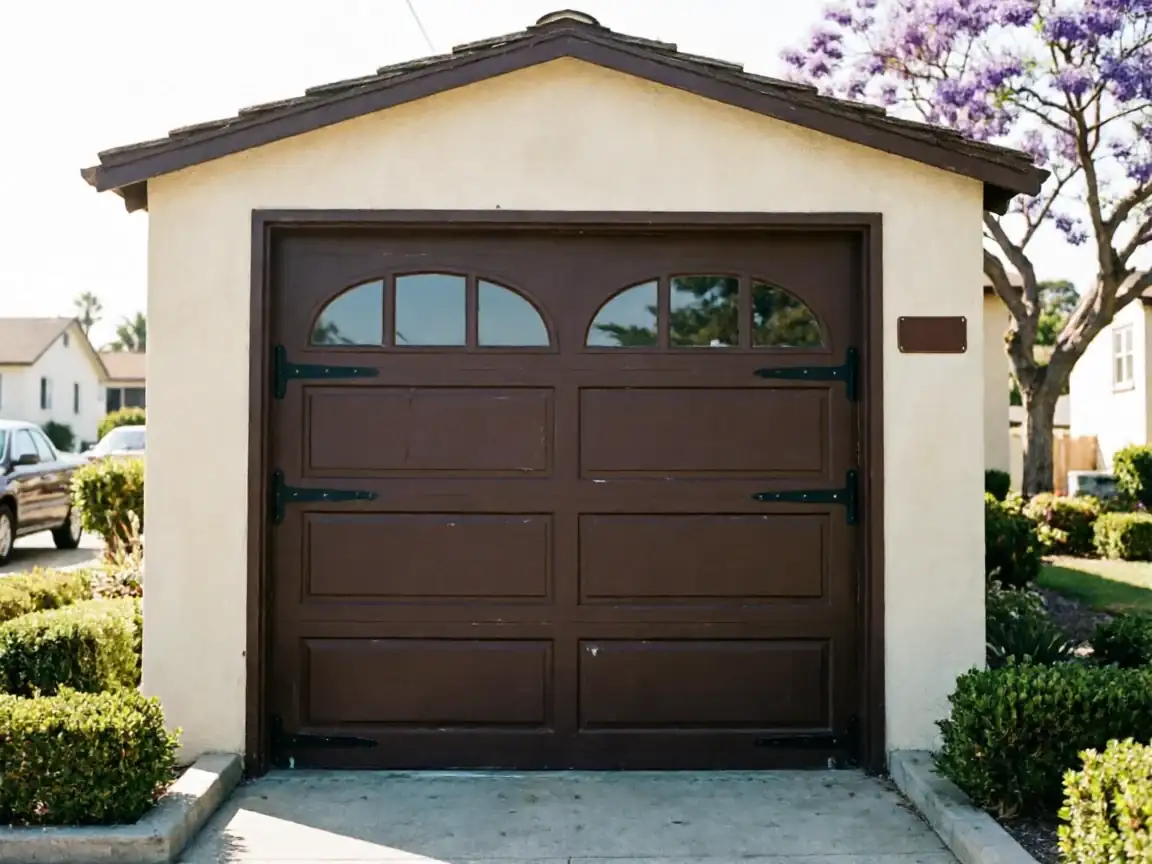
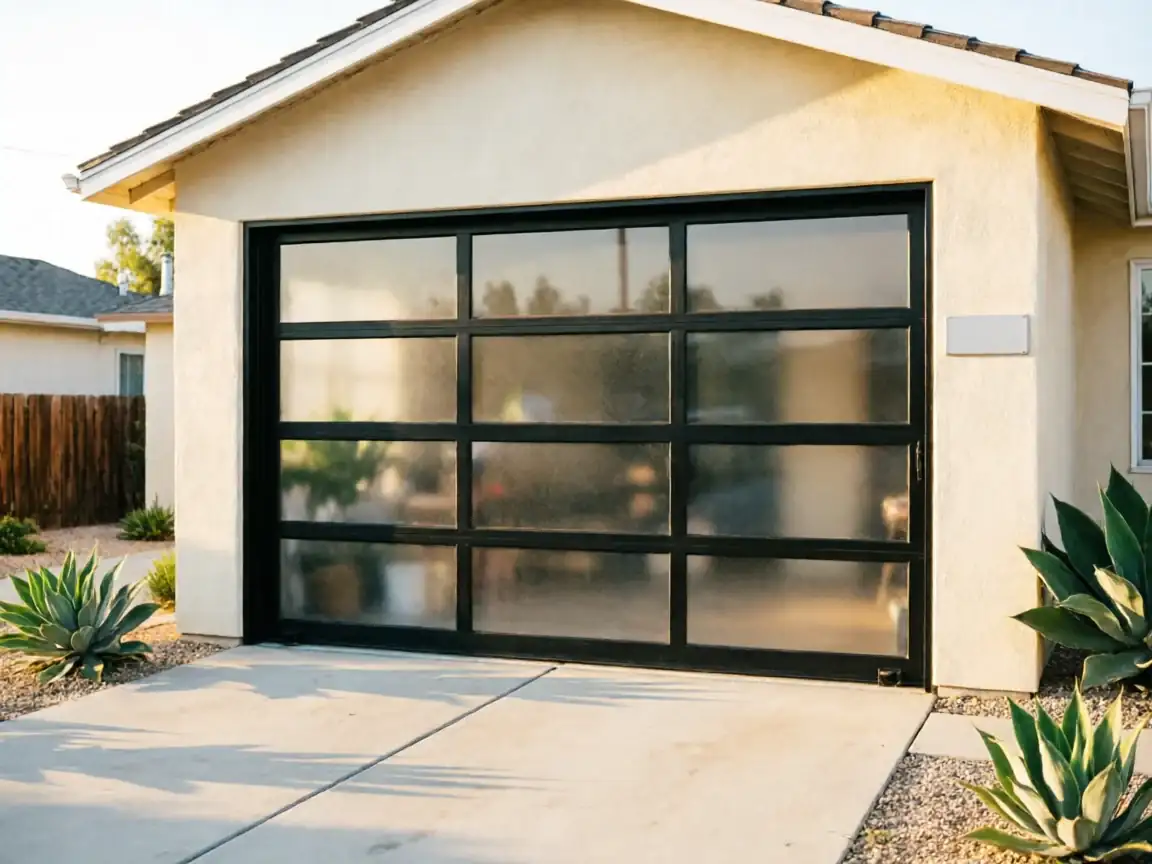
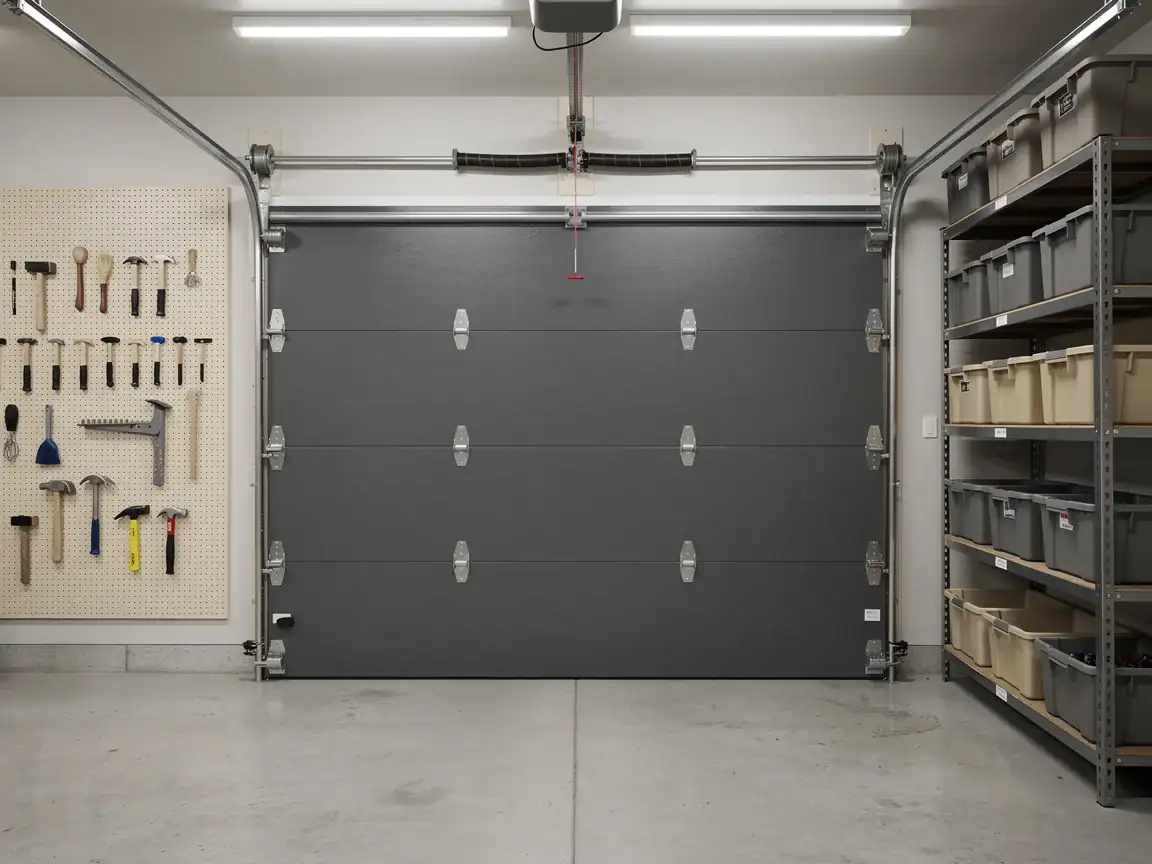
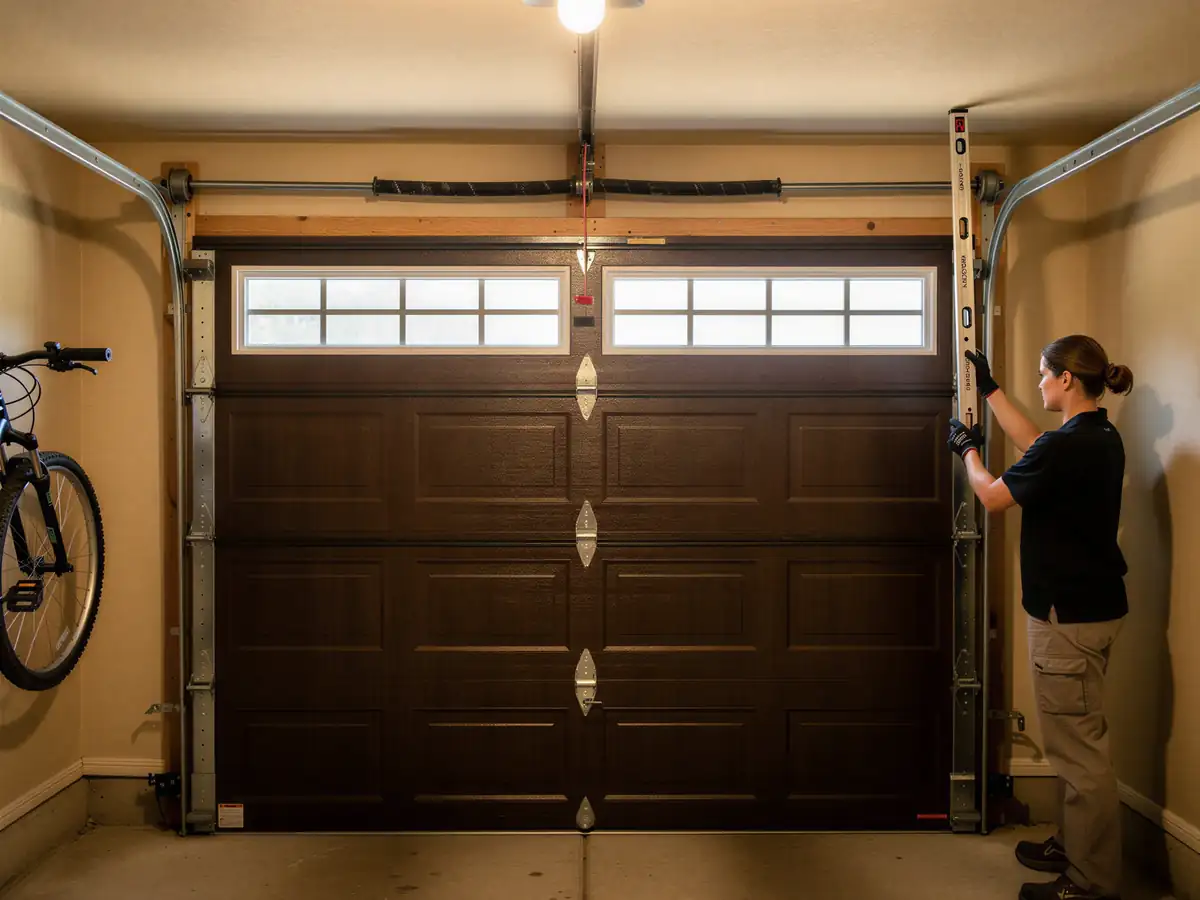
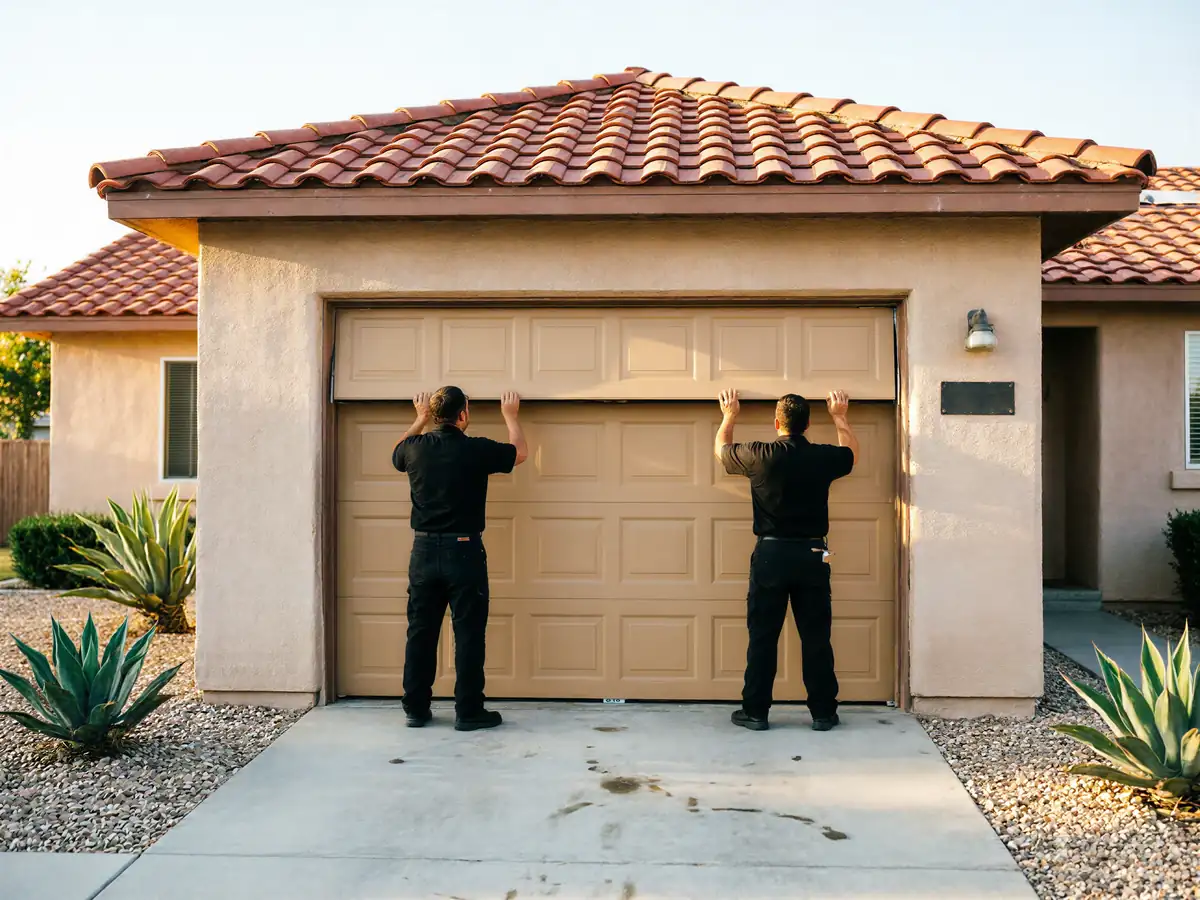
With the median build year sitting around 1964, and that matters for panel failure more than people expect. A door installed on a house from that stretch is usually steel-skinned with a wood or early foam core, hung in sections that were never meant to be mixed and matched decades later. When one panel on a 1960s or 70s door takes a hit - a trailer hitch backing in wrong, a basketball hoop bracket that finally gives - the rest of the door often doesn't match anything a supplier still stocks off the shelf.
The mild temperate climate here doesn't put the stress on doors that freeze-thaw regions see
So you're less likely to get cracked seams from ice. What you get instead is slow UV fade and dry-rot at the bottom panel, where irrigation overspray or a low spot in the driveway keeps the base of the door damp longer than the rest of it. That's the panel that goes first, even on a door that otherwise looks fine. Across the 26 named areas we work in, this is the single most common reason a homeowner calls about panel replacement rather than a full door swap - the frame and hardware are sound, but one or two sections have had it.
What You Pay
We don't post a flat number here because panel pricing depends on how old the door is and whether the manufacturer still makes a matching section. A door from the 1960s-70s stock common across this area sometimes needs a panel sourced from a specialty supplier rather than a local warehouse, and that changes the job. If your door is a more recent steel model, matching panels are usually easier to find and the job moves faster and cheaper.
We'll tell you straight if your door's age makes an exact match impossible - that happens more than people want to hear, especially on original doors nobody's touched since the house was built. In that case the honest options are a close-enough panel that won't match perfectly, or full door replacement, and we'll walk you through both rather than quietly installing a mismatch and hoping you don't notice.
What You Are Seeing
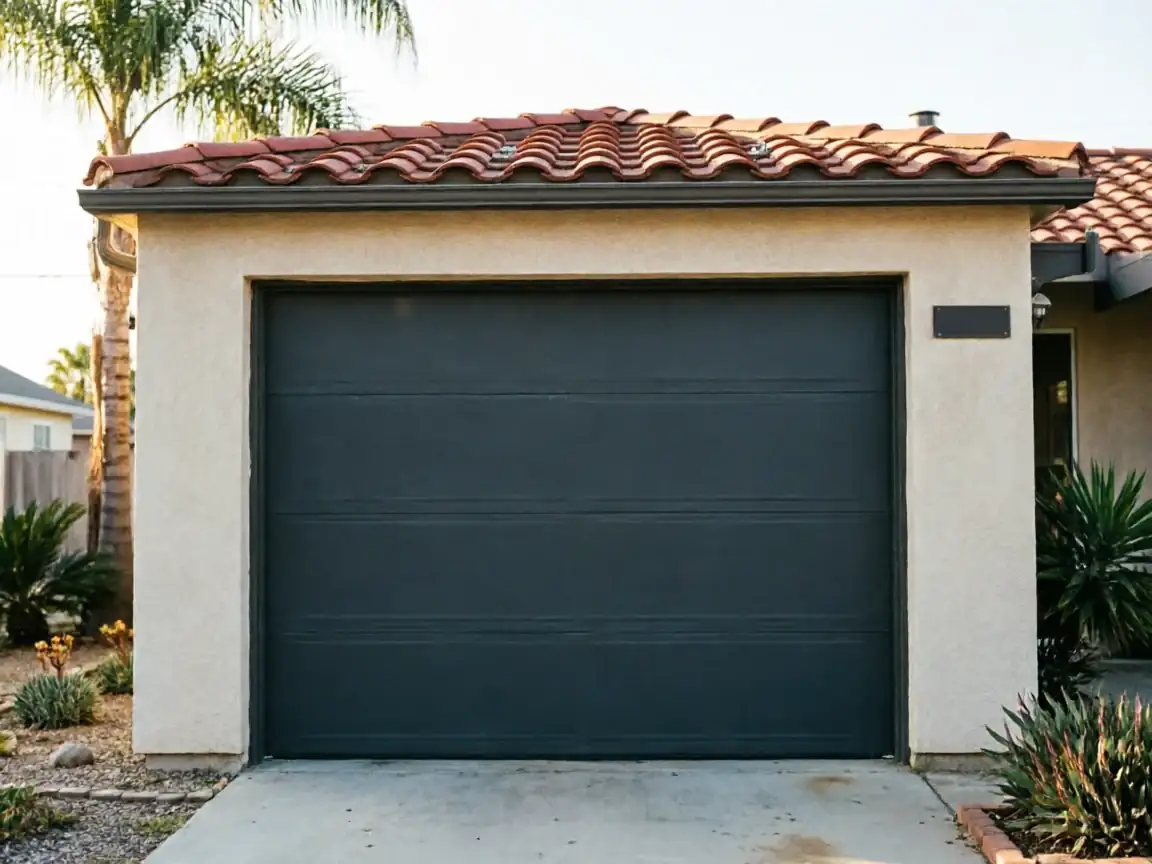
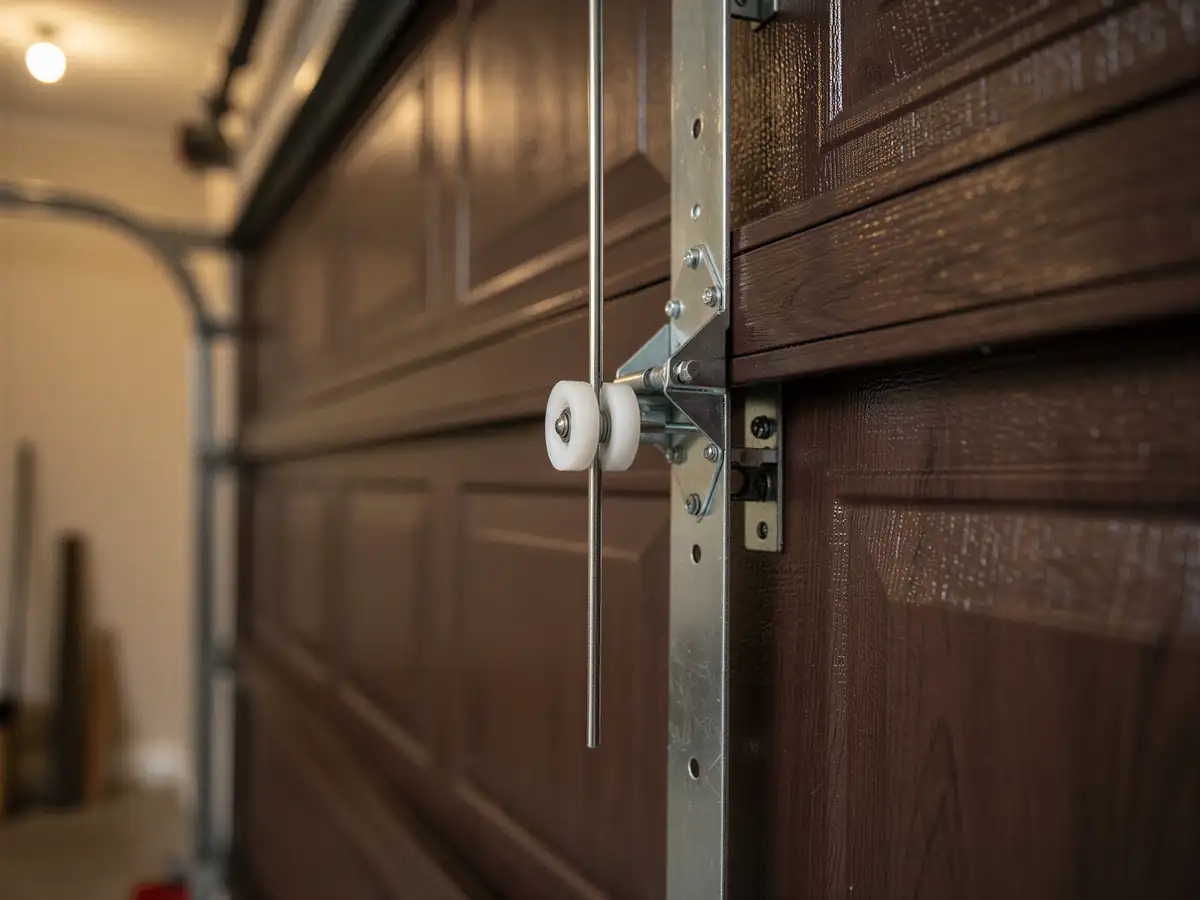
A dented or caved-in panel is the obvious one - something hit the door and one section bowed or cracked. Less obvious is a panel that's delaminating: the steel skin separating from the foam or wood backing, which shows up as a soft spot you can press in with a thumb, usually on the bottom one or two sections where moisture sits longest. You might also see daylight at the seam between panels, which usually means the section has warped slightly rather than failed outright - common on older wood-composite panels from houses built before the 1980s.
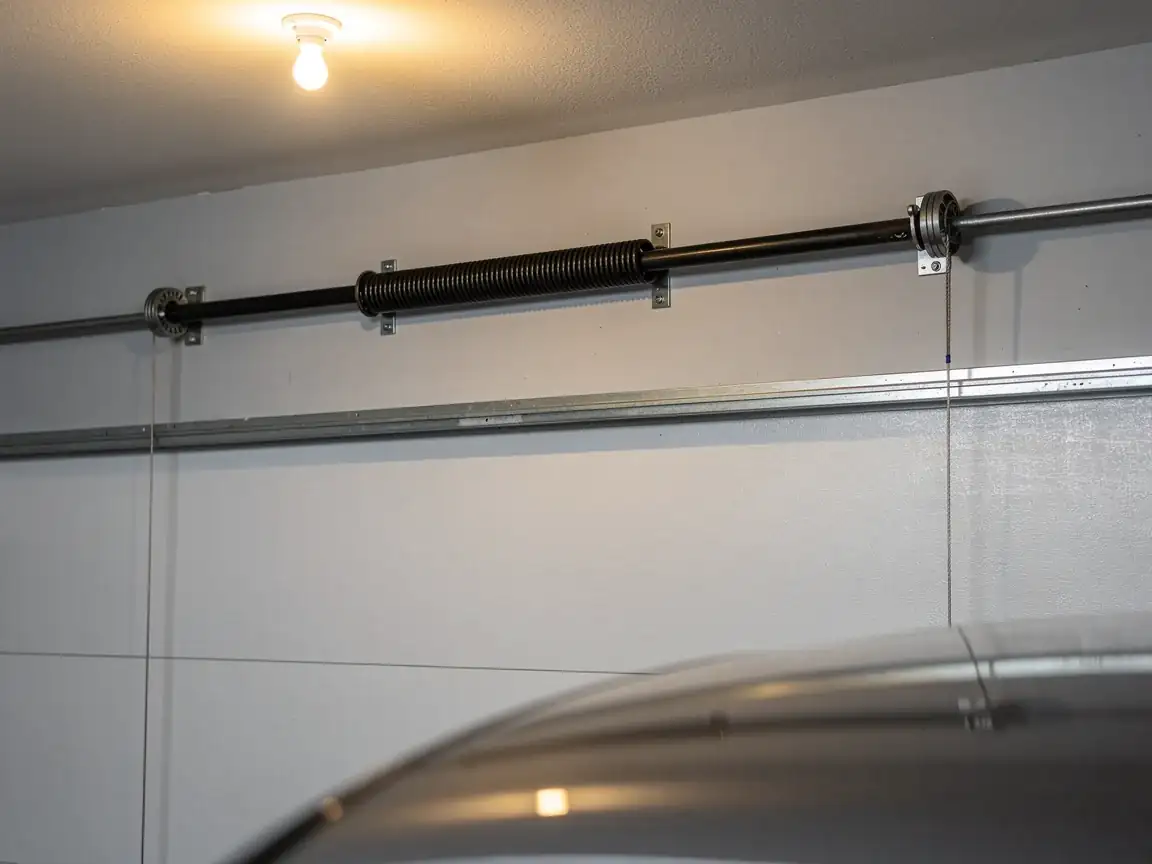
Rust bubbling through the paint on a steel panel, especially near the bottom edge, is another sign specific to older doors in this area's housing stock - the galvanizing on panels made decades ago wasn't as consistent as what's used now. None of these mean the whole door is bad. The track, springs, and opener can all be fine while one or two panels have simply reached the end of their run.
How Long It Takes
A straightforward panel swap
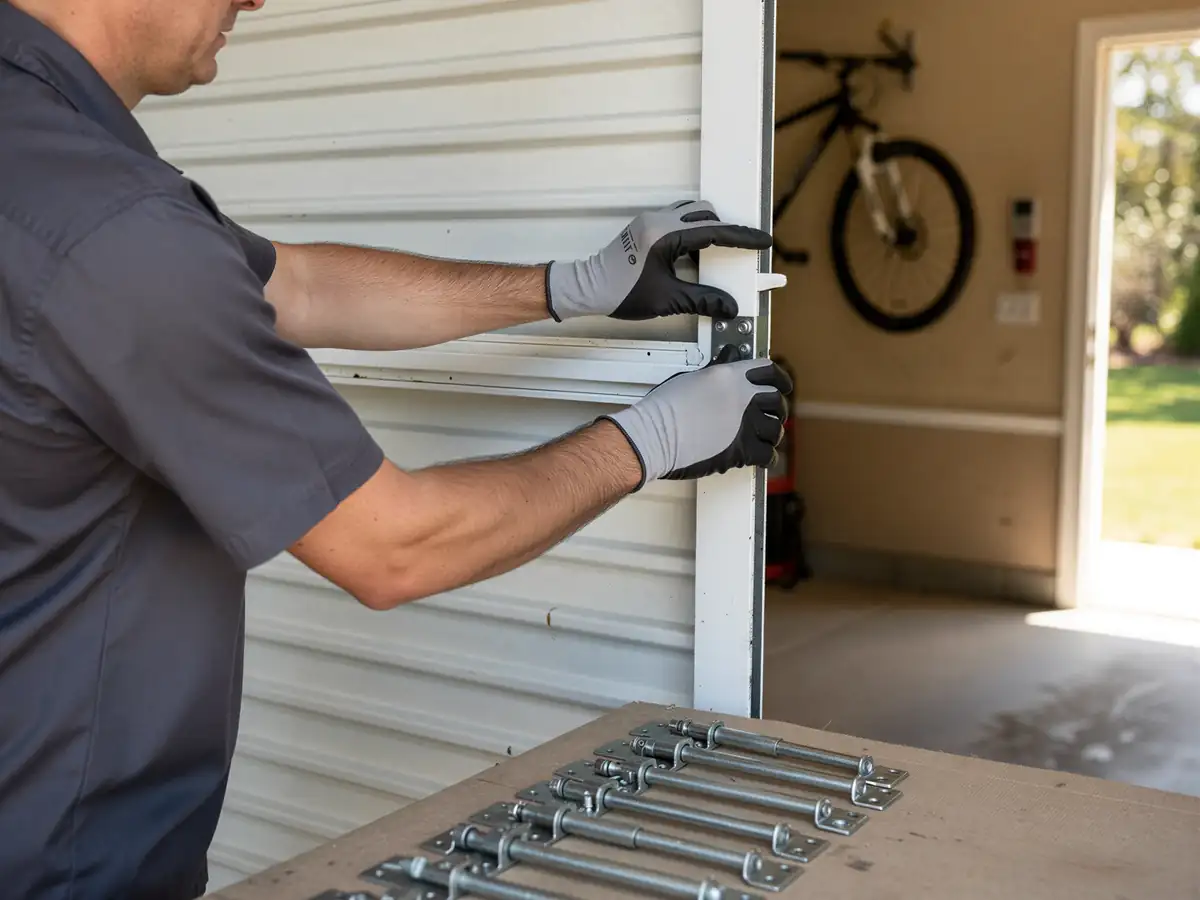
Where the replacement section is in stock, is usually a same-visit job once the truck has the part. The variable is almost always sourcing, not labor - if your door is an older model common to the 1960s-70s housing stock across this service area, finding the exact matching panel can take longer than the install itself. We'll check availability before we quote a timeline so you're not guessing.
If no match exists at all, we'll say so rather than stall you with a vague estimate
And we'll talk through whether a near-match panel or full replacement makes more sense for the door you've got.