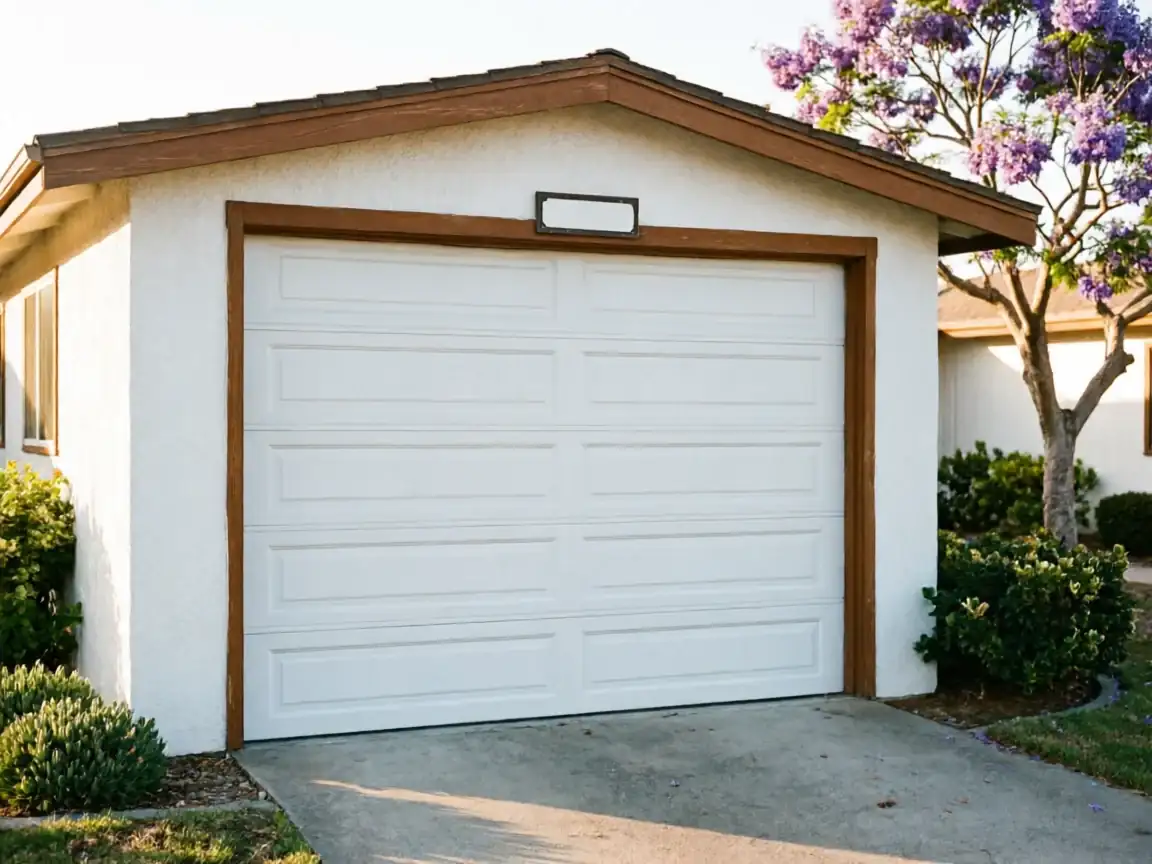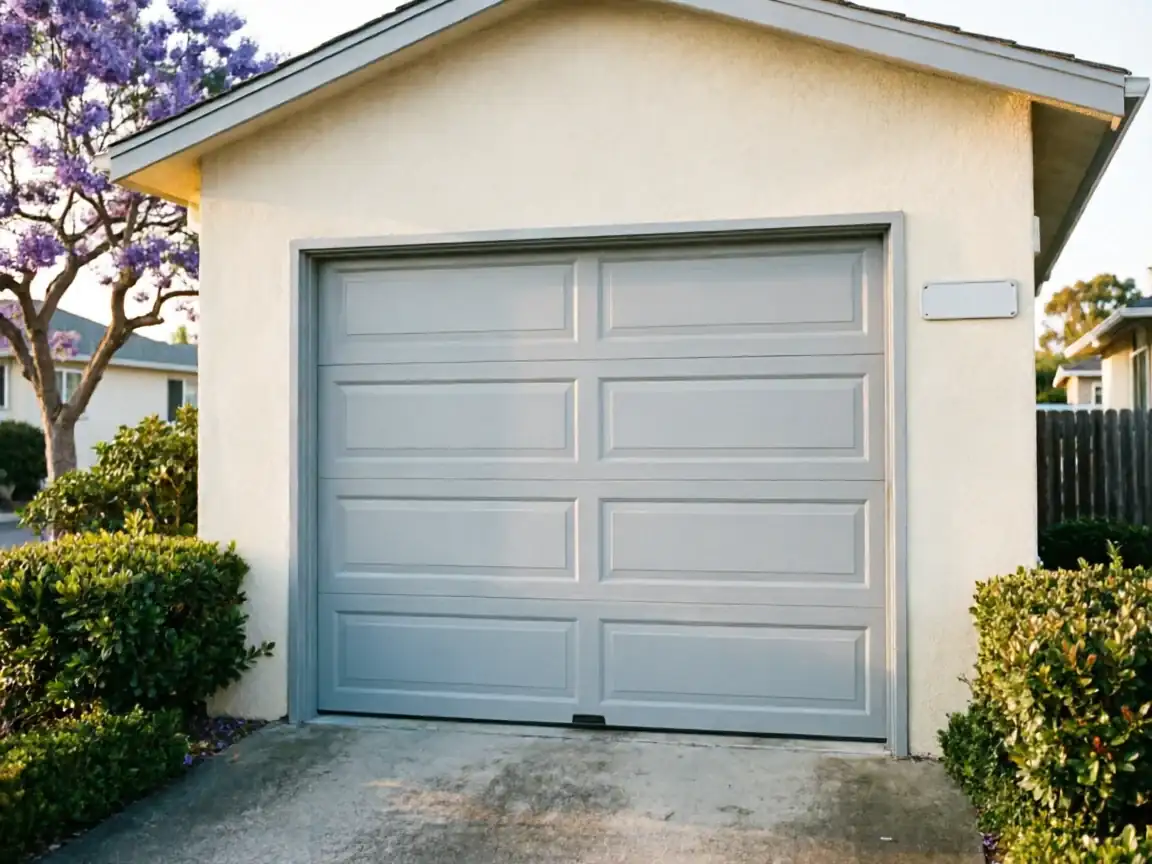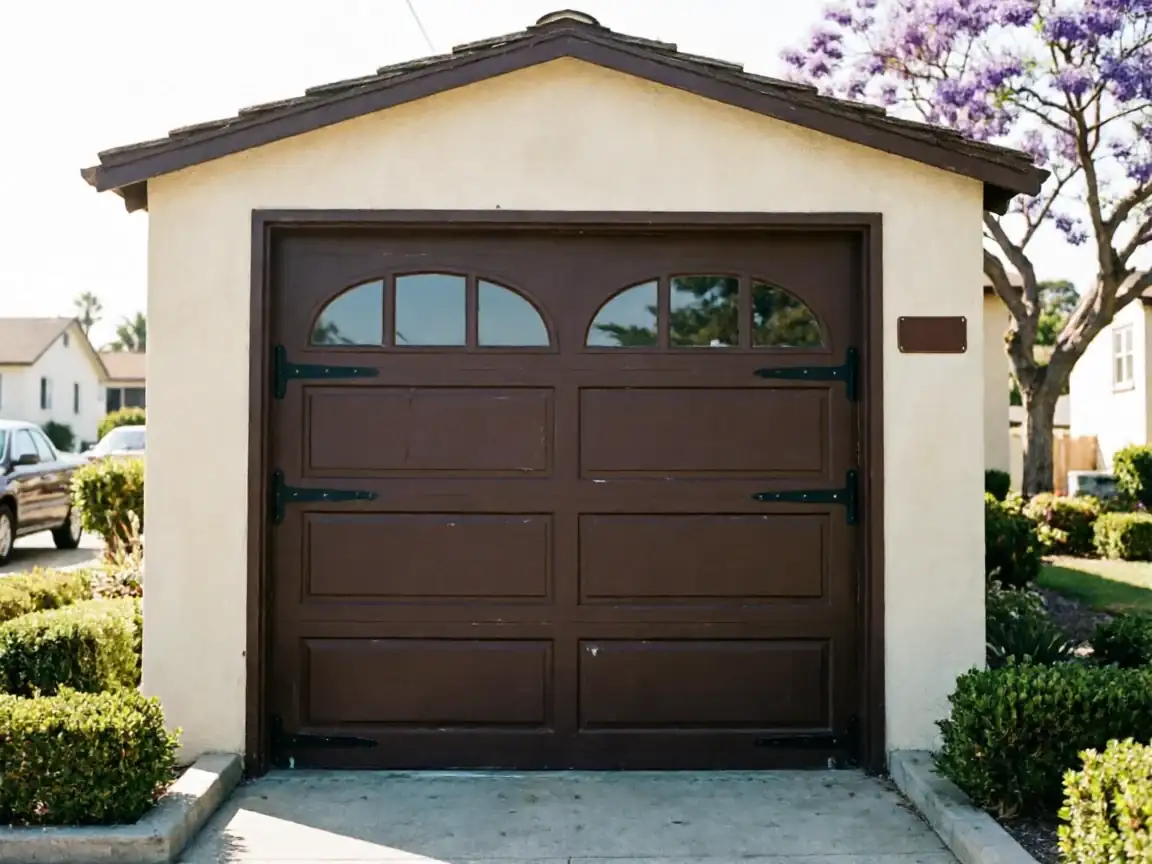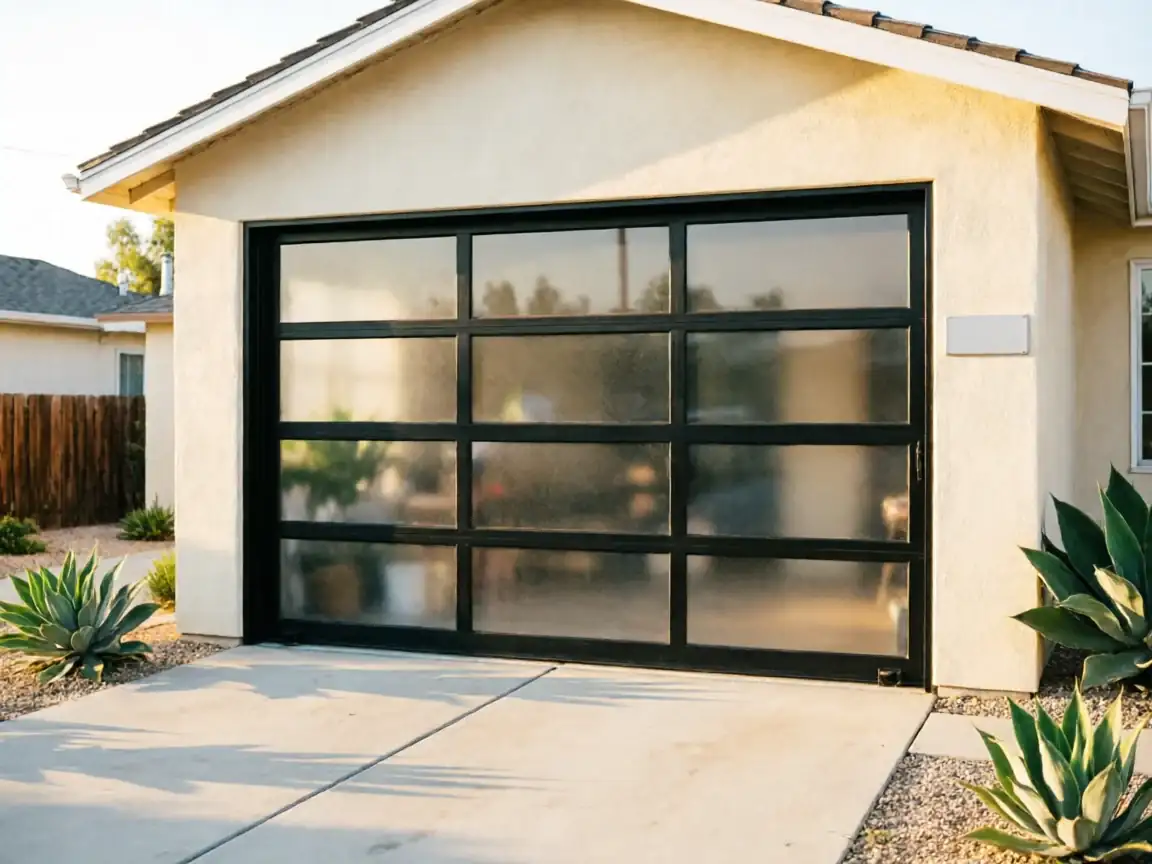
What Causes It Around Here
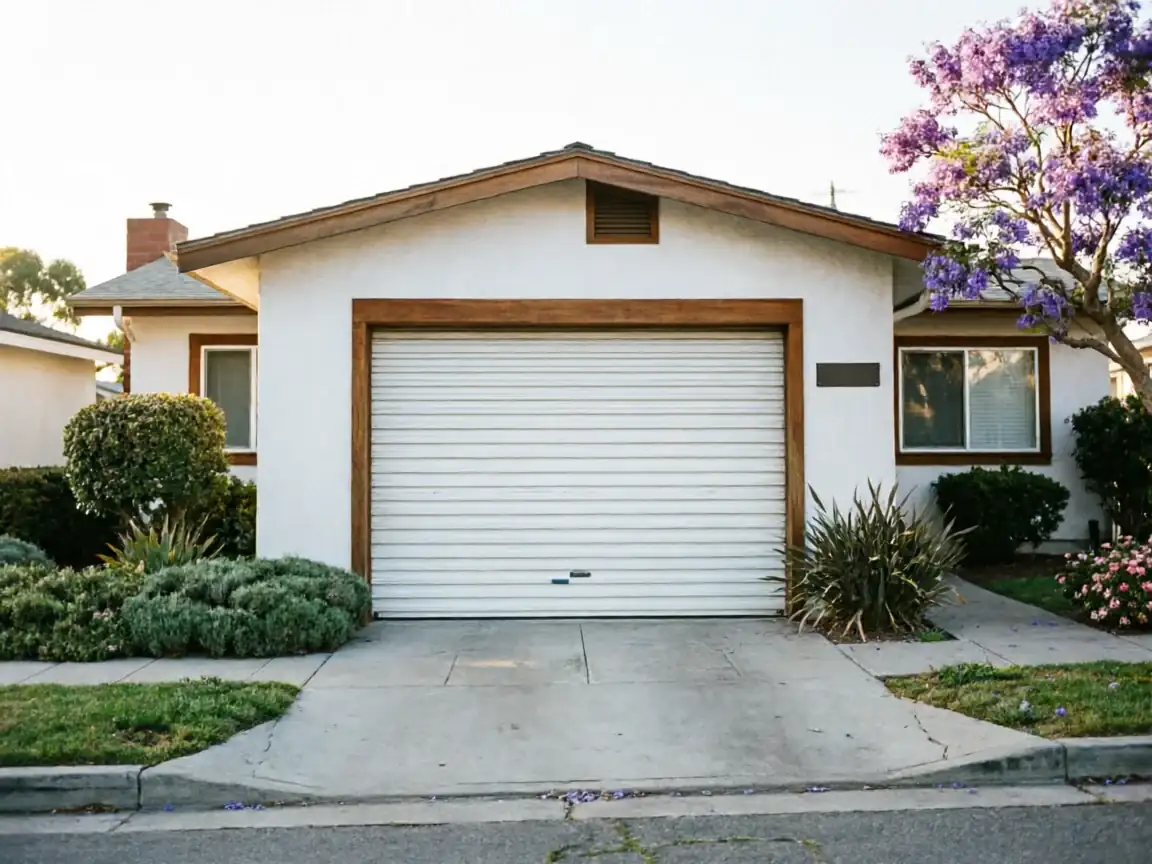
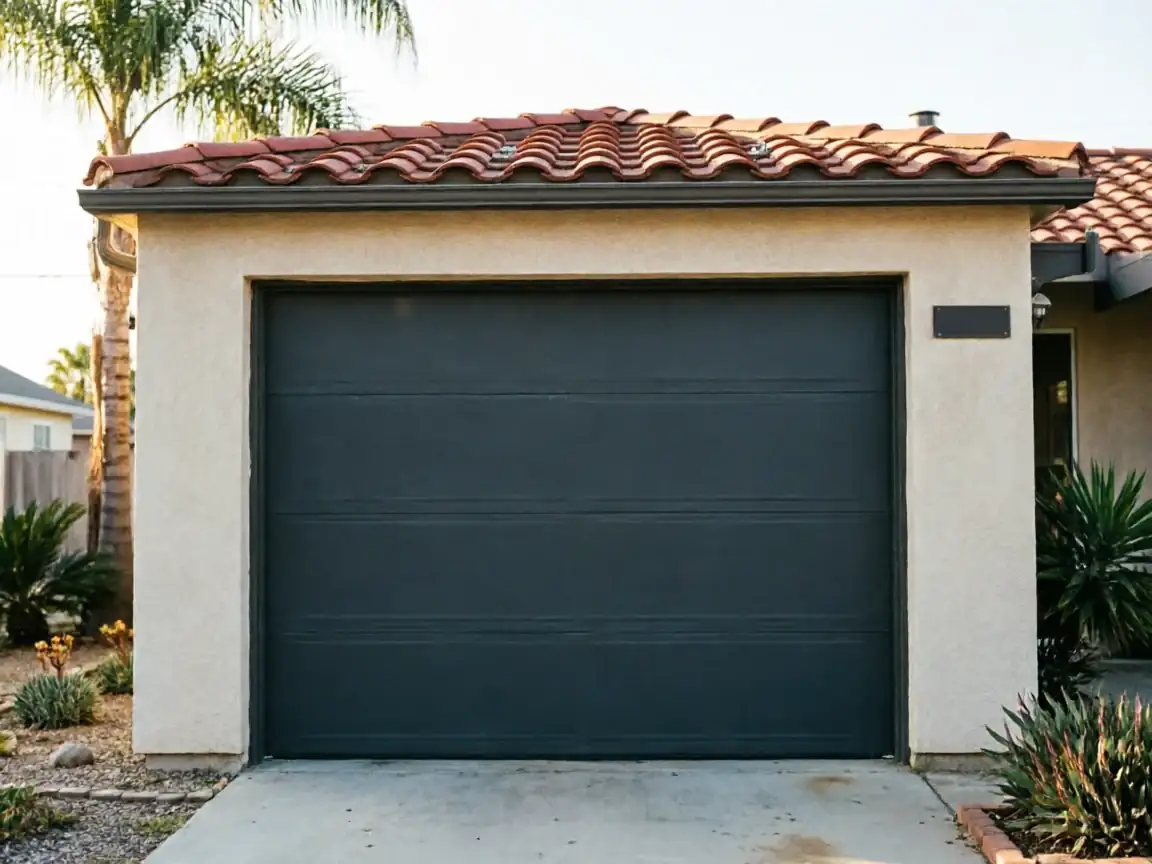
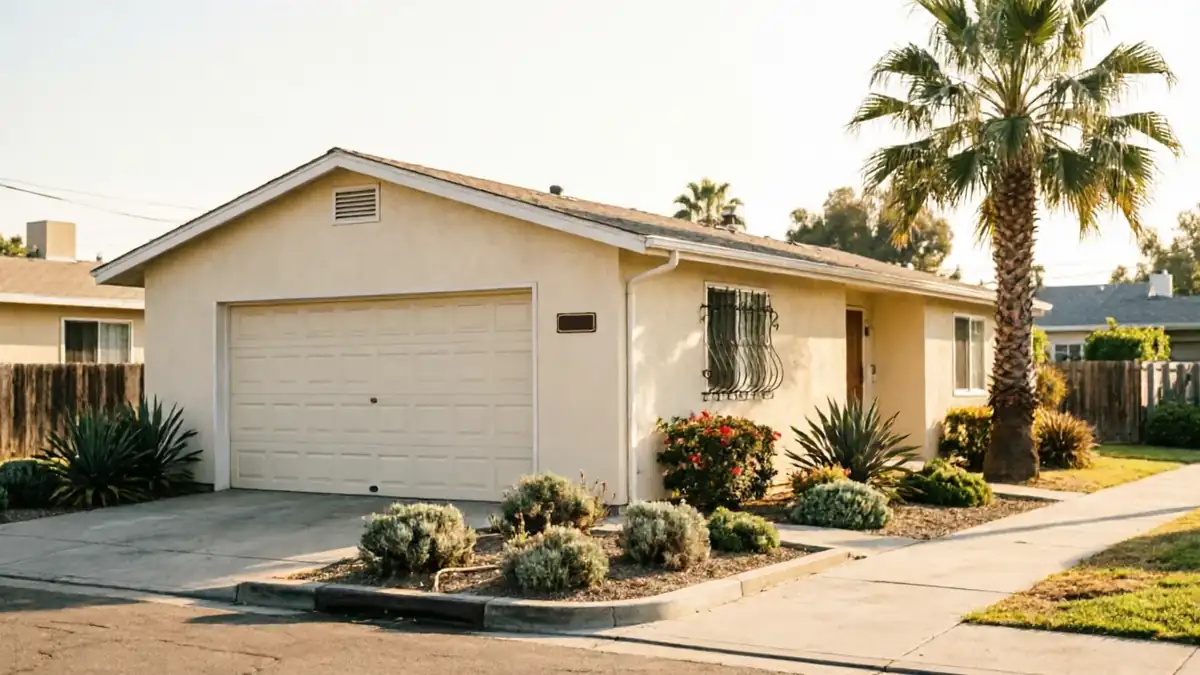
Most of the housing stock across this service area went up between 1947 and 1987
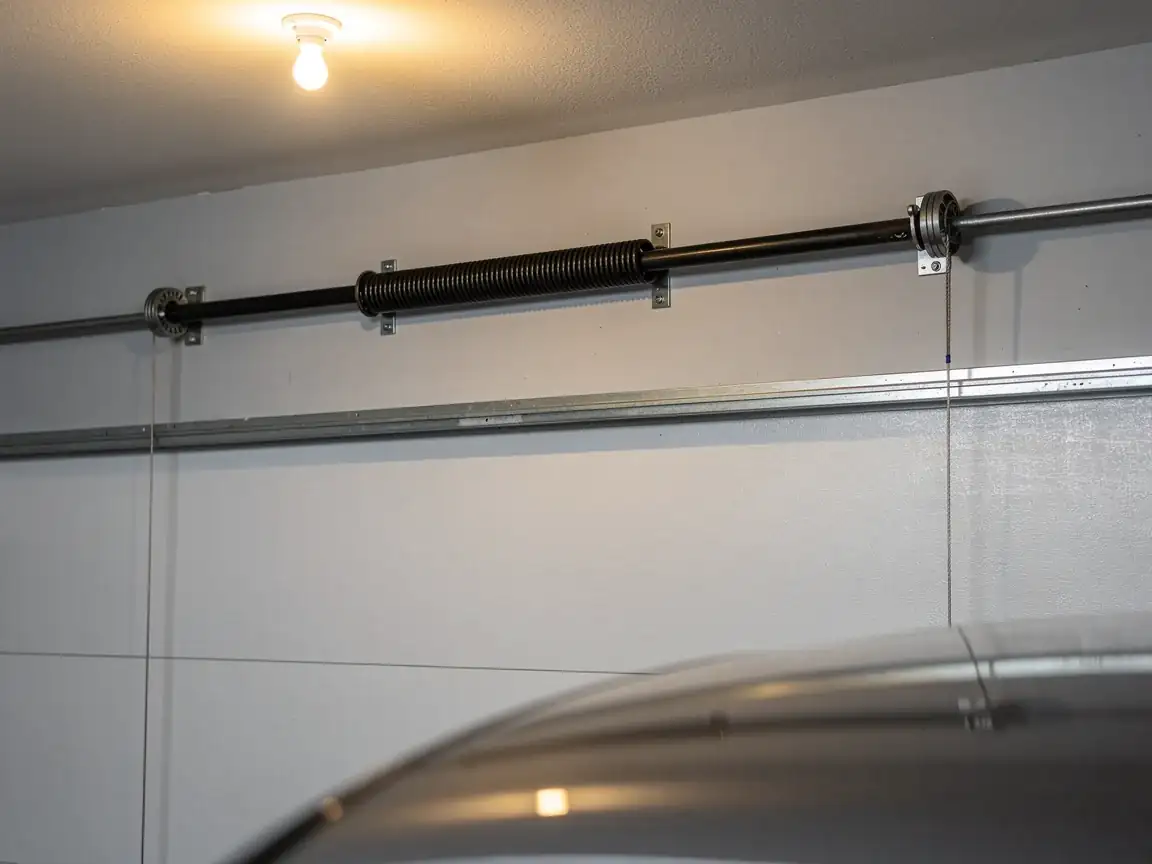
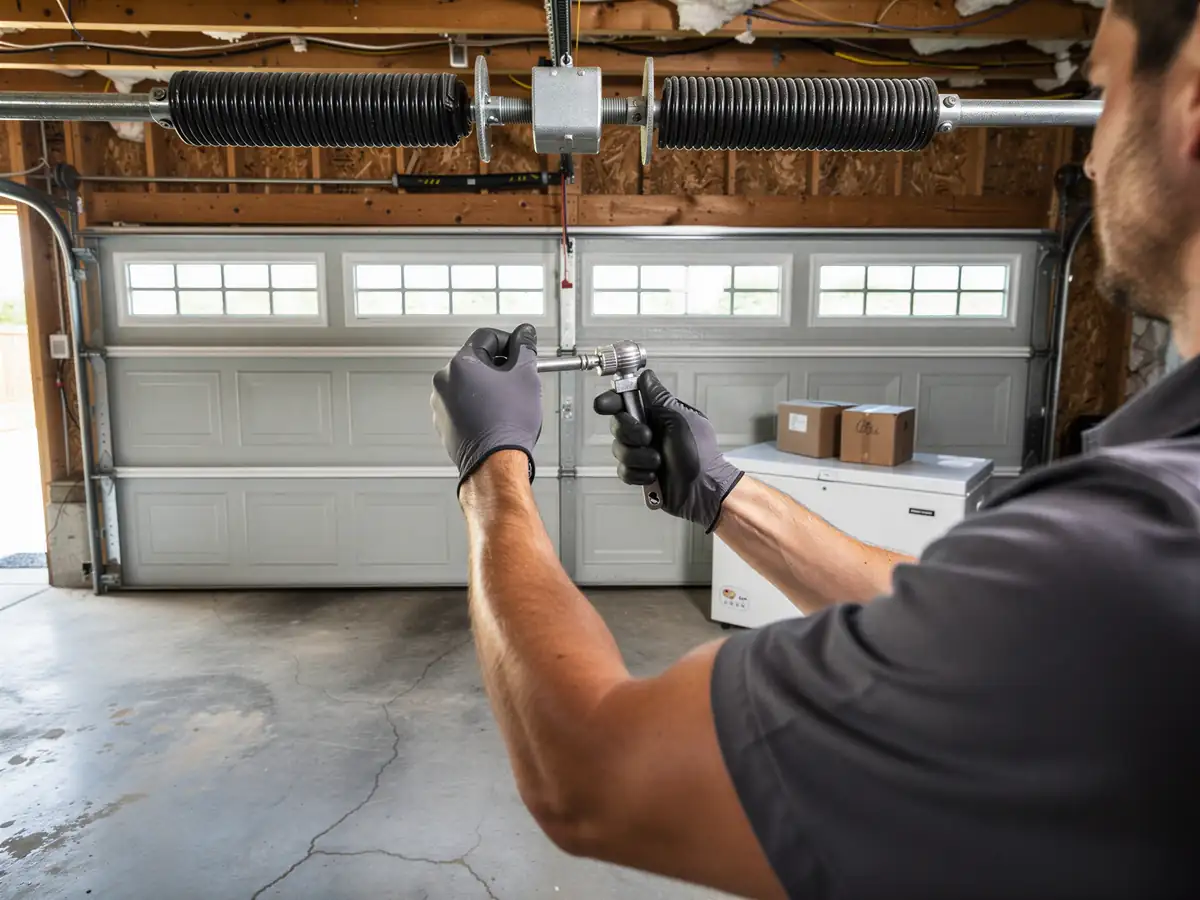
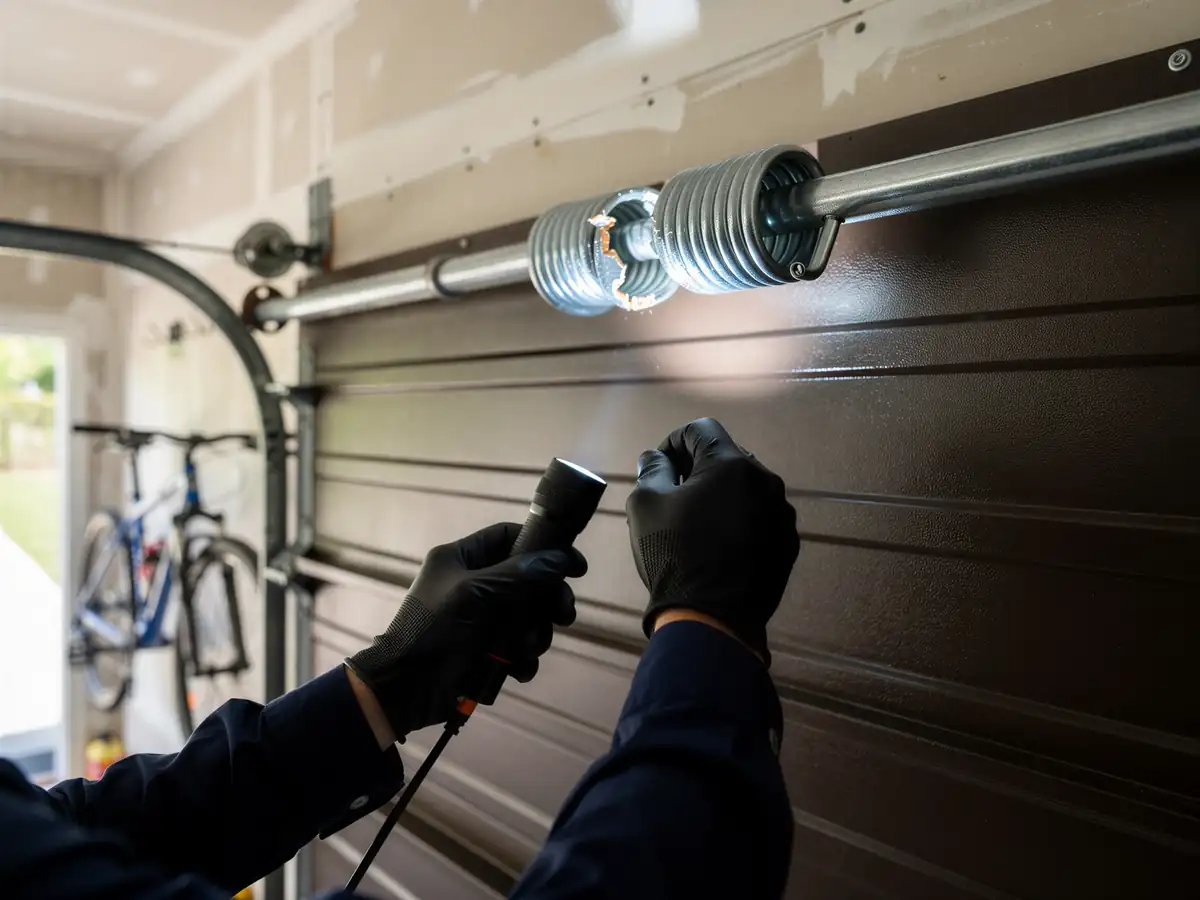
With the median build year sitting around 1964. That means a lot of garages still run on torsion springs, extension cables, and openers that are two or three owners removed from whoever installed them. Steel fatigues on a schedule, not a calendar, and a spring wound in the Johnson administration doesn't care that it's 2024 - it just reaches its cycle count and lets go, usually when the door is halfway up.
The mild temperate climate here works against you in a quieter way than ice or heat would
There's no hard freeze to crack a panel and no extreme heat swing to warp a track, so homeowners don't get the obvious warning signs other regions get. Instead, lubricant dries out slowly, rollers wear down slowly, and a cable frays one strand at a time until the morning it doesn't hold. Across the 26 named areas we cover, the pattern repeats: 1960s and 70s construction, original or near-original hardware, and a failure that looks sudden but was years in the making.
We don't see much storm-driven damage out here
What we see is wear.
What You Pay
We don't publish a flat number here because what you pay depends on what's actually broken - a single torsion spring on a single door is a different job than a cable off its drum on a double door with a dead opener board. What we can tell you is what drives the number: parts (springs, cables, rollers, or a full opener), whether it's a single or double door, and whether the call comes during the day or after hours.
With 94,788 owner-occupied houses across this service area and a median household income of $214,149, we see a wide range of doors - from original builder-grade units to upgraded insulated models - and the repair cost tracks the hardware, not the neighborhood. We'll tell you the number before we touch anything, not after.
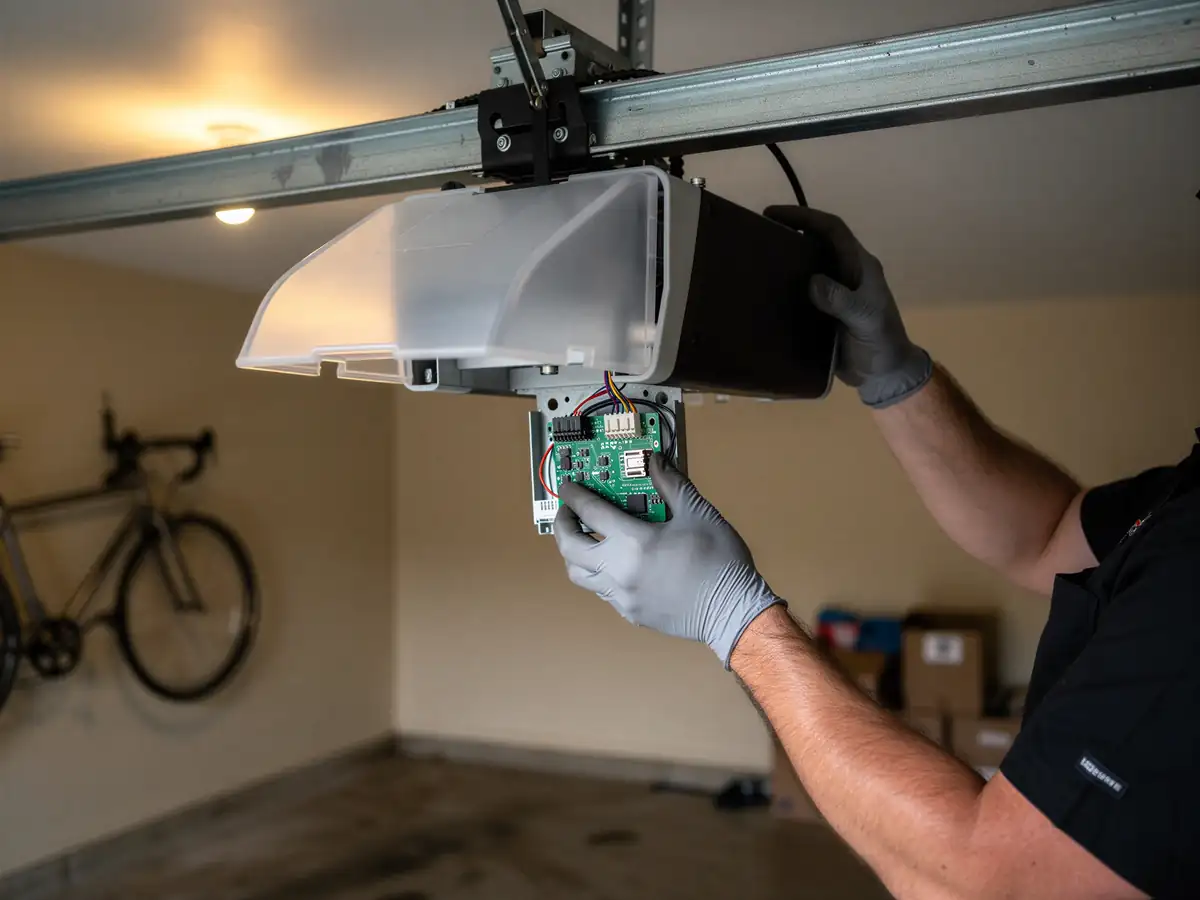
One honest limit: if your opener is old enough that the circuit board is no longer made, we'll tell you straight that replacement beats a repair quote that keeps growing. We're not going to chase parts for a board that was discontinued years ago.
What You Are Seeing
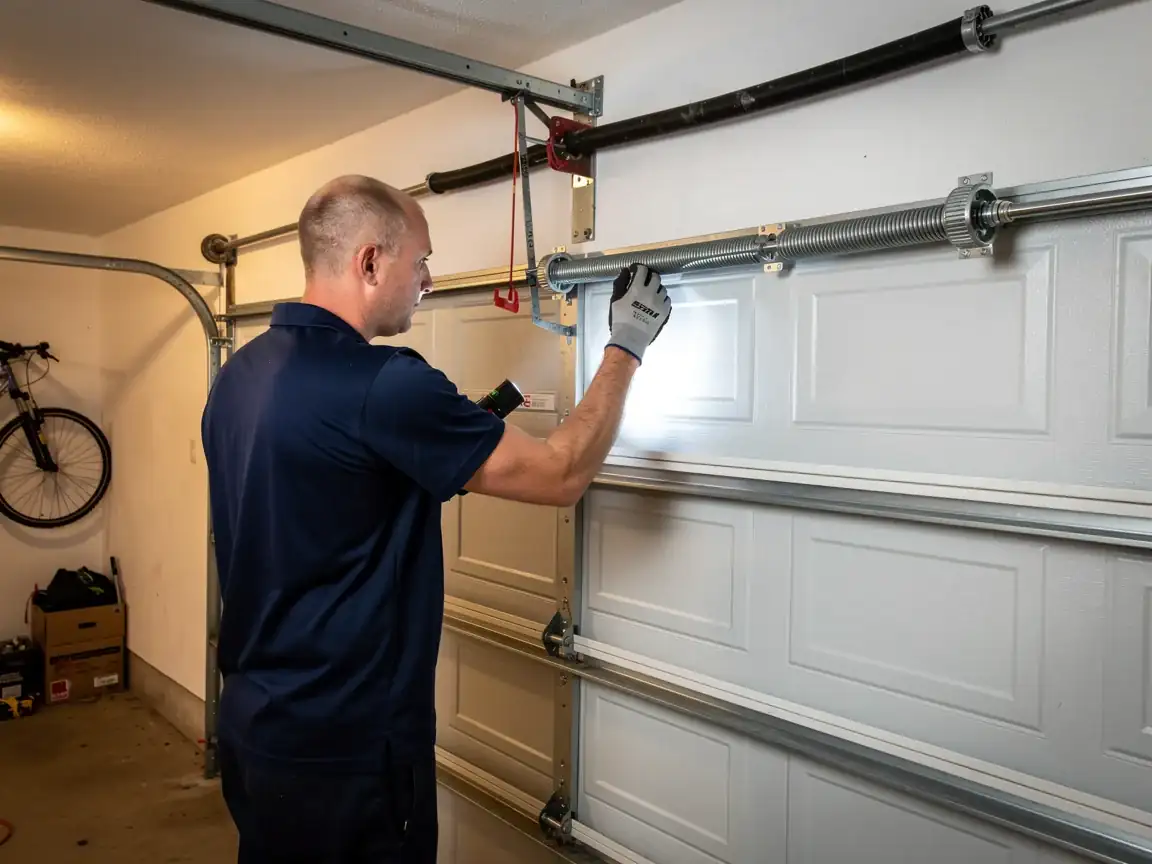
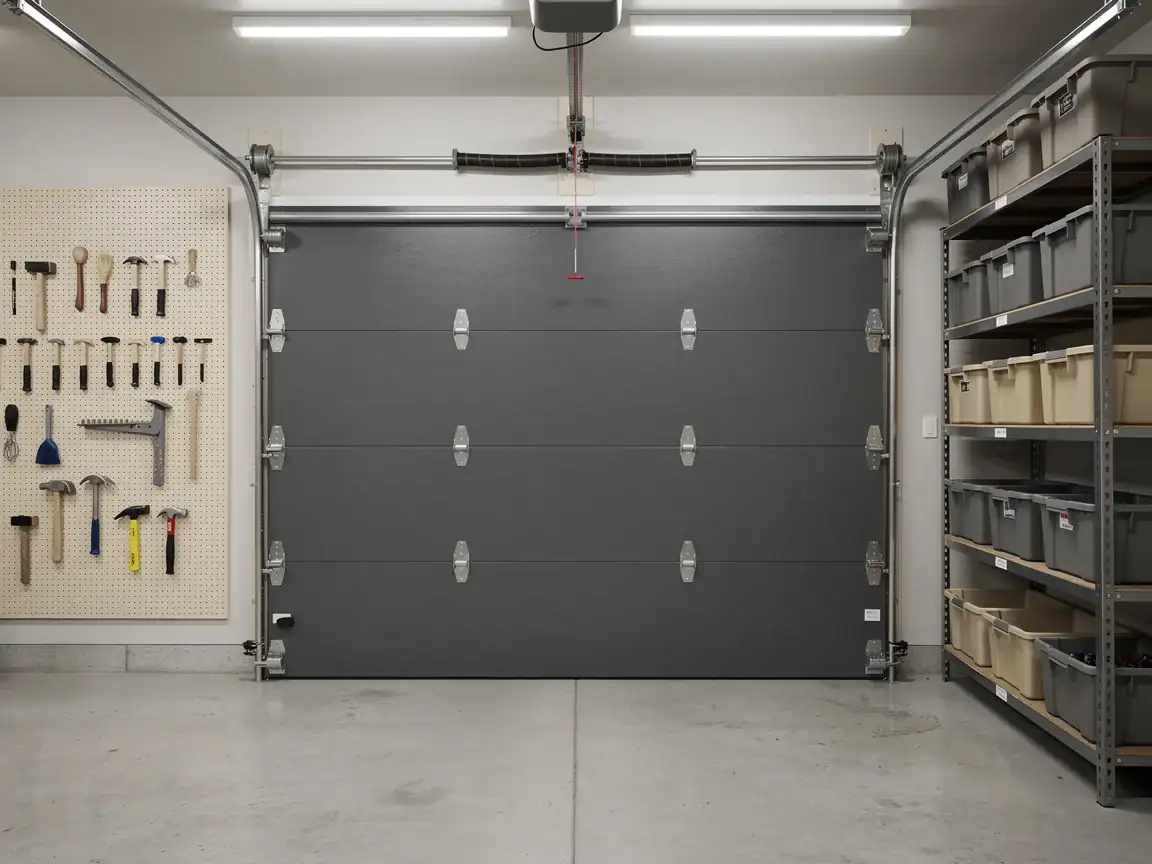
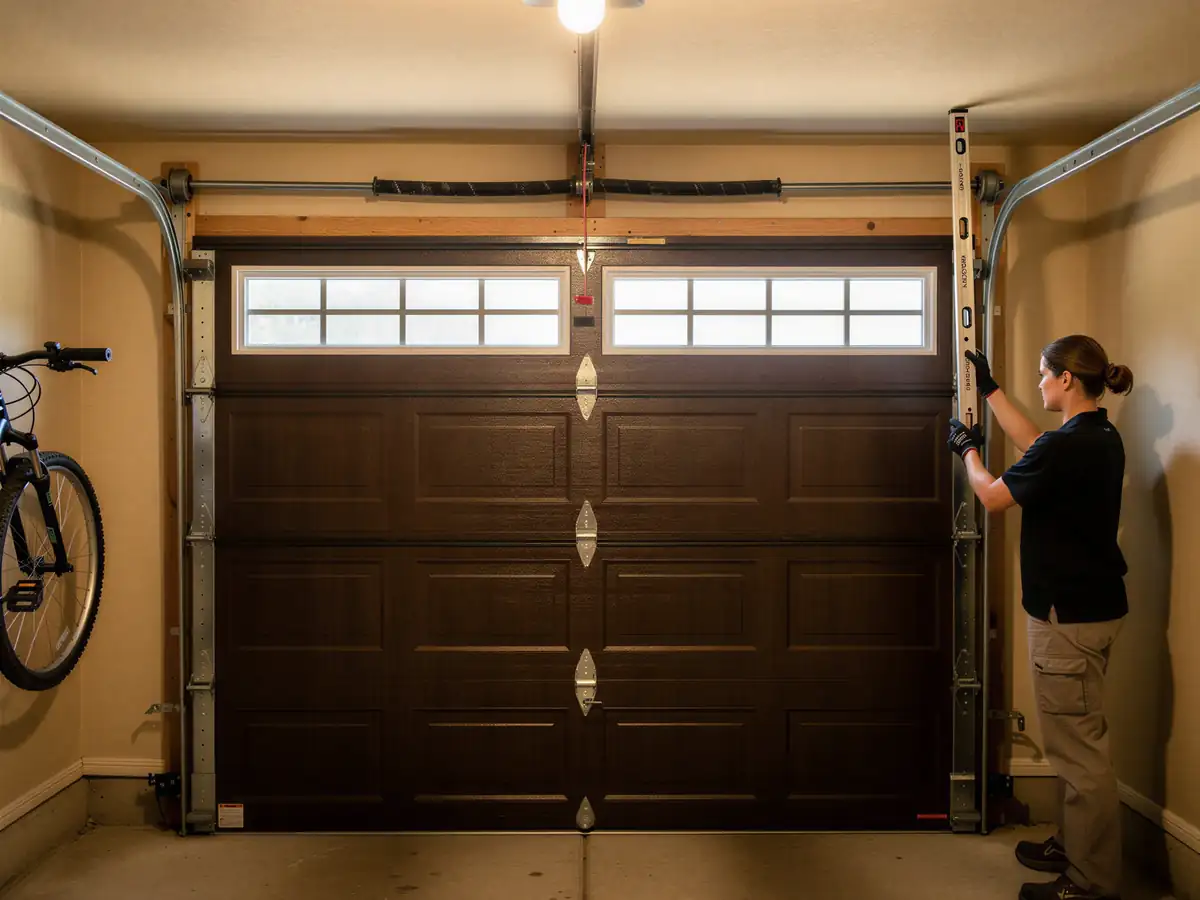
If the door won't budge and you hear a bang before it stopped moving, that's almost always a torsion spring letting go - common on doors original to 1960s and 70s construction that have never had the spring replaced. If one side of the door looks lower than the other, or it's hanging crooked in the opening, that's usually a cable off the drum, not the spring.
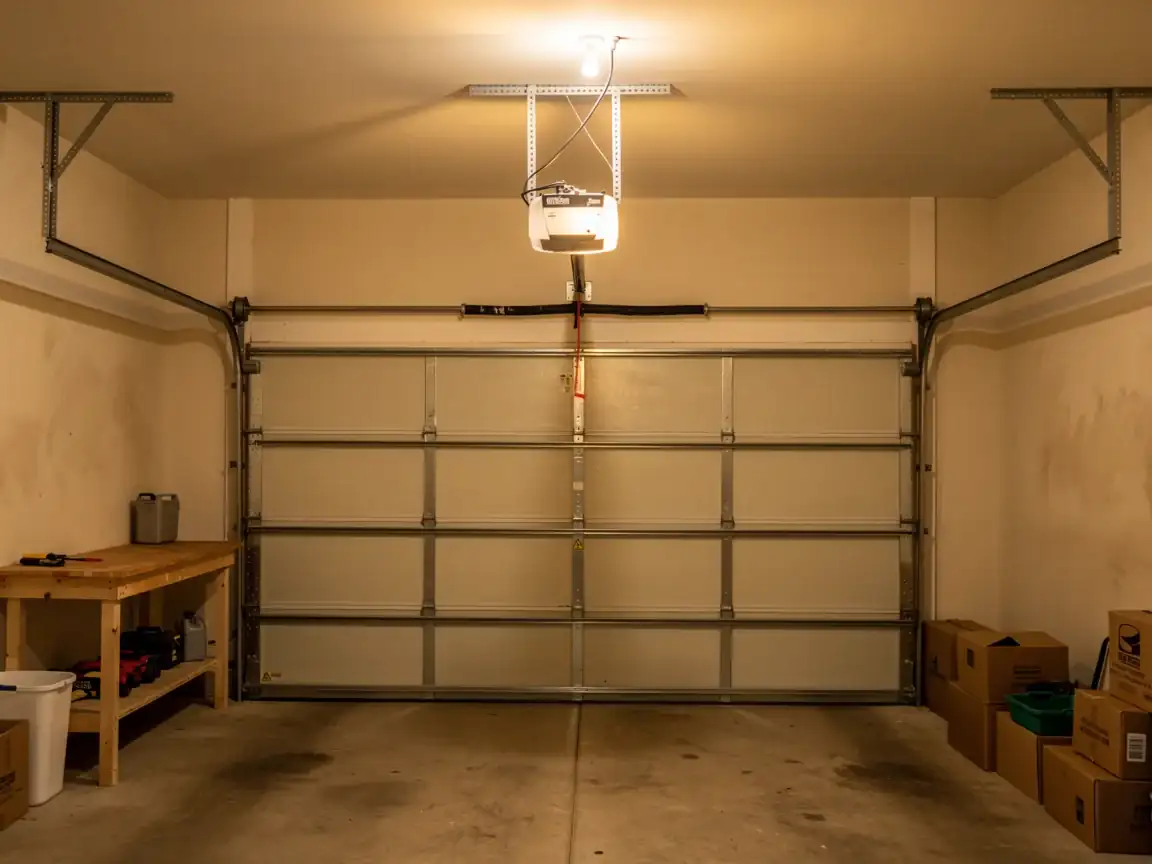
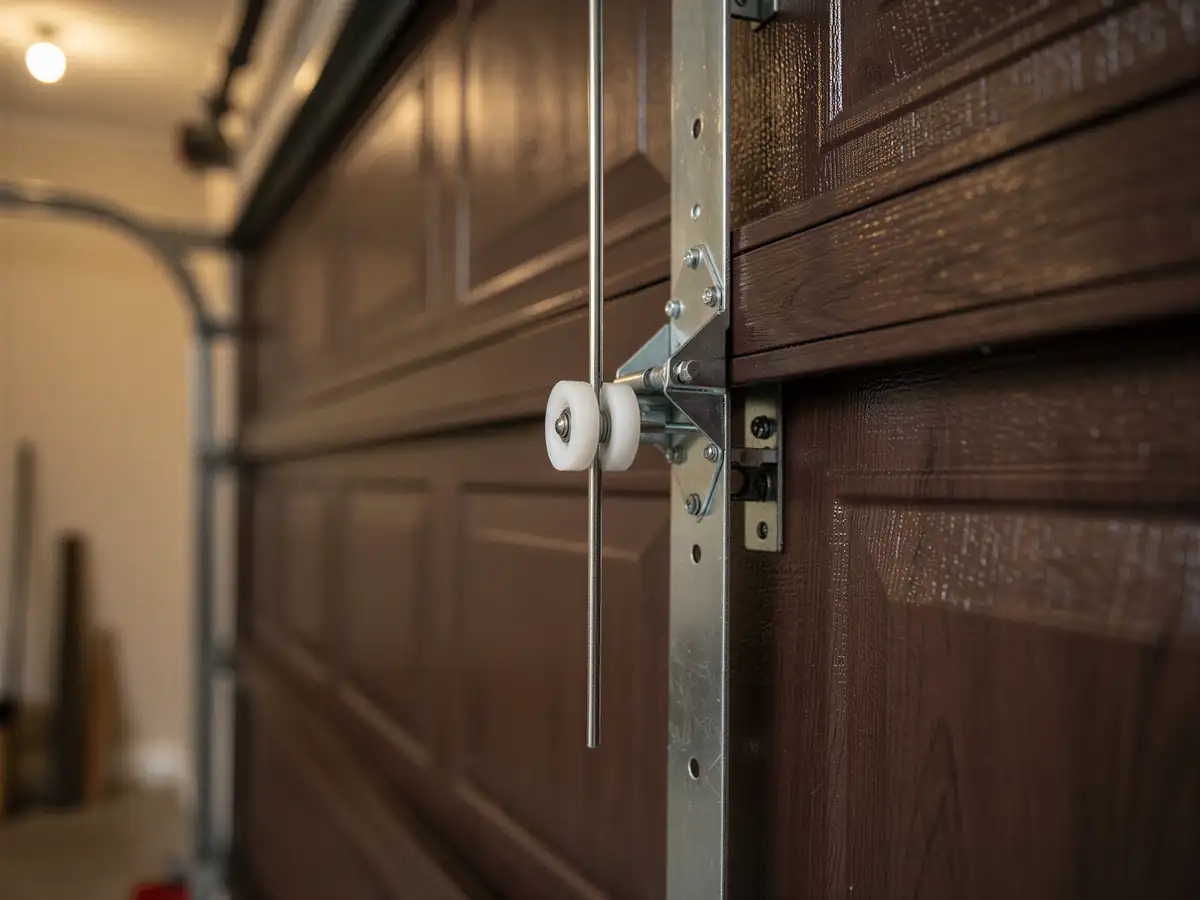
A door that reverses itself halfway up, or won't close at all and just sits there humming, points to the opener - either the safety sensors are misaligned (common after someone bumps a sensor with a bike or a bin) or the opener itself is at the end of its life. Grinding or popping sounds while the door moves usually mean a roller has worn through or the track has pulled away from the frame.
If the door won't open and the spring looks intact, check the opener's manual release cord first - sometimes it's been pulled and the door is simply disconnected from the motor, not broken.
How Long It Takes
Spring and cable repairs are generally same-visit jobs
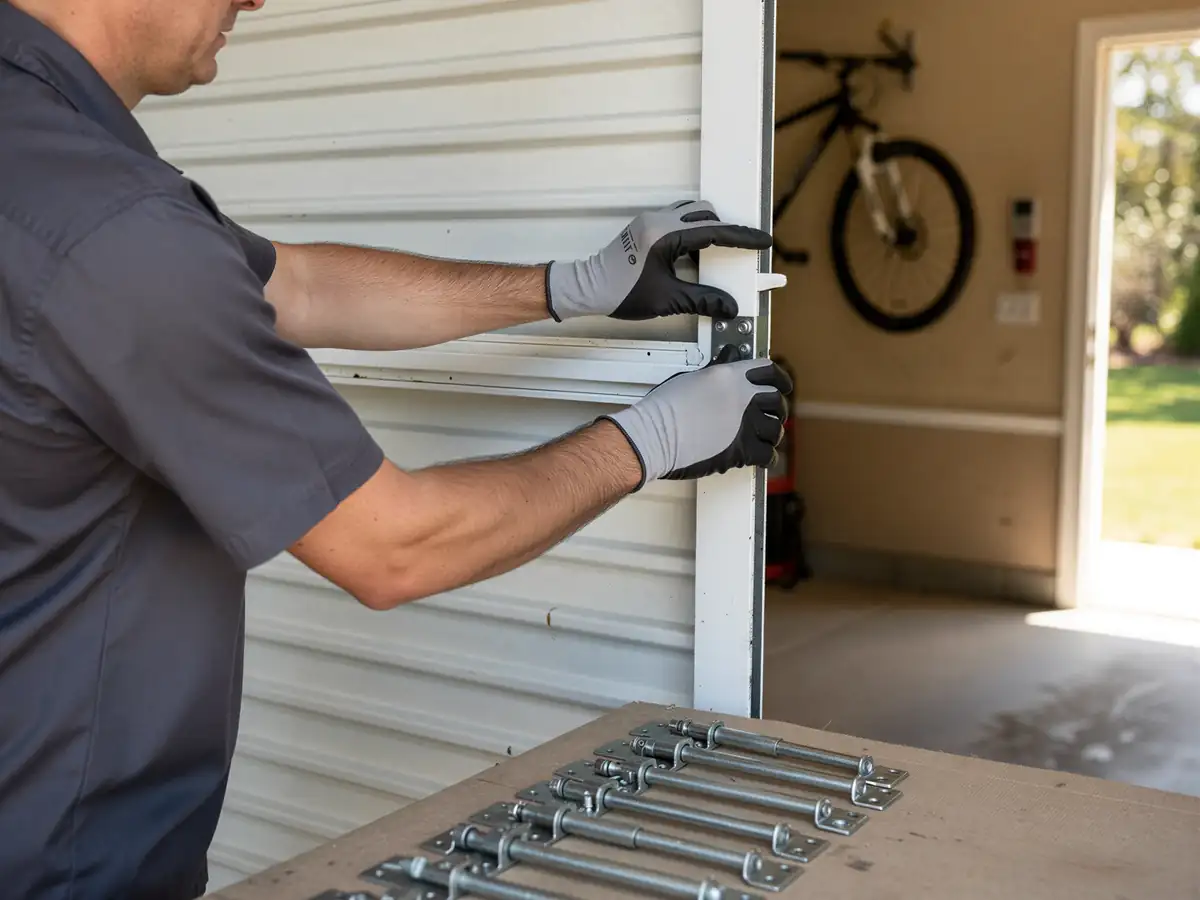
Once we're there with the right spring size and cable gauge, the work itself takes under two hours in most cases. Opener repairs vary more: if it's a sensor alignment or a logic board reset, that's quick; if the opener itself needs replacing, we carry common models on the truck but a less common or older unit may need a part ordered in.
Panel replacement is the one that can't be rushed from our end
Matching an original panel on a door built in the 1960s or 70s often means a special order, since that hardware isn't something anyone stocks on a shelf. We'll give you a straight timeline once we see the door, not a guess over the phone.