The Houses Here
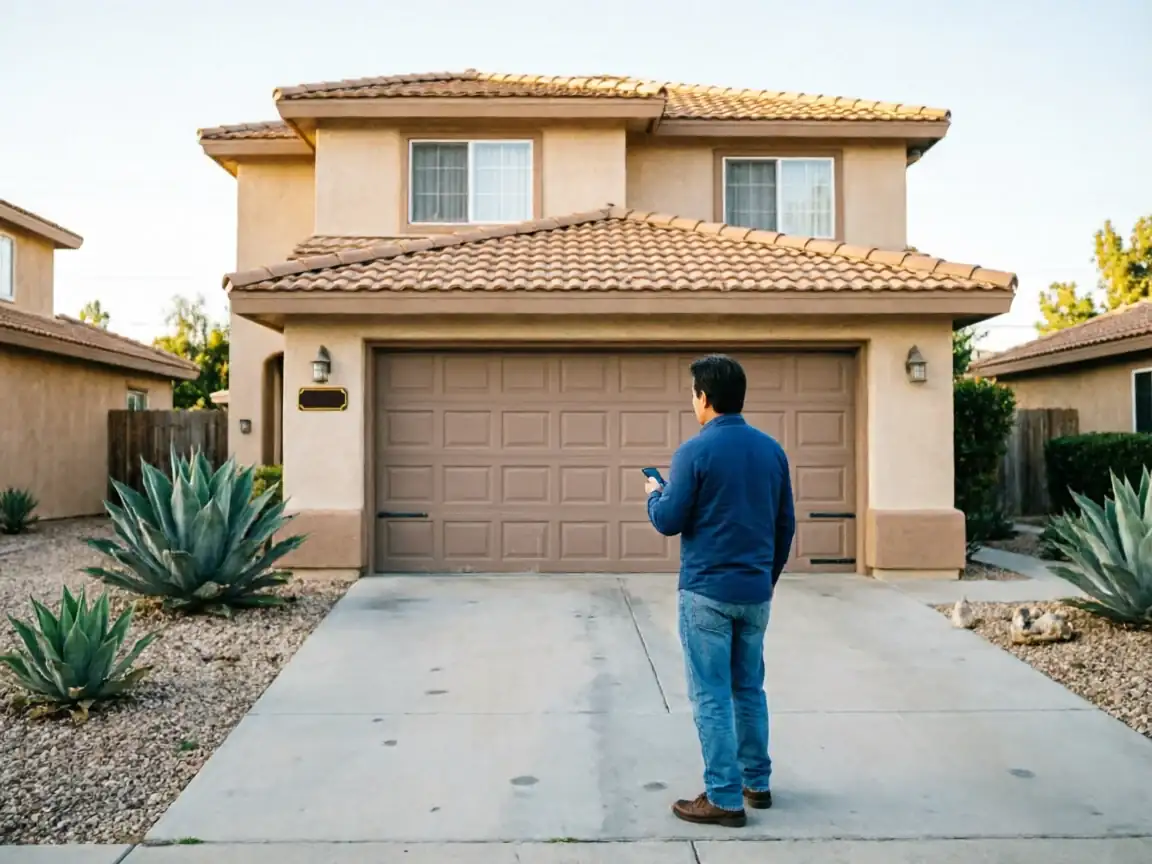
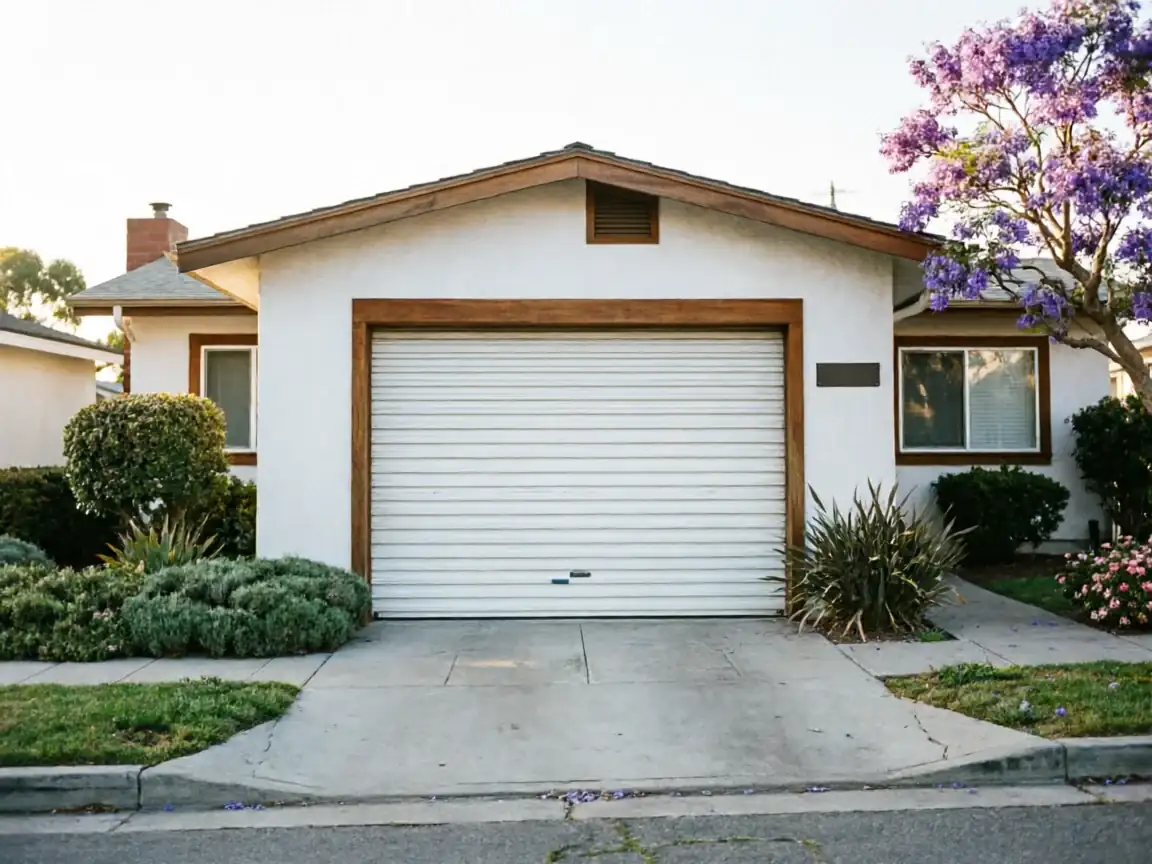
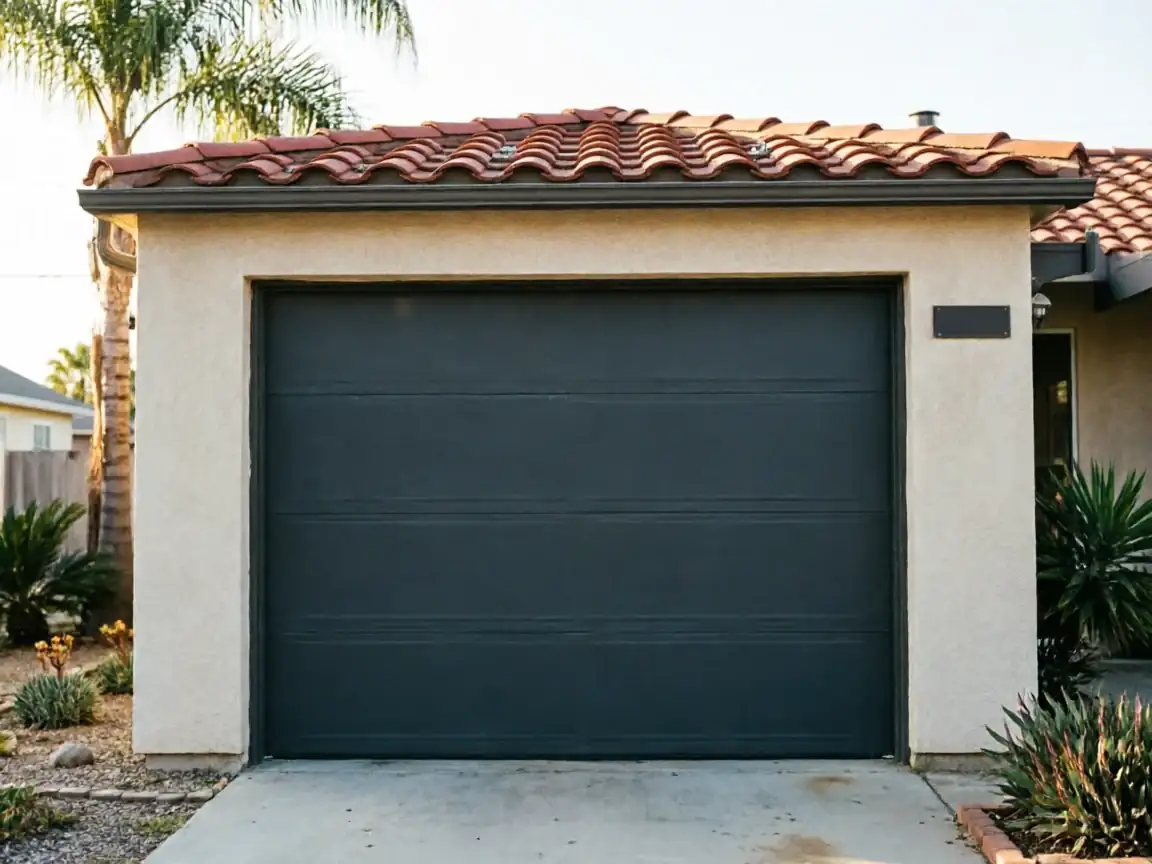
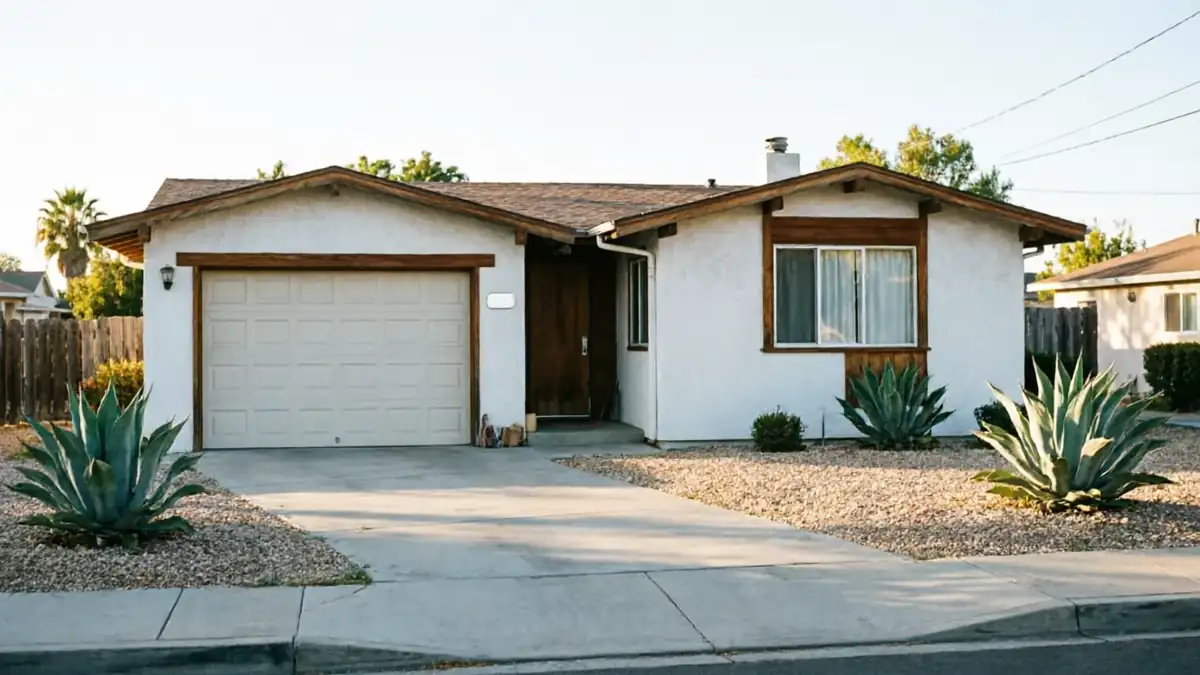
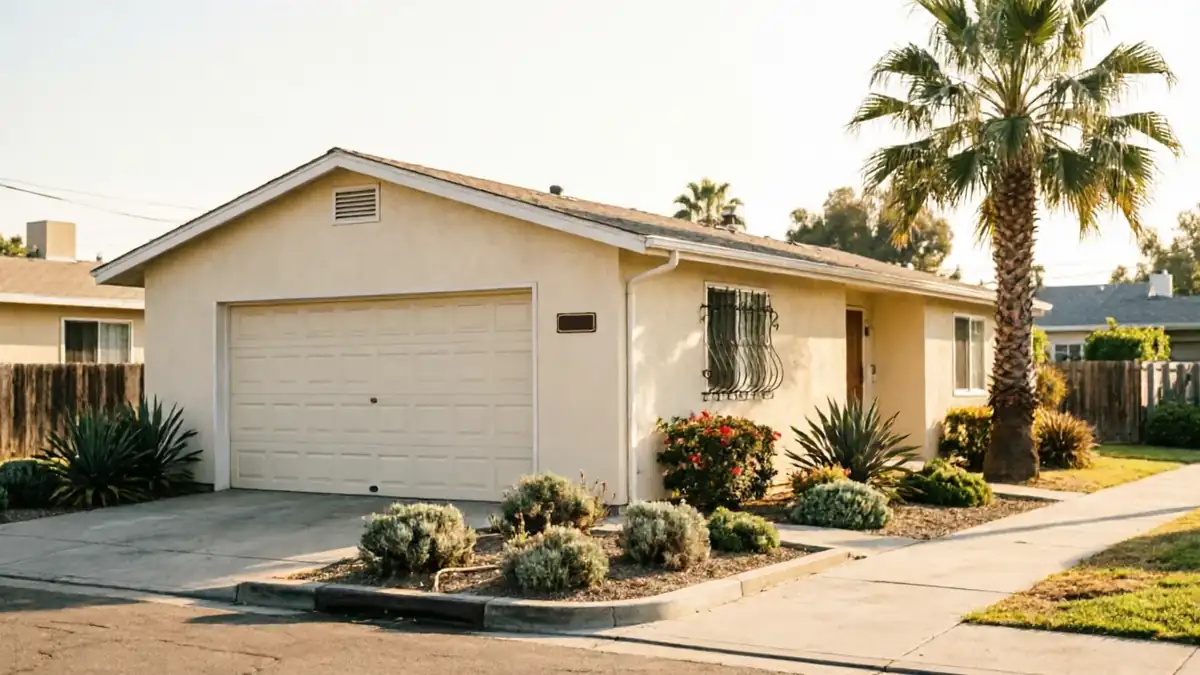
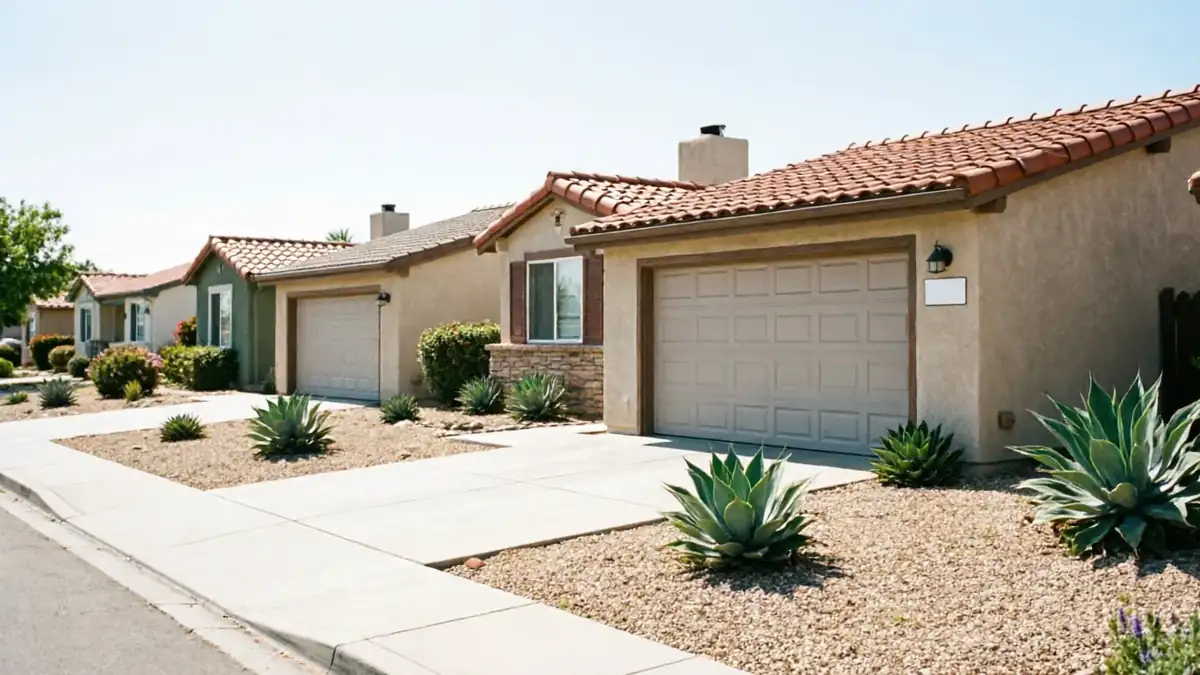
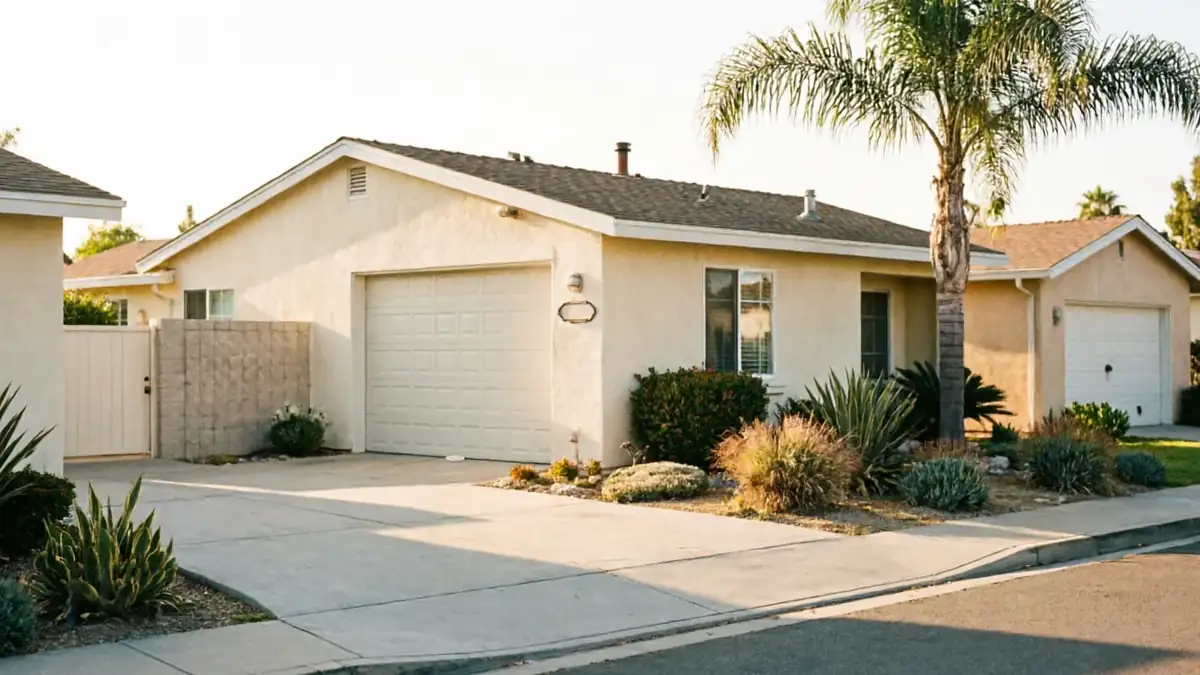
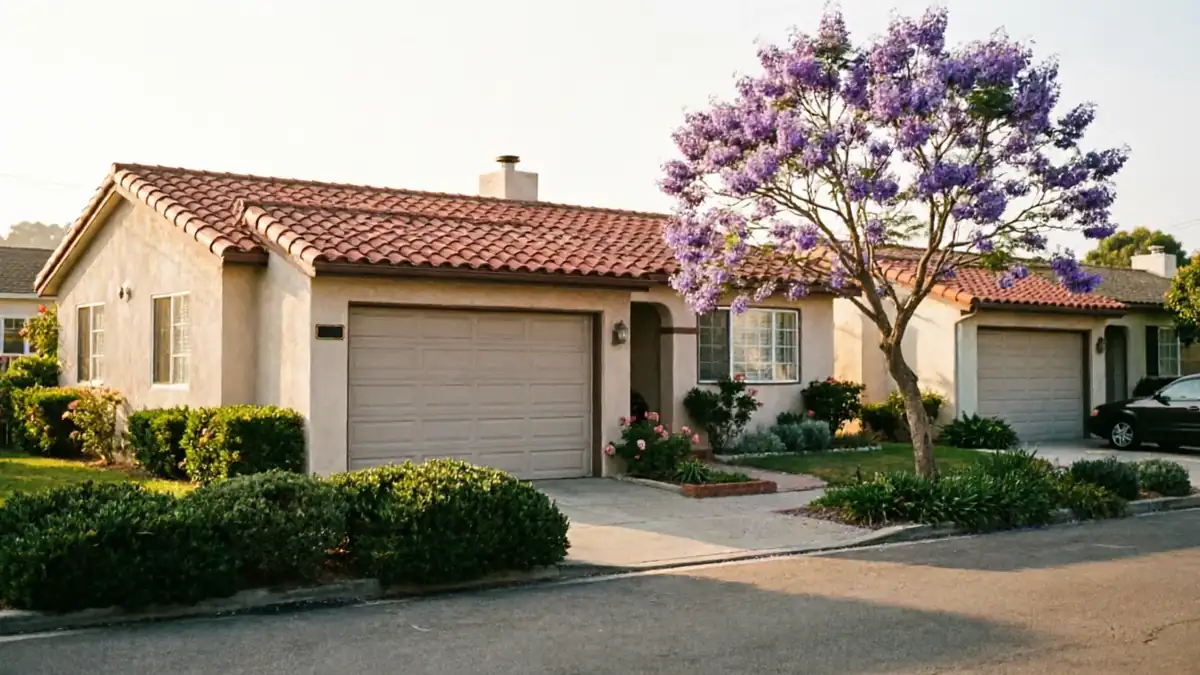
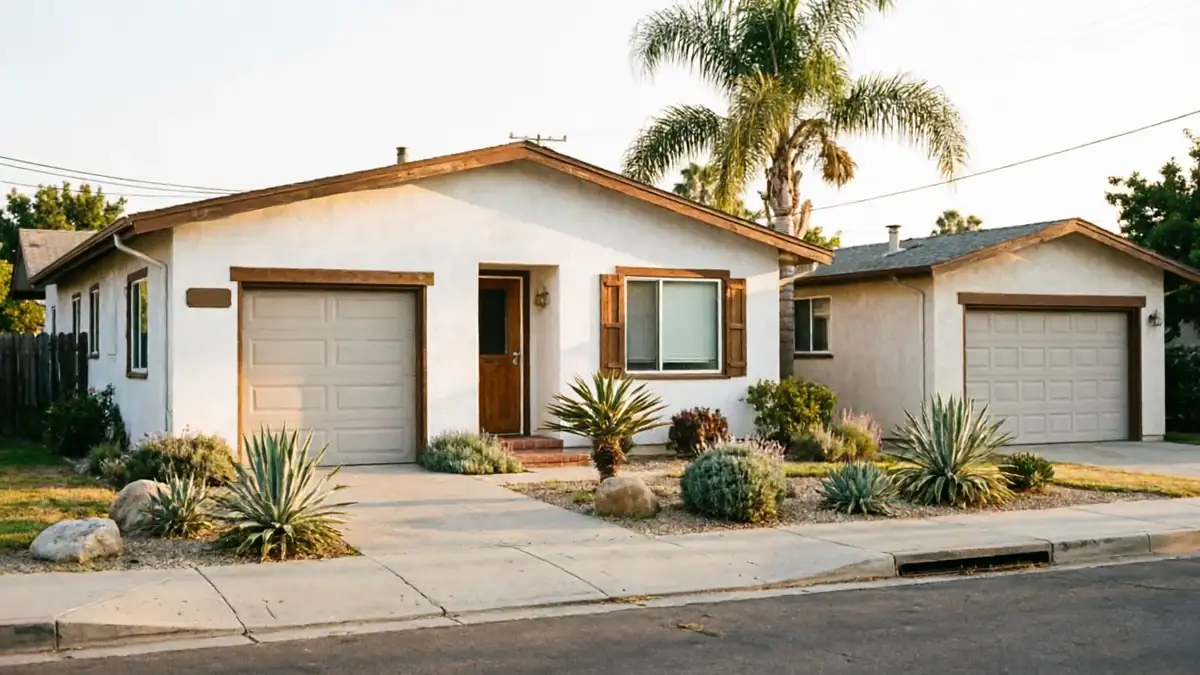
Most homes in this part of Saratoga went up around 1967
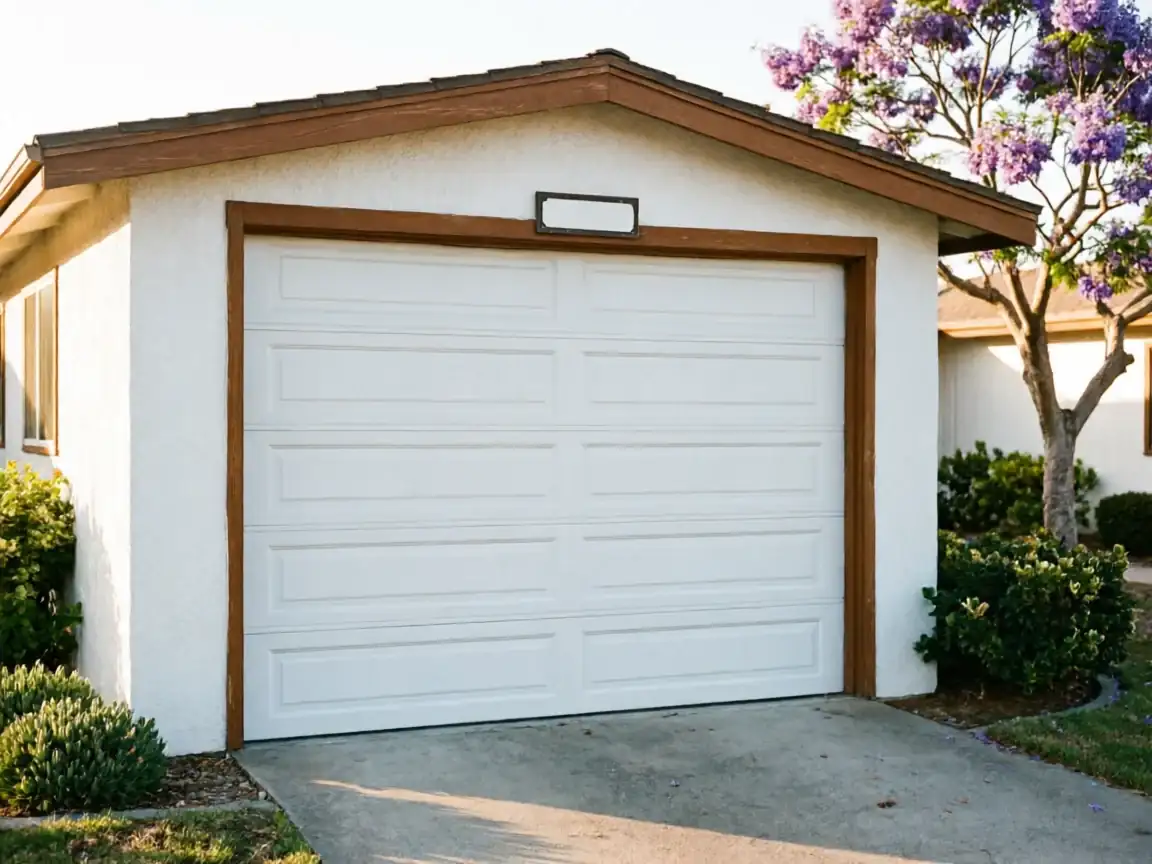
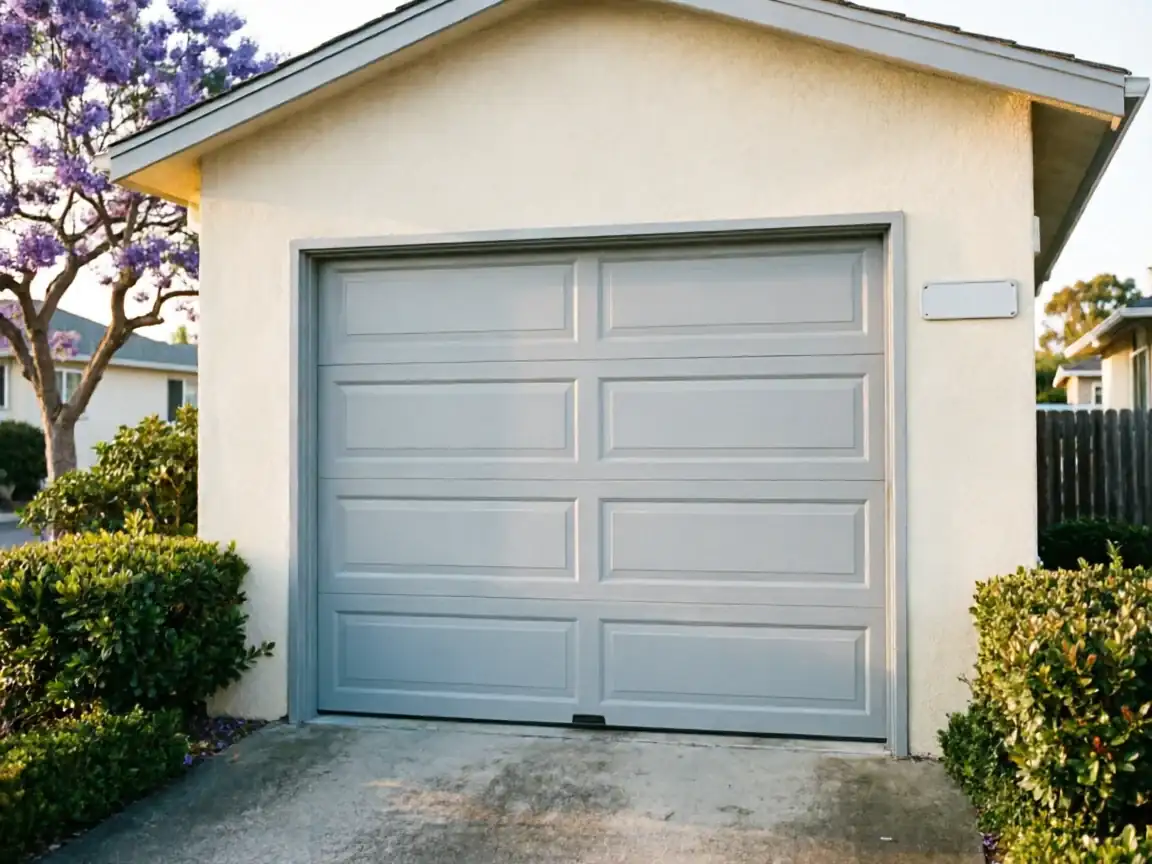
A few years later than the broader Santa Clara service area's 1964 median (which spans construction from 1947 to 1987 across the whole territory). That gap matters more than it sounds. A house framed in the late 1960s was built to a different set of assumptions about garage doors than one framed a decade earlier or a decade later - different stud spacing on the header, different standard door widths, different hardware that was common off the shelf at the time.
Saratoga has 10,753 households and a median income of $241,348
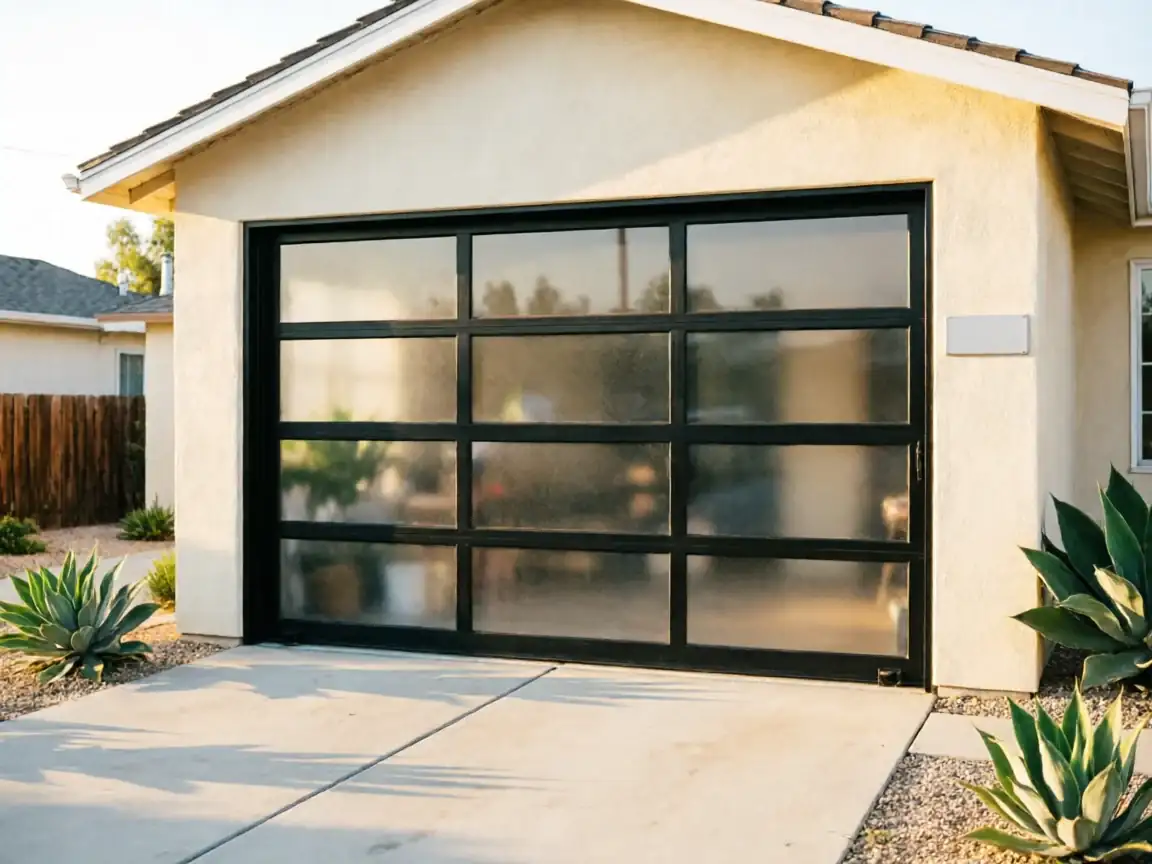
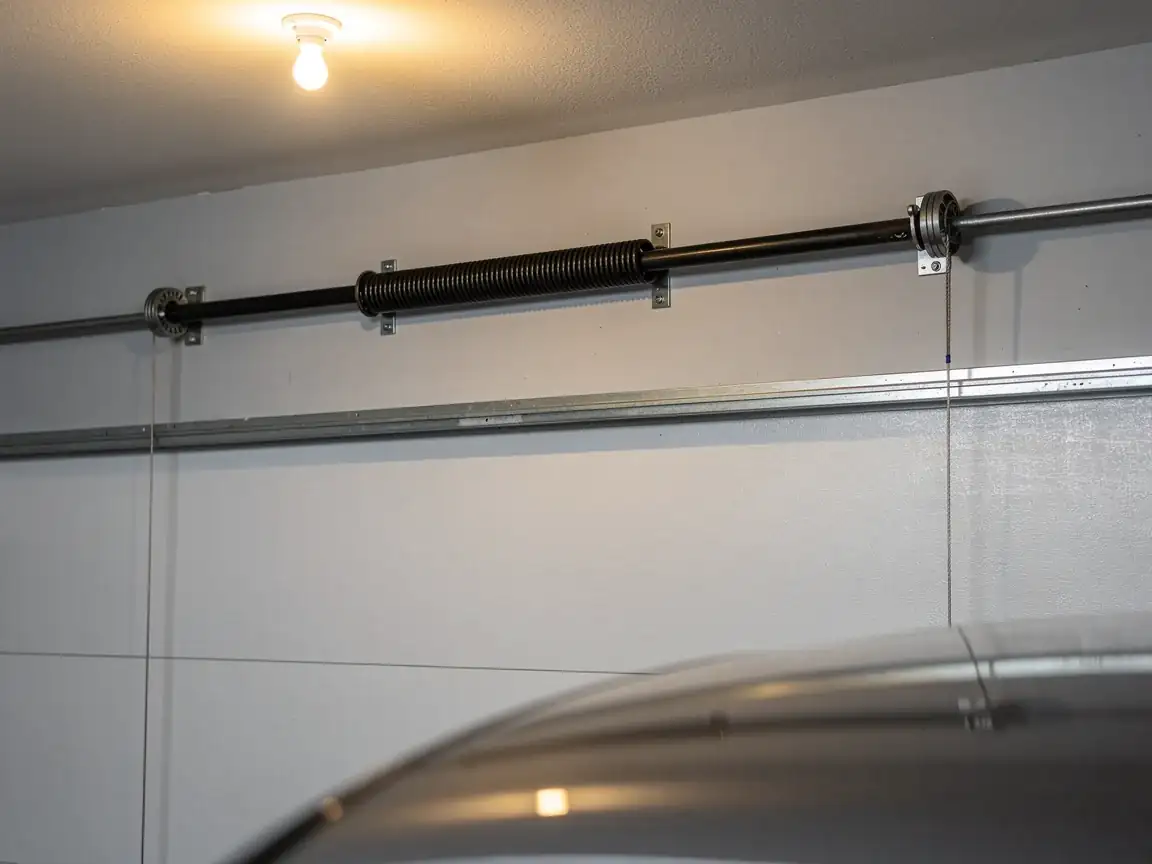
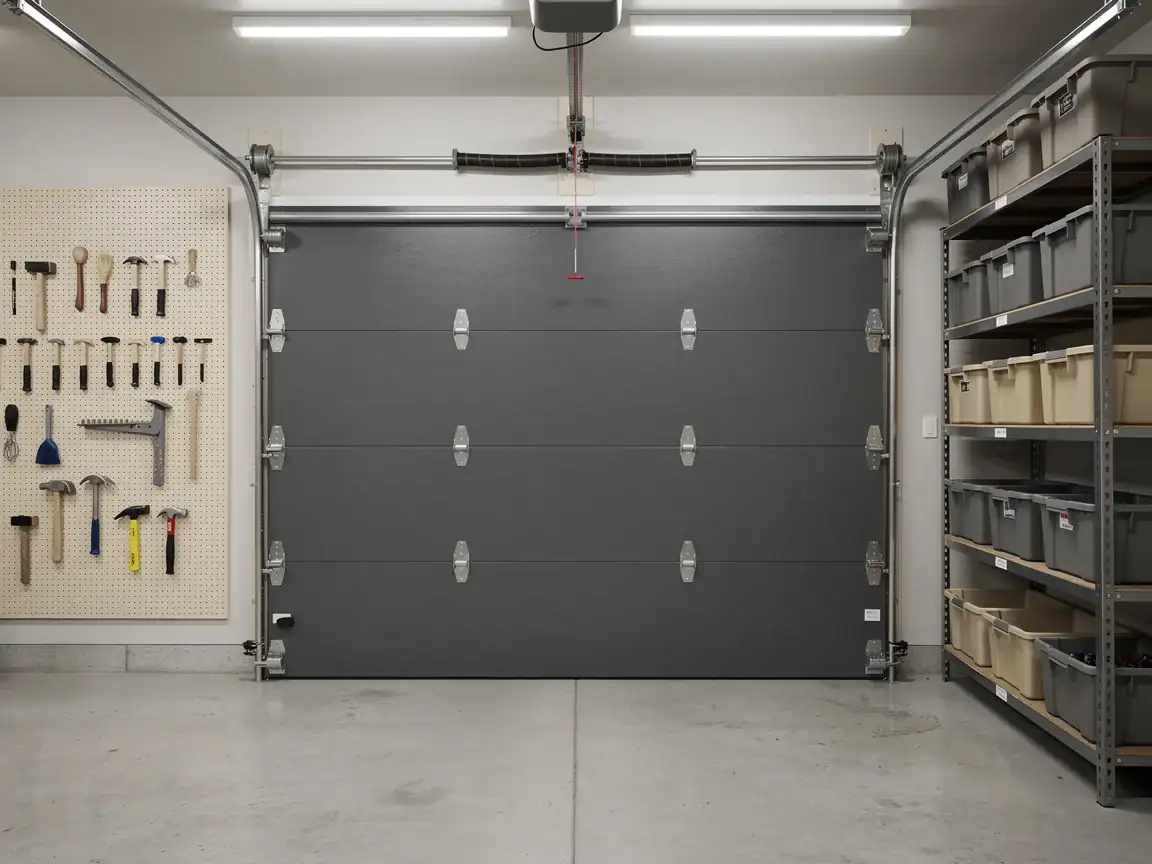
Which is high enough that a fair number of these houses have already had at least one door replacement since they were built. But "replaced once in fifty-plus years" still leaves a lot of original torsion setups out there, especially on detached garages and side-entry layouts that nobody gets around to updating until something breaks. The climate here is mild temperate, so the doors aren't fighting extreme heat or cold cycles - wear on these doors comes mostly from age and use, not weather damage.
- 10,753 households
- $241,348 median household income
What We Do Not Do
We don't have a depot or a drop-in showroom in Saratoga. We run out of Santa Clara, about 7 miles away, so a same-day emergency call on a Saratoga job competes with whatever else is on the route that day - we're not going to promise a response time we can't back up.
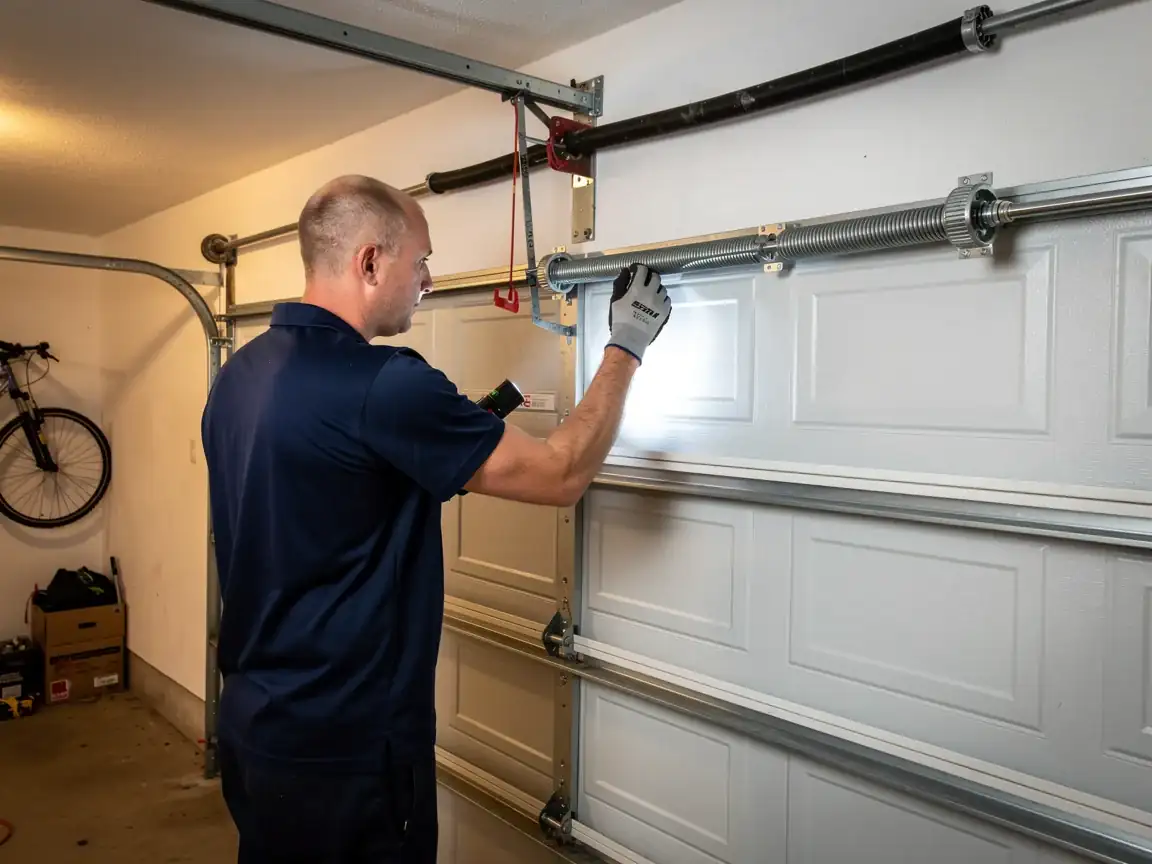
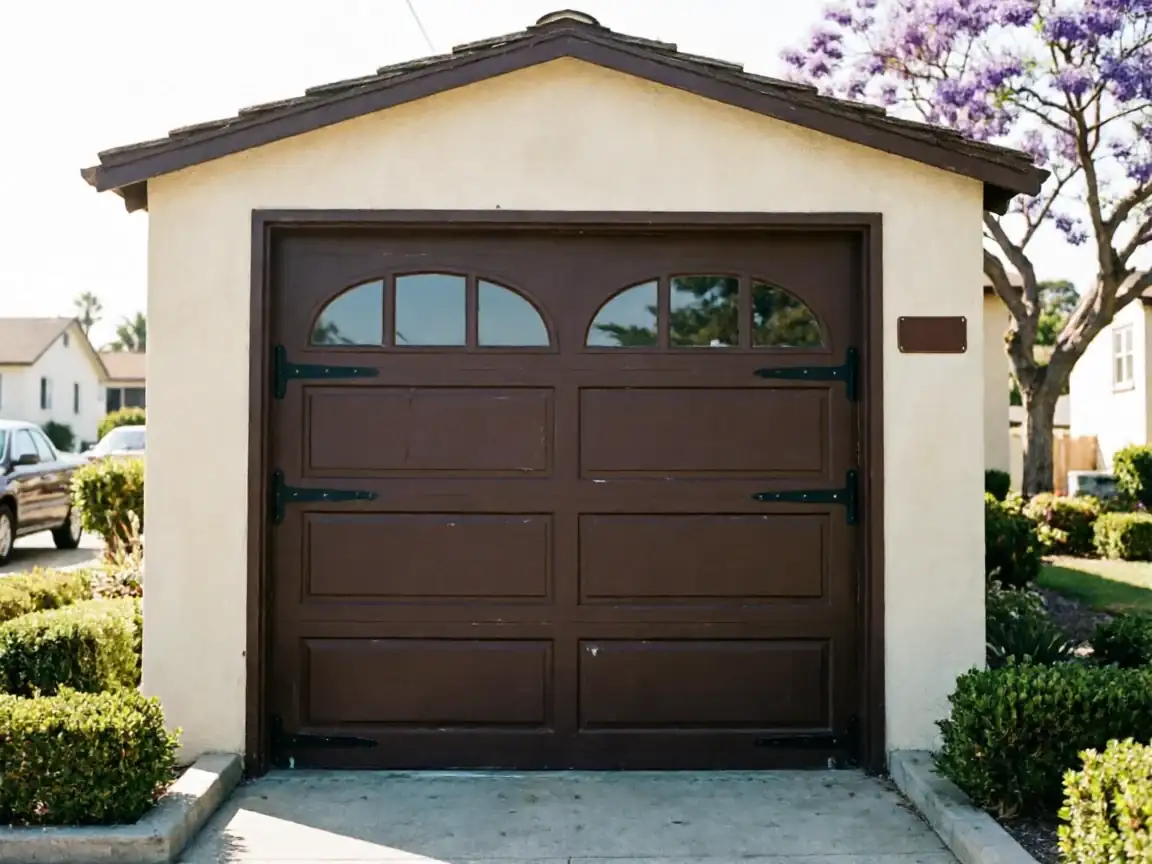
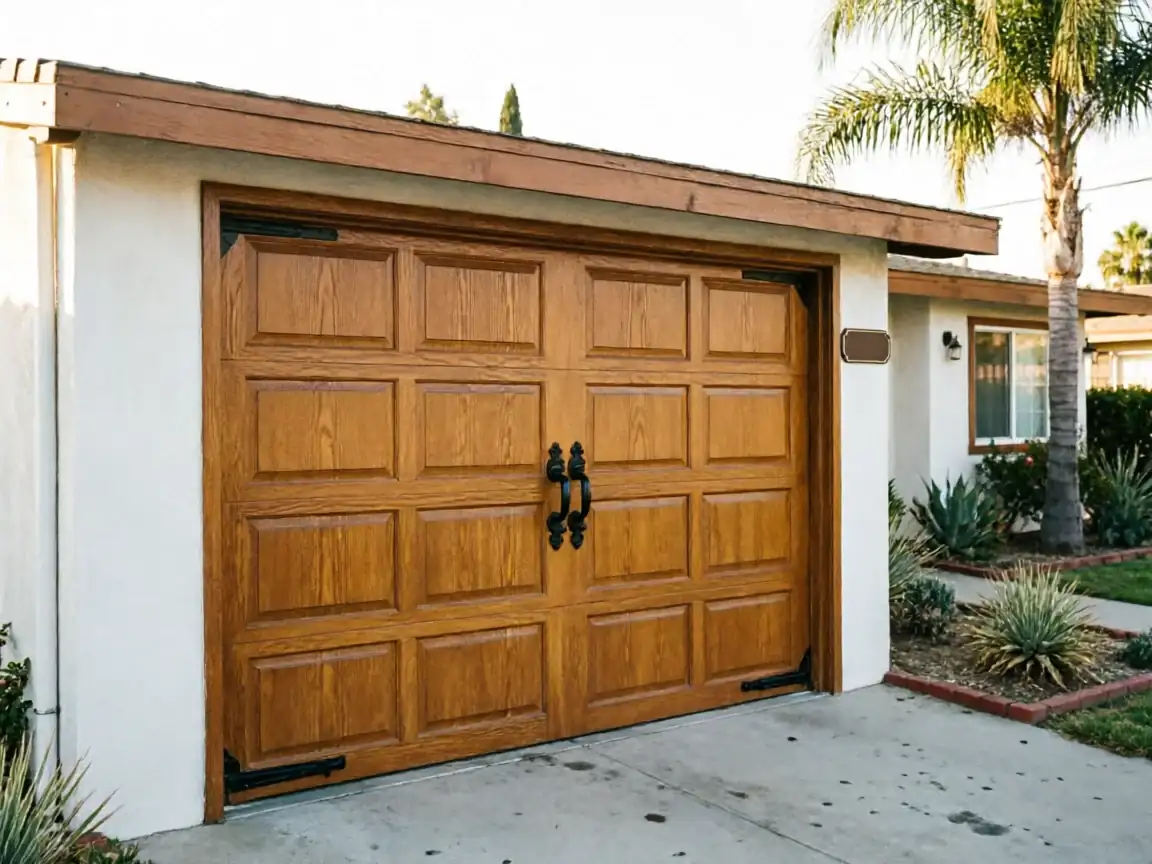
We also don't carry every obsolete part on the truck. Some of the hardware that shows up on these 1967-era doors - specific extension spring brackets, certain roller sizes - isn't something any supply house stocks new anymore. If your door needs one of those exact parts, we'll tell you straight whether it's worth sourcing used stock or whether replacement is the cheaper path over the long run. We're not going to keep a forty-year-old spring assembly alive just to avoid saying