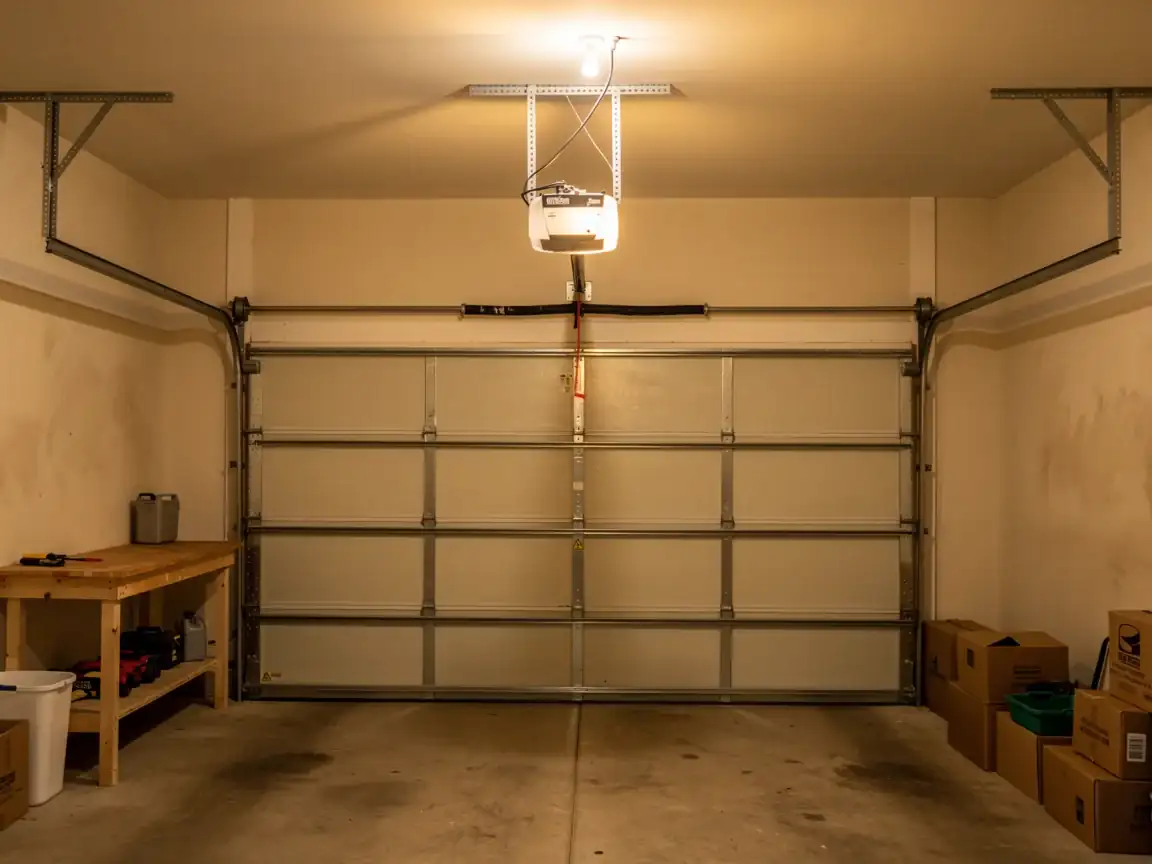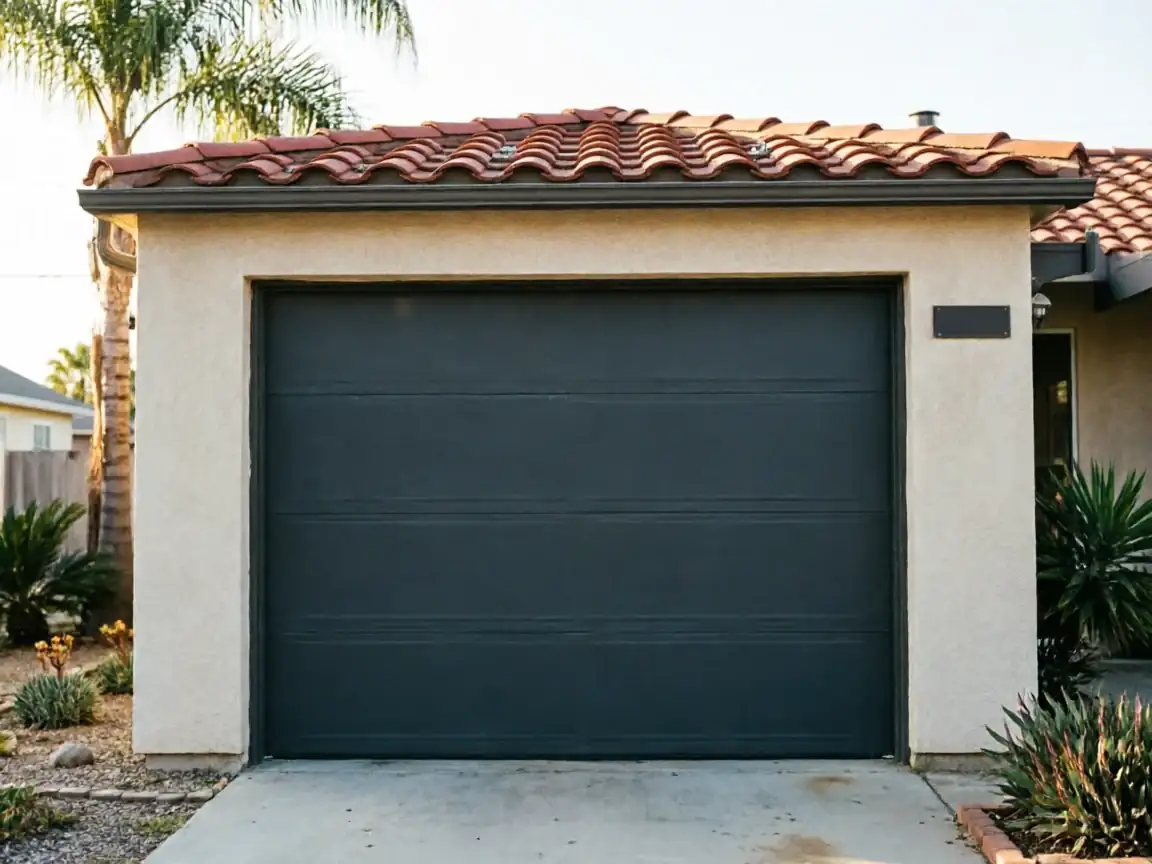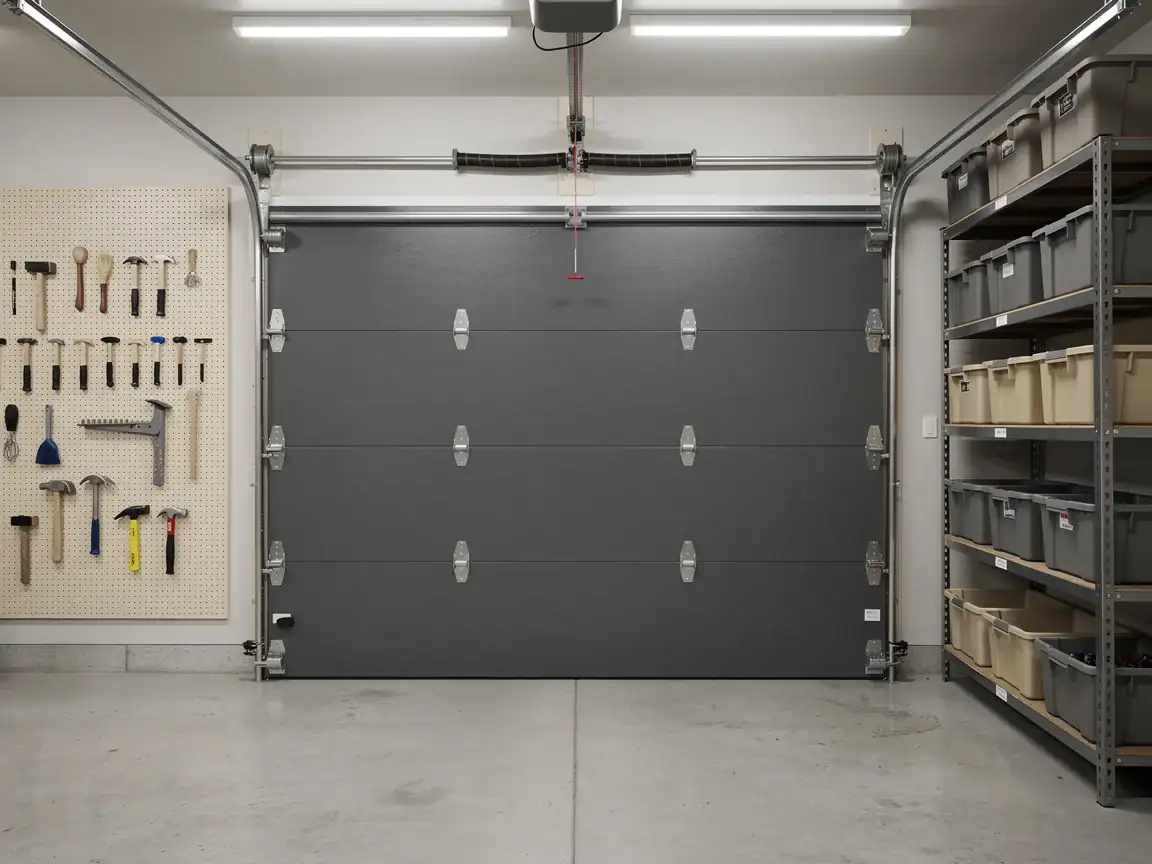
What You Are Seeing
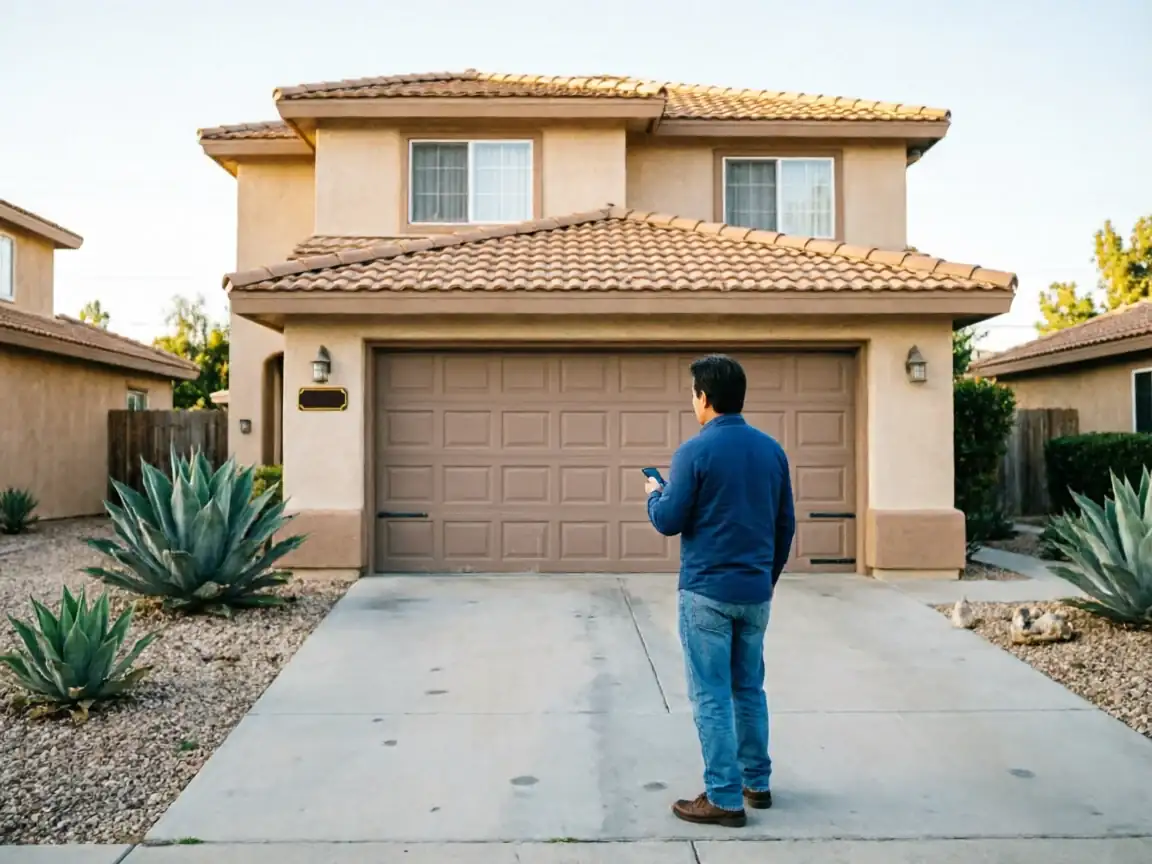
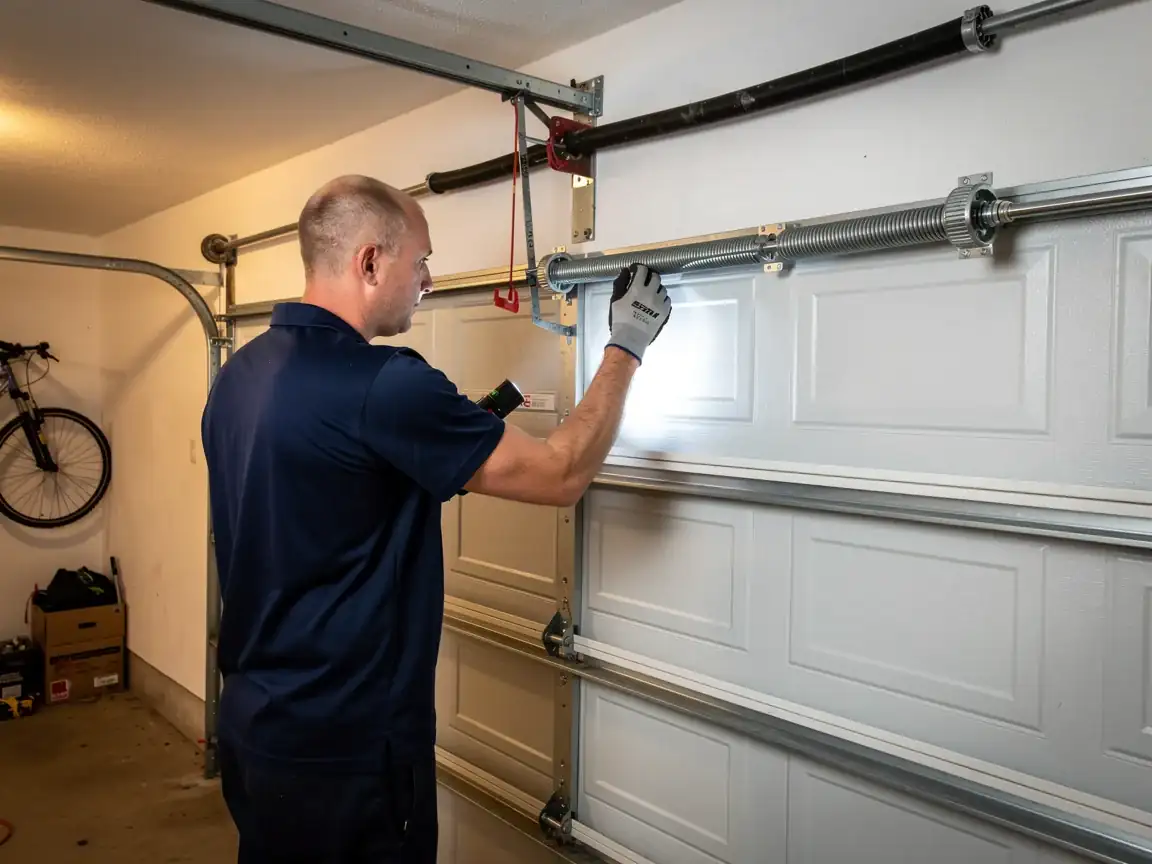
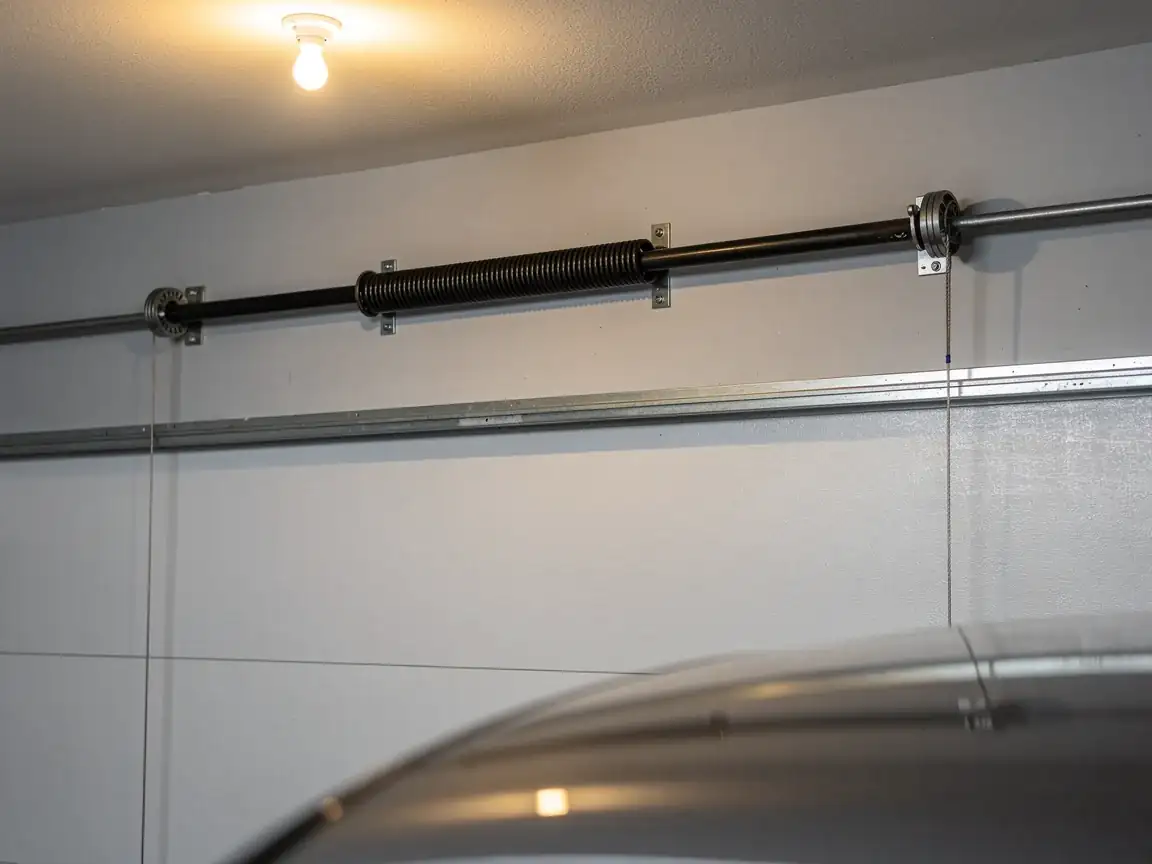
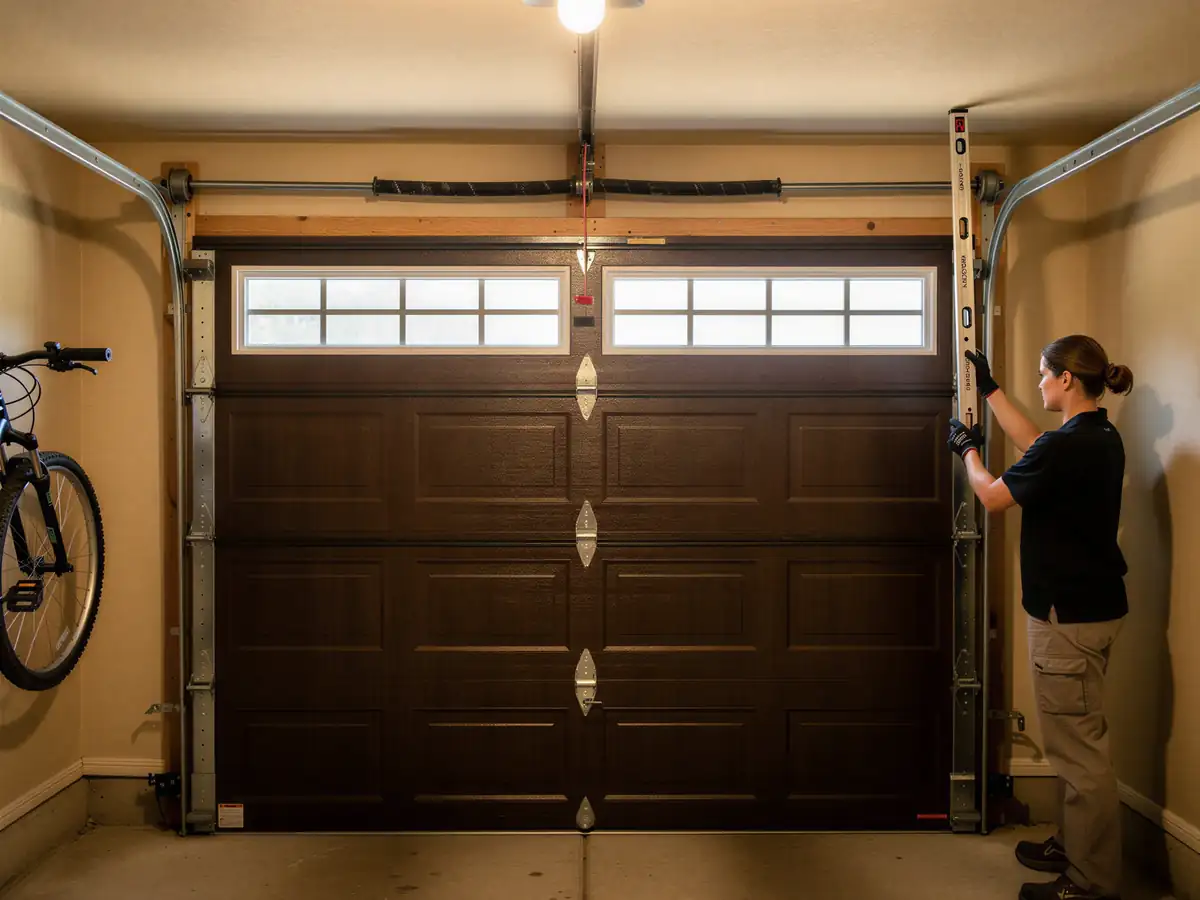
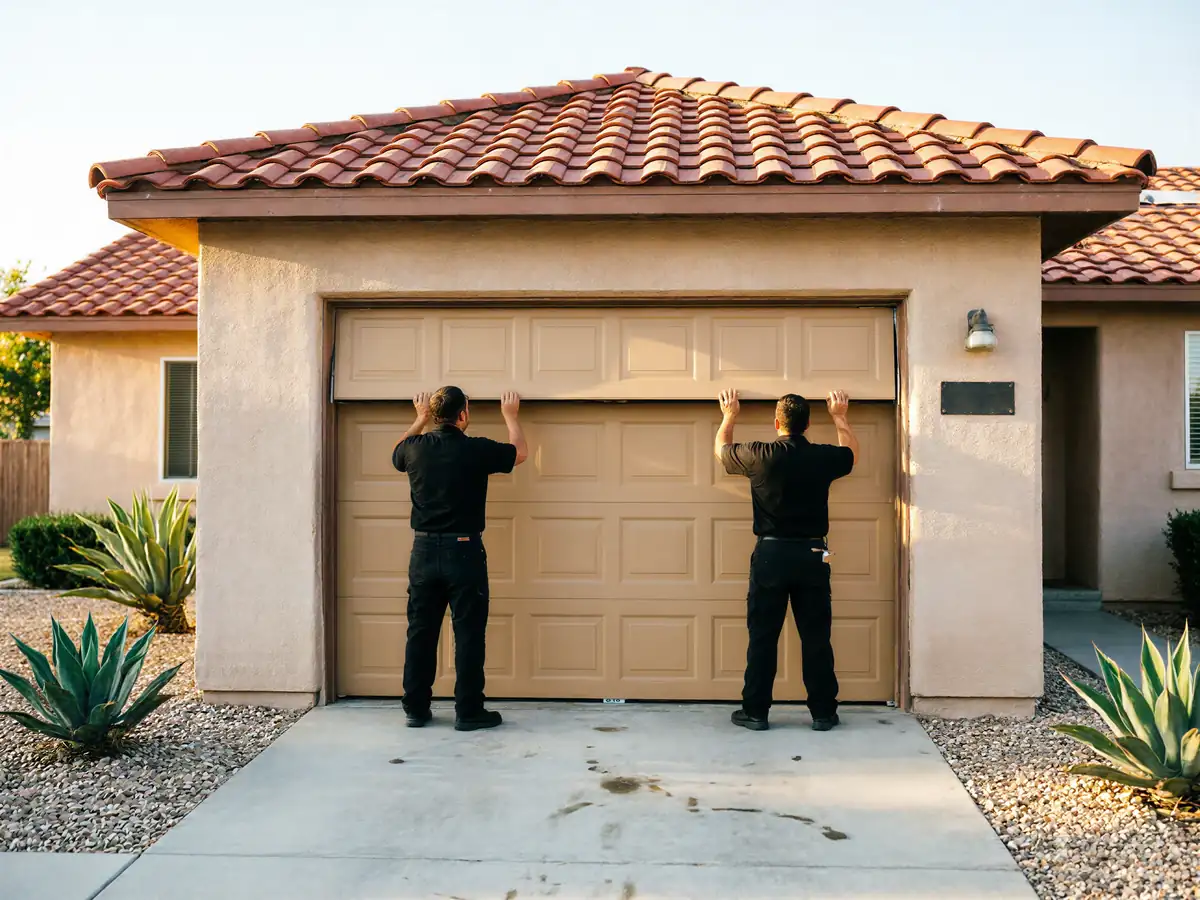
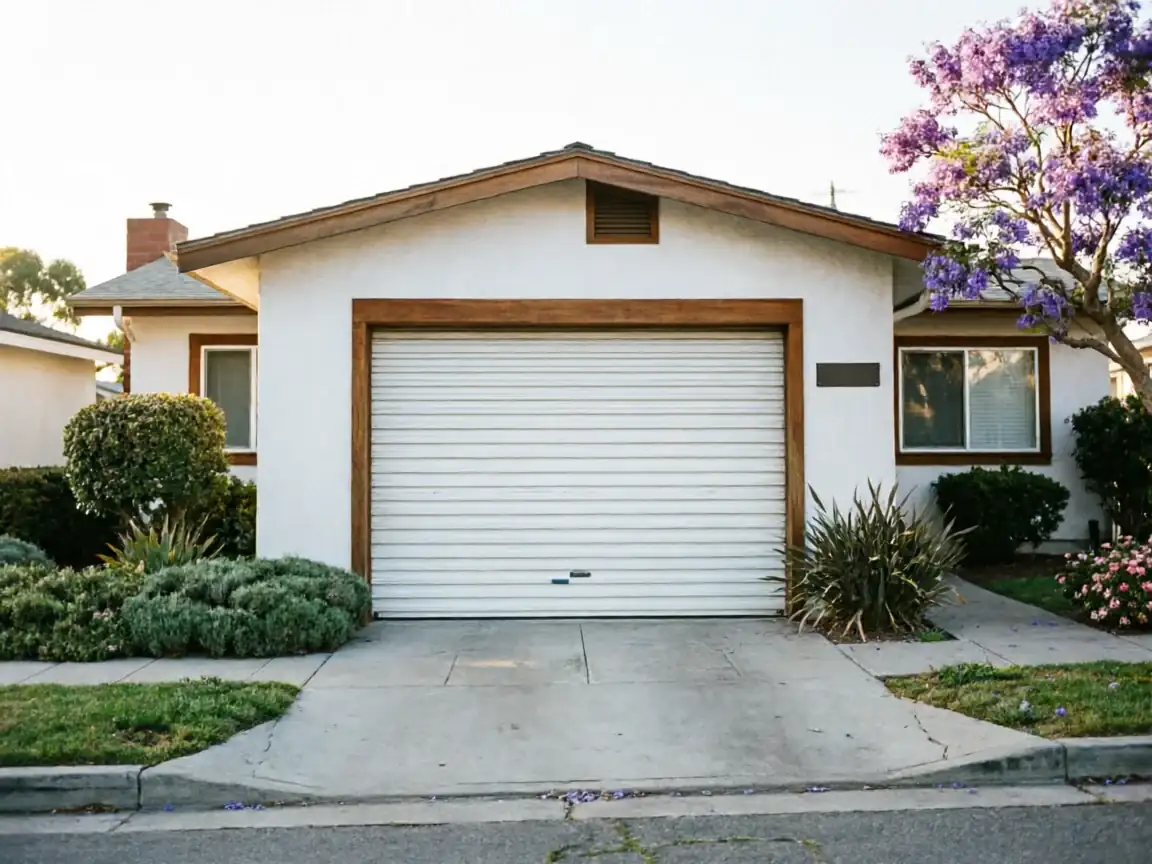
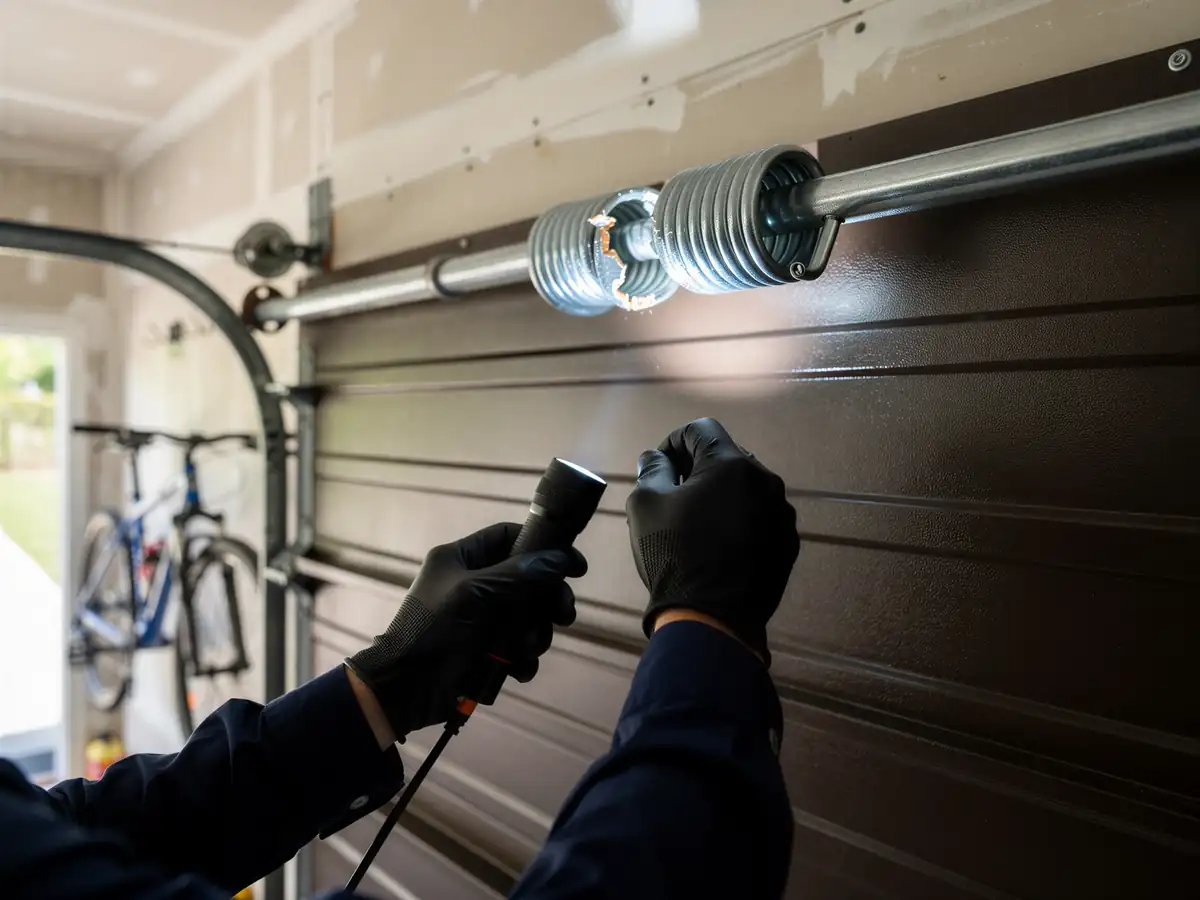
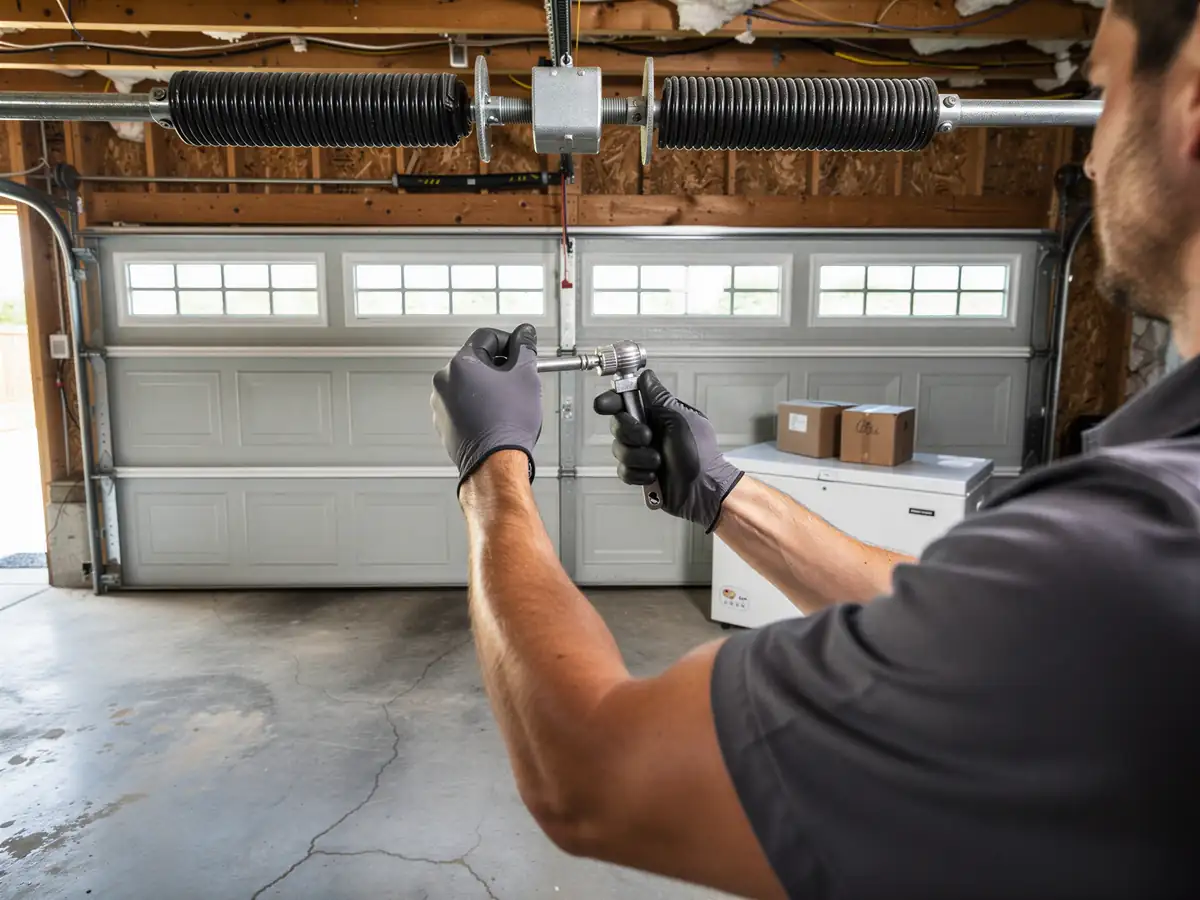
Saratoga's median household income is $241,348 - noticeably higher than the $214,149 median across the broader service area - and that income level shows up in what people do when a spring breaks. Fewer Saratoga owners limp along on a half-working door; more call as soon as the door won't lift evenly or drops fast on the way down. The houses themselves date to a median year built of 1967, which puts most of Saratoga's stock square in the 1960s-70s band that covers much of this area. That means torsion springs sized for doors built before lighter insulated panels became standard, mounted on hardware that's been serviced more than once by now if the house has had any garage door work at all. A spring that's sagged, or a cable that's frayed next to it, is usually original-generation hardware finally giving out, not a new-house defect.
What You Pay
We don't have a flat number to quote here, and we're not going to invent one. What we can say is how the decision usually breaks at this income level: with a median household income of $241,348, most Saratoga owners don't agonize over spring repair versus a full door replacement the way a tighter budget forces elsewhere - the spring job gets approved on the phone, and the harder conversation is reserved for doors where the spring is the least of the problems (bent track, rotted bottom panel, opener that's also failing). If your door is a single spring on a lighter sectional door, replacement of both springs as a pair is usually the honest recommendation even if only one broke, since the other is the same age and under the same load. We'll tell you on site which situation you're in before any work starts.
Stocked Parts
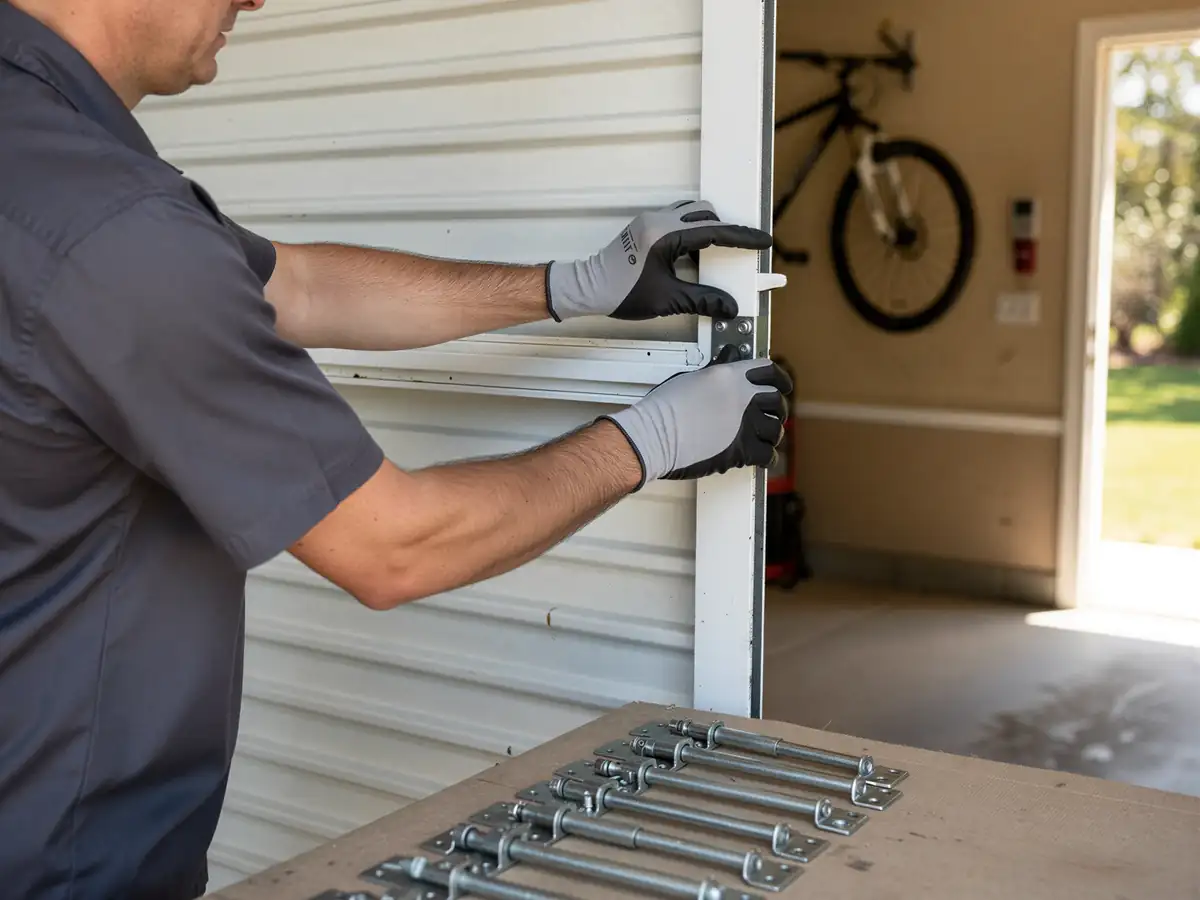
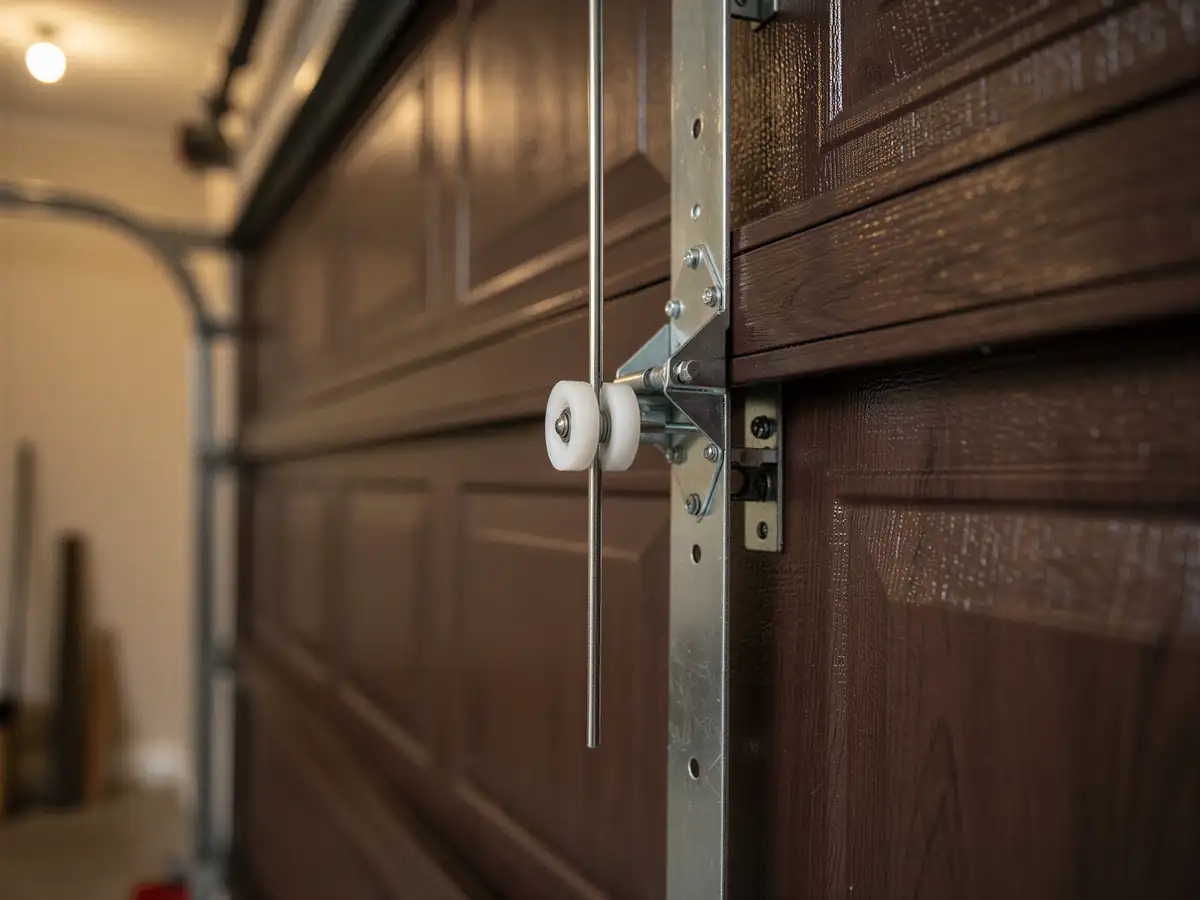
Given the median year built of 1967 across Saratoga, the torsion springs we stock most for this area are sized for doors from that build window - standard 7-foot and 8-foot sectional doors on torsion hardware, plus the extension-spring kits still found on older unconverted doors. We carry common cable, roller, and drum sizes that match 1960s-70s installations, which is most of what we see here. What we don't carry as standard stock is anything custom-width or non-standard - a door that's been resized, an oversized single door, or hardware from a renovation that swapped in something nonstandard. Those get ordered, which adds a day or two.
Where This Job Goes Sideways
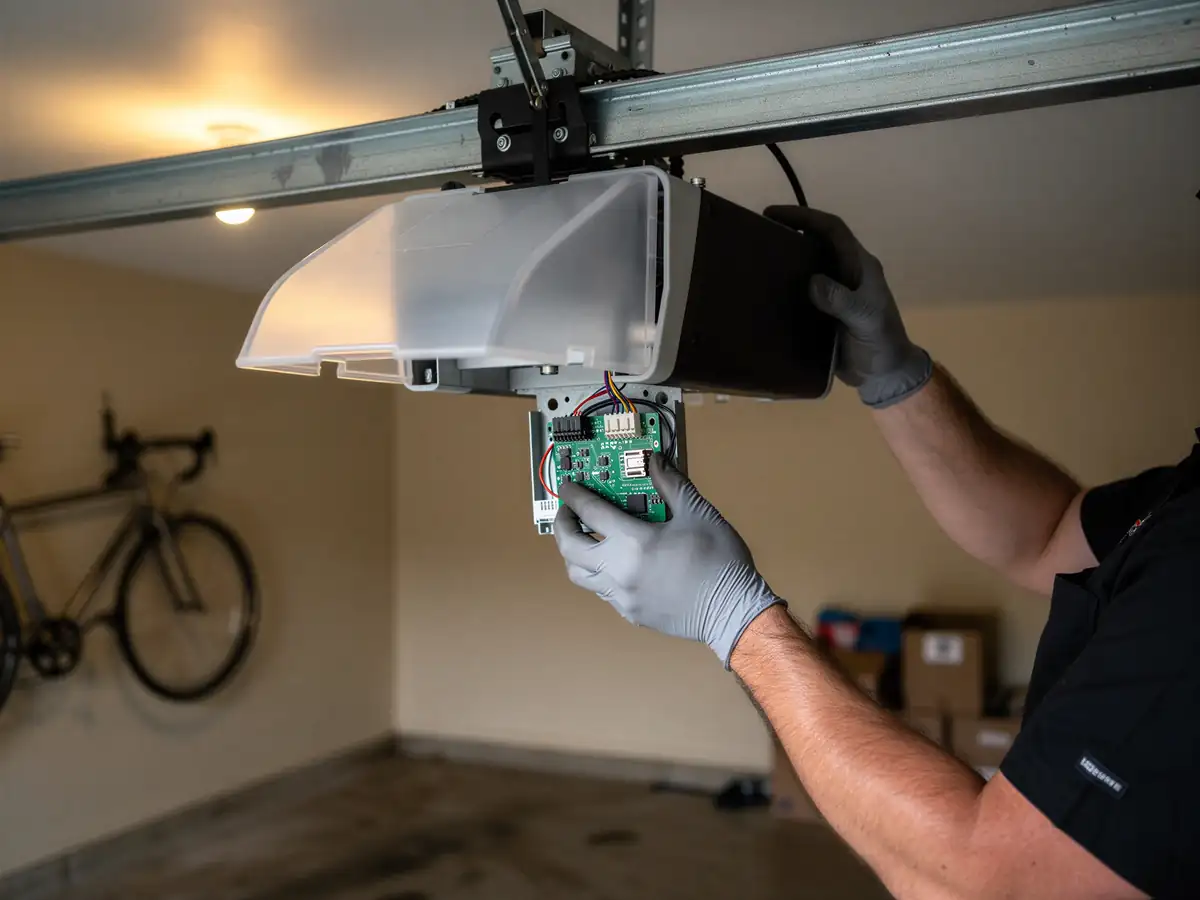
The job gets complicated when the spring isn't the only thing that's failed. On a house built around 1967, it's common for the spring, the cable, and the bottom bracket to all be original - so a spring break sometimes reveals a cable that's about to go too, or a drum that's worn past where it should be. We'll flag that rather than just swap the spring and send you a bill for round two next month. The other way it goes sideways: a door that's been