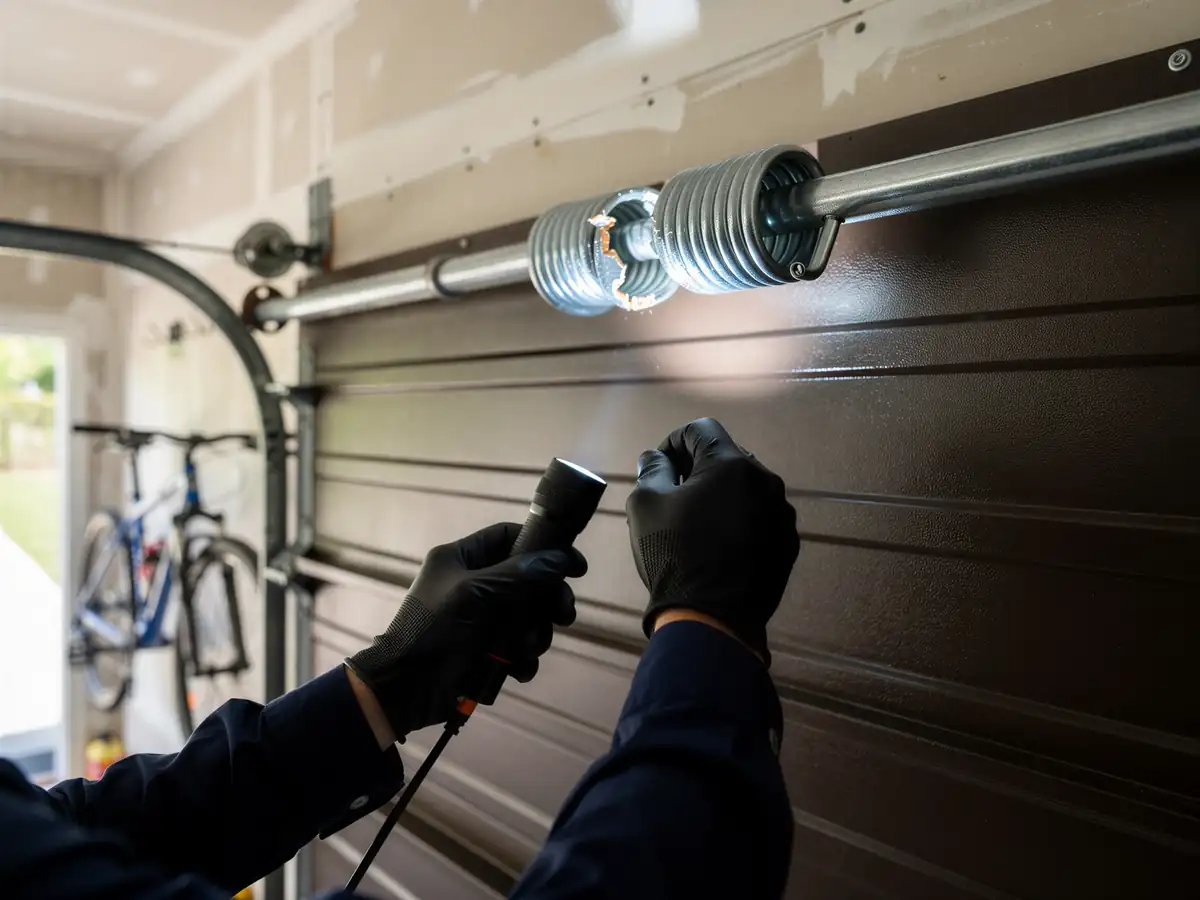
What You Are Seeing
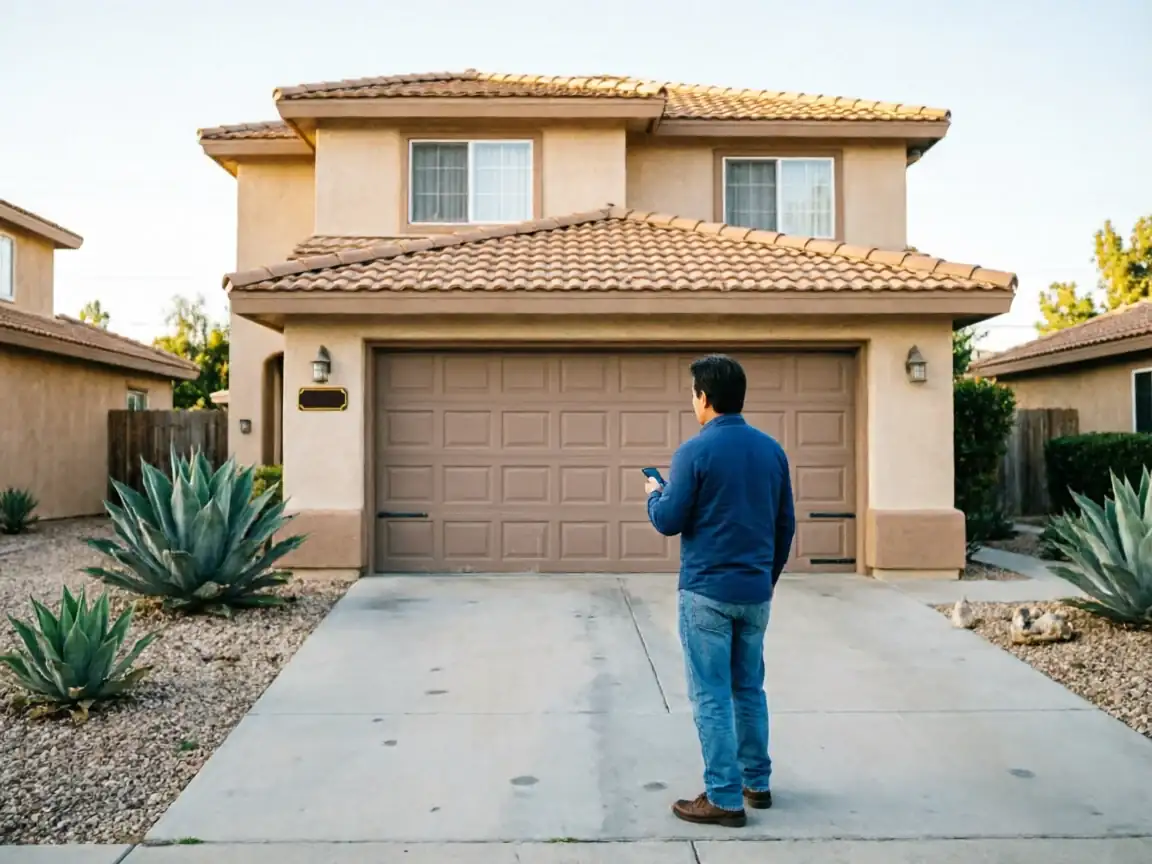
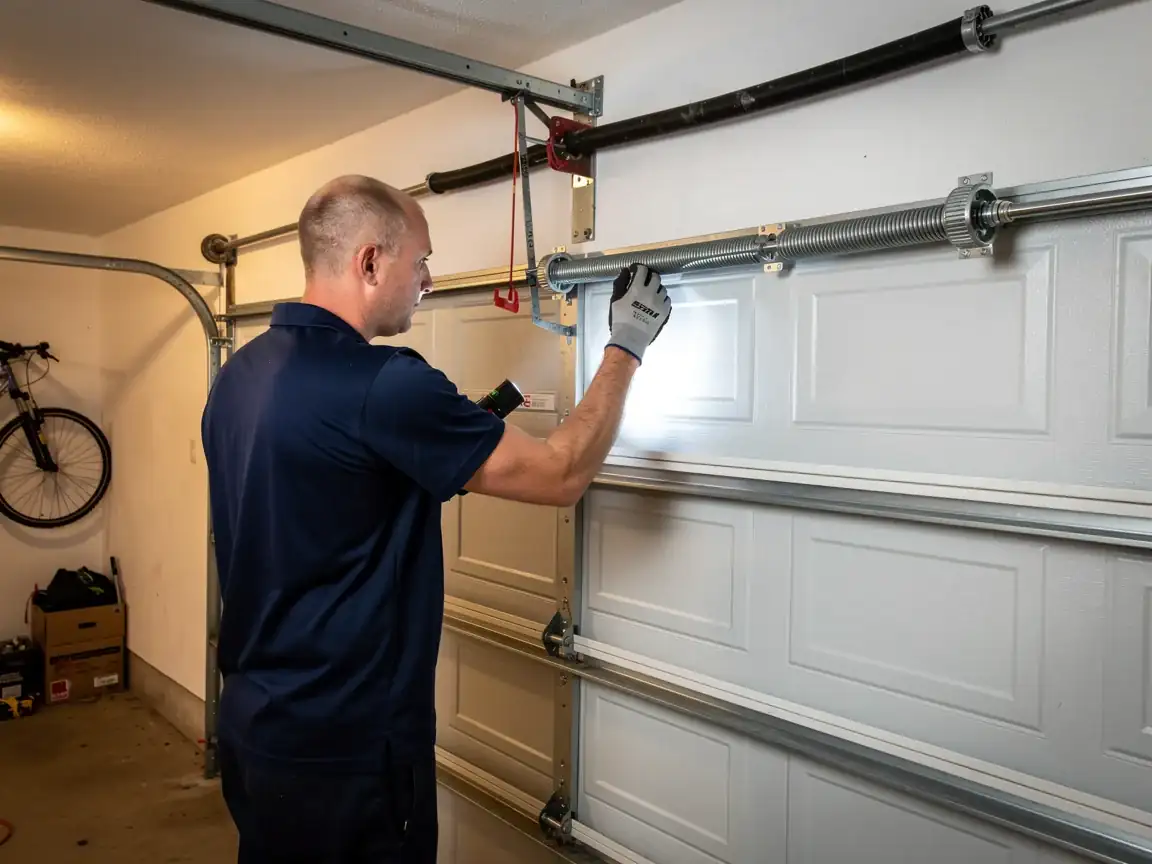
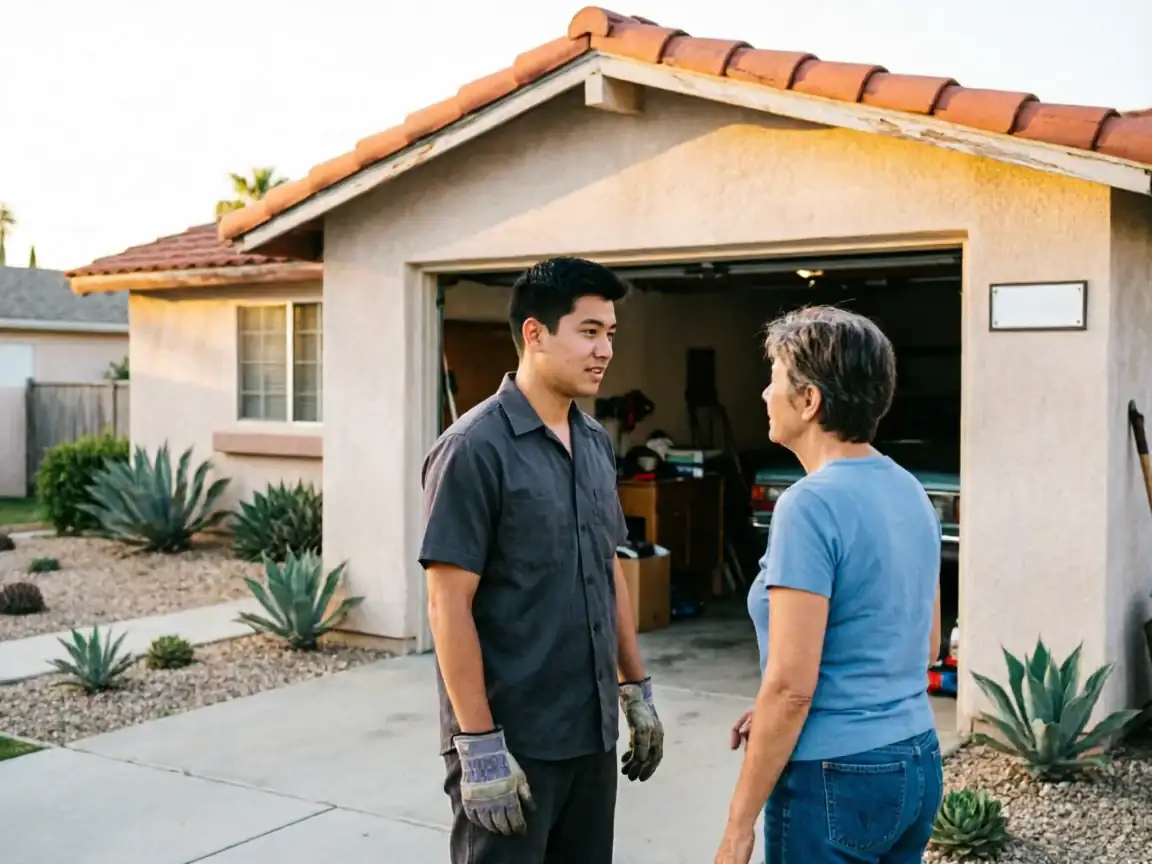
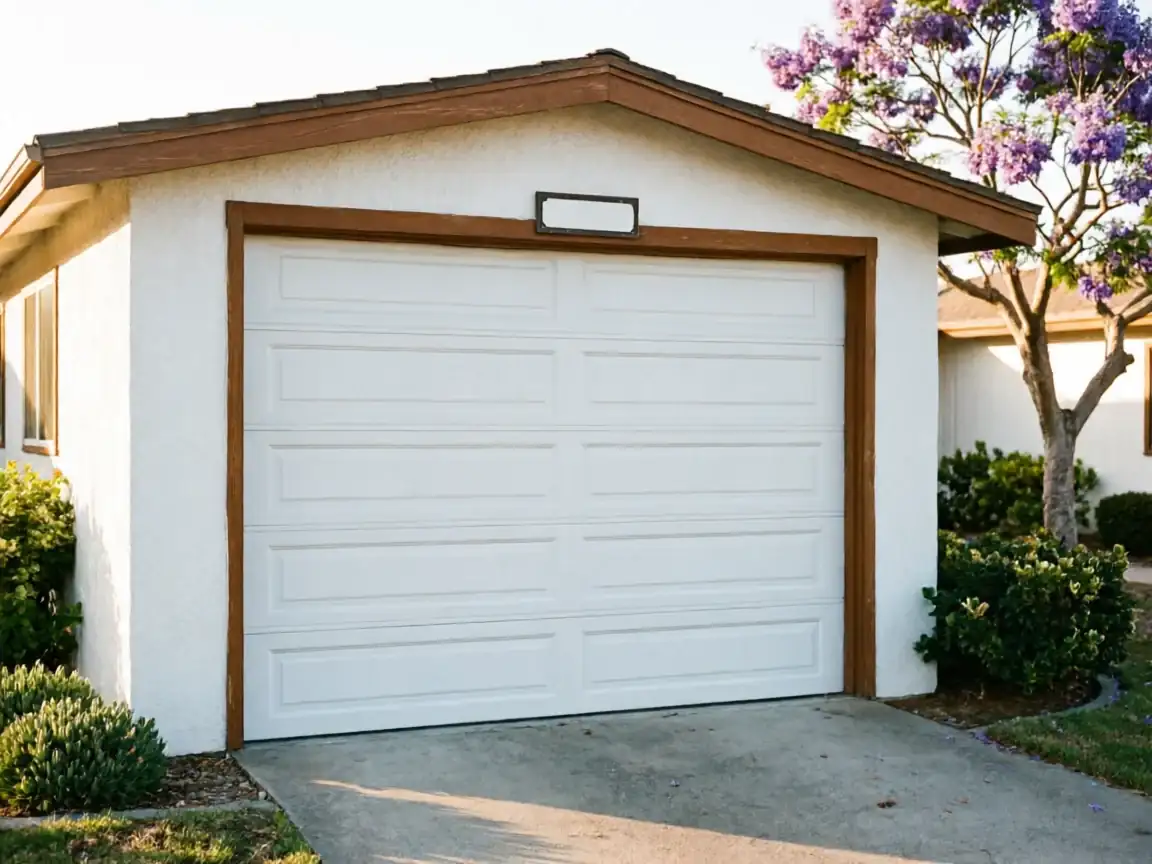
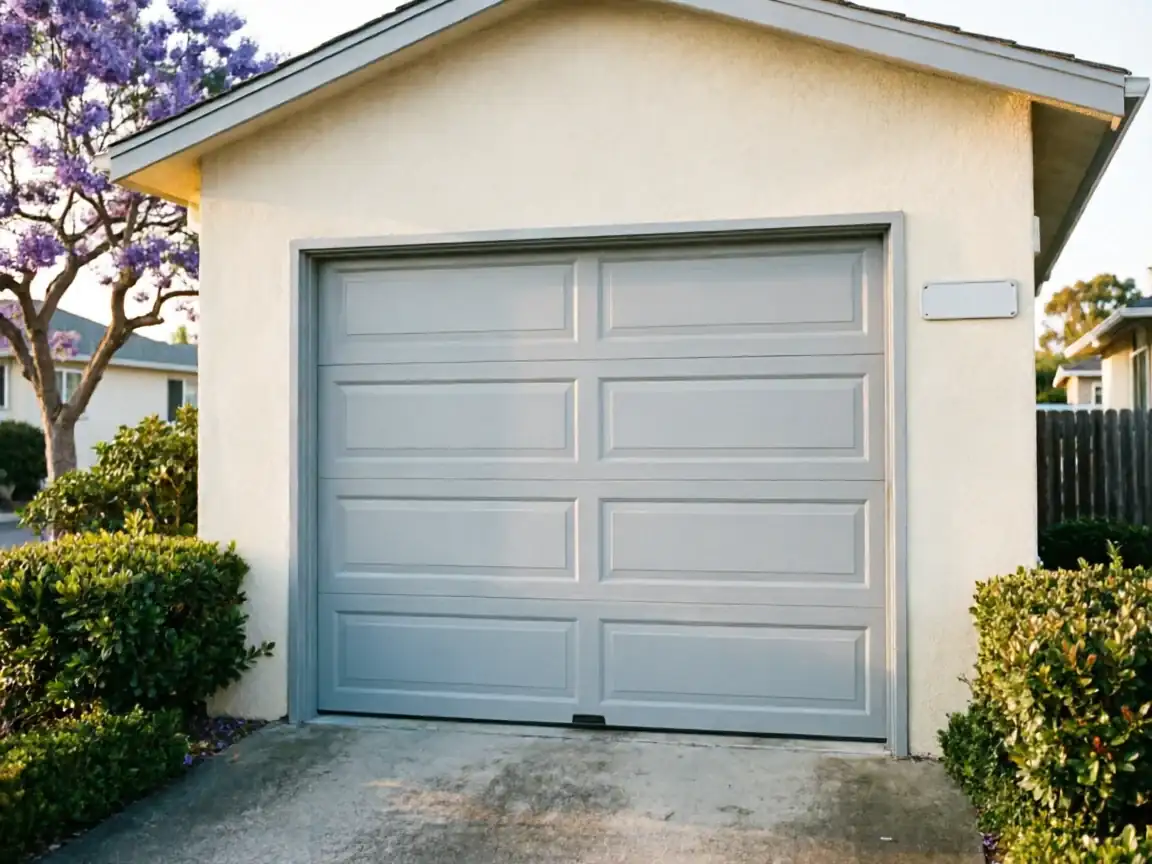
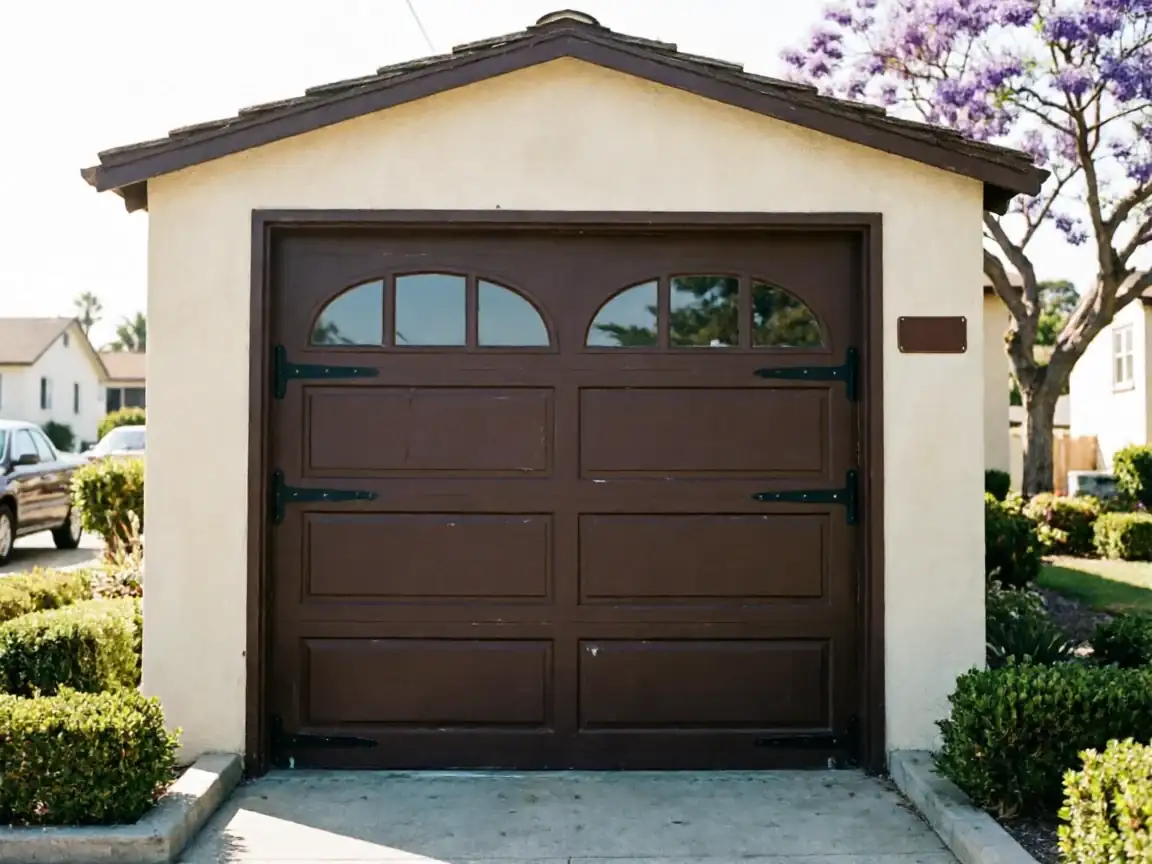
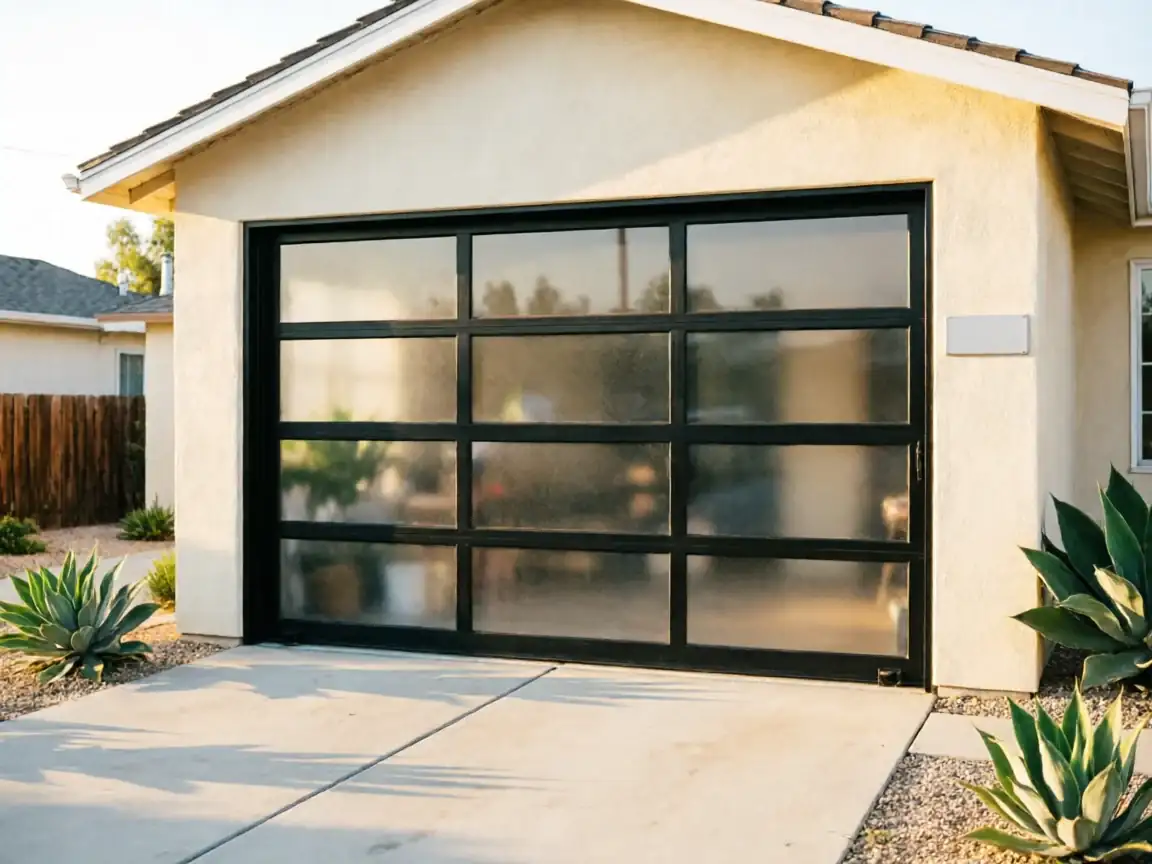
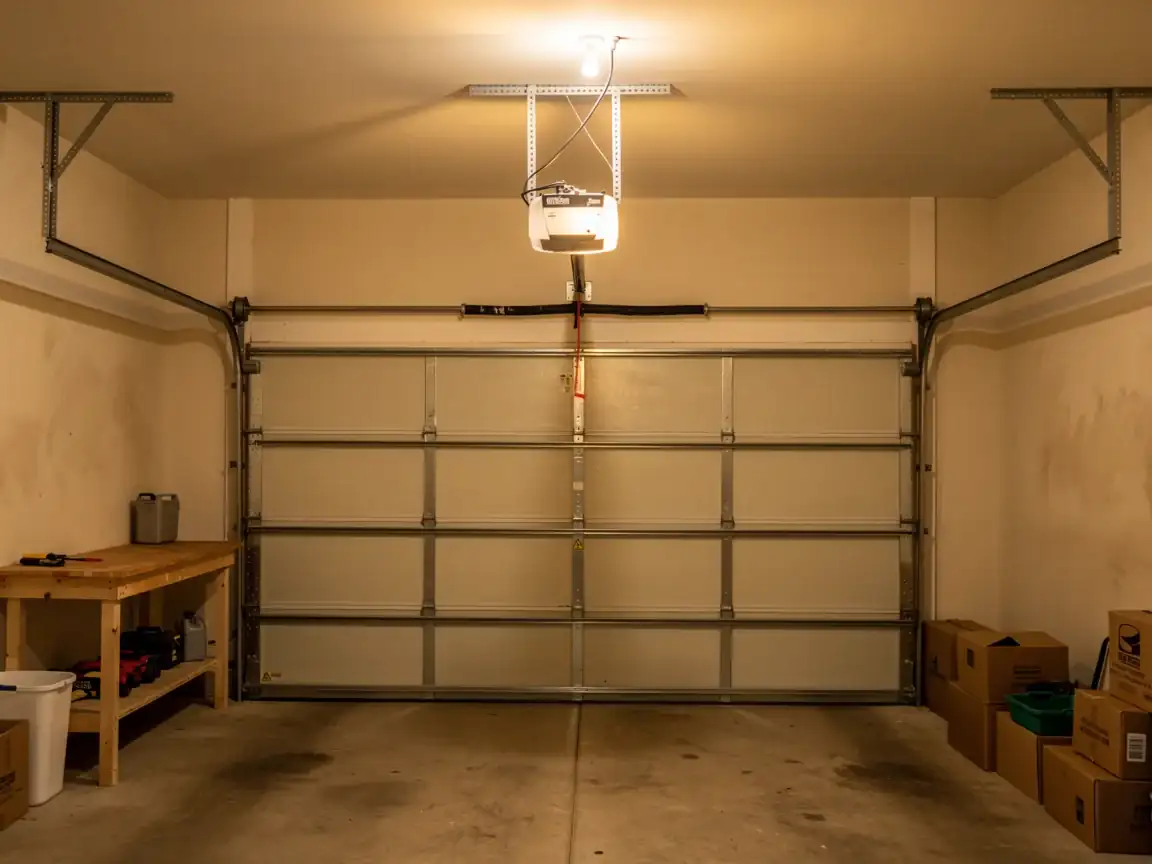
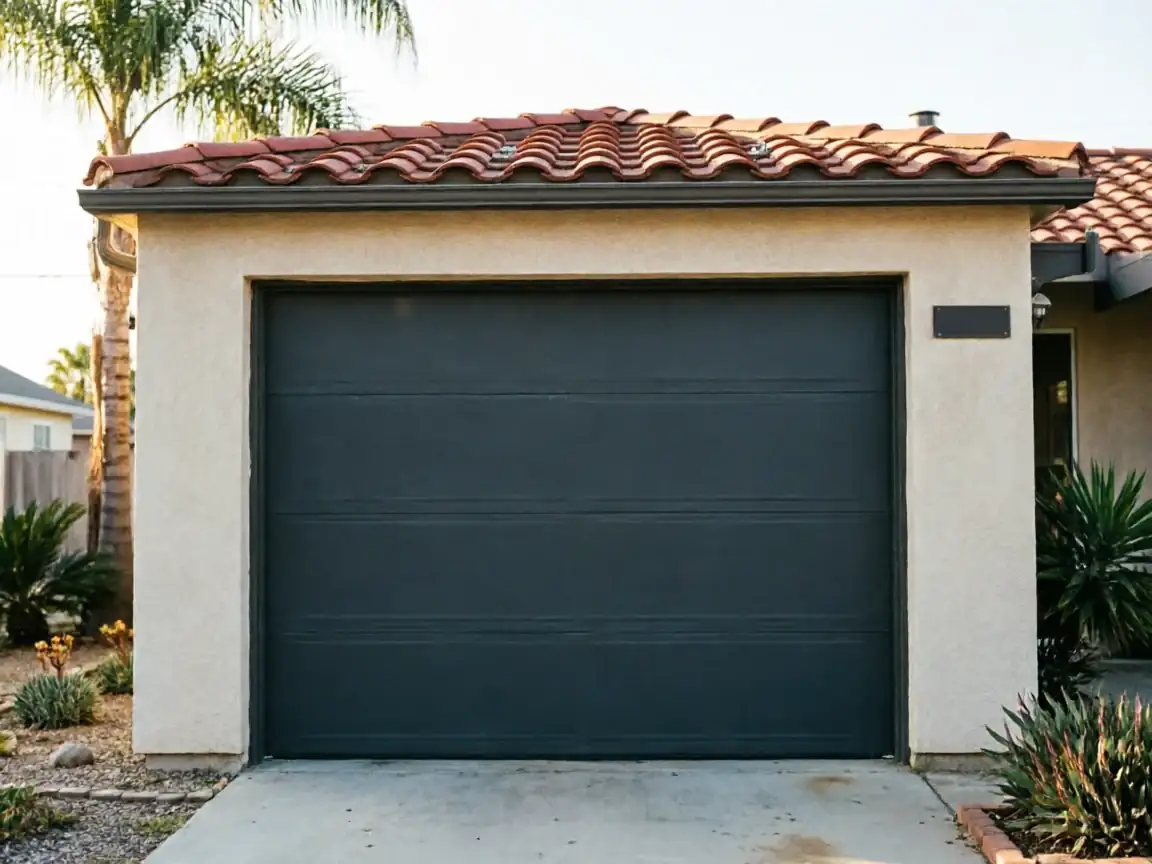
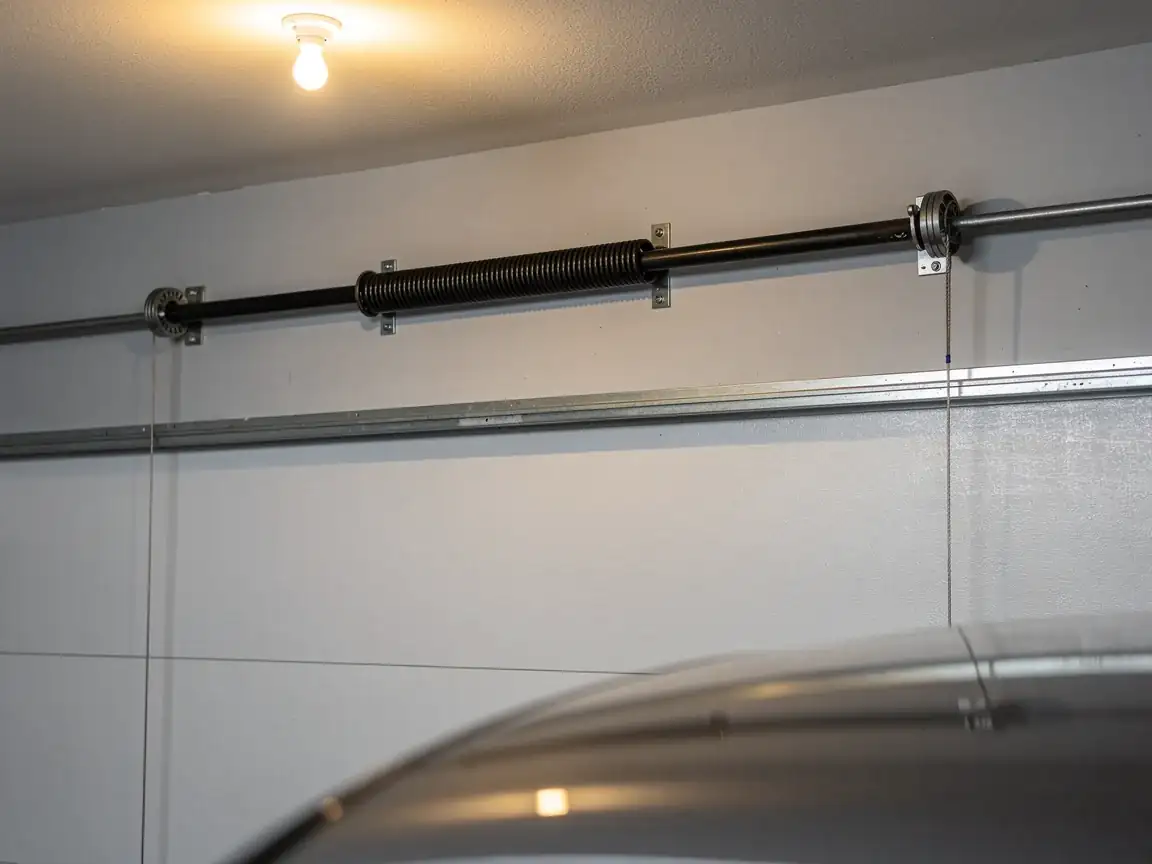
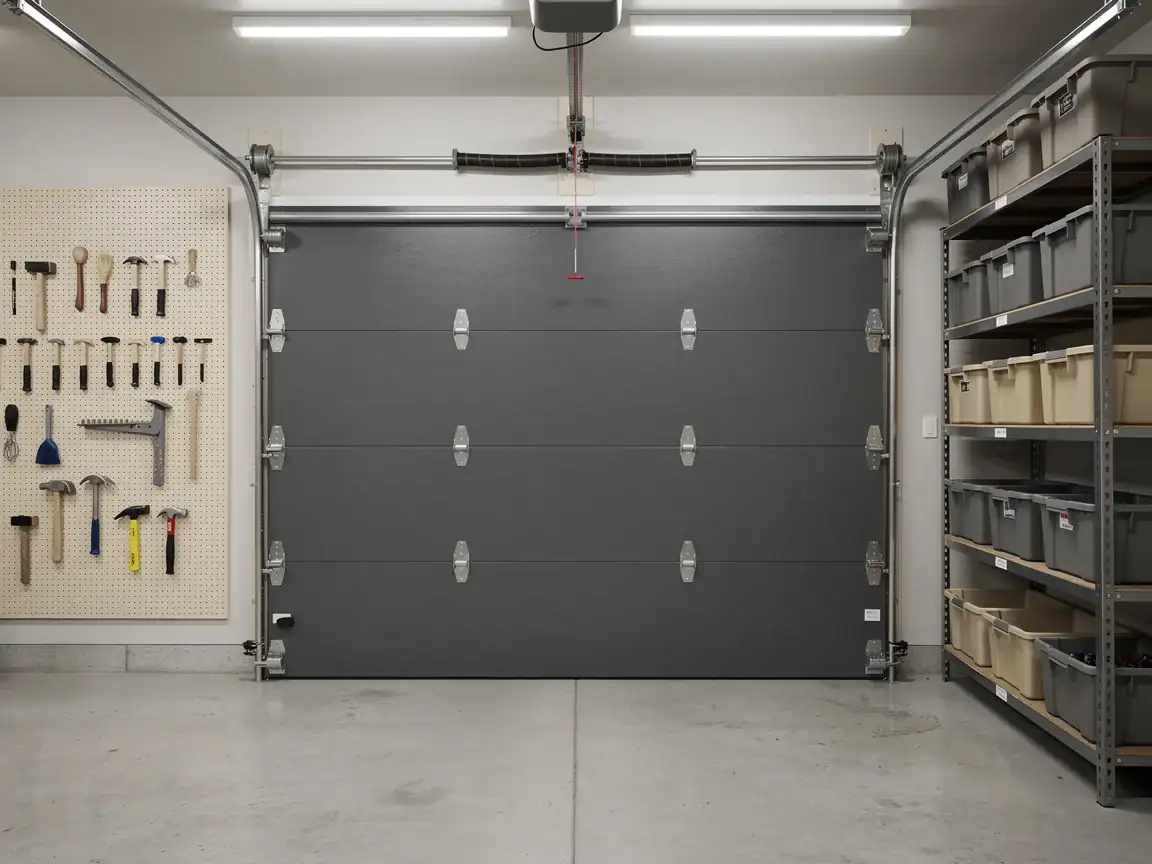
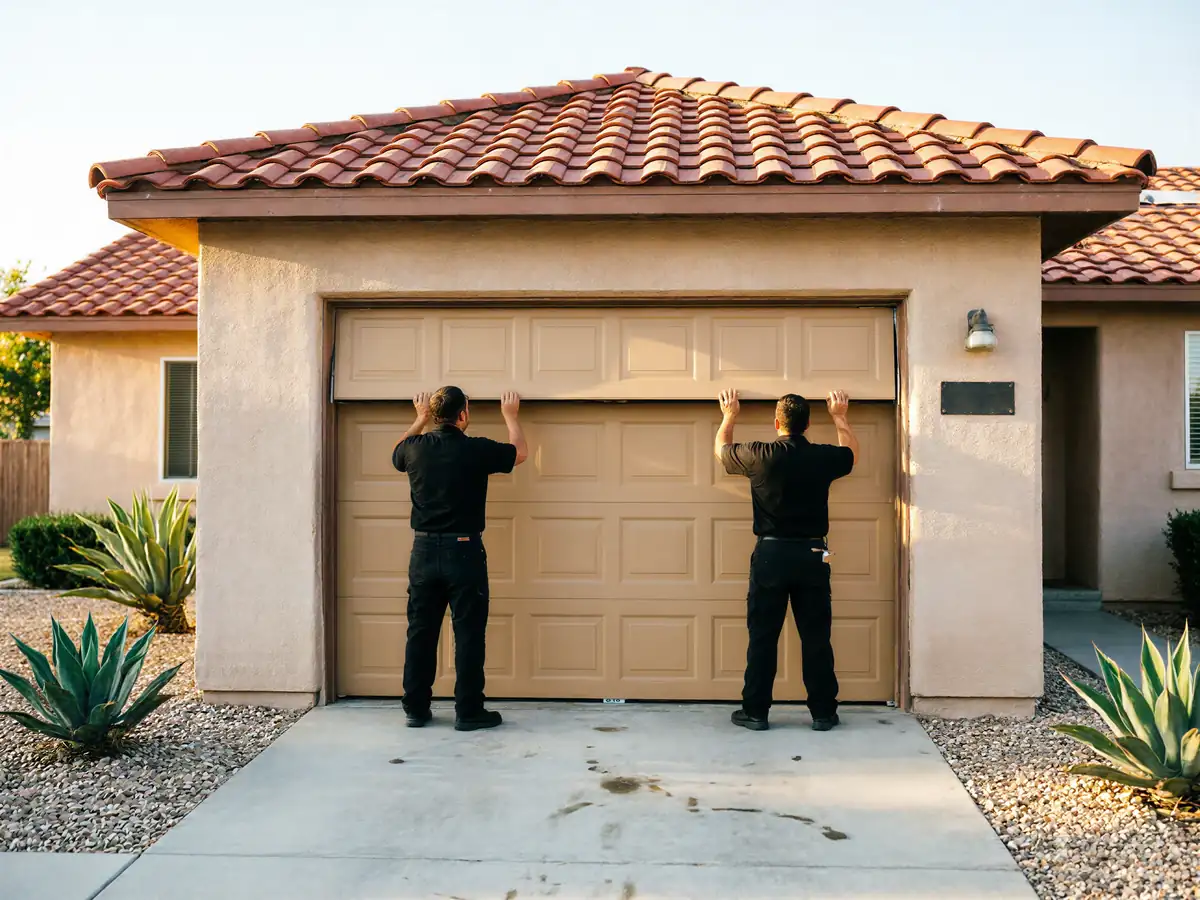
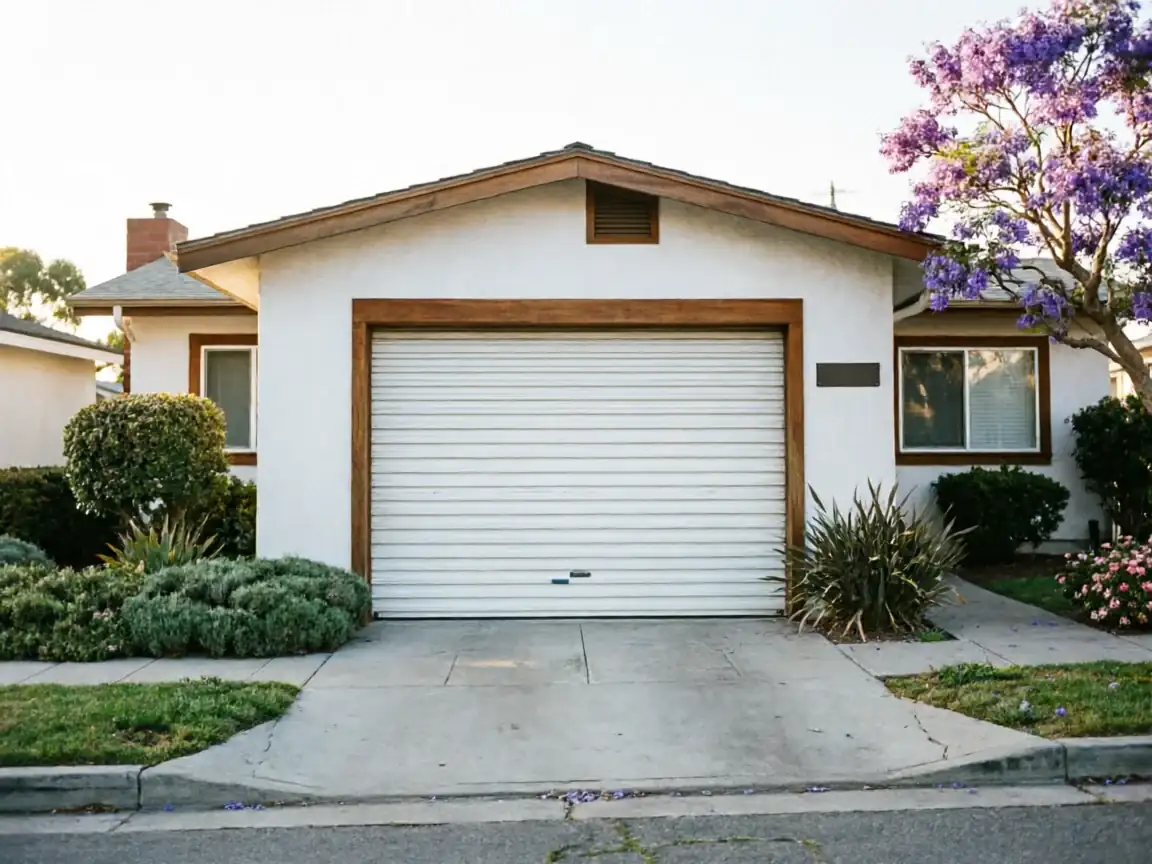
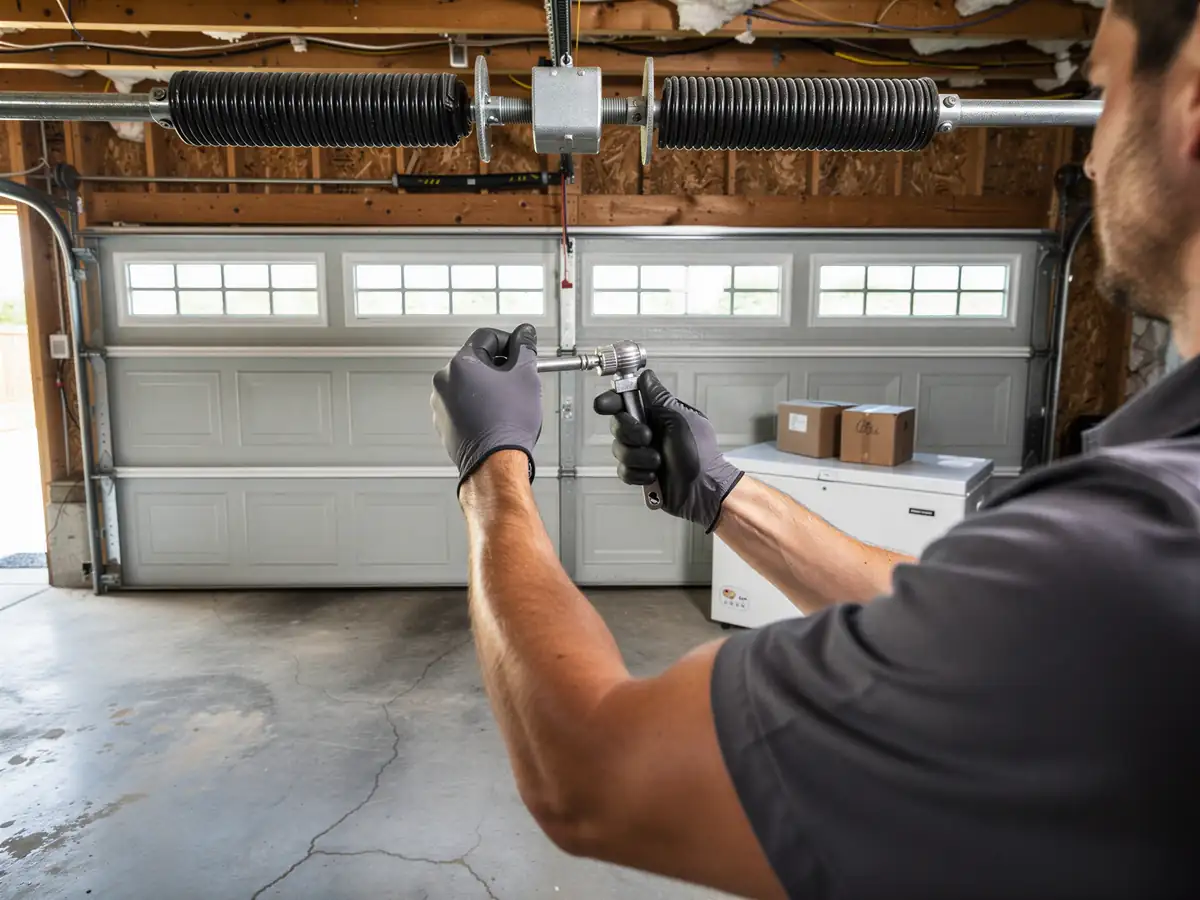
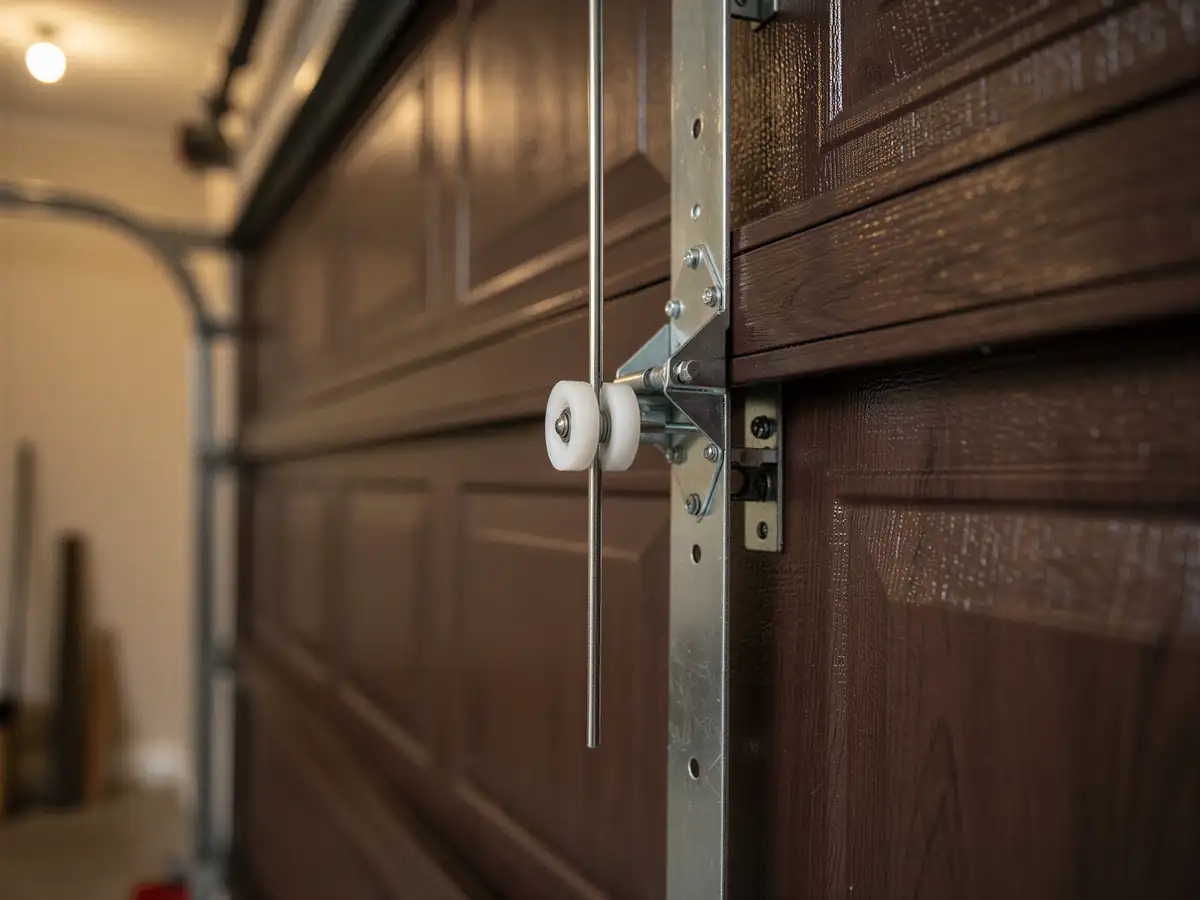
Saratoga's housing stock centers on 1967, which puts most garage doors here squarely in the same generation as the rest of this part of the valley - wood or early steel sectional doors on torsion or extension spring setups that were standard through the 1960s and 70s. A lot of these are original hardware, not replacements: heavier panels than what's sold today, with springs sized for a door that's been doing the same job for close to sixty years. When something lets go, it's usually the spring, a cable that's frayed off a worn drum, or a track that's pulled loose from a stud behind trim nobody's touched since the house was built. The mild temperate climate here hasn't been hard on the steel, but it hasn't done the lubrication and spring temper any favors either - slow daily wear, not rust-through.
What You Pay
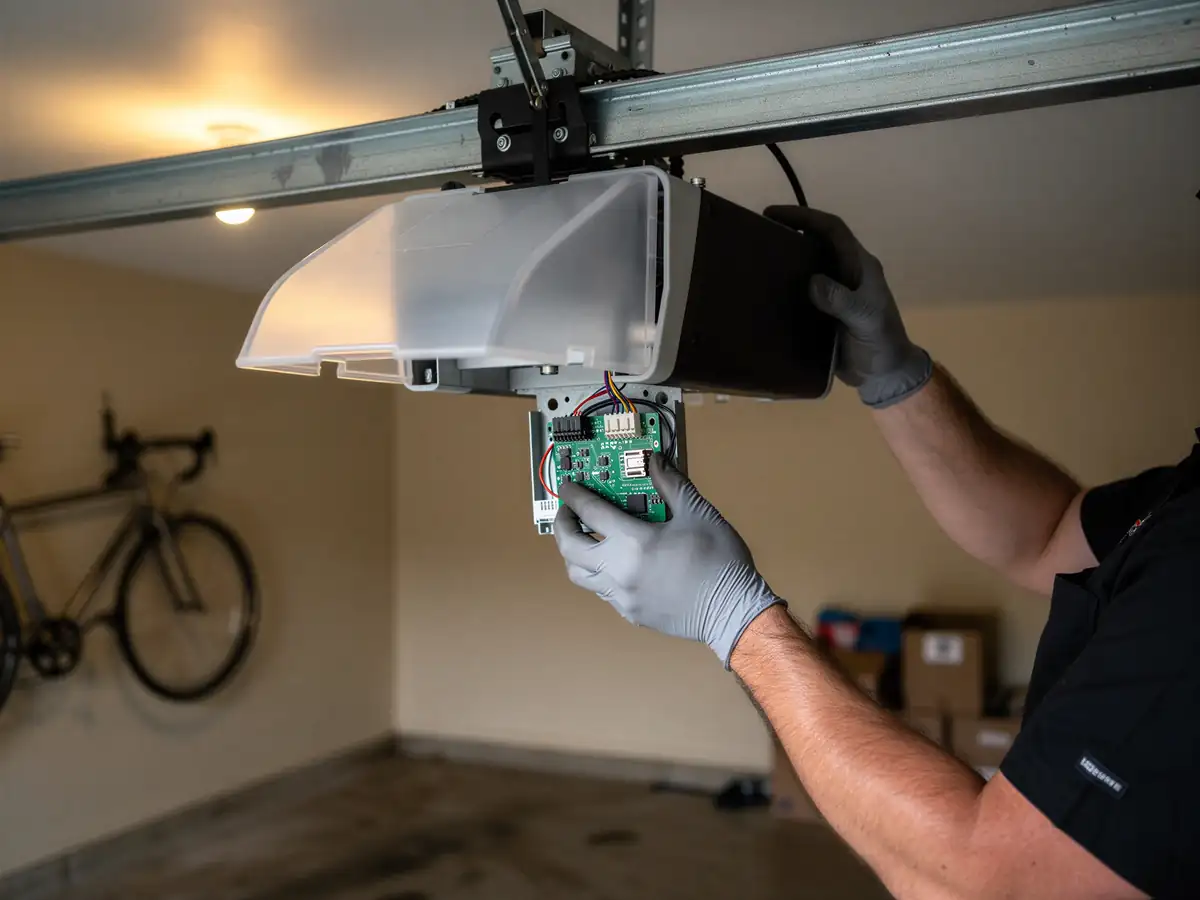
We don't have a published flat rate for Saratoga specifically, and we're not going to make one up to fill this space. What we can tell you is that cost here tracks the parts more than the drive: a torsion spring swap on an older door runs differently than a cable or roller job, and we'll quote the actual part and labor once we've seen the door or heard a clear description of it over the phone. One honest limit - if the opener itself is original to a house built in the 1960s, we'll often tell you the repair isn't worth it next to a straight replacement, and we'll say that upfront rather than bill you for a patch that fails again in a year.
Stocked Parts
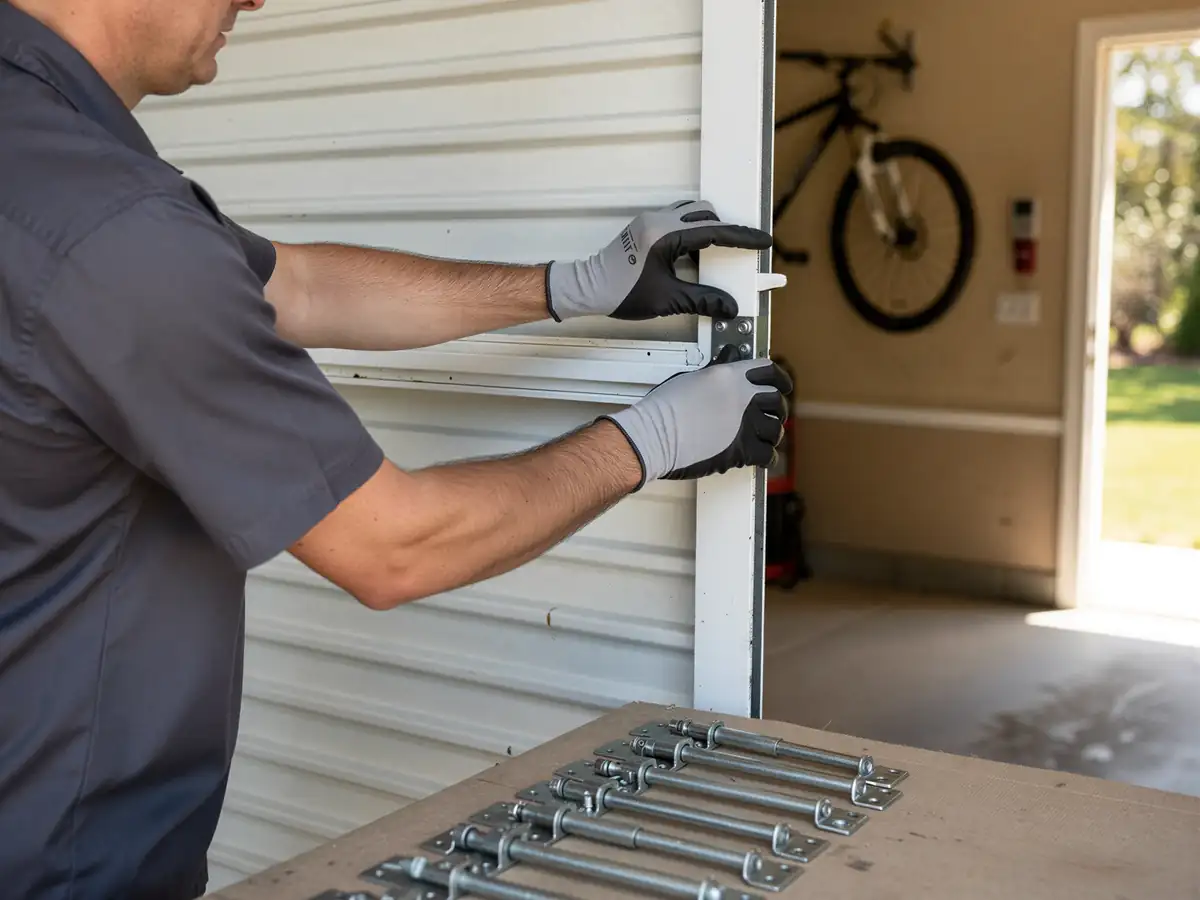
We carry torsion and extension springs sized for the door widths common on 1960s and 70s builds, standard-gauge lift cables, and the drums and rollers that wear out on doors this age. What we don't always have on the truck is a replacement panel matched to an original wood or early-steel door from that period - those sections aren't made anymore, and matching one can mean a special order with a real wait. If a single panel's cracked or dented and the rest of the door is sound, we'll tell you what the lead time looks like rather than promise same-day on a part we don't stock.
Where This Job Goes Sideways
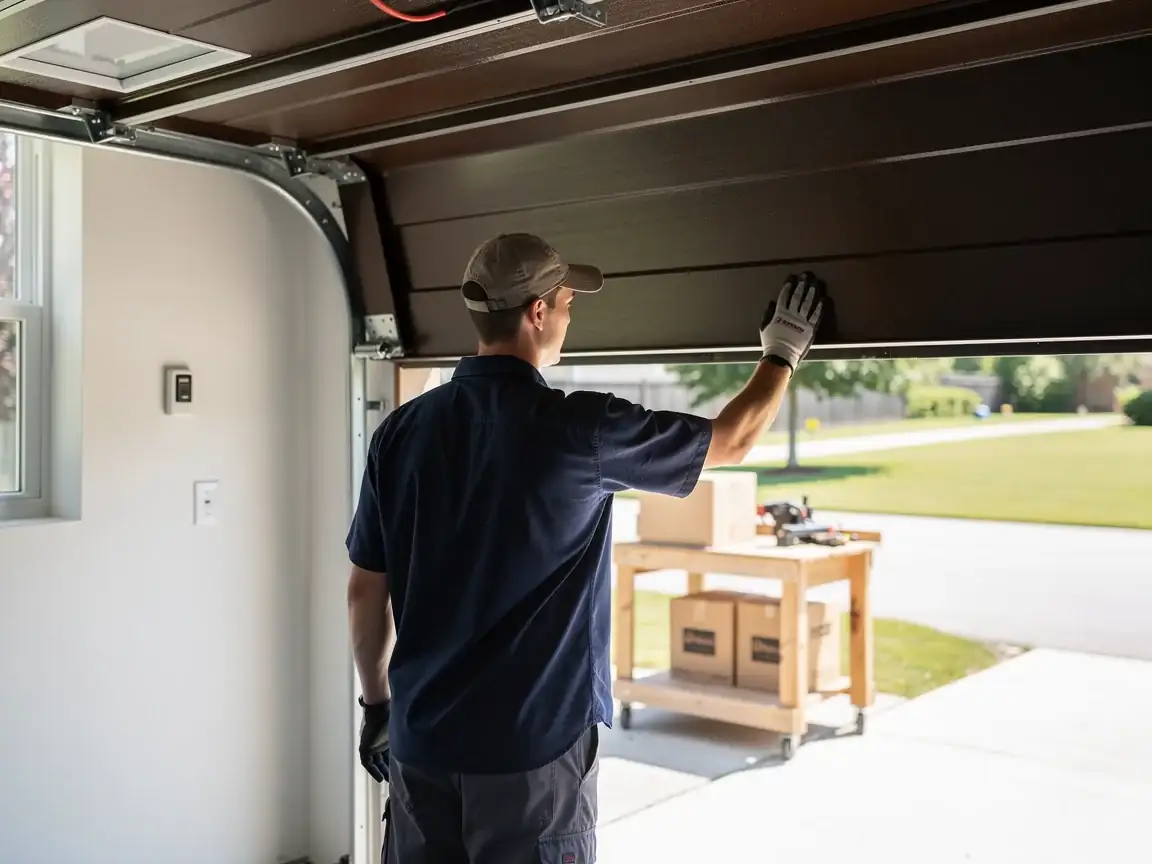
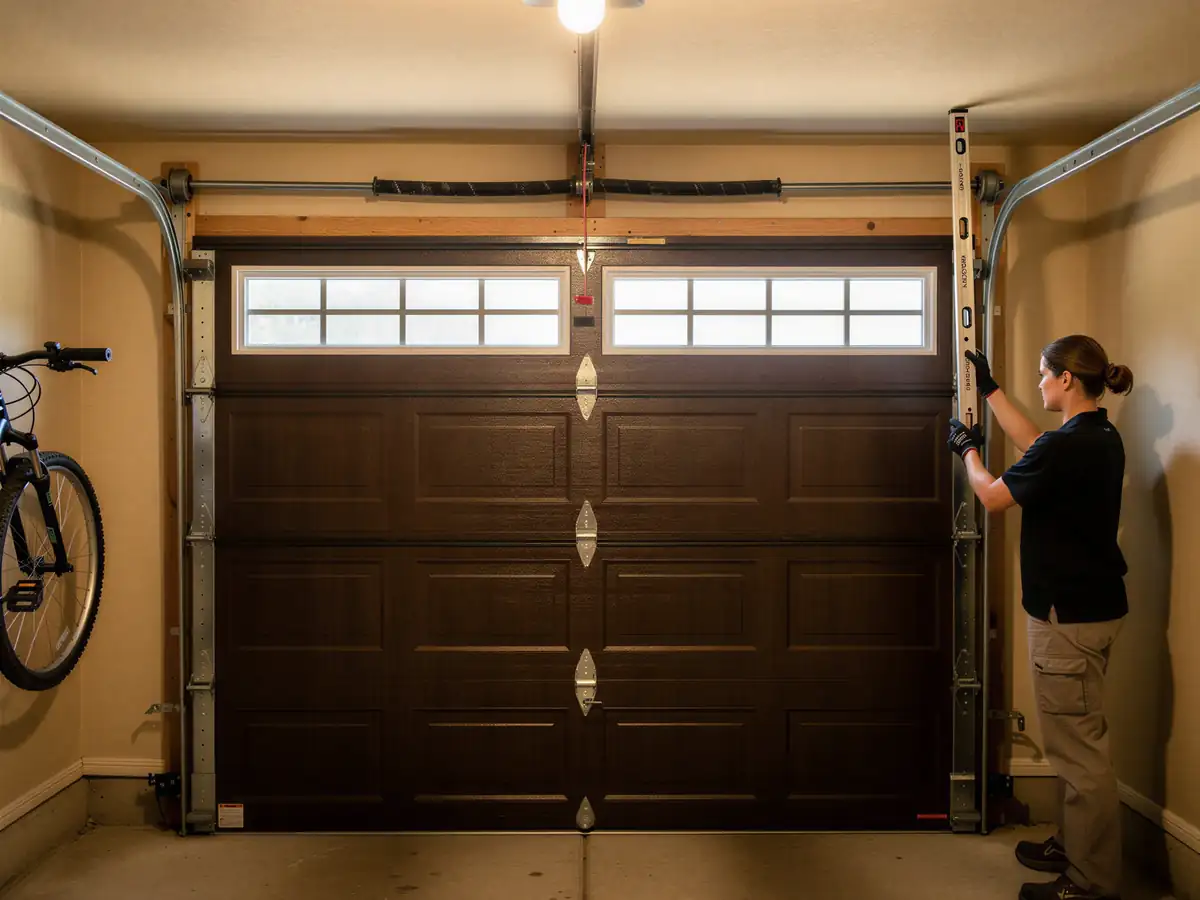
The failure we see most on doors this old is a spring that's already partially failed and gets diagnosed as an opener problem instead - the motor strains, trips its own safety reversal, and the owner assumes the opener's dying when the door is actually just too heavy for it to lift on a stretched or broken spring. Fixing the opener first wastes money and leaves the real issue untouched. The other one is a track pulled slightly out of alignment from decades of minor settling, which looks fine until the door's halfway up and binds - that's a safety issue, not just an inconvenience, since the door can come down unevenly if it's forced.