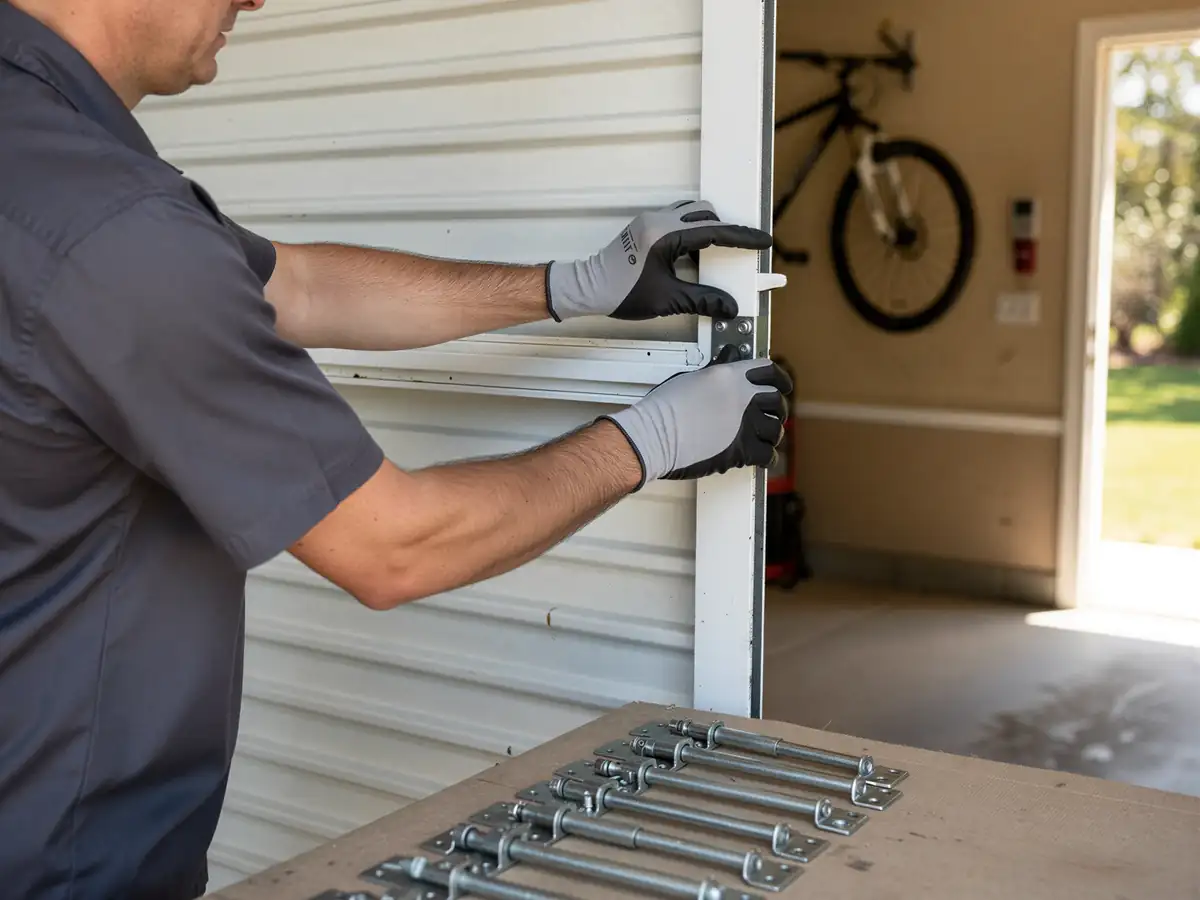
What You Are Seeing
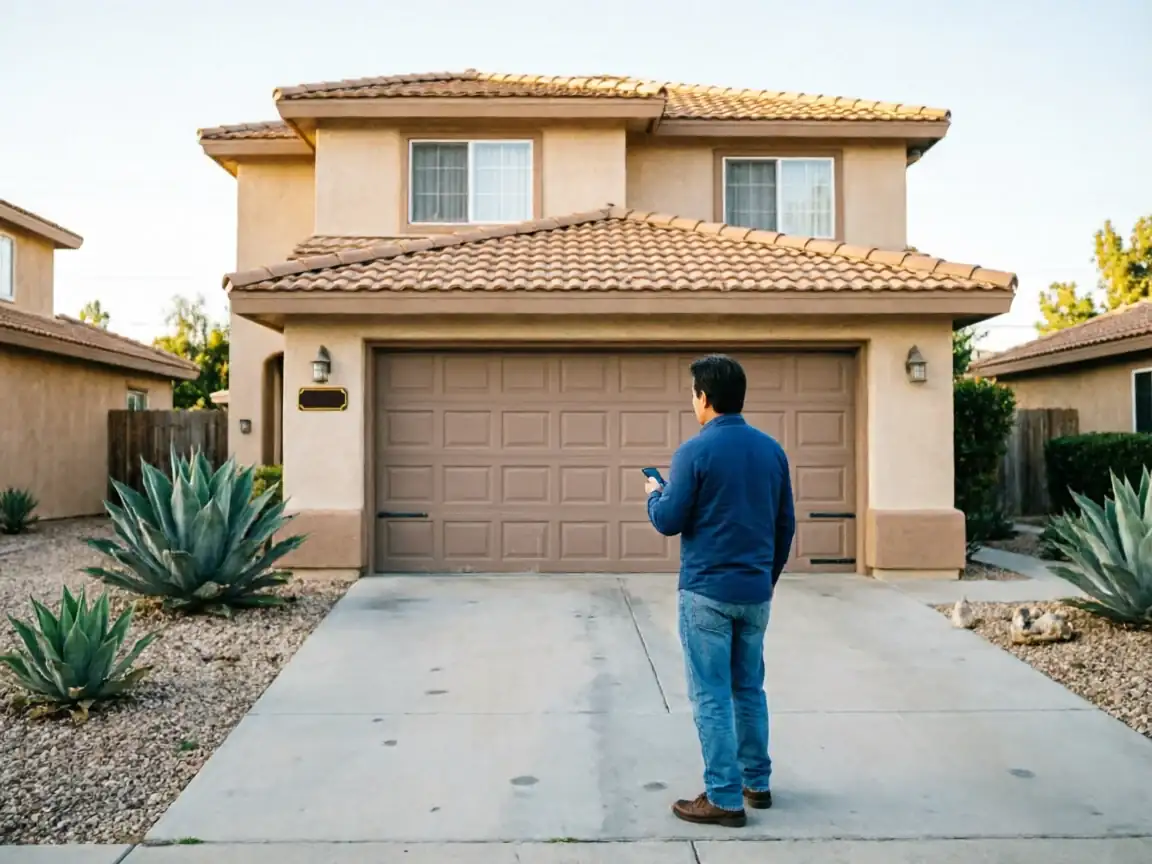
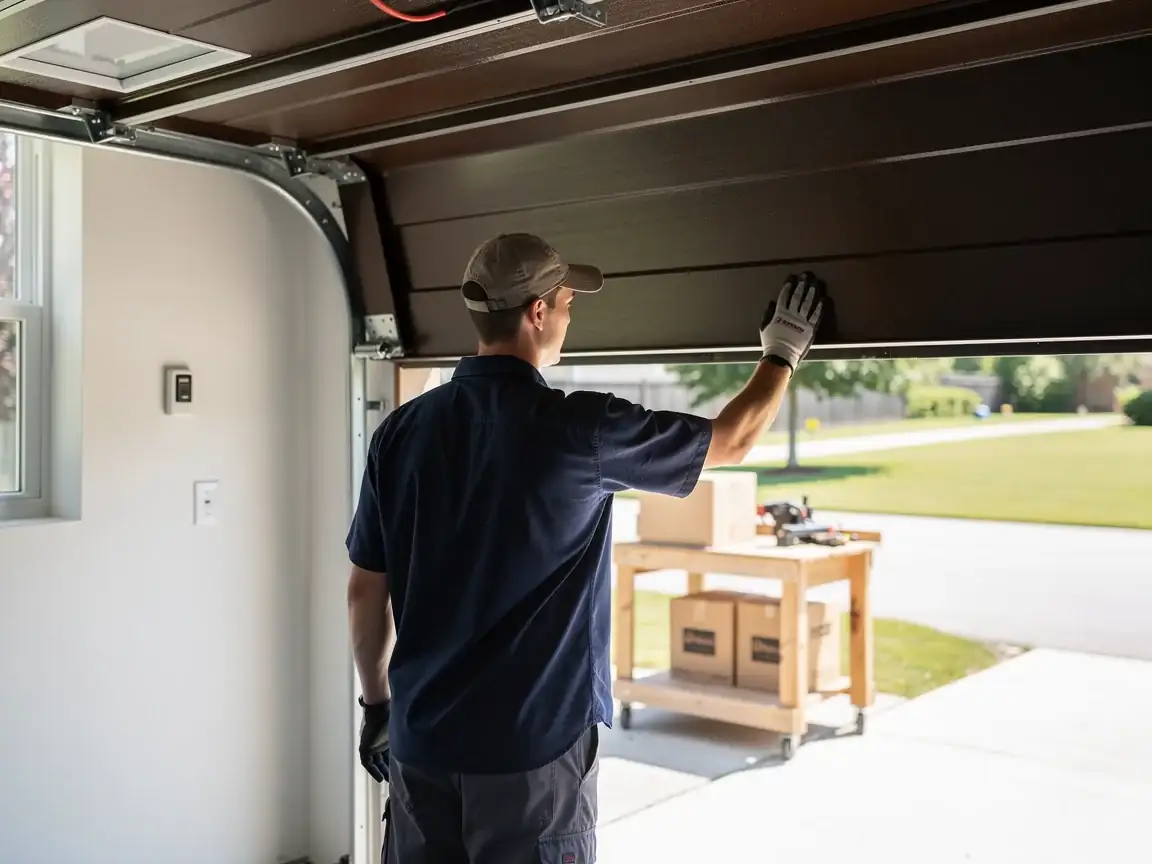
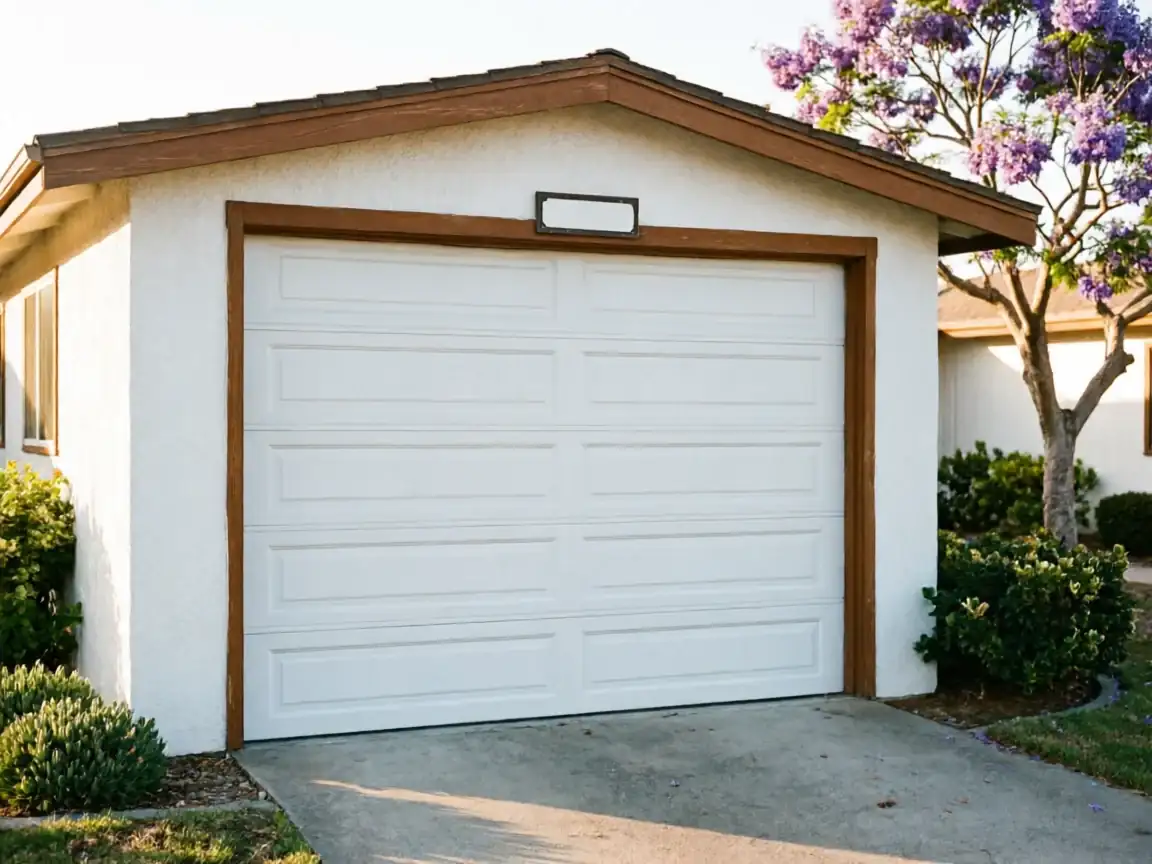
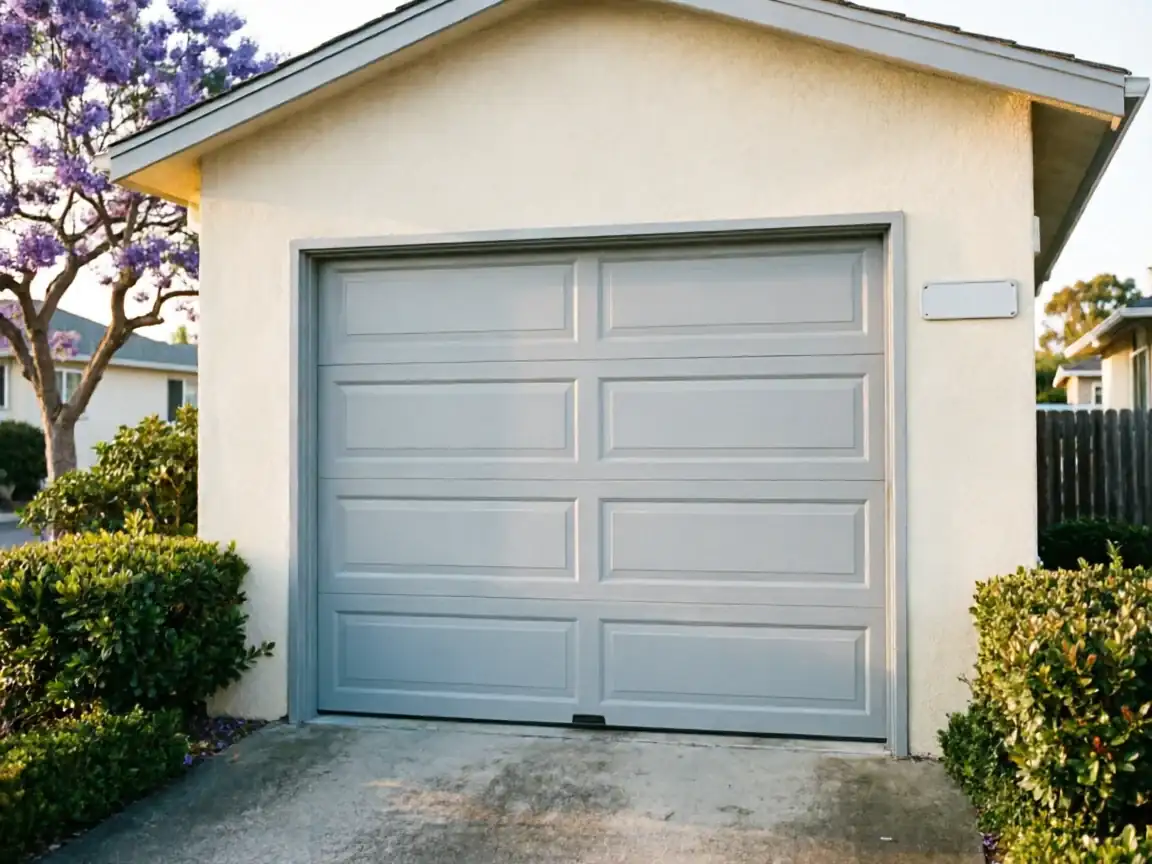
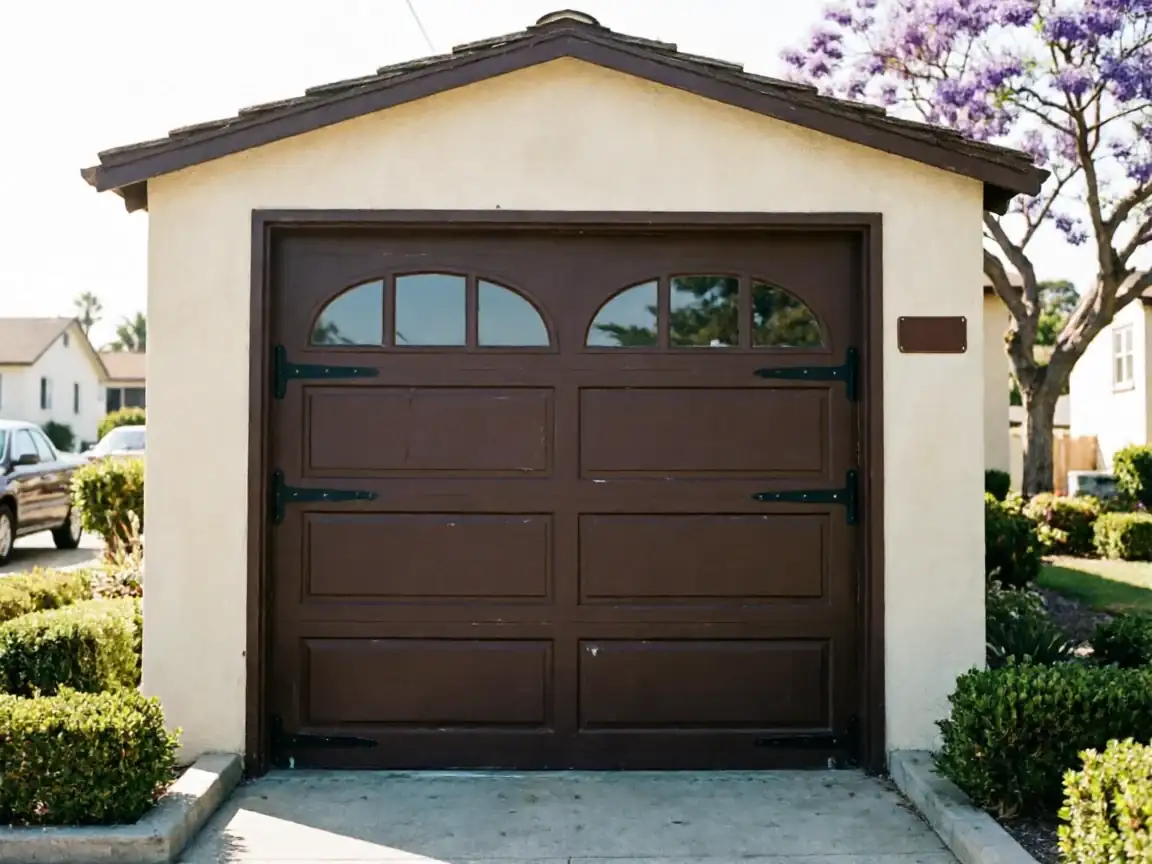
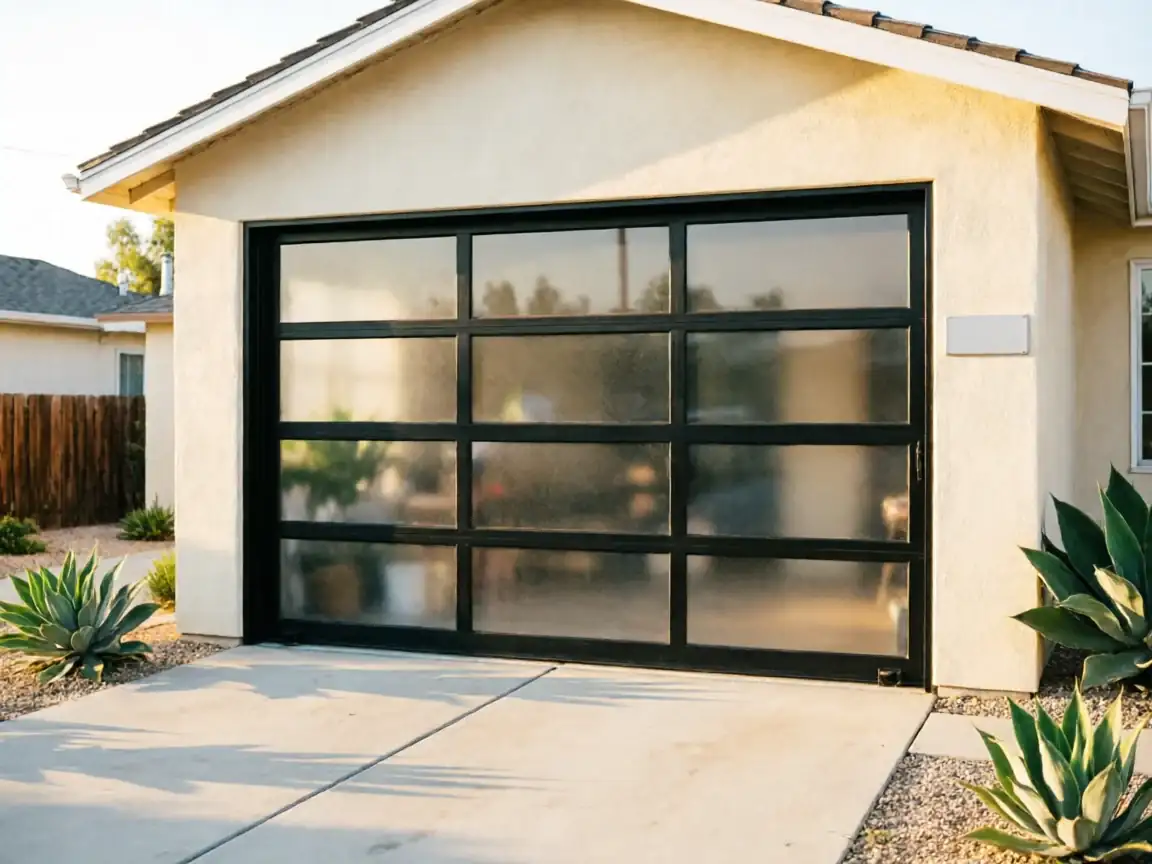
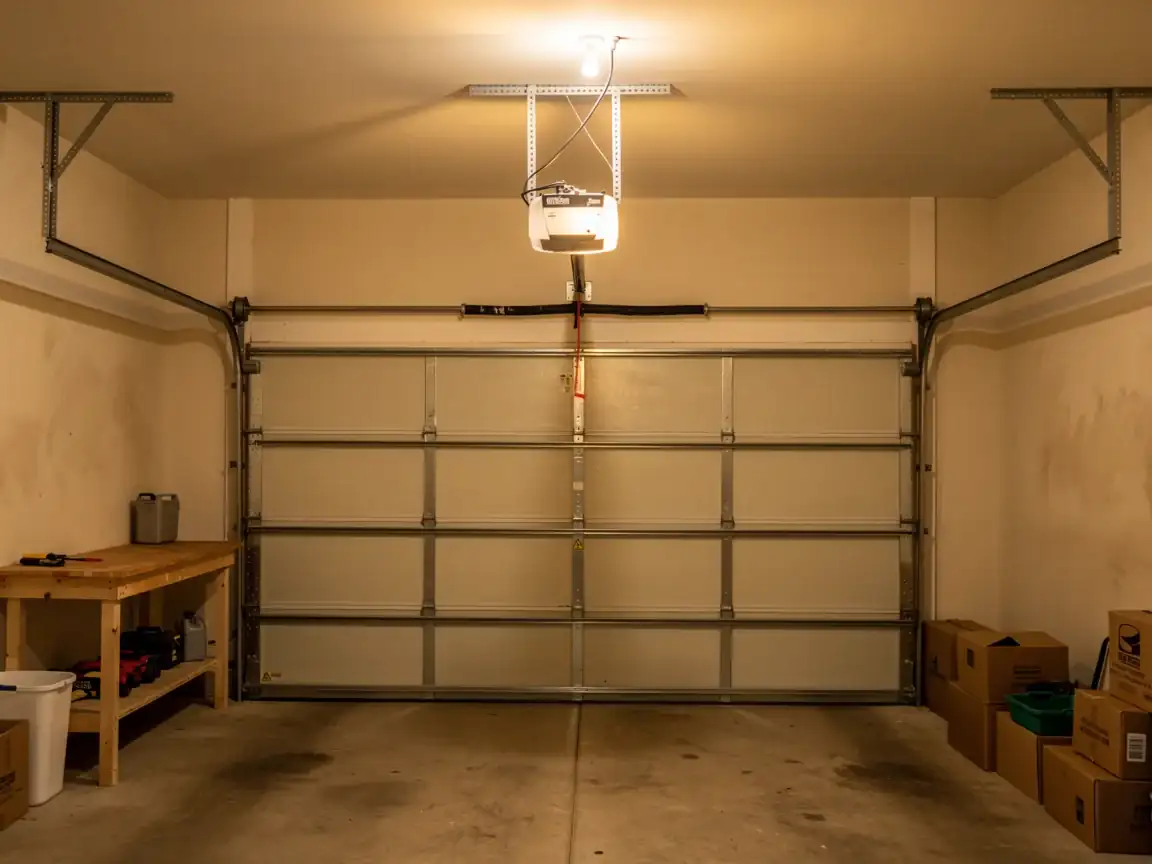
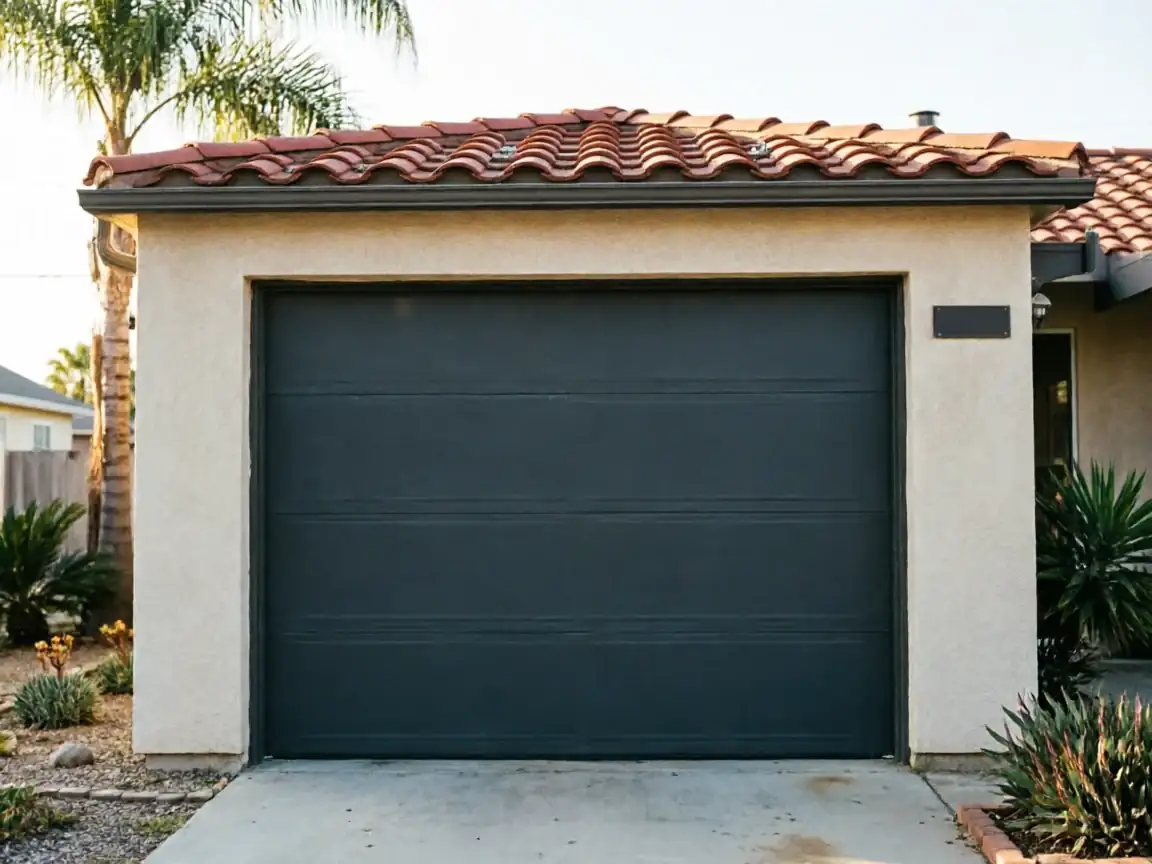
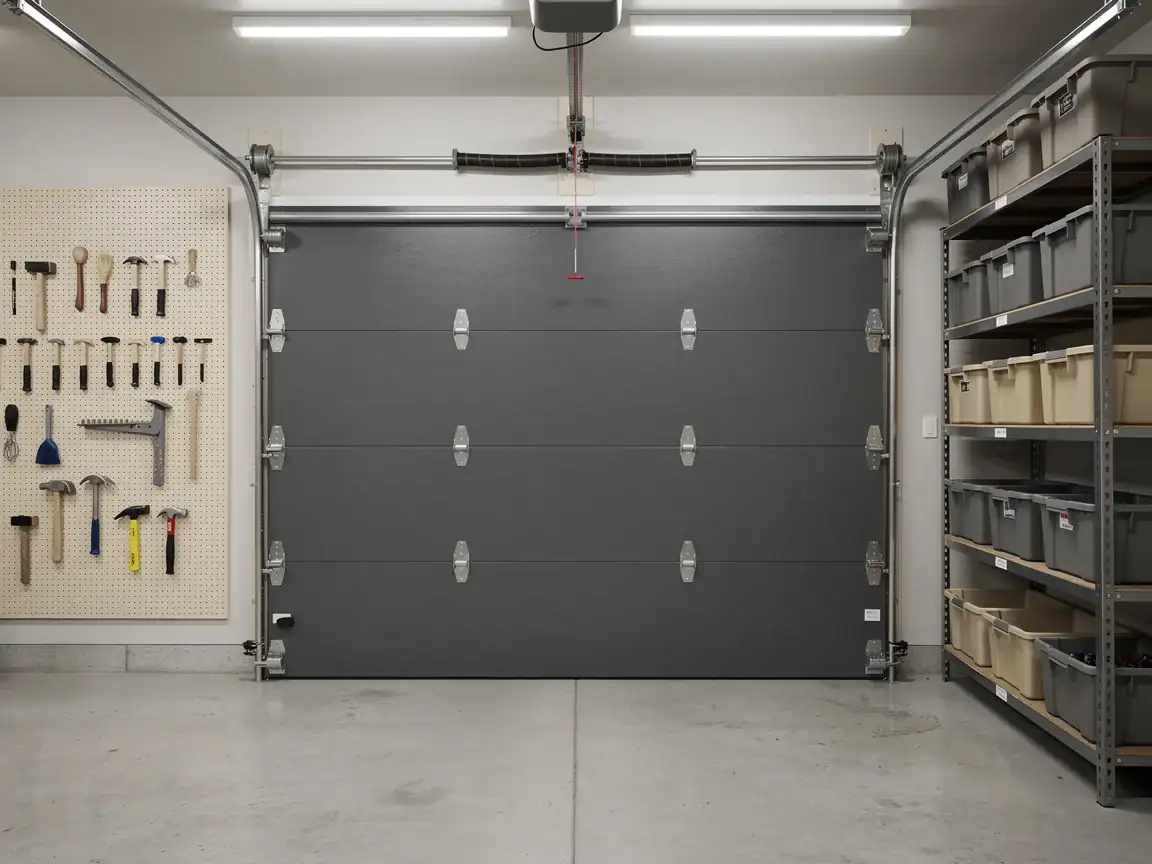
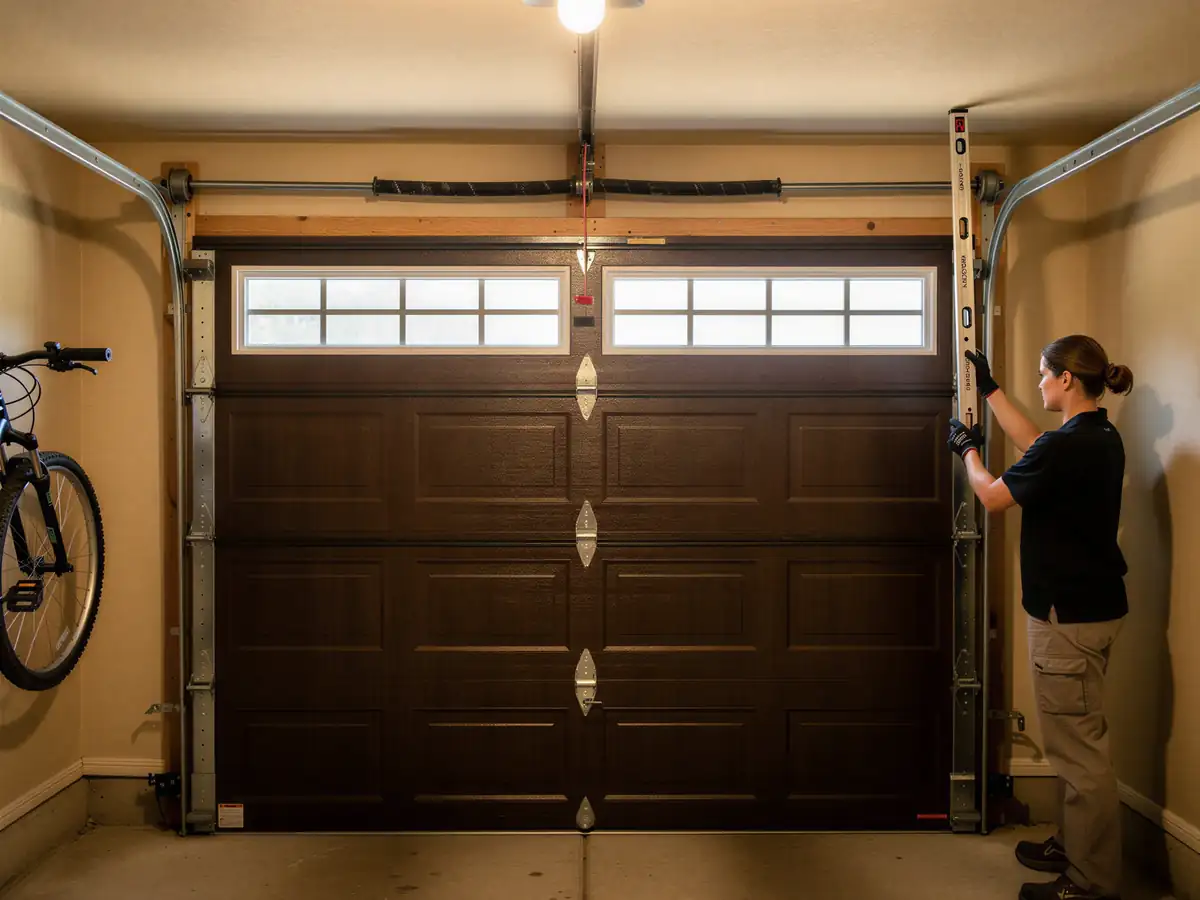
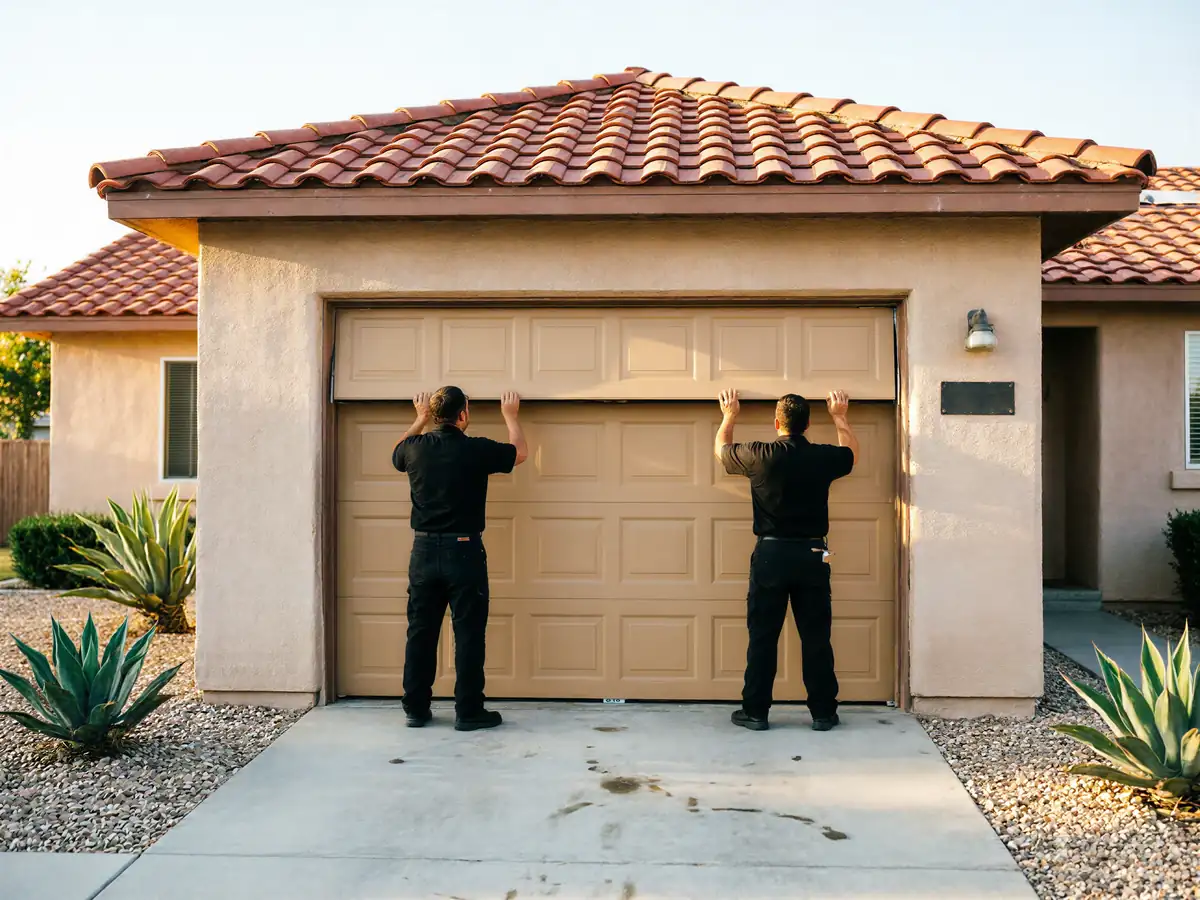
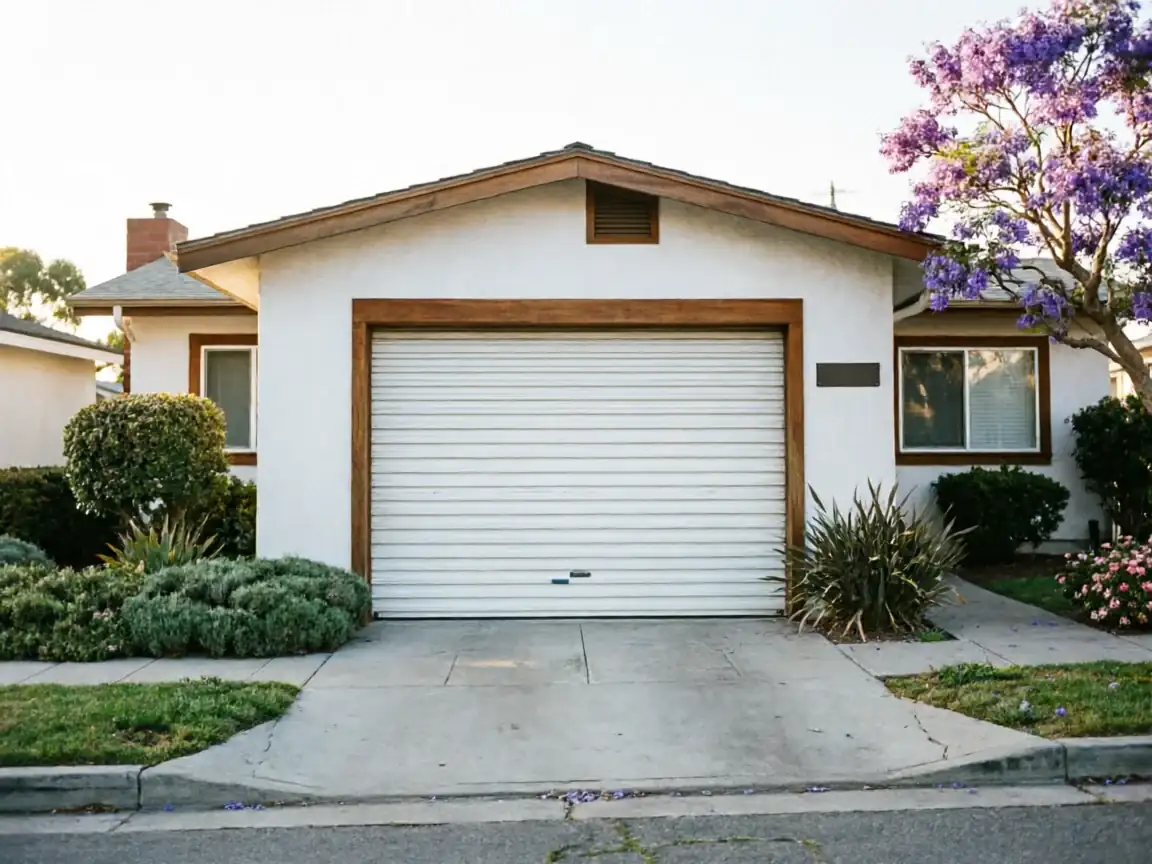
Most Saratoga houses in our service radius went up around 1967, putting this town right in the middle of the broader 1947-1987 building wave across the area. A door from that era is usually steel or aluminum, single layer, no foam core, hung in sections that were sized to whatever the builder's supplier carried that year. That matters for a panel repair because the replacement panel has to match the existing section width and the groove pattern on the stile - not just the color.</p><p>Mild temperate weather here hasn't put much stress on the steel itself; rust-through on these panels is uncommon compared to what we see in damper climates. What actually breaks a panel in this kind of neighborhood is usually mechanical: a car bumper, a basketball, a garbage can caught in the track, or a spring failure that let the section drop and buckle on the way down. The panel is damaged, but the door around it is often original hardware that's held up fine for fifty-some years.
What You Pay
We don't post a flat number for panel work because the range depends on whether your door is a common steel section we can match off a supplier shelf or an older style that needs a custom cut. Saratoga's median household income runs well above the wider service area's $214,149 figure, but that doesn't change what the part costs - it just means we're not the cheapest option in the county and we don't try to be. A single panel swap on a door with standard sectional hardware is a different job, and a different bill, than replacing two or three panels on an older wood-look steel door where the whole section run has to come apart to get one piece out.</p><p>What we can tell you without seeing the door: if more than half the panels need replacing, we'll usually say so plainly and point you toward a full door swap instead, because buying individual panels for an aging run can cost close to a new door by the time you're done.
Stocked Parts
We carry common panel widths and standard steel sections on the truck for the door styles that show up most across this service area, which covers a lot of the 1960s and 70s stock in these neighborhoods. What we don't carry on the truck is a match for every custom or discontinued panel pattern - some older doors used section profiles that haven't been manufactured in decades, and for those we order from the distributor rather than fake a fit.</p><p>Here's the honest limitation: if your door is an unusual embossed pattern or a wood-grain steel style from that era, we may not have it on the shelf at all, and matching color and texture exactly on a 50-plus-year-old finish sometimes isn't possible even with the right part number. In that case we'll tell you straight whether a visible color mismatch on one section is something you can live with, or whether it's time to talk about the whole door.
Where This Job Goes Sideways
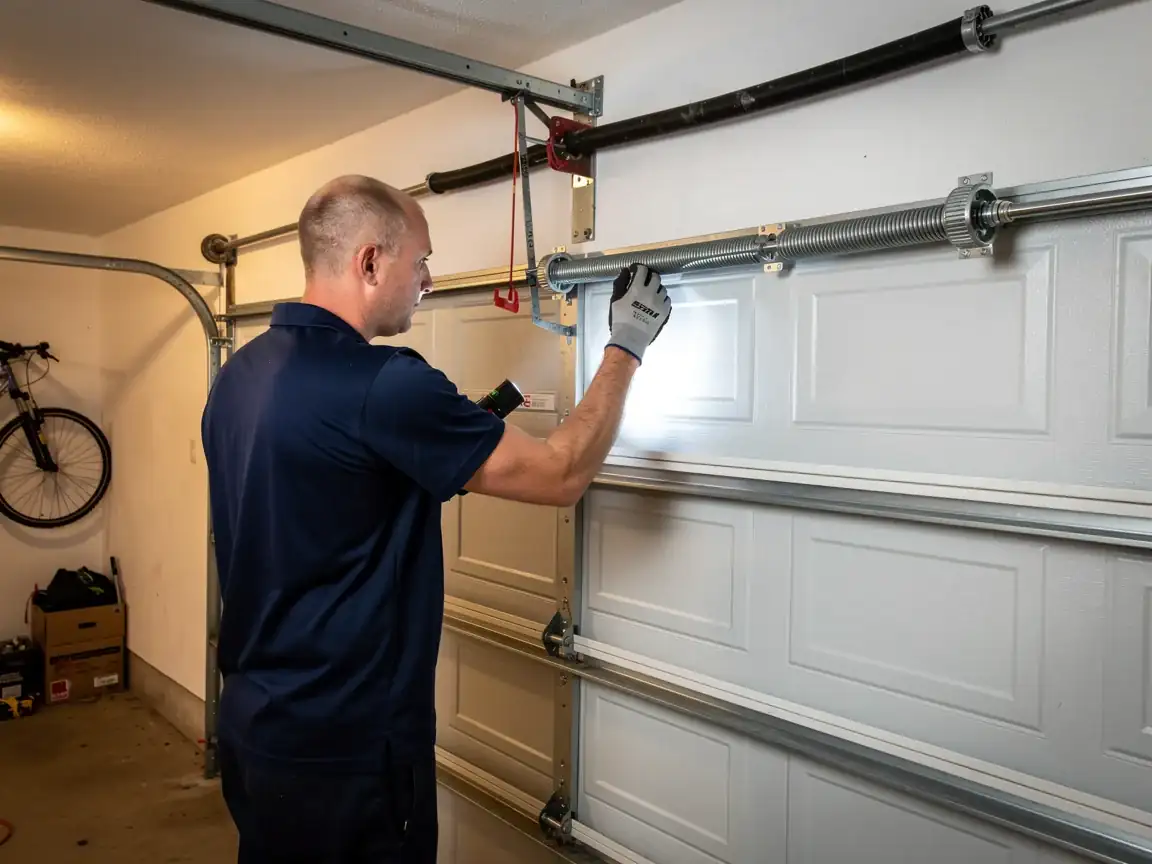
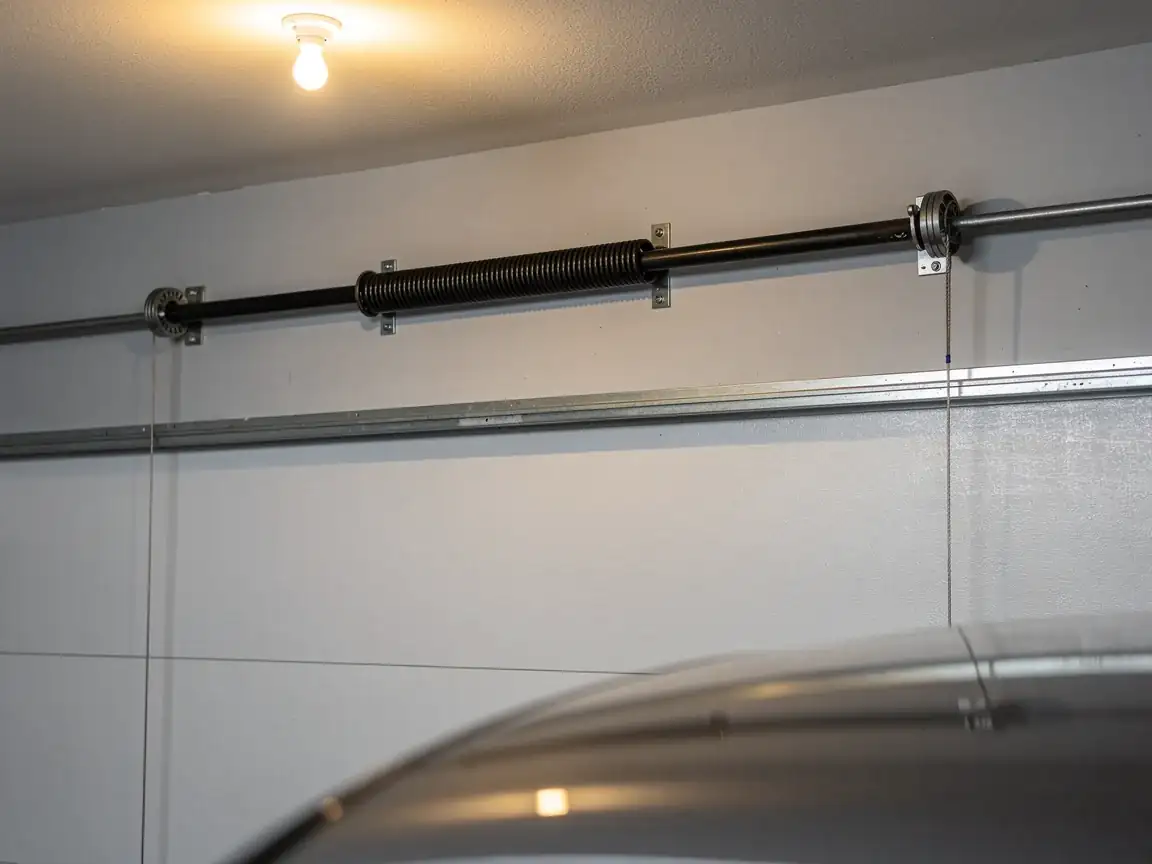
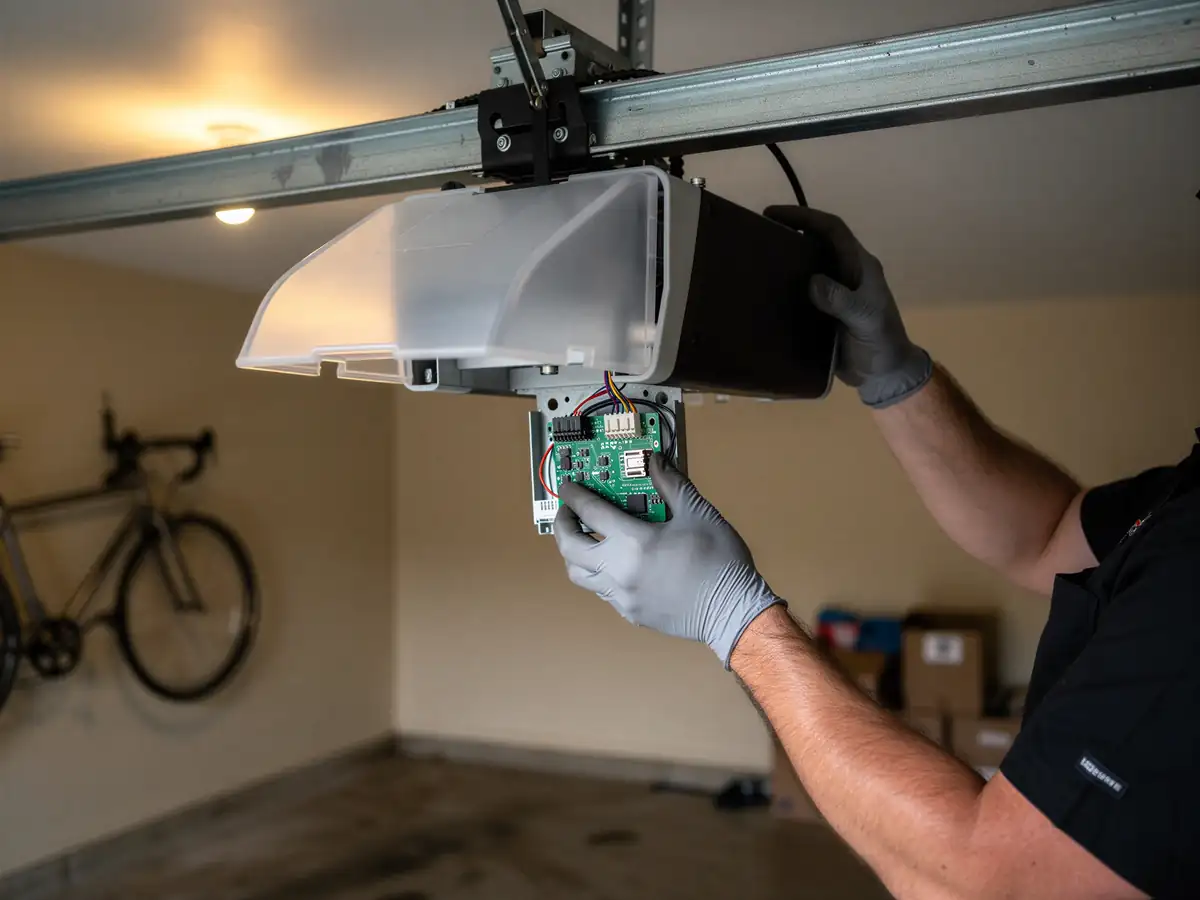
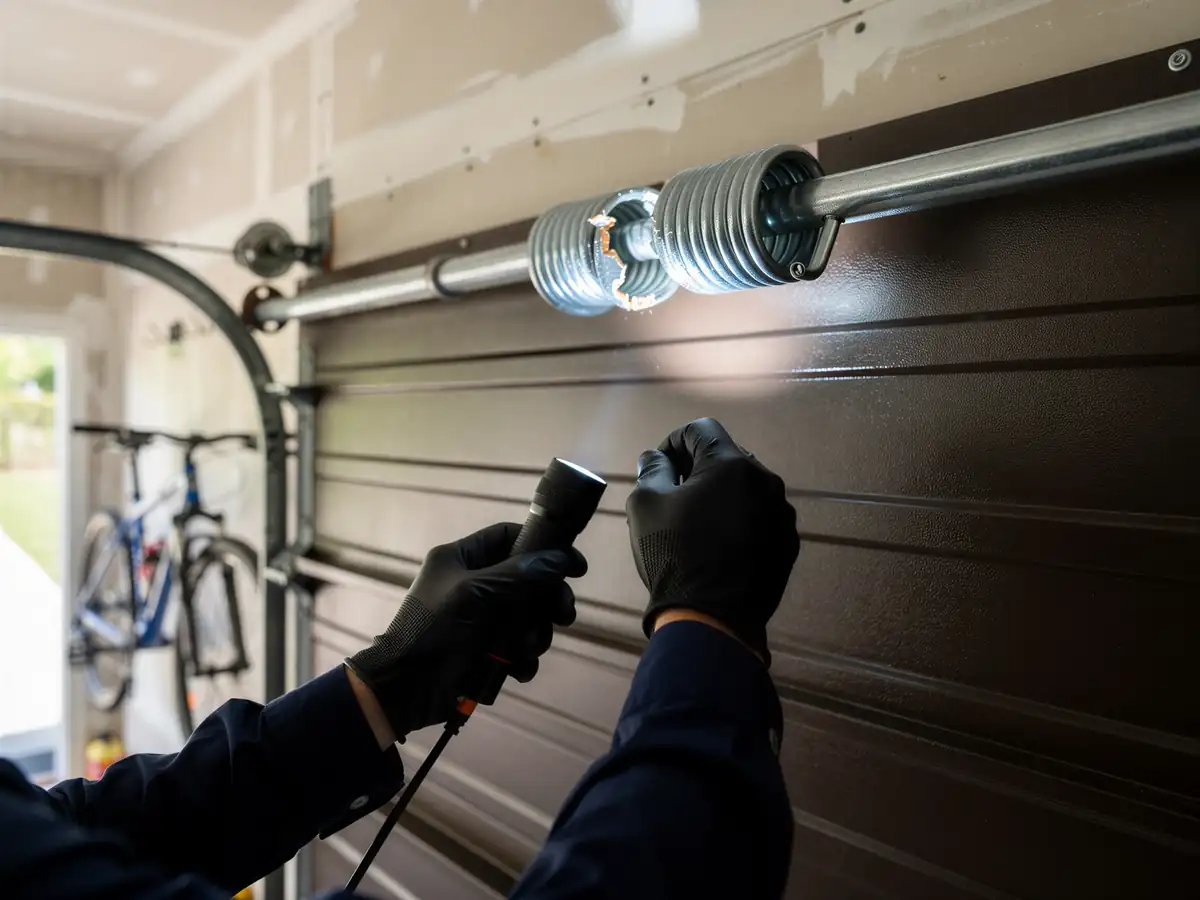
The panel swap that looks simple on the phone gets complicated when the track underneath the damaged section is also bent - a bumper hit or a falling branch rarely stops at the panel. If we pull the bad section and find the vertical track pulled out of square, that's a second repair, and it changes both the time on site and the price we quoted off photos.</p><p>The other way this goes sideways is springs. A door that's been running on an original torsion spring from the 1960s install and finally dropped a panel because the spring gave out mid-cycle needs the spring addressed before or during the panel work - otherwise you're paying us to hang a new panel on a door that's about to drop the next one too. We'll flag that on site if we see it, and it's not an upsell, it's just the order the repair has to happen in.