What You Are Seeing
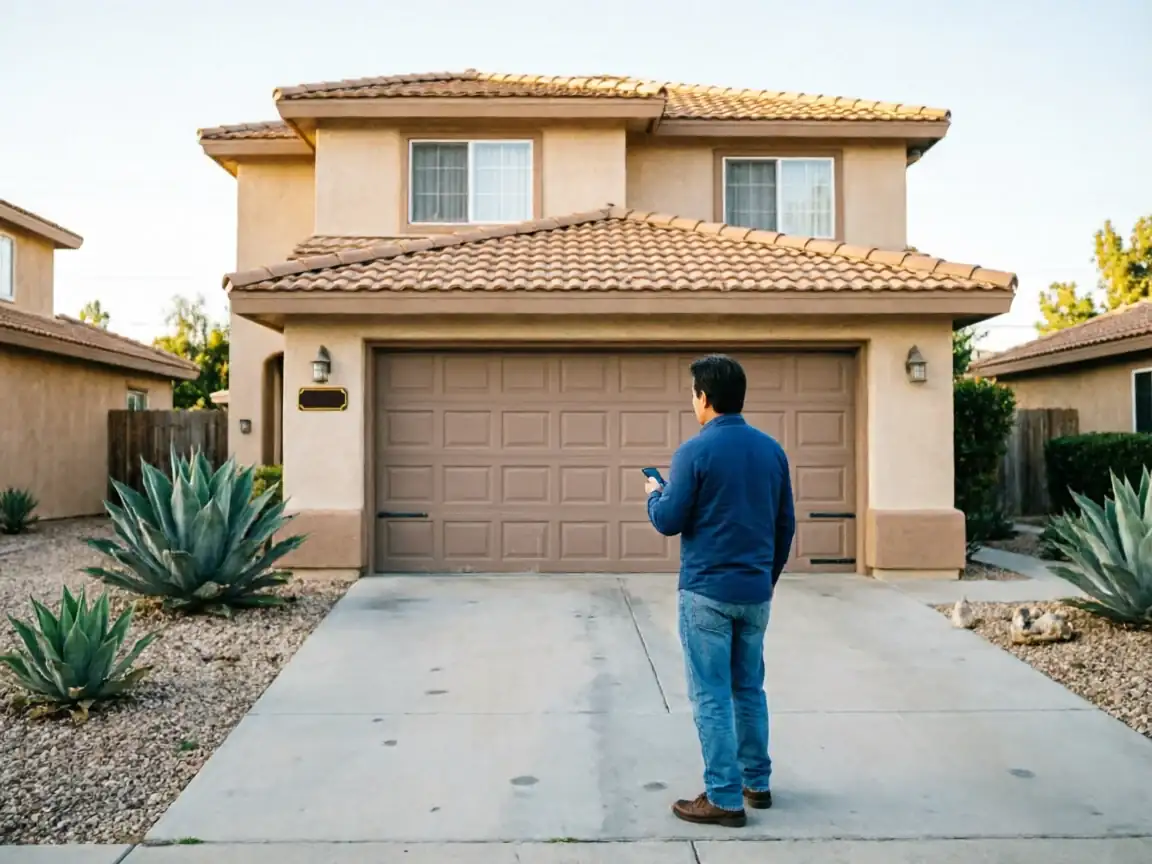
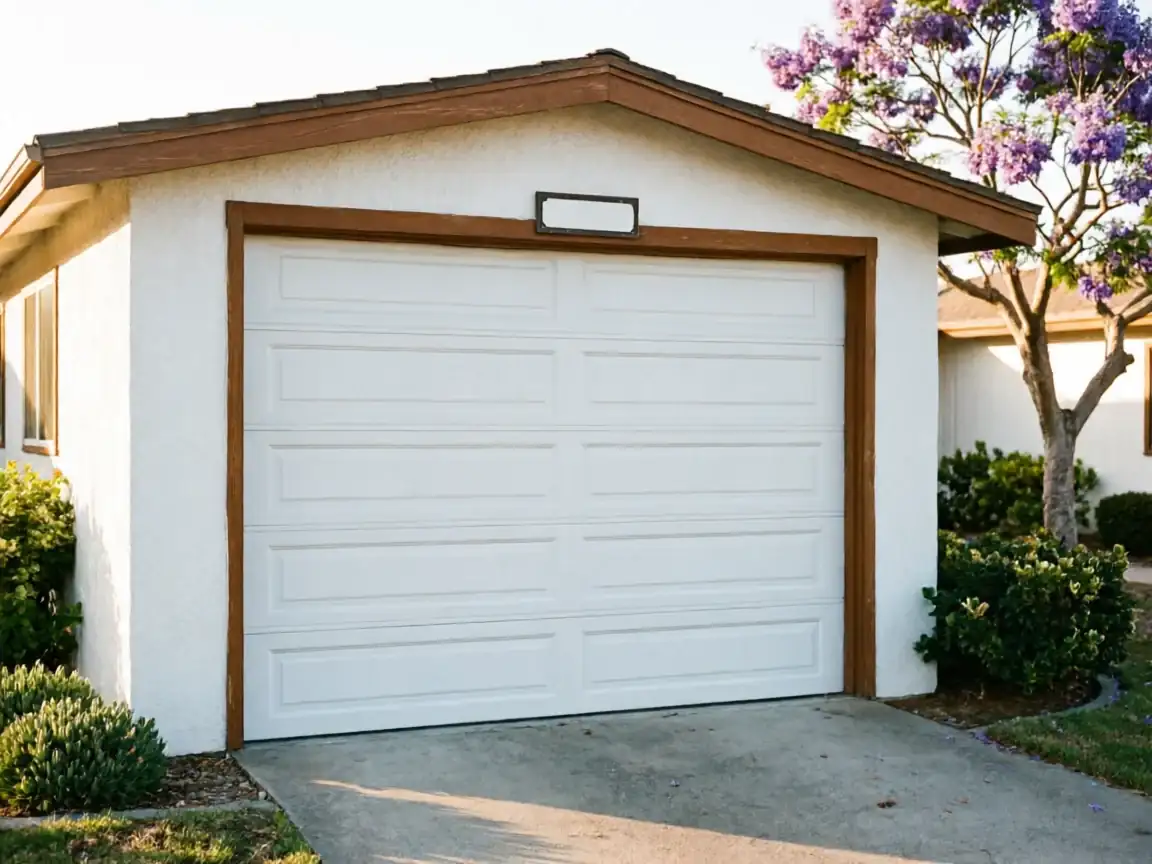
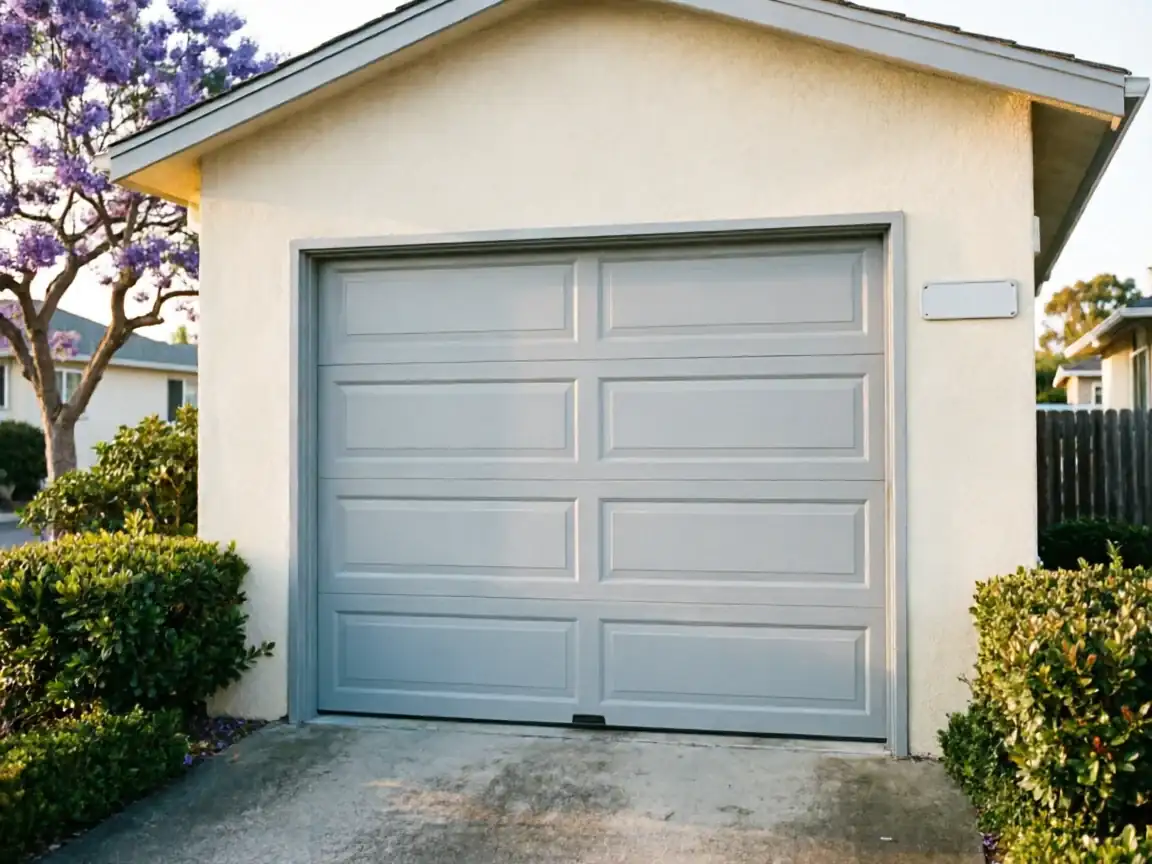
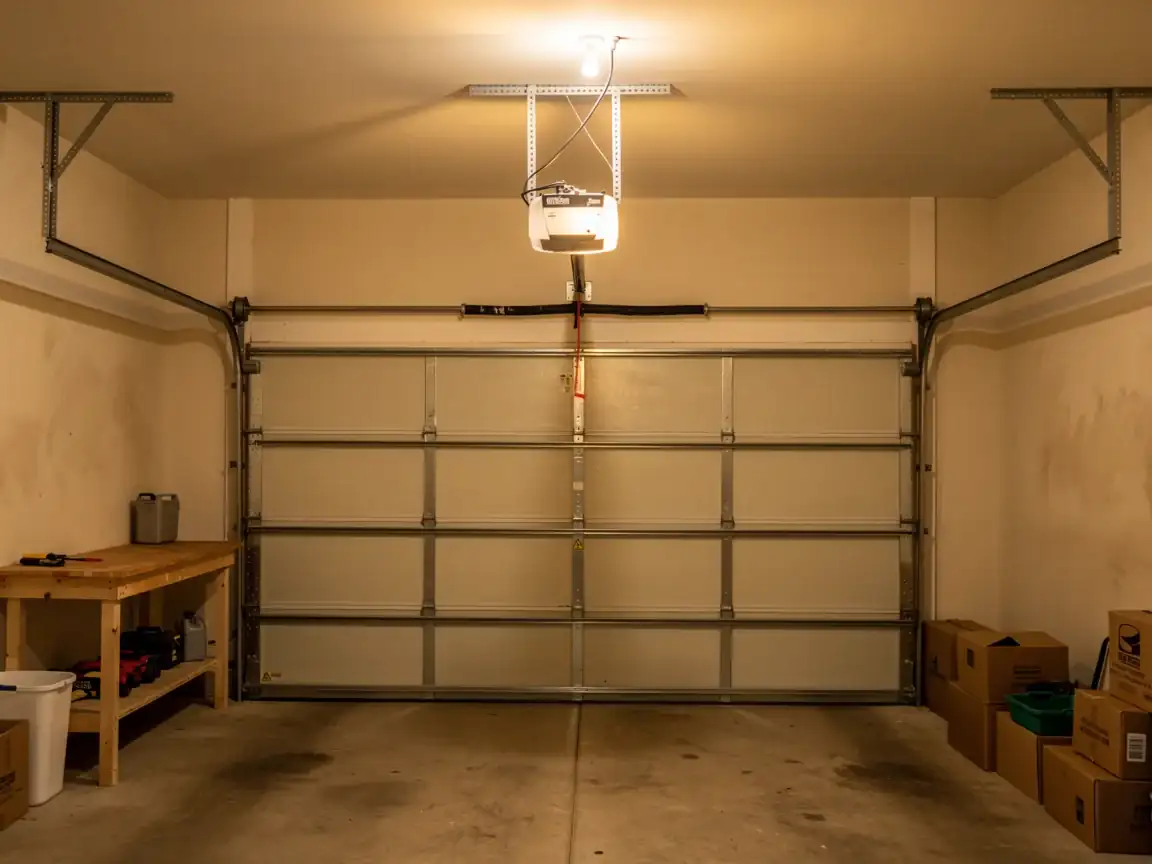
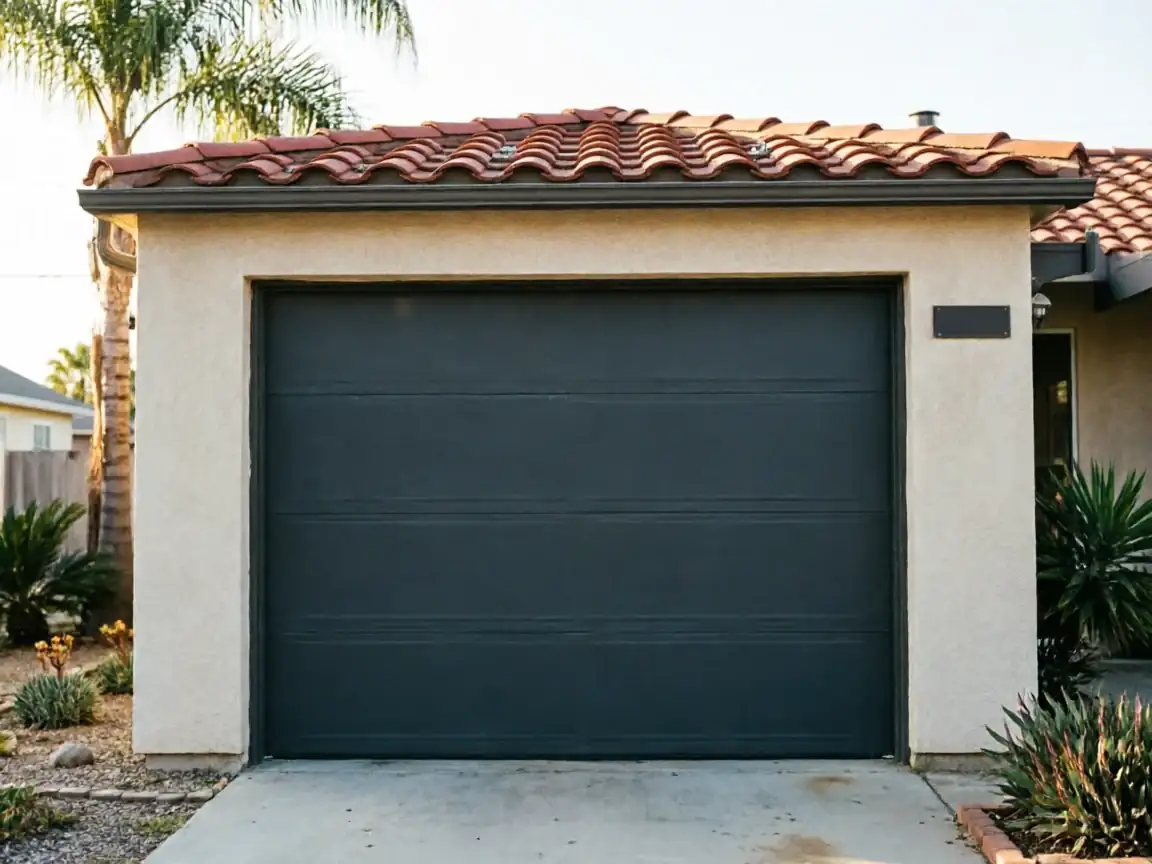
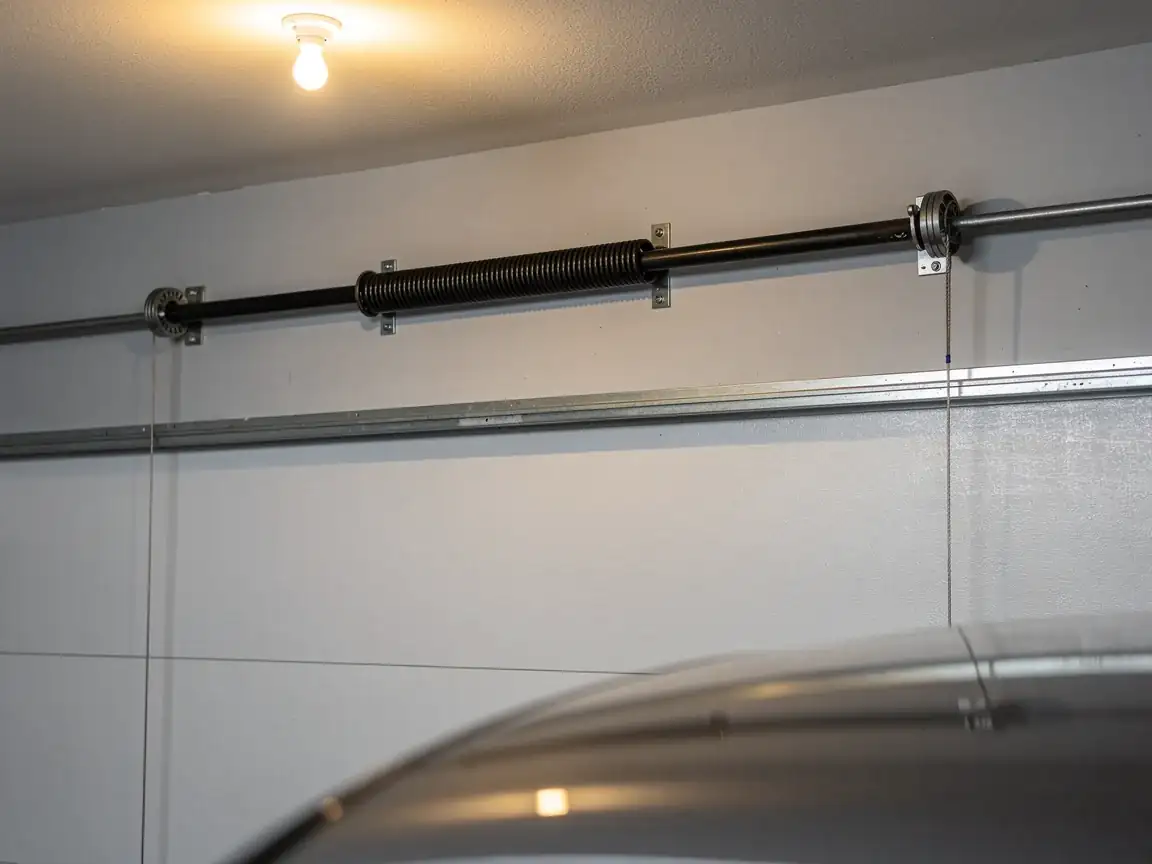
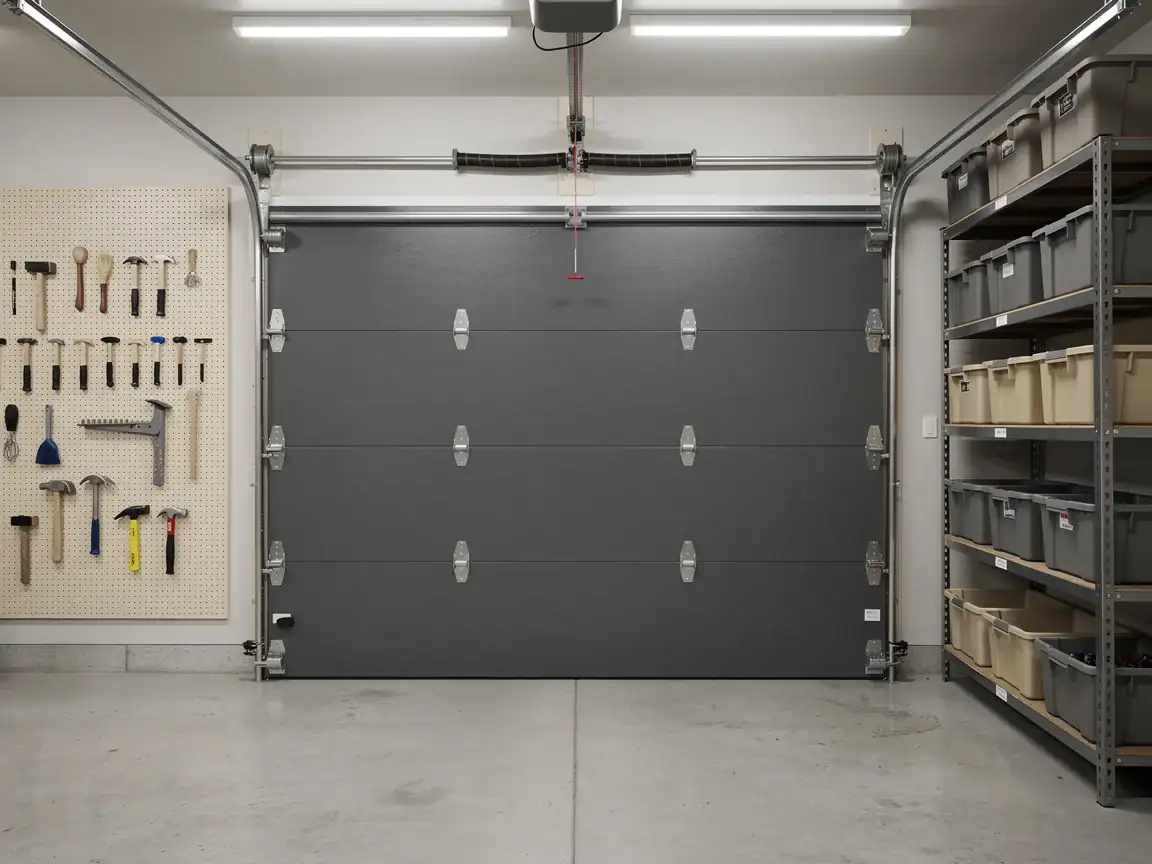
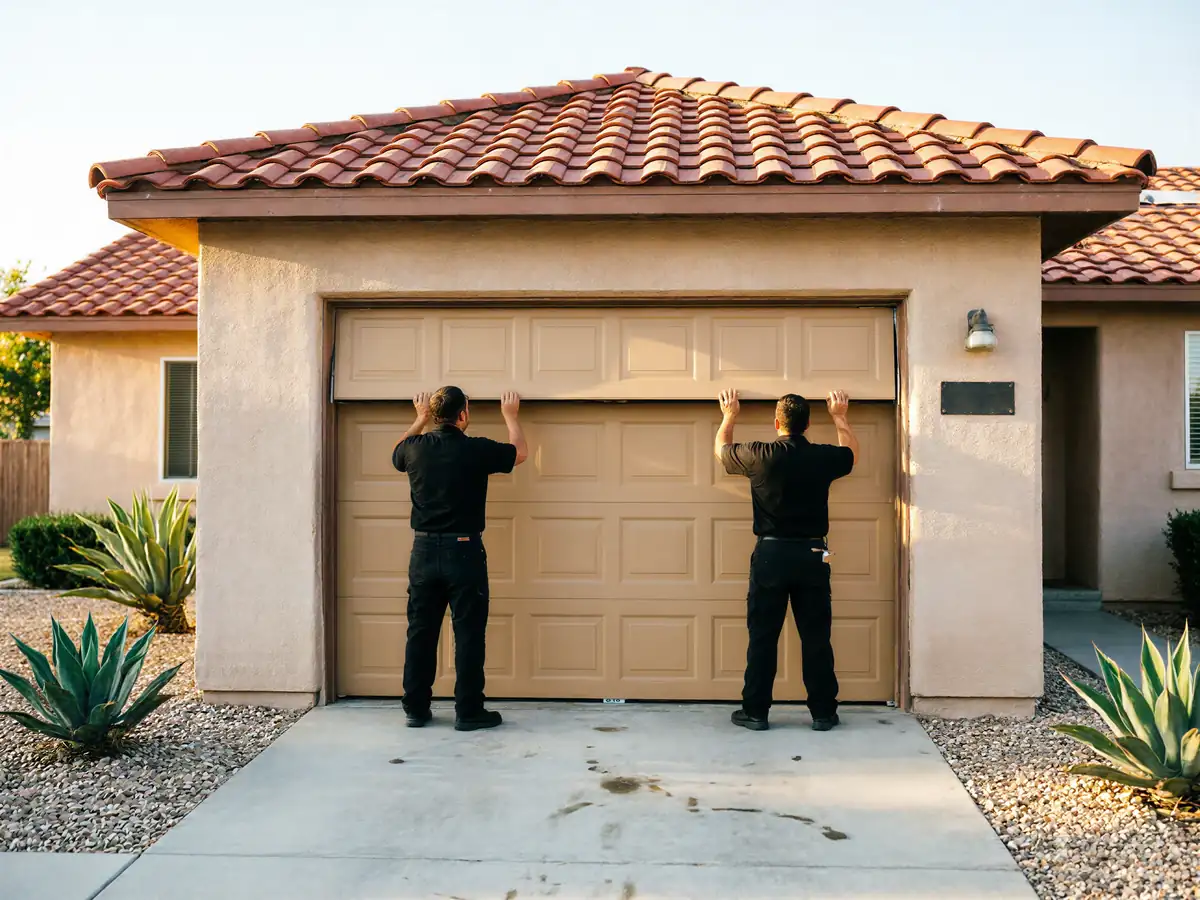
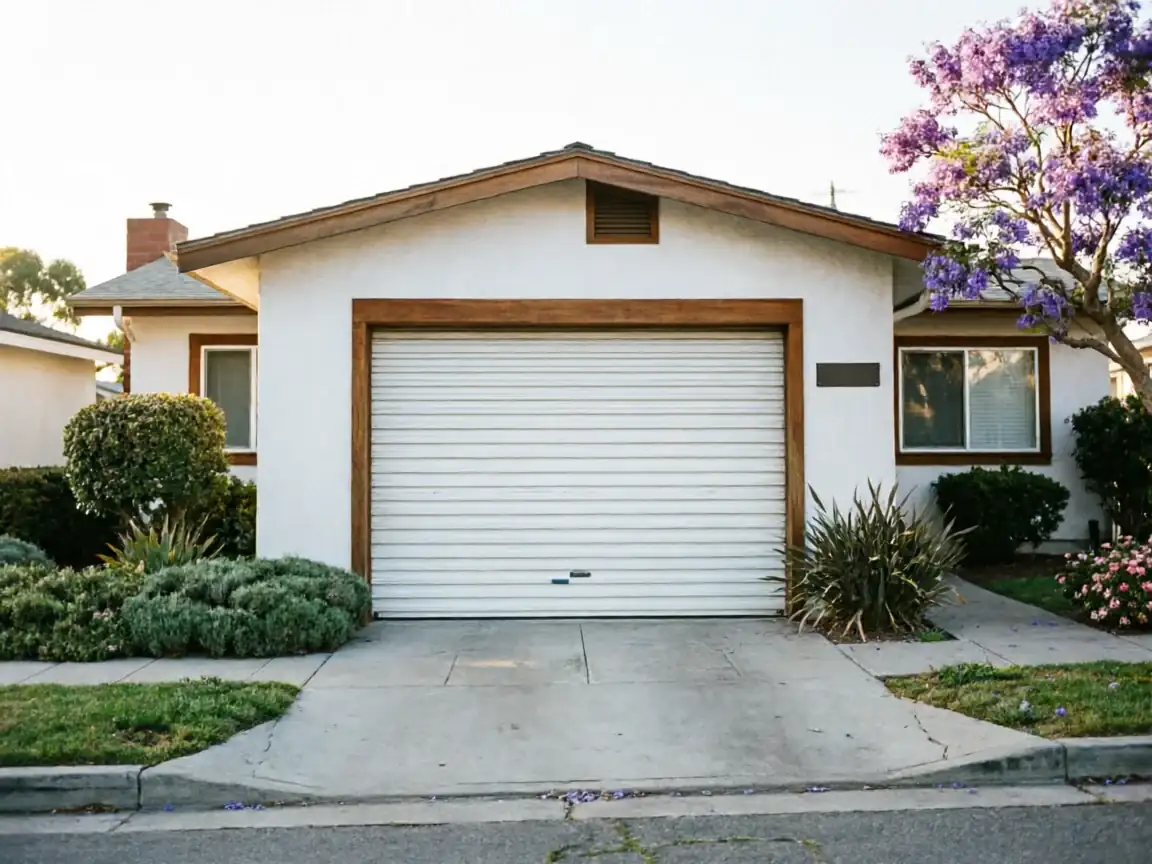
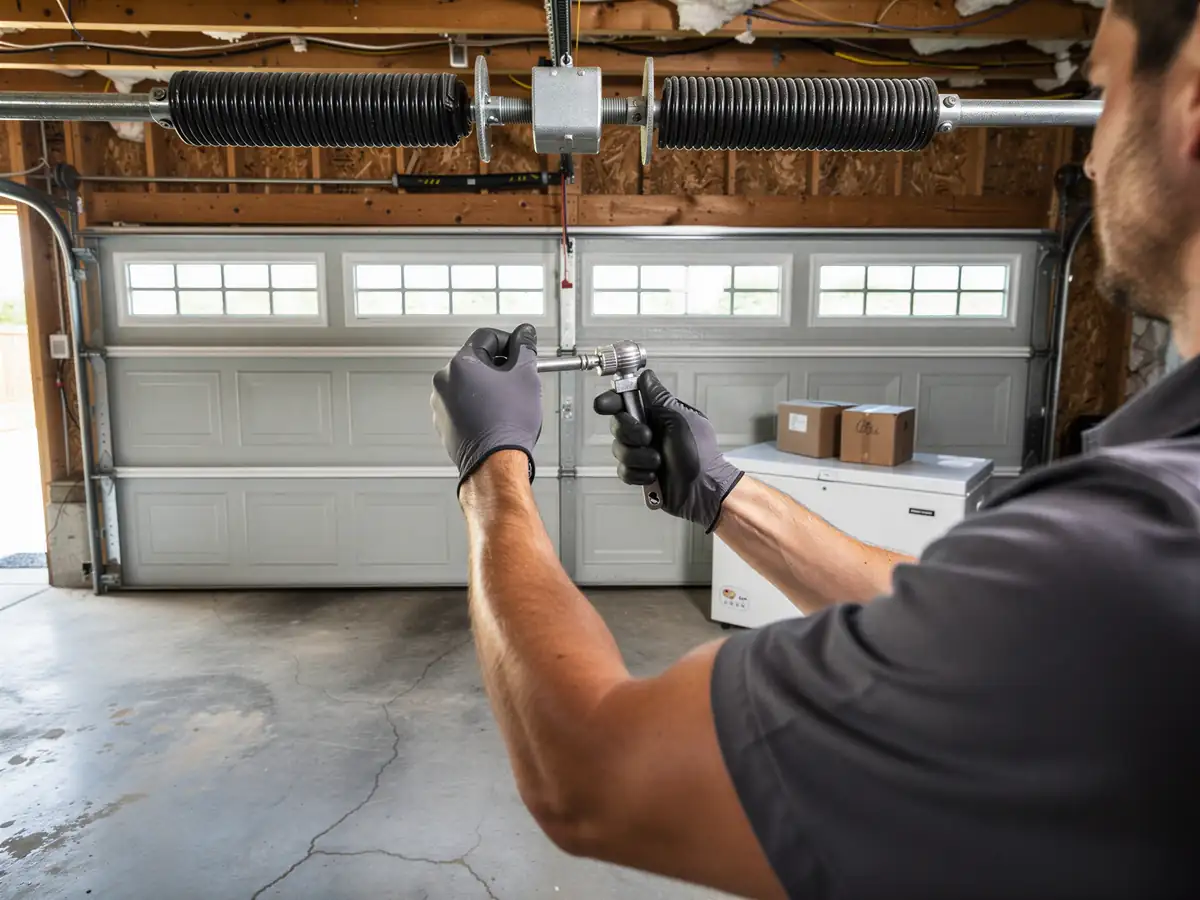
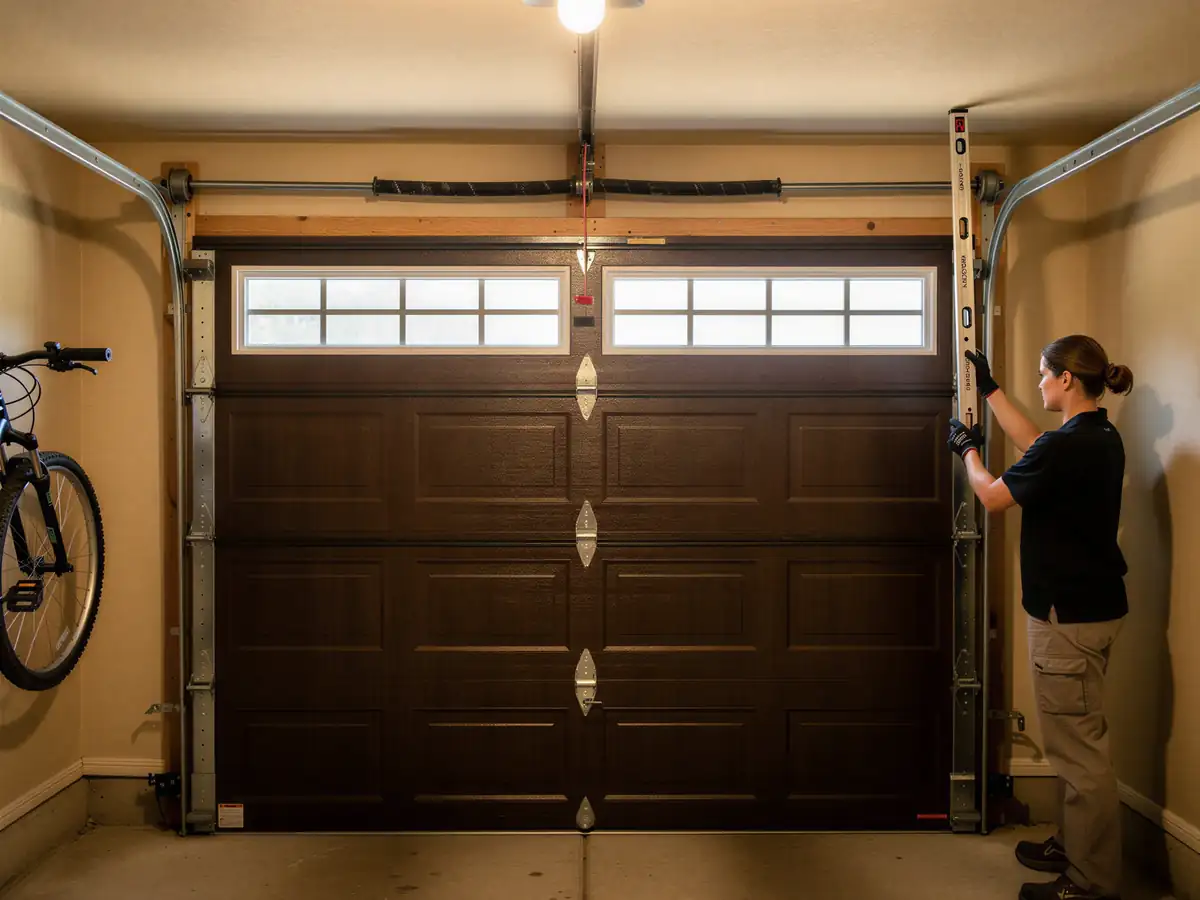
Saratoga's housing clusters around 1967, a touch newer than the 1964 median for the wider service area, but still squarely in the same mid-century build window that put torsion springs on side-mounted hardware across most of this part of the valley. That three-year gap doesn't change much on its own, but it tells you the door in your garage is probably original or a first-generation replacement, not a modern steel sandwich panel. Doors from this era tend to be heavier - solid wood or early steel - which means the spring doing the lifting was sized for that weight, not for a lighter retrofit panel someone may have swapped in later. We see this pattern across the 1960s-70s stock that dominates the 26 communities we work in, and Saratoga fits that profile closely. The mild year-round climate here hasn't been hard on the metal the way freeze-thaw regions are, but it hasn't stopped bearings and cables from simply running their service life out. Mostly what fails is age, not weather.
What You Pay
We don't post a price list because the job depends on what's actually broken and what size the door and spring are - a single torsion spring job is not the same bill as a full cable and drum replacement. What we can tell you is that Saratoga households run a median income of $241,348, notably above the wider area's $214,149, and homes here more often carry double-wide doors or custom wood panels rather than the standard single steel door - those parts cost more and sometimes take longer to source. If your door is original to a 1960s build, the repair might need a spring or roller sized to match hardware nobody stocks off the shelf anymore, and that shows up in the quote. We'll tell you the number before we start, not after.
Stocked Parts
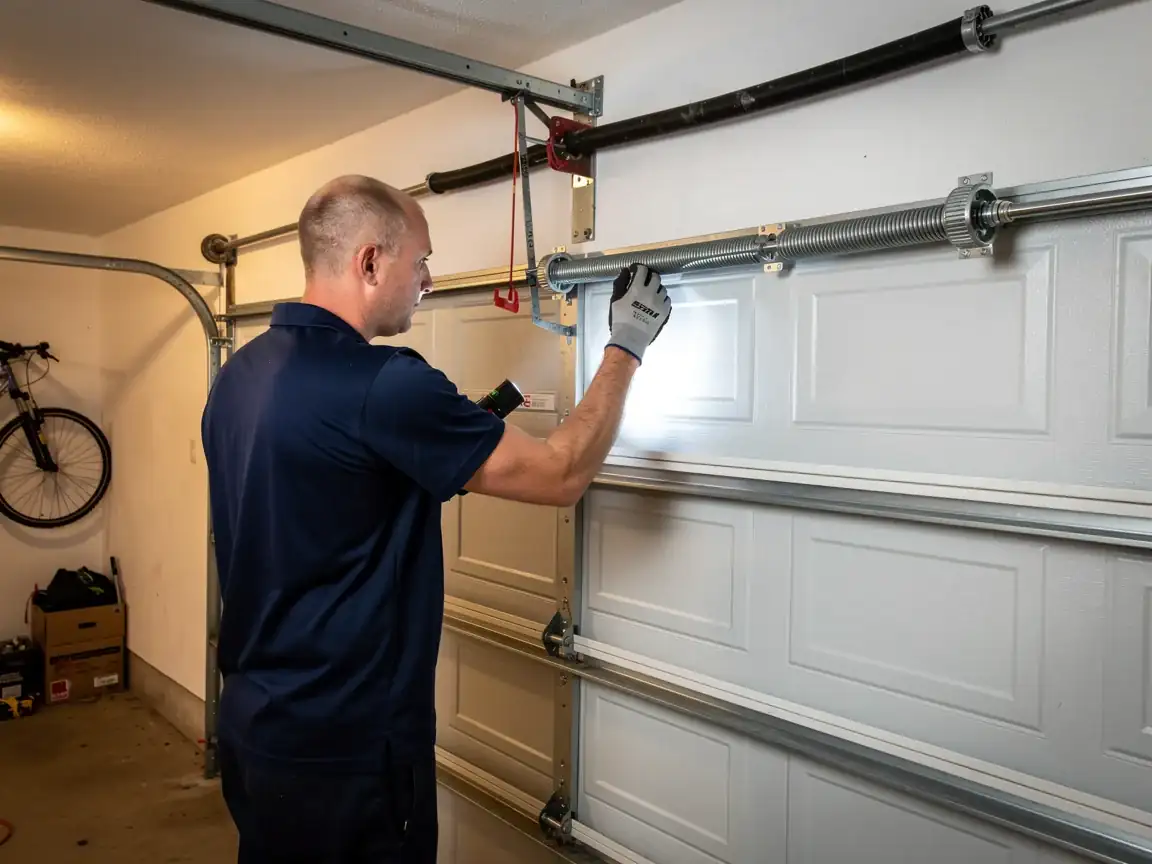
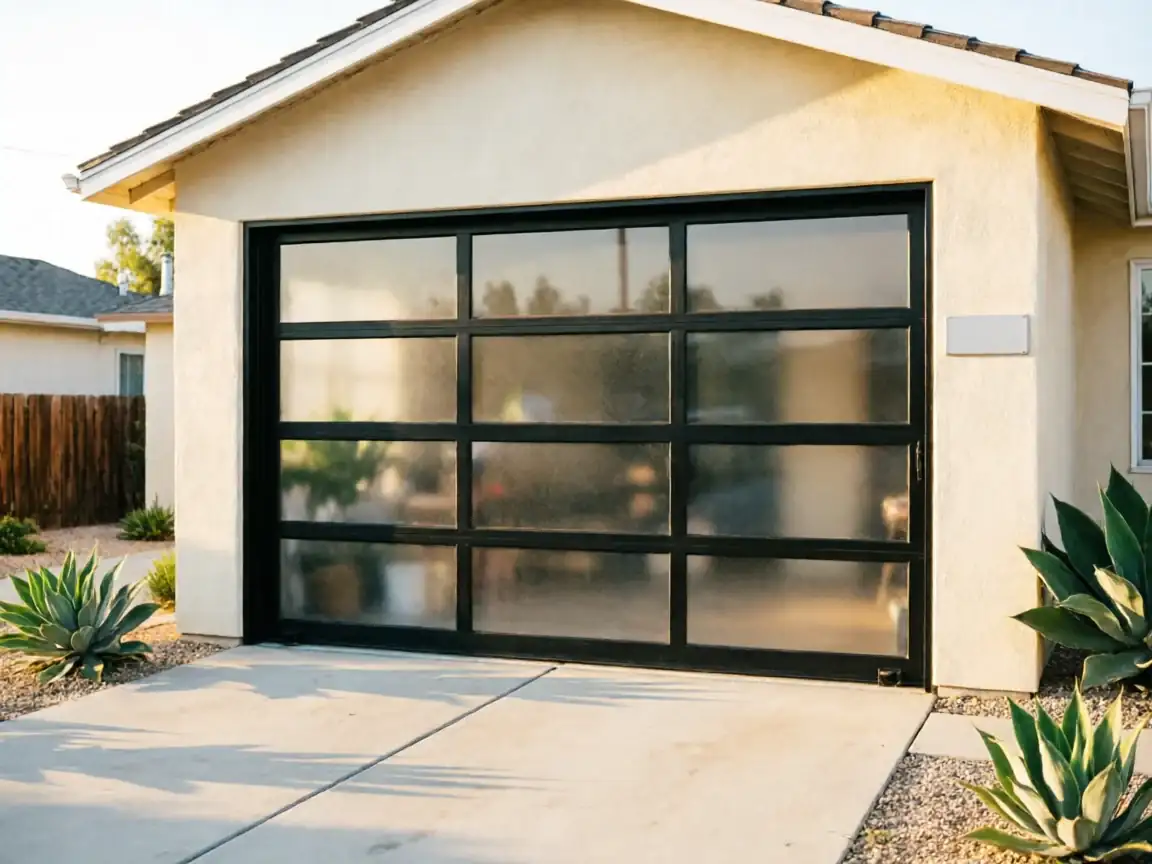
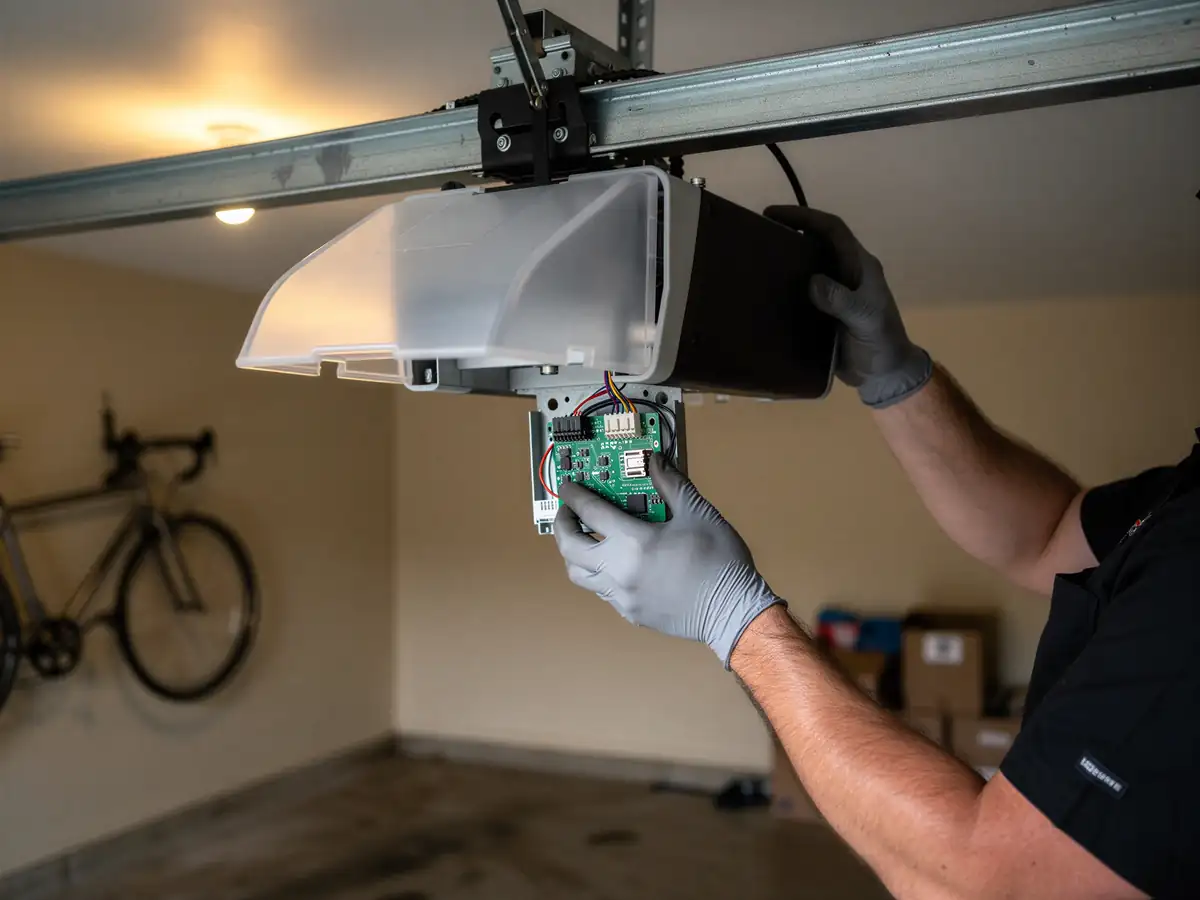
Because so much of the area we cover - Saratoga included - was built between the late 1940s and late 1980s with a concentration in the 1960s and '70s, the truck carries torsion springs, rollers, and cable sized for that generation of hardware as standard stock, not special order. That covers the common failures: a spring that's cycled out, worn rollers rattling in the track, a frayed cable near the drum. What we don't carry as standard are matched panels for custom or architect doors, which show up more in higher-income areas like Saratoga than elsewhere in the service area - those get ordered once we've confirmed the exact model and size on site. If your door is a double-wide or a nonstandard wood panel, expect that piece to be the one that takes a return trip.
Where This Job Goes Sideways
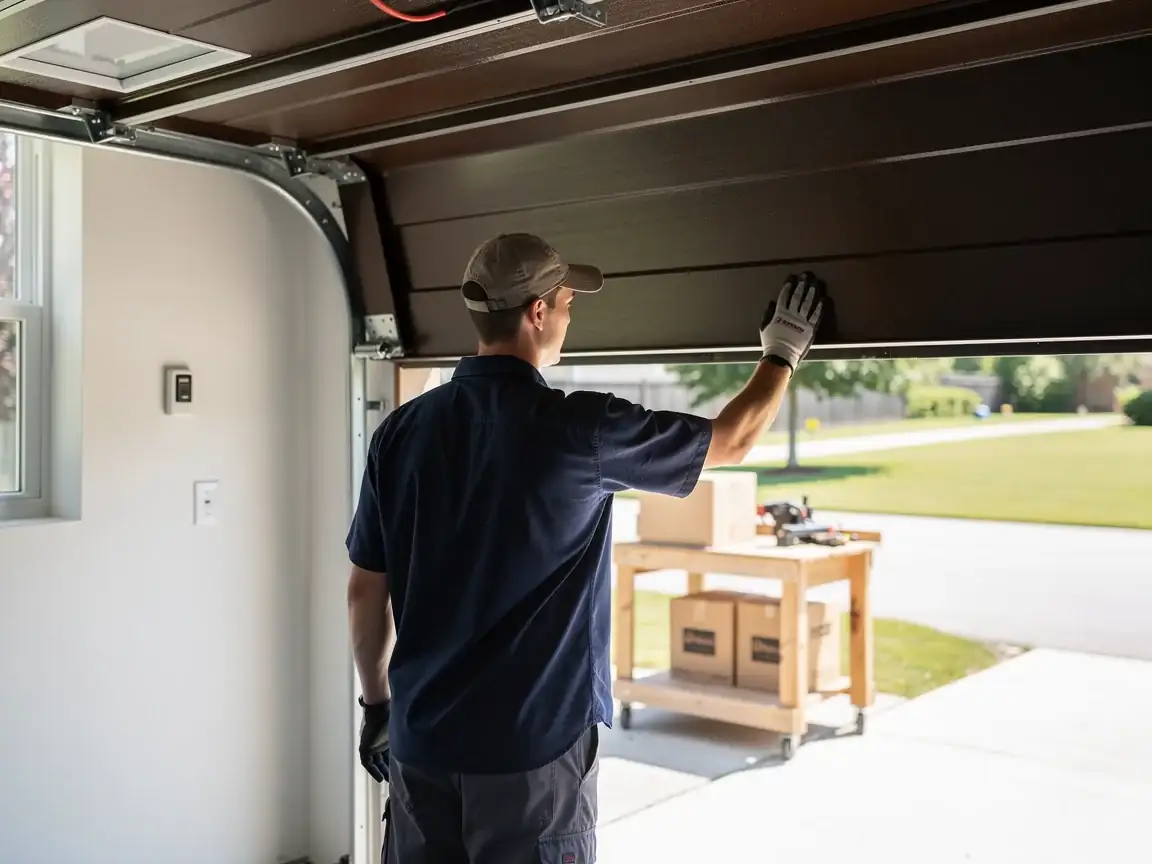
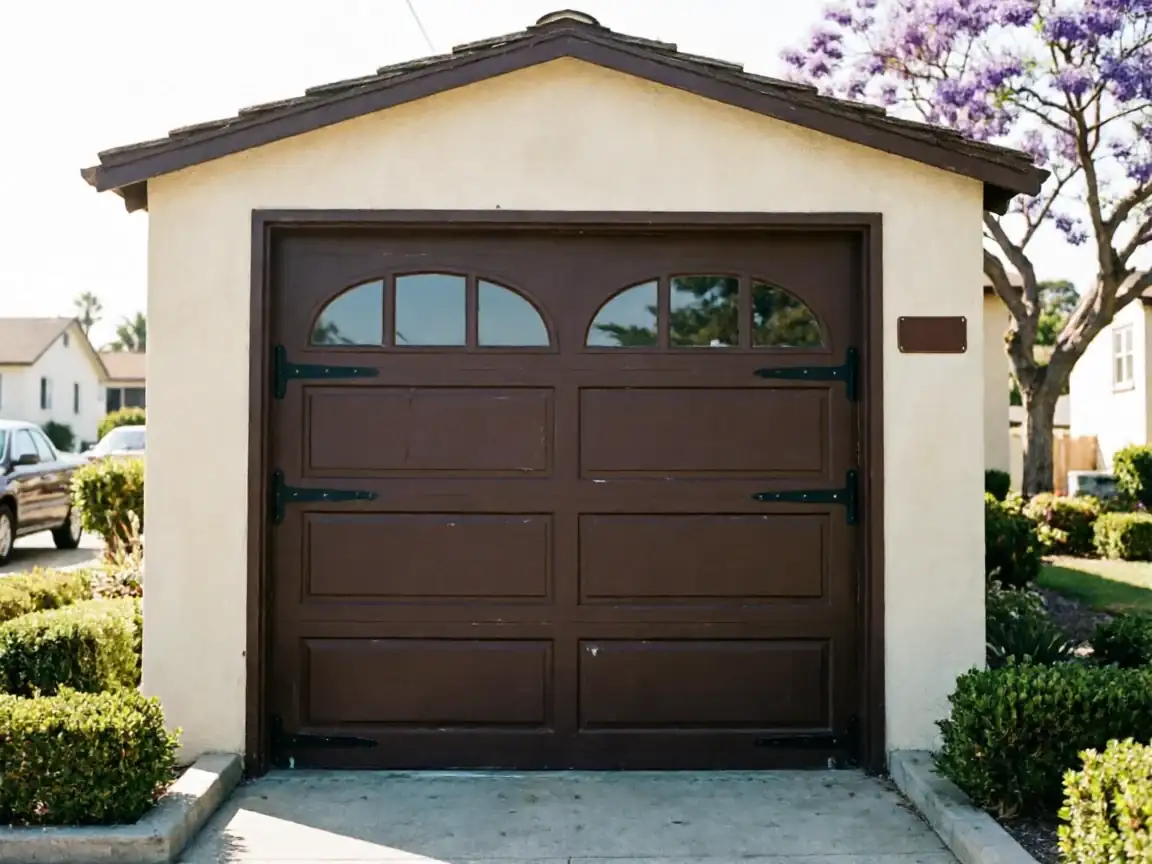
The honest failure case here is the original 1960s door where the track, hinges, and panel have all aged together - you fix the spring and two weeks later a hinge goes, then a roller. At some point replacing the whole door costs less over a year than repairing it piece by piece, and we'll say so instead of running up a string of small invoices. The other place it goes sideways is custom or oversized panels: if a previous owner installed a nonstandard door, matching parts can mean a delay while we source them, and we're not going to force a generic part onto hardware it wasn't built for. We'd rather tell you a repair isn't worth it than do it anyway and have you call us back in a month.