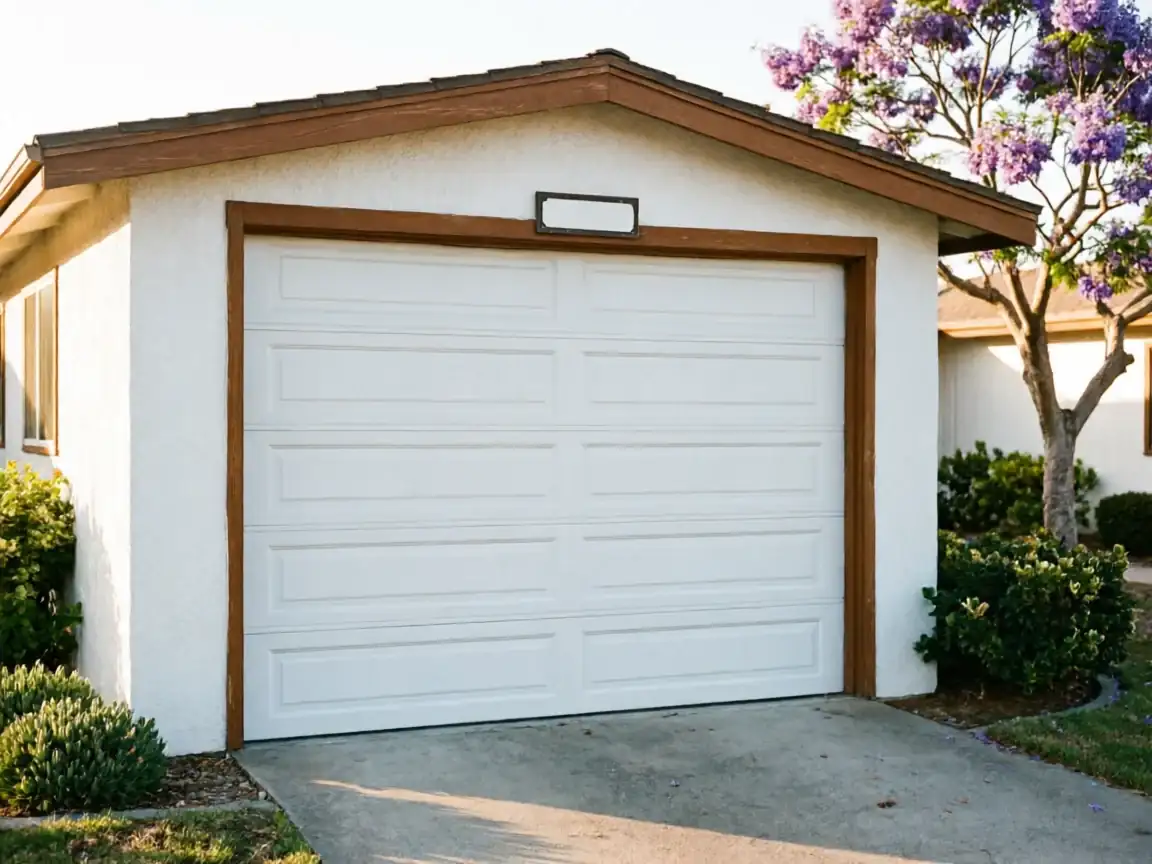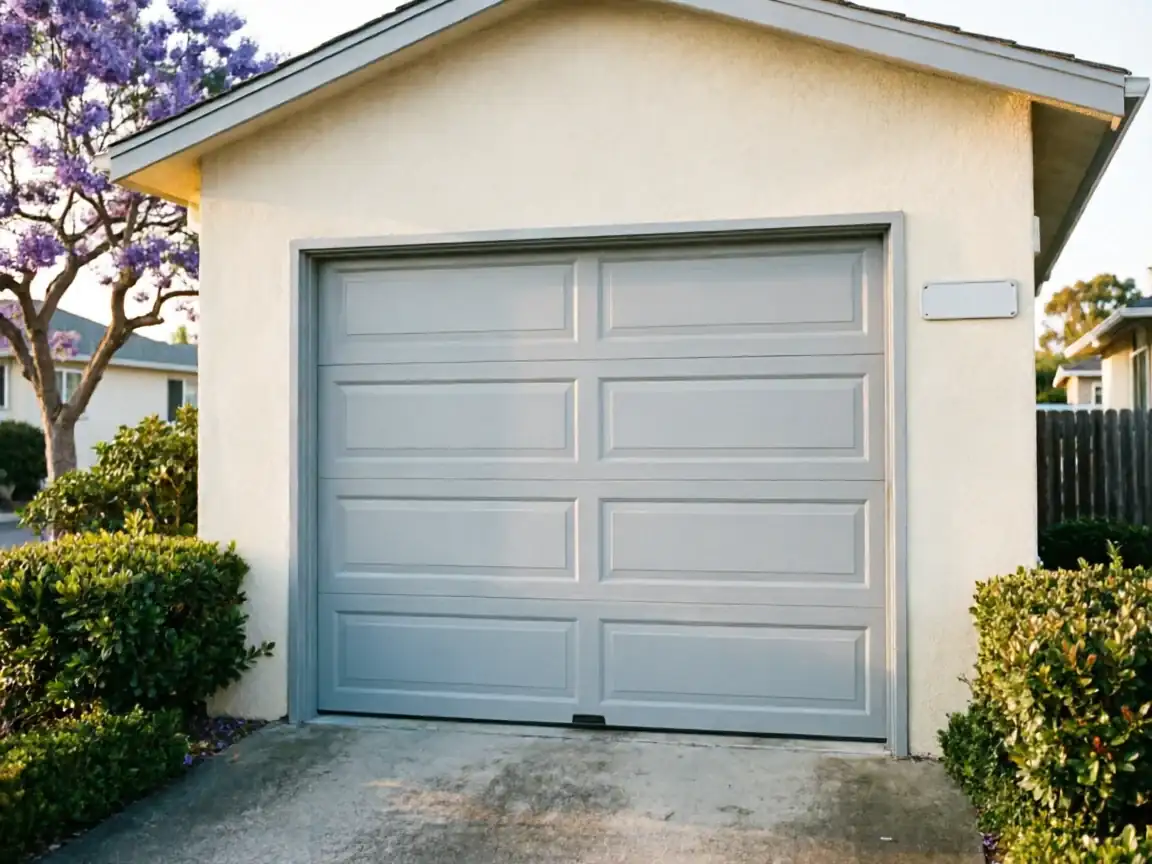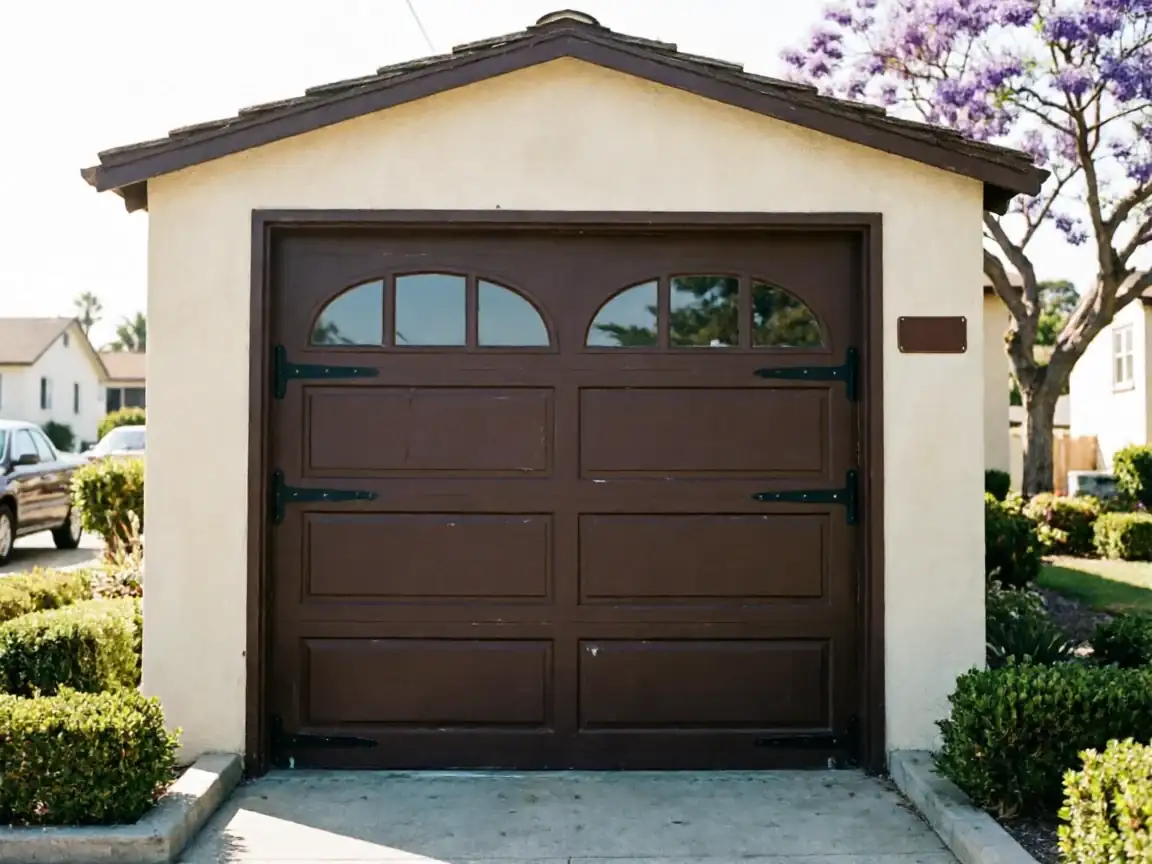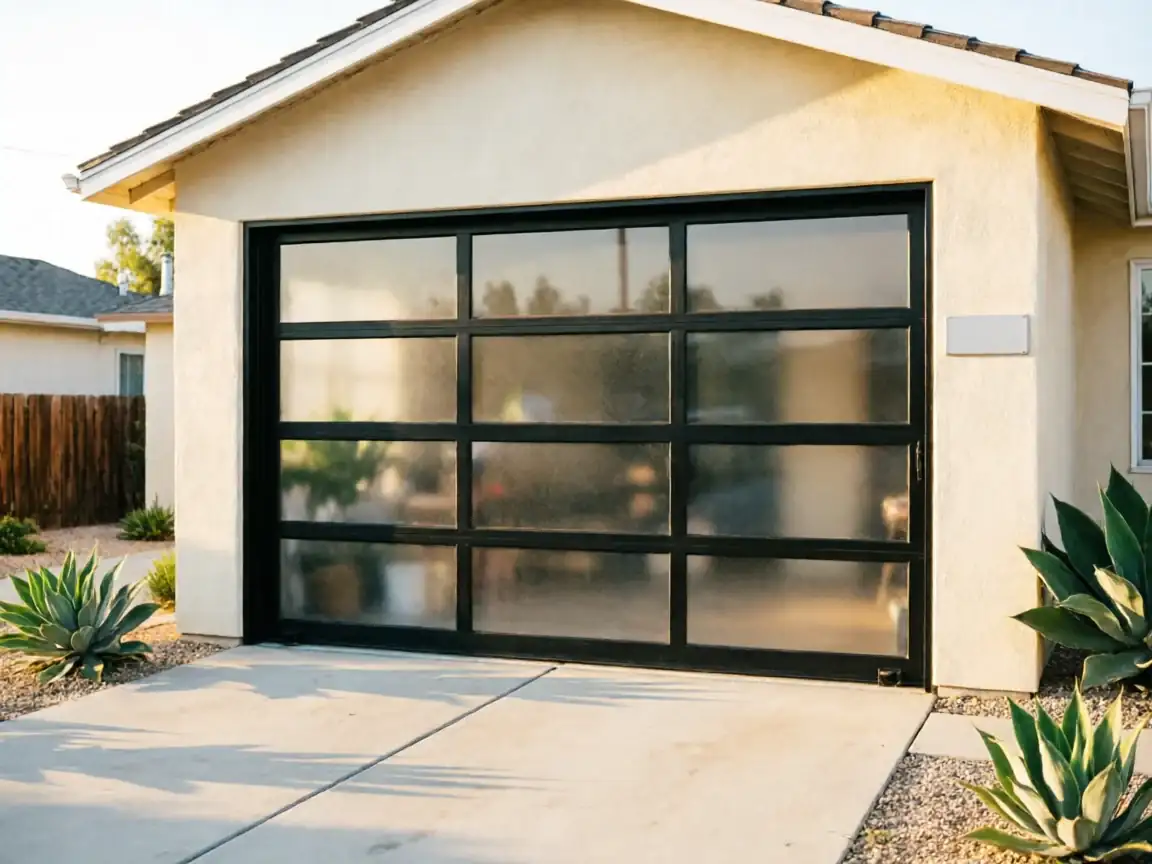
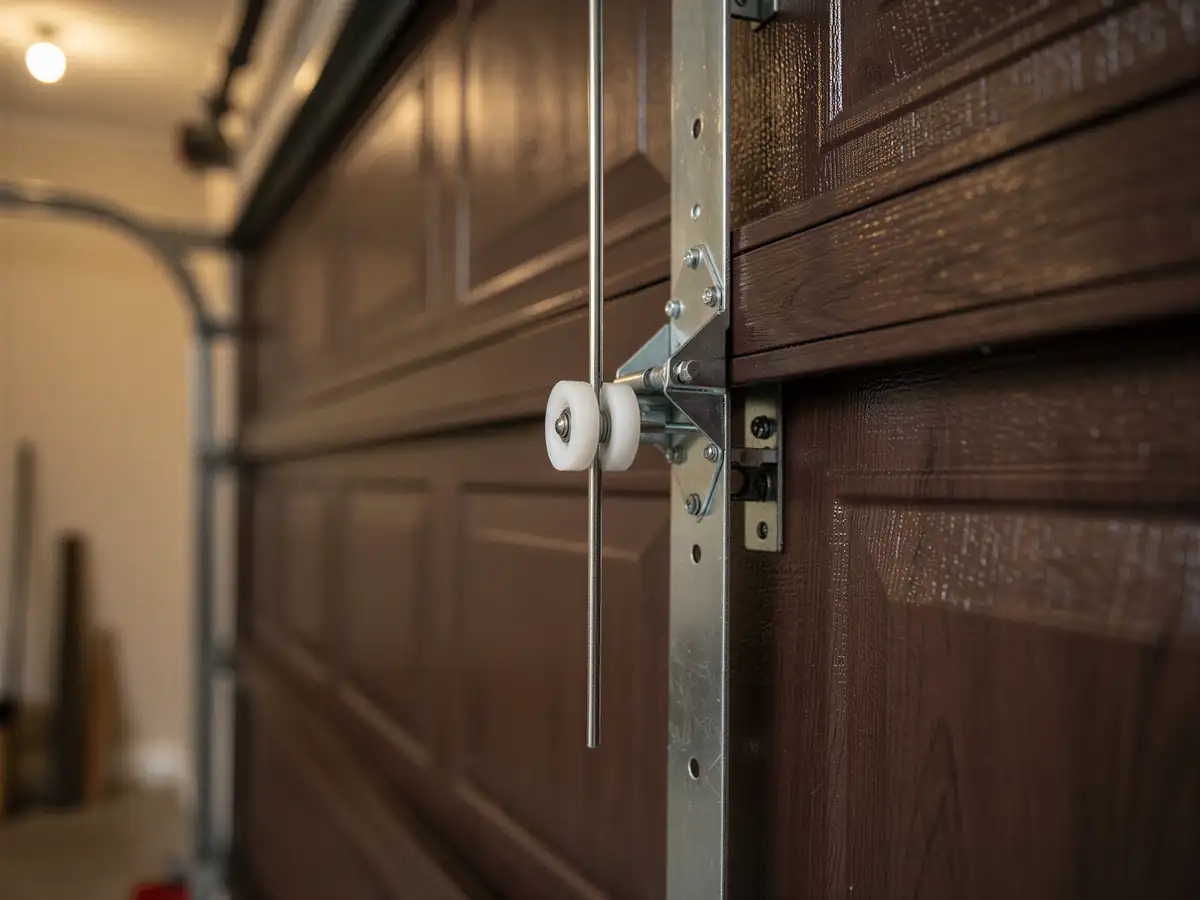
What You Are Seeing
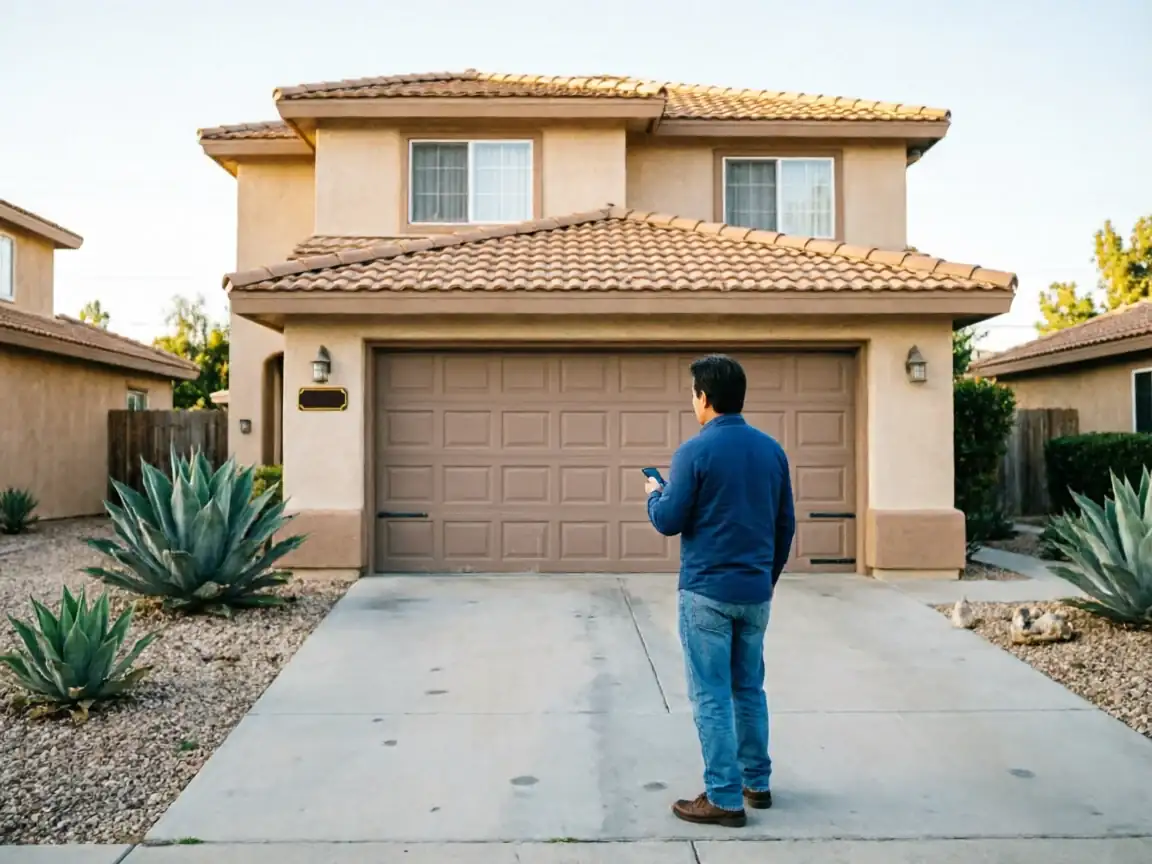
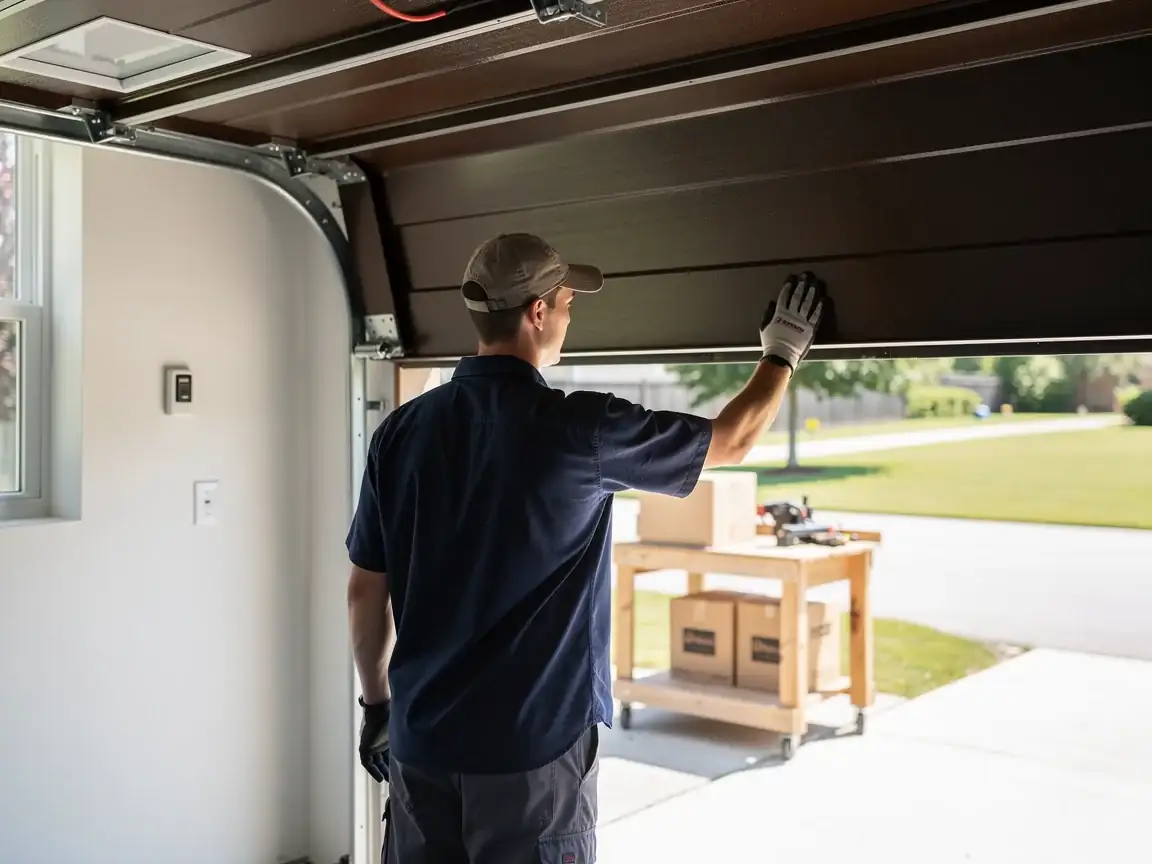
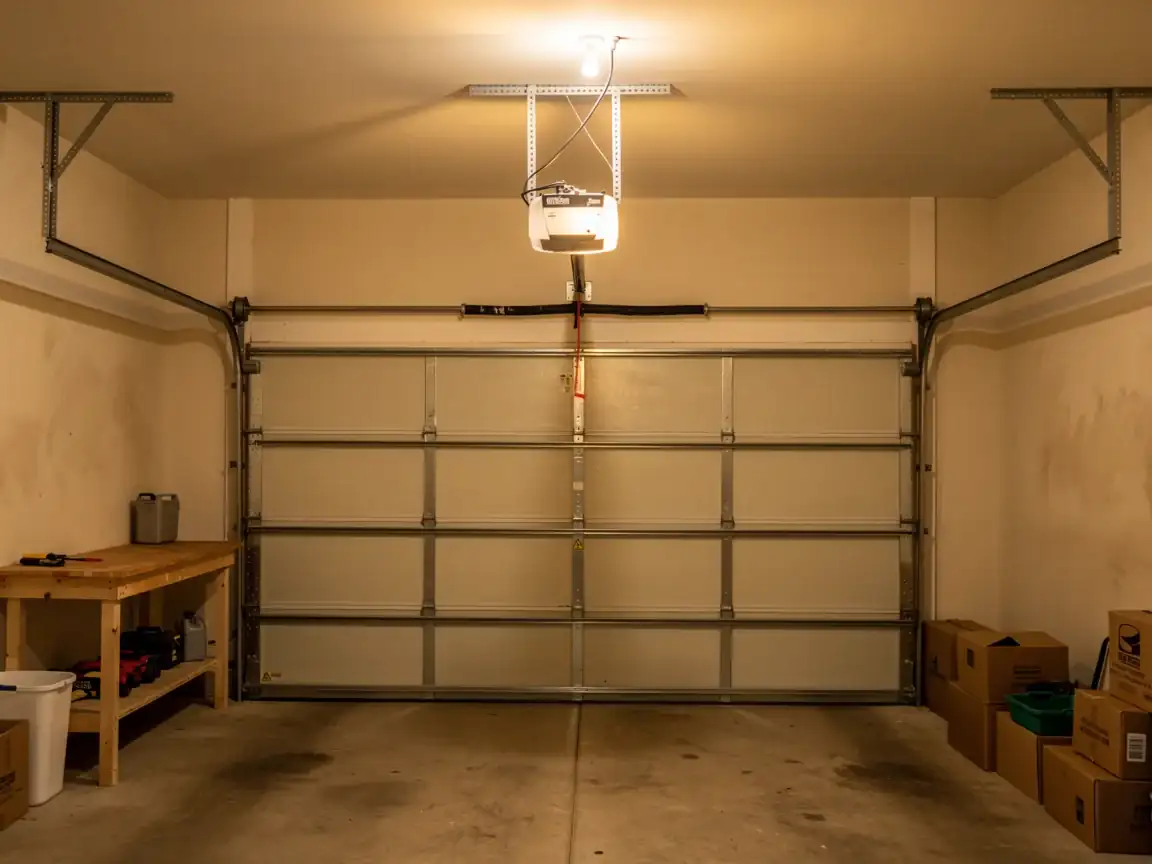
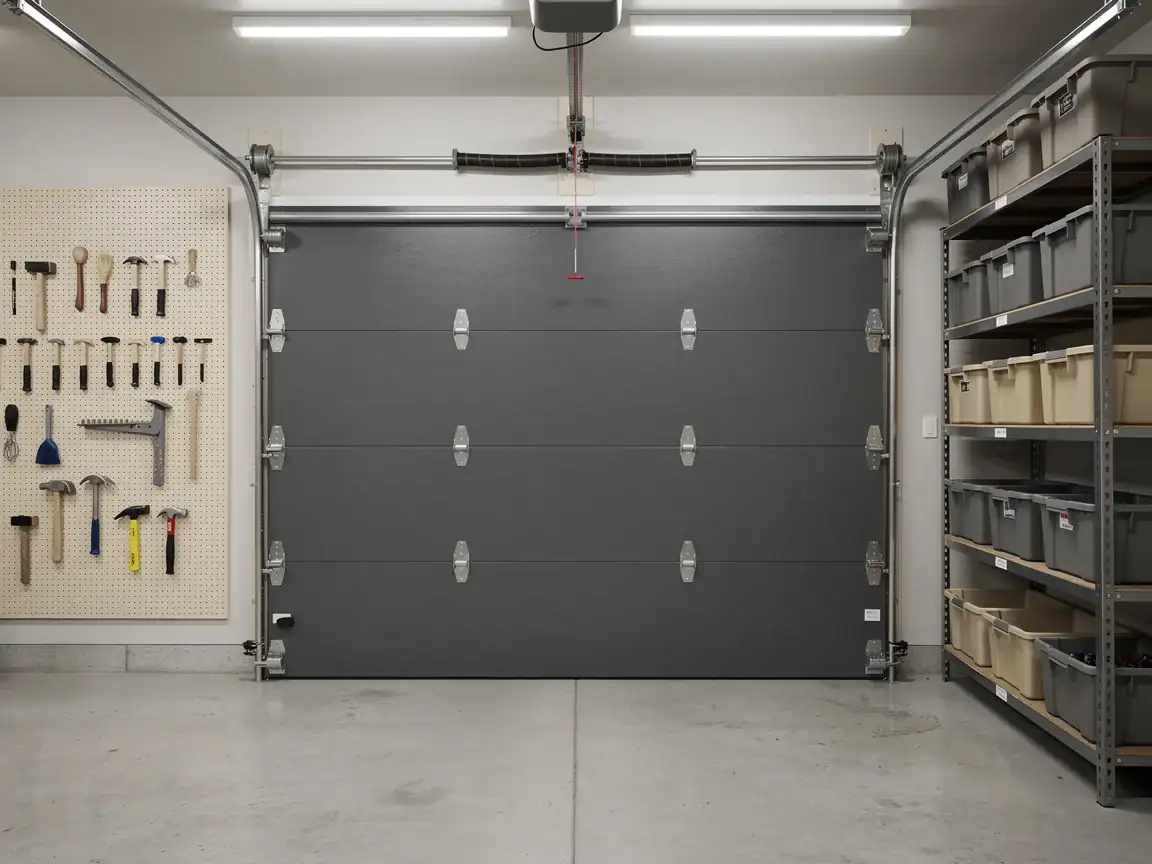
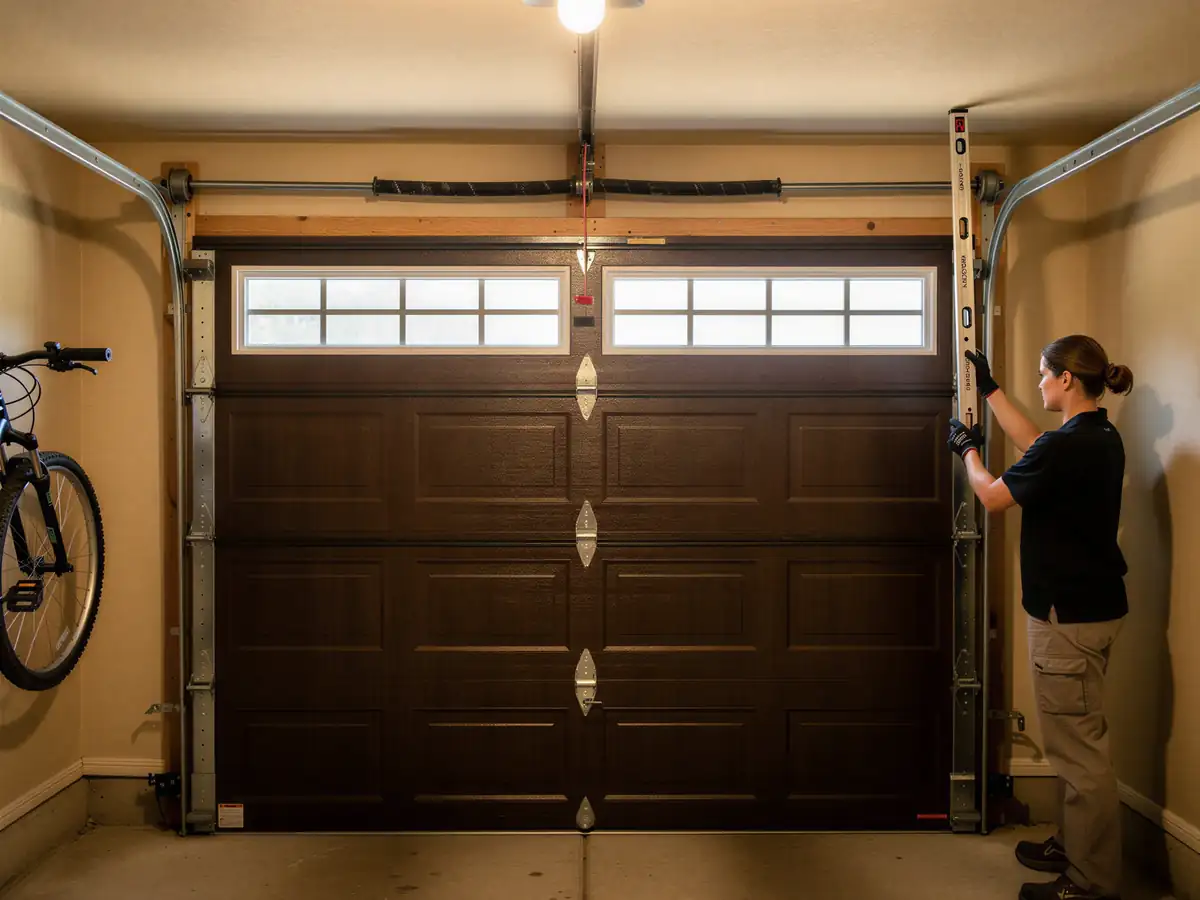
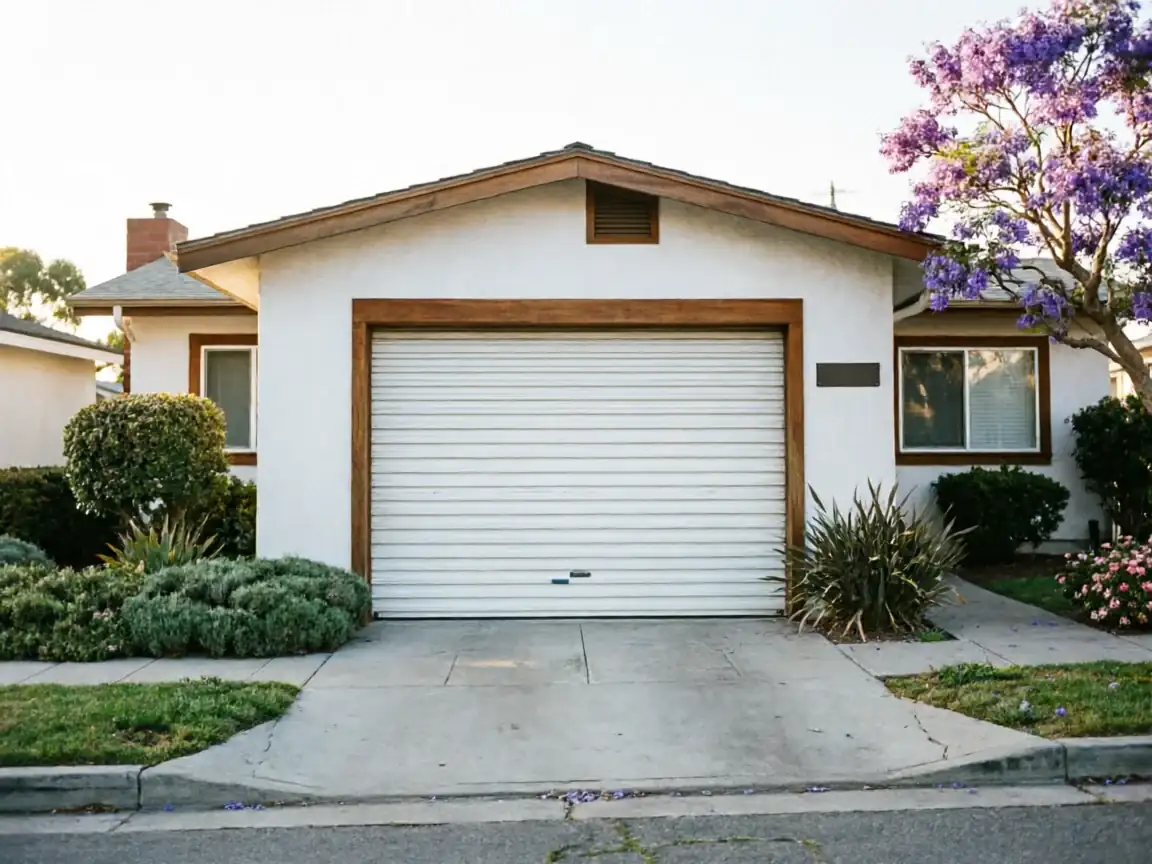
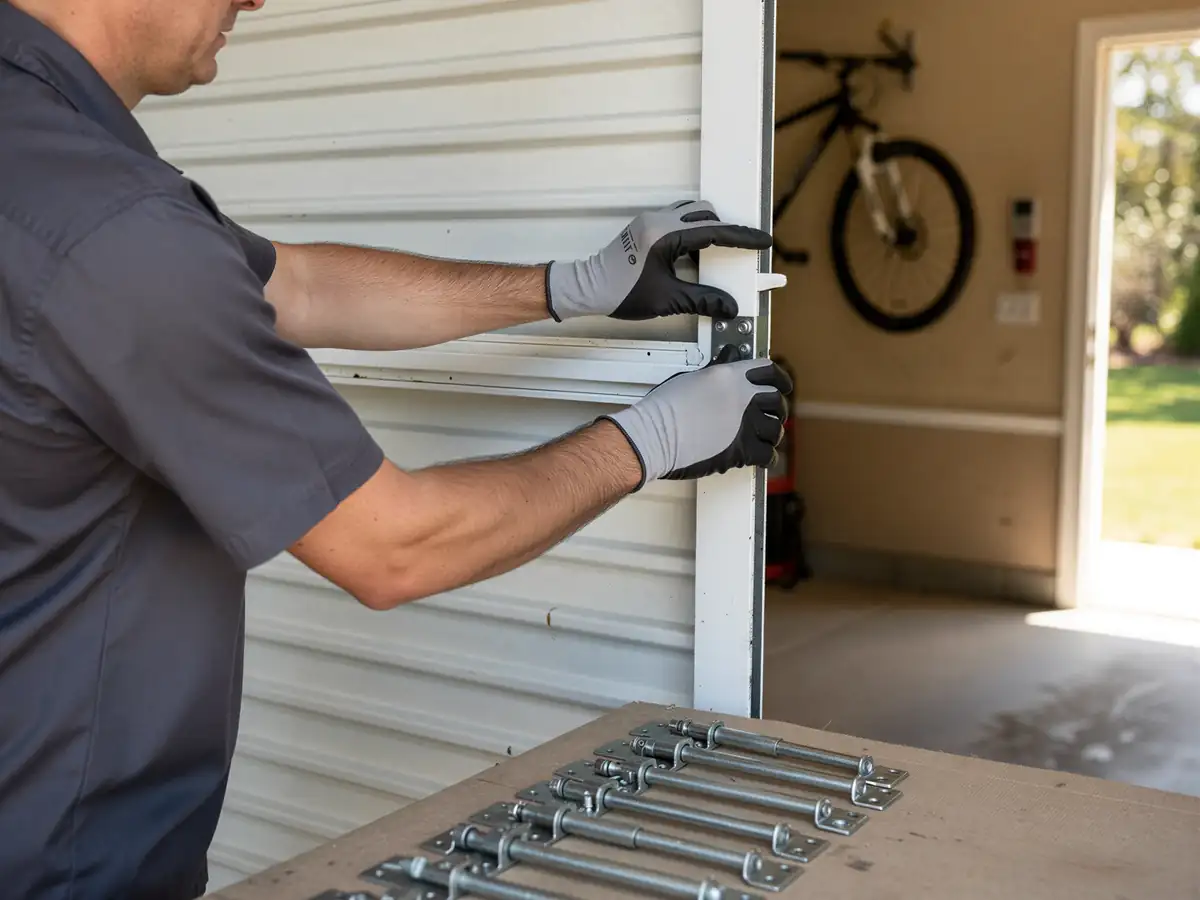
Saratoga's housing runs mostly 1960s-70s, with a median build year here of 1967 - close to the broader service area's 1964 median but on the later edge of it. Doors from that era were built for steel ball-bearing rollers or, cheaper still, nylon rollers with no bearing at all, running in galvanized track that's narrower than what's sold today. After five decades of swelling and shrinking in the mild coastal-influenced climate this region sits in, that track has usually picked up small dents and rust pits you can't see from the floor. The roller doesn't fail on its own - it fails because it's been riding a track that's no longer true, so the wheel flat-spots or the stem bends. If you hear a rhythmic thunk on the way up, that's usually a flat-sided roller still turning, not yet seized.
What You Pay
I don't have a published price list for roller jobs specific to Saratoga, and I won't make one up here. What drives the cost is roller count (standard doors use 10-12), roller grade - nylon versus sealed steel ball-bearing - and whether the track needs straightening or full replacement alongside the rollers. A door that's only throwing one or two bad rollers is a cheaper fix than a full set with track correction. Ask for the breakdown by line item when we're on site so you can see exactly what you're paying for rollers versus labor versus any track work.
Stocked Parts
We carry both nylon and sealed ball-bearing rollers on the truck in the stem lengths that fit the track widths common on doors from this era - 4-inch stems mostly, occasionally 7-inch on older low-headroom setups. What we don't stock is track sections cut to non-standard heights some custom builders used; if your door turns out to need a track section rather than just rollers, that can mean a short parts order instead of a same-visit fix. We'll tell you on site if that's the case rather than make you wait to find out.
Where This Job Goes Sideways
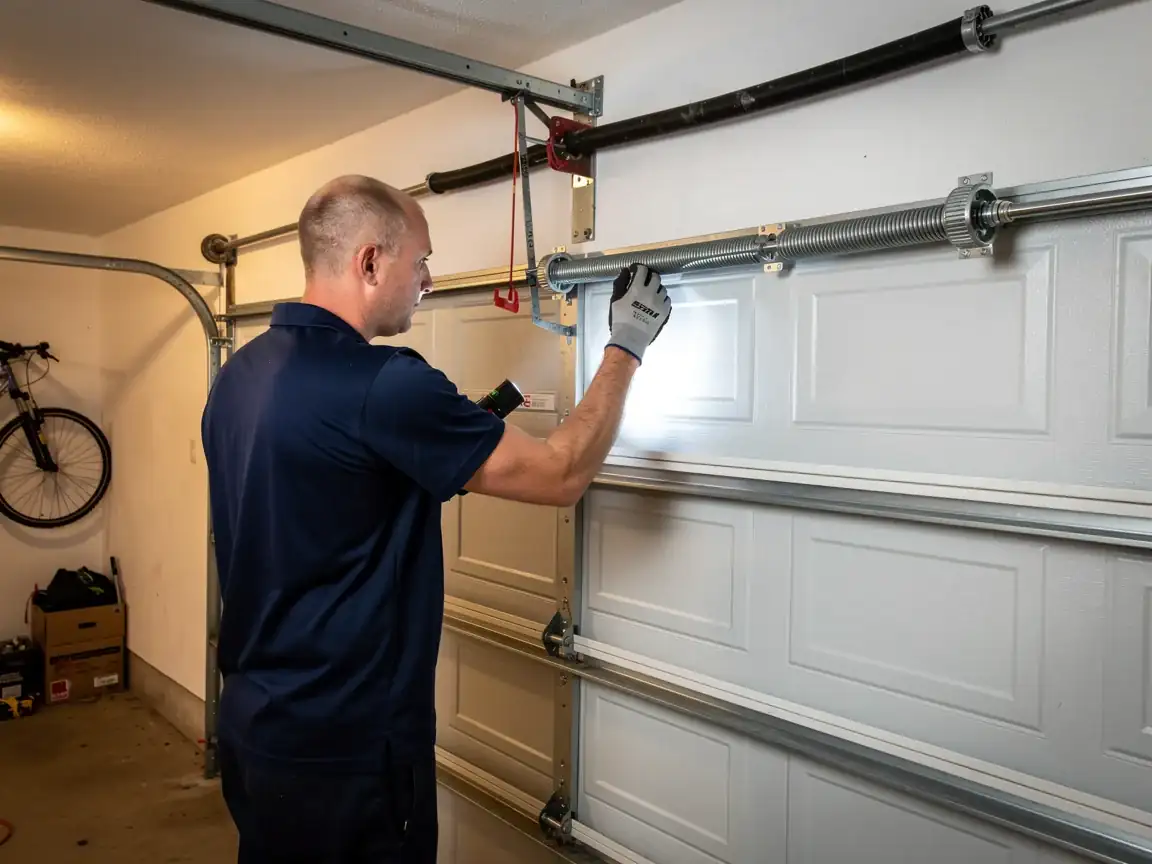
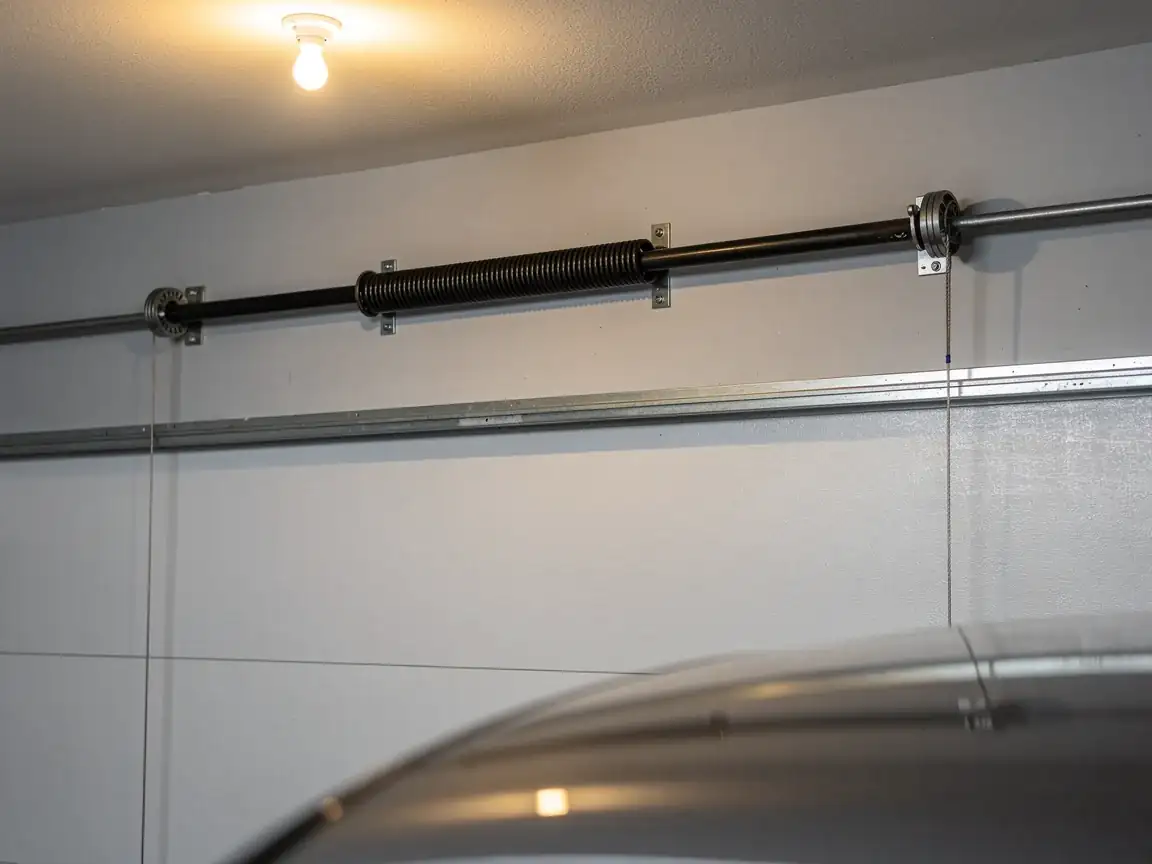
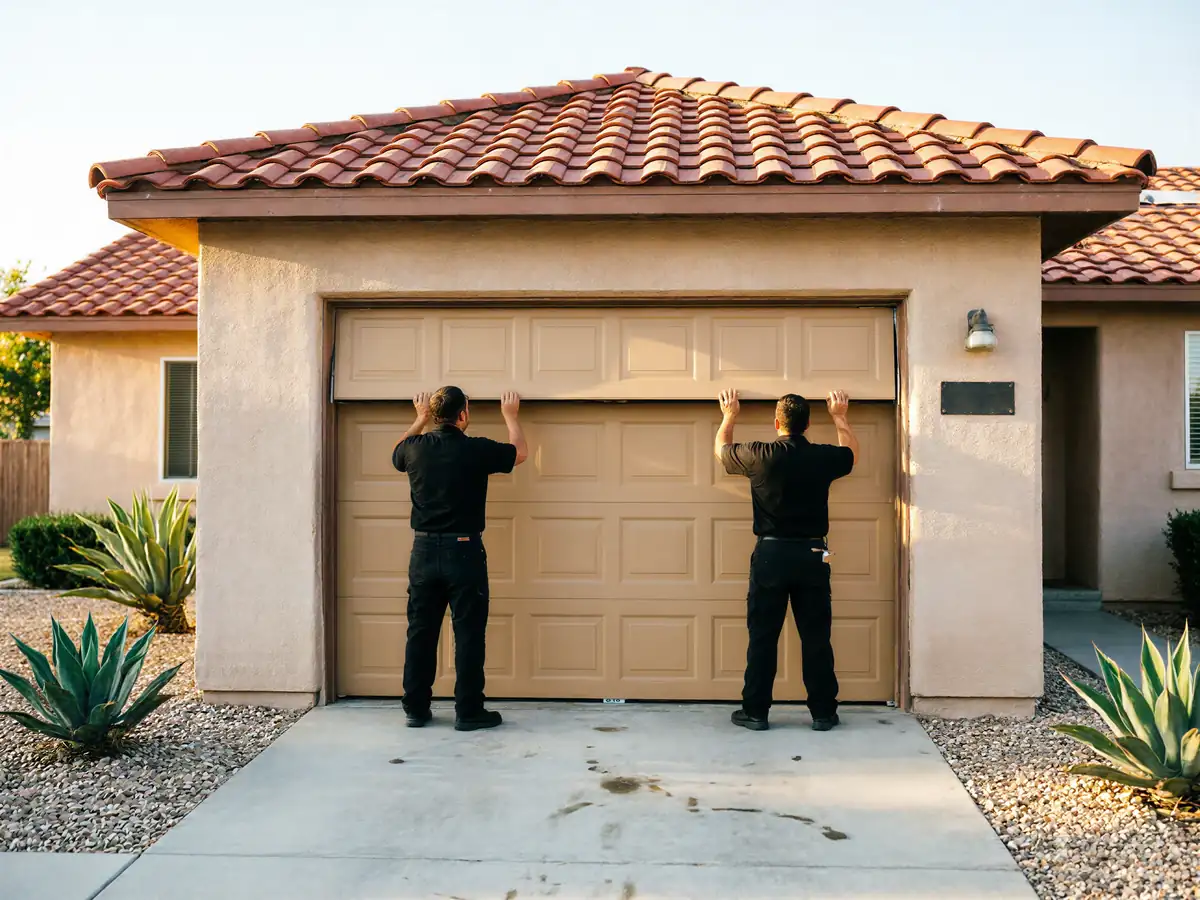
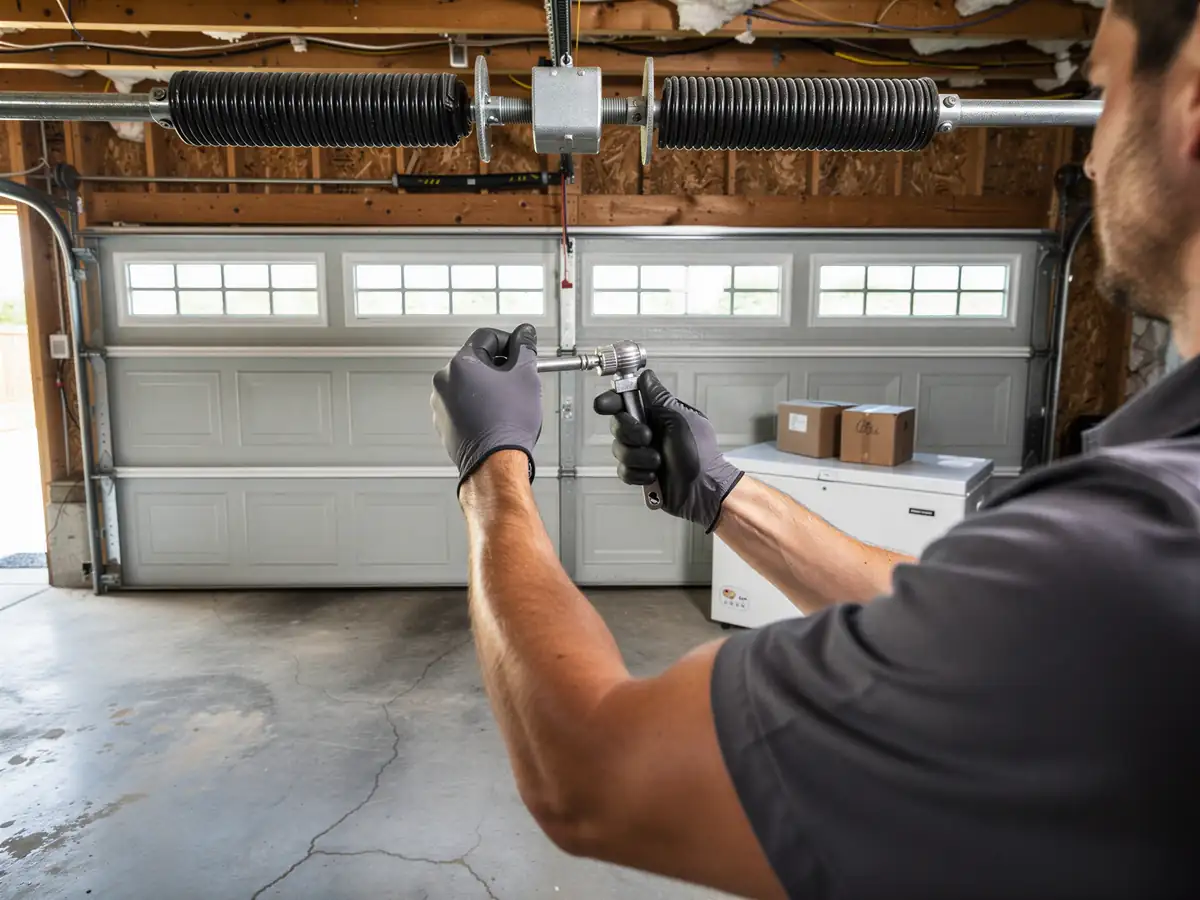
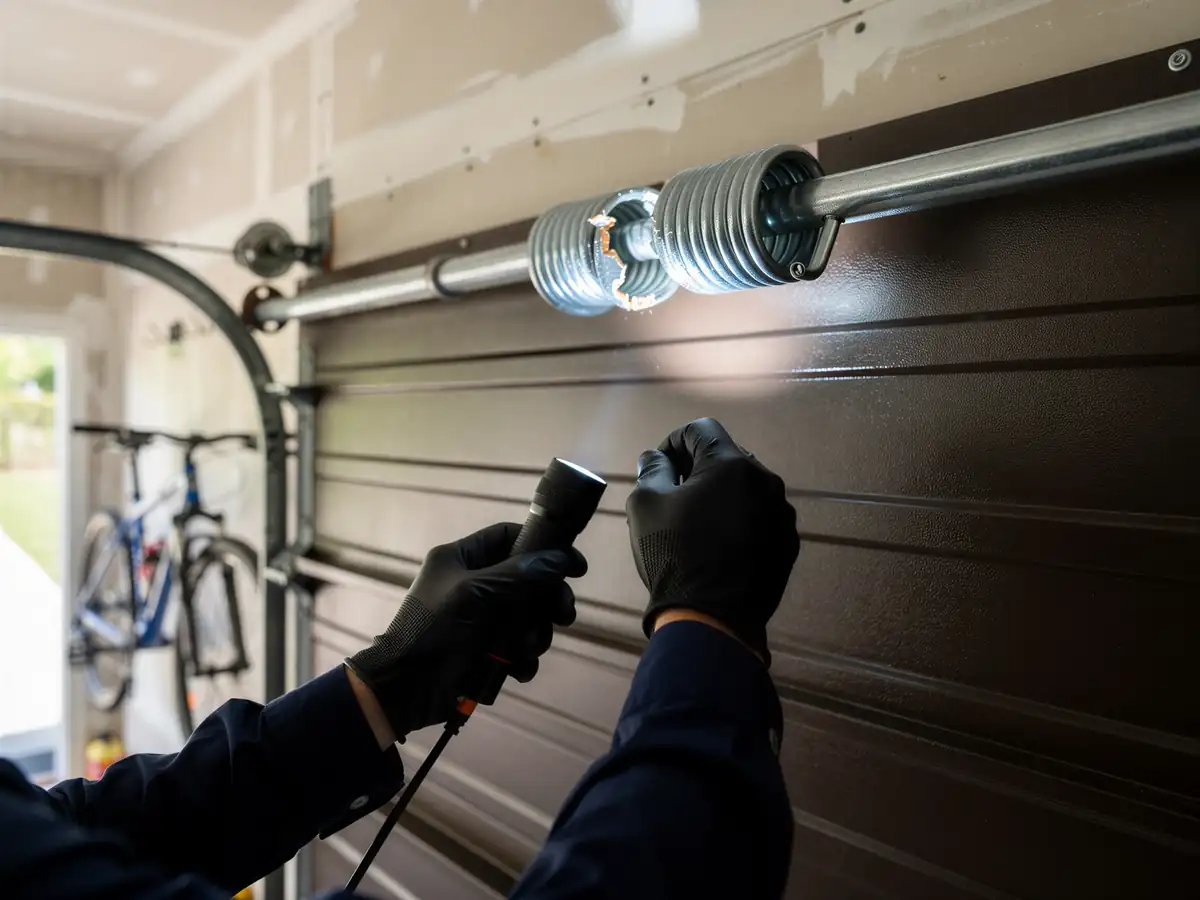
The job gets complicated when the rollers aren't the actual problem - they're a symptom of a spring that's lost tension and is letting the door drop unevenly, which chews up rollers fast on one side only. Swap the rollers without checking the spring and you'll be back in six months. It also goes sideways on doors where the track itself has shifted off the wall studs over the decades - common enough in houses built around 1967 where the original fasteners have worked loose - because then you're not replacing parts, you're rehanging track, and that's a different job at a different cost. We'd rather tell you that upfront than sell you rollers that won't hold.