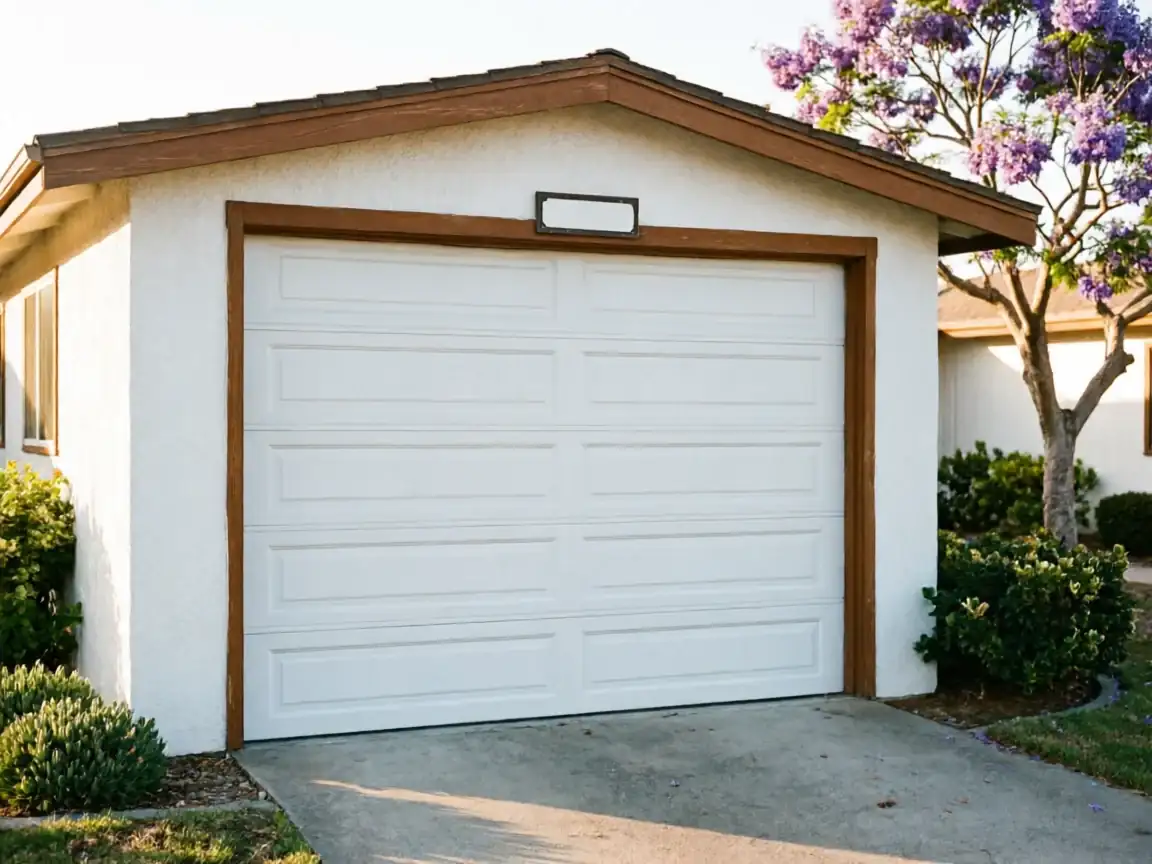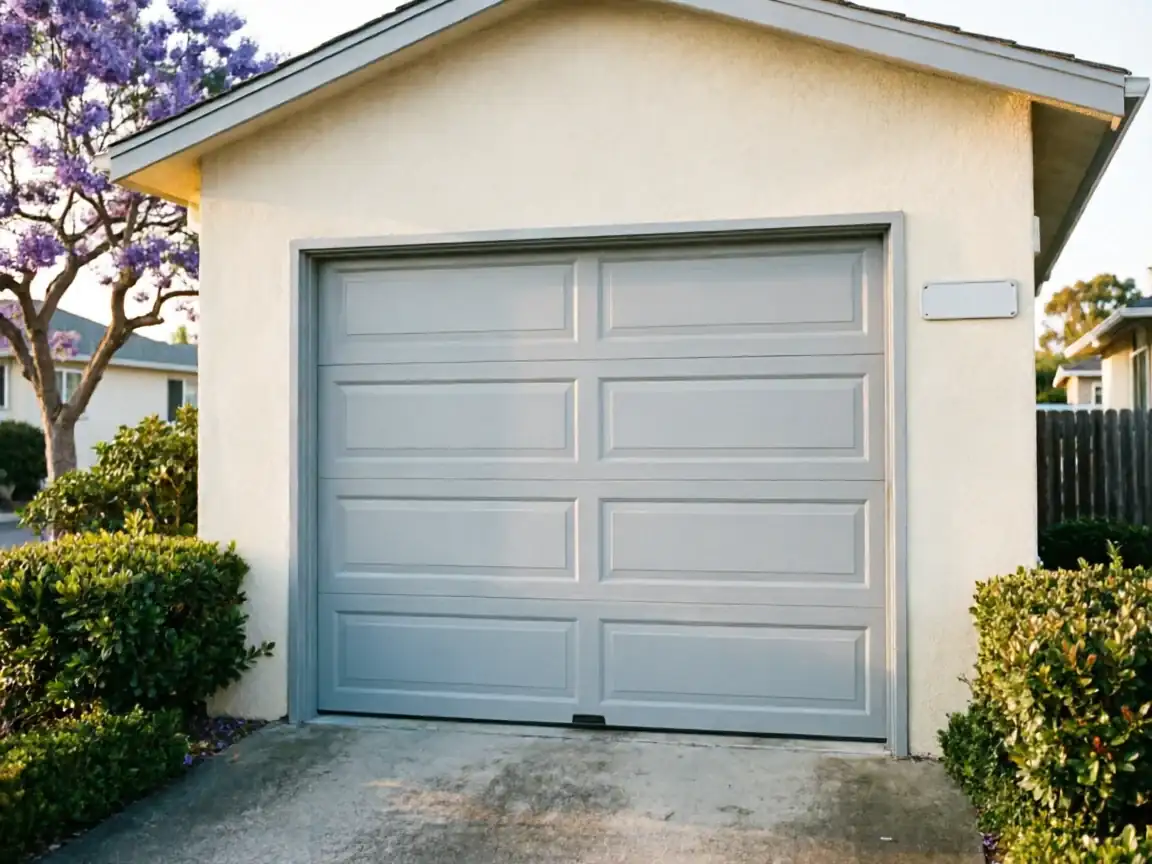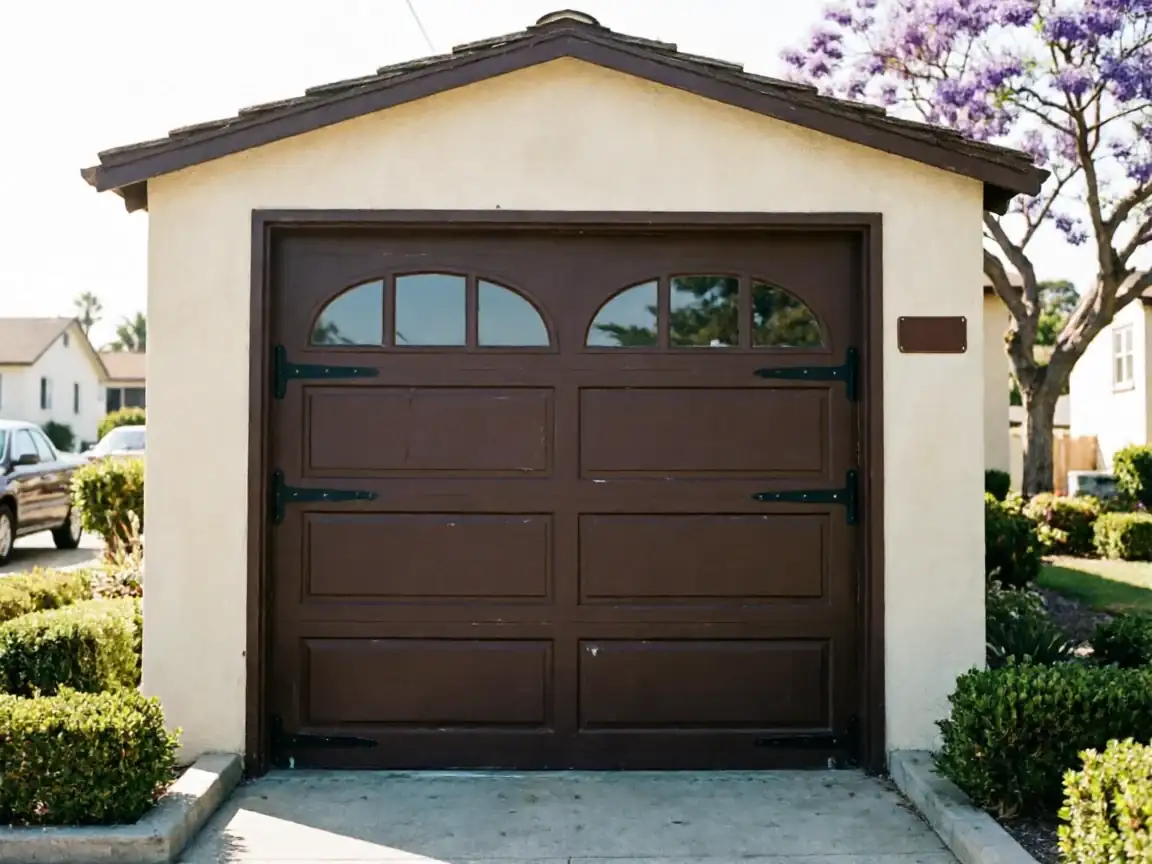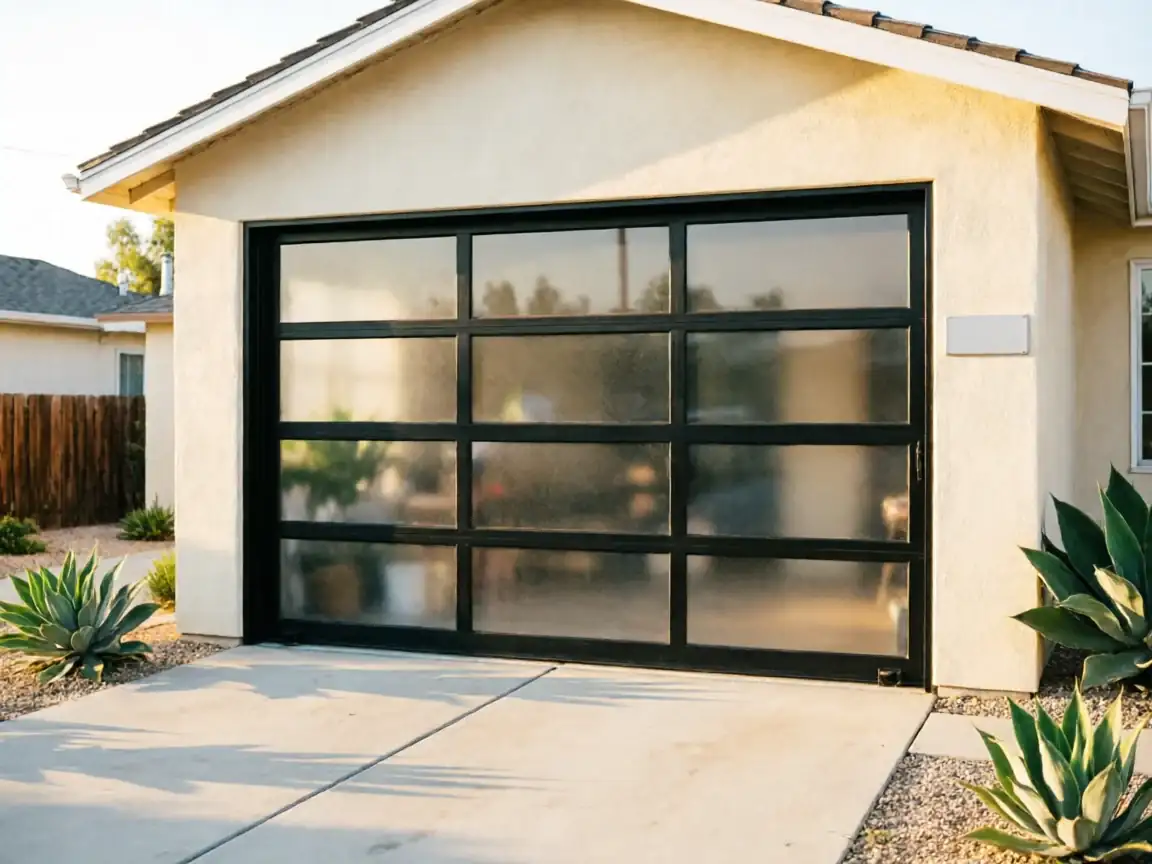
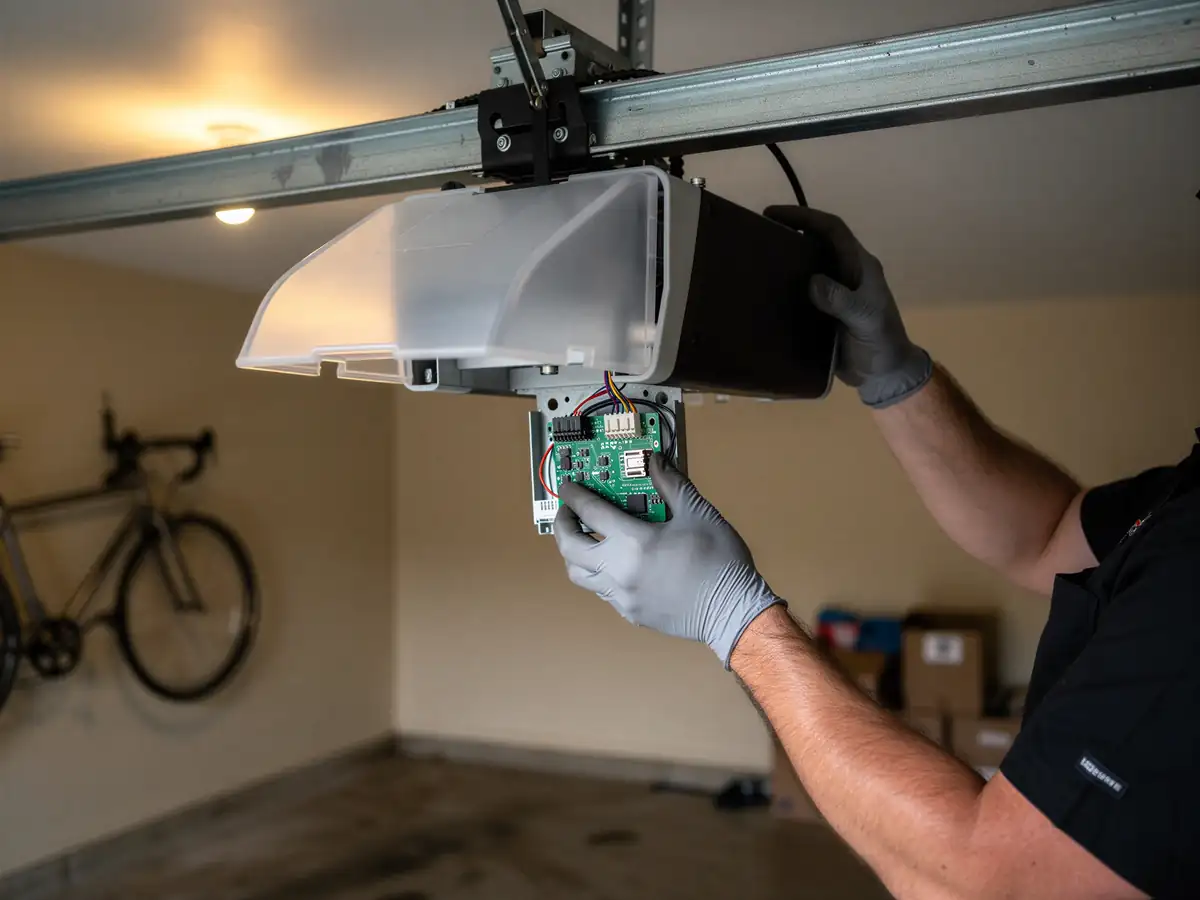
What You Are Seeing
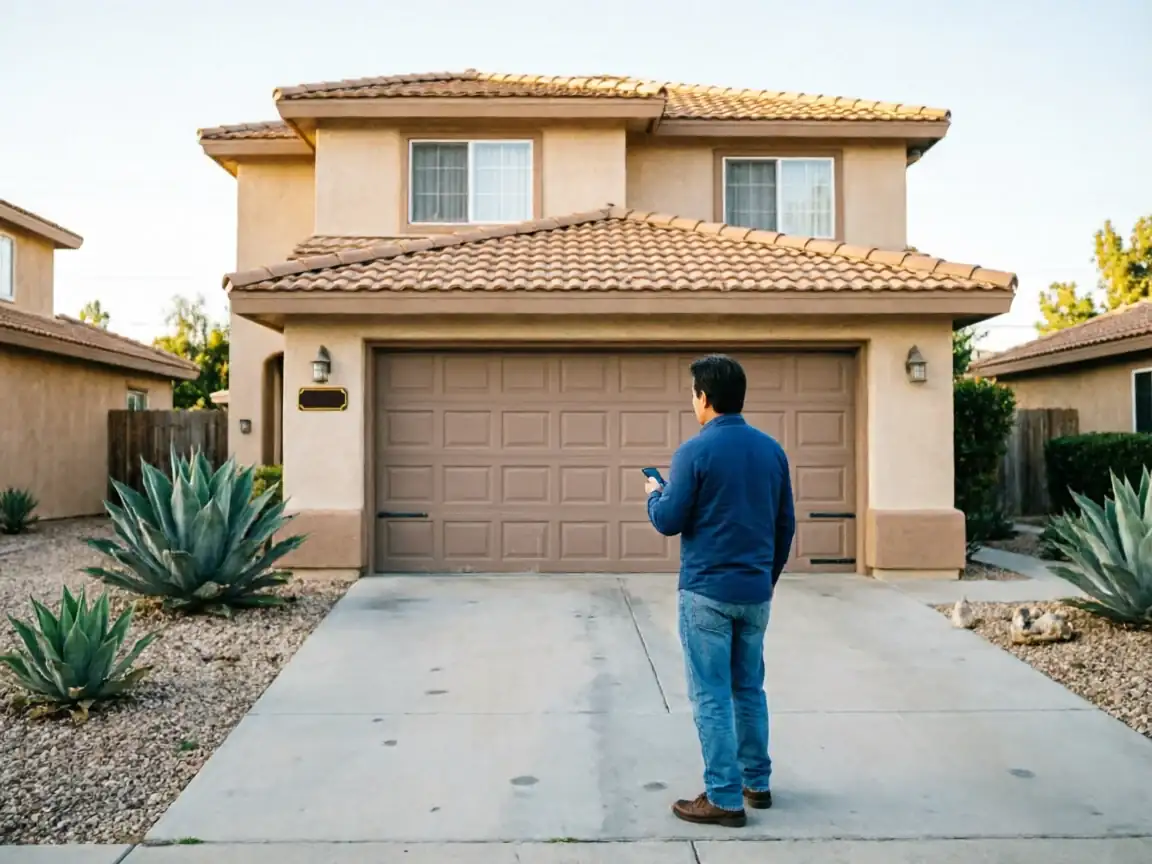
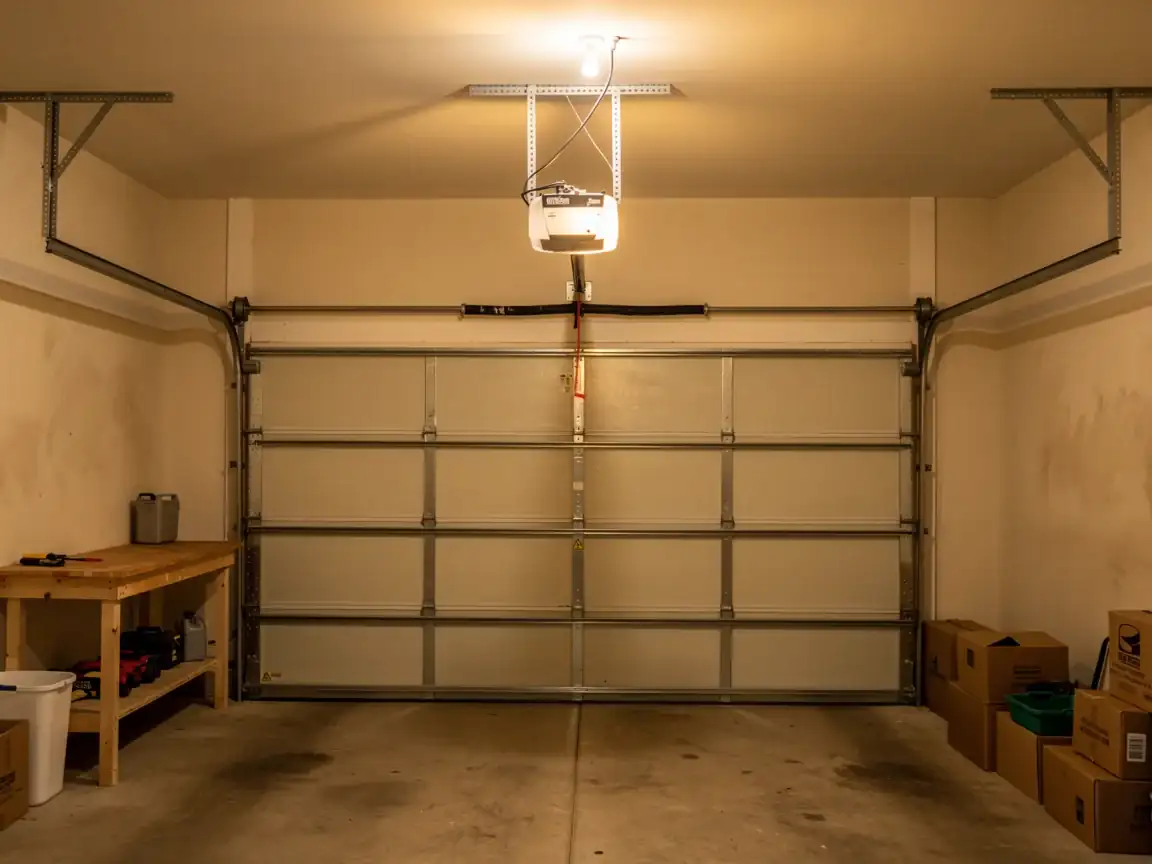
Saratoga's housing stock centers on a median build year of 1967, and that era shaped what's still bolted to a lot of ceiling joists out there. Openers installed through the 1970s and into the 80s were almost always chain-drive, often 1/3 horsepower, and plenty of them predate the 1993 federal requirement for photo-eye safety reversal sensors. If your opener has no small sensor eyes mounted near the floor on each track rail, that's not a defect - it's the original spec for a house of that age, and it's also why insurers and some opener manufacturers now flag these units for replacement rather than repair. What you're seeing on a service call is often a motor that still runs fine mechanically but has a control board or capacitor that's simply reached the end of its service life after 40-plus years.
What You Pay
We don't post a flat price here because the range depends heavily on whether the fix is a logic board, a drive gear, or a full unit swap - and Saratoga's mix of original 1960s-era openers alongside newer replacements means we see both ends of that range in the same week. Households in this area sit at a median income of $241,348, which is well above the wider service area's $214,149, and that does show up in the calls: more owners here opt to replace an aging chain-drive unit outright with a quieter belt-drive model rather than keep nursing the original motor. We'll tell you straight when a repair makes sense versus when you're paying good money to patch a unit that's going to need the same visit again next year.
Stocked Parts
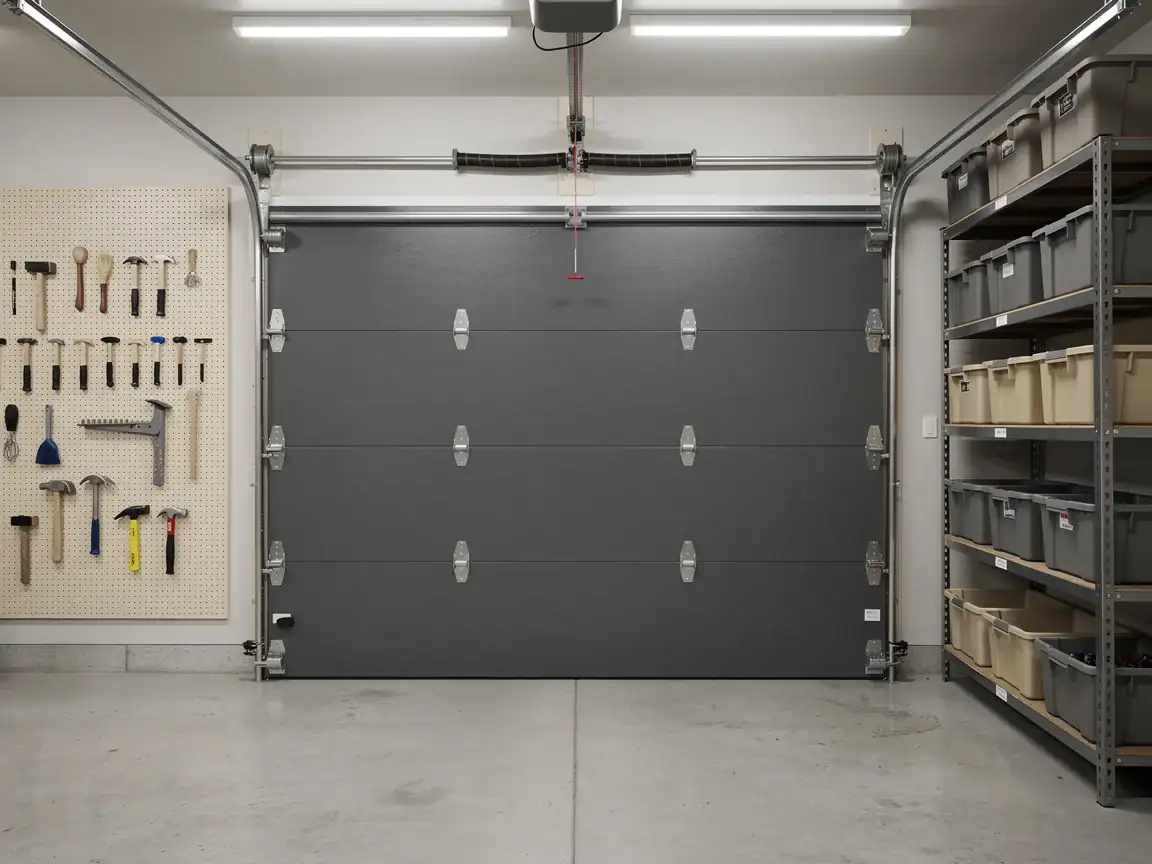
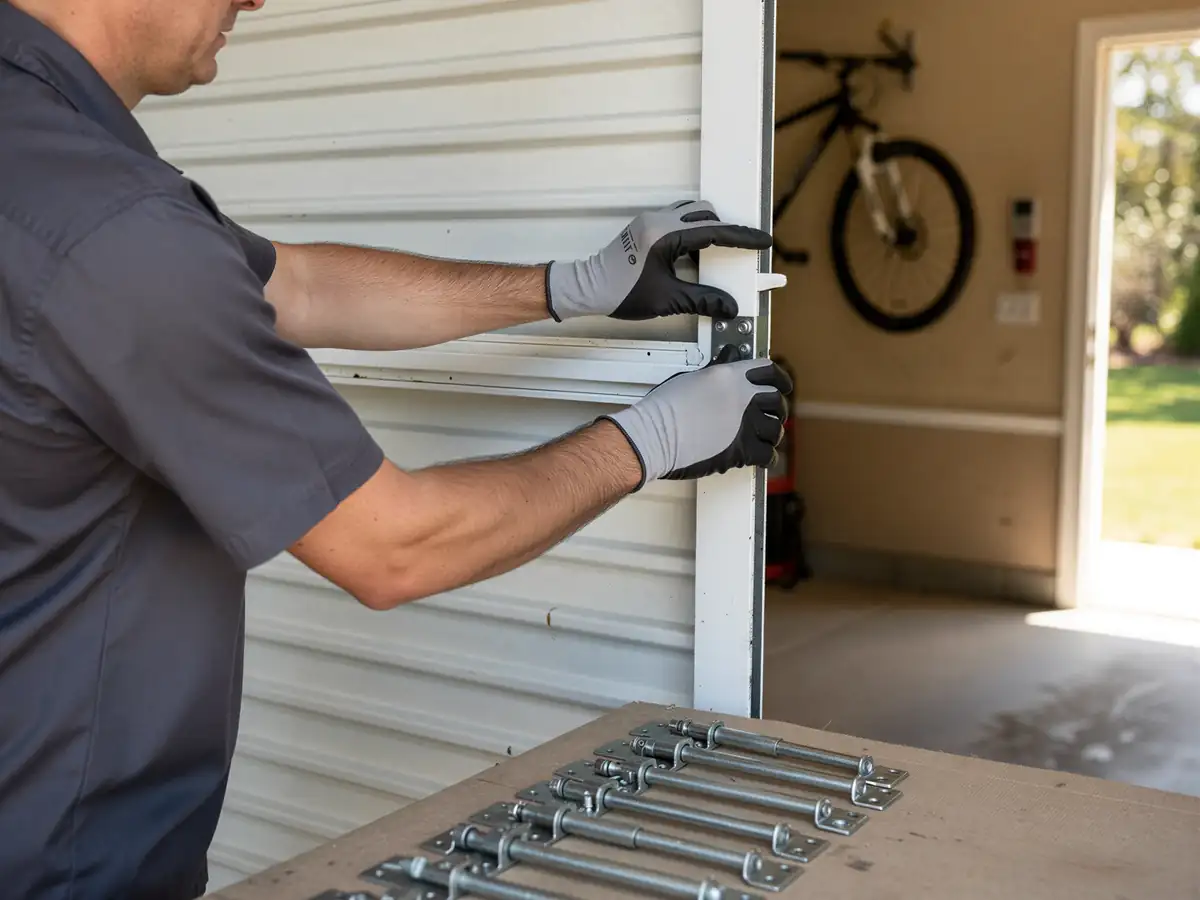
We carry the gears, capacitors, logic boards, and photo-eye sensor kits that cover most chain-drive and belt-drive openers still in service across the area, including the models common in houses built around the 1960s and 70s. The photo-eye kits matter specifically here - a lot of Saratoga's original 1967-era openers predate that safety requirement entirely, and adding sensors is often the single most worthwhile upgrade we make on an older unit, cost-wise, versus full replacement. What we don't stock is every discontinued motor casting for every opener brand ever sold; if your unit needs a part that's been out of production for two decades, we'll say so rather than quote you a fix we can't actually deliver.
Where This Job Goes Sideways
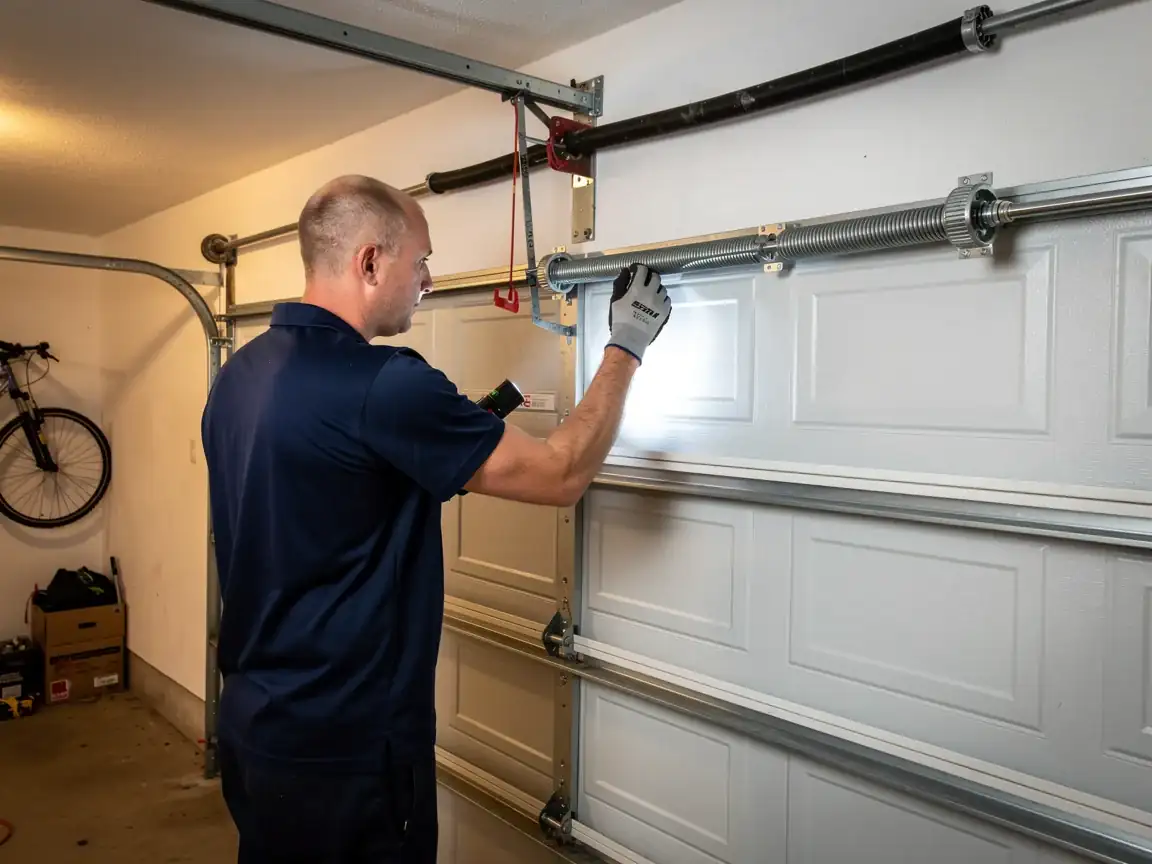
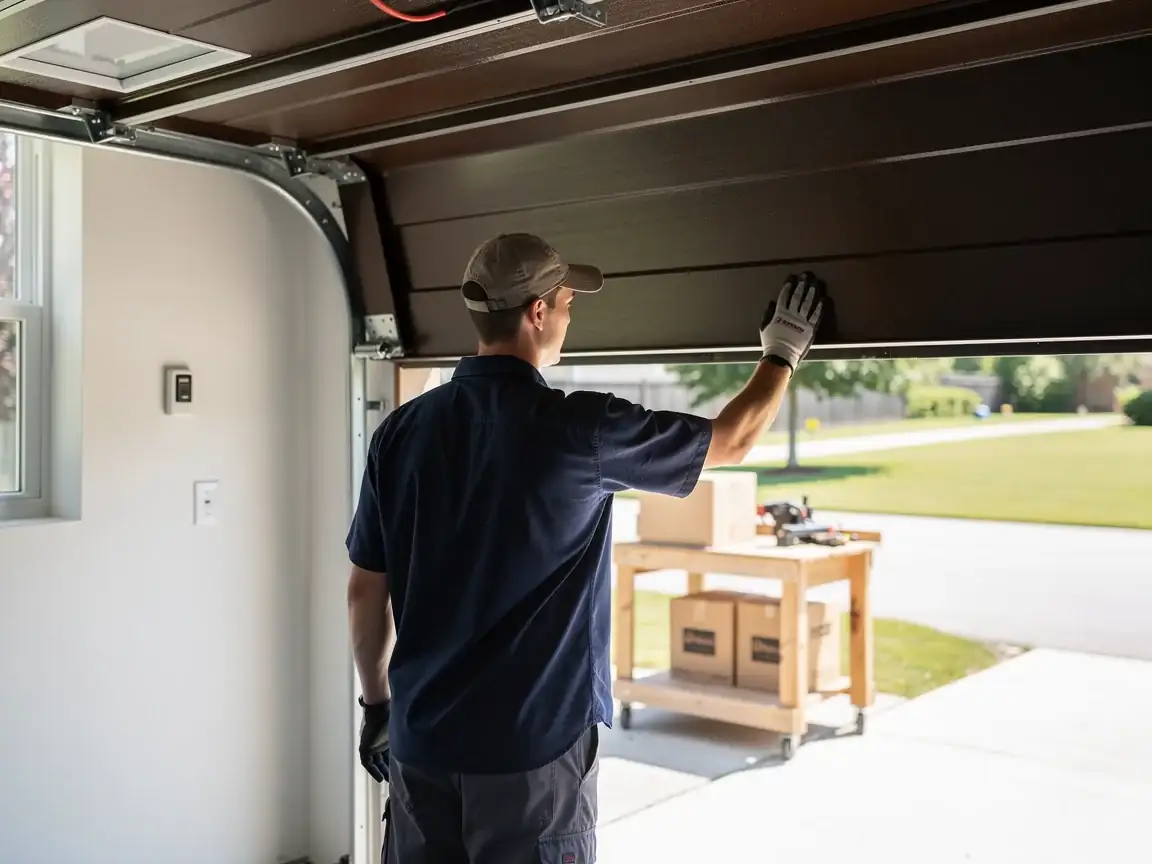
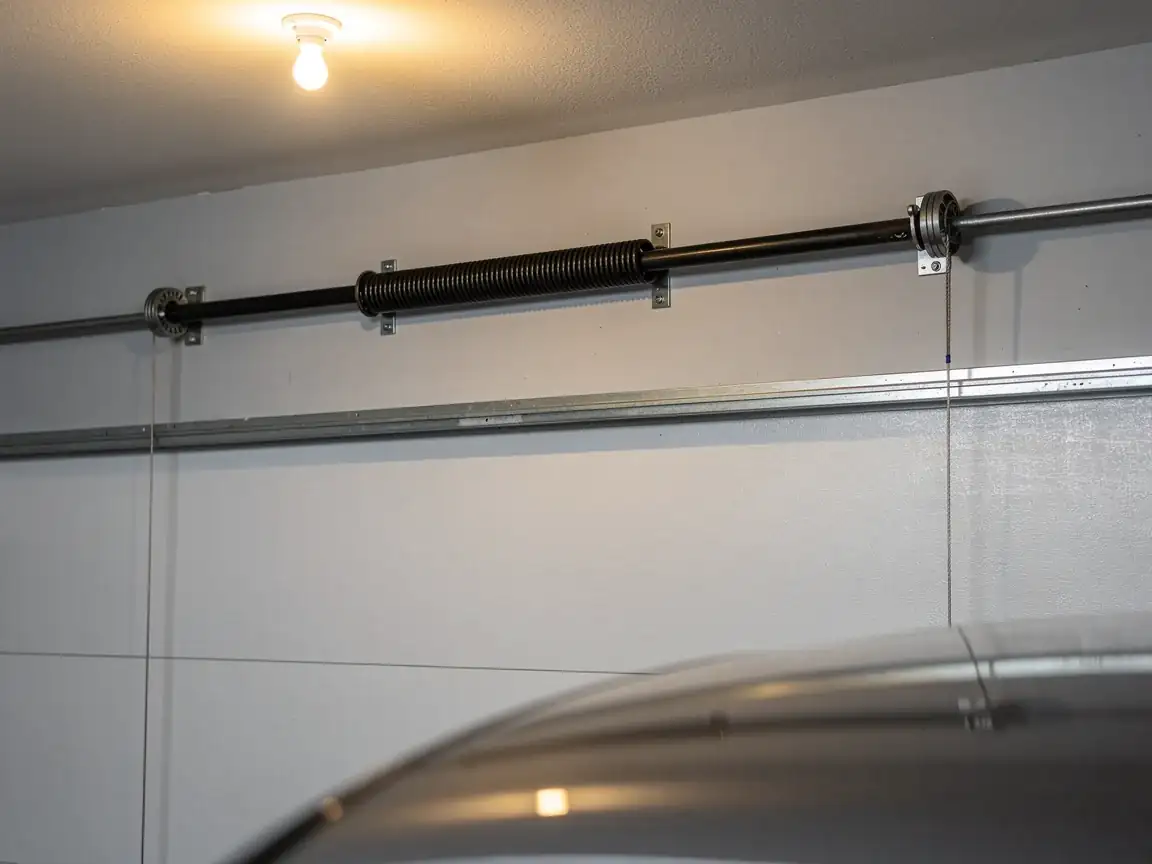
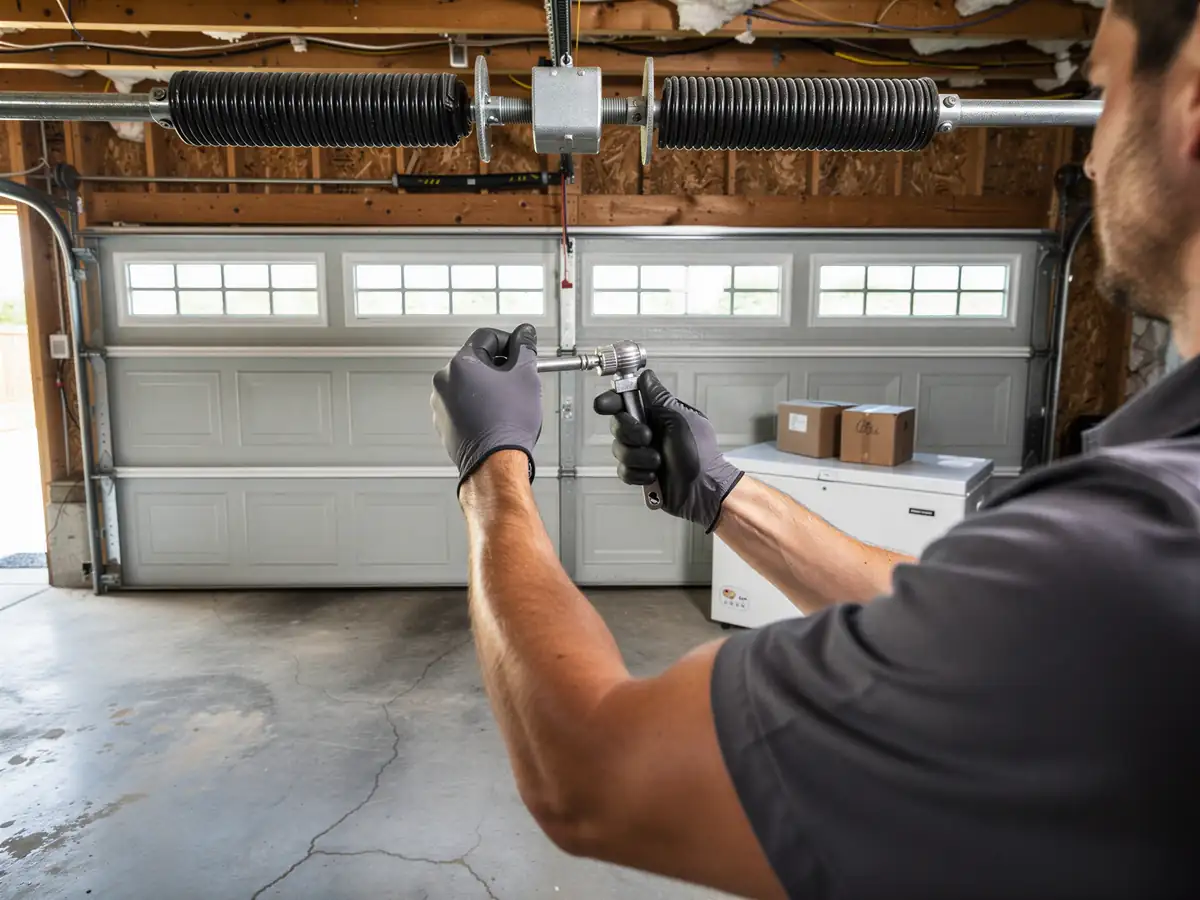
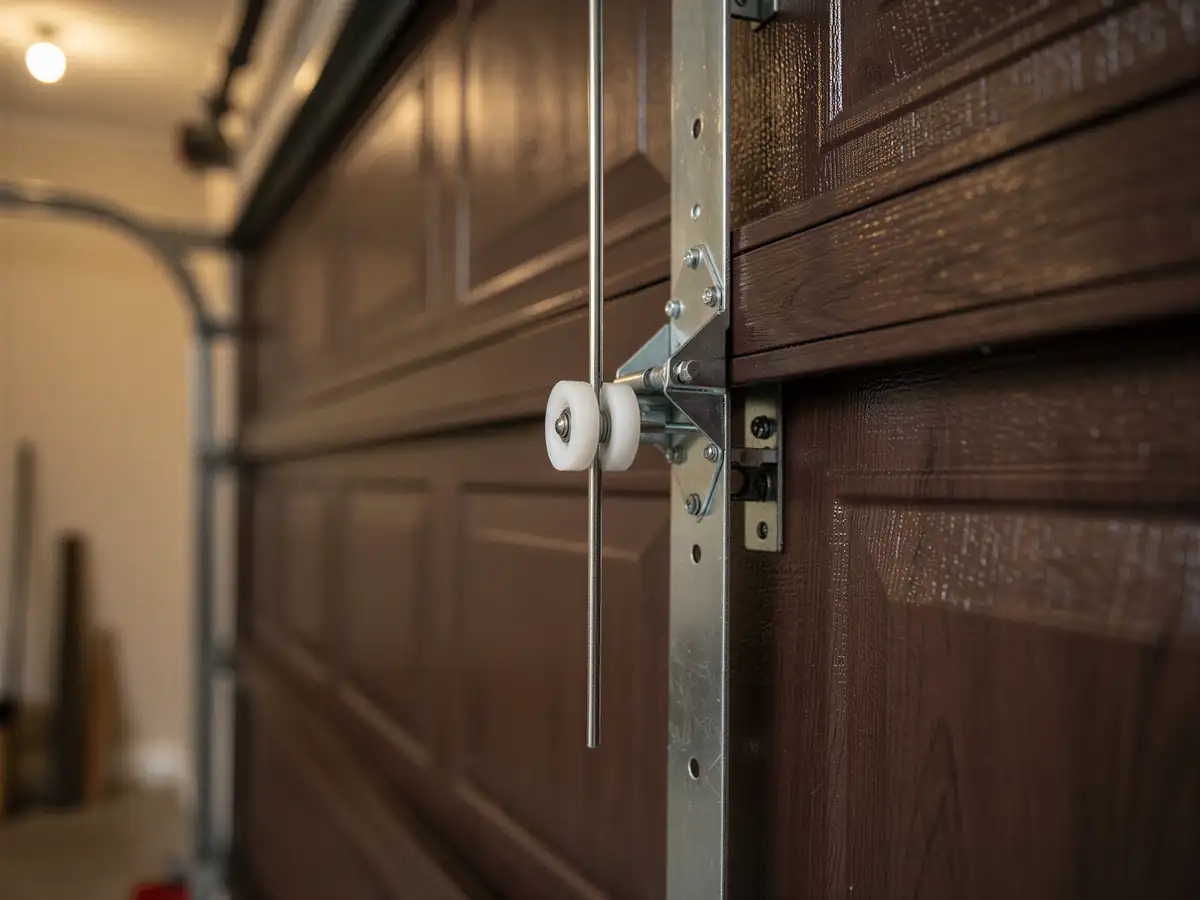
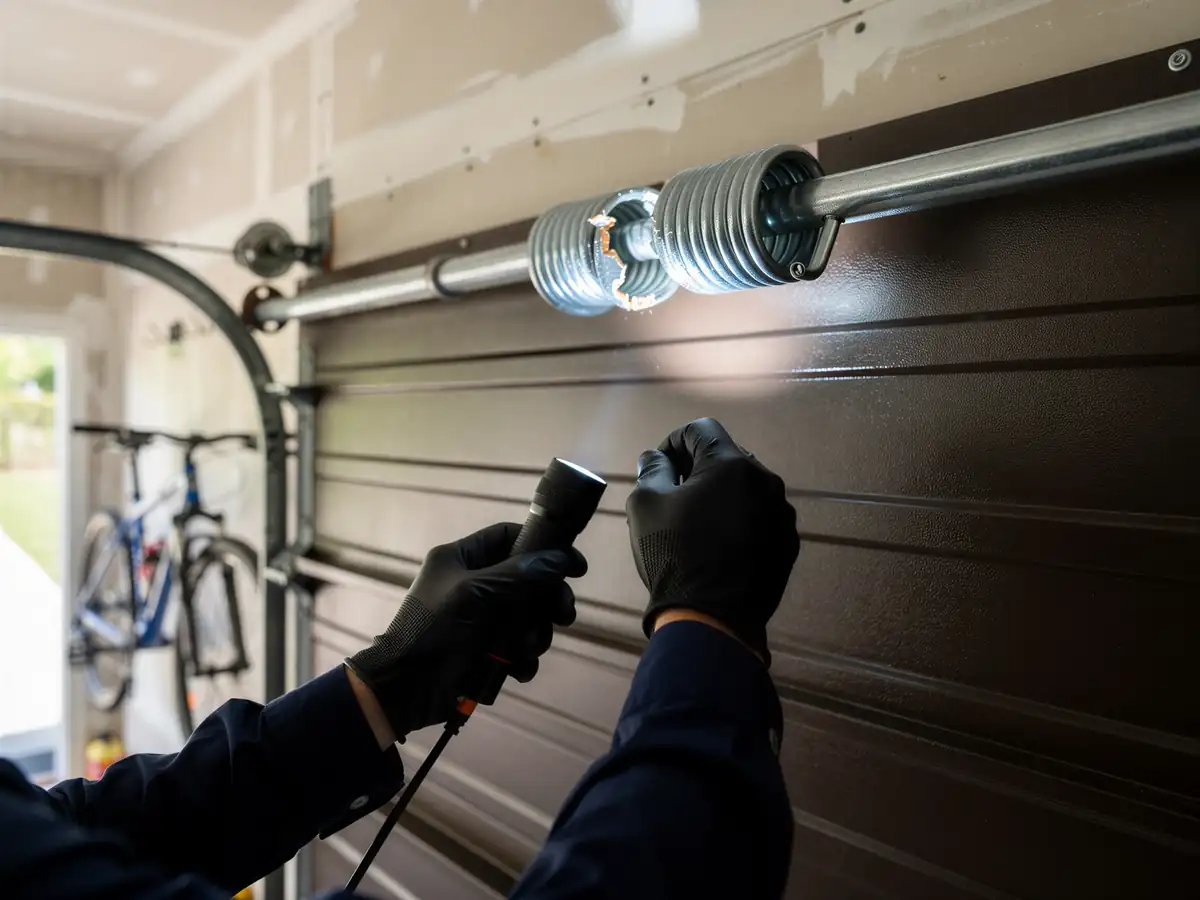
The call that goes long is the one where the opener looks like the problem but isn't. On a house from the 1960s stock common in Saratoga, a motor that seems to be failing - straining, reversing randomly, tripping the breaker - is sometimes actually a spring or cable issue putting extra load on the opener, which then takes the blame. We check the door's balance and spring tension before we condemn a motor, because replacing an opener on a door with a bad spring just means you're back to square one with a second failure. The other way it goes sideways: original openers from this era sometimes run on wiring or outlet setups that haven't been touched since installation, and that's outside what an opener repair covers.