What You Are Seeing
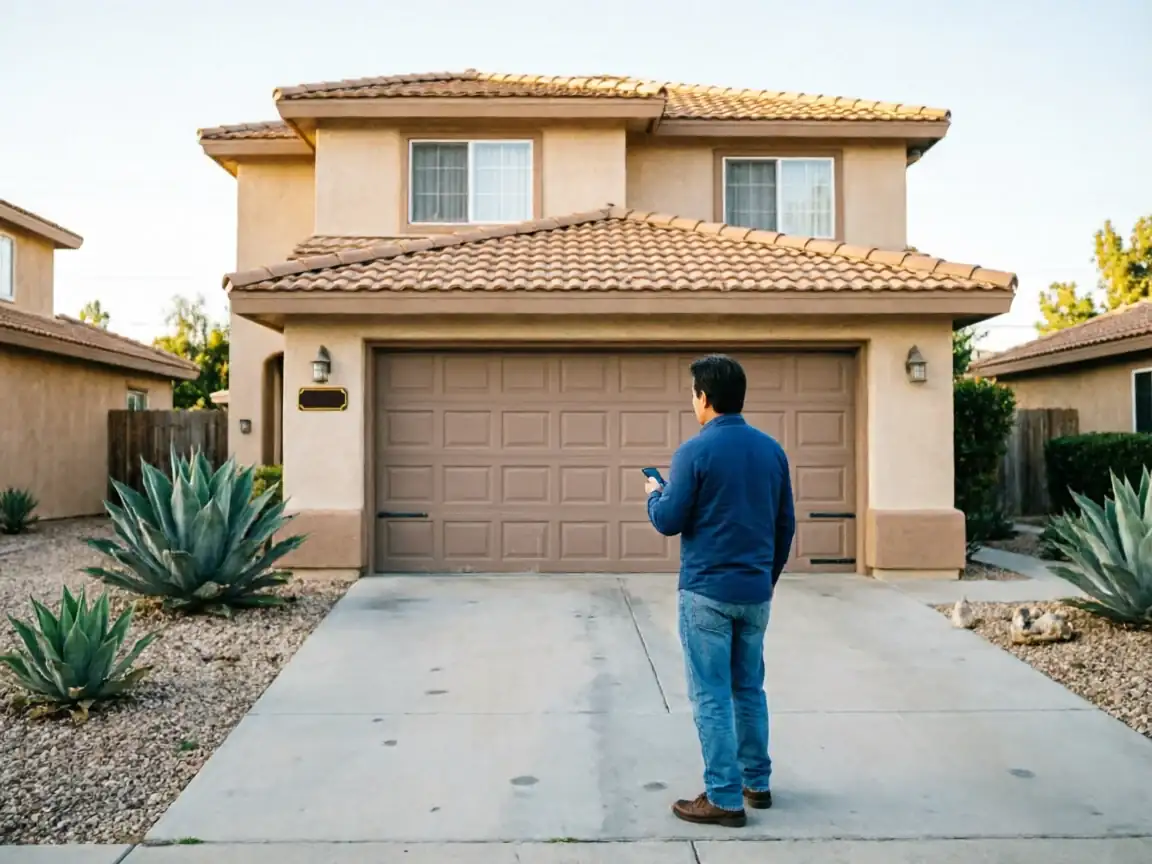
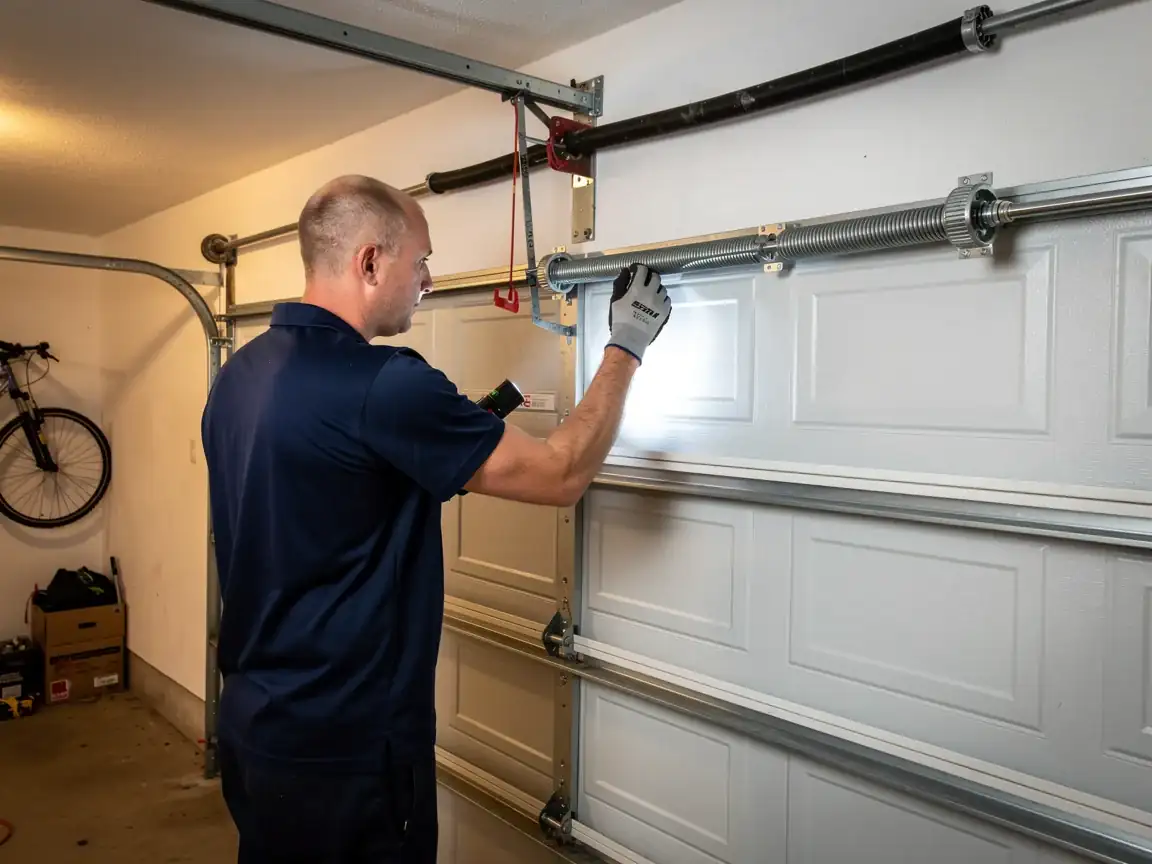
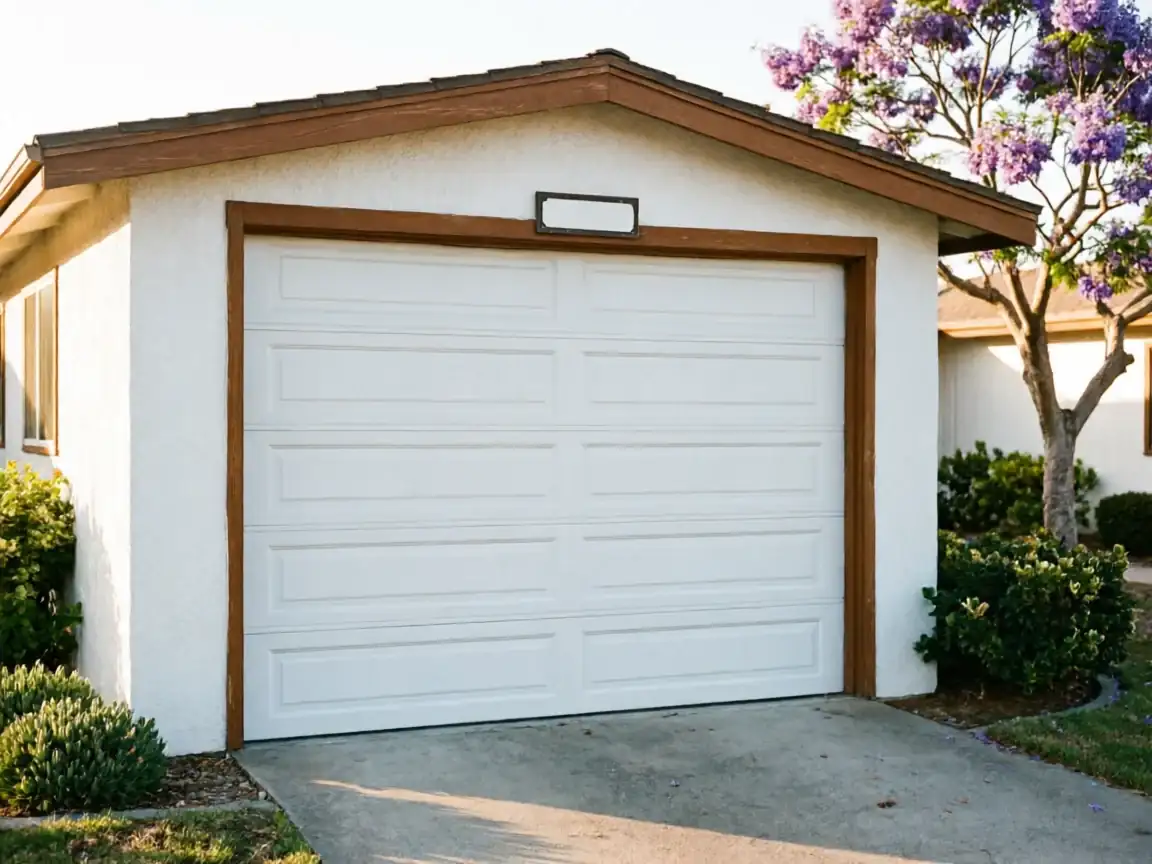
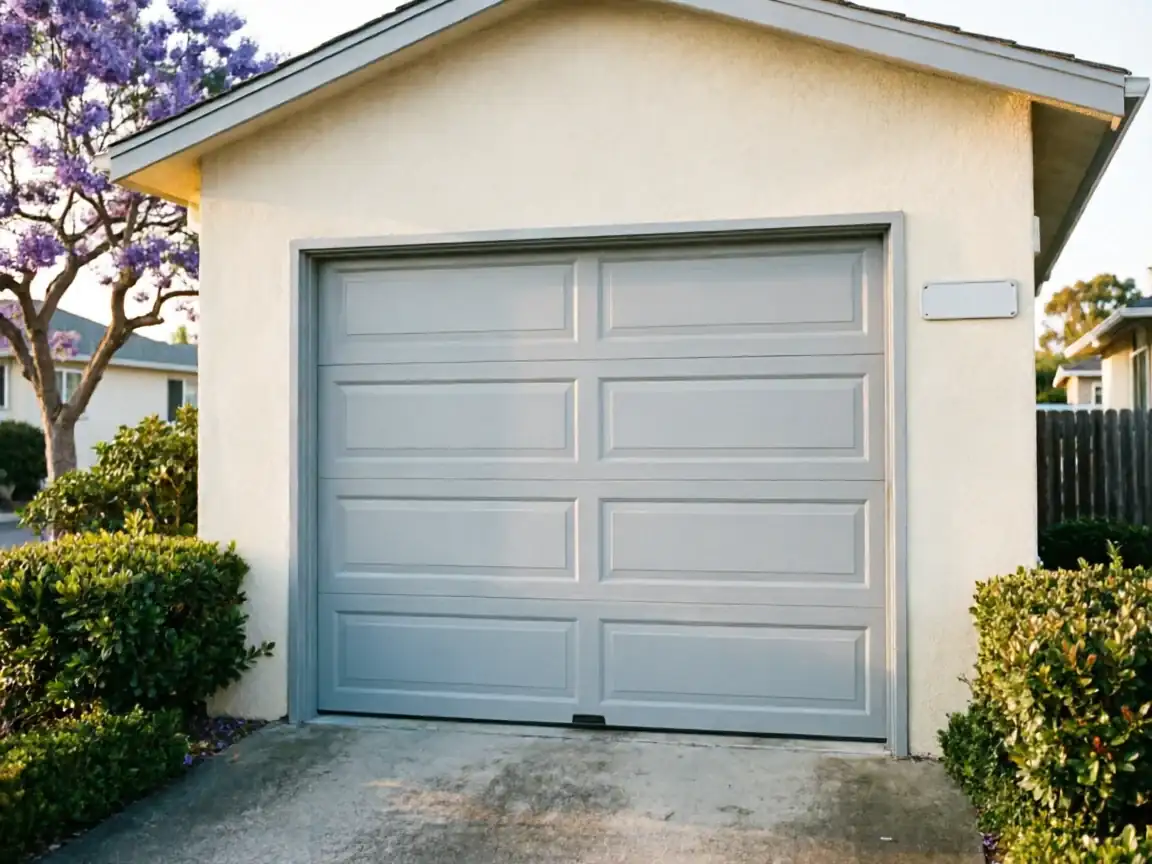
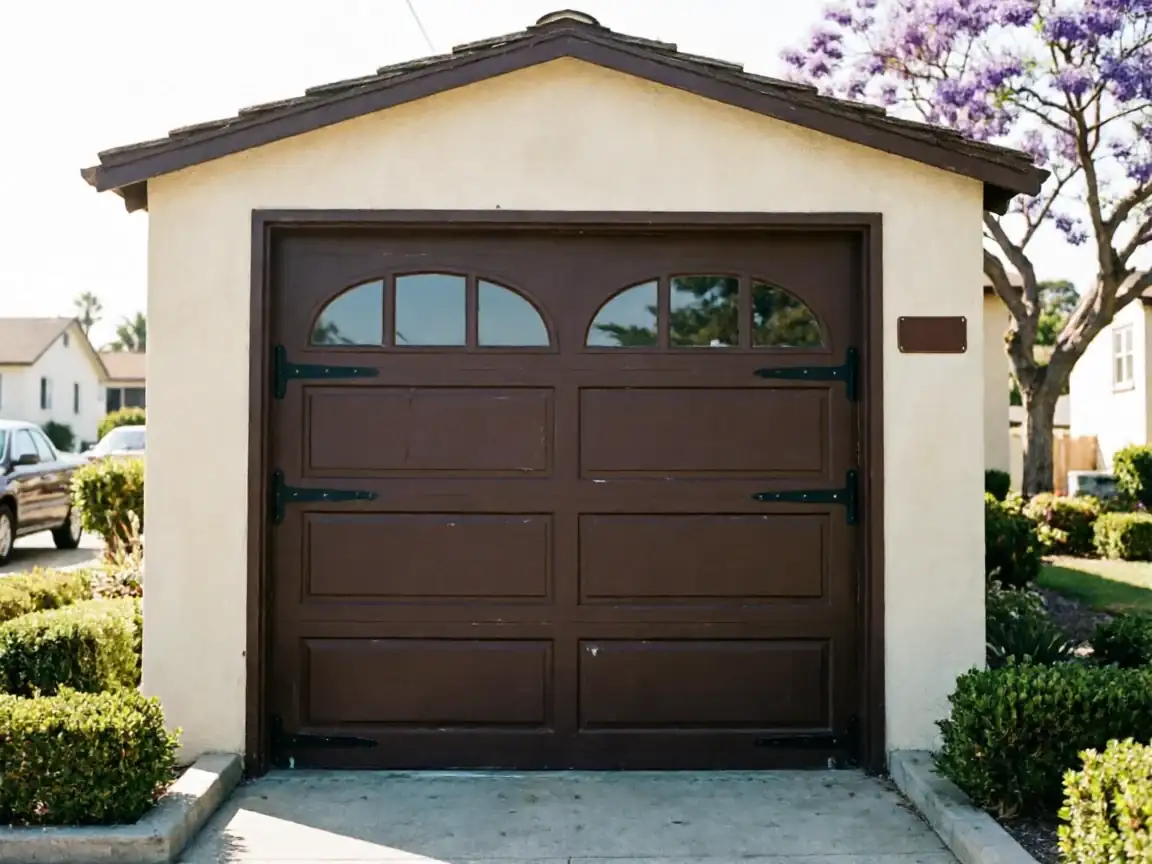
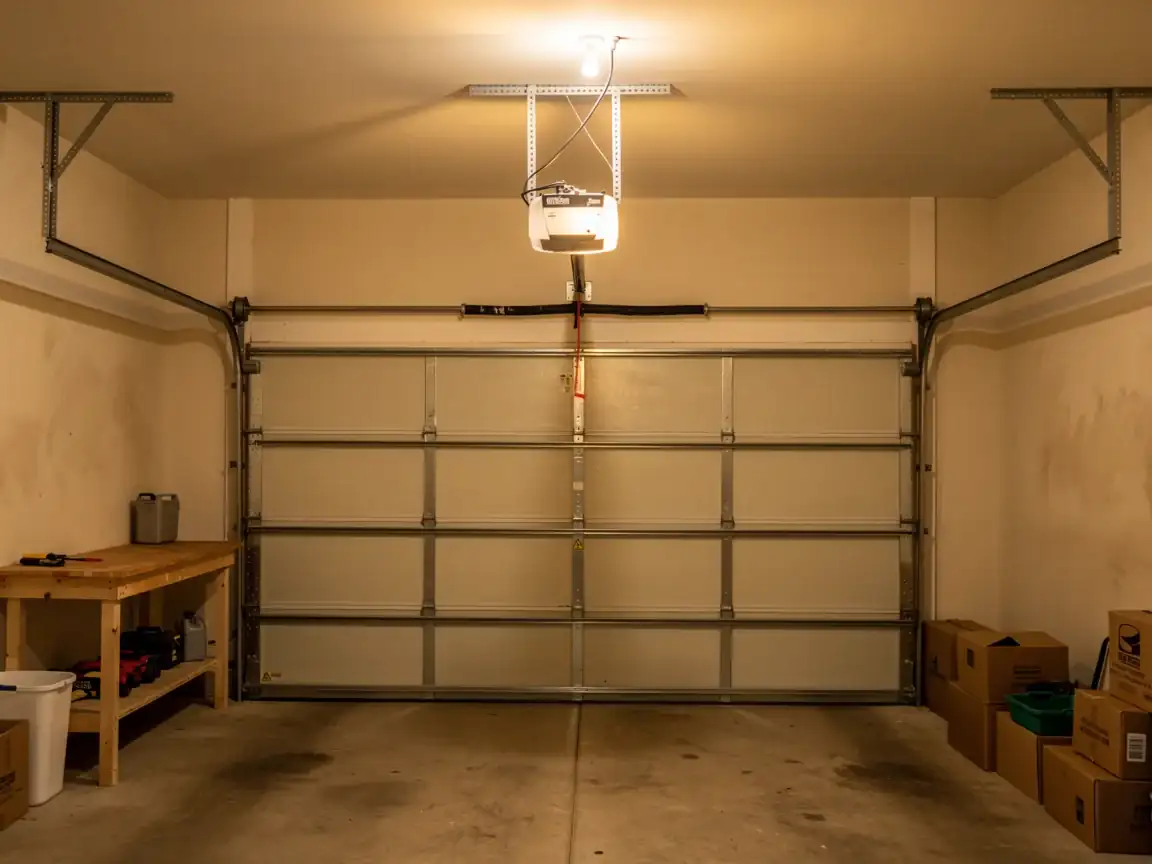
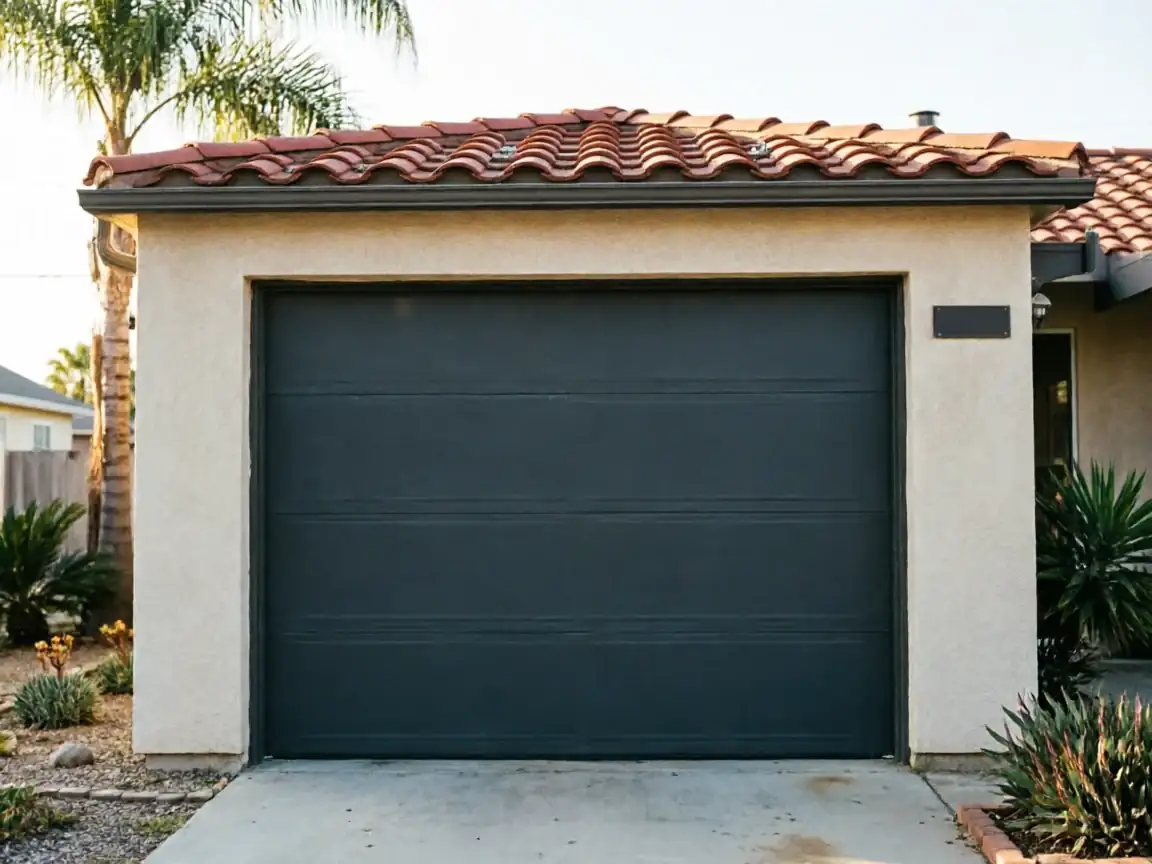
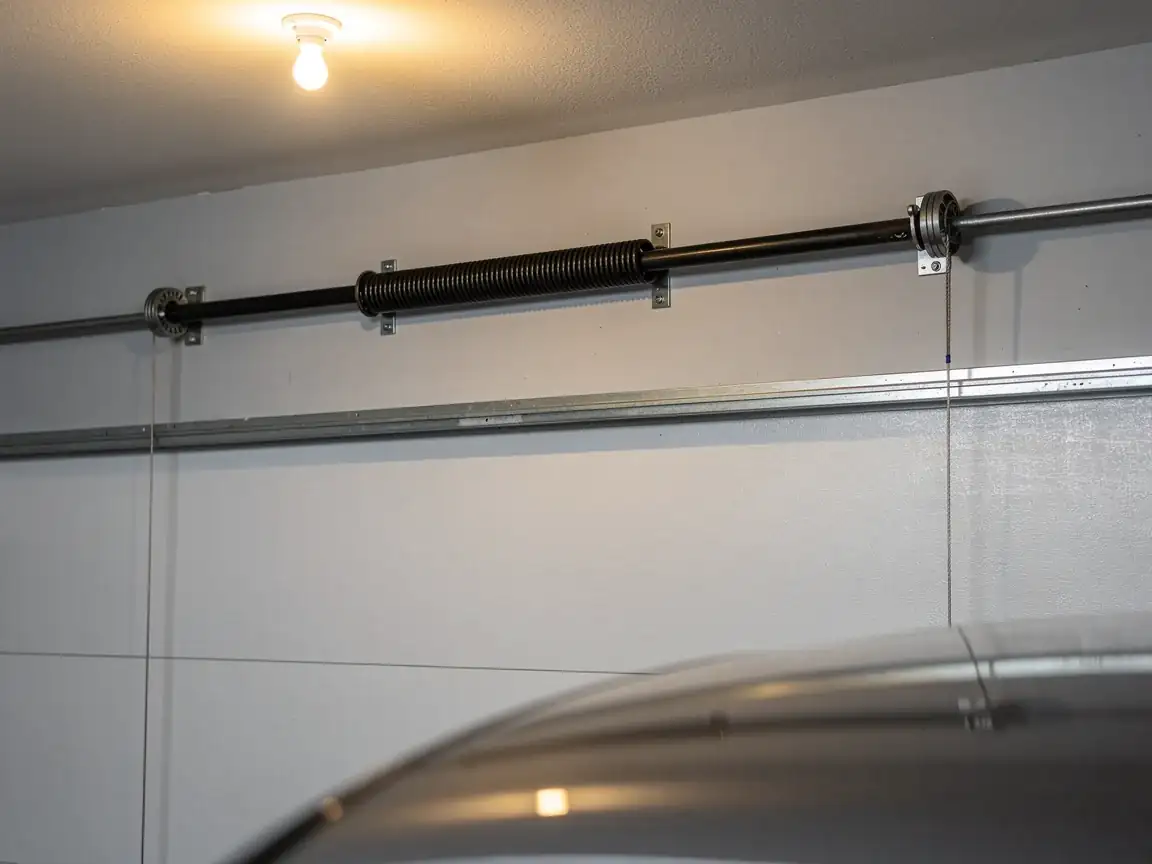
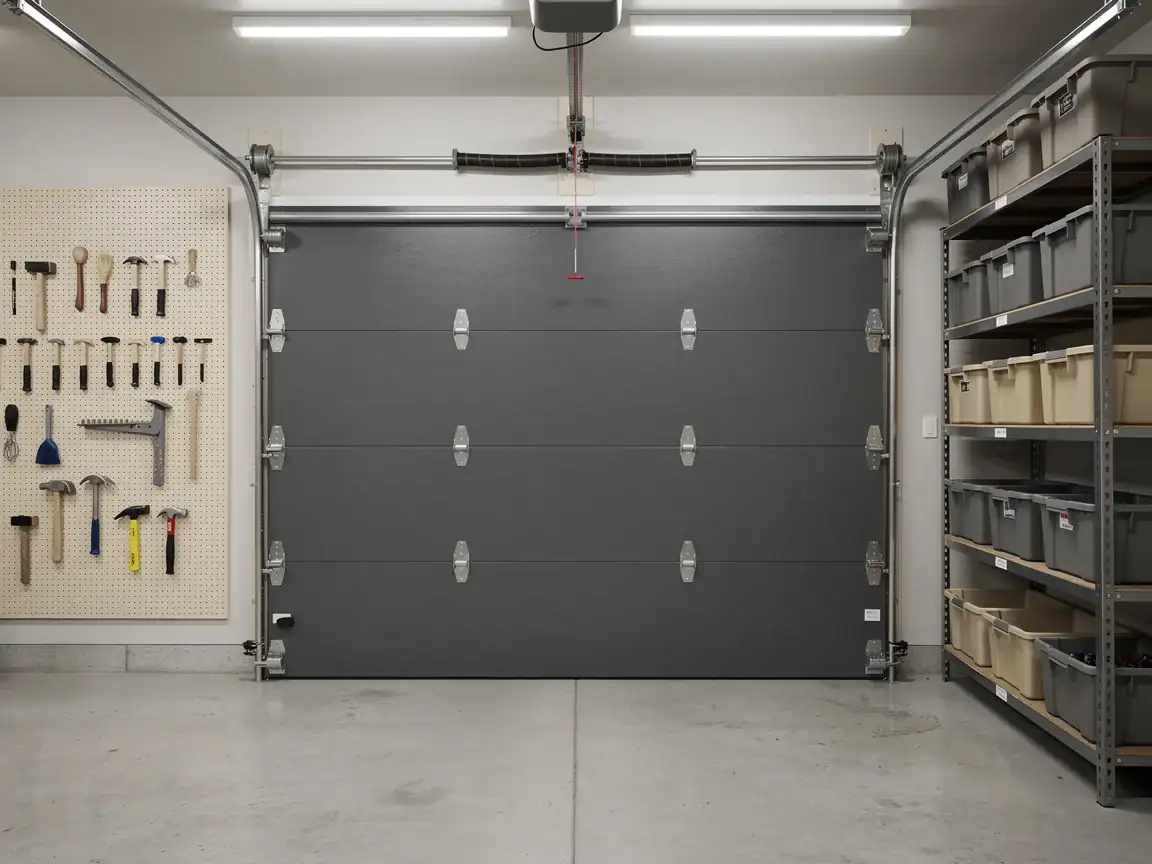
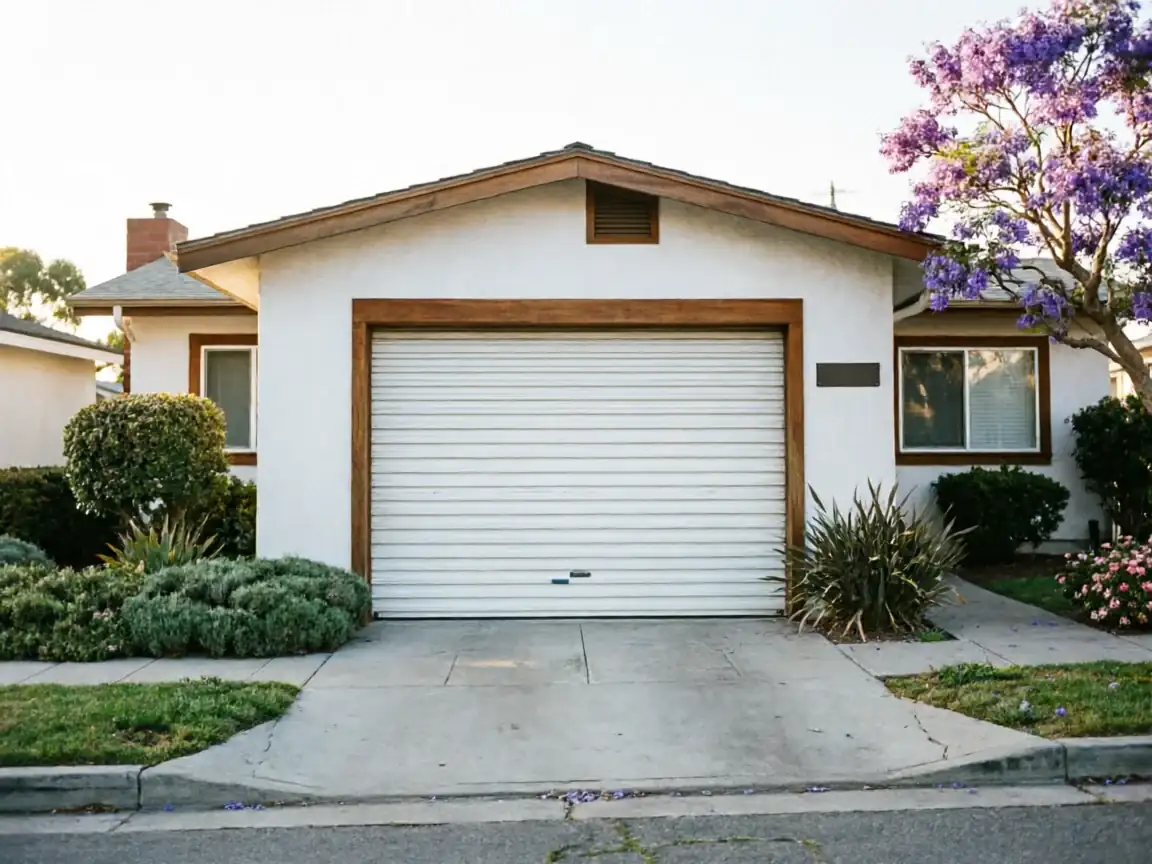
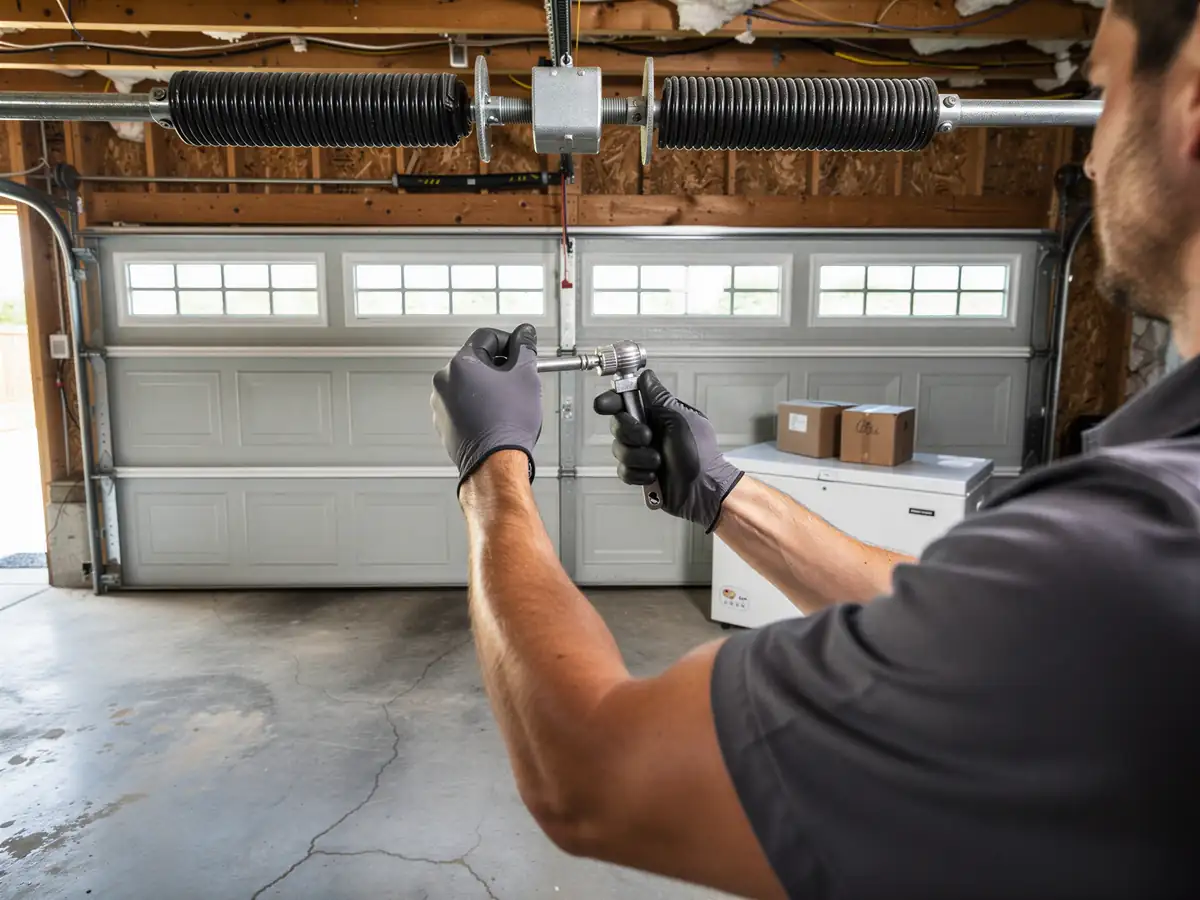
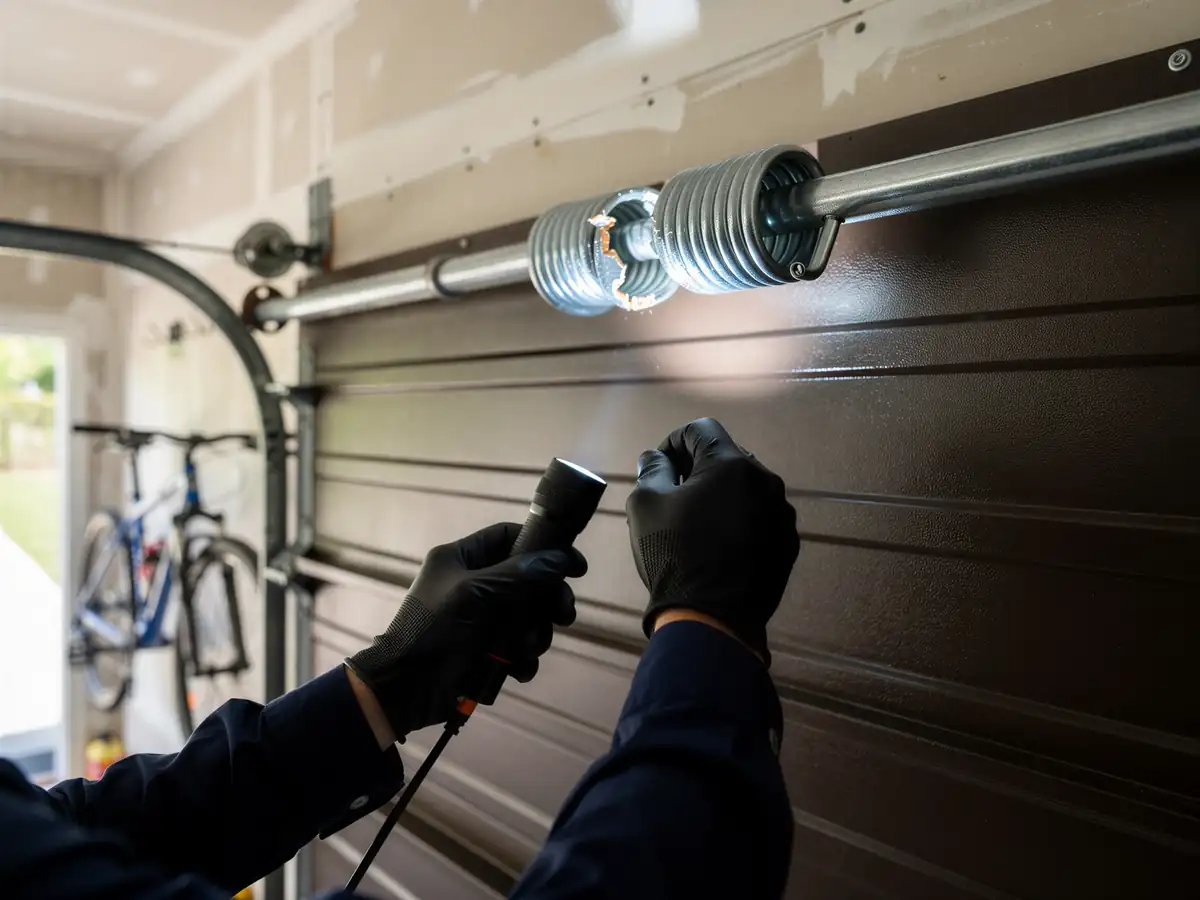
A lot of Saratoga's housing stock went up around 1967, and in our experience that means the garage door hardware is original more often than not - nobody ever had a reason to touch it until it broke, and plenty of torsion springs and tracks from that era are still holding on by inertia rather than by design. If your door still has the thin, unreinforced panel sections and a single torsion spring mounted dead center over the opening, that's consistent with build-year equipment, not a later retrofit. Doors from this period were built before current wind-load and insulation expectations, so a straight swap to a new door usually means new track and new springs too, not just a panel. We see this pattern across the mild coastal-influenced climate here, which is kind to the metal but doesn't do anything for a 50-plus-year-old spring. If your opener looks newer than your door, that's a previous owner's partial fix, and it's worth telling us that upfront - it changes what we pull out versus what we reuse.
What You Pay
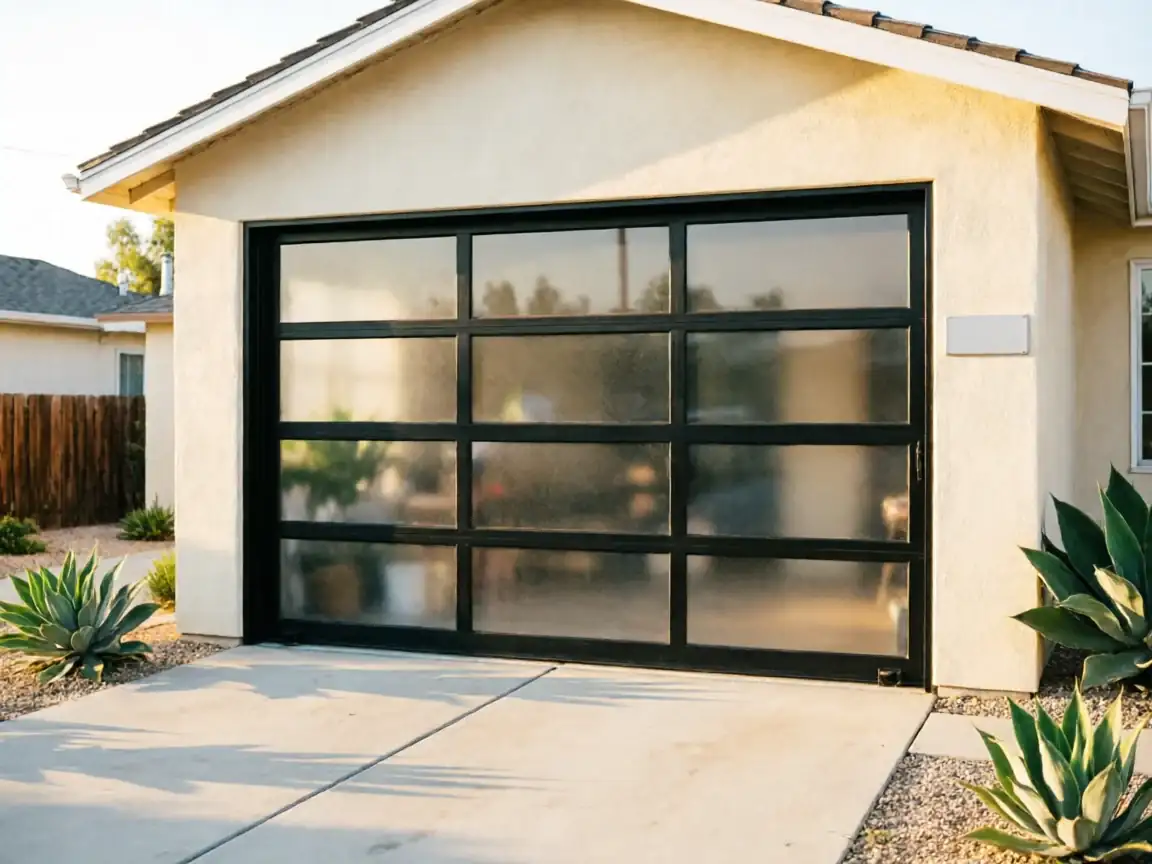
We don't have a Saratoga-specific price list to quote you here, and giving you a number without seeing your opening and your current hardware would be a guess dressed up as a fact. What we can tell you is that the price swings mainly on three things: whether the existing track and spring system gets reused or replaced, whether the door is single or double width, and what finish and insulation level you choose. Given that median household income in the broader service area sits well above $200,000, we quote a range of door tiers rather than pushing one price point - homeowners here tend to ask for the full breakdown rather than the lowest number. We'll give you a written quote before any work starts, and it won't change once we're on site unless you ask us to change the scope.
Stocked Parts
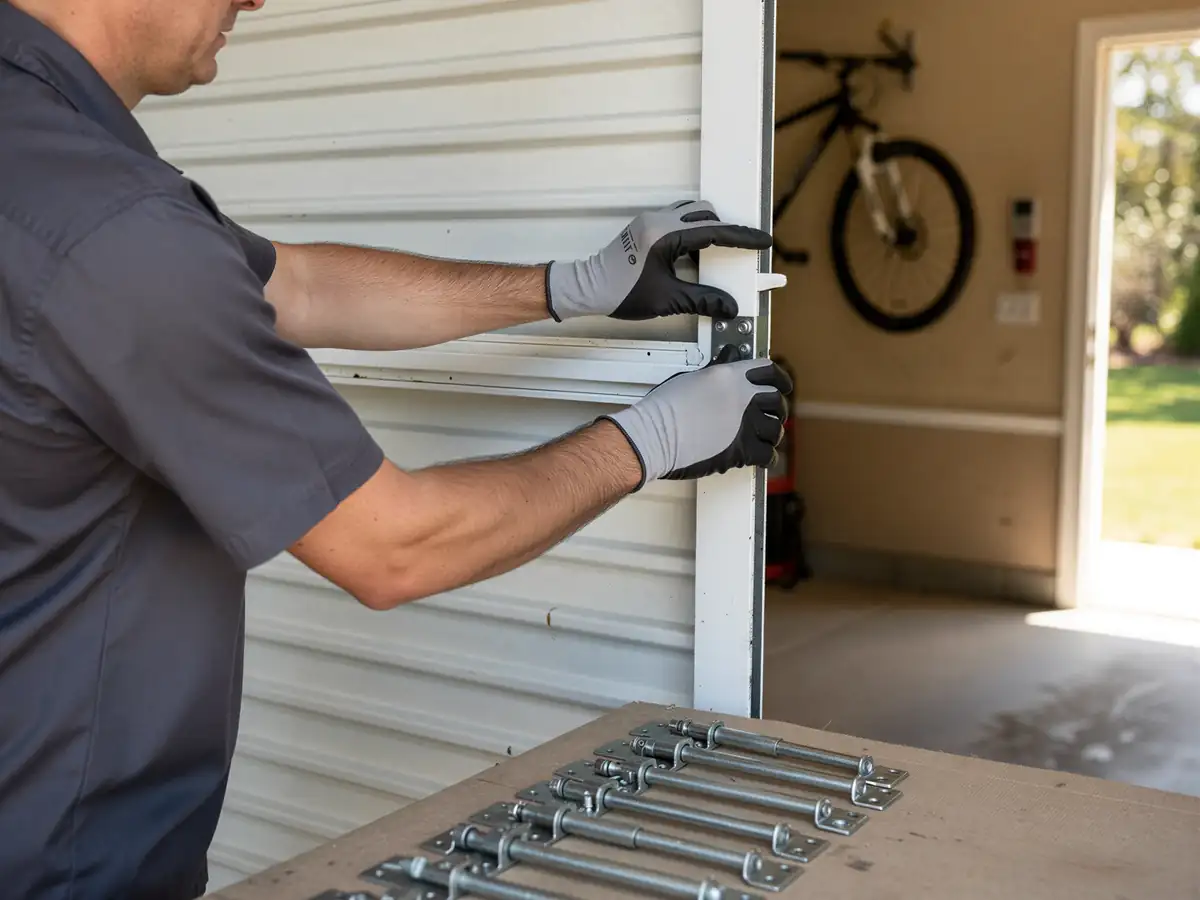
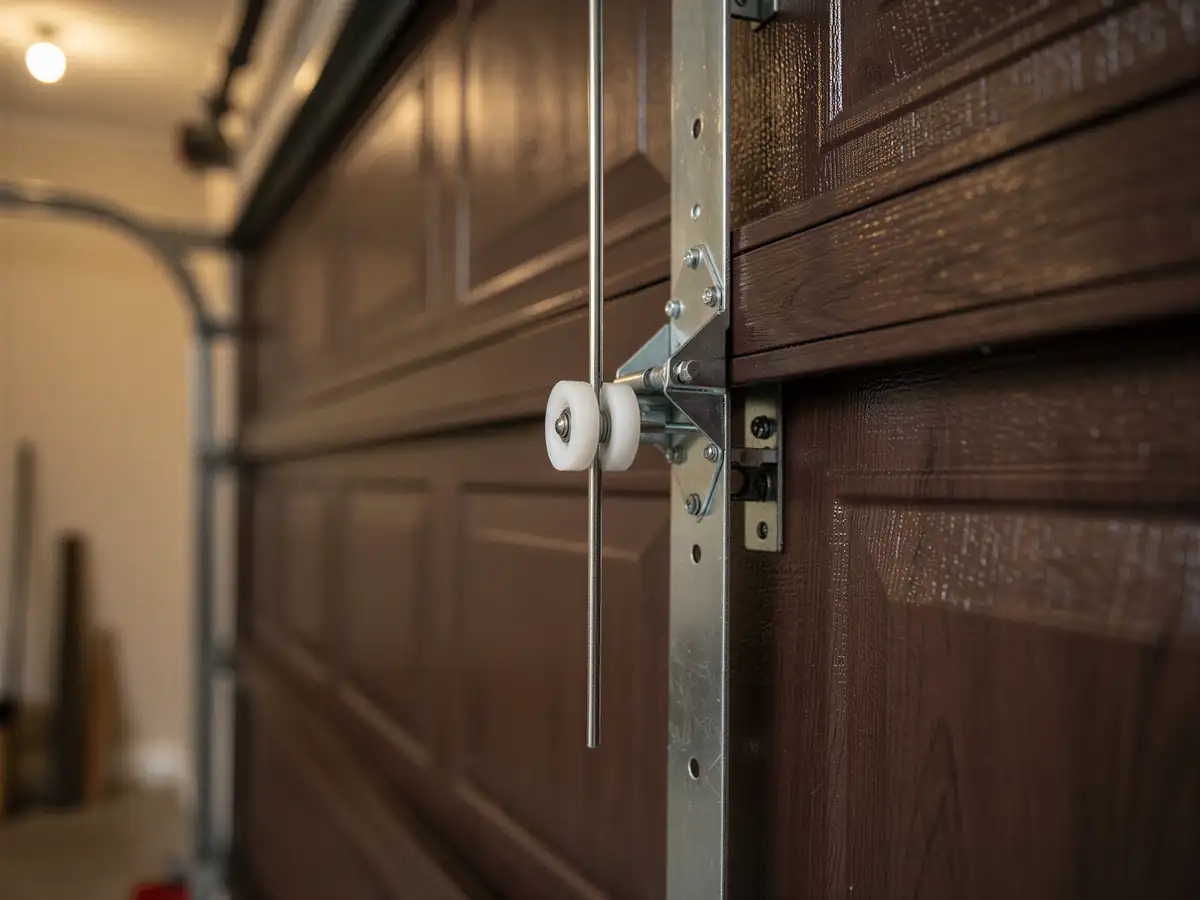
Because so much of what we pull out of Saratoga garages is original to a house built in the 1960s, we carry the torsion springs, rollers, and cable sizes that match that era's hardware, not just whatever ships with a new door kit. That matters when a homeowner wants to keep the original track and just swap the door panel - the new door still has to hang on old brackets, and those brackets aren't always drilled the way a current kit expects. What we don't stock on the truck is every custom panel finish or an oversized commercial-width door; those get special-ordered, and we'll say so at the quote rather than promise a same-week install we can't deliver.
Where This Job Goes Sideways
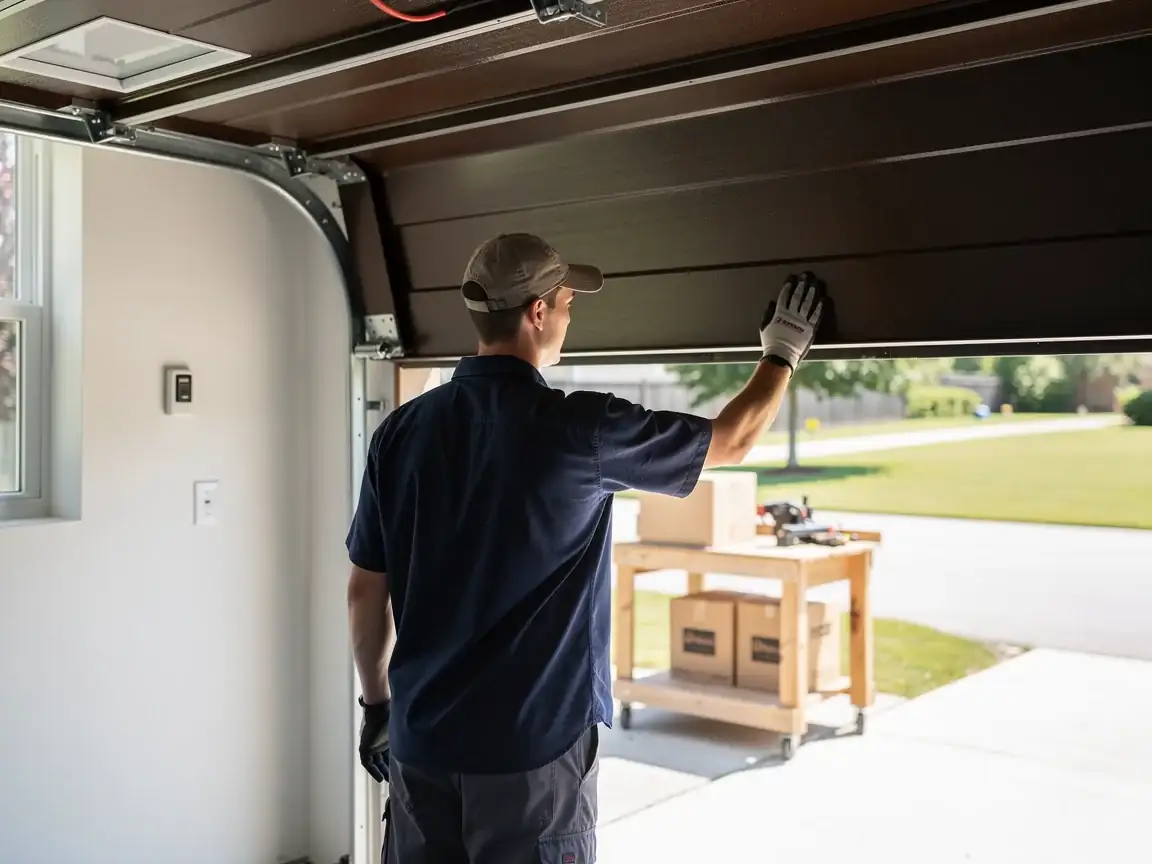
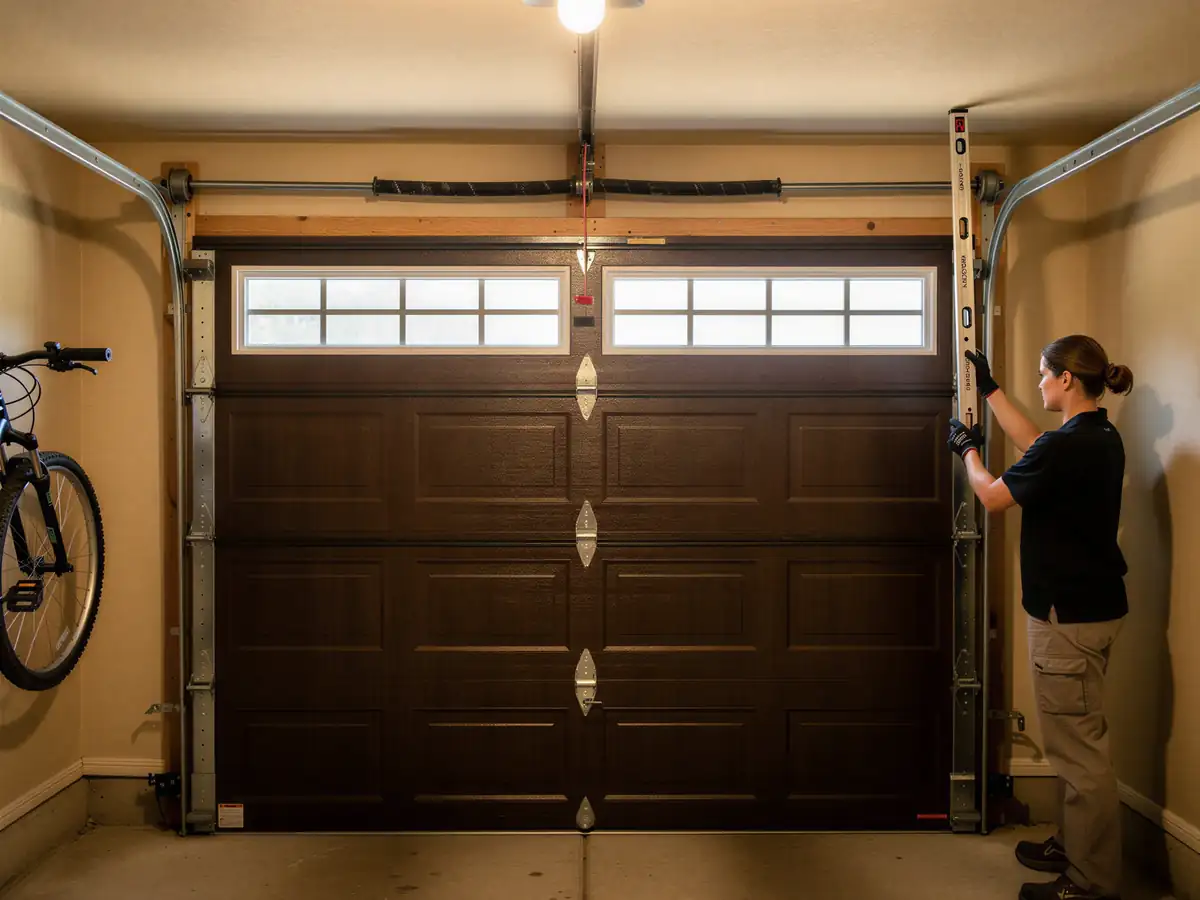
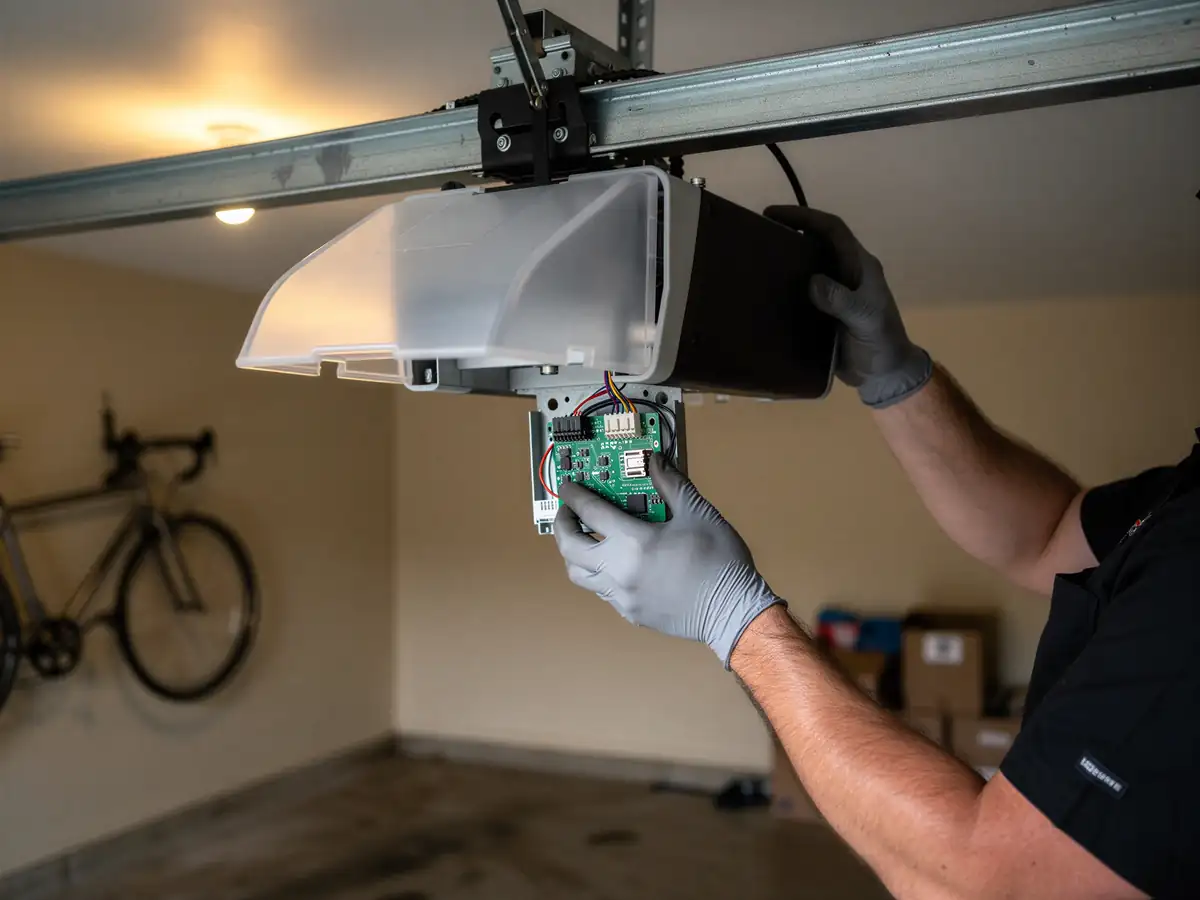
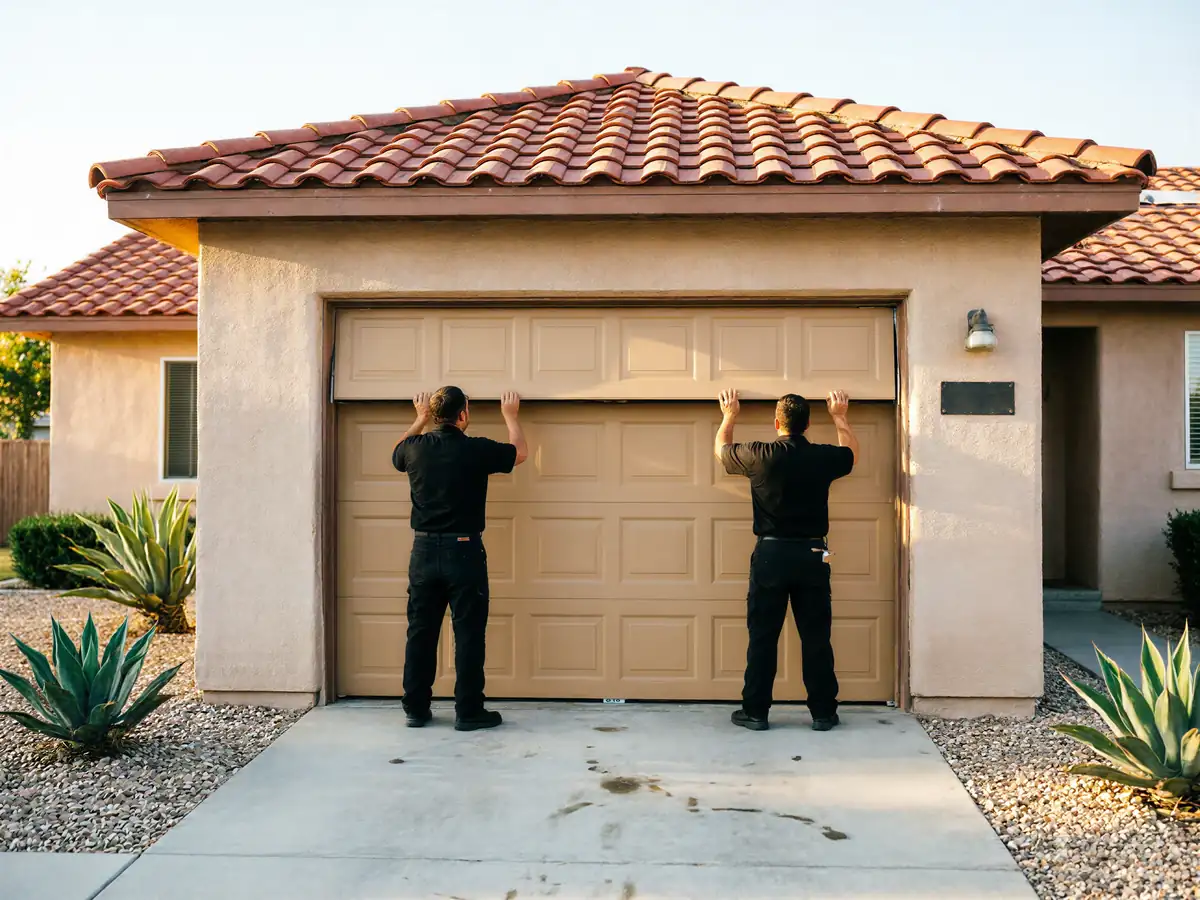
The failure point on a house this age is almost always the track and header, not the door itself. Pull a 55-year-old panel off and you often find the wood framing around the opening has settled or split slightly, which means the new door won't seat square until that's shimmed or rebuilt - and that's a different line item than the one you budgeted for. We also run into openers bolted to a header that was fine for a lightweight original panel but isn't rated for a heavier insulated door; swapping the door without checking the header load is how you end up with a sagging track six months later. The honest answer is that we can't always tell you the full scope until the old door is off the hinges. If we find structural rot or a header that needs rebuilding, we'll stop and tell you before we go further, not add it to the invoice as a surprise.