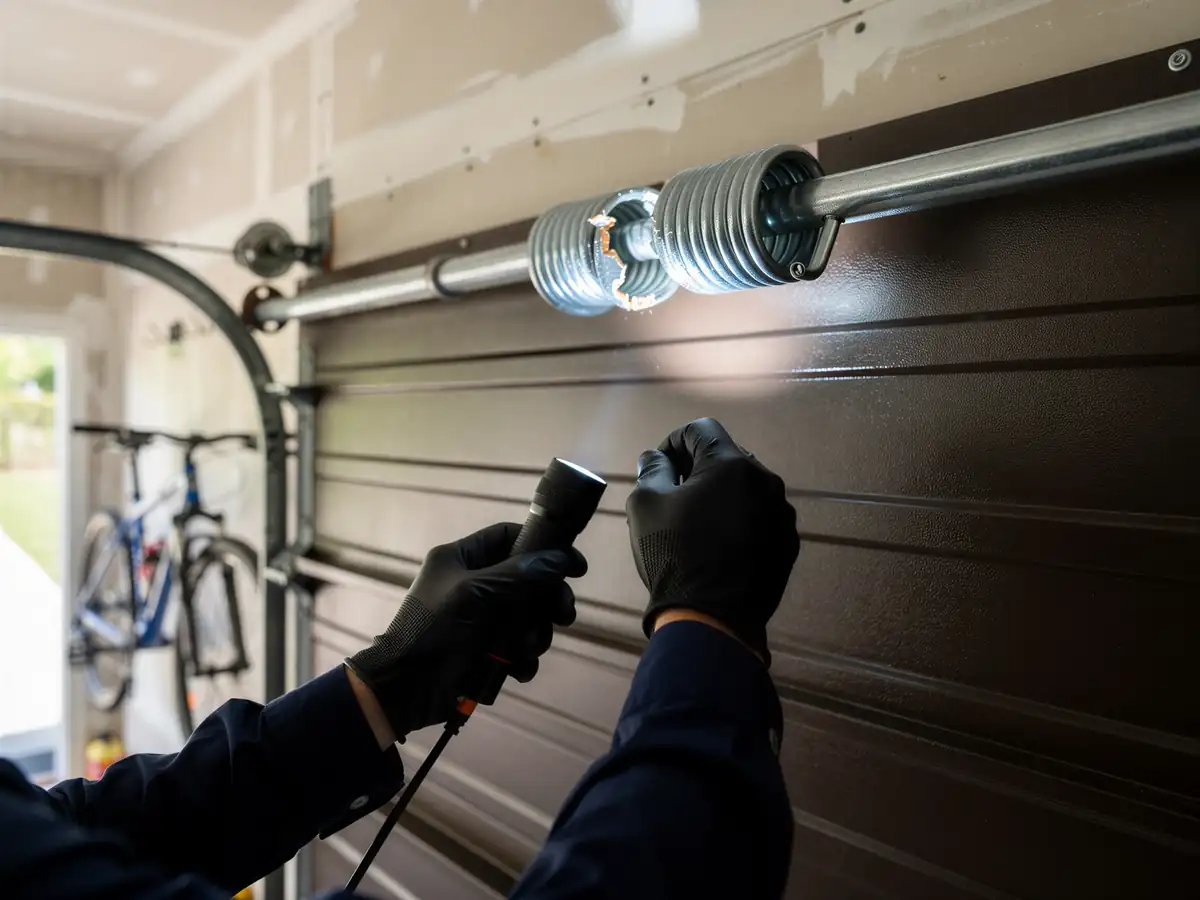
New Garage Door Installs for Union City's Late-1970s Homes
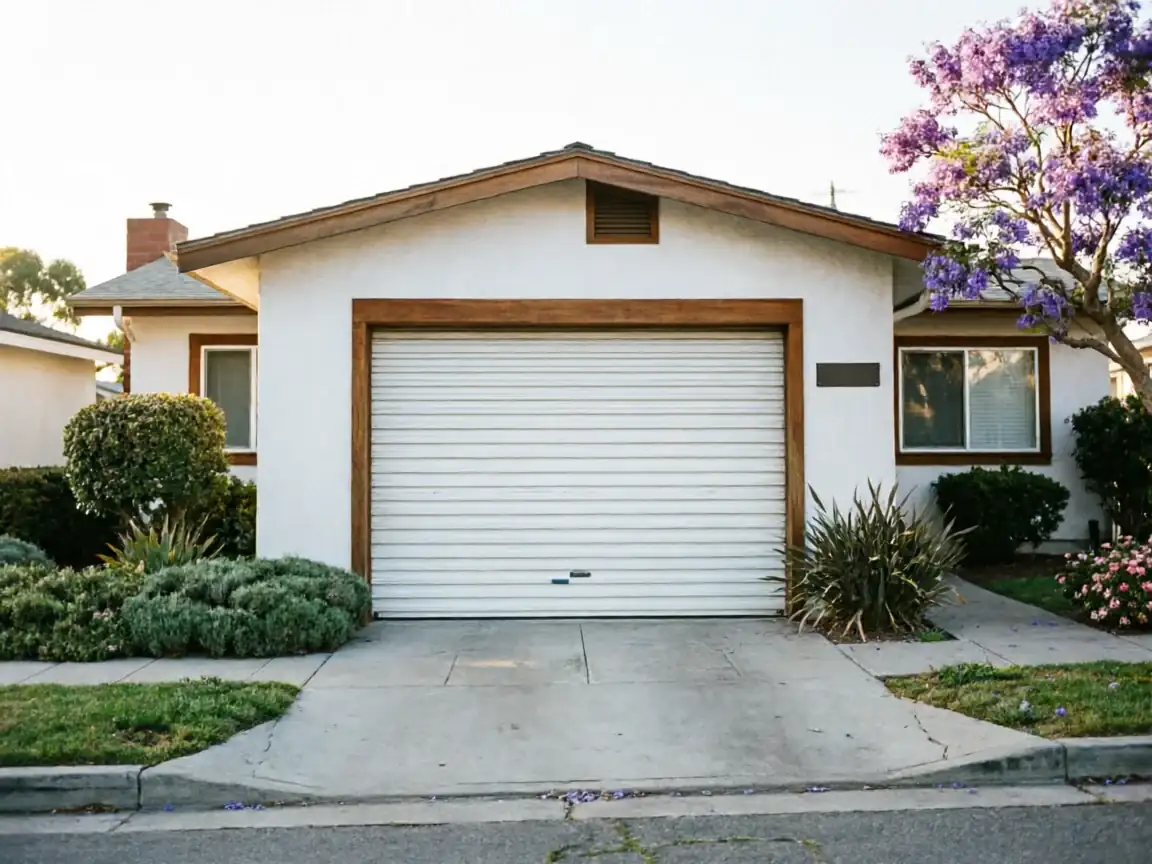
Union City homes mostly went up in the late 1970s, a decade newer than Santa Clara's own housing stock. We bring installs for that era's openings from our Santa Clara shop, 17 miles out.
We don't have a Union City-specific price sheet to quote here, and we're not going to make one up. What we can tell you is what drives the number on a new install: door material, insulation, opener type, and whether the existing frame and track need rework or just a swap. Union City's housing sits at a median build year of 1979, noticeably newer than the 1964 median across the wider Santa Clara service area, so most openings here were framed for garage doors that are closer to modern dimensions than the 1950s stock we see elsewhere. That usually means less carpentry to widen or square an opening before the new door goes in, which keeps labor hours down even if material costs are the same. We travel from Santa Clara to handle the job, so the quote reflects the install itself, not a local branch markup. Median household income in Union City runs around $137,194, well under the $214,149 figure for the broader service area, and we price the same door the same way regardless of which side of that line a house falls on. Ask for a written estimate before any work starts, and get it in writing what's included - haul-away of the old door is not always assumed.
Stocked Parts
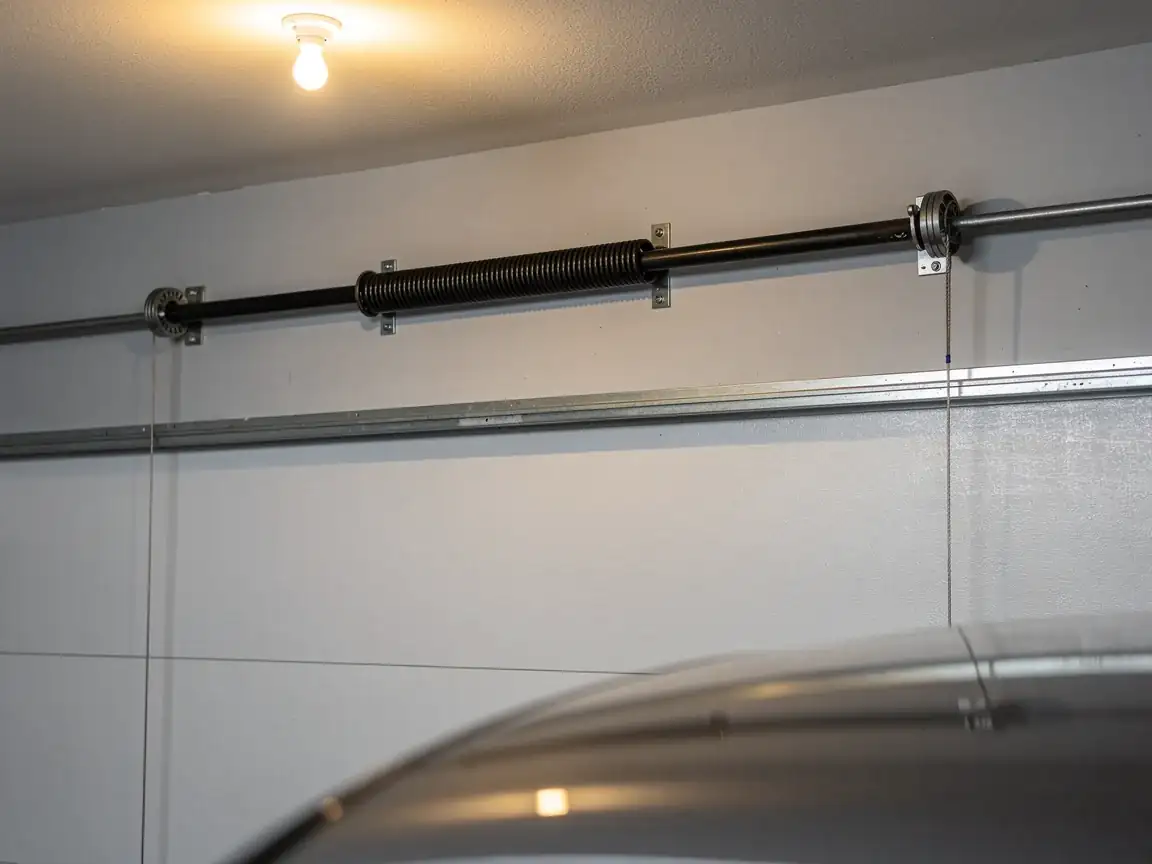
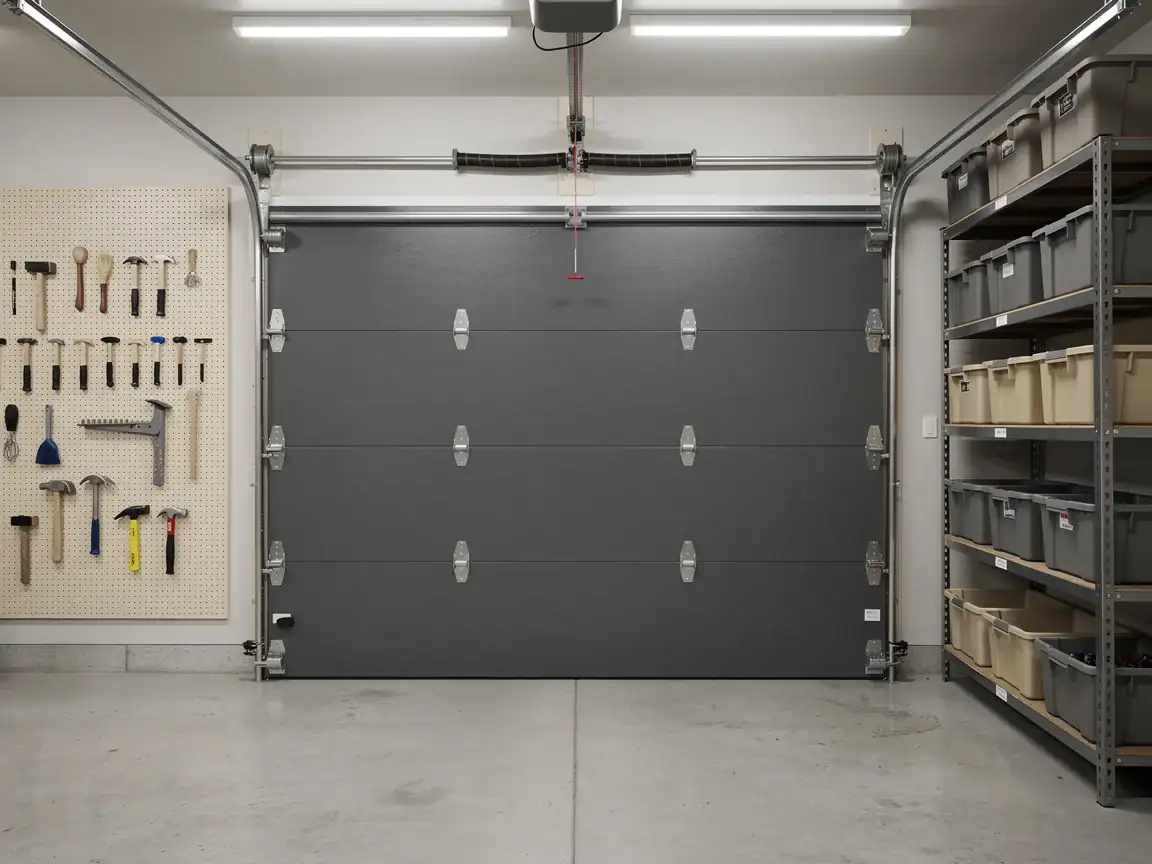
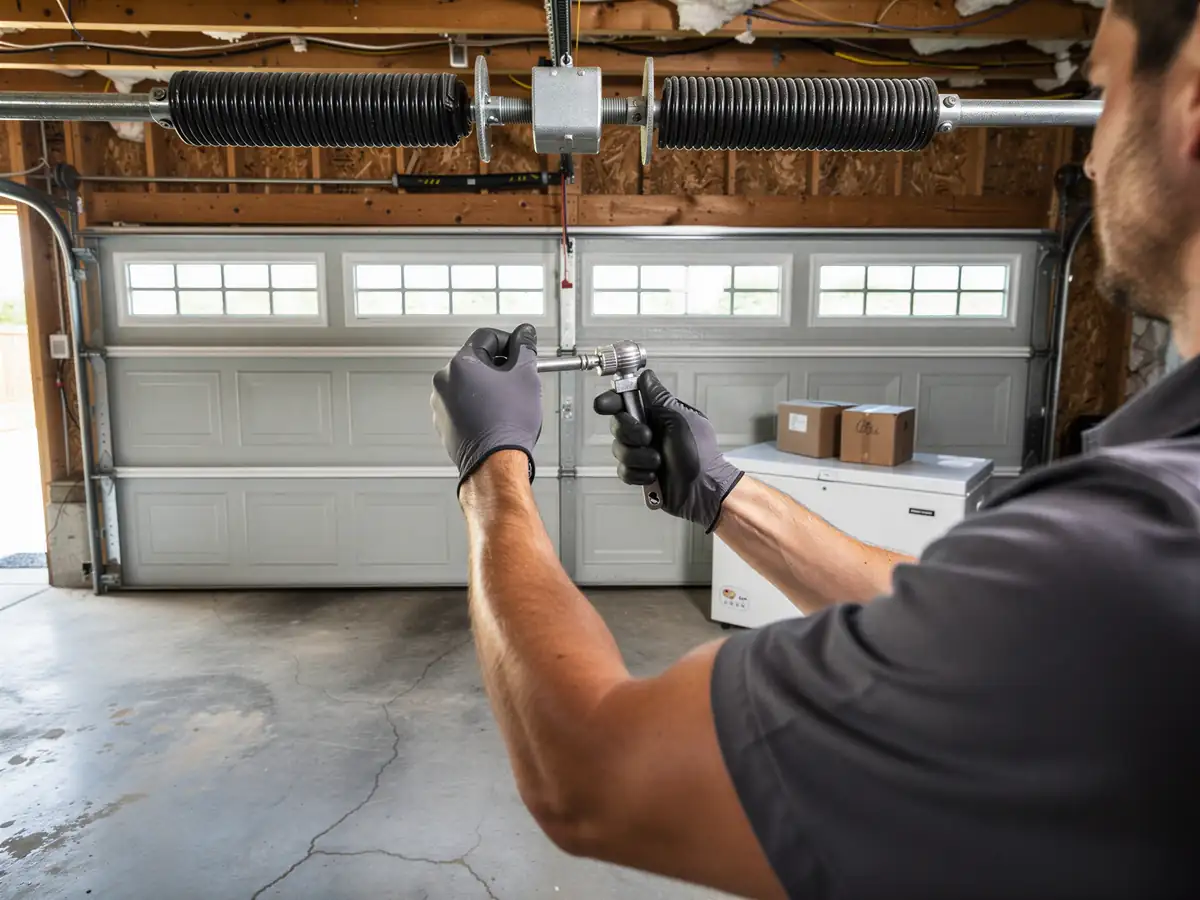
Houses built around 1979 typically came with torsion or extension spring setups that are more standardized than the older side-mounted hardware common in 1950s and early-60s construction. We carry common torsion springs, standard-width tracks, and steel panel sections sized for openings from that build era, since that's what shows up most on service calls out this way. What we don't keep on the truck is anything custom-cut for a nonstandard opening or a specialty wood door - those get special-ordered, and that adds days, not hours. If your house is one of the few older or newer outliers in the area, say so when you call, so we bring the right stock instead of making a second trip. Climate-wise, the whole service area sits in a mild temperate band, so we're not stocking against extreme heat or freeze cycles the way a shop in a harsher climate would - no special foam-core requirements driven by weather here, just standard insulation options based on what you want for noise and temperature control in an attached garage.
What Causes It Around Here
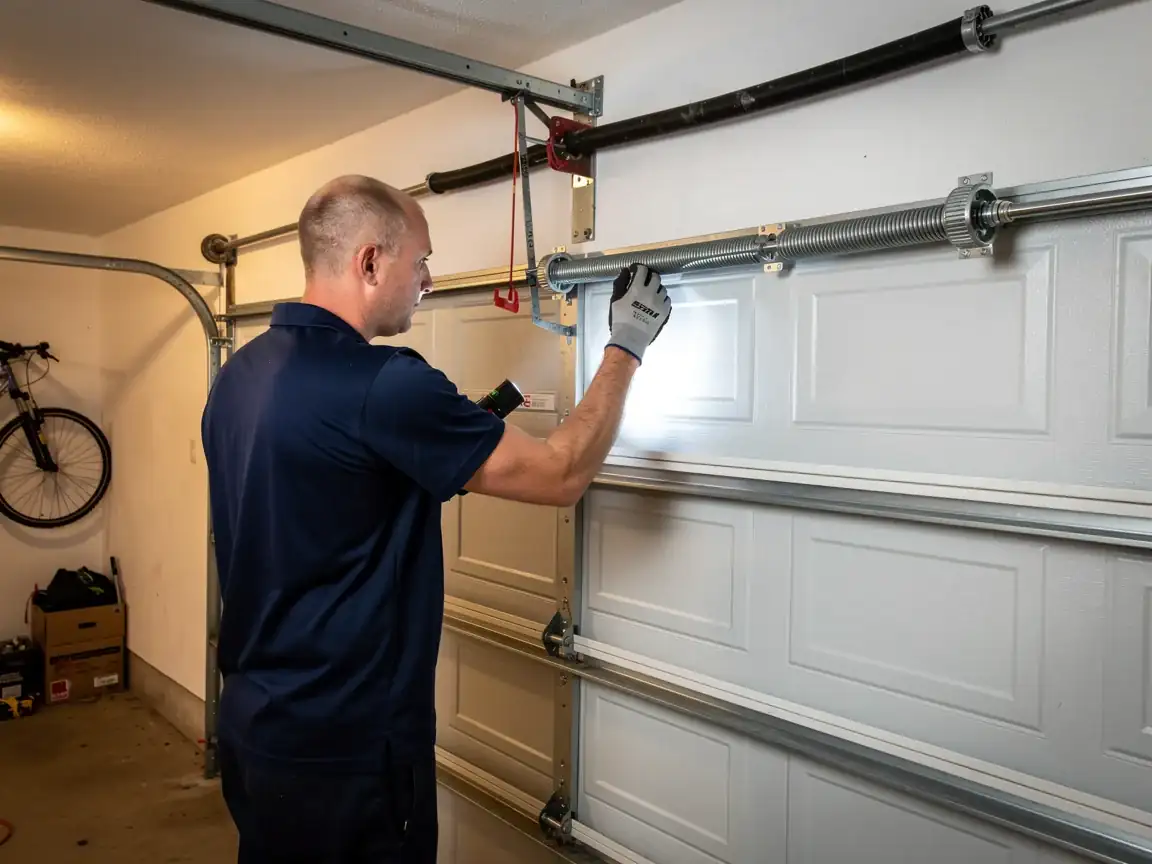
A 1979-era door and track setup fails differently than a 1960s one. By the time these houses were built, torsion spring systems were more common, which means the typical failure is a worn torsion spring or a bent track from age rather than the odd-ball side-mount hardware we find in older housing stock closer to Santa Clara's own 1964 median build year. Across the broader service area, houses from 1947 to 1987 cover a wide range of original hardware, and Union City's housing sits toward the newer end of that span. That matters for replacement: newer original openings are more likely to take an off-the-shelf standard door without a custom frame job. The mild temperate climate here means we're not chasing rust-through or wood rot the way shops in wetter regions do - most of what we see is mechanical wear: springs that have cycled past their rated life, rollers that have worn out of round, and openers original to the house that are simply at the end of their service life by this point.
How Long It Takes
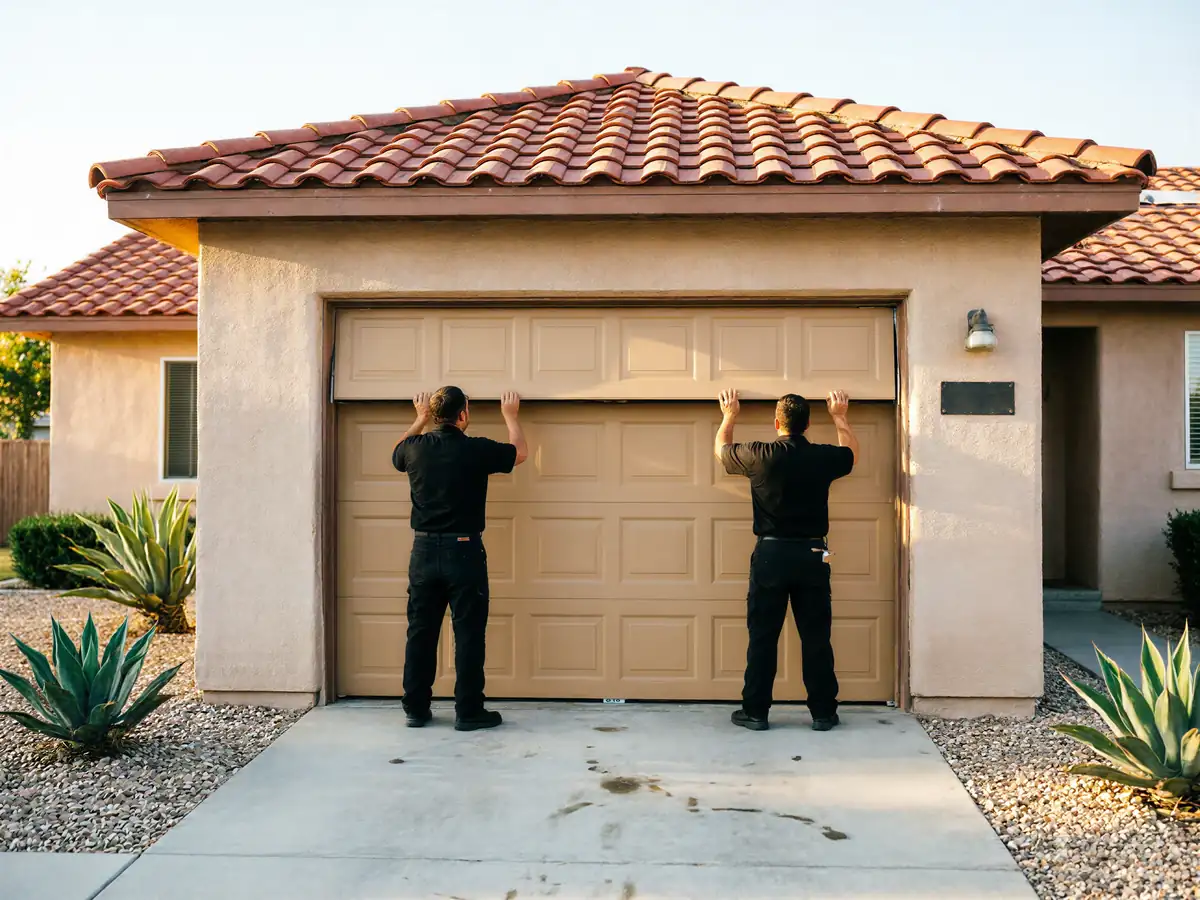
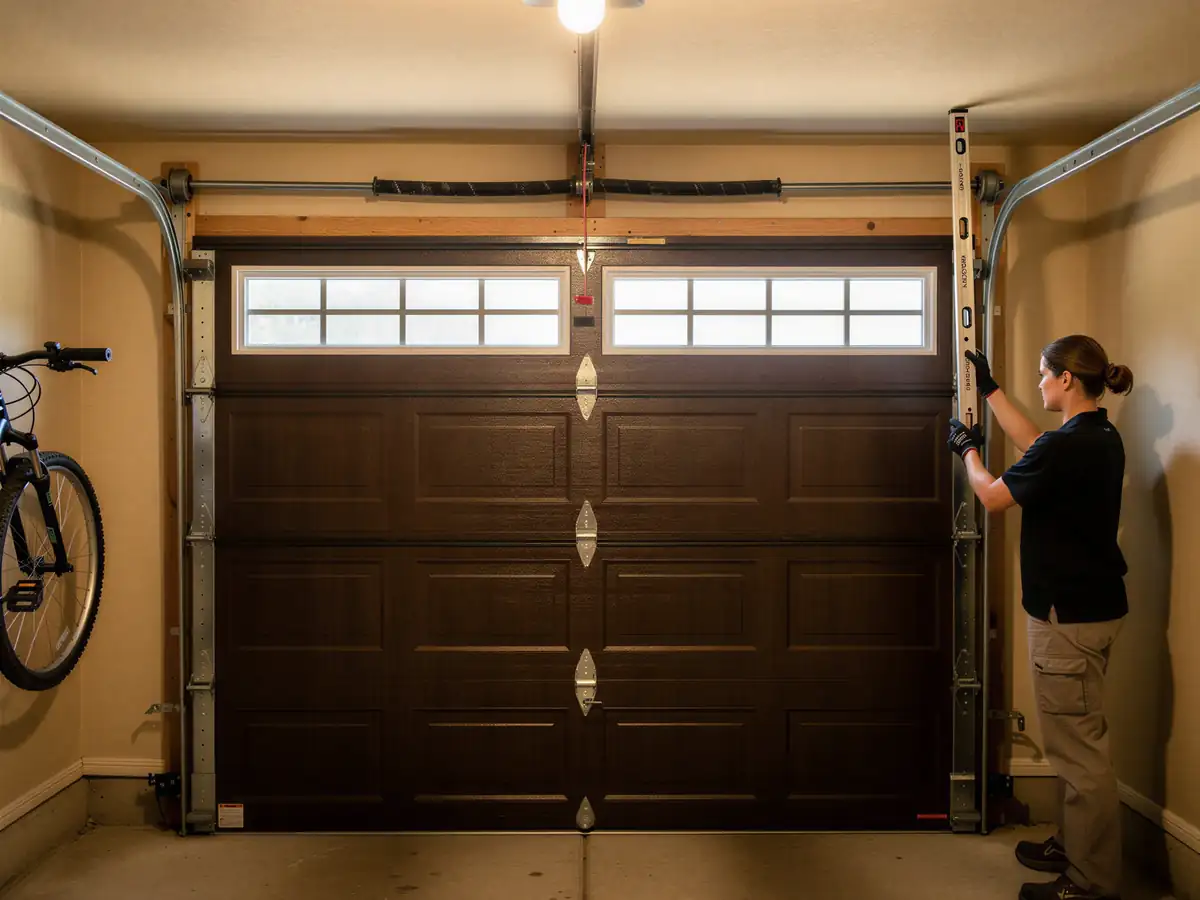
A straight swap - same size opening, new door on existing track and hardware - is usually a one-day job once the door itself is on site. Where it runs longer is lead time on the door itself: specialty colors, insulated steel in nonstandard widths, or anything custom-ordered can add a week or more before installation day even starts. Because we come out from Santa Clara, roughly 17 miles away, we schedule the install for a day we're already routed through the area rather than a same-day dispatch - so plan the date with us in advance rather than expecting a walk-up appointment. If your opening needs framing work because the original structure has shifted or was never squared correctly, add a half day. We'll tell you upfront if that's likely based on the age and condition of what's there, rather than finding out on install day and leaving you with a door that doesn't seal right.
How it works
From “it’s stuck” to “it’s fixed”
A quick, honest process - no guesswork and no surprises.
1
Tell us what’s wrong
Describe the symptom - won’t open, loud bang, opener runs but the door won’t move.
2
On-site diagnosis
A technician tests the door under power and by hand and finds what actually failed.
3
Clear, up-front plan
You get the fix that’s needed and what drives the cost - before any work starts.
4
Repaired & tested
The repair is done, the door is set true and tested, and the work area left clean.
Not sure which repair your door needs in Santa Clara, CA? Describe what it’s doing - every job starts with a diagnosis.
No. We run out of Santa Clara and travel to Union City, about 17 miles away, for scheduled installs. We don't keep a local branch or stock depot in Union City, so installs are planned around our route rather than same-day dispatch.
Will my 1970s-era garage opening need custom framing for a new door?
Usually not. Union City's housing median build year is 1979, later than much of the wider service area, and openings from that era tend to match standard door dimensions more closely than older 1950s construction. We'll confirm the exact measurements before quoting, but custom framing is the exception here, not the rule.
Does the mild climate here affect what kind of door I should get?
It takes extreme heat and freeze-cycle stress off the table, since the service area sits in a mild temperate band. Insulation choice becomes more about noise and comfort in an attached garage than protecting hardware from weather extremes, so you've got more flexibility on door type without a climate-driven requirement.
Ready to get your garage door sorted?
Tell us what it’s doing and where you are in Santa Clara - we’ll take it from there.