What Causes It Around Here
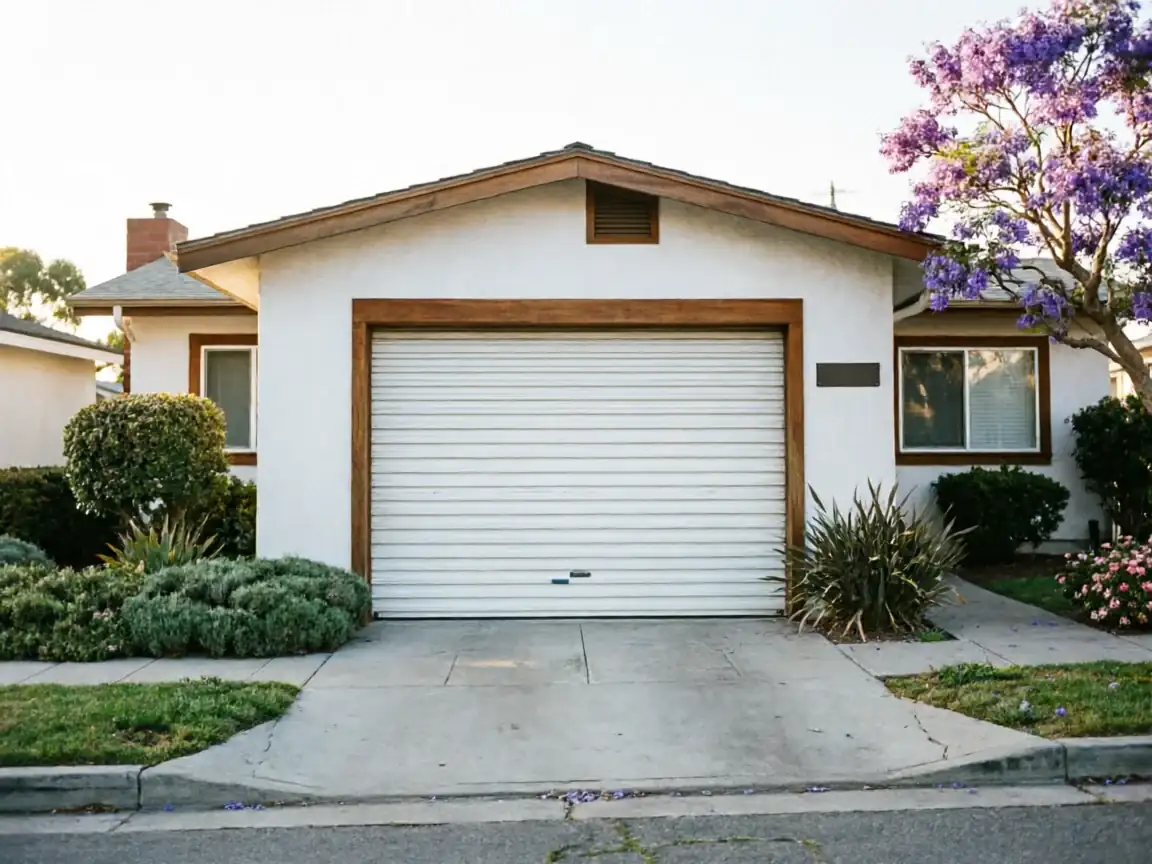
Santa Clara's housing stock centers on 1964
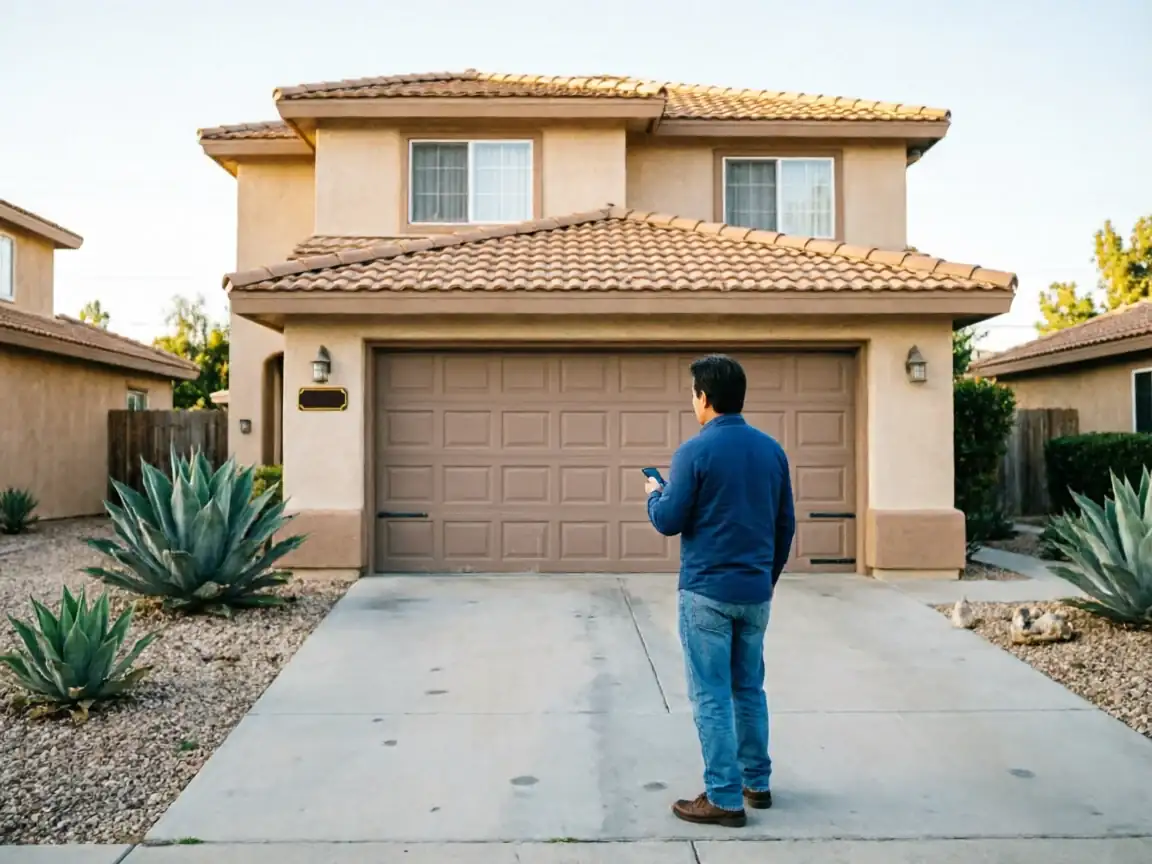
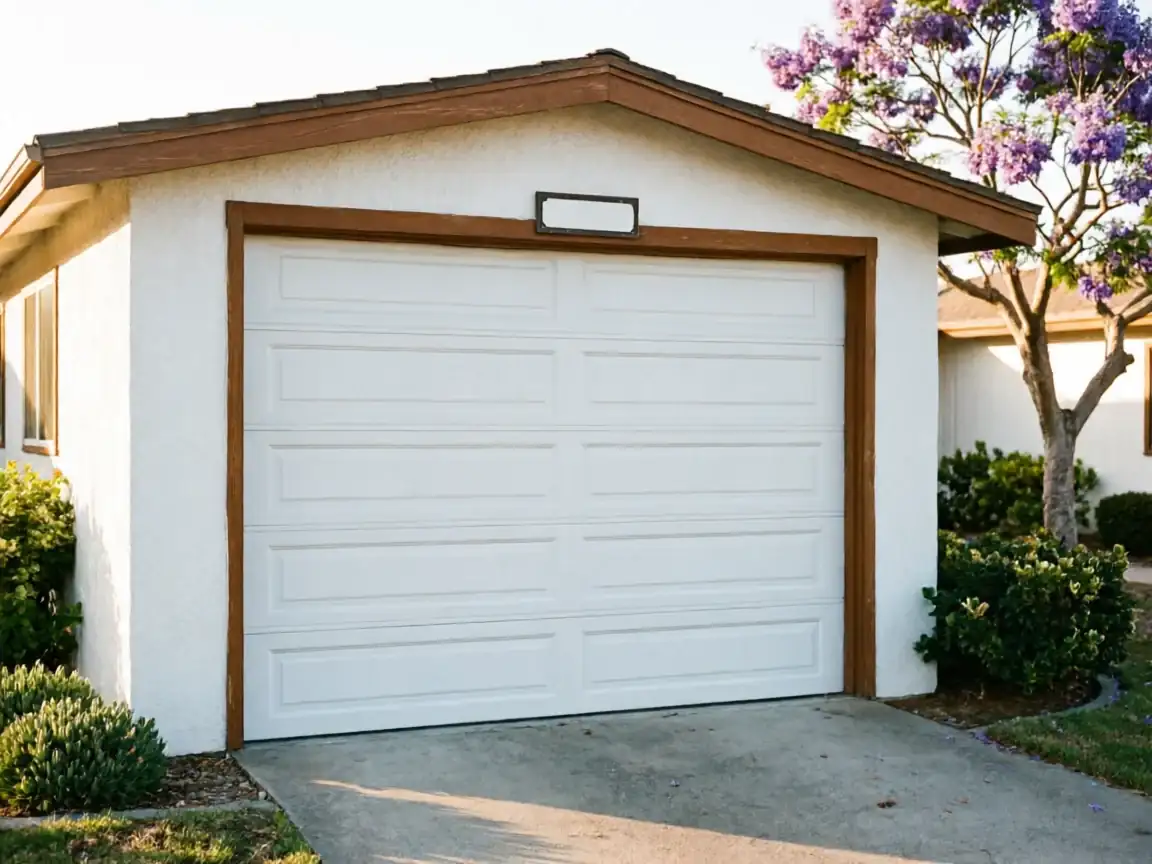
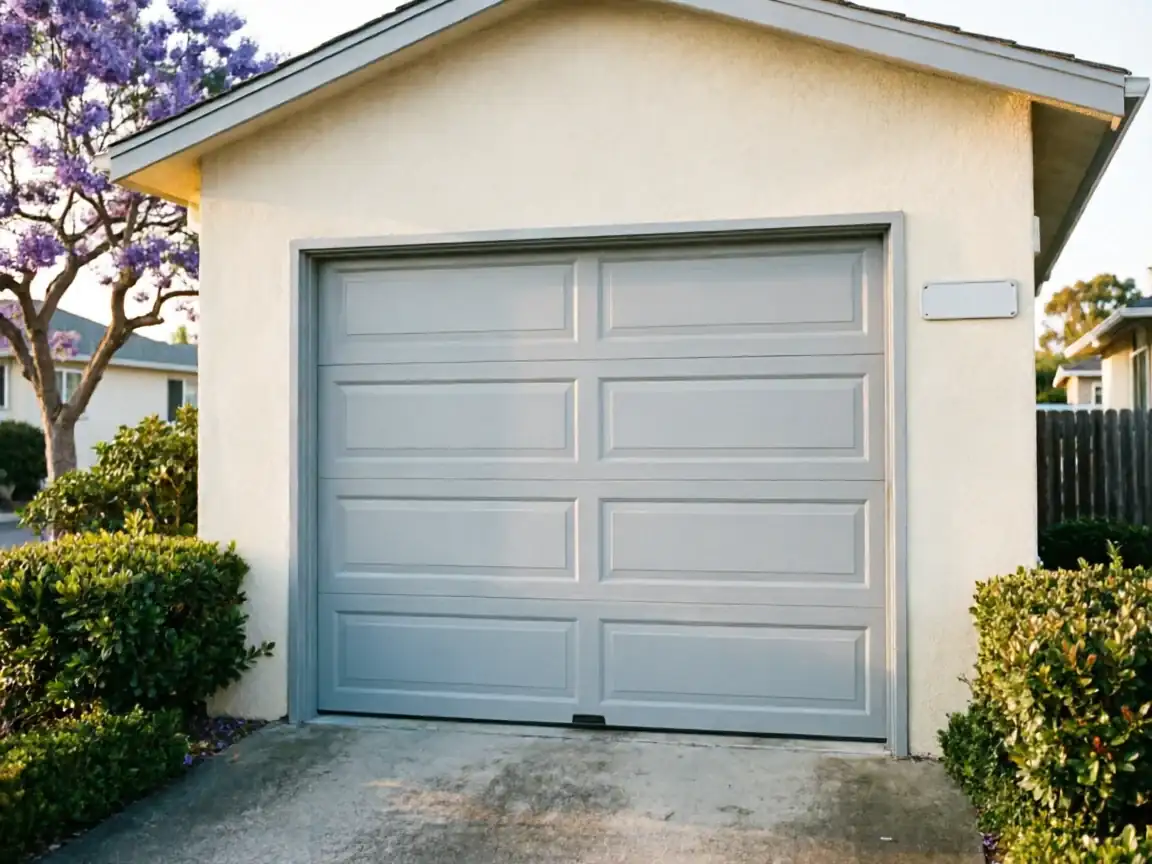
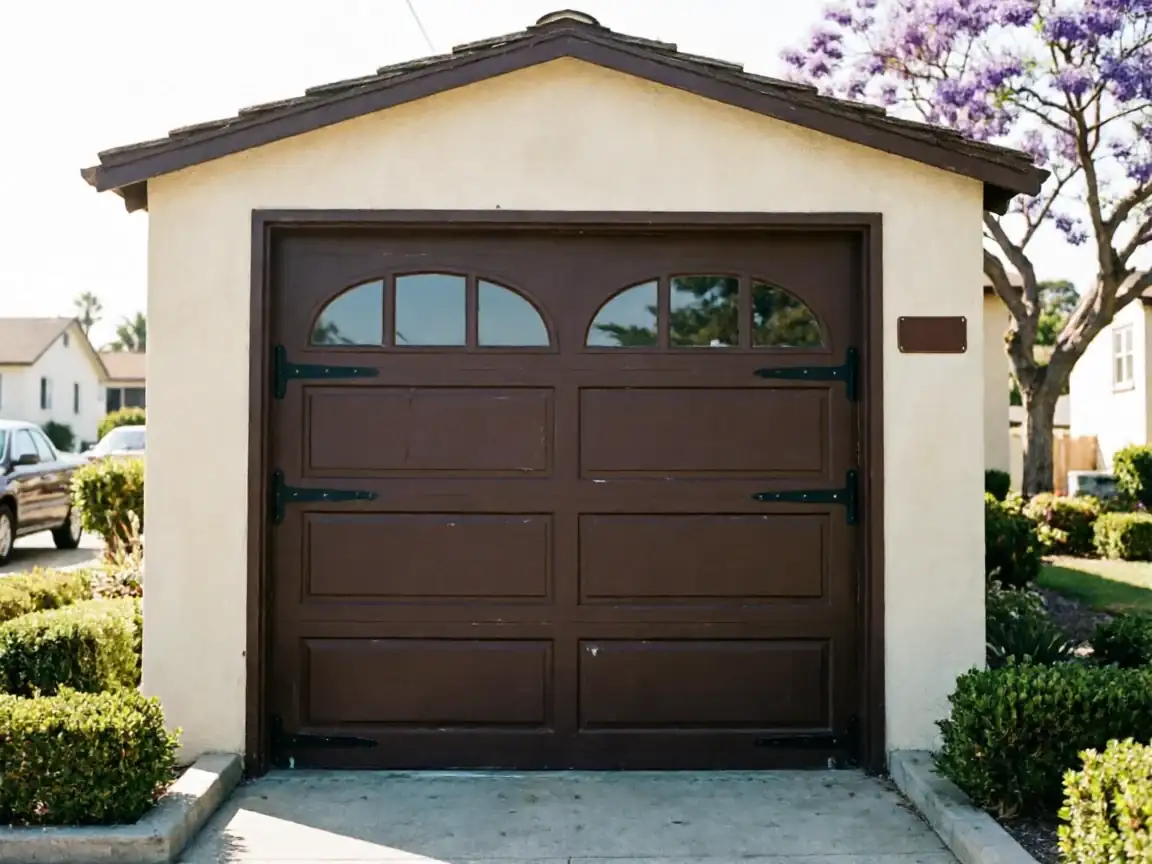
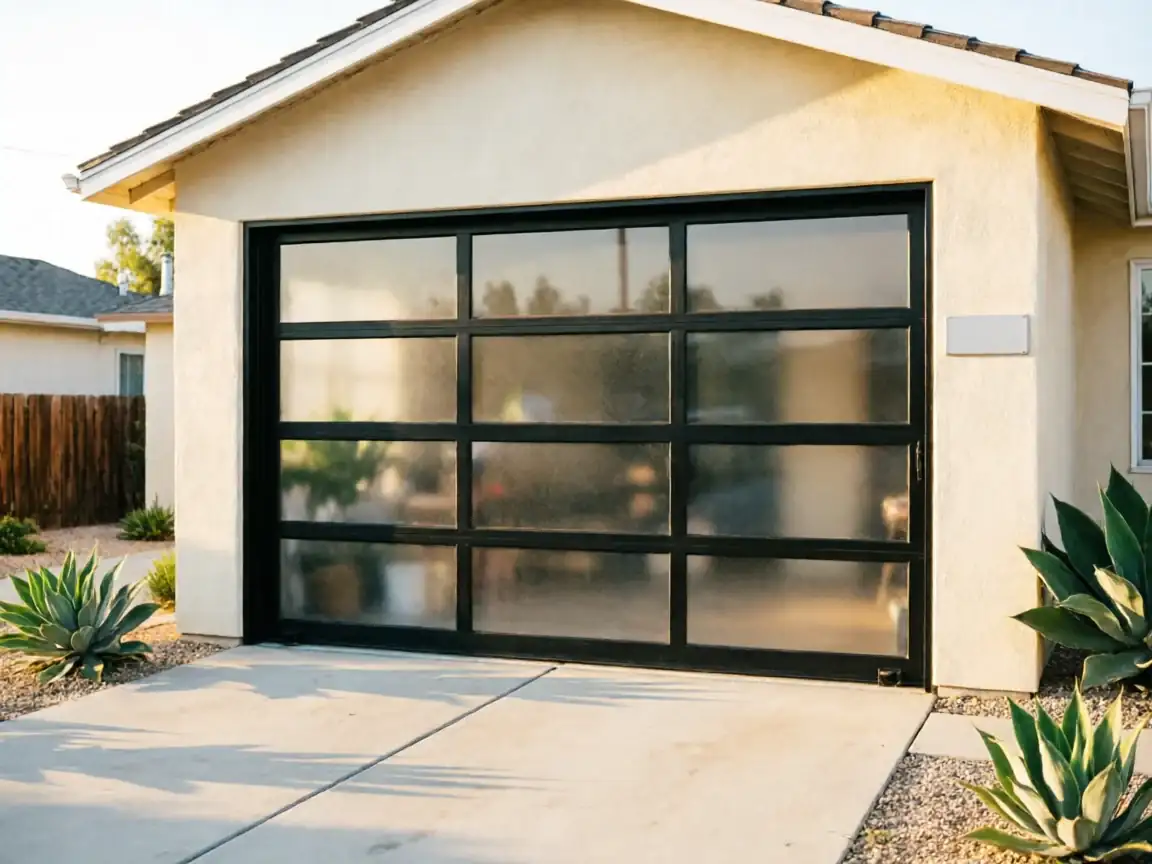
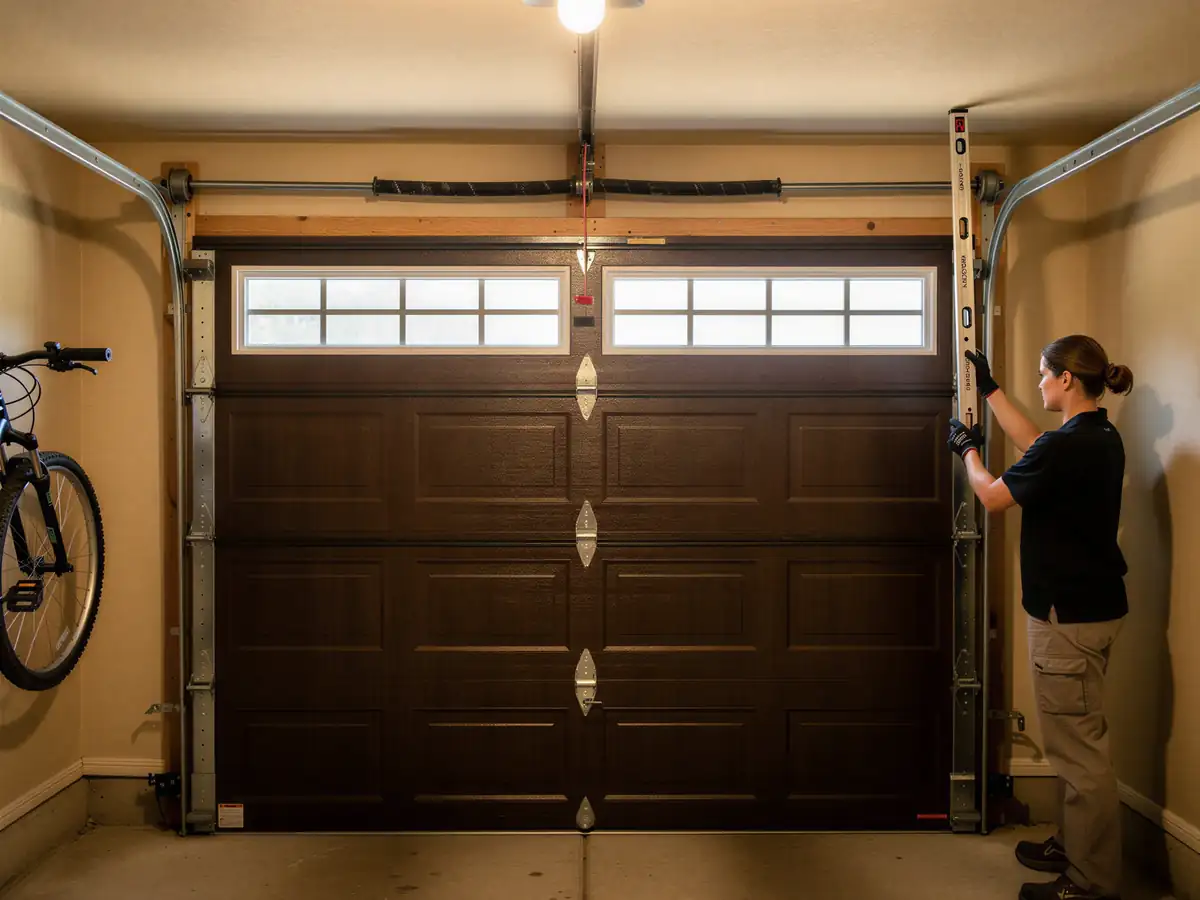
Cupertino runs about a decade newer, median build year 1973. That gap matters more than it sounds. A door and opener installed in the early-to-mid 70s is a different animal than one from the early 60s - different spring wind standards, different opener mounting, and by the mid-70s a lot more aluminum-sash garage doors instead of the older wood panel units. When one of these fails at 9pm, the spring that goes is usually a standard torsion pair rated for a heavier steel door, not the older single-spring extension setups you still find on the earliest houses in the wider service area.
The mild temperate climate here (no hard freeze-thaw
No deep humidity swings) means the springs and cables don't corrode the way they would somewhere with real winters. When a spring breaks in Cupertino it's almost always fatigue from cycle count, not rust. That's actually good news for how we diagnose it over the phone - we're not guessing at a weather-driven failure, we're looking at a part that's simply worn out on schedule.
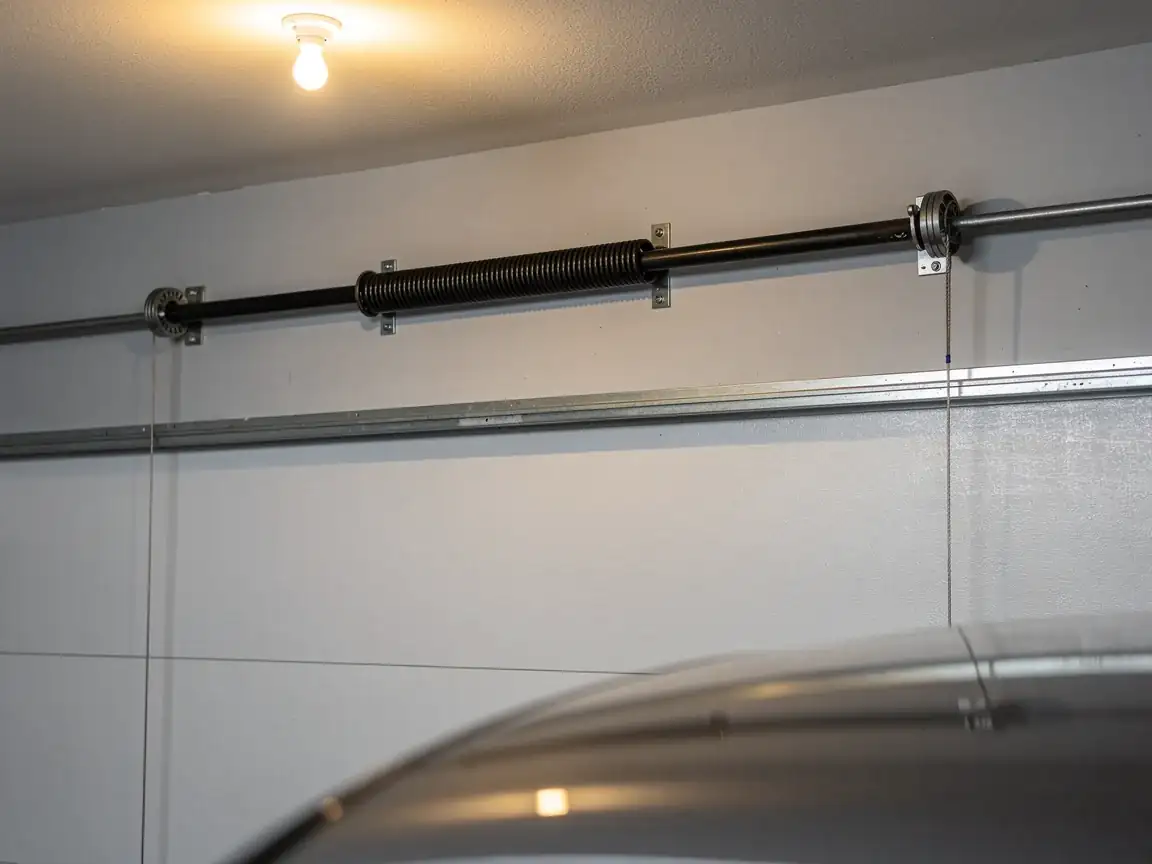
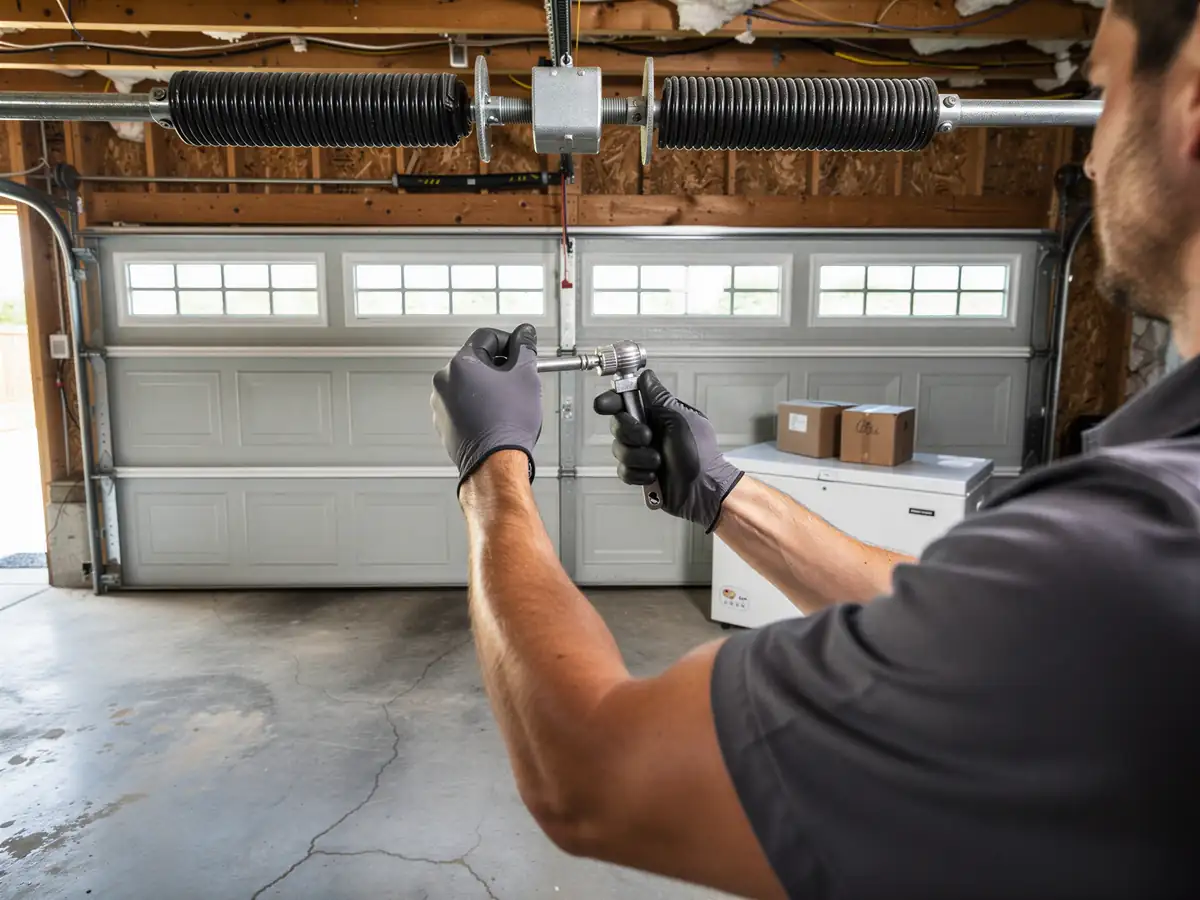
Garage doors on 1970s-built houses also tend to run 1-inch torsion bar instead of the thinner bar you see on earlier construction
Wrong replacement spring sizing is the single most common mistake on these.
Can You Do This Yourself
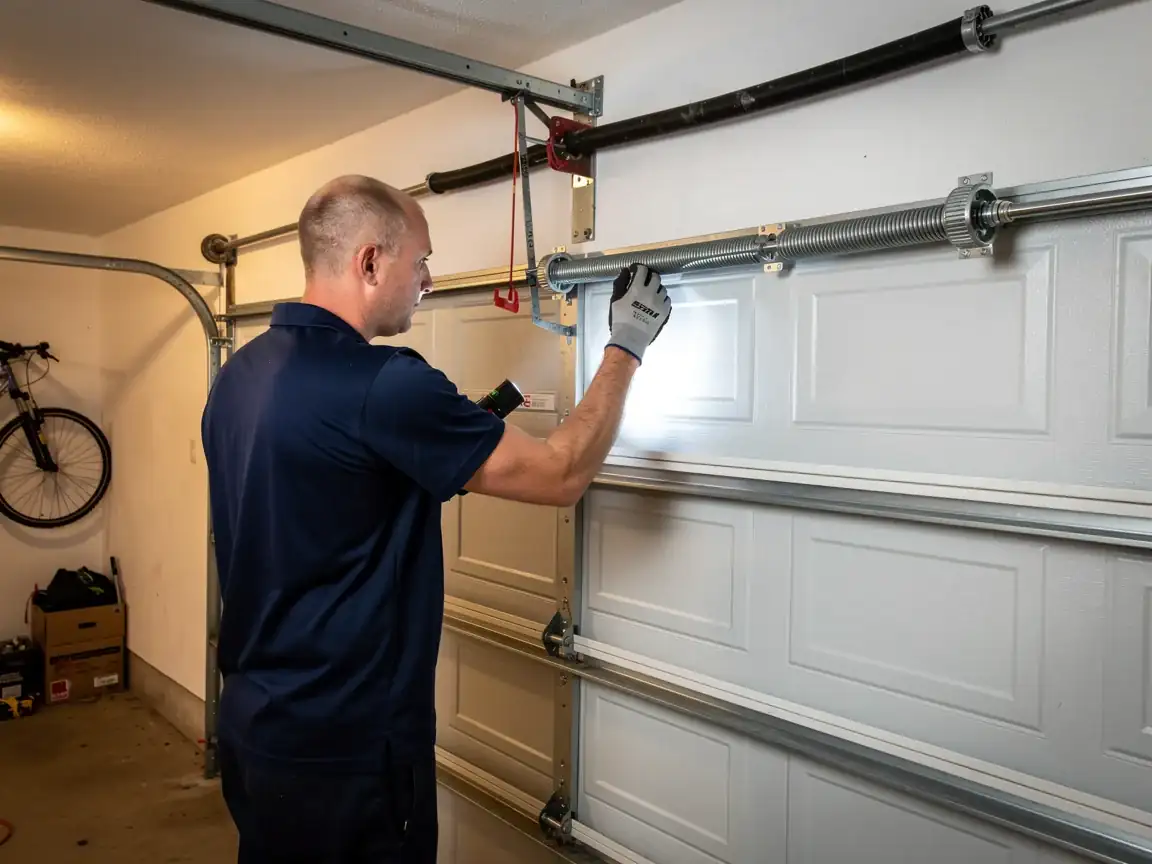
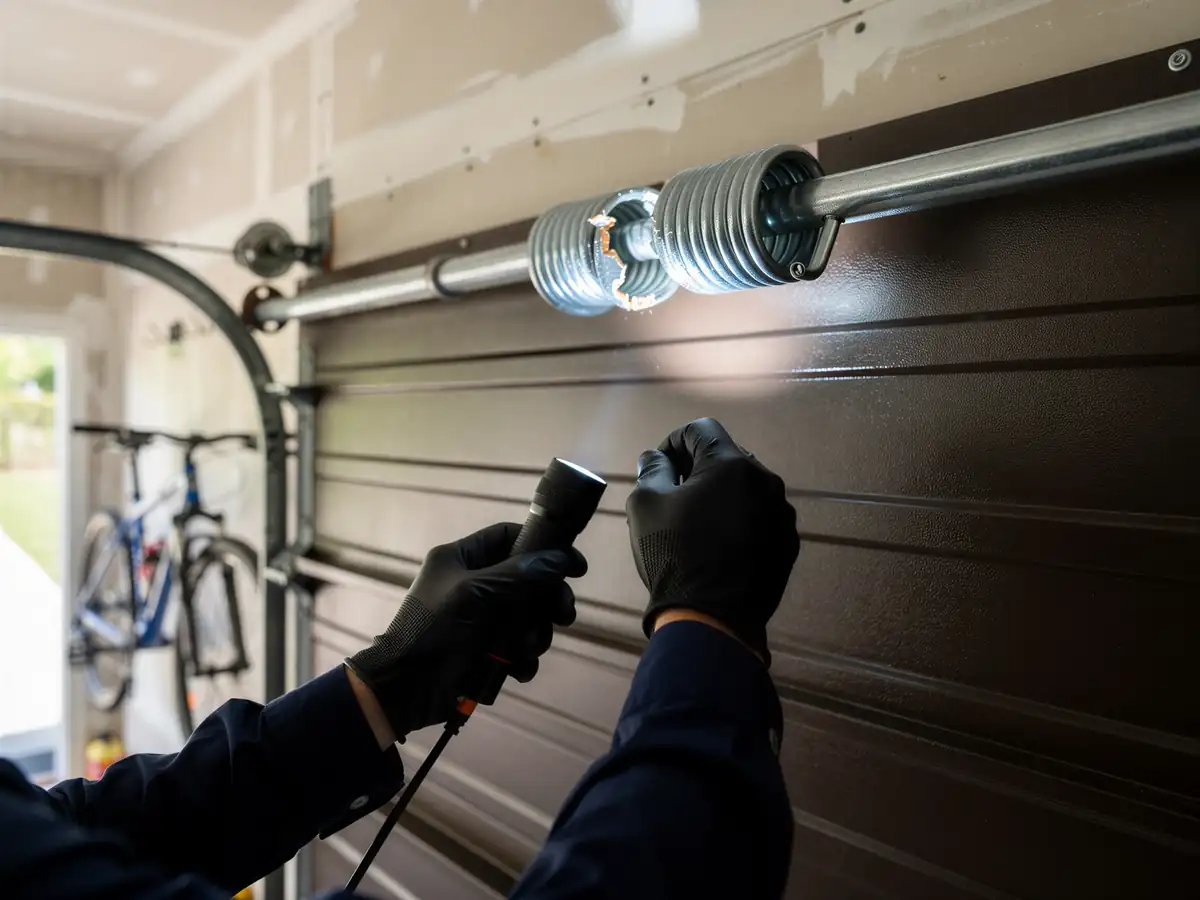
If the door won't open and you can see a torsion spring split in the middle above the door, don't touch it. A wound torsion spring holds enough stored force to break bones, and on a 1-inch bar - common in houses from this era - the tension is higher than the thinner bar from older builds. That's not a DIY repair regardless of your tools.
What you can safely check first: is the opener plugged in and getting power, has a breaker tripped, is the manual release cord pulled (it disconnects the carriage from the opener and the door will feel totally loose if so). Those three things solve a surprising number of 'emergency' calls before anyone drives out.
If the door is off its tracks, a cable has snapped, or the door is partway open and won't move either direction, stop. Block the opening with the car if you need the garage secured overnight and wait for a tech. We'd rather you call and have it be a pulled release cord than have you try to re-tension a spring and end up in worse shape.
What You Are Seeing
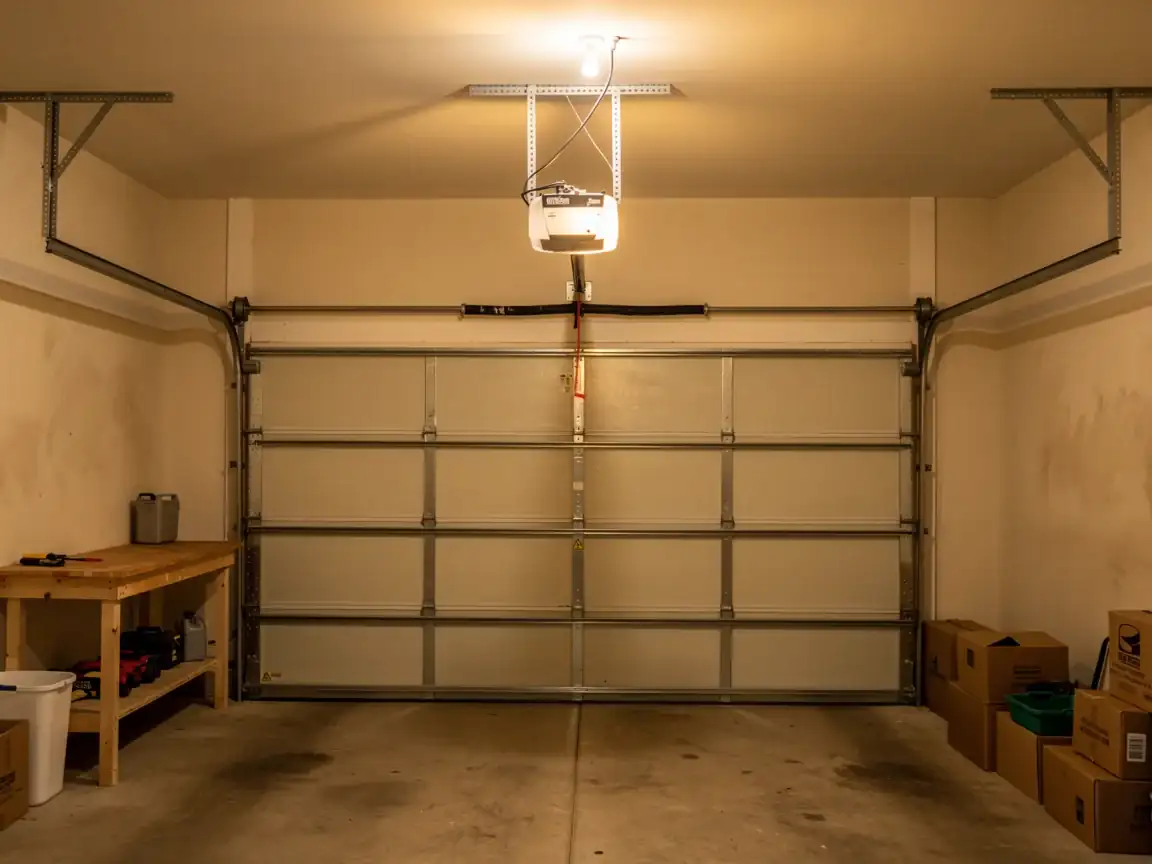
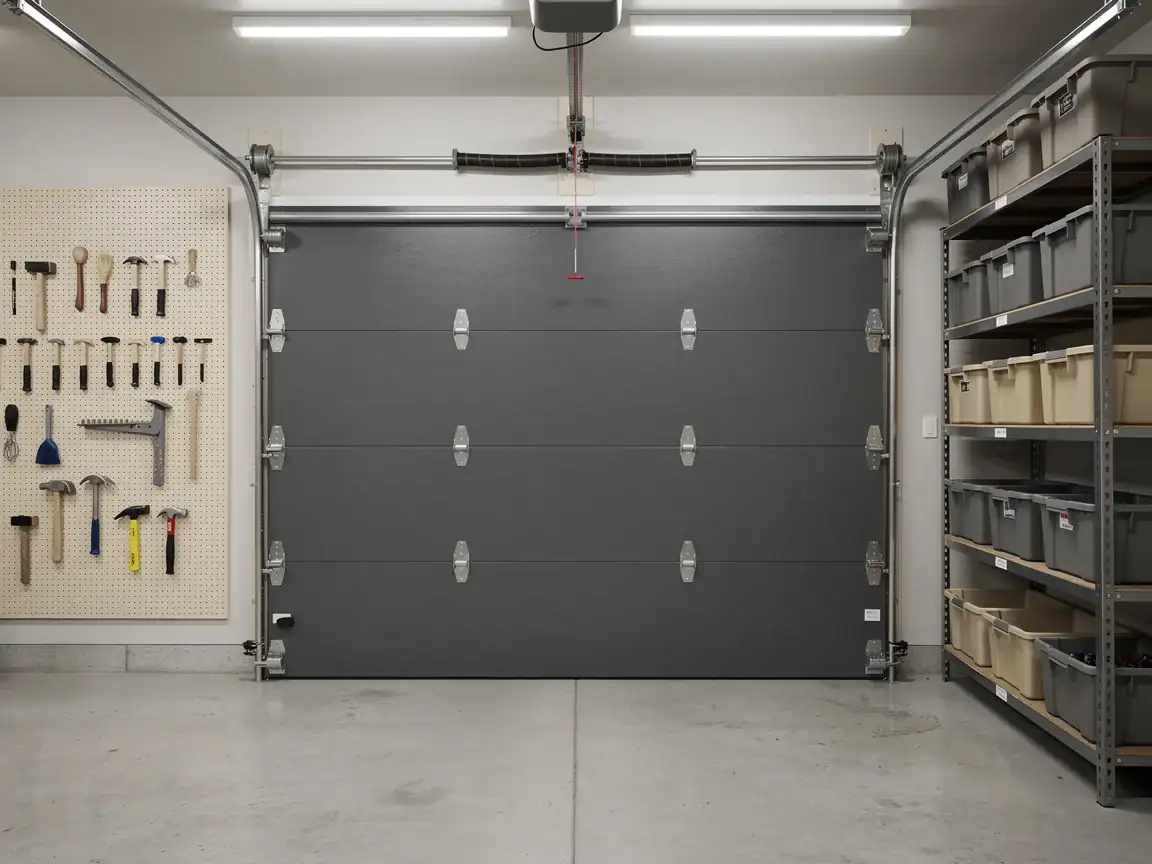
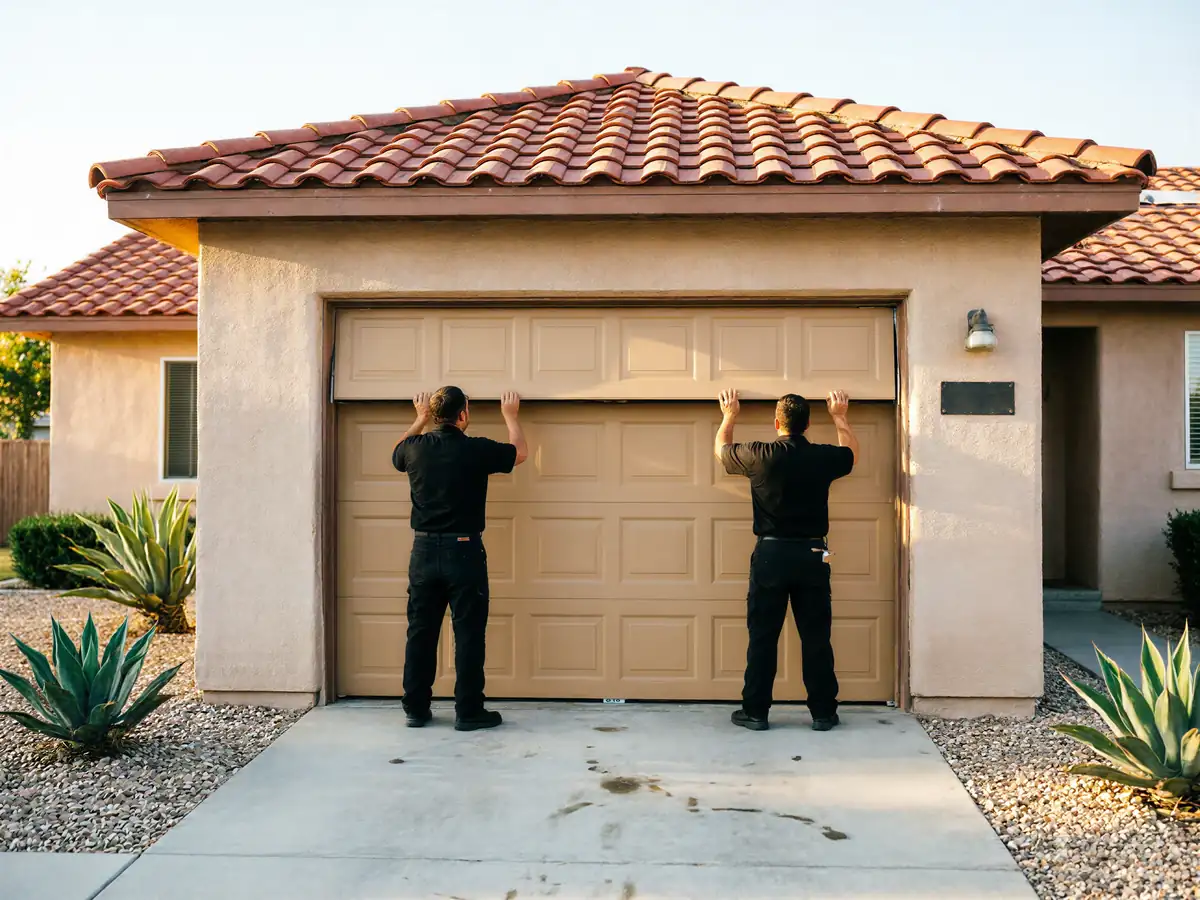
A door that won't budge and a loud bang beforehand is almost always a broken torsion spring - common on the heavier steel doors typical of 1970s Cupertino construction. A door that opens a few inches then stops is often the opener's travel limit or a safety sensor misaligned, not a spring issue at all. A door that's crooked, sitting higher on one side, points to a single broken cable or an off-track roller.
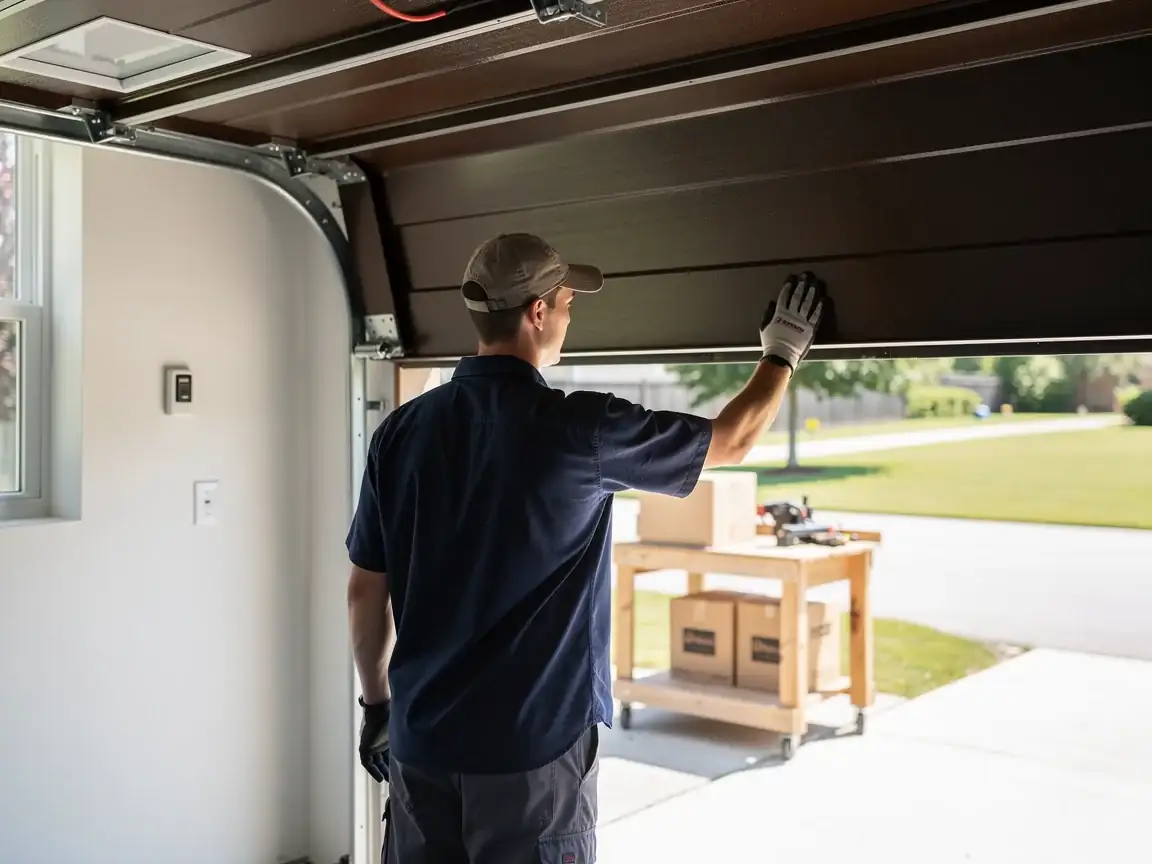
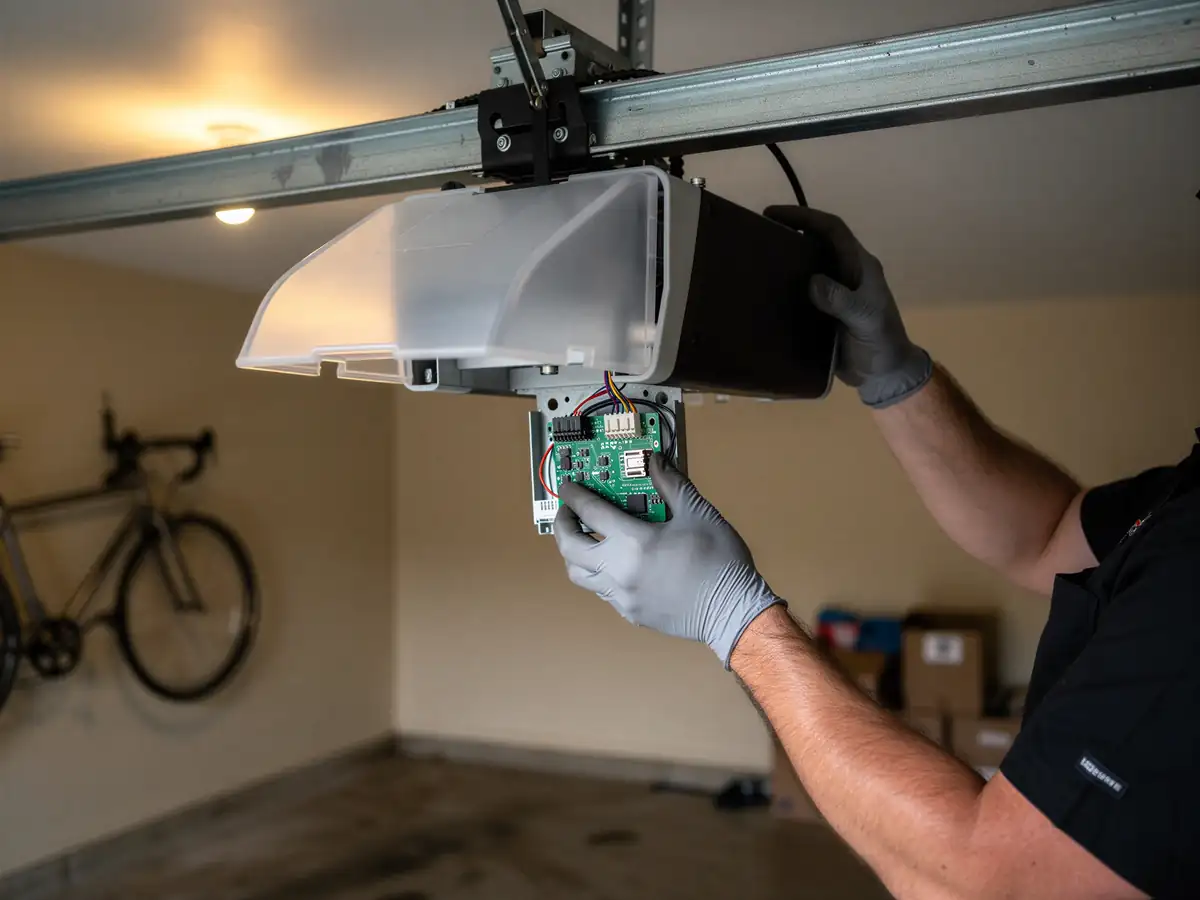
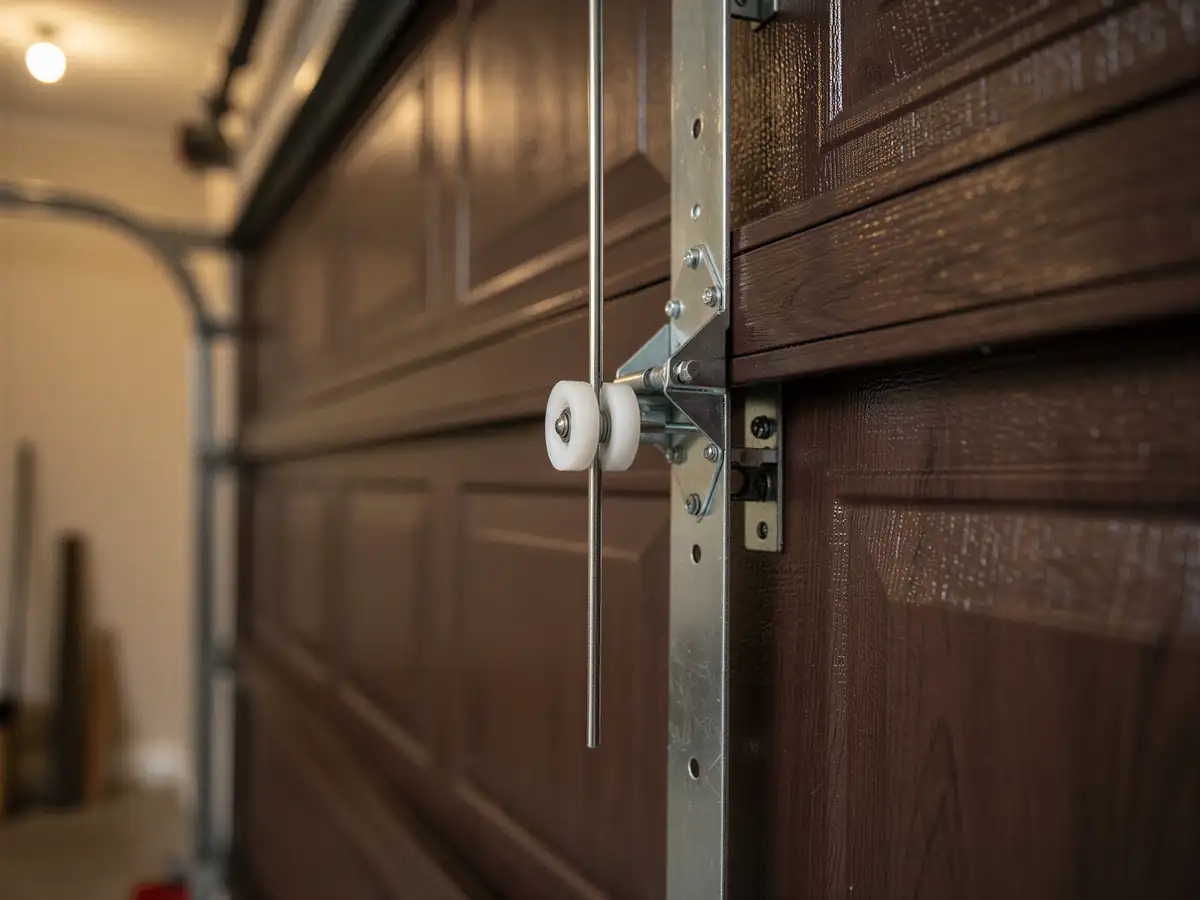
Grinding or scraping noise without the door stopping is usually a roller problem - original steel rollers from this build era are long past their service life by now and nylon replacements are the standard fix. If the opener runs but the door doesn't move, check the belt or chain before assuming a motor failure; those fail far more often than the motor itself.
We ask these questions on the phone before we ever load the truck, because the fix for a sensor is a five-minute adjustment and the fix for a snapped cable is not - we want the right part in the truck before the 5-mile drive from Santa Clara, not after.
Where This Job Goes Sideways
The most common mistake we see from other repair attempts
Someone replaces a broken spring with whatever size was on the shelf, not what the 1-inch bar and door weight actually call for. It'll lift the door, for a while, then fail again sooner than it should and sometimes take a cable with it.
Second issue: opener travel settings get reset during a DIY panel swap and nobody re-calibrates the safety reversal
That's not cosmetic - it's the feature that stops the door from closing on a car bumper or a kid's bike. We check it on every call regardless of what we were called out for.
Honest limitation: if the door itself (not just the spring or opener) is original to a 1973-era build and the track or hardware is bent beyond adjustment
Replacement is usually cheaper over time than repeated patch repairs. We'll tell you that straight rather than keep billing small fixes on a door that's done.
What You Pay
We don't have a Cupertino-specific price list to quote here, and we're not going to invent one. What we can tell you: parts cost depends on spring size, opener type, and whether it's a cable, a roller, or the whole door. We price the job on-site after we see it, not over the phone, because a torsion spring repair and a full door replacement aren't in the same category and guessing a number before we've looked helps nobody.
One honest note on cost: Cupertino's median household income runs well above the wider service area's $214,149 figure, and homes here tend to carry heavier, better-insulated doors than the older stock elsewhere in the territory. Heavier doors mean heavier springs, and heavier springs cost more than the light-duty ones on older single-car garages. That's not us upselling - it's just what the hardware costs.
How to Book
We run out of Santa Clara, about 5 miles from Cupertino, so when you call we'll ask what the door is doing - stuck, off-track, noisy, dead opener - and get a tech moving with the right parts rather than show up blind. See our Cupertino service area page for what else we cover nearby, or check the main Santa Clara emergency repair page for how we handle this across the rest of the territory. Have the door's approximate age and whether it's a one-piece or sectional door handy if you know it - it saves time on the phone and on the truck.