What Causes It Around Here
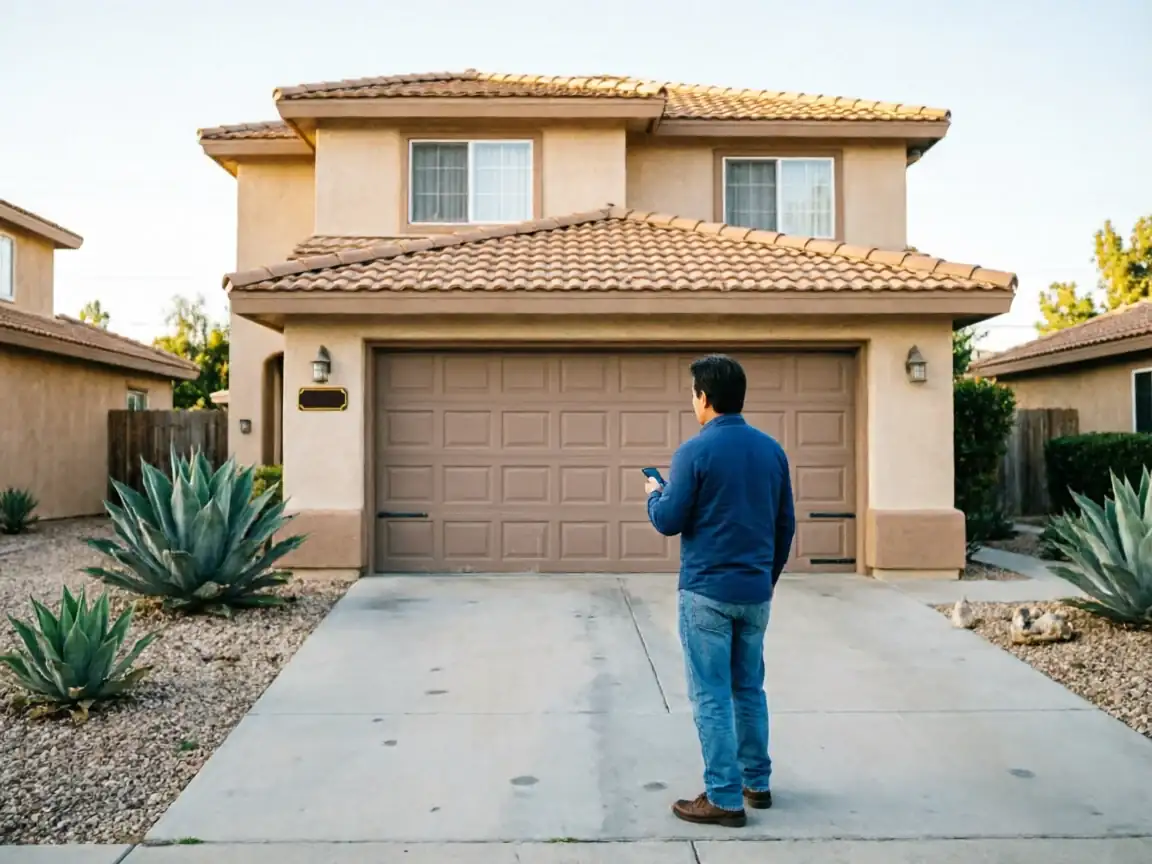
Most of the openers we get called on in Cupertino went in during a remodel sometime after the original house was built around 1973
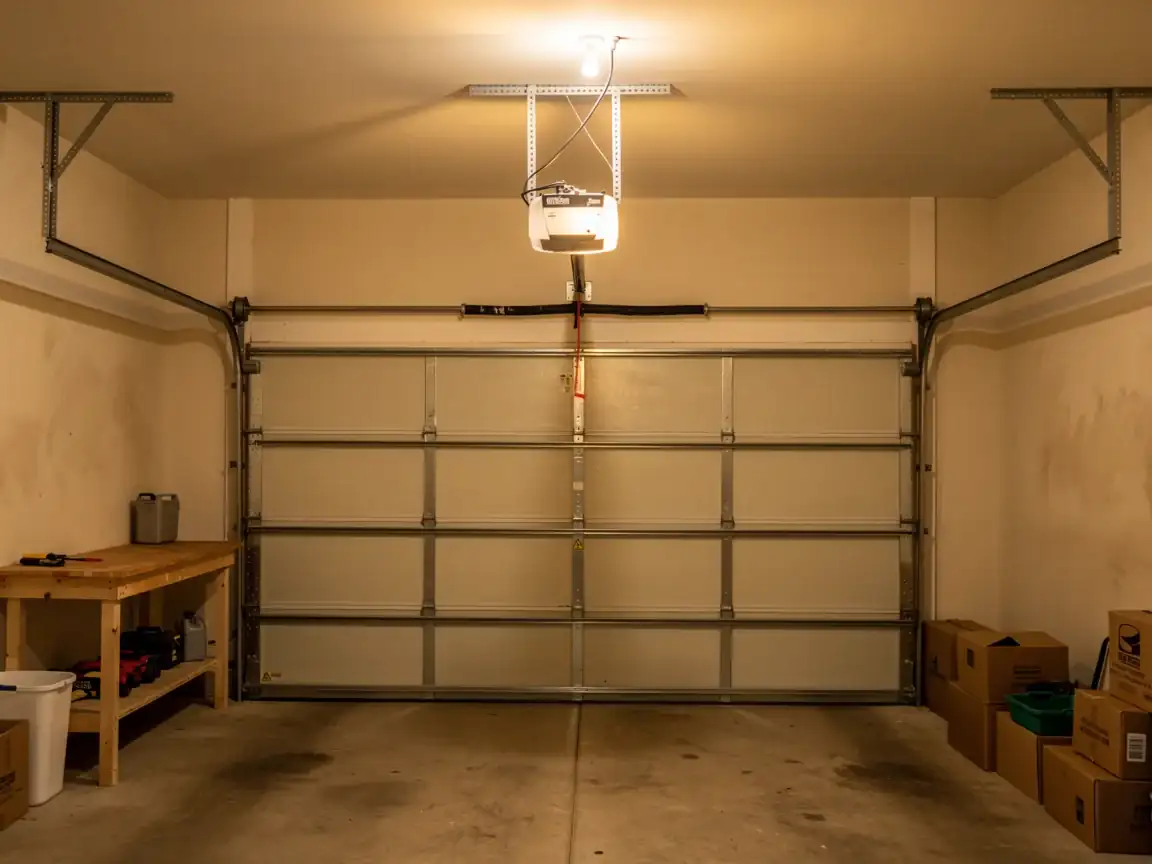
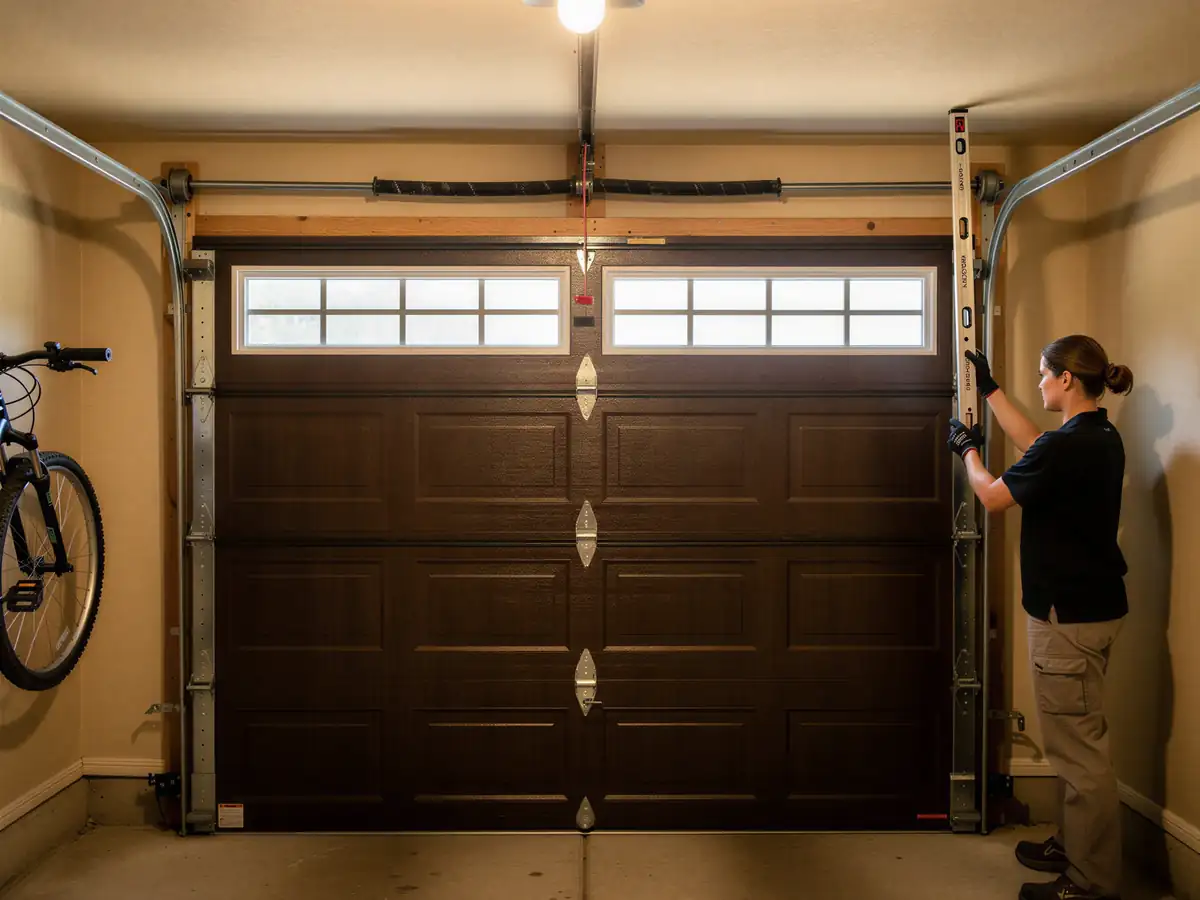
So you're often looking at a unit that's on its second or even third motor, but still bolted to a header and rail configuration from an era when garages were framed shallower than they are now. That mismatch is where a lot of calls start. A newer opener forced onto an old rail bracket binds under load, and the logic board reads it as a resistance fault and just quits.
The other pattern is simpler: age
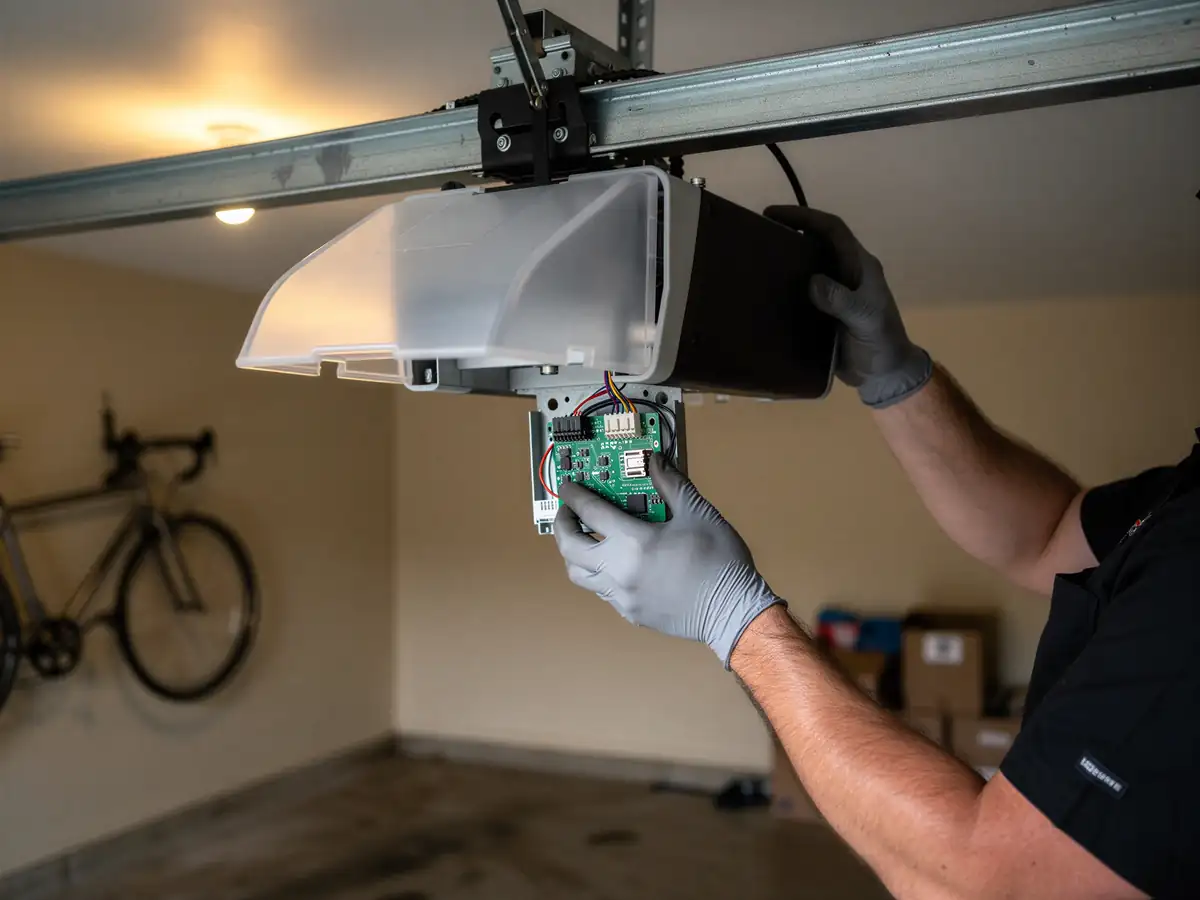
A chain-drive unit bought in the late 90s or early 2000s to replace the original is now old enough that the capacitor on the circuit board is the first thing to go, usually in warm weather. Cupertino sits in the same mild temperate band as the rest of the valley, so you don't get the freeze-thaw stress that kills openers elsewhere - here it's almost always the board or the drive gear wearing out on its own clock, not the weather pushing it along.
Can You Do This Yourself
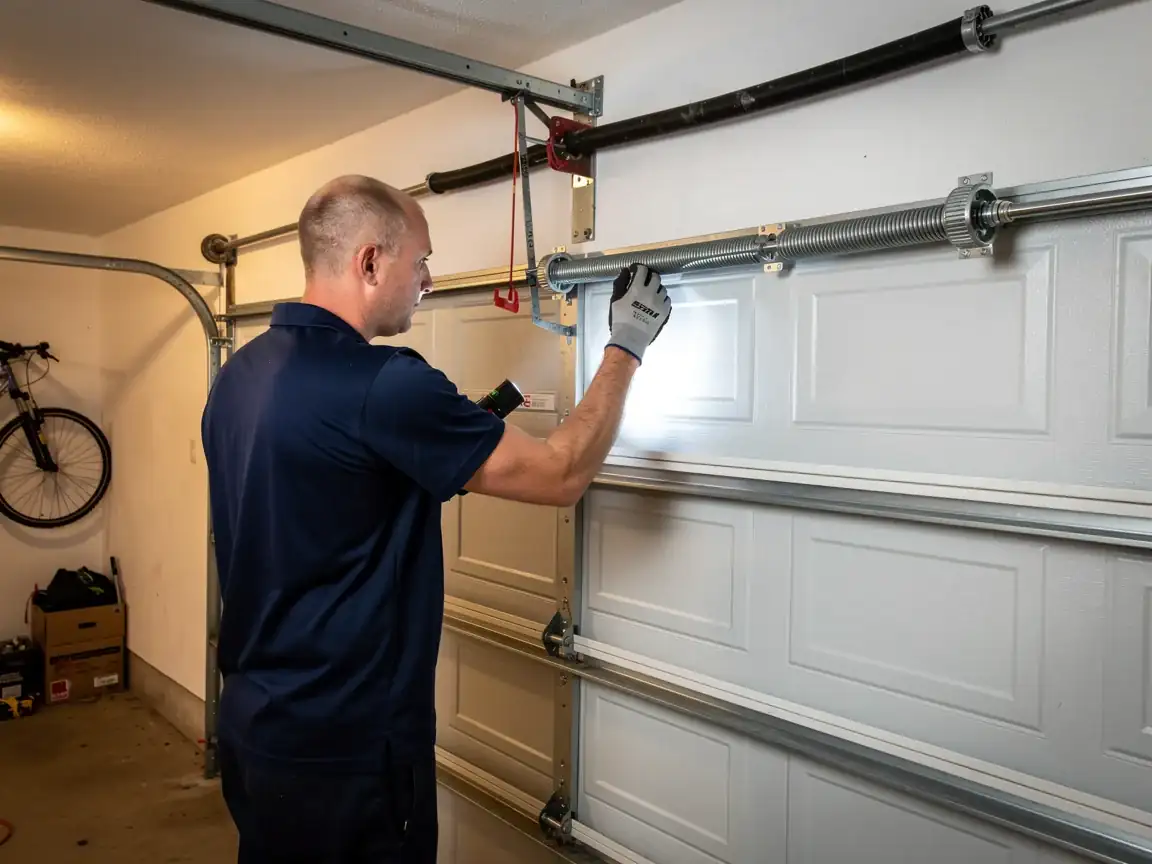
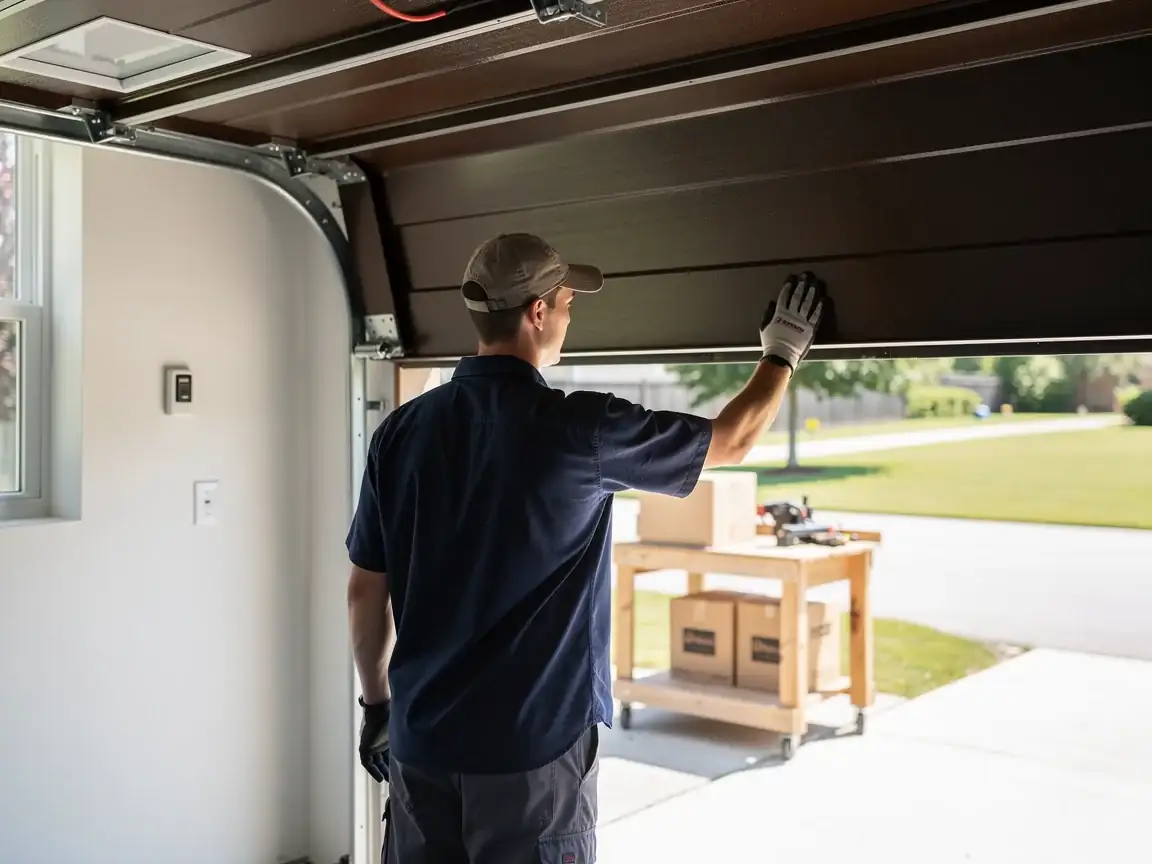
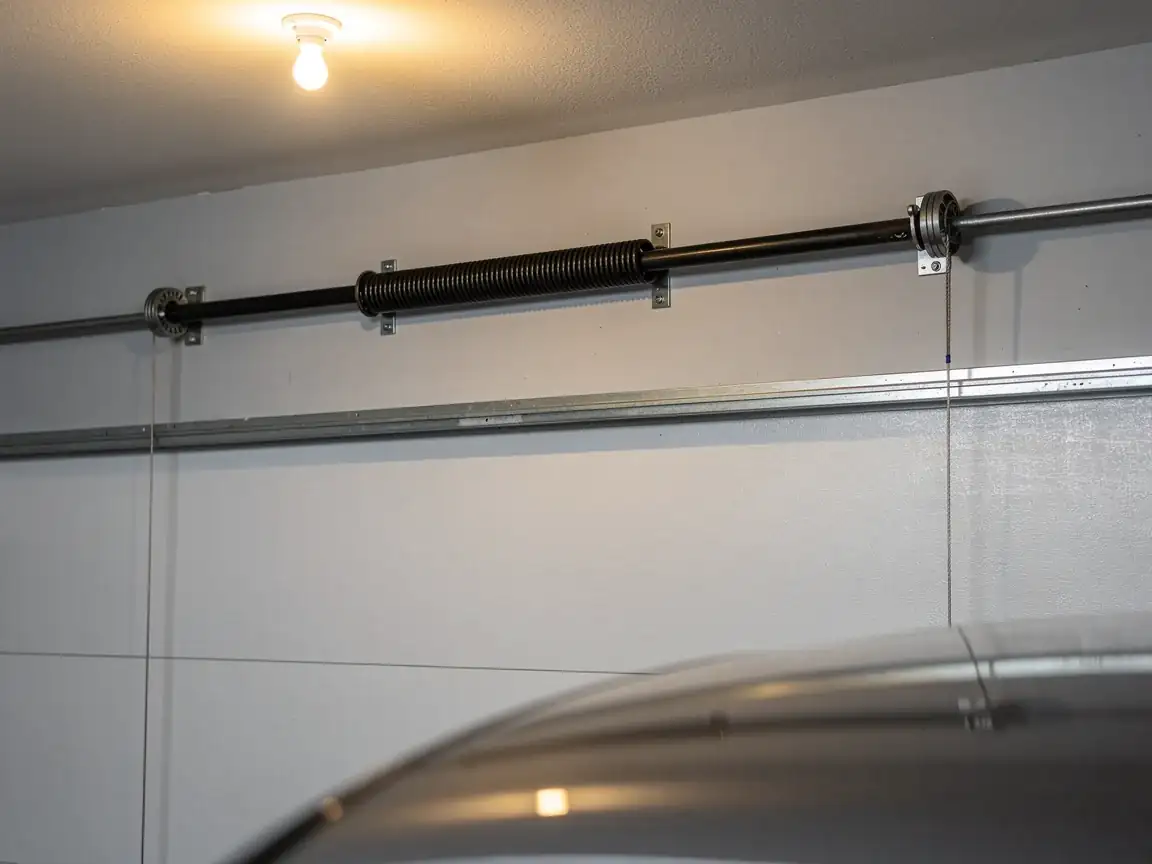
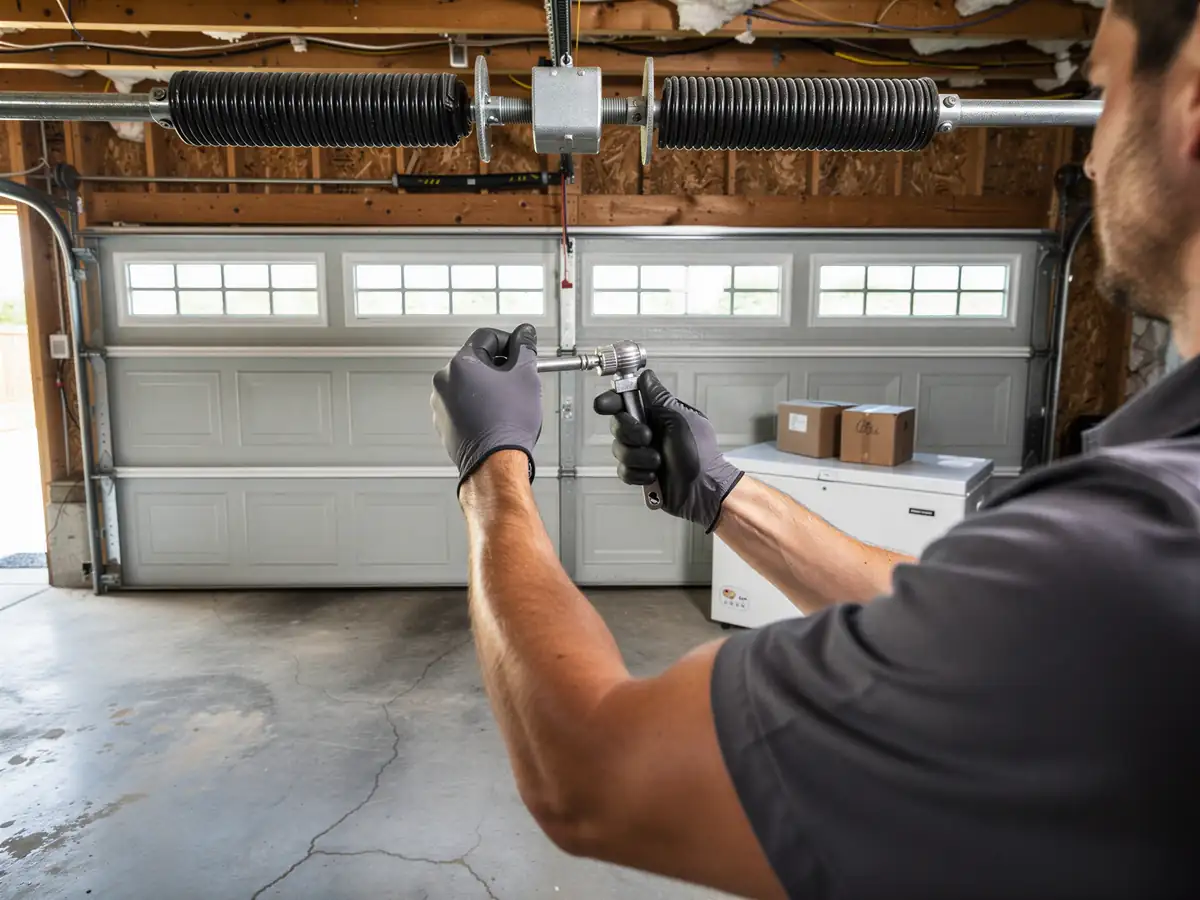
Swapping a remote battery or resetting the travel limits is something most owners can do with the manual, and it's worth trying before you call anyone - it solves more openers than people expect. Replacing a worn drive gear or a cracked circuit board is a different job. You're working above a 200+ lb door under spring tension, and the opener isn't what's holding that door up if something goes wrong mid-repair.
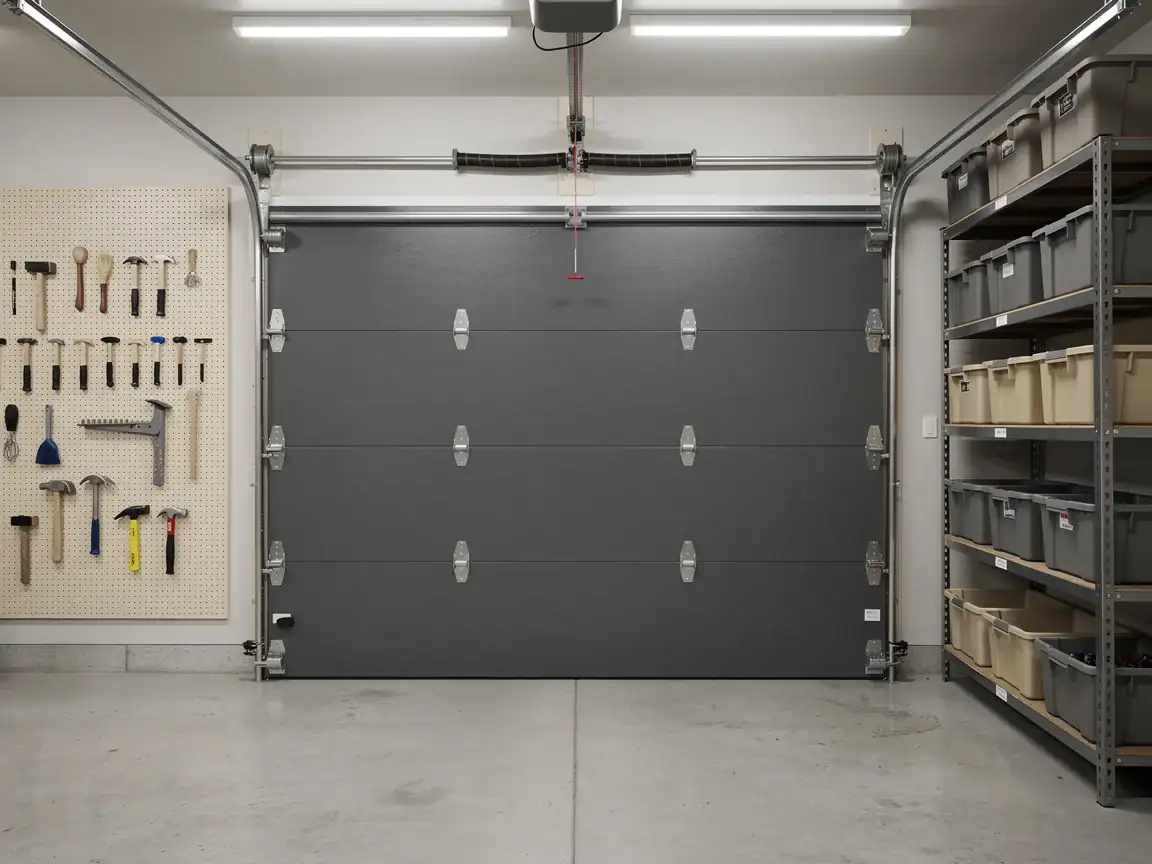
If the opener runs but the door reverses before it closes, that's usually a safety sensor alignment issue, and you can check that yourself: look for the sensors near the floor on each side of the track, make sure nothing's blocking the beam, and see if the LED lights on both are solid rather than blinking. That alone fixes a surprising number of "broken opener" calls. Past that - grinding noise, a motor that hums but doesn't move the door, or a board that's dead - it's a call, not a weekend project.
What You Are Seeing
The opener runs but the door doesn't move, or moves a few inches and stops - that's usually a stripped drive gear, a part that wears out on its own schedule regardless of the house's age. The light blinks but nothing happens when you press the remote - that's often the logic board losing its memory of travel limits, more common on units that have been through a few power outages over the years.
A motor that hums and trips the breaker is pulling too much current, which on an older chain-drive unit usually means the chain is over-tightened or the trolley carriage is dragging. And if the door opens fine but won't close unless you hold the wall button, that's the safety sensor circuit, not the motor itself - two different problems that both get described the same way on the phone.
Where This Job Goes Sideways
The job gets harder when the opener itself is fine but the rail bracket mounted to the header is the original hardware from construction
It happens on houses built when Cupertino's housing stock went up, and newer opener models don't always bolt to it cleanly. That's not a five-minute swap; it means fabricating a mount or adjusting the header bracket before the new unit goes up.
We'll also tell you honestly when replacement beats repair
If the logic board is dead on a unit that's already old enough that the manufacturer doesn't stock parts for it anymore, patching it is a waste of a service call - we'd rather put in a new opener than chase parts that may not show up. That's a limitation worth knowing before you book: we don't keep every discontinued board on the truck, and we won't pretend we can.
What You Pay
We don't have a flat number to post here that would hold up across every job - a sensor realignment and a full opener replacement are not the same bill, and anyone who quotes you a single price before seeing the unit is guessing. What we can tell you is that the call comes from our Santa Clara base, about 5 miles out, so travel isn't padding the estimate the way it might for a company working from farther down the valley.
Given Cupertino's median household income sits well above the wider service area average, we occasionally get asked whether that changes our pricing. It doesn't - the opener and the labor cost what they cost regardless of the zip code. What does change outcomes here is being straight with you up front about whether your 1970s-era mounting hardware needs extra work, so the number you hear on the phone doesn't move much once we're standing in your garage.
How to Book
Tell us what the opener is doing - hums and stops, runs but nothing moves, remote does nothing, or reverses before closing - and we can usually tell you over the phone whether it's a sensor fix, a gear replacement, or a board swap. That matters because the parts we bring out of Santa Clara depend on which one it is.
If you're not sure which neighborhood description fits your situation, our Cupertino service page covers the broader area we work in locally. For the full rundown of opener repair as a service - what's covered, what a visit typically involves - that lives on our Santa Clara opener repair page. Either way, have the opener's brand and a rough age in mind when you call; it saves a trip back to the truck.