Stocked Parts
Milpitas sits apart from a lot of the area we cover
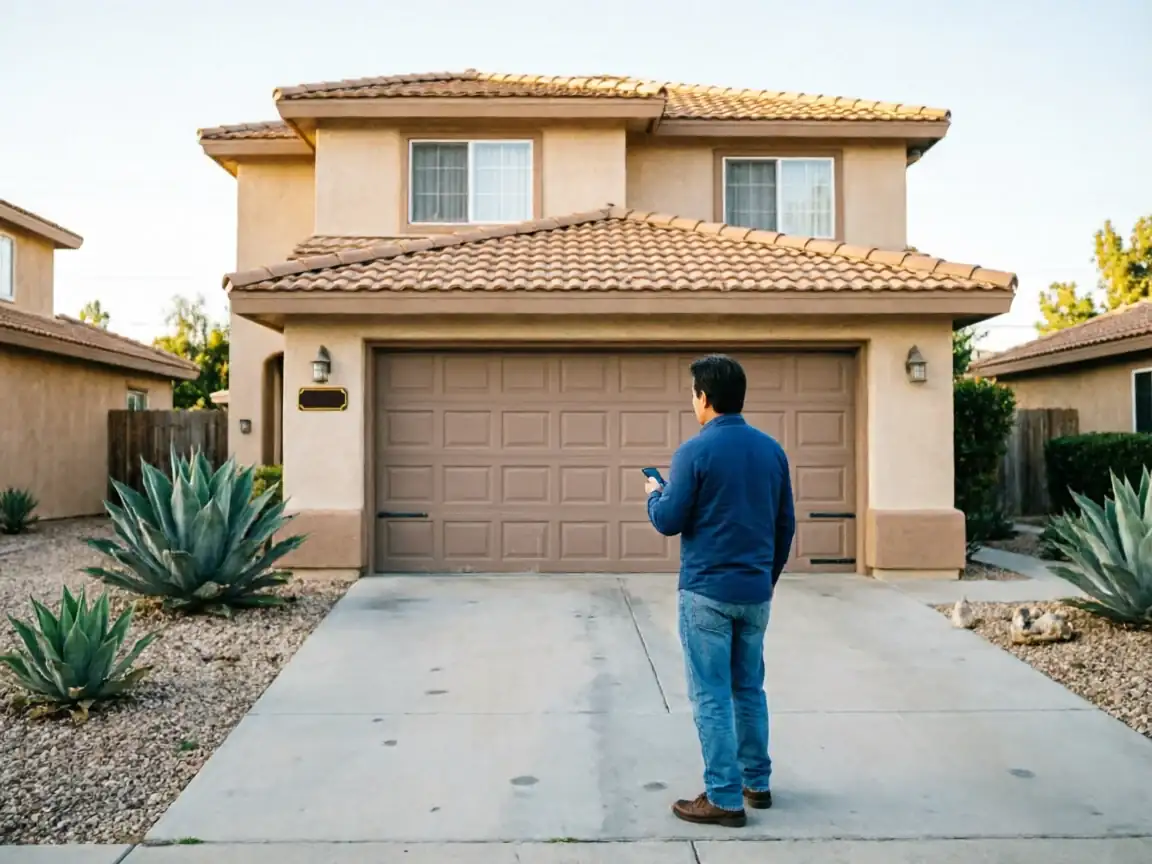
Across the wider service area the median house went up in 1964, with plenty of stock from the late 1940s through the 1980s. Milpitas itself runs newer, with a median build year around 1987. That twenty-plus year gap matters more than it sounds like it should.
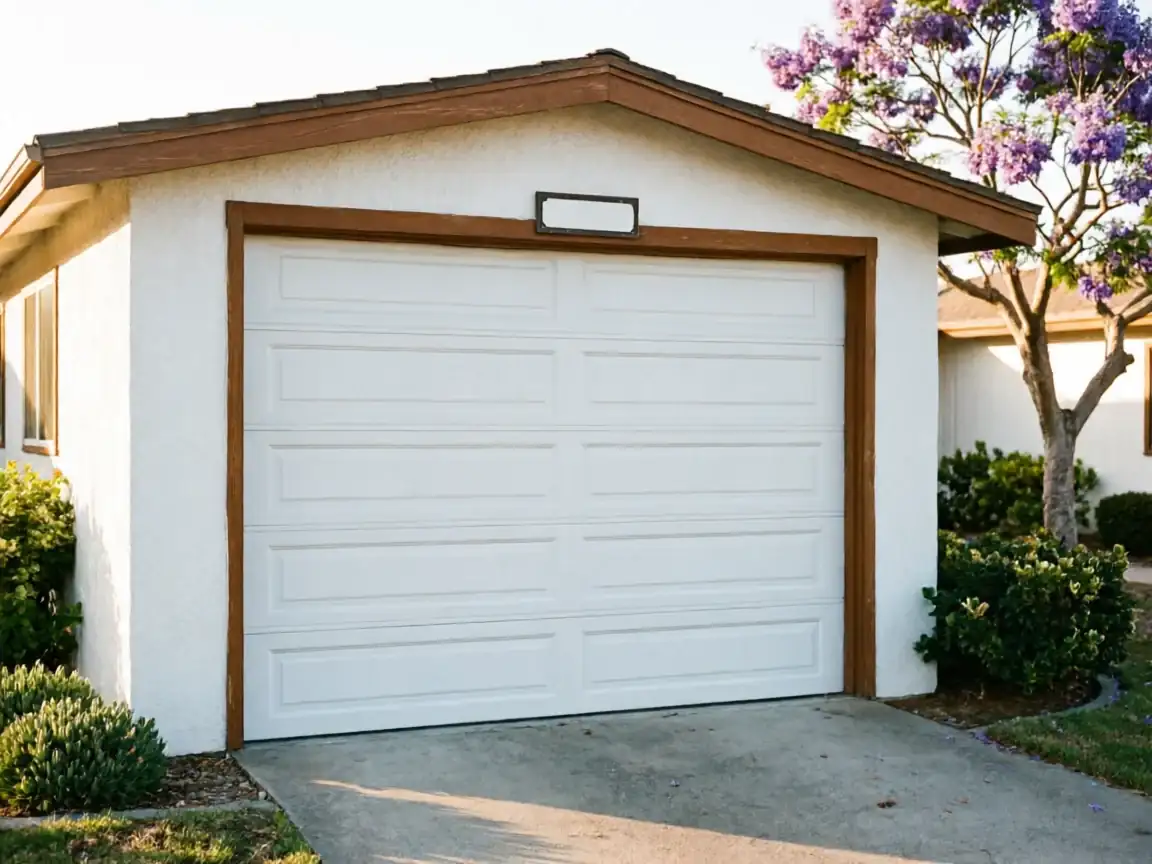
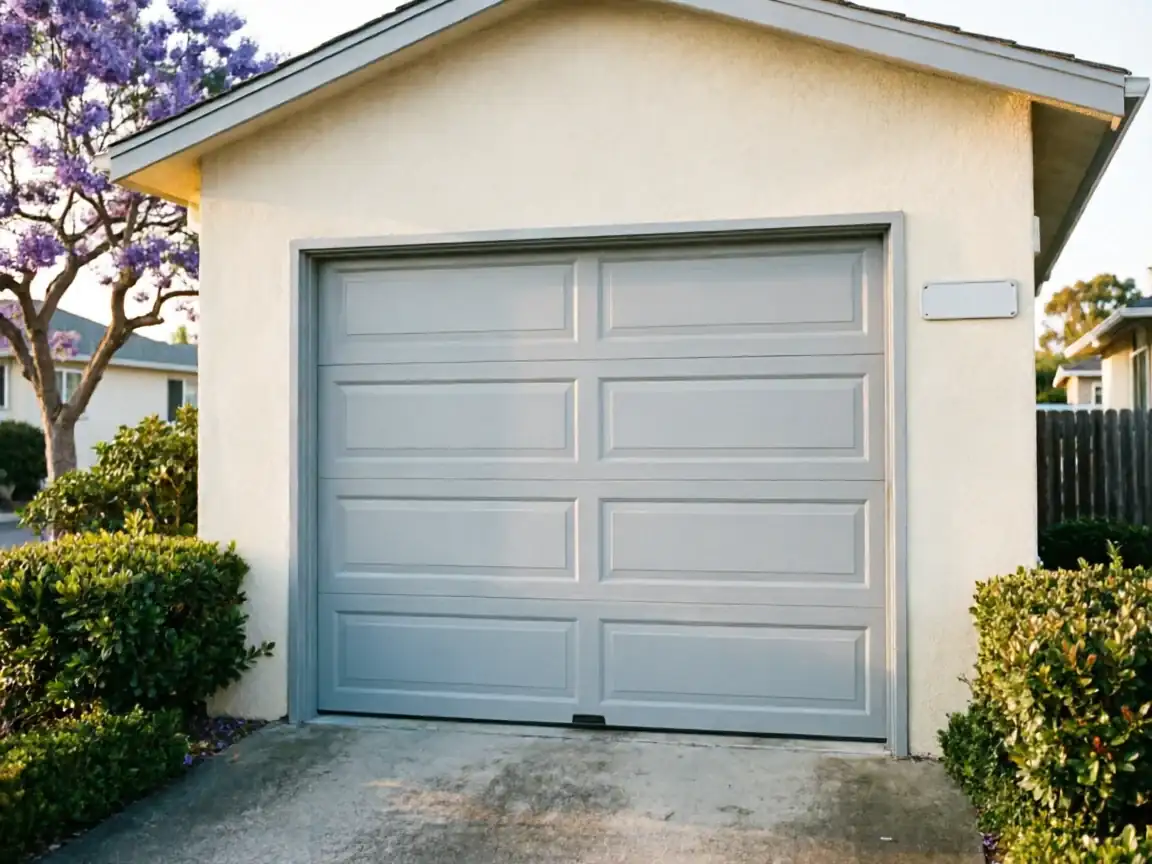
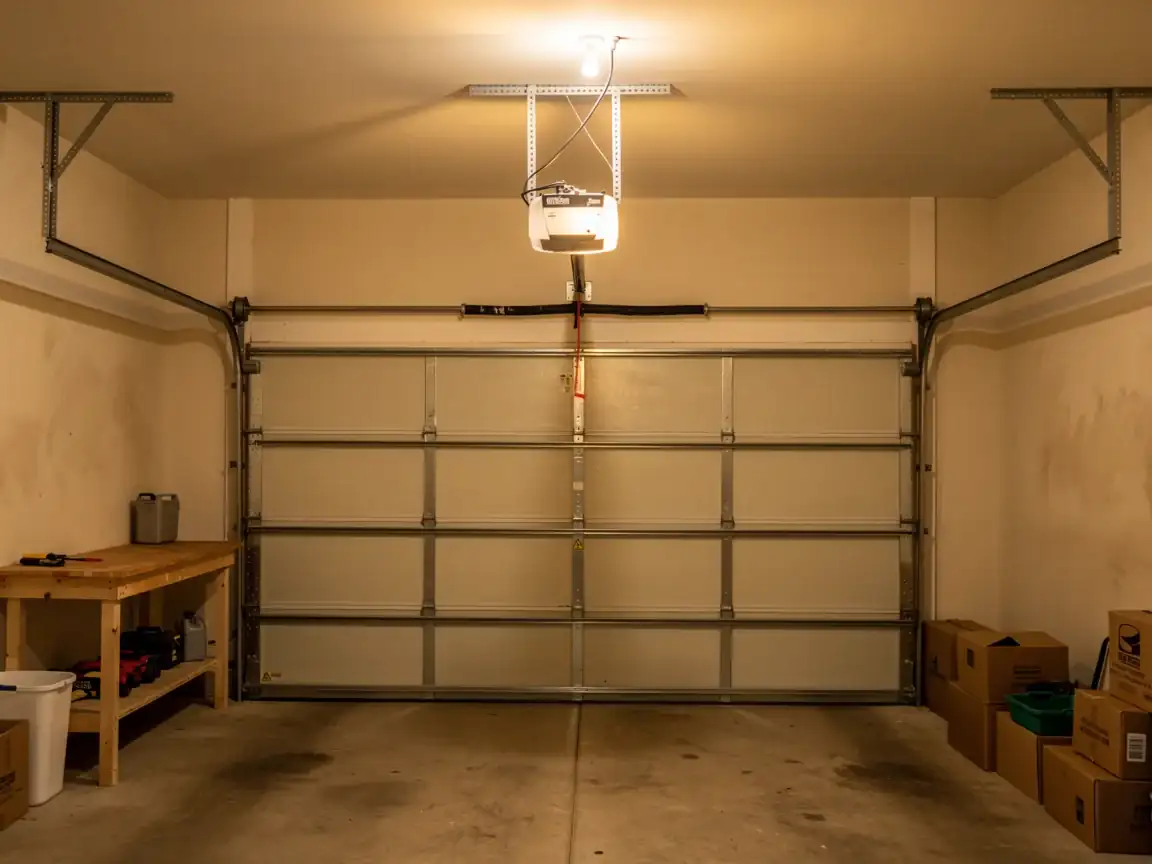
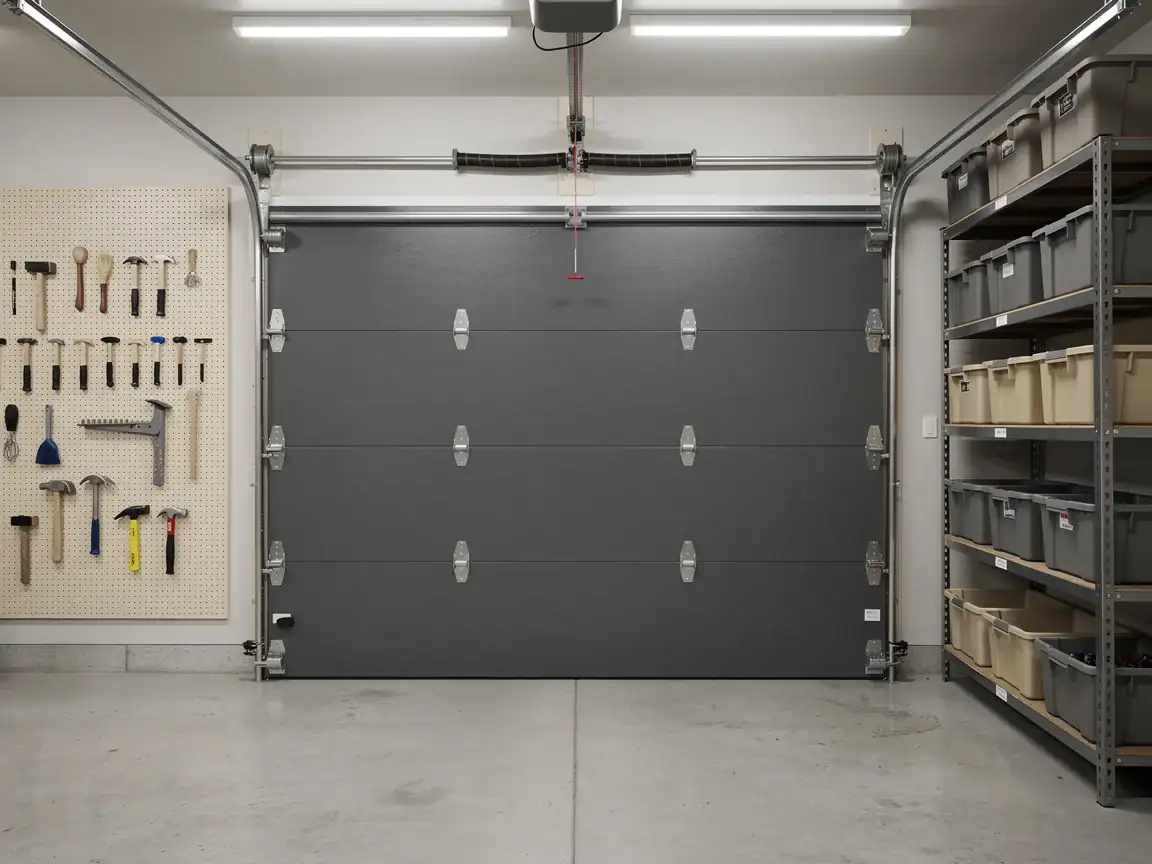
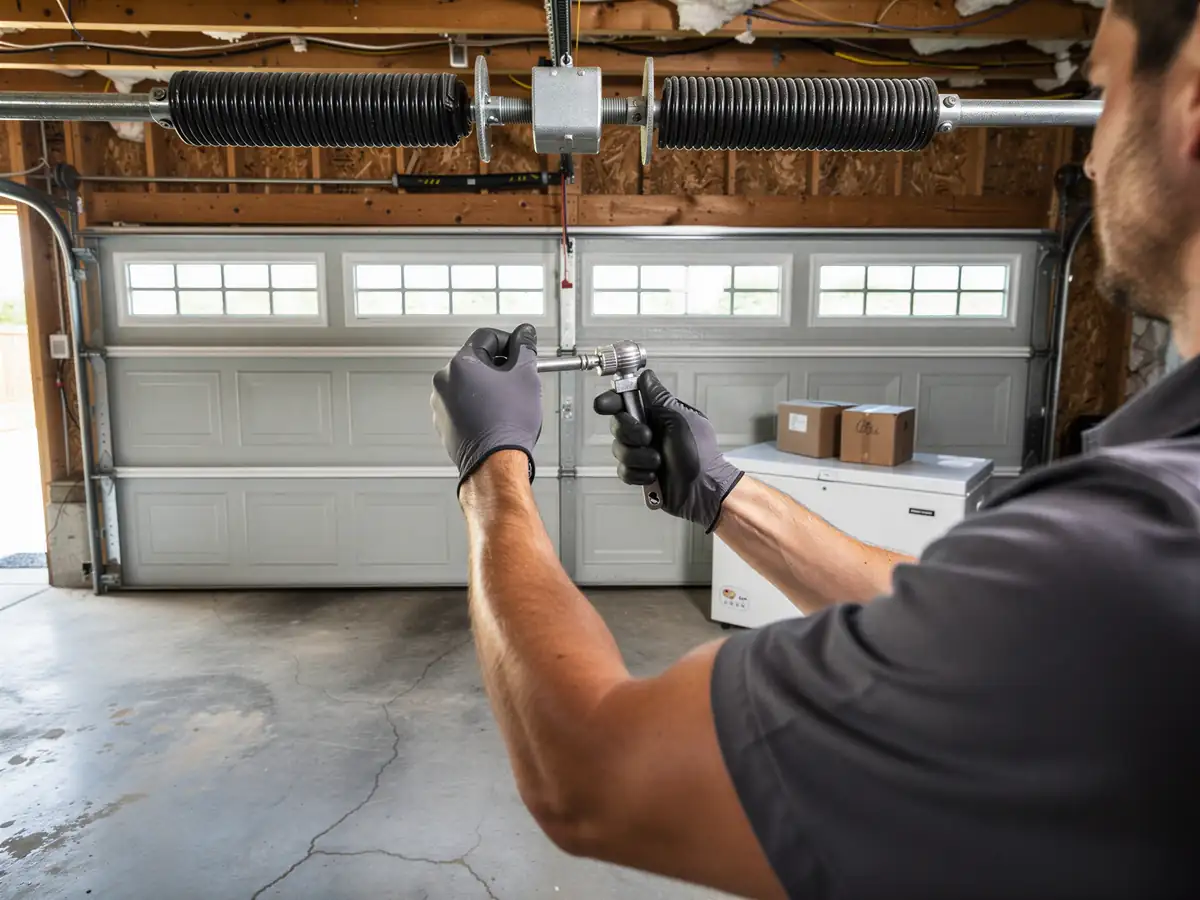
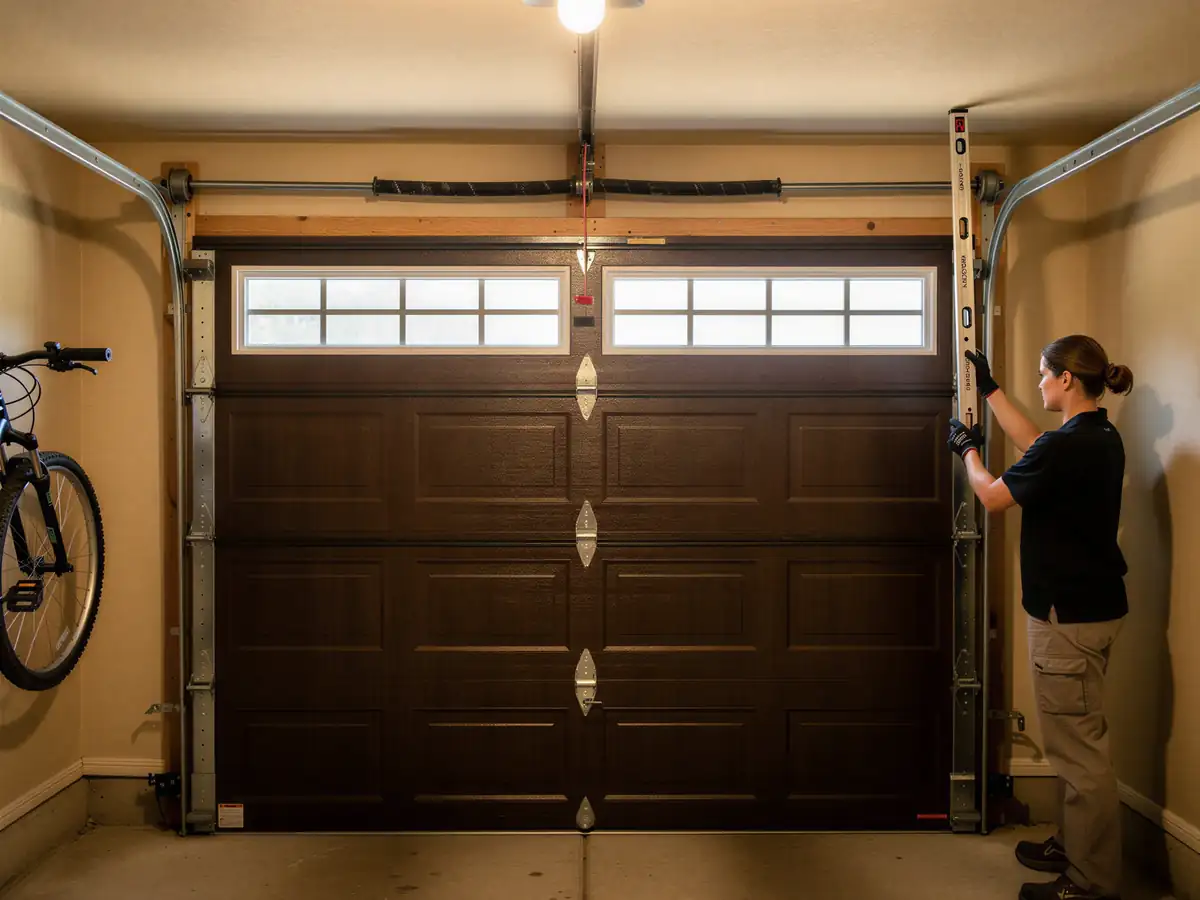
Houses from 1987 came standard with steel sectional doors on torsion spring systems
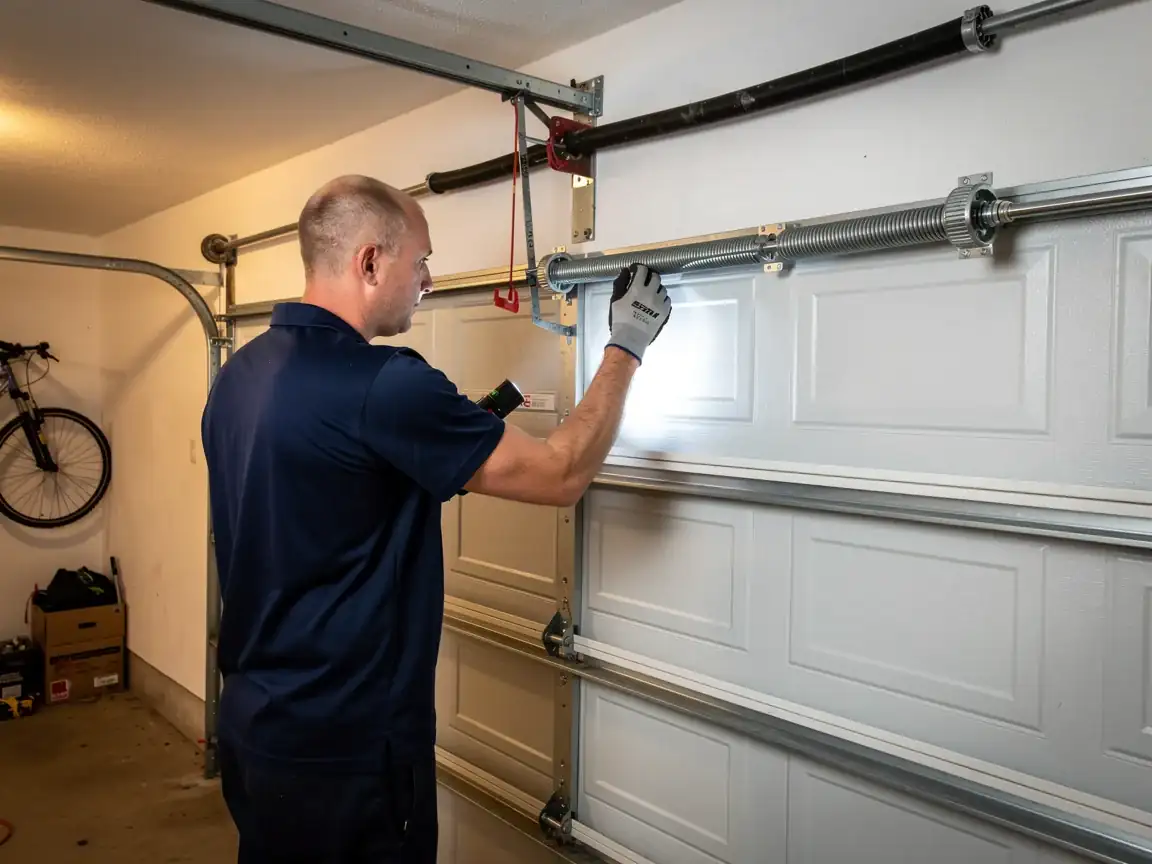
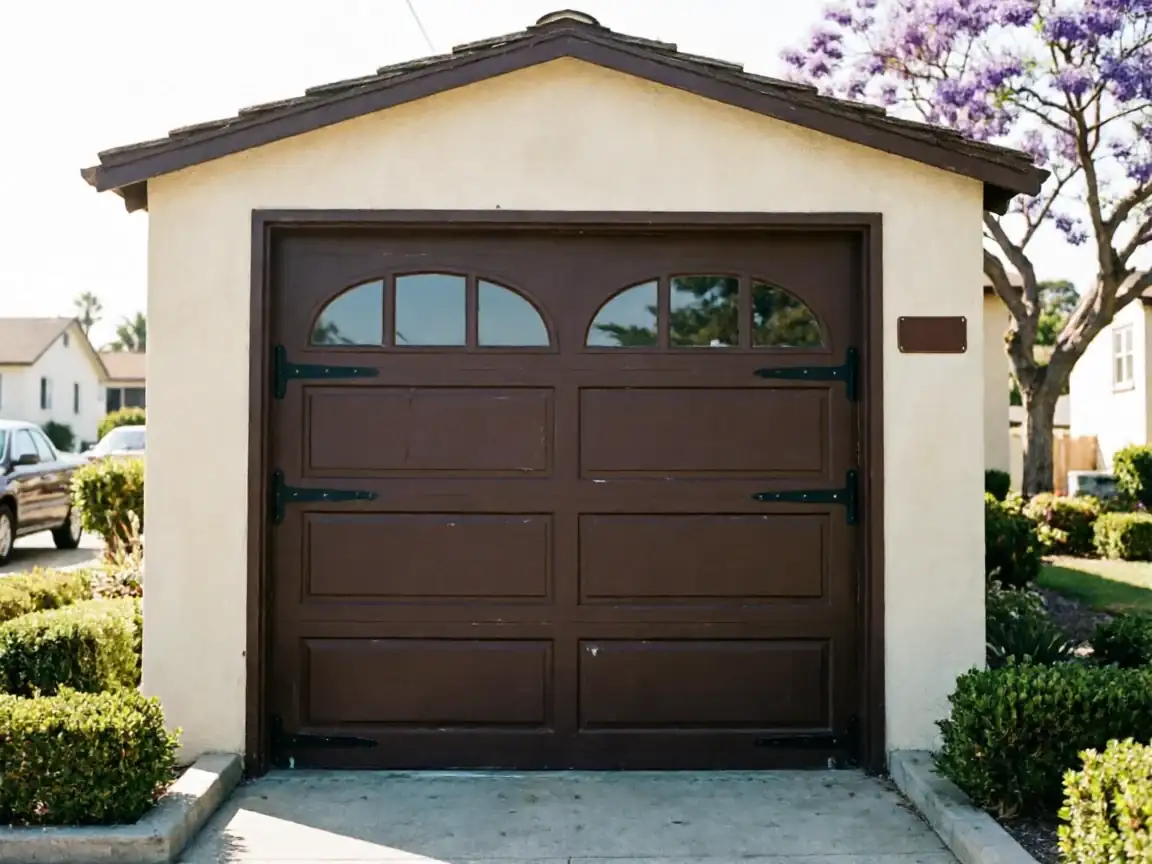
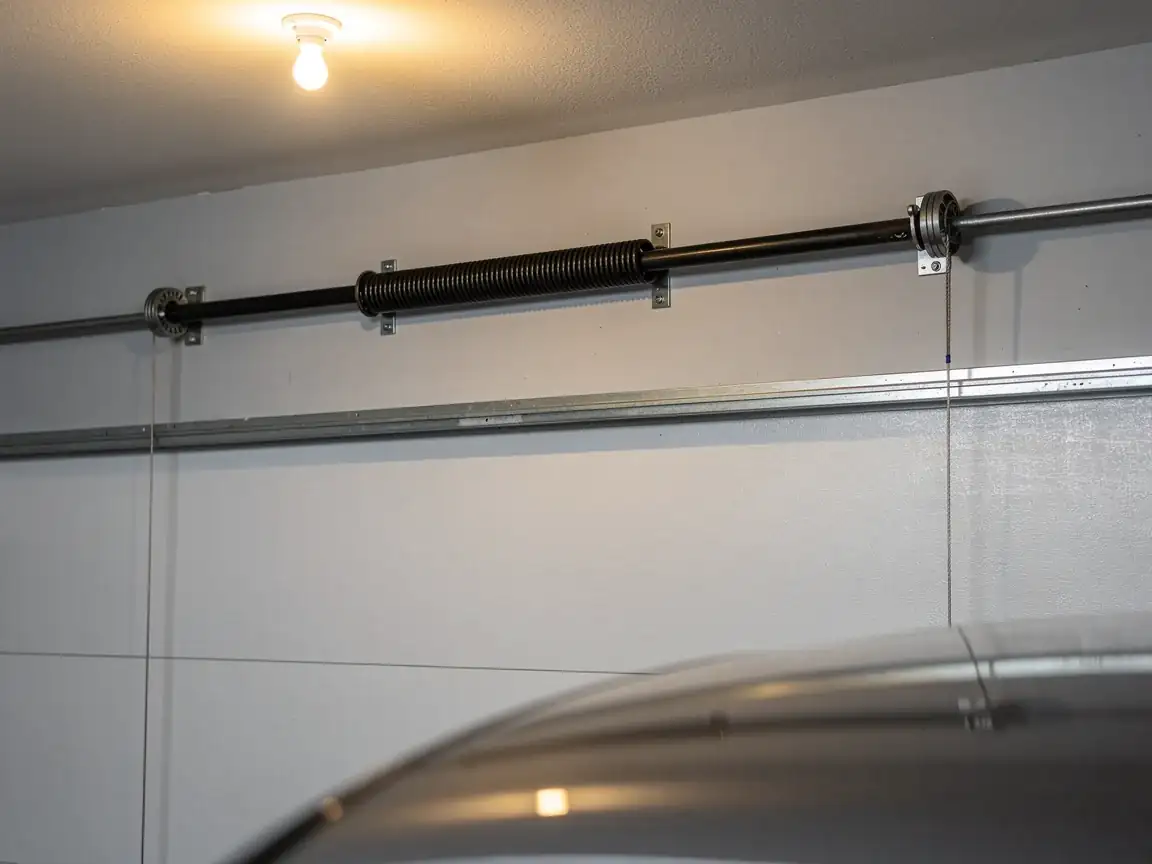
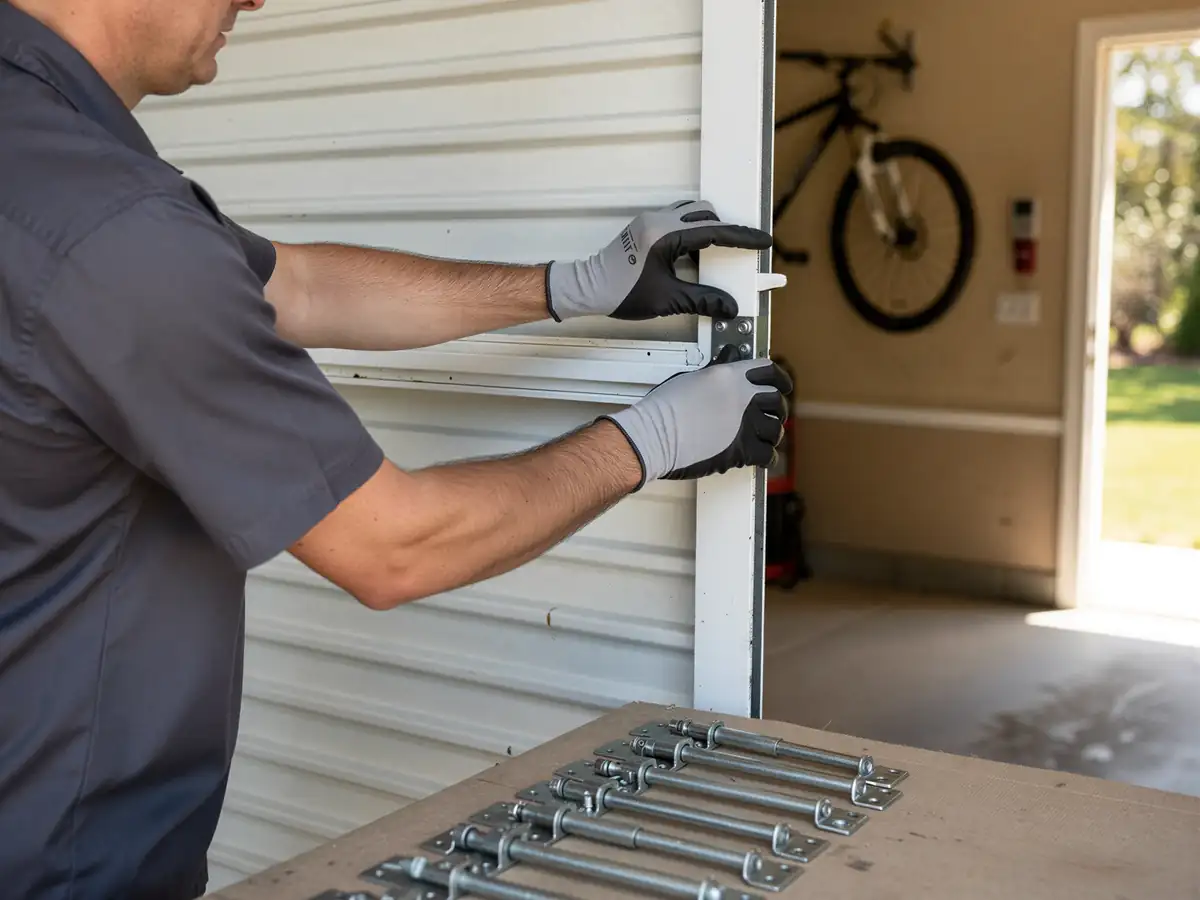
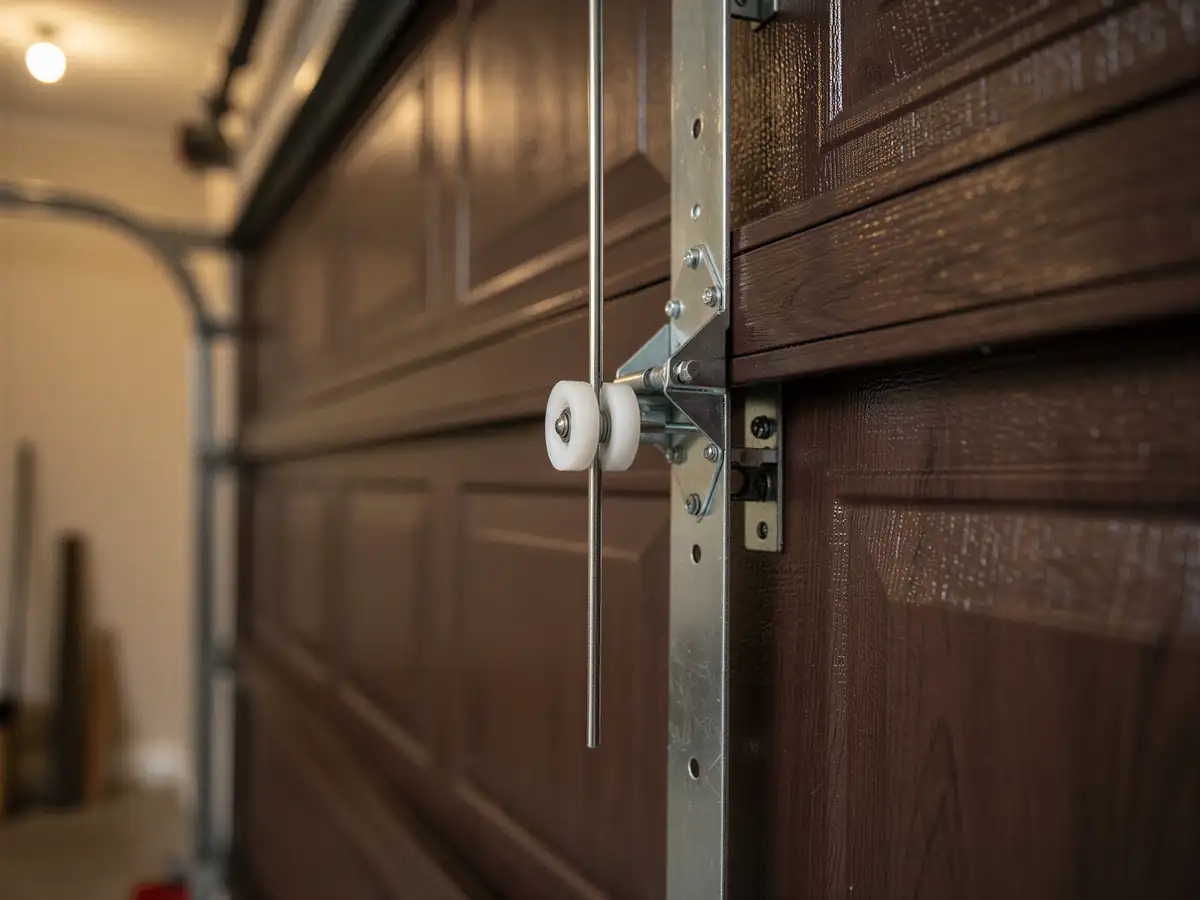
Not the wood panel doors and extension springs you still find on the older side of the service area. So the truck carries torsion springs in the sizes that fit late-80s steel doors, standard-wind drums, and the roller and cable hardware those doors actually use - not the extension-spring parts that fit older wood doors elsewhere.
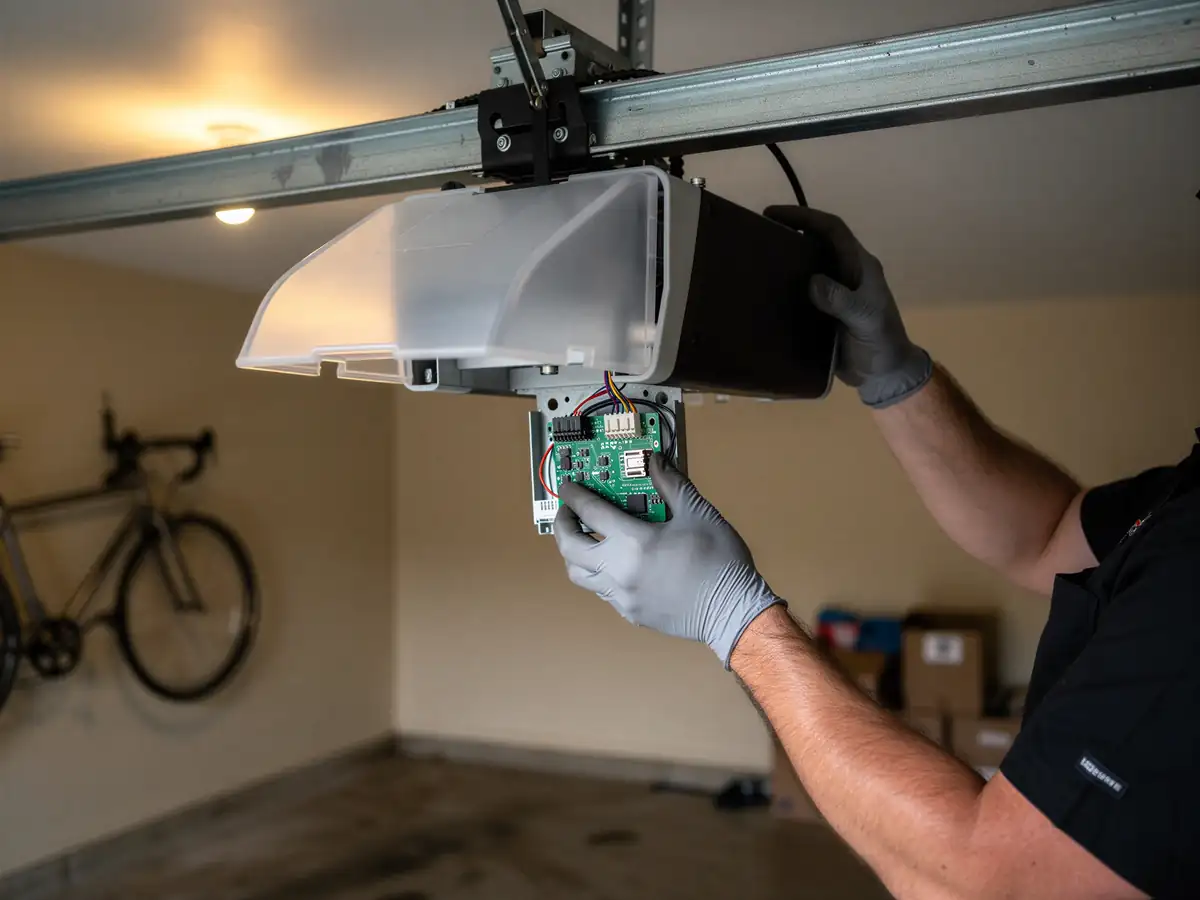
Openers from that era are often chain-drive units that have been swapped once or twice already
So we also carry universal logic boards, drive gears, and the sensor brackets that get knocked loose on steel doors more often than wood ones. If your door and opener have been replaced since 1987, the hardware generation changes again, and we check before we guess.
Where This Job Goes Sideways
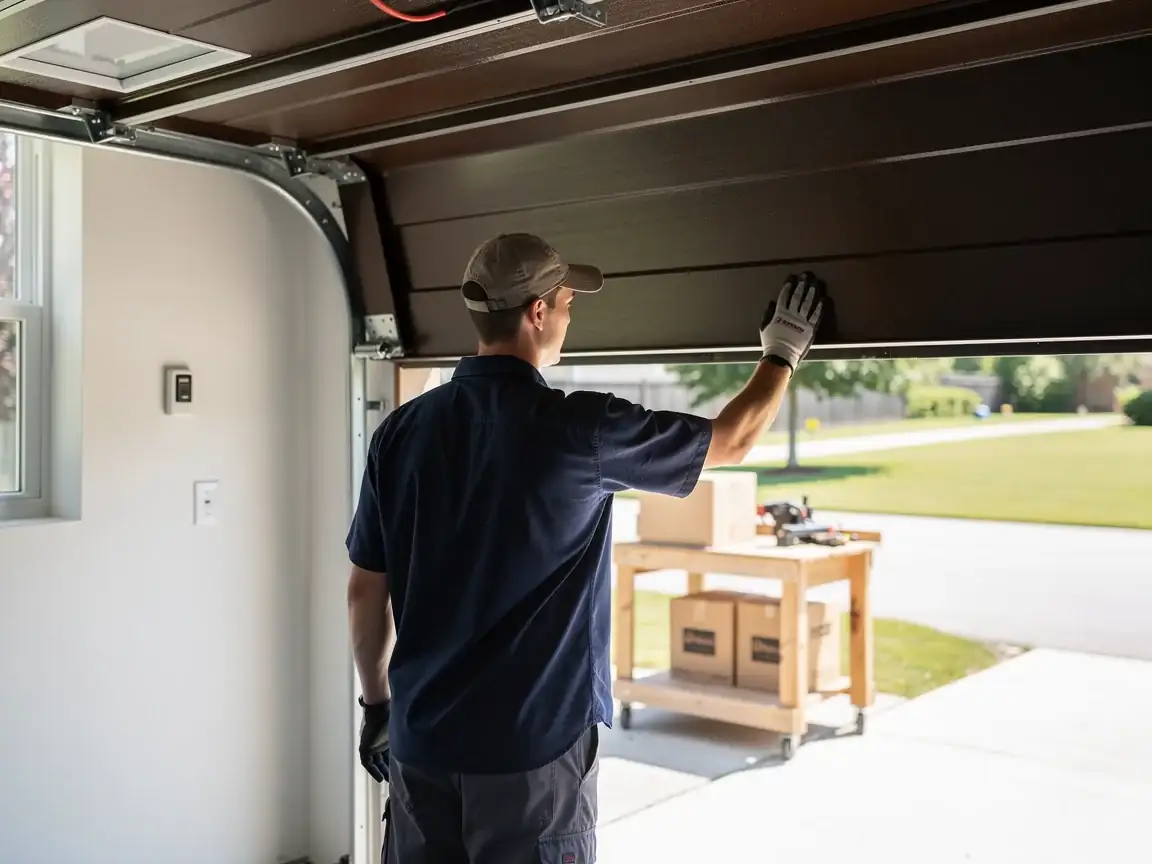
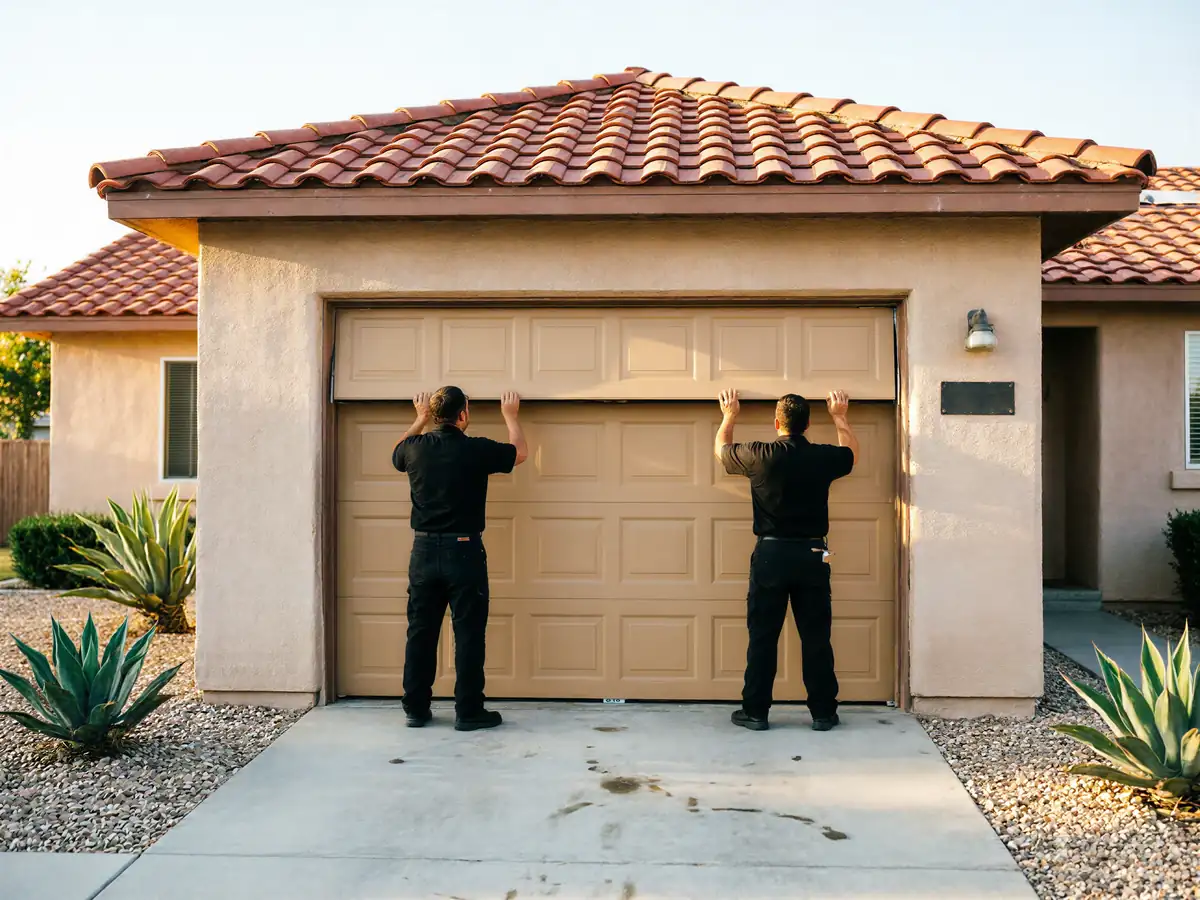
On a 1987-era steel sectional door, the complaint we hear most isn't a broken spring, it's a door that looks fine standing still but binds or jerks going up. Steel panels dent easier than the old wood doors did, and a dent near a hinge point throws the whole panel out of square on the track. People call it a track problem. Half the time it's the panel.
The other sideways turn is the opener sensor pair. Steel doors reflect garage light differently than wood ever did, and on these builds the safety sensors sit low enough that a shifted paint can or a parked bike knocks the beam out without anyone noticing until the door won't close. We check alignment before we touch the spring, because replacing a spring doesn't fix a sensor that's a quarter inch off.
We don't try to straighten a bent steel panel in place. Past a certain point the metal has a memory and it dents again in the same spot. That's a panel swap, not a repair, and we'll tell you which one you're looking at before we start.
What You Pay
We don't post a flat number here because a torsion spring job on a 1987 steel door and a full opener swap aren't the same bill, and neither is a sensor realignment that takes ten minutes. What we can tell you is what drives the number: whether the part is a stock torsion spring size or something custom-wound, whether the opener logic board is still made or needs a universal substitute, and whether it's one trip or two because a part has to be ordered in.
Milpitas households run a median income of $176,822, below the $214,149 median across the rest of the service area. We mention it because we price the job, not the zip code - a spring job costs the same whether it's in Milpitas or anywhere else we drive to. What changes the bill is the door in front of us, not the street it's on.
We'll give you the number before we start work, not after. If a repair is going to cost close to what a new door runs, we say so rather than patch something that's going to fail again in a year.
How to Book
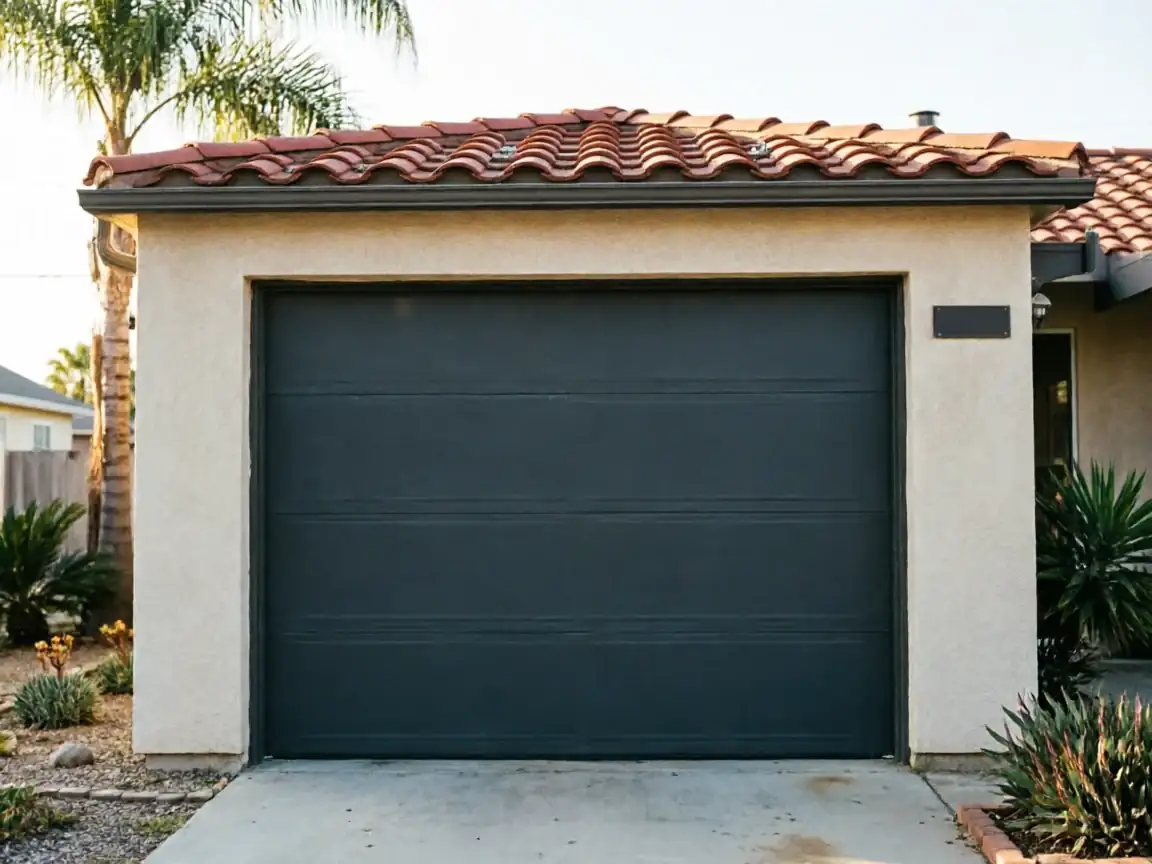
We work out of Santa Clara and drive the 6 miles into Milpitas for calls
There's no branch office here, so when you call, you're booking a truck that's coming from Santa Clara, not a local crew standing by - worth knowing if you're expecting a same-hour knock on the door.
- 6 miles
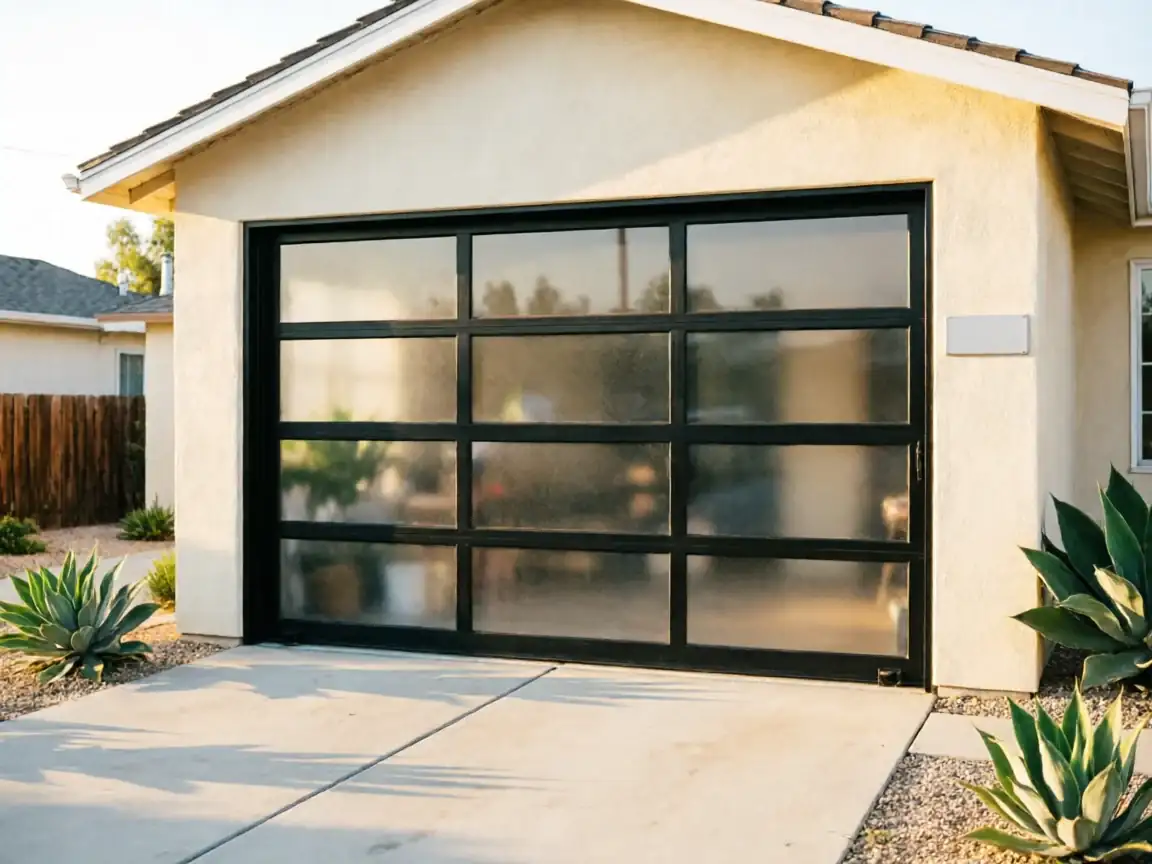
Tell us the door type if you know it (sectional steel is the common one on 1987-era Milpitas builds), whether the opener still runs, and what it's doing
Grinding, refusing to close, hanging crooked. That gets the right parts on the truck the first trip instead of a second visit for a part we didn't know we needed.
See what else we cover near Milpitas
Or check the main Santa Clara page for the full list of repair work we handle.
What You Are Seeing
On the steel sectional doors common to Milpitas's 1987-era housing, a few patterns show up more than others. A door that reverses right after it starts closing is almost always the sensor pair, not the opener itself - check for anything blocking the beam near the floor before you call anyone out. A door that's loud but still moves is usually rollers worn out on a track that's otherwise fine, a cheap fix if caught early.
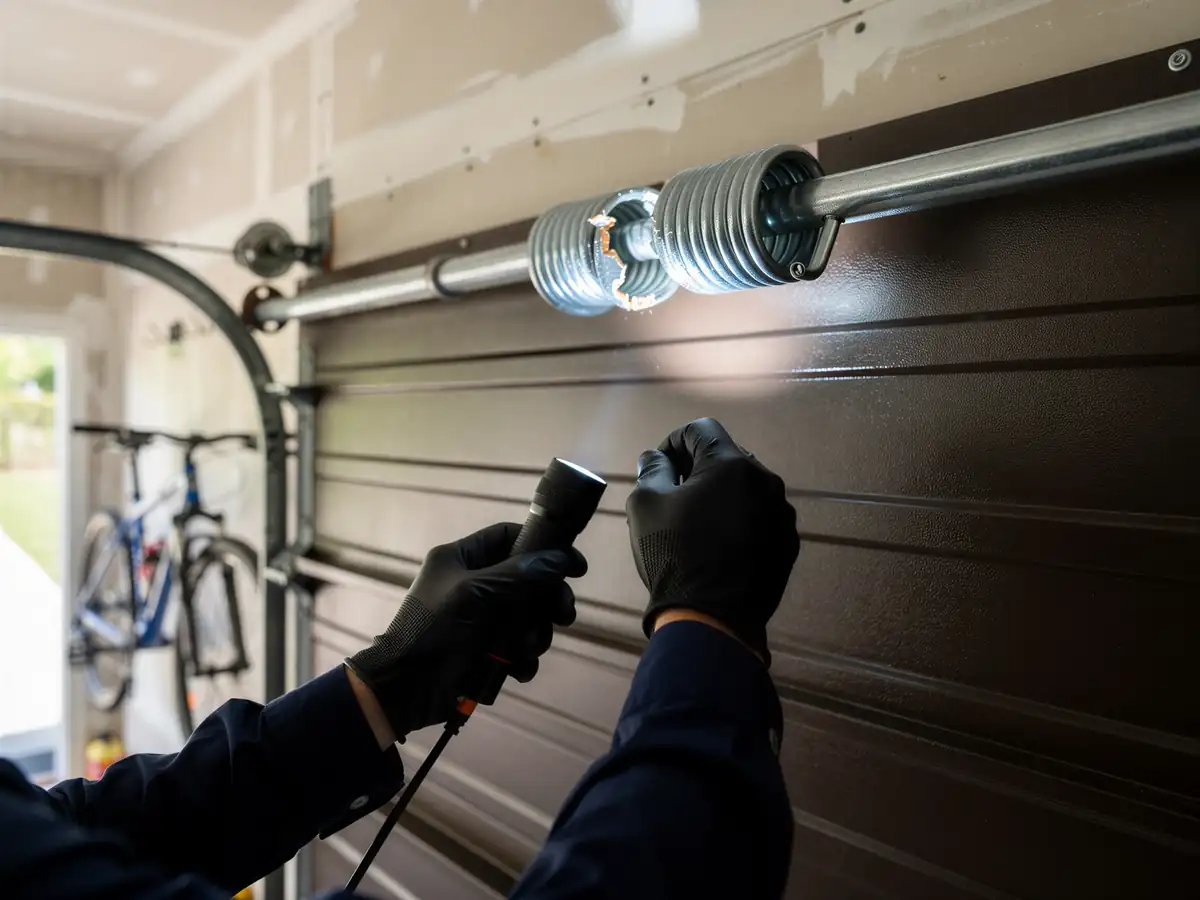
A door that won't budge at all, with the opener motor straining or humming, points to a broken torsion spring - steel doors are heavy, and the spring carries nearly all that weight. Don't try to lift it manually to check; a dead spring makes the door come down fast and uncontrolled.
A door that closes crooked, with one side touching the ground before the other, is often a bent track or a dented panel edge throwing off the roller path. That one needs eyes on it in person - we can't tell you over the phone whether it's a ten-minute track adjustment or a panel replacement.
Can You Do This Yourself
Rollers, lubrication, tightening loose bolts on the track brackets - fine to do yourself, and it's cheap maintenance that extends the life of a steel door. Sensor alignment is also something most owners can handle: loosen the bracket, line up the lenses, retighten.
The torsion spring is where we draw the line, and we'll say it plainly: don't open that spring yourself. A door built in 1987 on steel panels is heavier than the wood doors from decades earlier, which means more stored tension in that spring, and a spring under tension that slips off a winding bar can take a finger or worse. This isn't a brand-loyalty warning, it's a physical one - the spring doesn't care how careful you are if the tool slips.
Same goes for opener logic board swaps if your unit still runs a dated system - matching the wrong board to an old motor can fry both. If you're not sure which side of that line a job falls on, call before you start, not after.