Stocked Parts
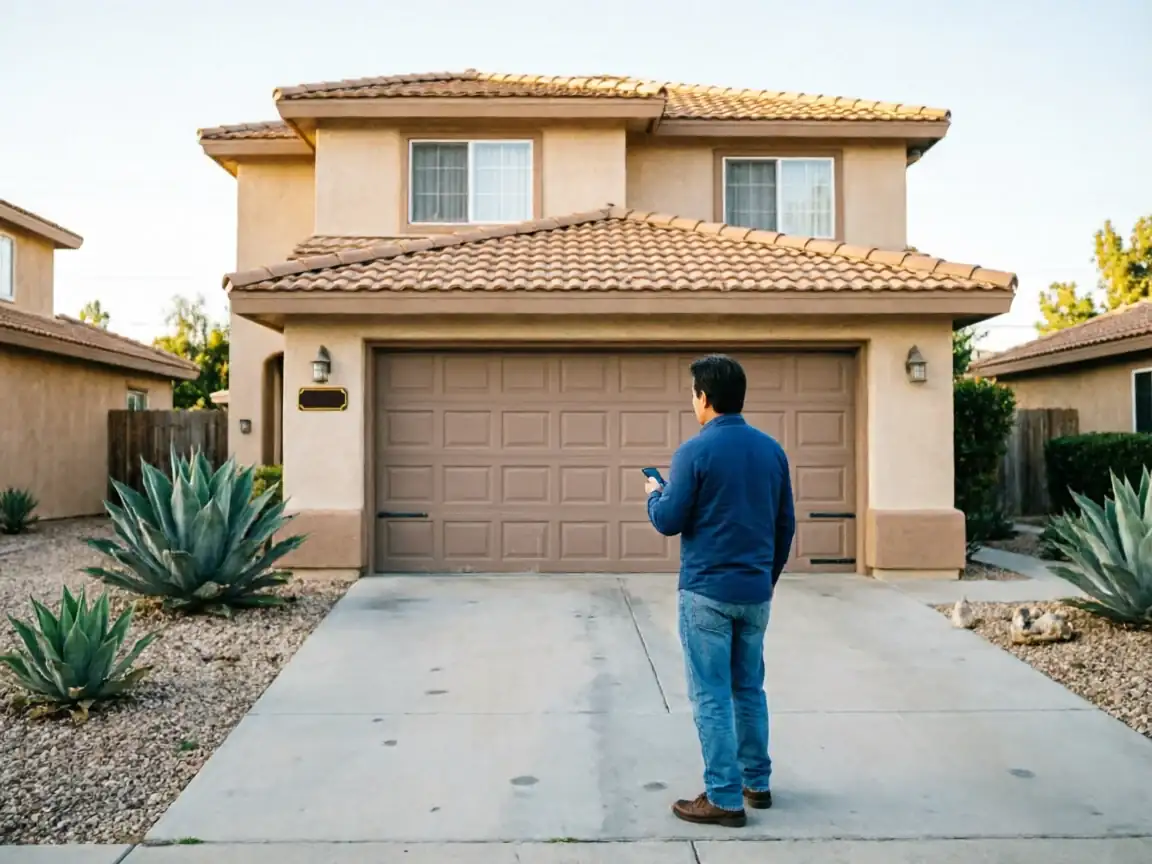
Milpitas's housing stock centers on 1987
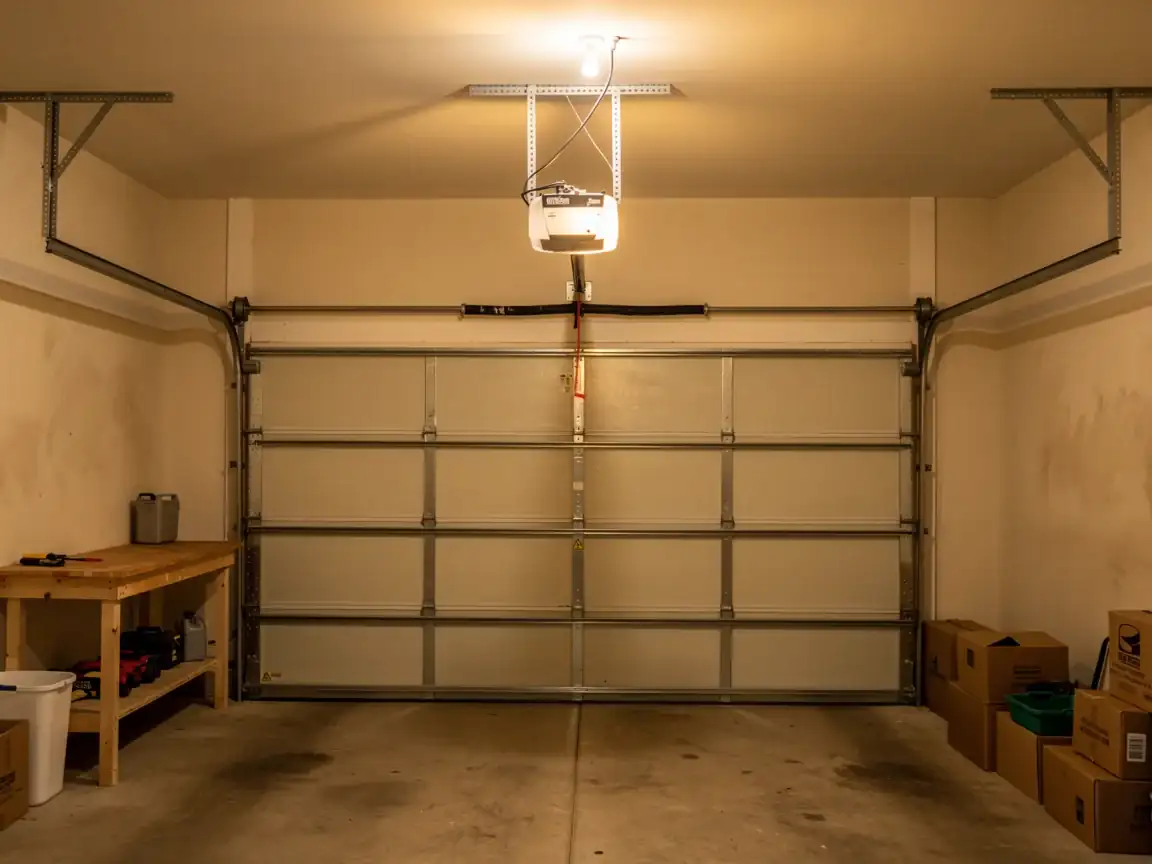
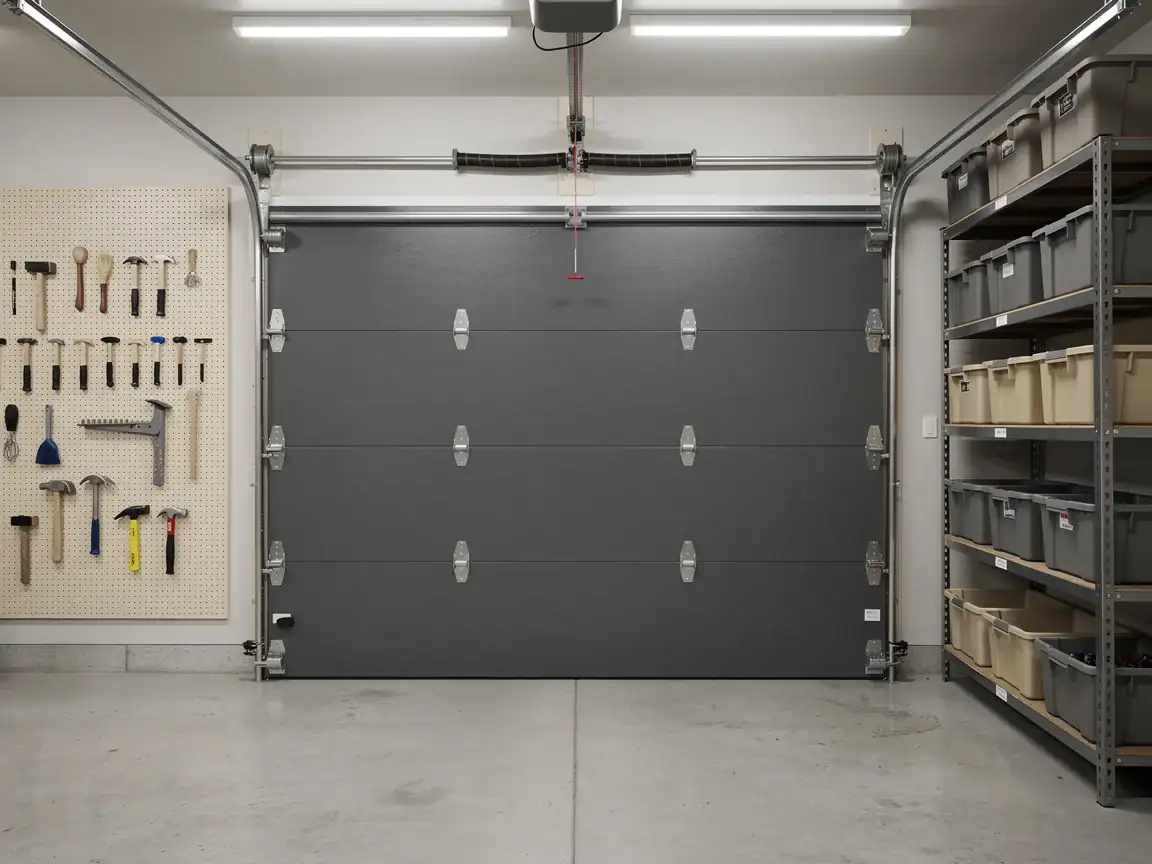
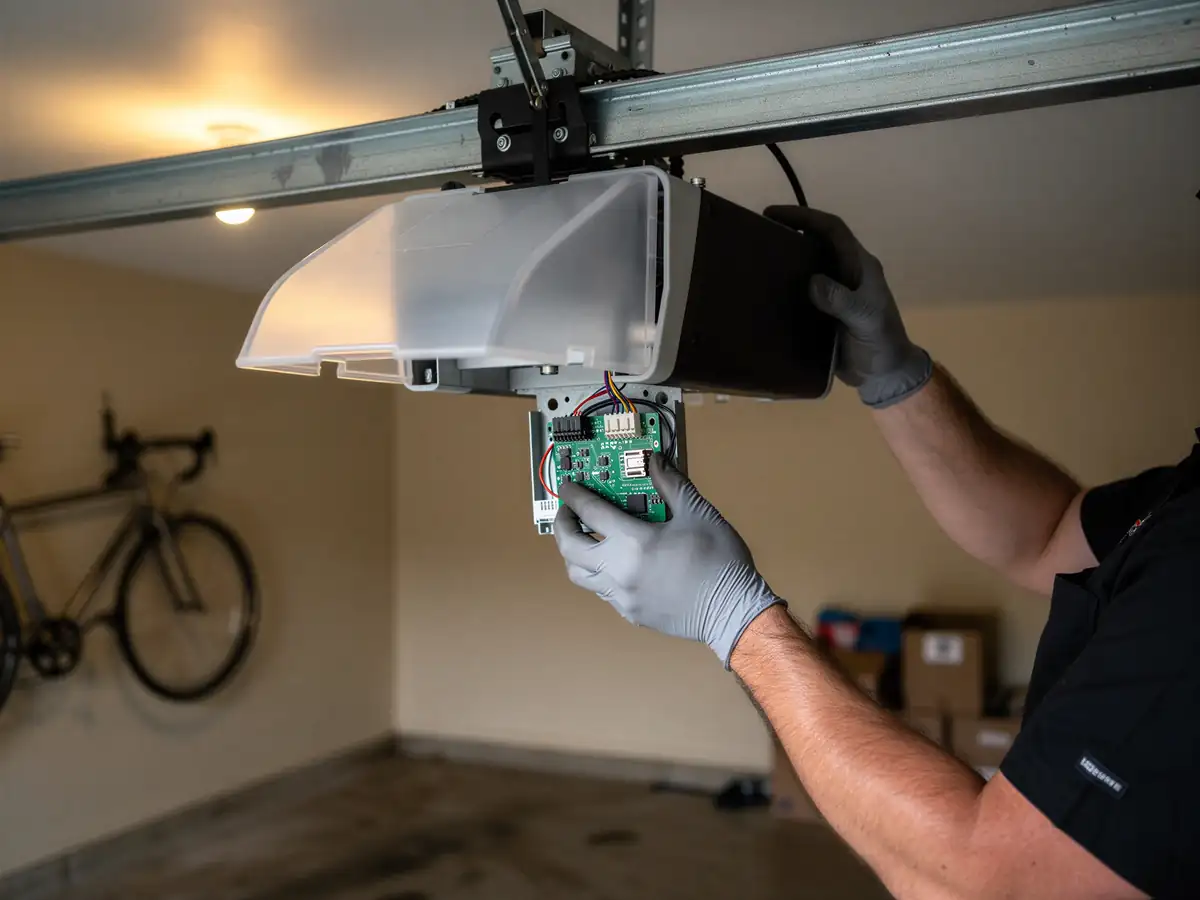
Which puts it well past the mostly-1960s build pattern you see closer to Santa Clara. By the late 80s, a garage without an automatic opener was the exception, not the rule, so most of these houses got a chain-drive unit installed at construction. That means the opener itself is usually original or a first replacement, and it's now pushing or past 35 years old. We carry chain and belt drive sprockets, drive gears, logic boards, and the wall control stations that fit that generation of opener. What we don't stock are parts for the rare screw-drive units some builders used in this era - those can take longer to source, and we'll tell you that up front rather than promise a same-visit fix we can't deliver.
- 35 years
We also carry the photo-eye sensor brackets and wiring that get knocked loose or corroded over time
Since a dead safety sensor is one of the most common calls we get from this stretch of houses. If your opener logic board is failing rather than a simple sensor or gear issue, we'll say so before we start pulling anything apart.
Where This Job Goes Sideways
A chain-drive opener installed in 1987 was built to last maybe 15 to 20 years under normal use. A lot of these units have already been replaced once, which means what's on your ceiling now could be a mid-2000s model, a newer belt-drive retrofit, or still the original - and each has different failure points. The mild temperate climate here doesn't stress these units the way heat or heavy humidity would, so when one fails, it's almost always wear, not weather: a stripped gear, a worn chain, or a logic board that's simply aged out.
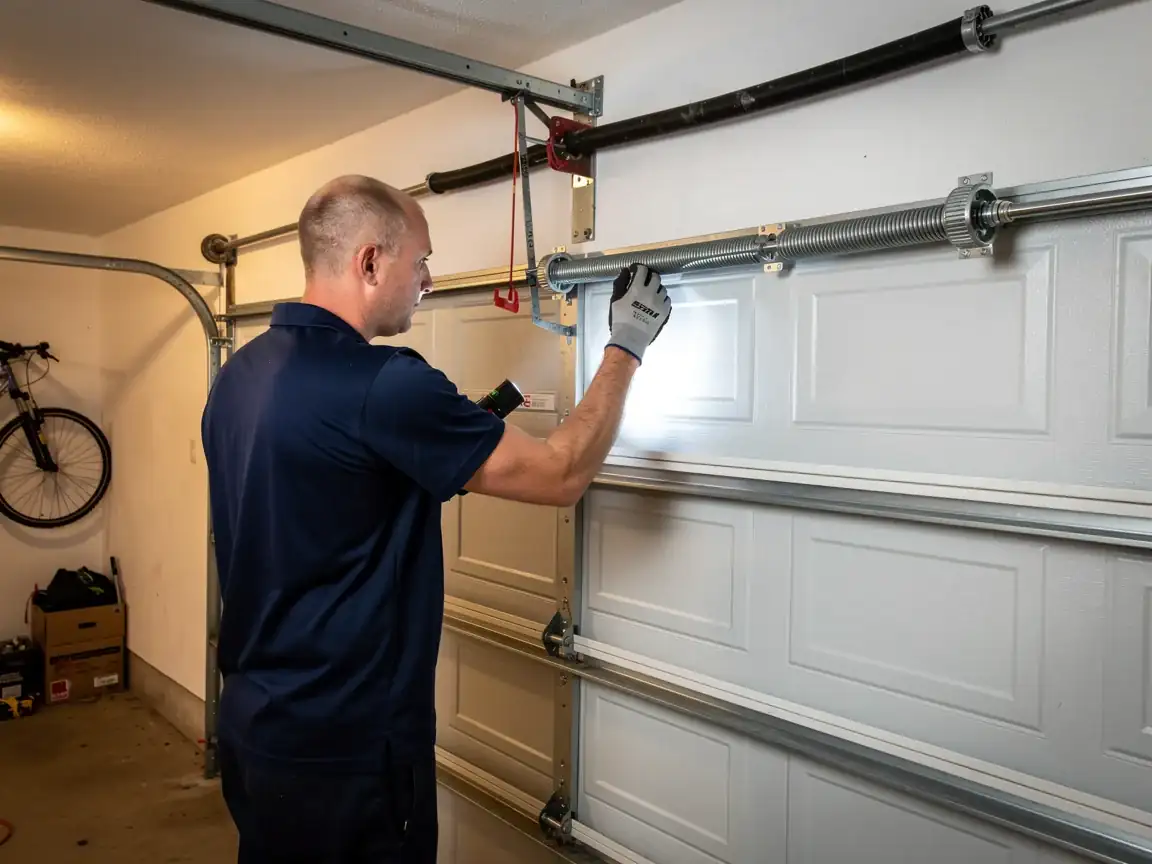
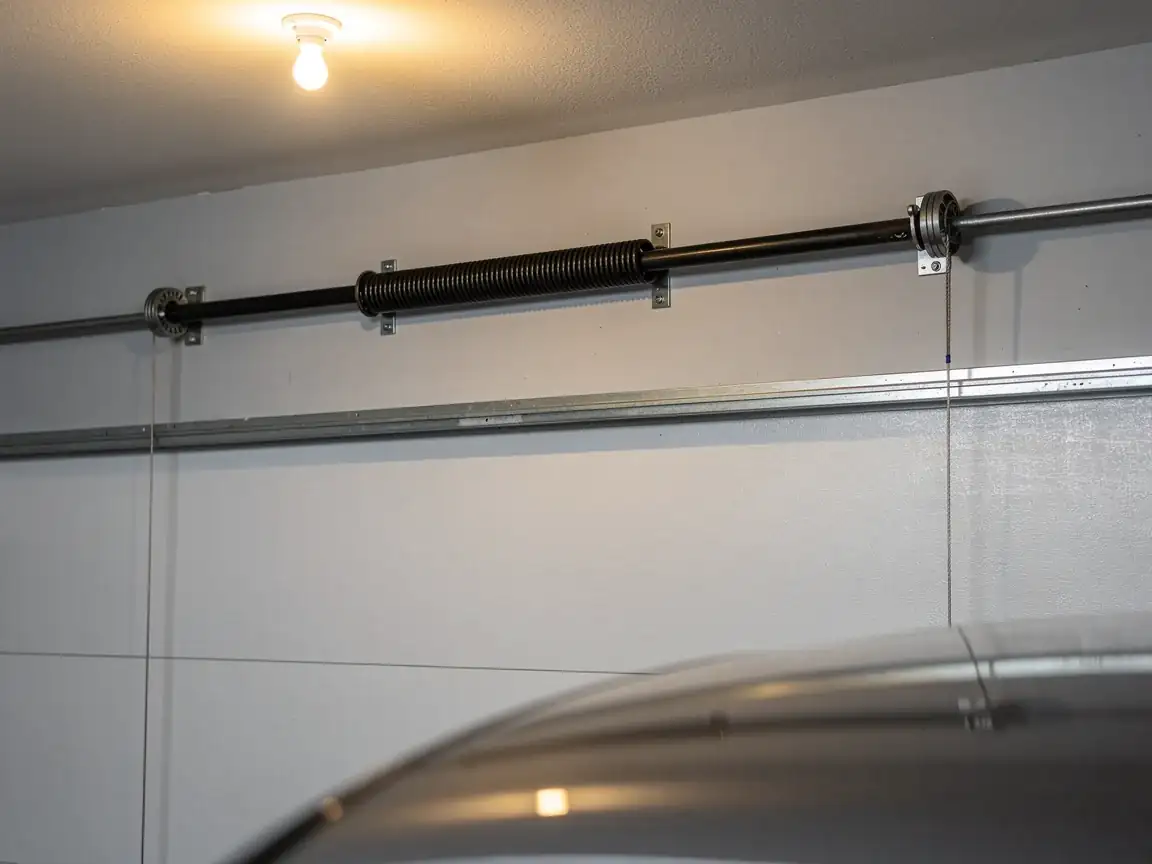
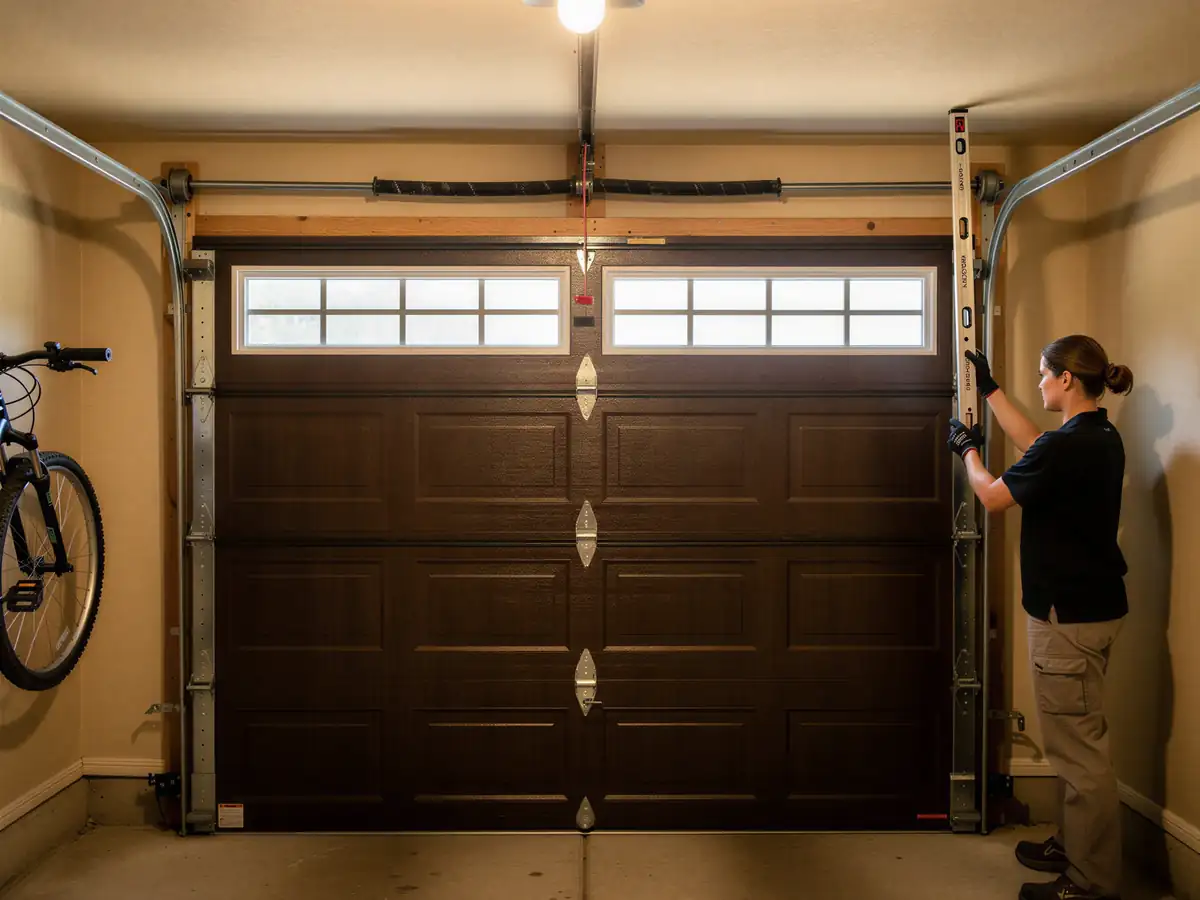
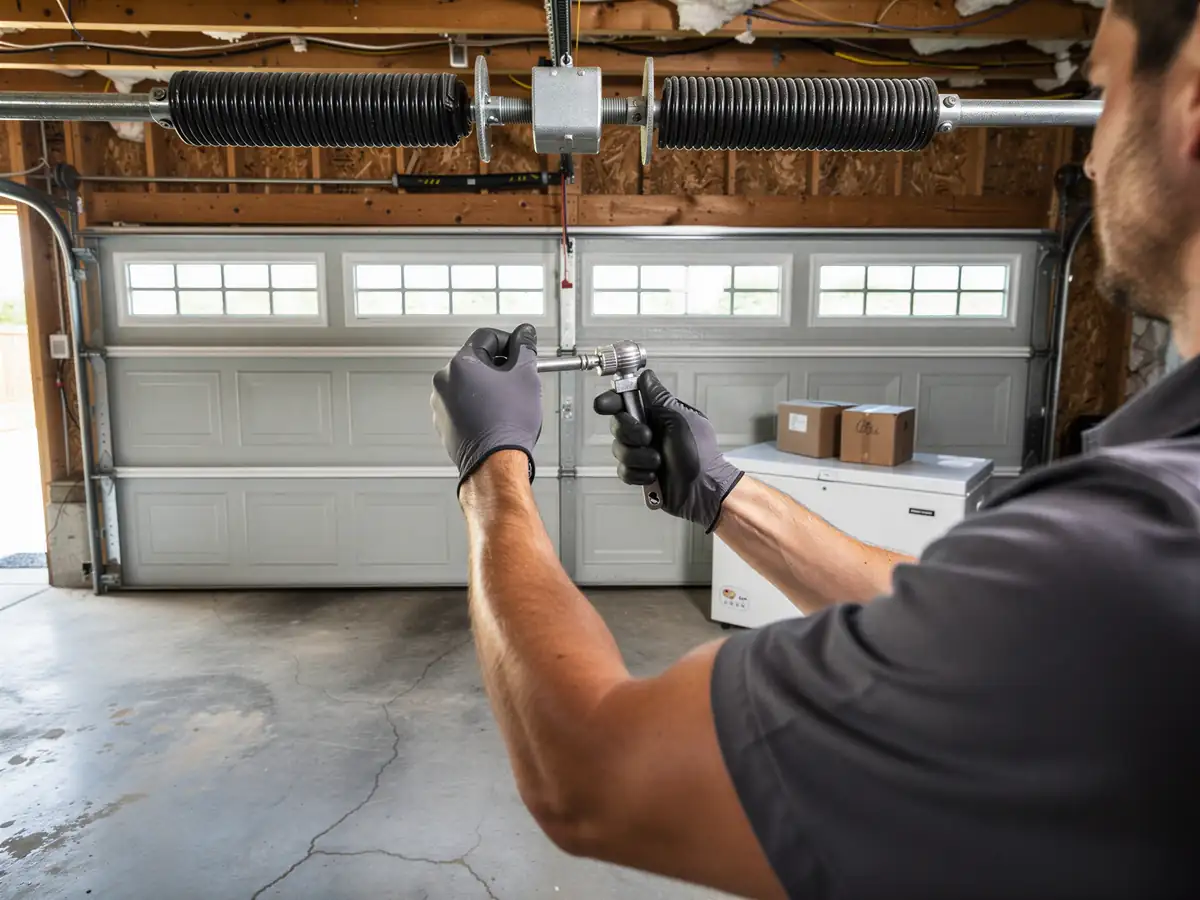
Where it goes sideways is when a homeowner assumes the opener is the problem and it's actually the door. A heavy, out-of-balance door will burn out an opener motor prematurely no matter how new the opener is. We check the door's spring tension and balance before we touch the opener itself, because replacing a motor on a door that's fighting it just buys you another failure in a year.
What You Pay
We don't have a flat number to quote in this space, and we're not going to make one up. What we can tell you is that the job scope depends heavily on whether your opener is an original 1987-era chain-drive or a newer belt-drive retrofit - parts availability and labor time differ between them. A straightforward gear or sensor repair on a common chain-drive unit costs less than a full opener swap, and we'll give you both options with real numbers once we've looked at the unit. If the motor or logic board has failed on a unit old enough to be original to the house, replacement is usually the better call than chasing parts for a decades-old model.
What You Are Seeing
If your opener hums but the door doesn't move, that's usually a stripped gear - common on chain-drive units from this era once they hit 30-plus years. If the remote works intermittently or only from inside the garage, check the antenna wire on the motor unit before assuming the whole thing is dying; it's a cheap fix we see often on older installs. A door that reverses partway up or down almost always points to the photo-eye sensors, not the motor - dirty lenses, misaligned brackets, or a cut wire from a parked bike or stored item. Clicking with no motor response is frequently a worn drive gear needing replacement, not a sign you need a whole new unit. None of these issues are unique to Milpitas weather - the mild climate here isn't putting unusual stress on openers - this is just what happens to hardware that's been running since 1987.
Can You Do This Yourself
Reprogramming a remote or replacing a photo-eye sensor bracket are reasonable DIY jobs if you're comfortable on a ladder and the opener is unplugged first. Swapping a drive gear or chain is more involved - it usually means removing the motor housing, and on an opener this old, you risk cracking brittle plastic housings that were never designed to be opened twice. We don't recommend DIY work on the logic board or motor windings; those require testing equipment most homeowners don't have, and a wrong diagnosis there can mean buying a part you didn't need. If your opener is original to a 1987 build and showing more than one symptom at once, that's usually the point where repair cost starts to approach replacement cost, and it's worth a second opinion before you order parts.