Stocked Parts
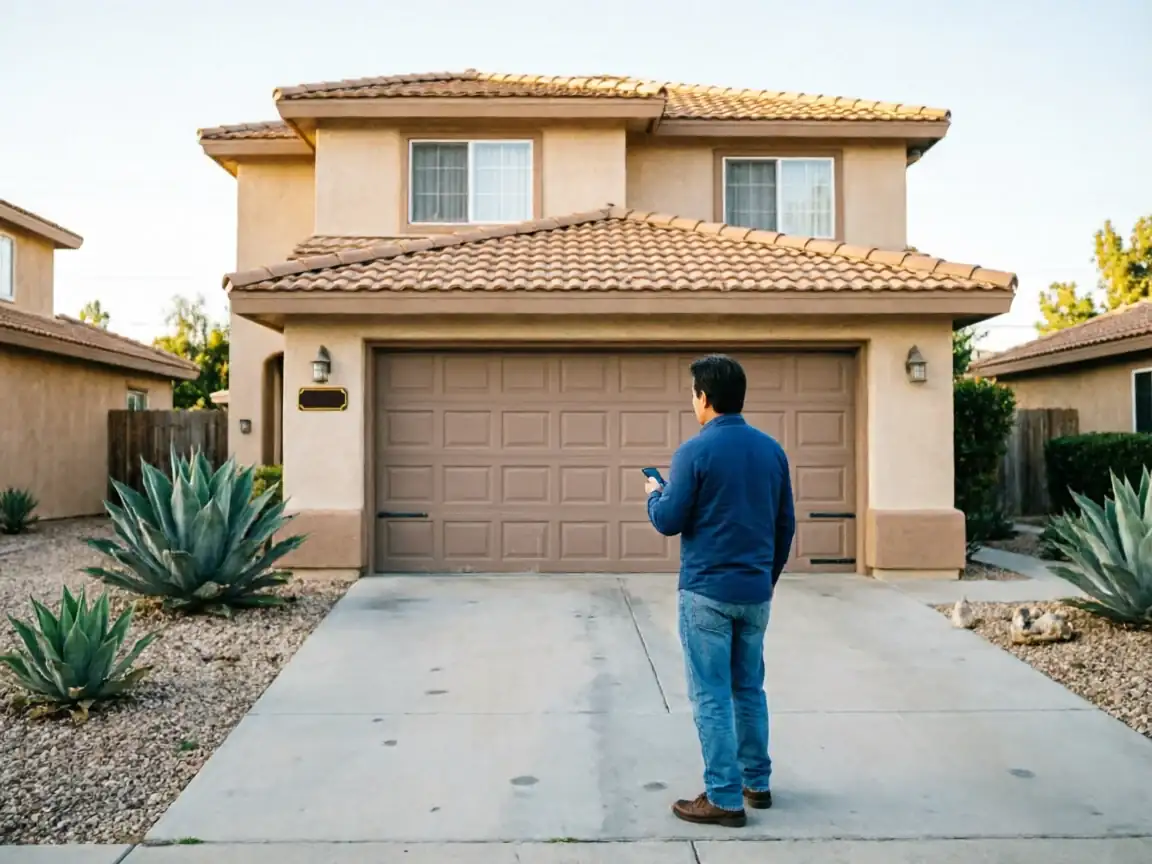
Milpitas's housing stock centers on 1987
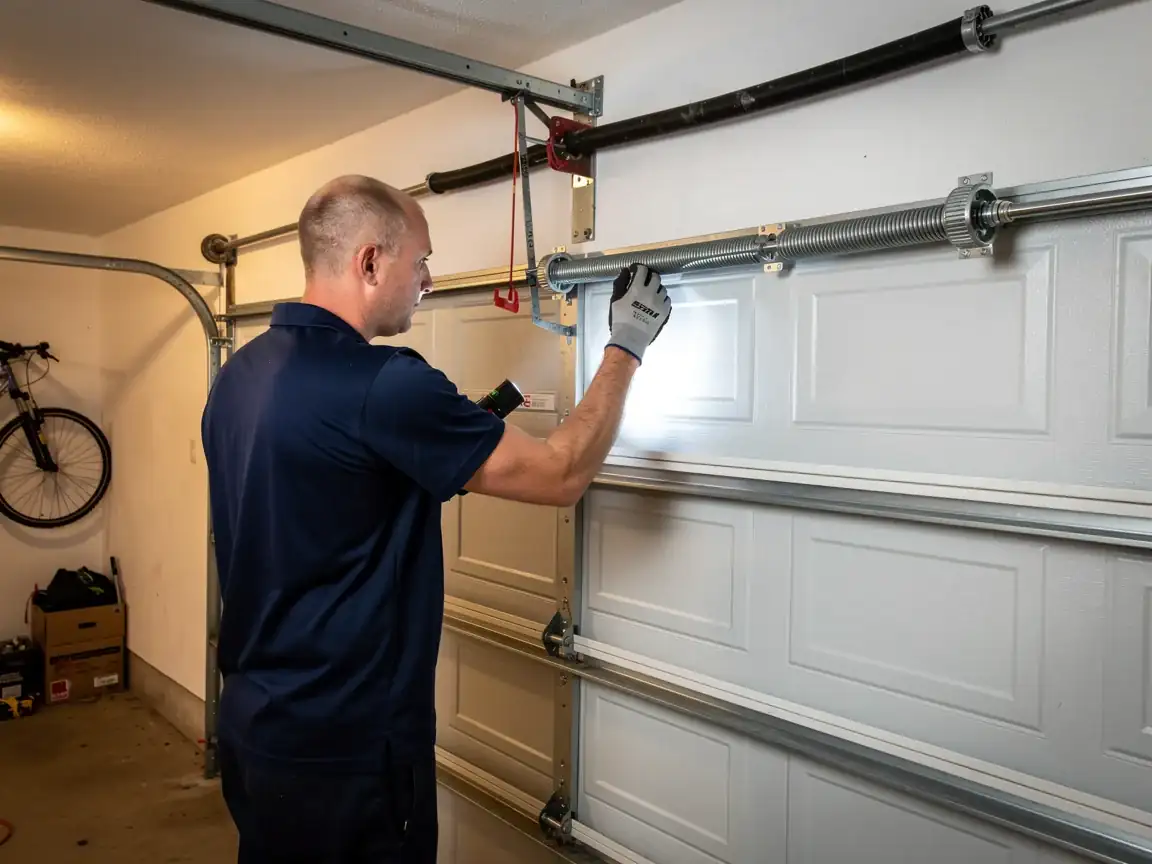
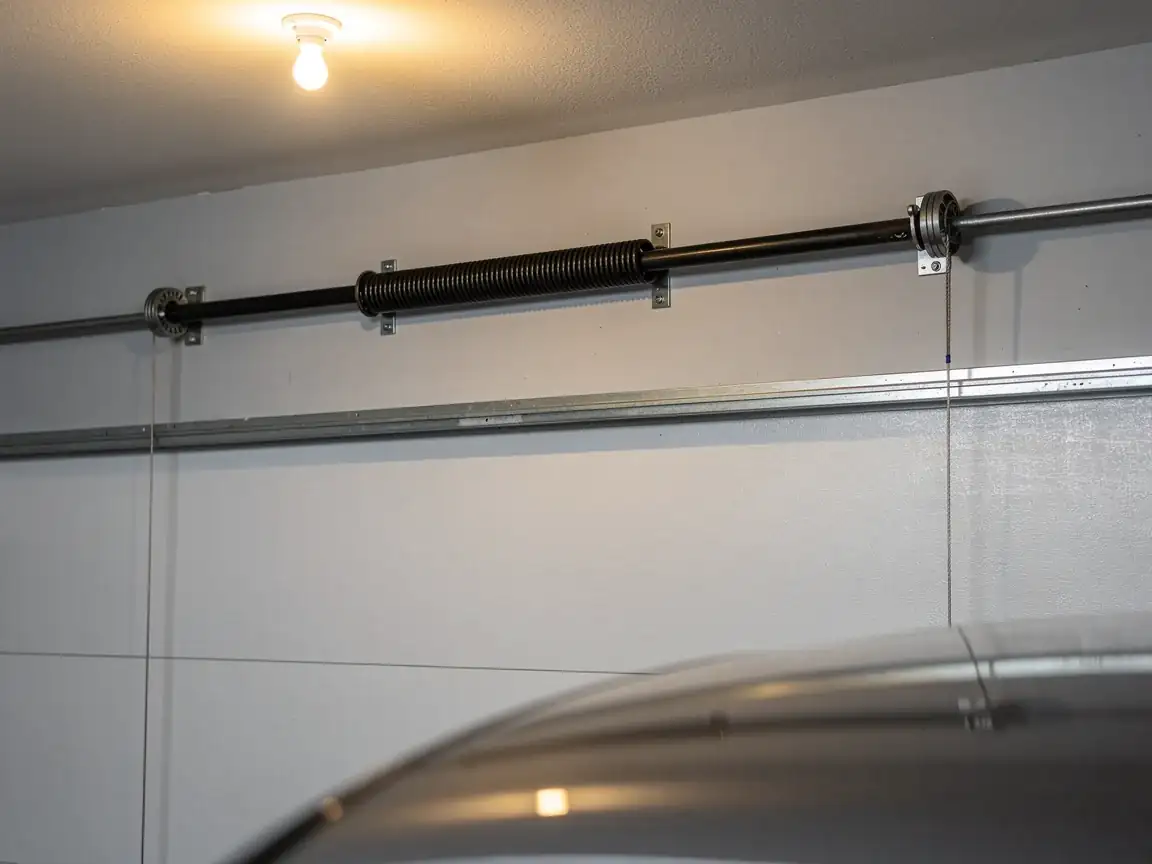
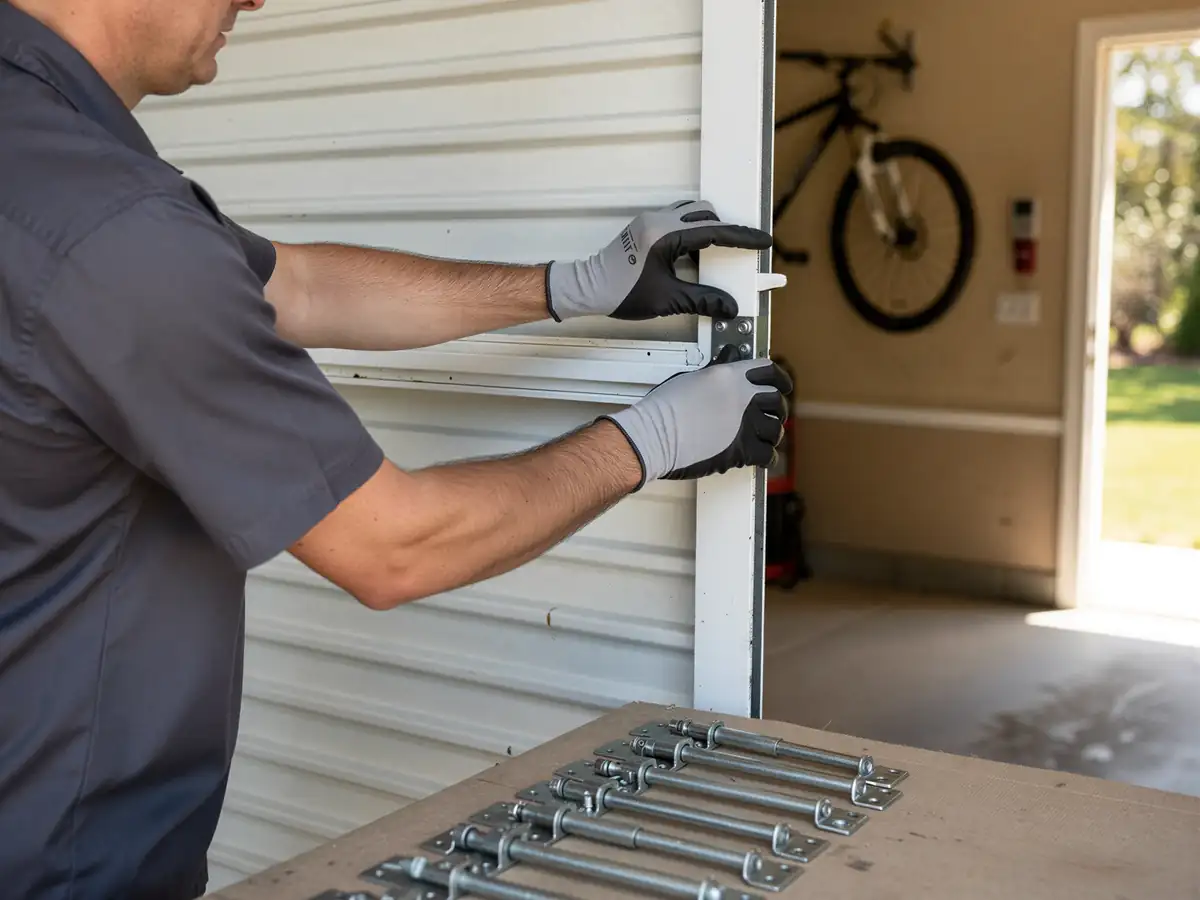
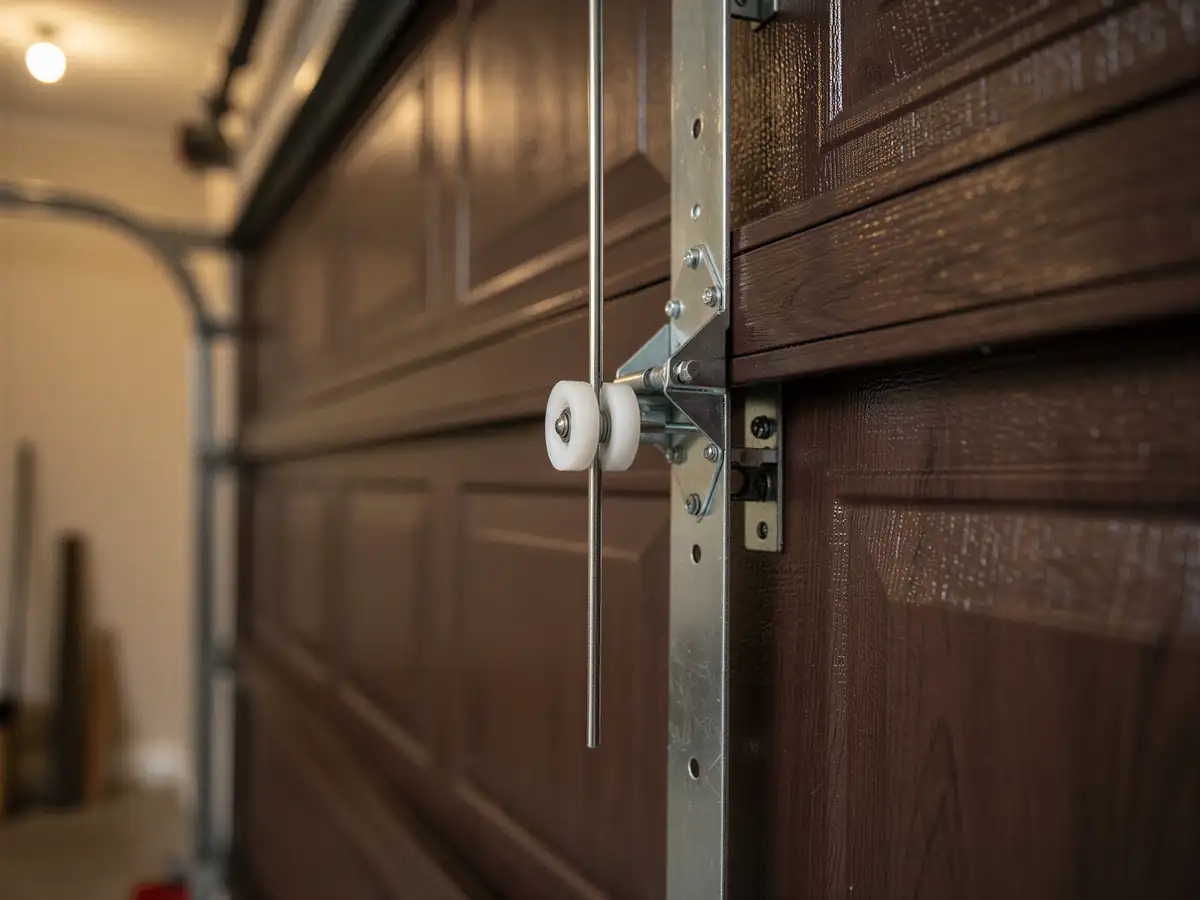
A good two decades newer than the 1964 median across the rest of the Santa Clara service area. That matters for what's on the truck. Houses from this era went up with steel sectional doors on torsion spring hardware as standard, not the older extension-spring and one-piece doors you still find on the 1960s side of the territory. So the parts that move fastest here are torsion springs sized for steel sectional doors, galvanized track sections, and nylon rollers built for that era's door weight.
What we don't always have on the truck is an exact panel match
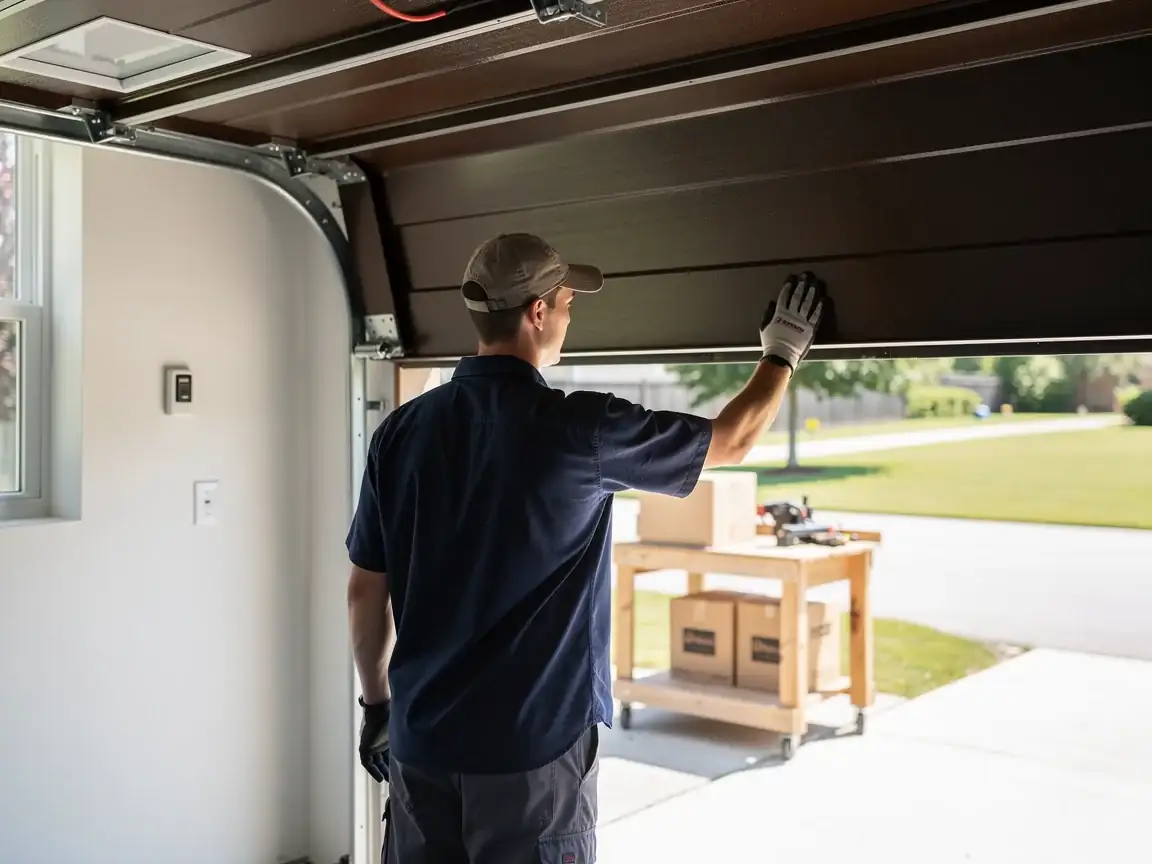
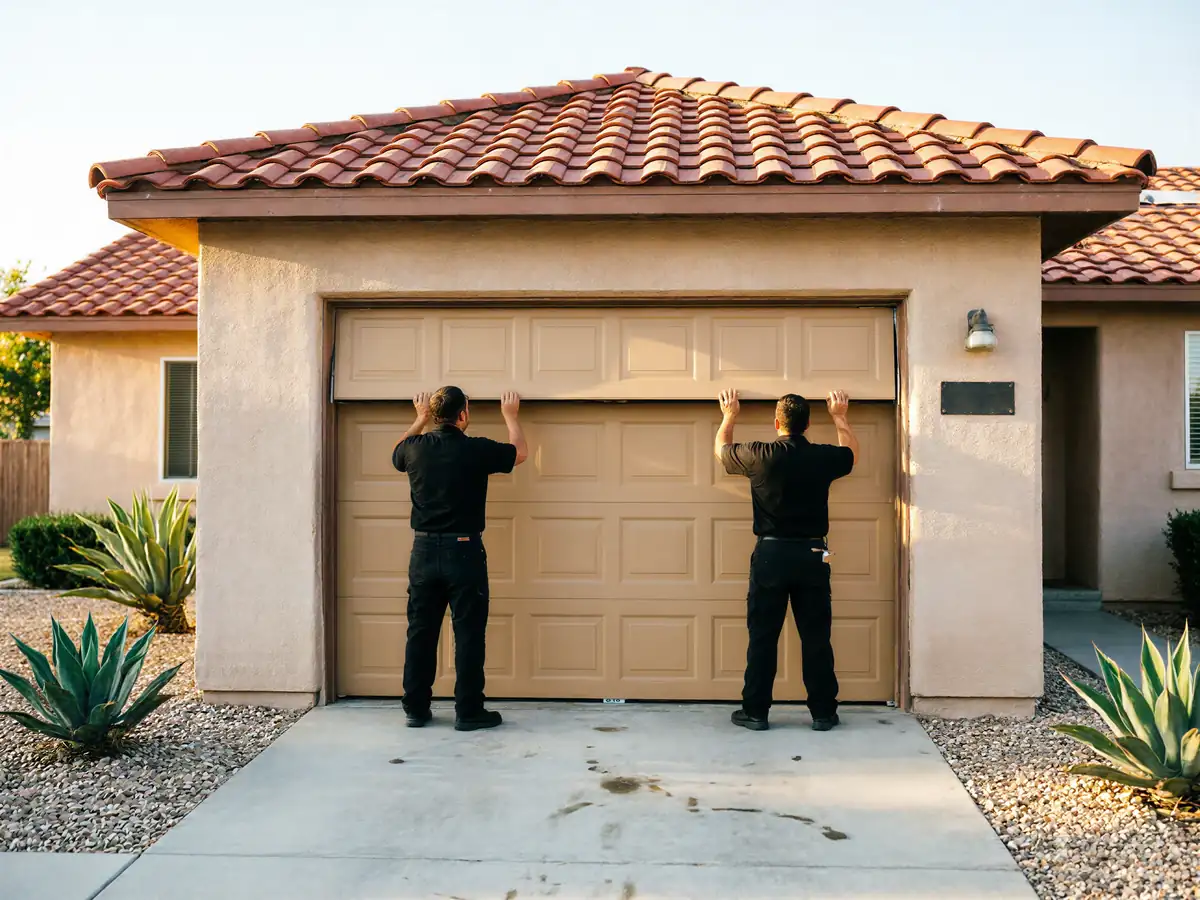
Builder-grade doors from the 1980s came in a handful of standard panel profiles, and some of those runs are long discontinued. If a single panel on your door is dented and the rest is sound, we can usually source a close match, but getting the identical ribbing and window cutout sometimes means a special order instead of a same-day swap. We'll tell you straight if that's the case rather than force a mismatched panel onto your door.
Where This Job Goes Sideways
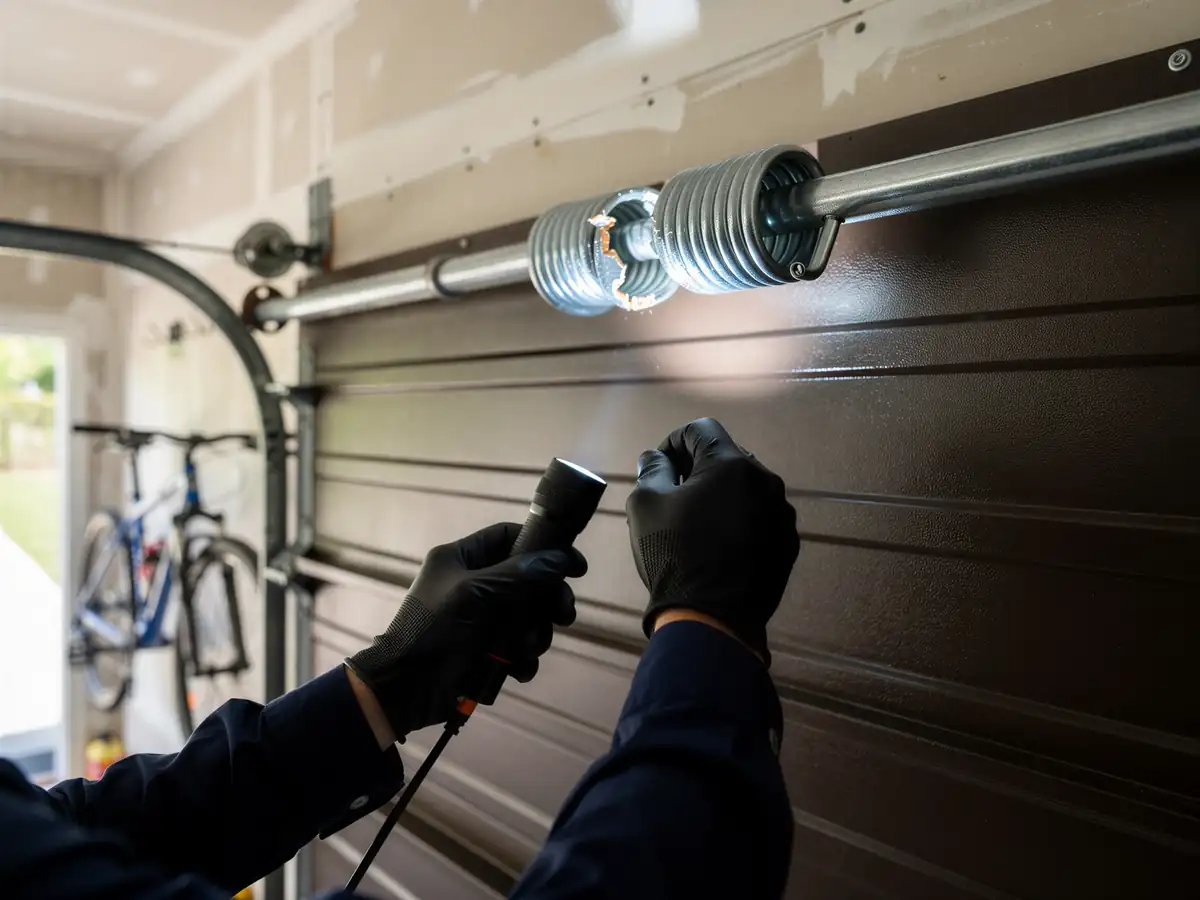
The most common failure we see on Milpitas calls isn't a worn-out part, it's a mismatch. A homeowner replaces an old insulated steel door with a heavier model, or adds foam insulation to an existing door, and nobody resizes the torsion spring to match. The original spring was sized for the lighter door that shipped with the house in the late 1980s. Put a heavier door on it and the spring works harder every cycle until it snaps, usually sooner than the 15-20 year life you'd expect from a correctly matched setup.
The second way this goes sideways is cable fatigue on double-car doors. A two-car door built to 1980s spec often runs one spring doing the lifting work that a heavier modern door really needs two springs to share evenly. When the balance is off, the cables take uneven load on each lift, and you get fraying on one side well before the other. Neither of these is dramatic until the day the spring lets go or a cable parts under tension, which is also the day the door won't move at all.
What You Pay
We can't quote a number here without seeing the door, and we're not going to post a figure that doesn't hold up once a tech is standing in front of your opener. What we can tell you is what drives the cost on a Milpitas job specifically. Door height matters: a lot of 1980s-built garages in this area run a standard 7-foot opening, but some of the larger tract layouts went to 8-foot doors, which means longer track, longer cable, and a different spring wind count.
Spring count matters too. A single-spring torsion setup on a double door is cheaper to replace than a dual-spring system, but it's also the setup most likely to be undersized if the door's been upgraded since the house was built, which pushes the job from a spring swap into a full respring with new cable. Opener age factors in as well, since a chain-drive unit from the original build is a different repair than a newer belt-drive opener. None of that is a number you can get without a look at the actual door.
How to Book
We run this job from the Santa Clara shop, six miles out to Milpitas
So there's no separate branch or local dispatch here, just a truck making the drive. Call or book online and tell us what the door is doing: won't open, won't close, stuck halfway, loud bang before it quit. That one detail changes what gets loaded on the truck before anyone leaves the shop.
If you're not sure whether your street falls inside the area we run regularly
Check the service map first. We'd rather confirm coverage up front than have someone wait on a truck that's headed somewhere else.
See the full Santa Clara service page for everything this company covers
Or the Milpitas area page for the towns nearby that we also reach from the same shop.
What You Are Seeing
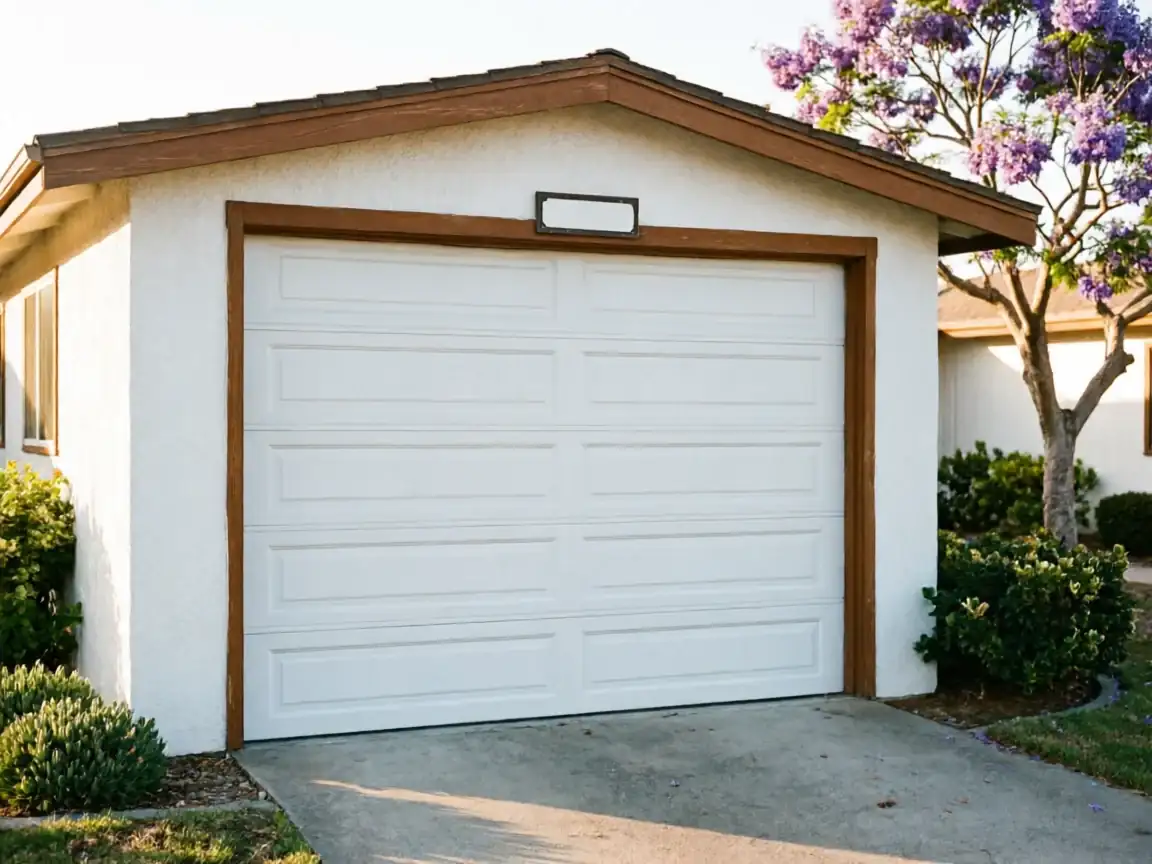
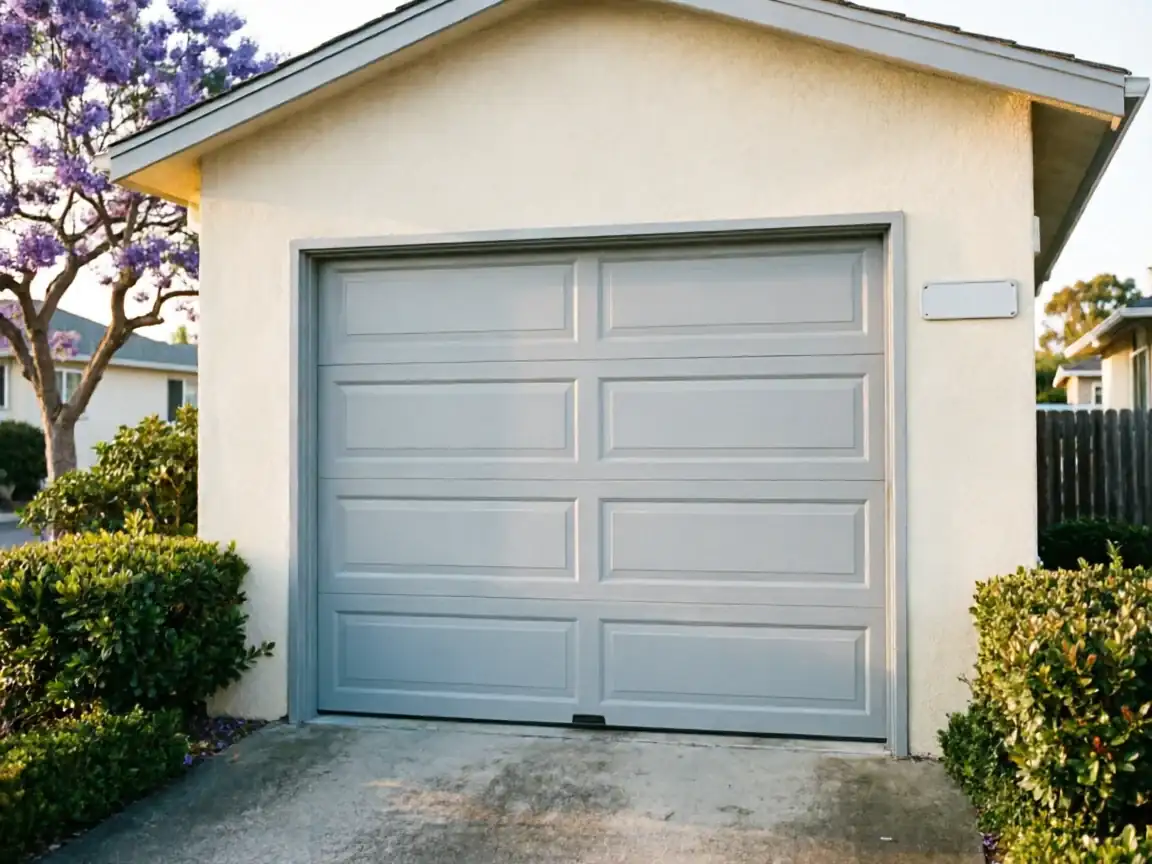
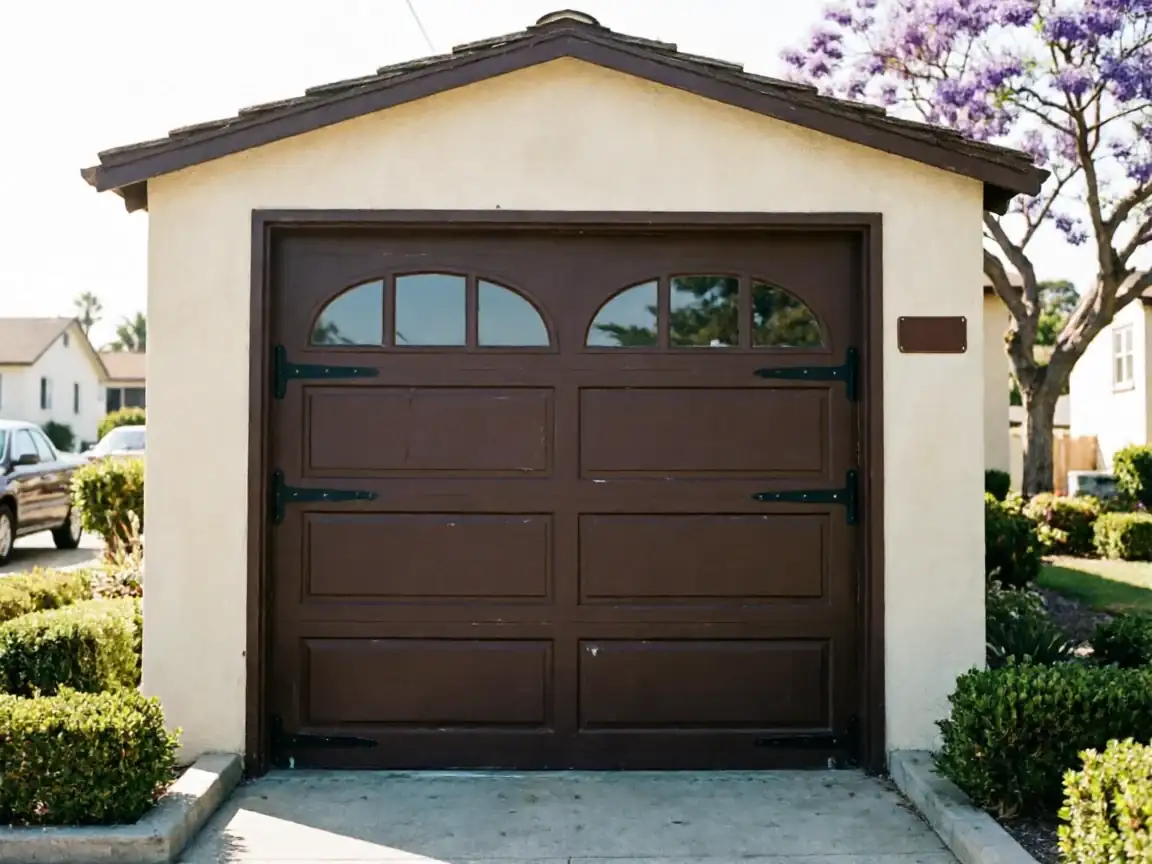
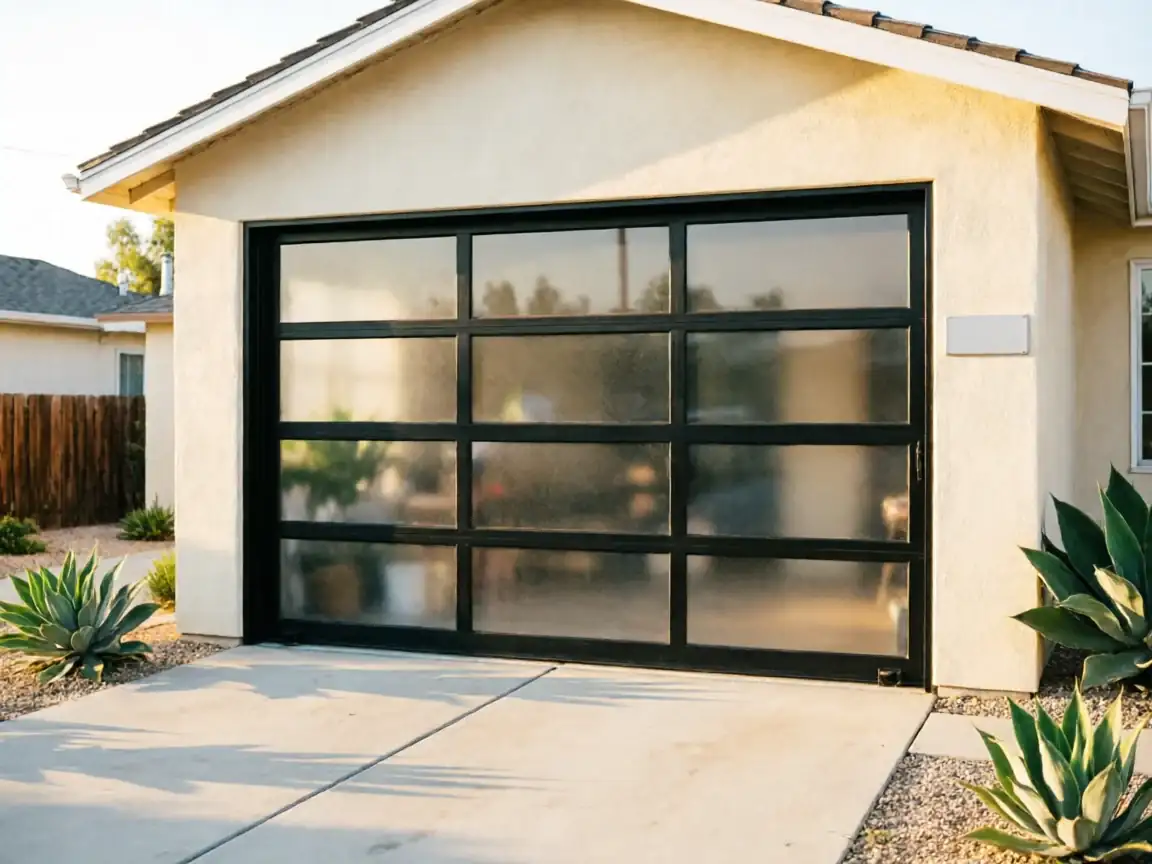
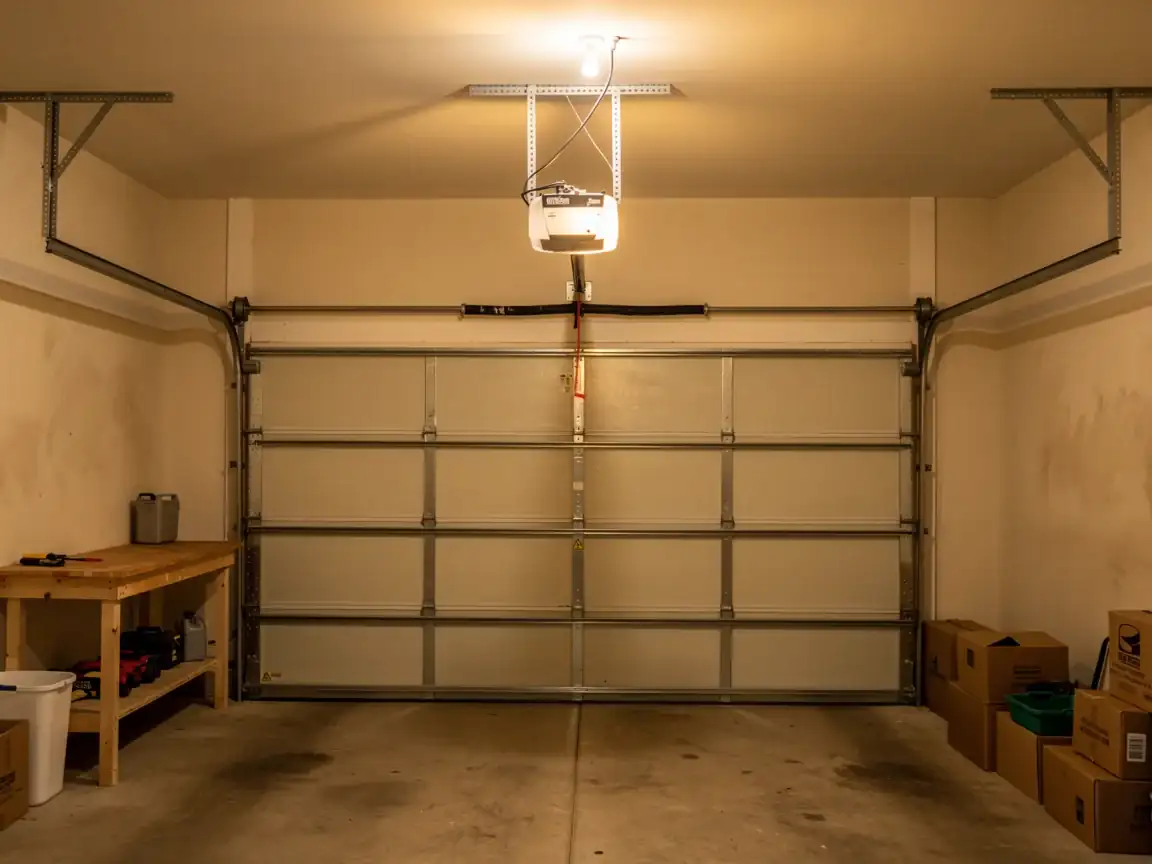
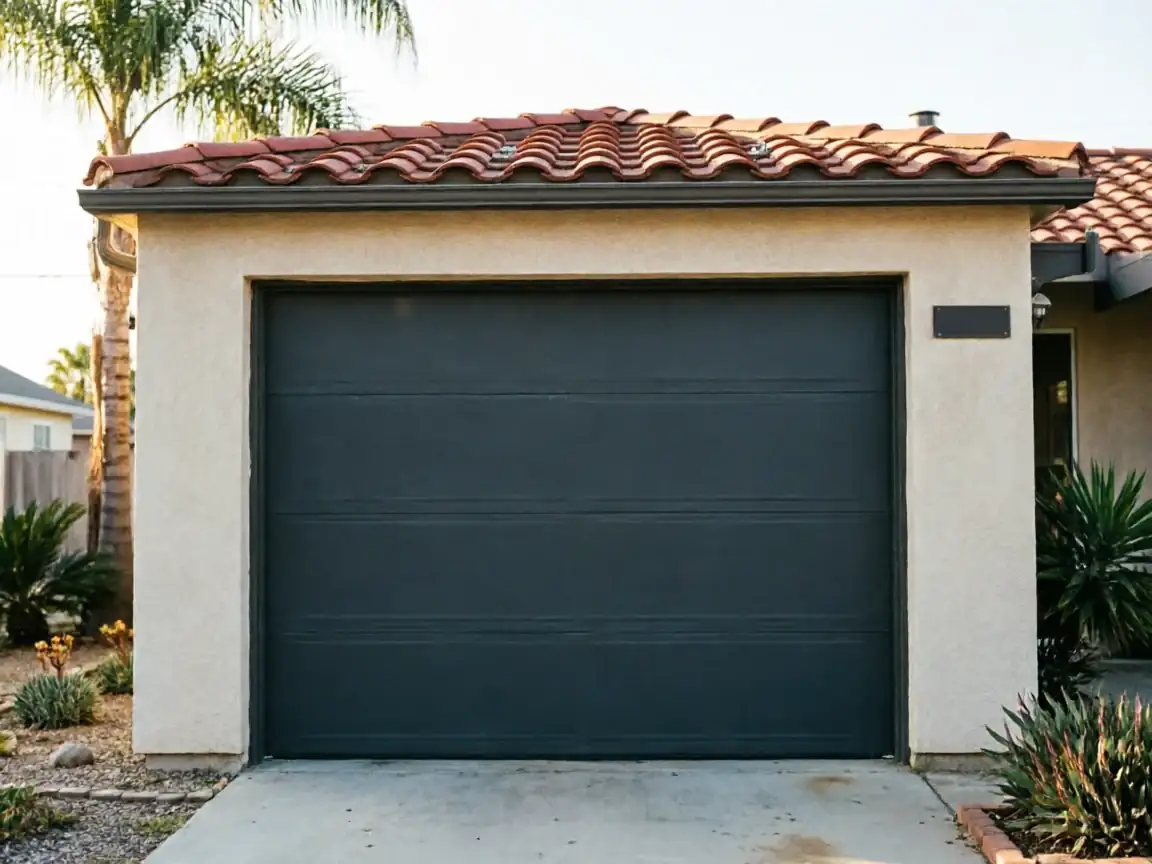
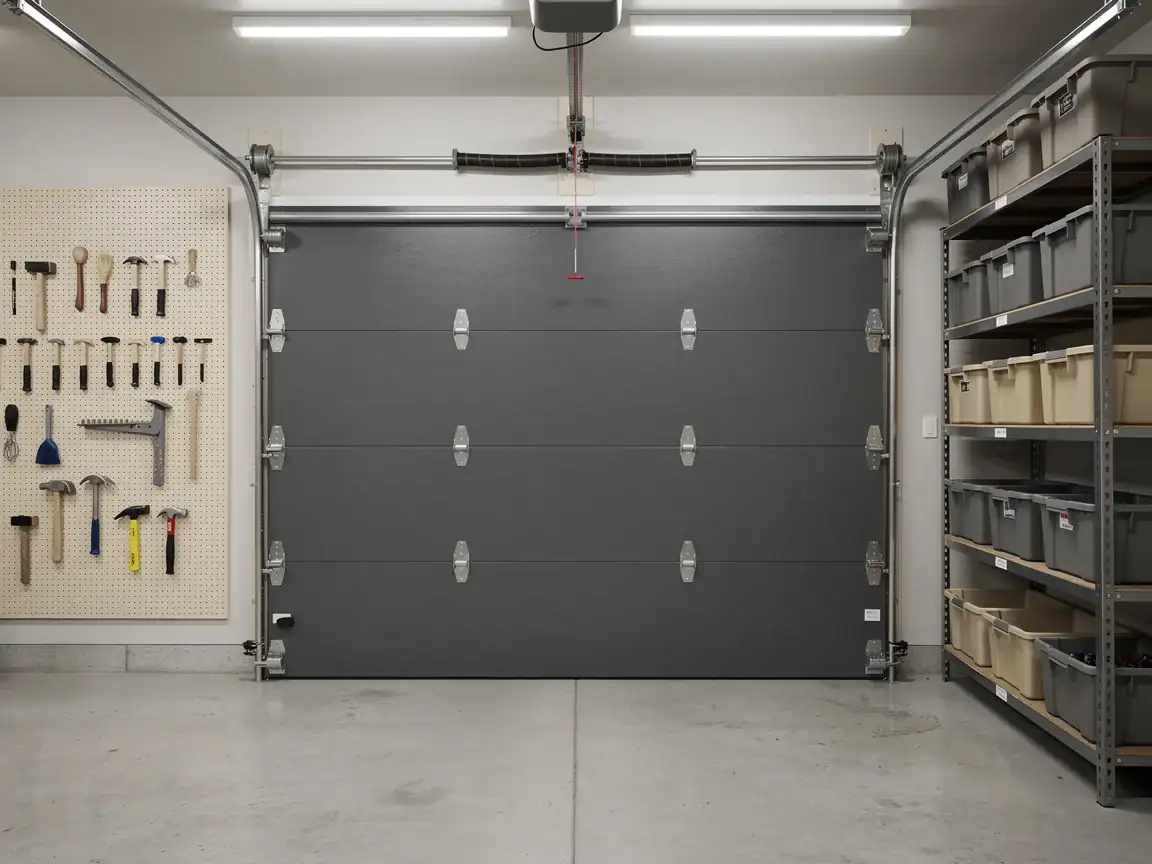
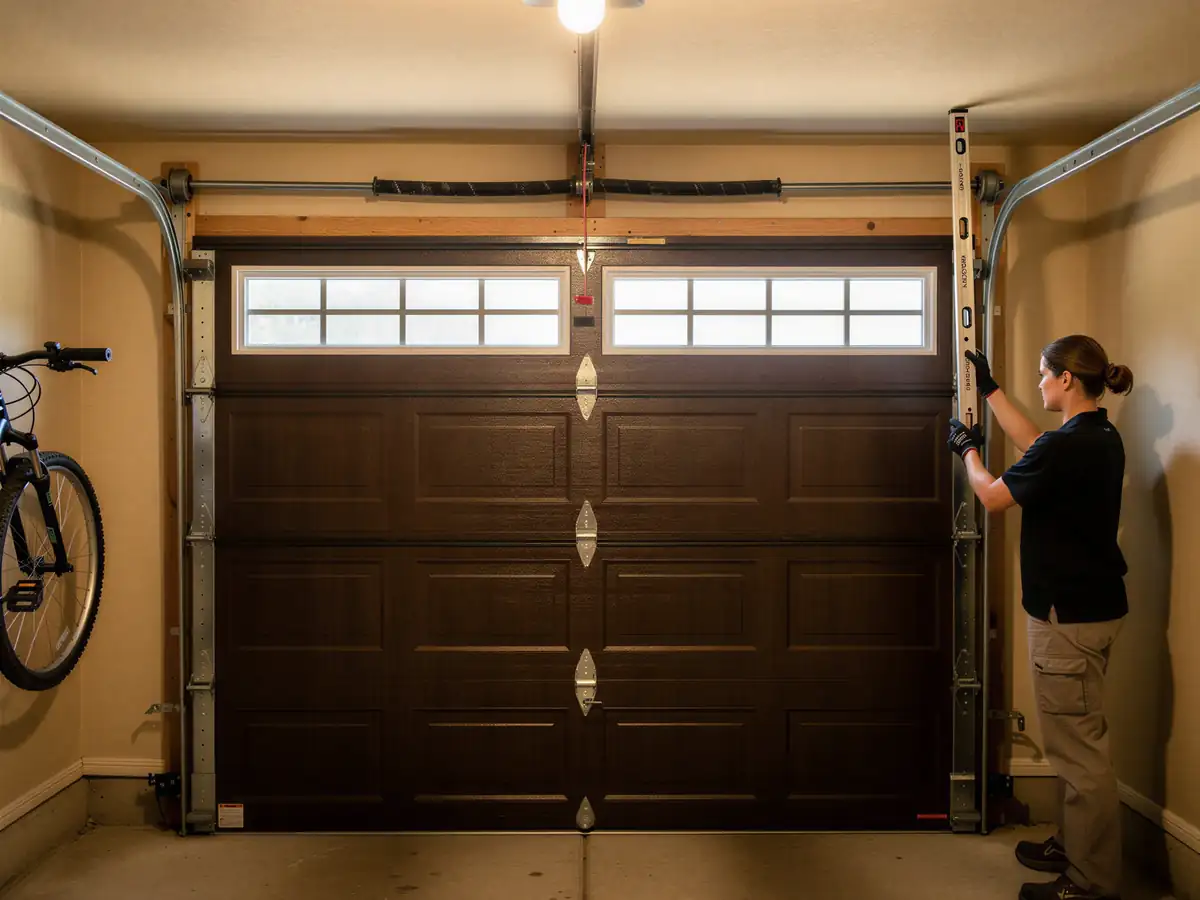
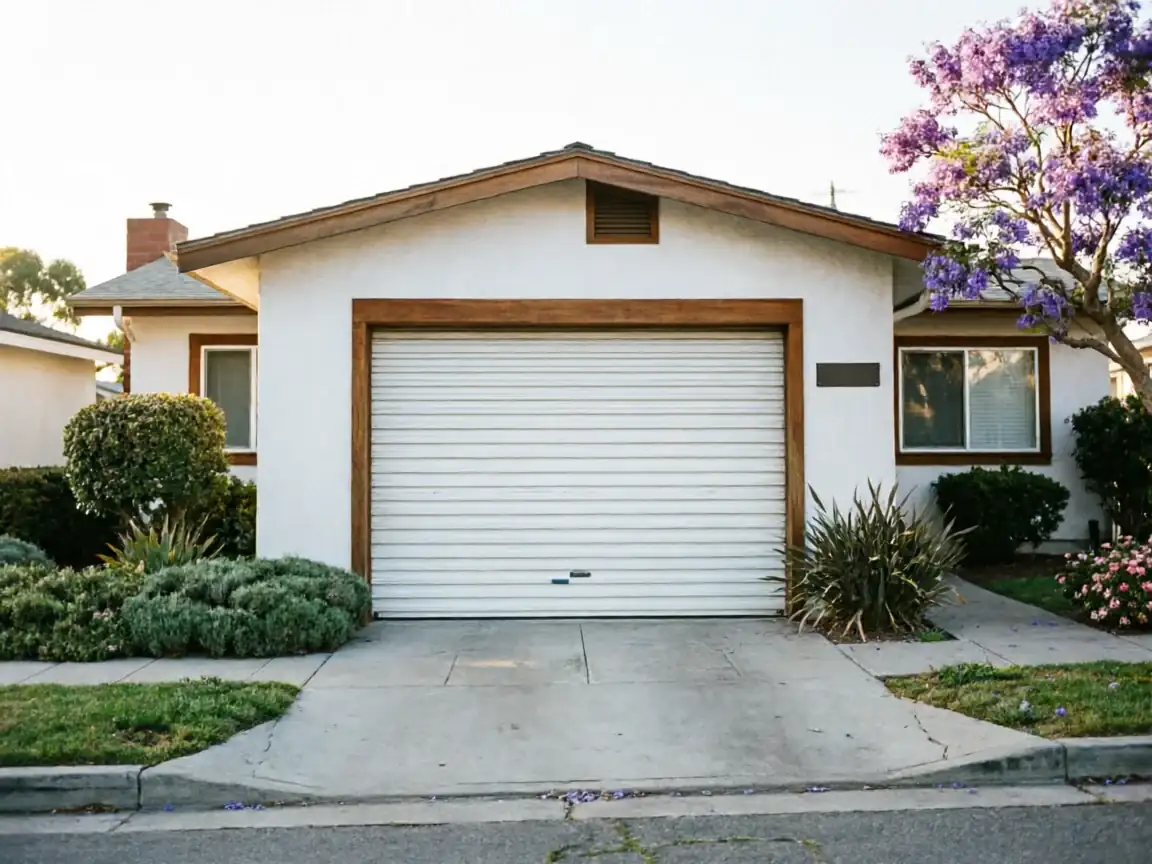
If your garage went up around the mid-to-late 1980s like most of this area's housing stock, the door you're looking at is almost certainly a steel sectional model on torsion spring hardware, not the older one-piece or extension-spring doors you'd find on a much older house. Steel sectional doors from this era tend to show their age as dents and oxidation on the panel face long before the hardware underneath fails, so a door that looks rough can still have good springs and track.
The climate here is mild temperate, which is kind to galvanized track and springs compared to areas with real humidity swings or freeze-thaw cycles. Rust on the track itself is less common than it would be elsewhere; when a Milpitas door is binding or running loud, it's more often a roller that's worn flat on one side, a bent track section from a bumped car, or cable stretch than it is corrosion. A door that reverses right after touching the floor is almost always a sensor alignment issue, not a spring problem, and it's worth checking that before assuming the worst.
Can You Do This Yourself
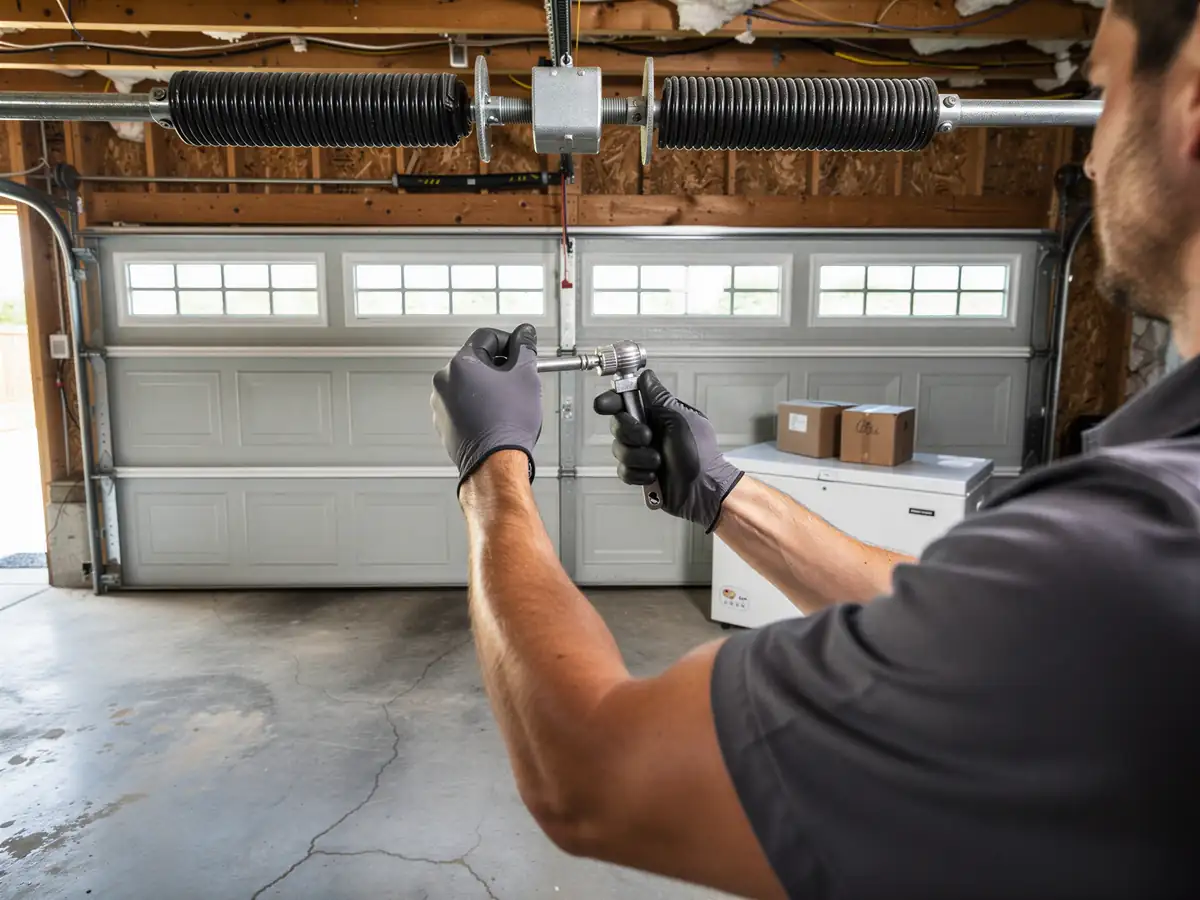
Roller swaps and tightening loose track bolts are reasonable DIY jobs on a door like this, and plenty of Milpitas homeowners handle that themselves. Spring work is not. A torsion spring on a steel sectional door holds real tension, and the tools to wind or unwind it safely aren't something most garages have lying around. We'd rather you call for that one than lose a finger finding out the hard way.
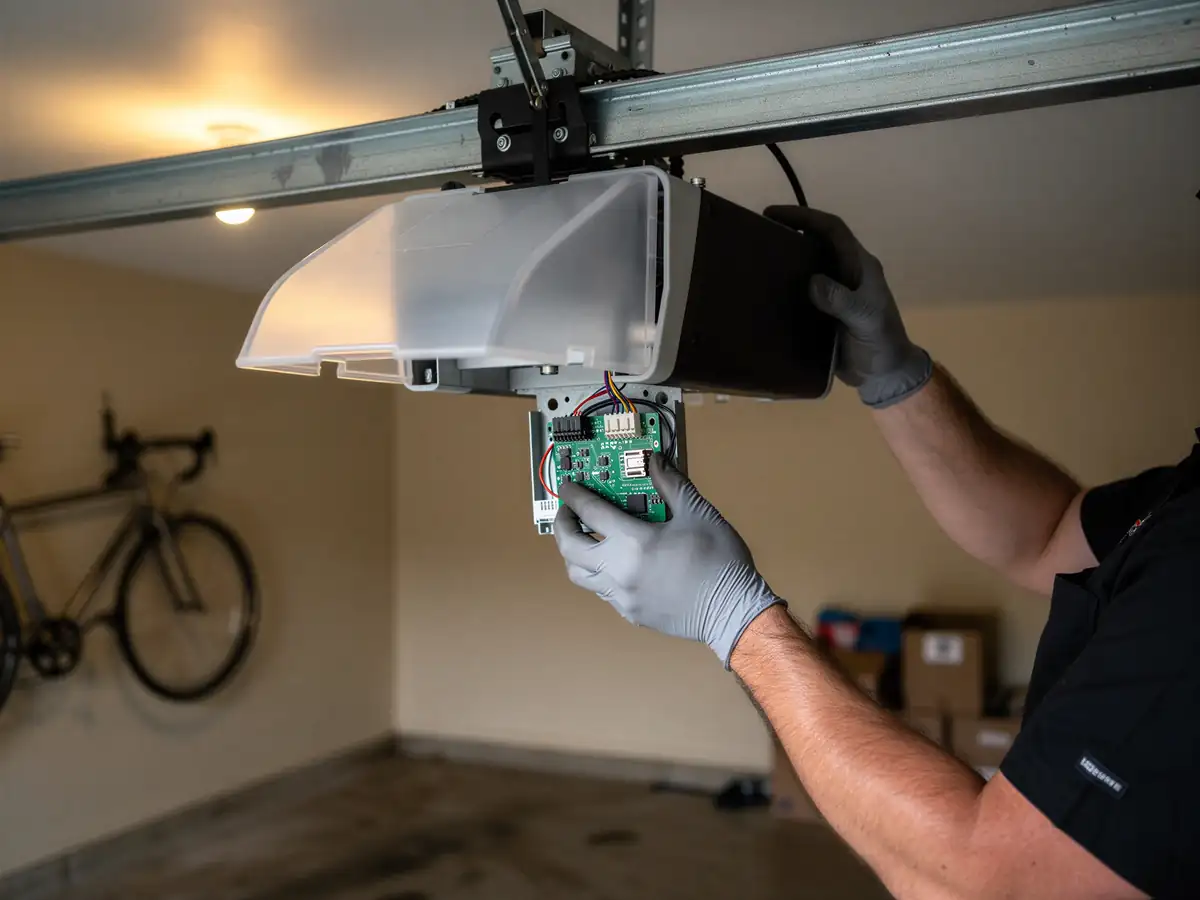
Opener troubleshooting sits in the middle. Resetting the travel limits or replacing the remote battery is fine to try yourself. Diagnosing why a chain-drive unit from the original build is suddenly straining on every lift usually means the gears inside are worn, and by the time you've opened the housing to look, you're often better off letting a tech make the call on repair versus replacing the whole unit, since parts for some older opener models are getting hard to source new.