Where This Job Goes Sideways
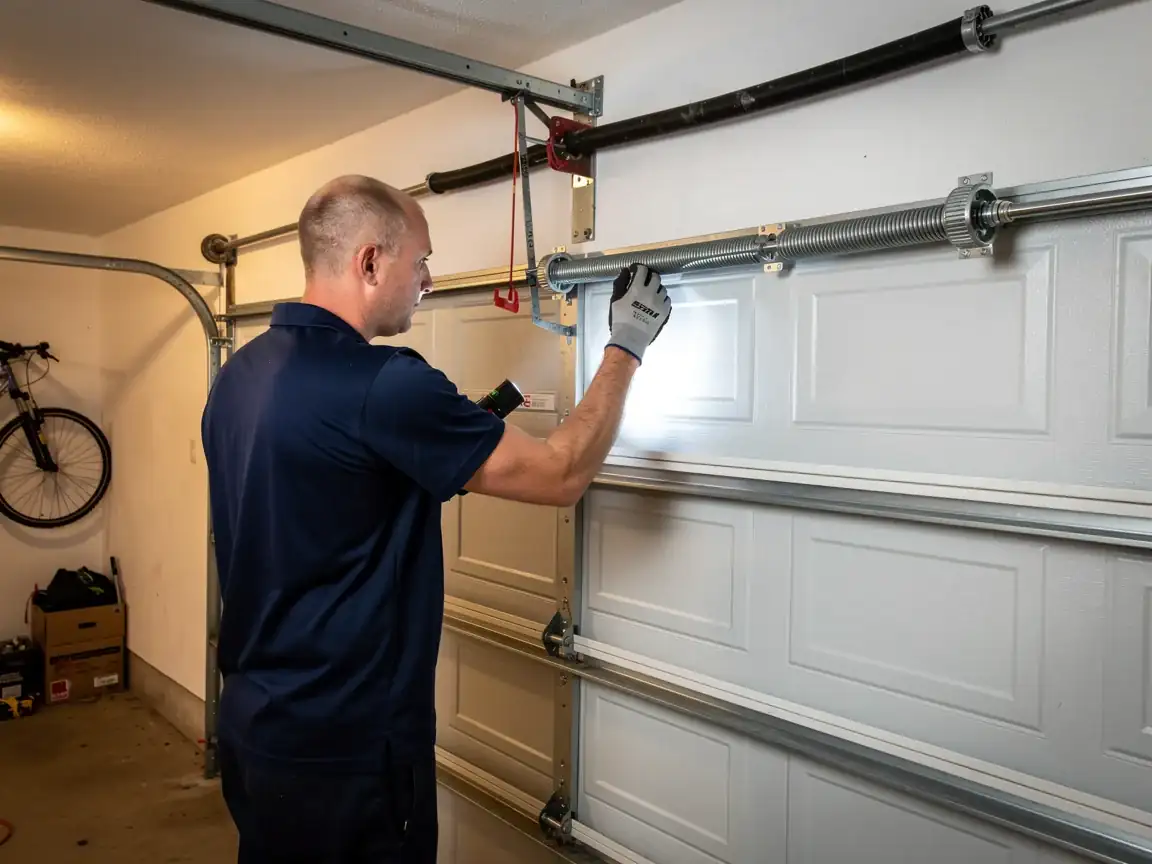
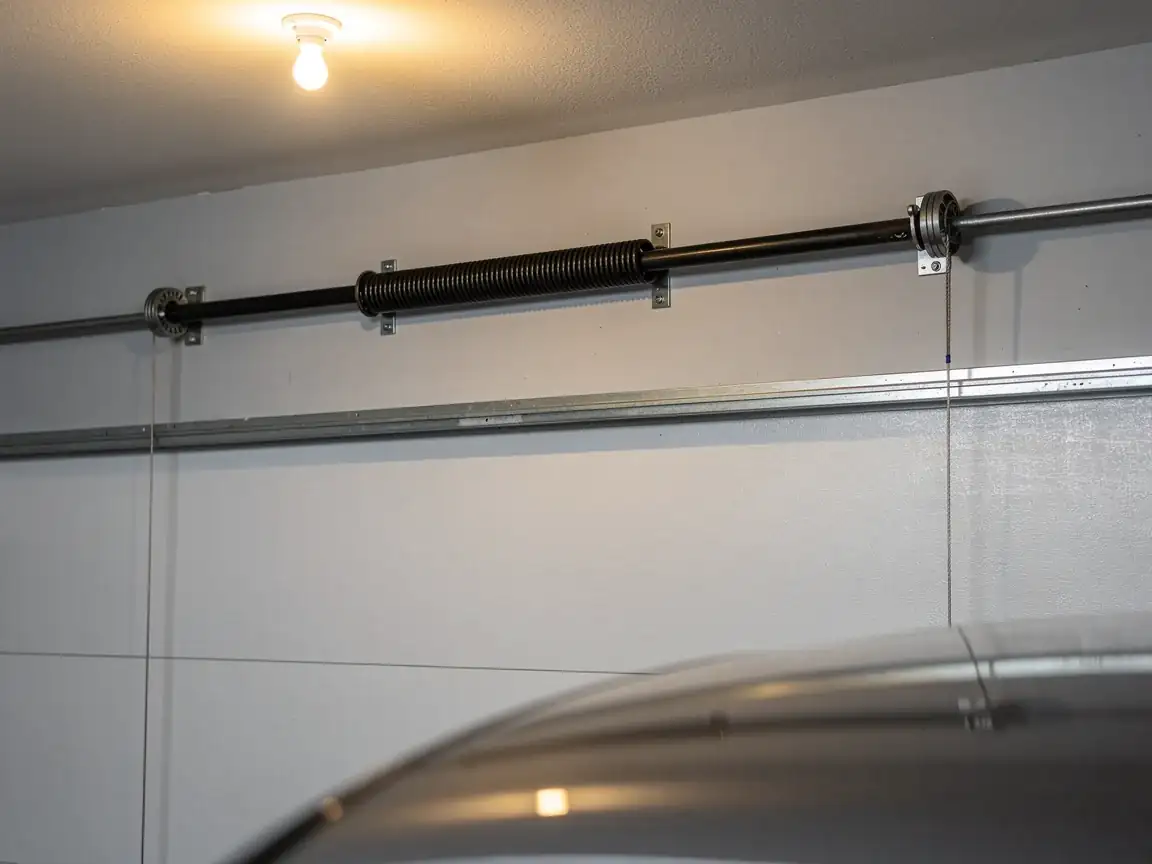
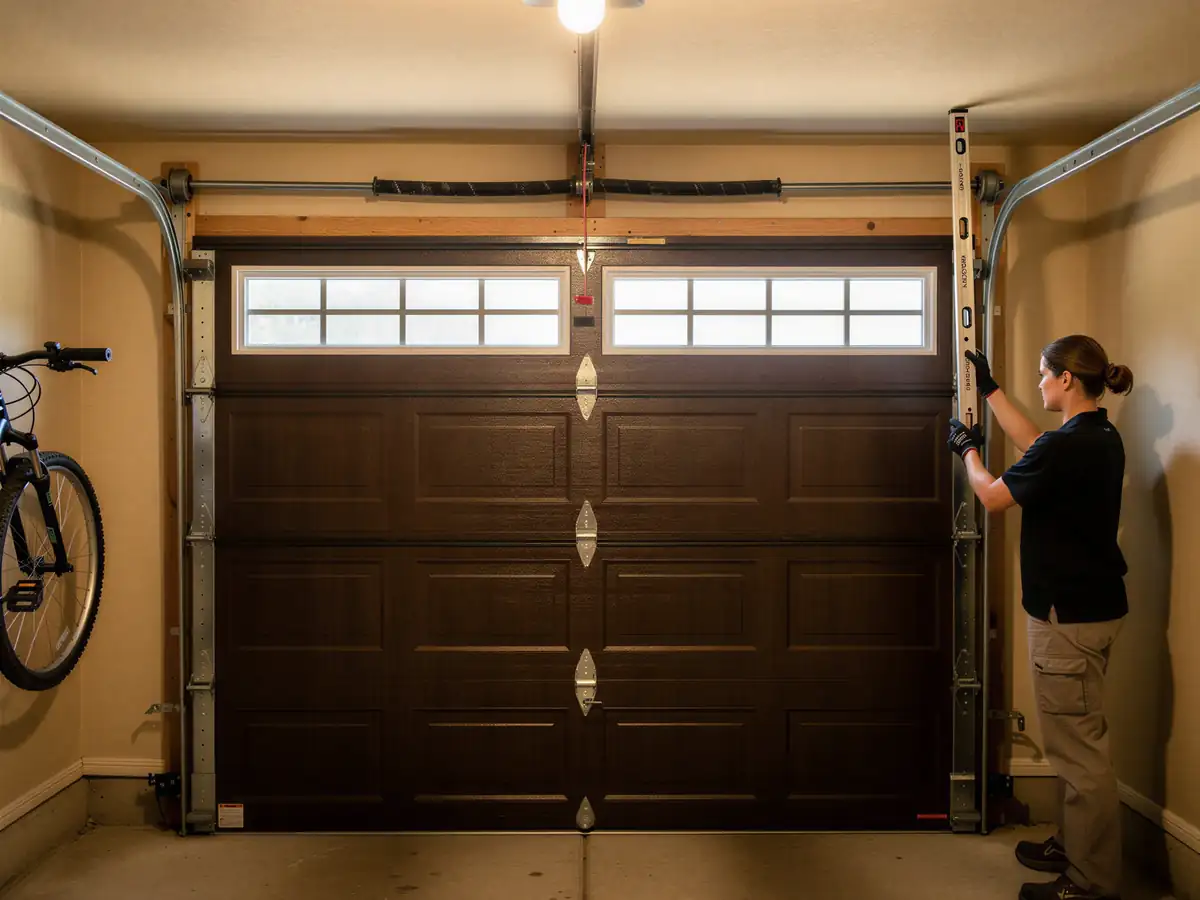
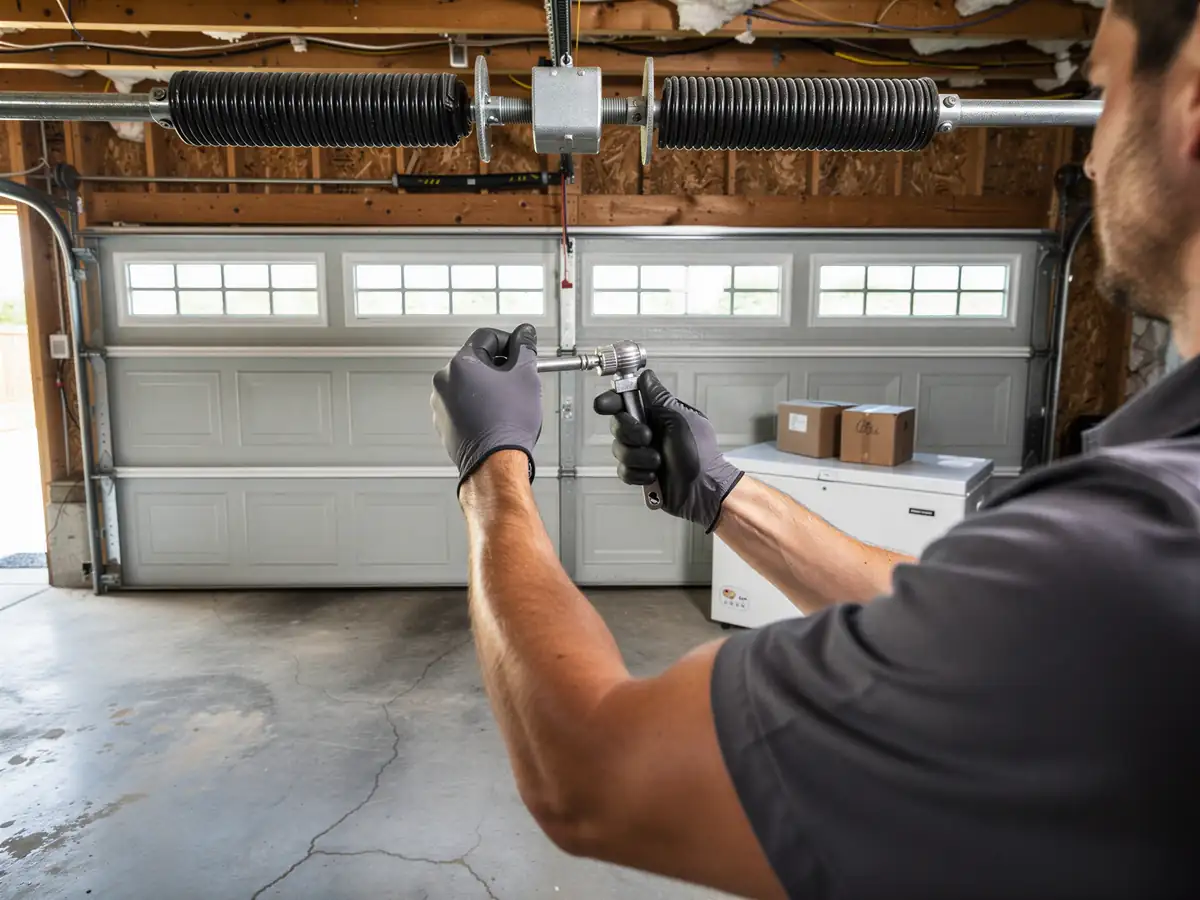
A single torsion spring on a double door built in the late 1980s is usually a clean swap, same bracket spacing, same cable drum pattern you'd expect from that build year. Where it gets complicated is when a homeowner has already had the opener replaced at some point and the new unit doesn't match the original spring tension, so the door has been running under-sprung or over-sprung for years without anyone noticing until the spring finally gives out early. The other wrinkle is doors converted to insulated steel panels after the original build; the added weight changes the spring calculation and the old spring size on file is wrong. We measure wire diameter and wind count on site rather than trusting what's written on the spring, because guessing here either strands the door open or snaps the replacement in a season.
What You Pay
Milpitas households run a median income of $176,822, below the $214,149 median across the rest of our Santa Clara service area. That's still well above the point where a spring job stops making sense, so for a house built in the 1987 range we're almost always looking at repair, not replacement. Where the repair-or-replace line actually falls is the door itself: a single-car steel door with a bent track and a dead spring might be cheaper to replace outright than to fix twice in two years. A torsion spring swap alone is a different number than a spring-plus-cable-plus-roller job, and we quote after we see the door, not before. We don't give phone quotes on spring work because two doors that look identical from the driveway can need completely different parts.
What You Are Seeing
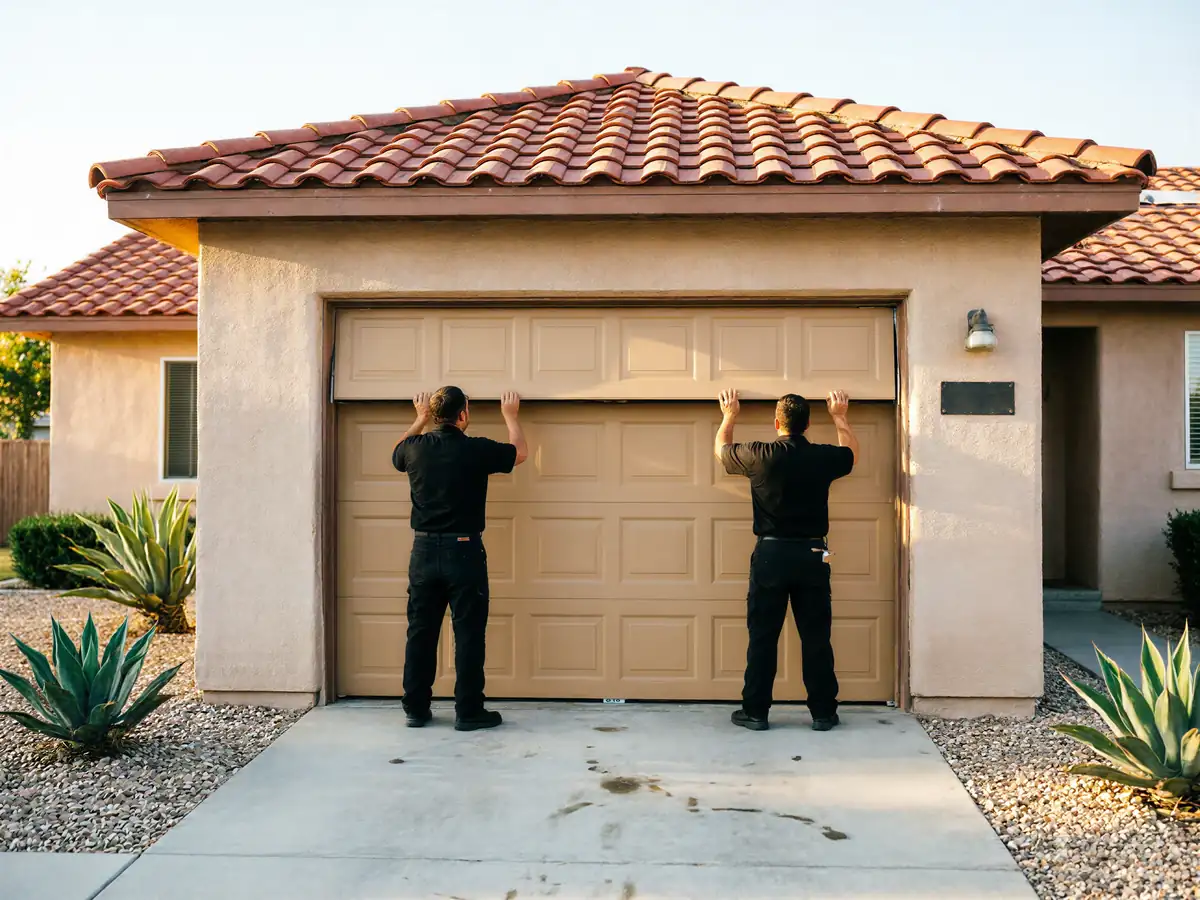
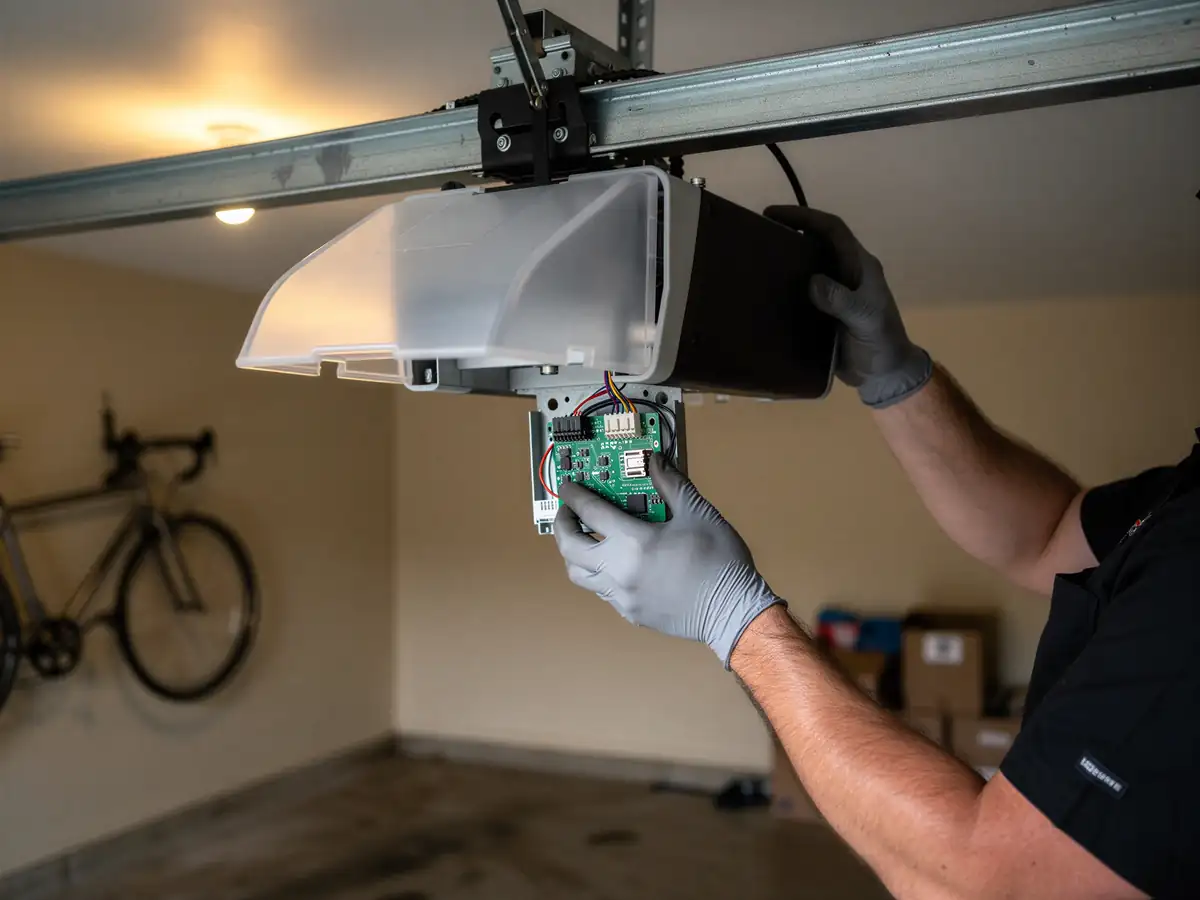
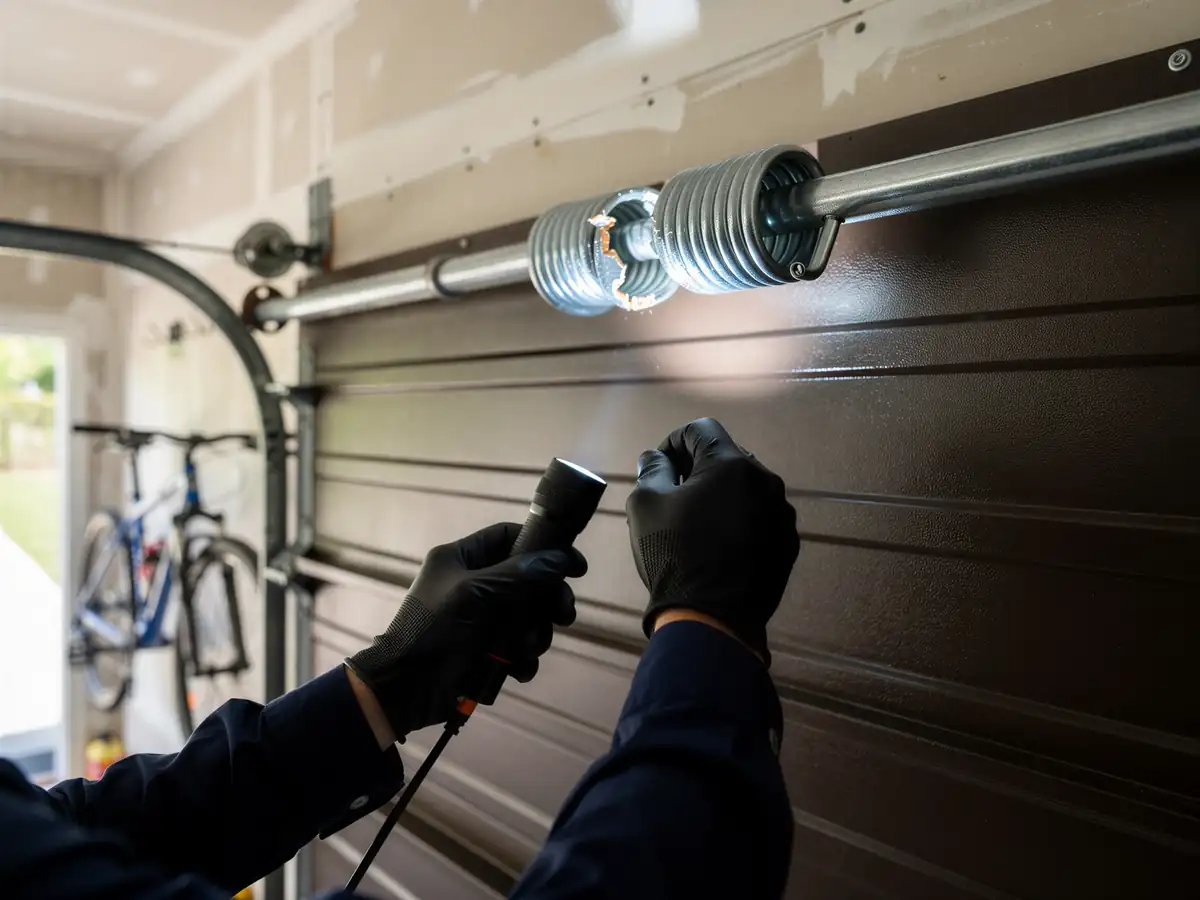
A torsion spring failure on a 1980s-built Milpitas door almost always announces itself the same way: the opener runs but the door won't lift, or it lifts a few inches and stalls, because the motor was never meant to carry the door's full weight alone. You might hear a loud bang from the garage before any of that starts, which is the spring itself letting go. A door that feels heavier than usual when you lift it by hand, or one that won't stay up on its own, is telling you the spring has already lost tension even if it hasn't snapped outright. None of that is an opener problem, no matter what the grinding motor sounds like.
Can You Do This Yourself
We'll say this plainly: don't wind a torsion spring yourself. The spring is under enough tension to break a bone or worse, and the winding bars and clamps that make it safe aren't something most garages have lying around. Replacing rollers, tightening loose hardware, or lubricating hinges is reasonable DIY work on a door this age. The spring itself isn't, and neither is anything involving the cables that run off it under load. If you've already tried to force a stuck door open by hand with a bad spring, stop, because that's how the cable jumps the drum and the job gets more expensive.