Where This Job Goes Sideways
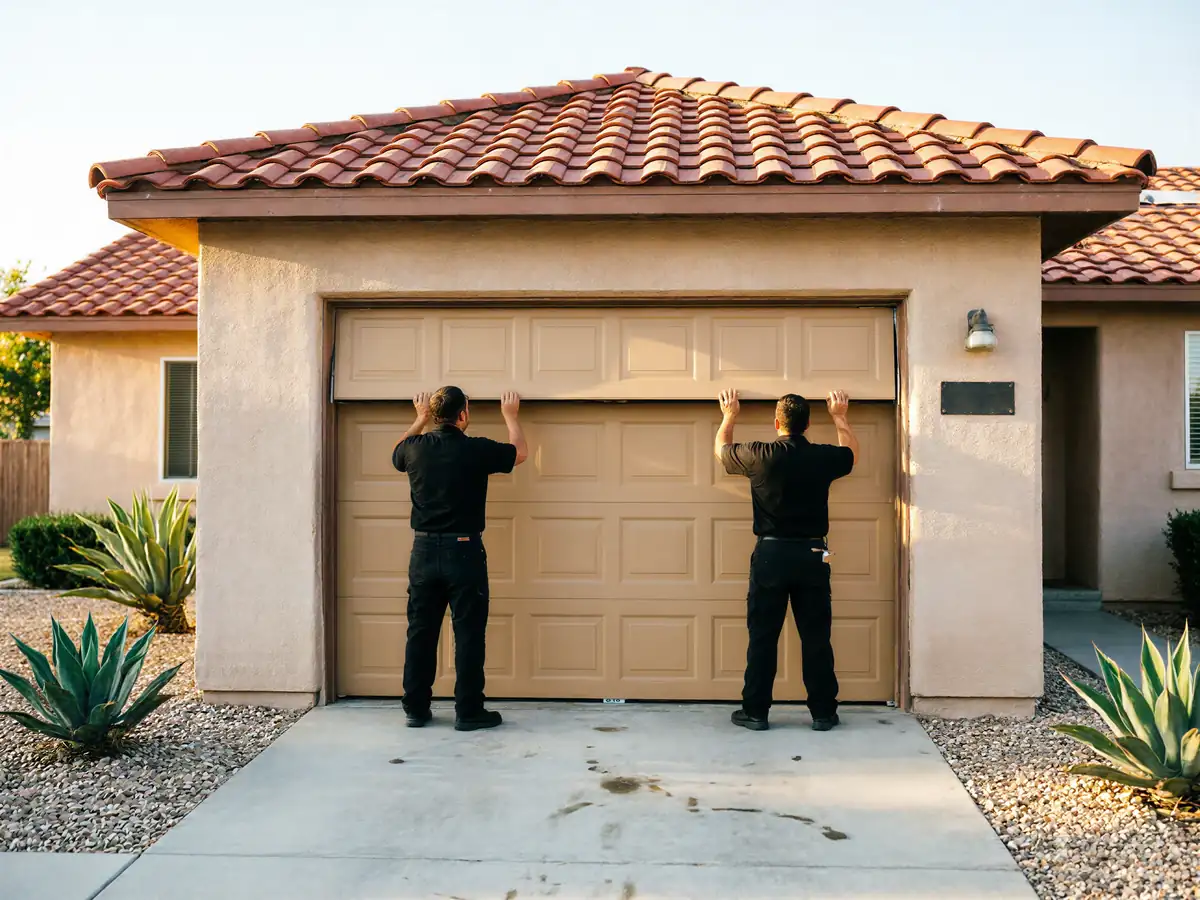
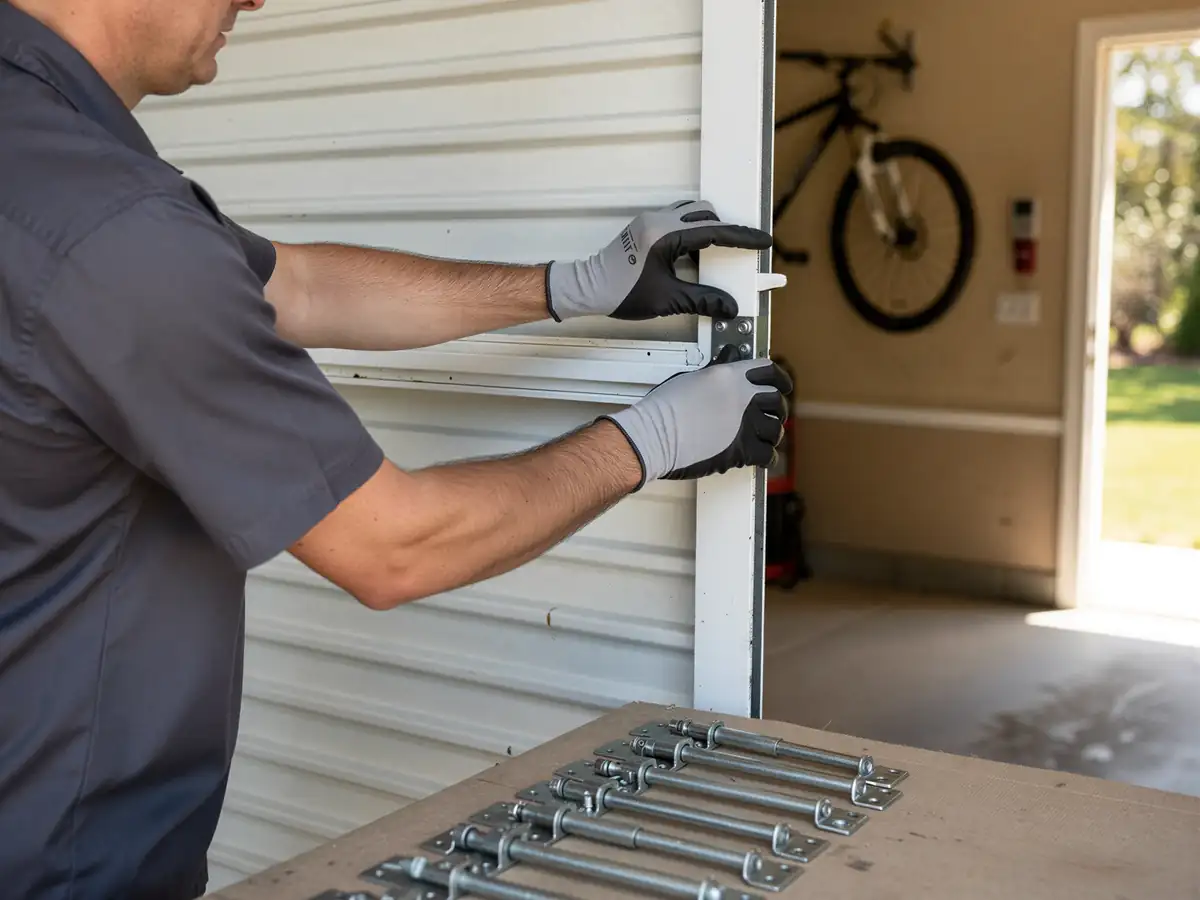
The job looks simple until the track doesn't match the roller. On 1980s-built doors the track gauge tends to be more consistent, so a straight roller swap usually goes clean. Where it goes sideways is when a previous repair mixed hardware - a wider roller forced into a narrower track, or a steel wheel left on one side while nylon went on the other. That mismatch chews the track edge and the new roller wears again within months, not years. We also see it when the bottom bracket itself has stretched from years of a dragging roller; swapping the roller without checking the bracket just moves the noise somewhere else. On a 24,713-household town built mostly in one era, the hardware is more uniform than in an older neighborhood with mixed vintages, which cuts the odds of a surprise - but it doesn't remove them.
What You Pay
We don't have a posted price list for roller replacement in Milpitas, and we're not going to invent one here. Cost depends on how many rollers need swapping, whether it's nylon or steel ball-bearing, and whether the track or bottom bracket needs attention at the same time. What we can tell you is that the travel is a known quantity - six miles from our Santa Clara base - so nothing about distance pads the bill. If you want a number before you book, ask for one specific to your door and roller count rather than a town-wide average, because a 6-roller job on a double door costs differently than a 4-roller single.
What You Are Seeing
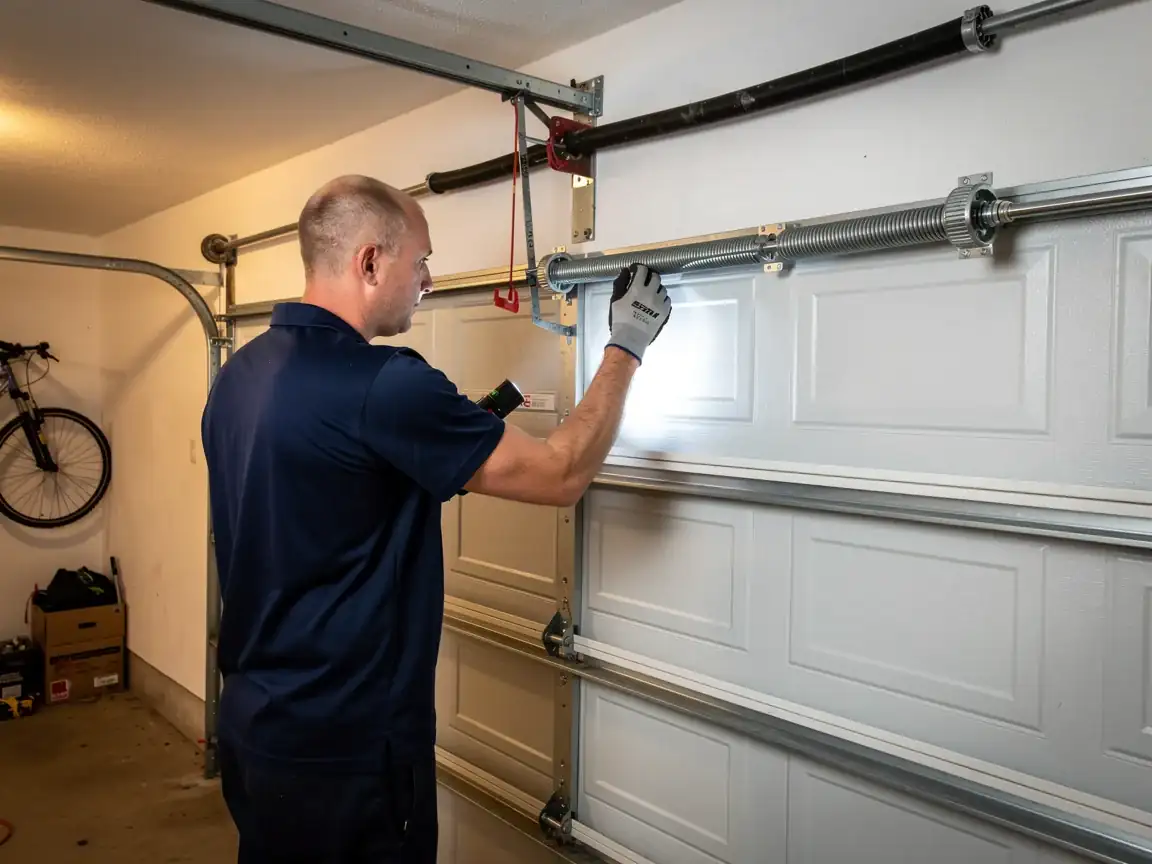
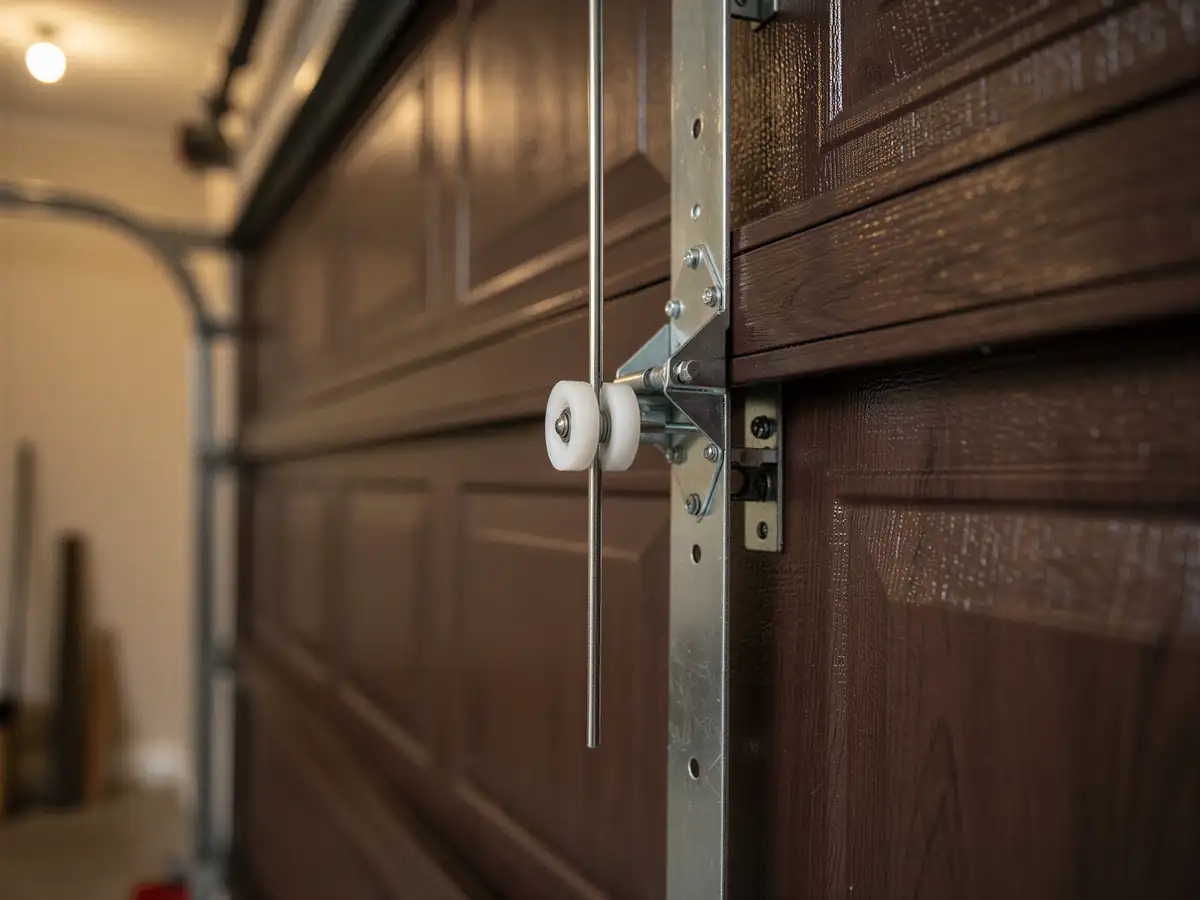
A grinding or rattling sound as the door moves, worse at the top or bottom of the travel, usually means a roller bearing has worn out rather than the roller body itself. On the nylon rollers common in Milpitas's 1980s-era stock, you'll often see the roller surface flatten on one side before it fails outright - run a hand along it with the door open and you can feel the flat spot. Steel-wheel setups, less common here but still around on older individual lots, tend to announce themselves with a harsher metallic squeal rather than a flat-spot feel. Either way, a door that hesitates or jerks at the same spot in its travel every time is usually a roller problem, not a spring or opener problem, and it's worth having looked at before a track gets bent from the roller riding wrong.
Can You Do This Yourself
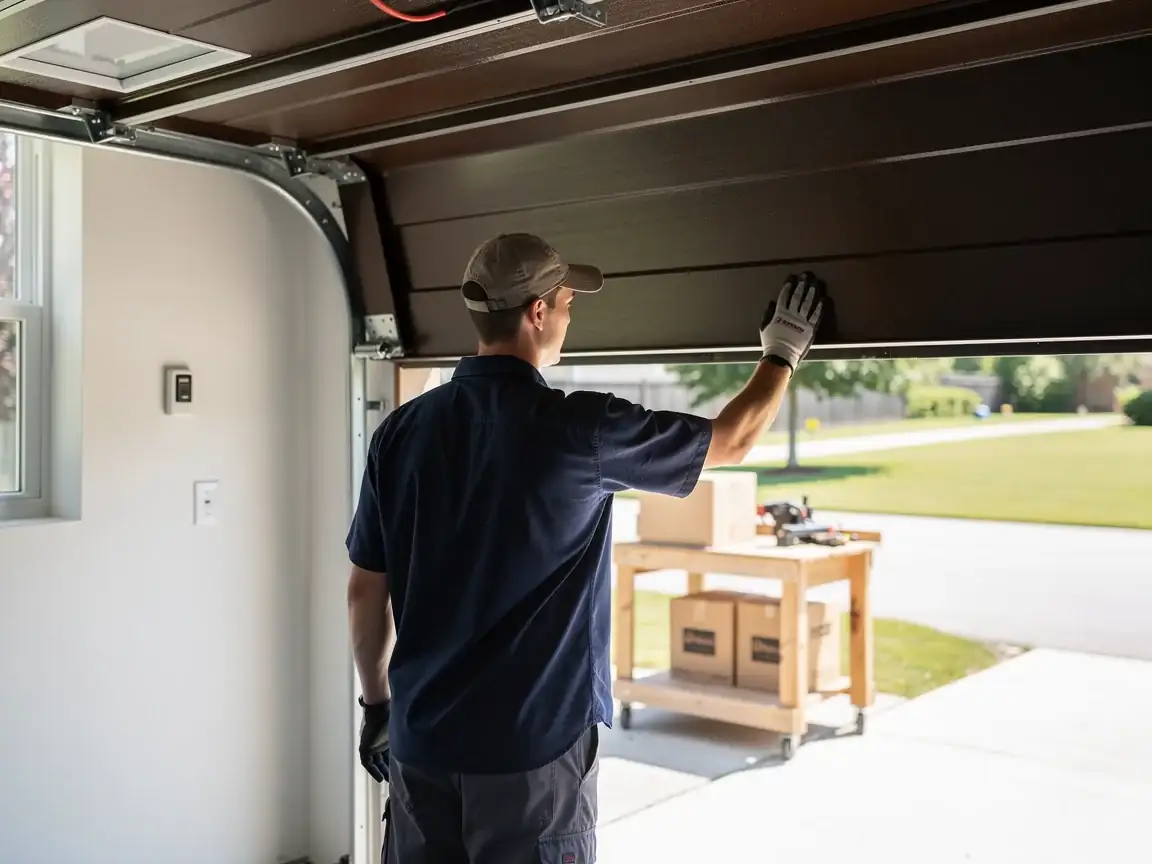
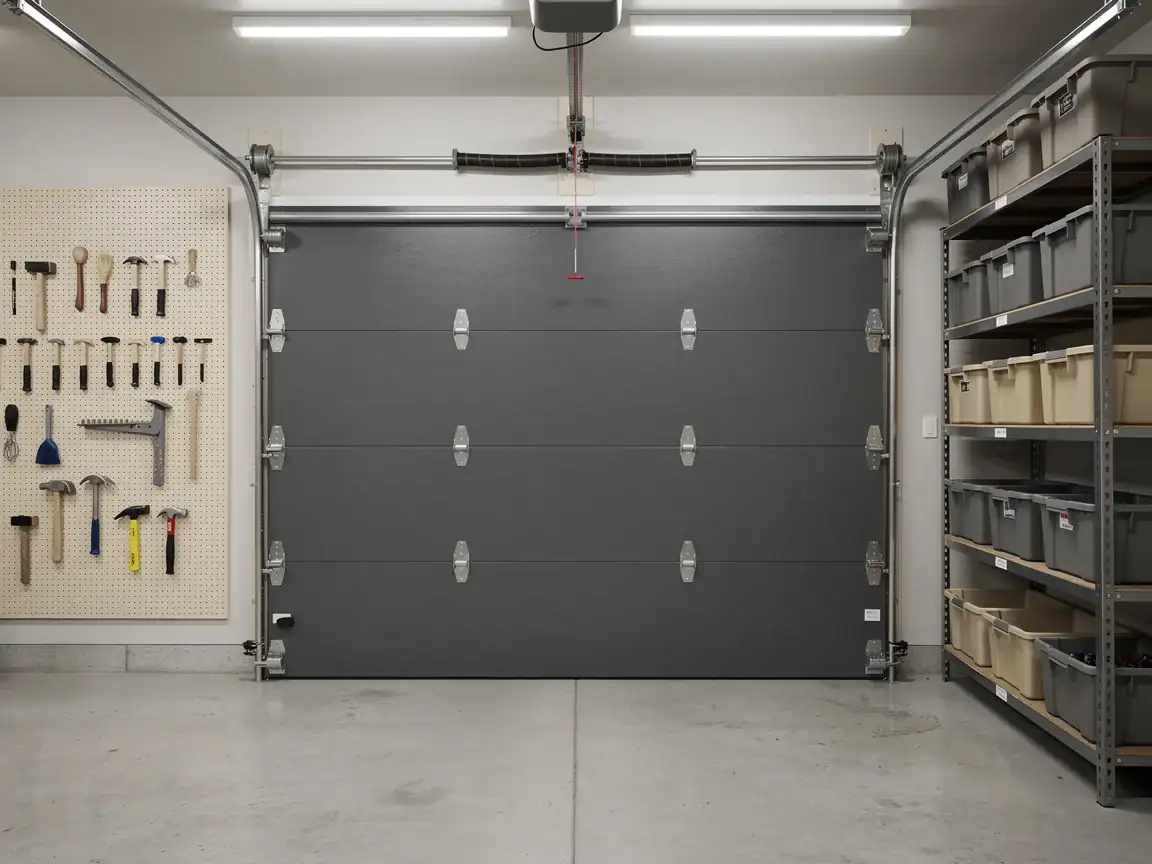
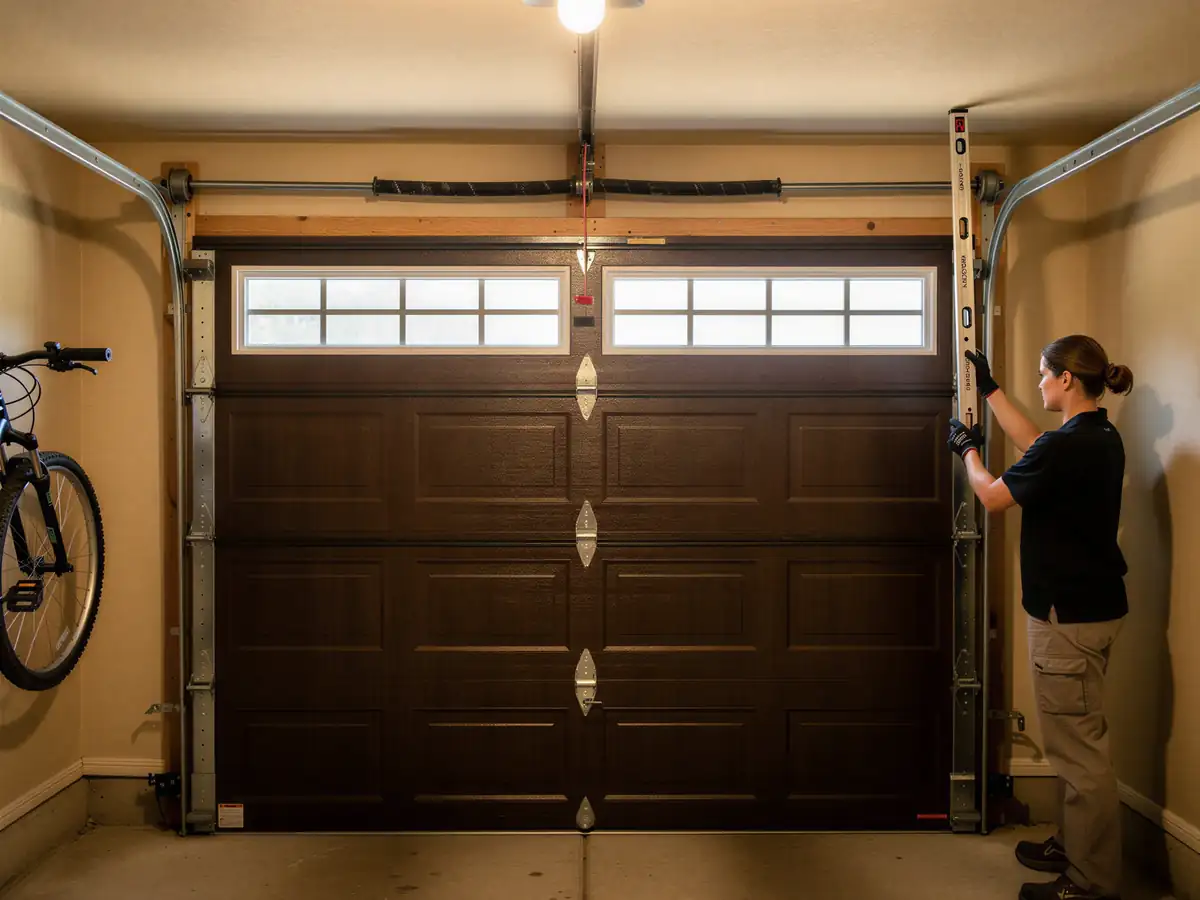
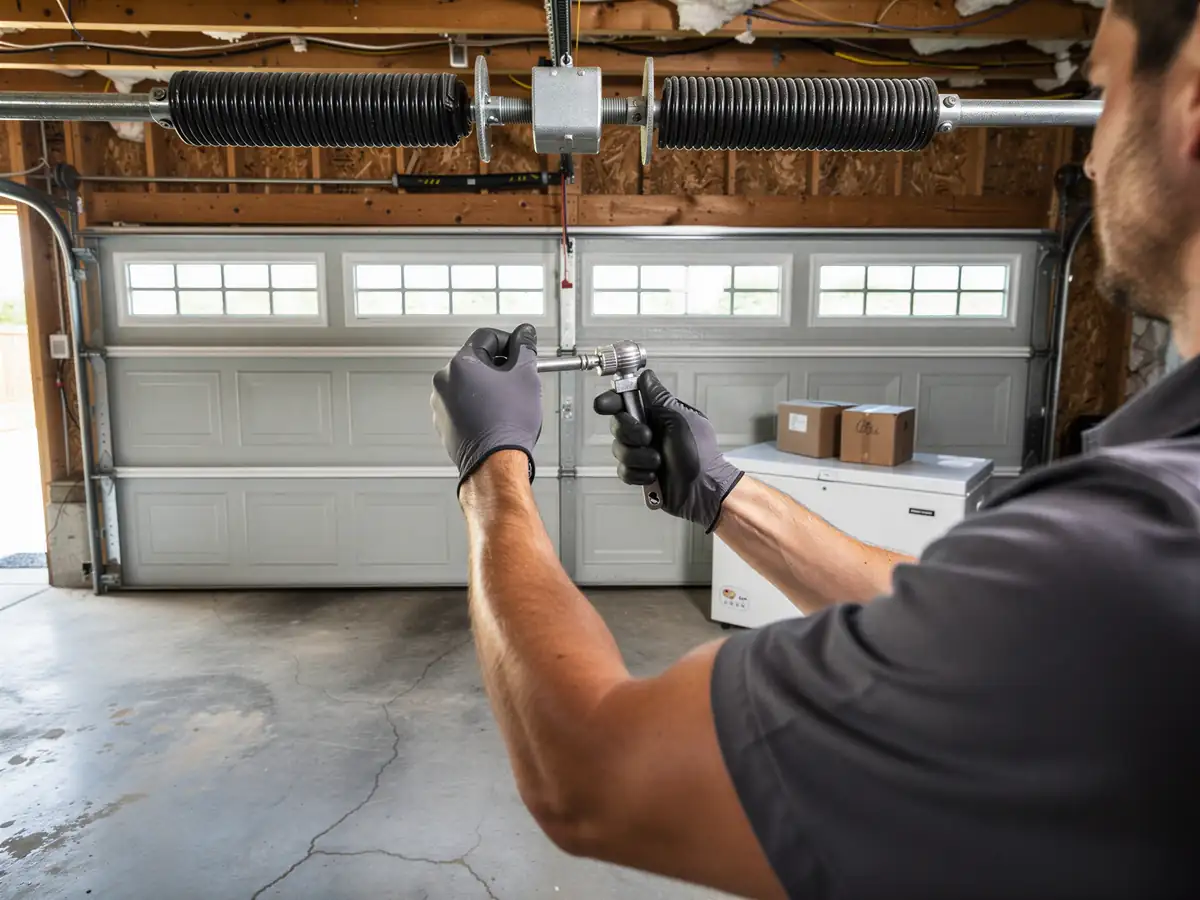
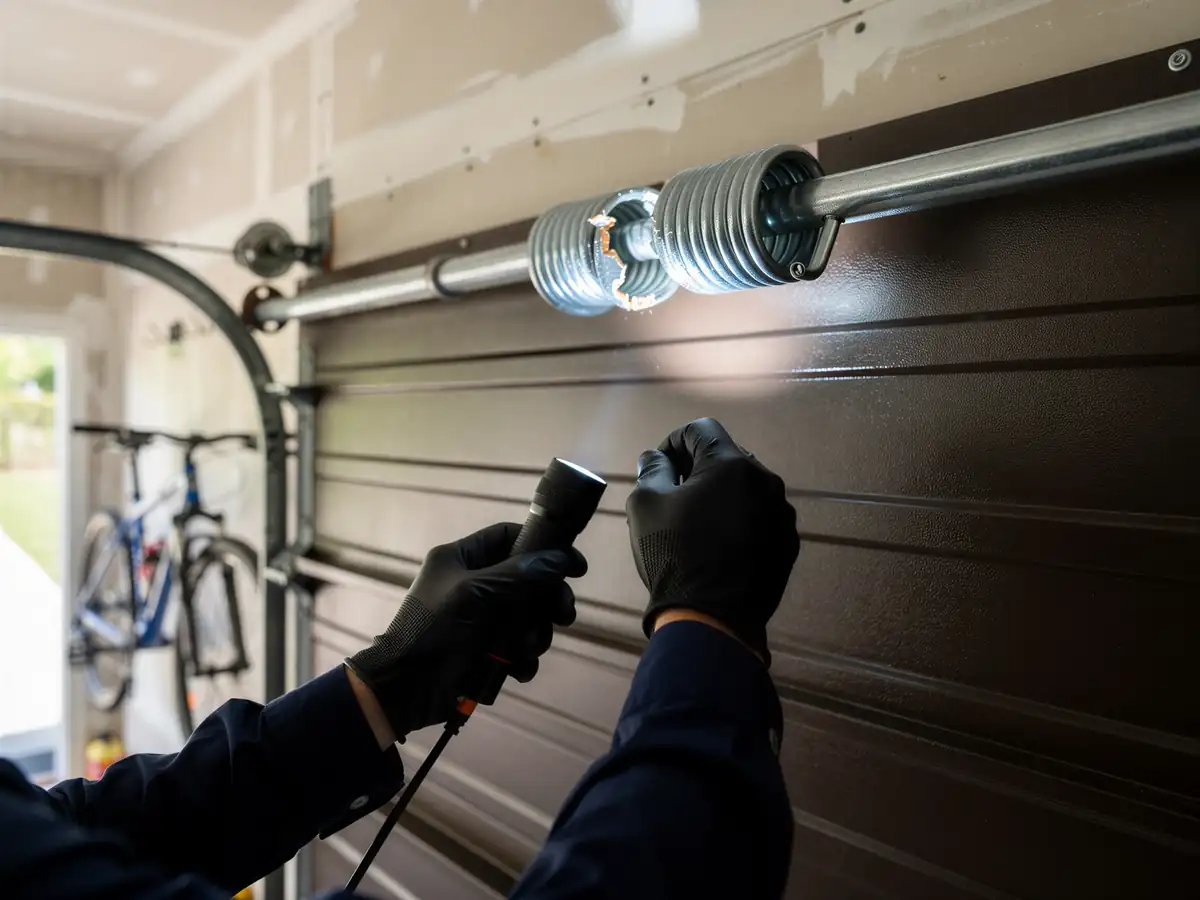
Swapping a single roller on an open, unloaded section of track is within reach for someone comfortable with hand tools - it's mostly a matter of removing the bracket, sliding the stem out, and reversing it. Where we'd stop you is the bottom rollers, which sit under spring tension through the cable and bracket; get that wrong and the door can come down off its track while you're under it. We also wouldn't recommend a DIY roller swap if you've already got a bent track section, since a new roller in a bent track just wears out again fast and masks a bigger problem. If it's a top roller on a door that's otherwise tracking straight, that's a reasonable one to try yourself.