Where This Job Goes Sideways
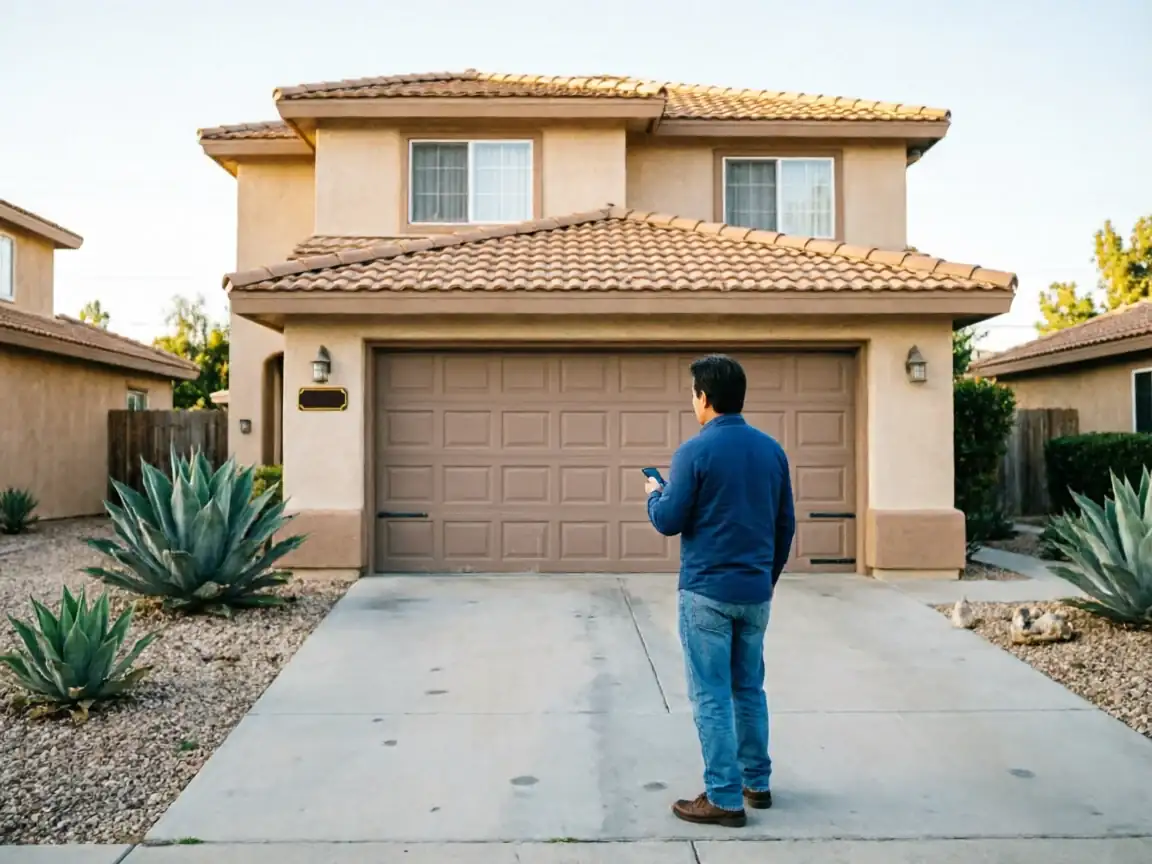
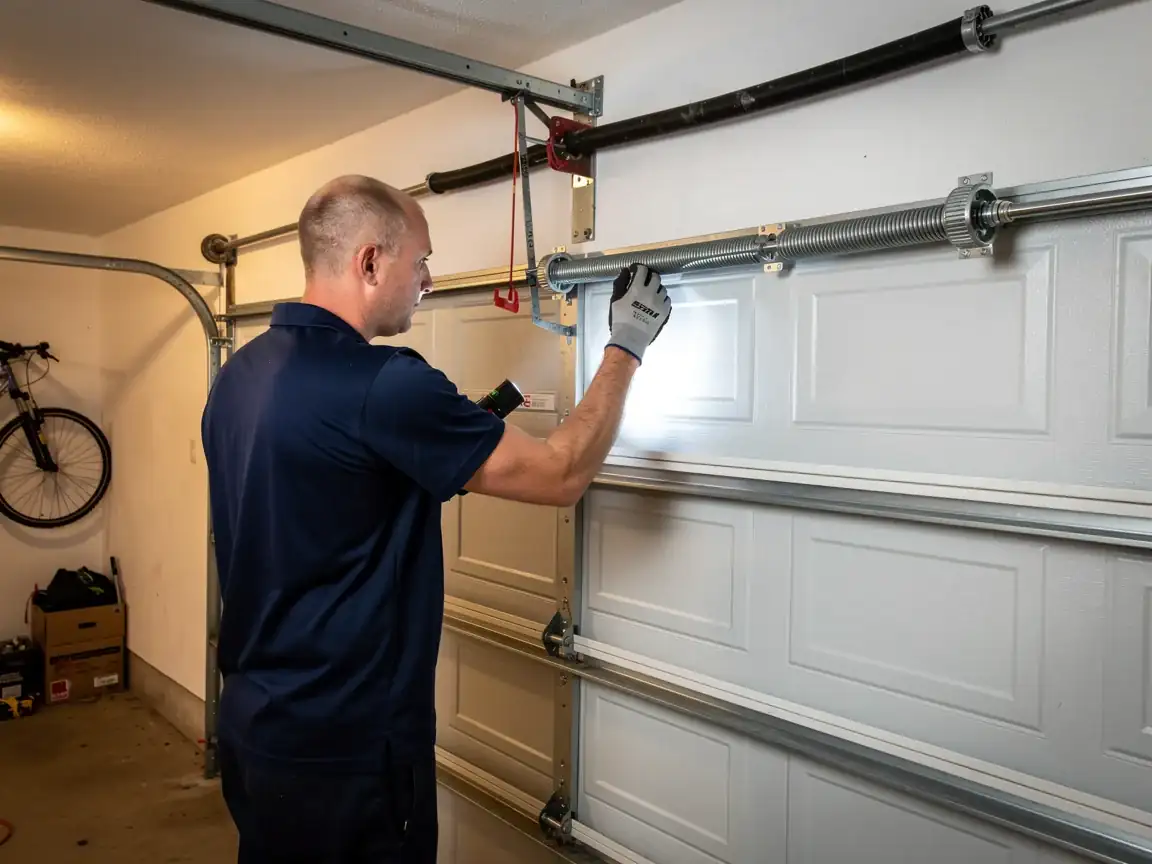
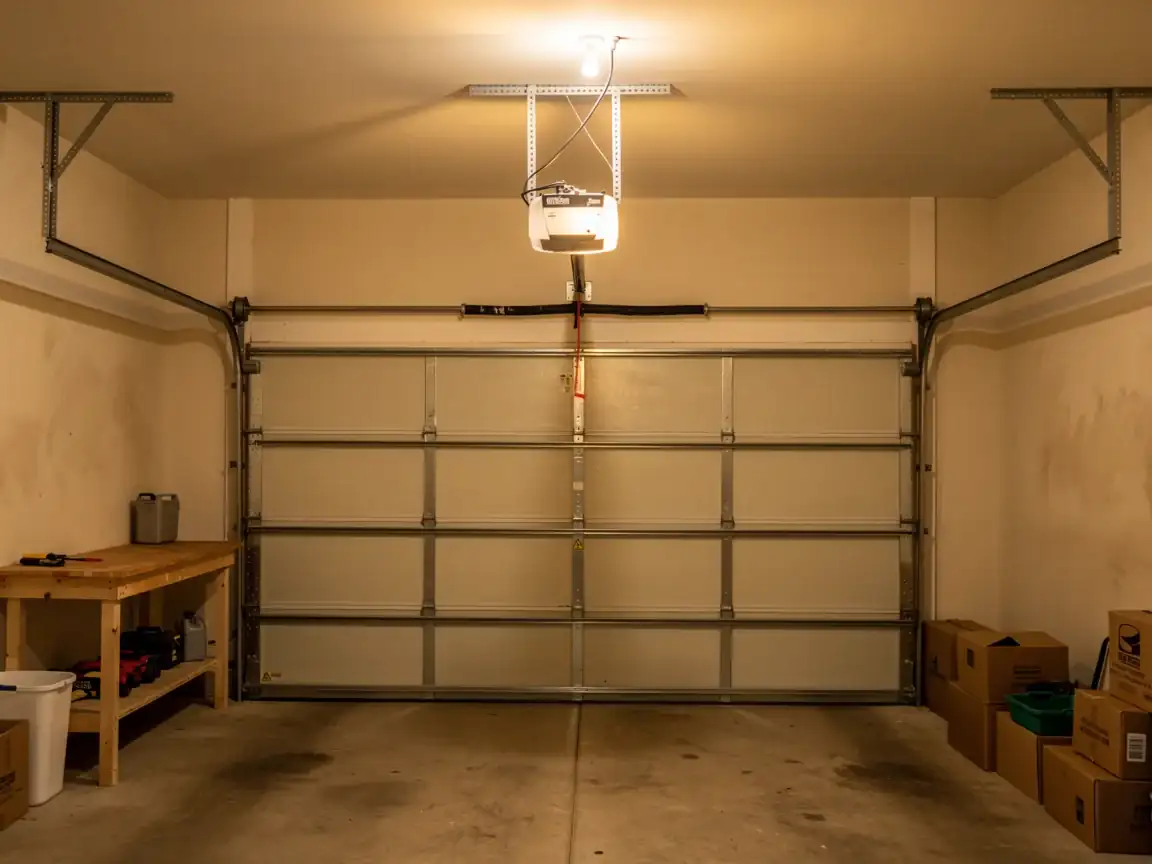
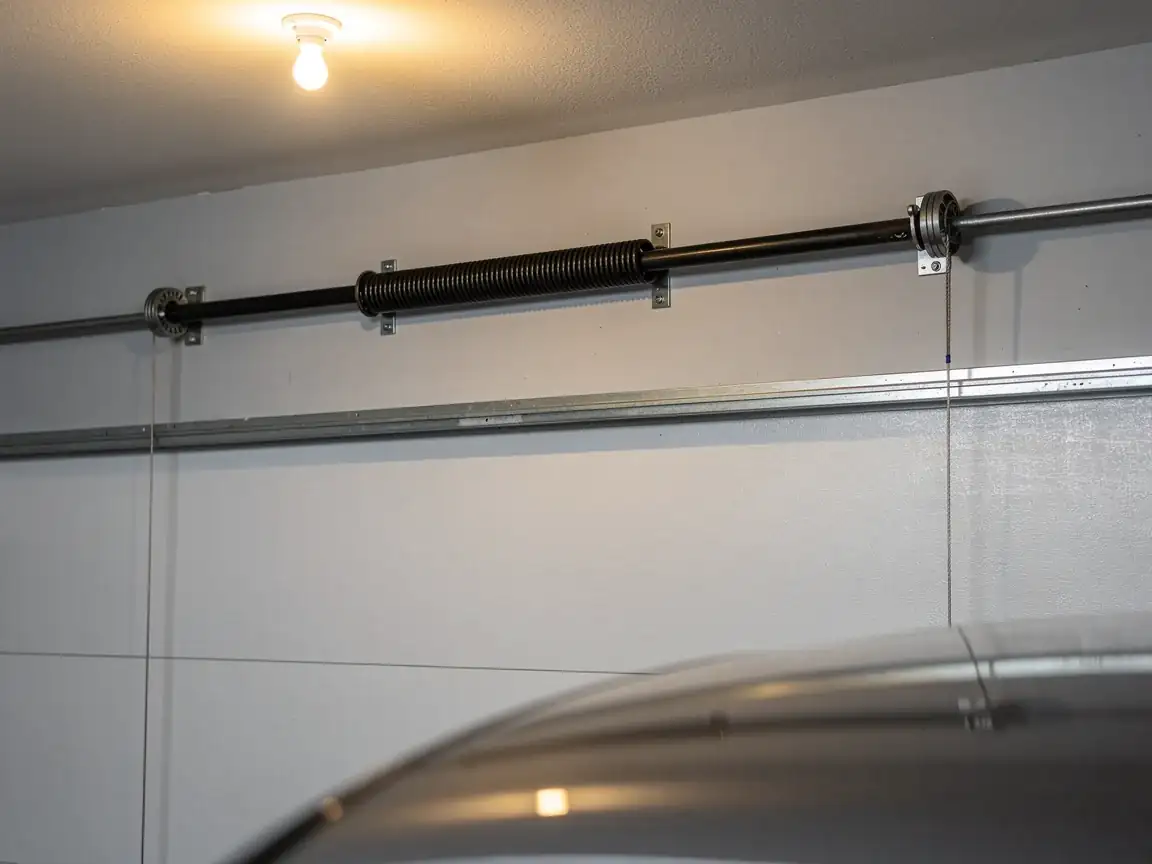
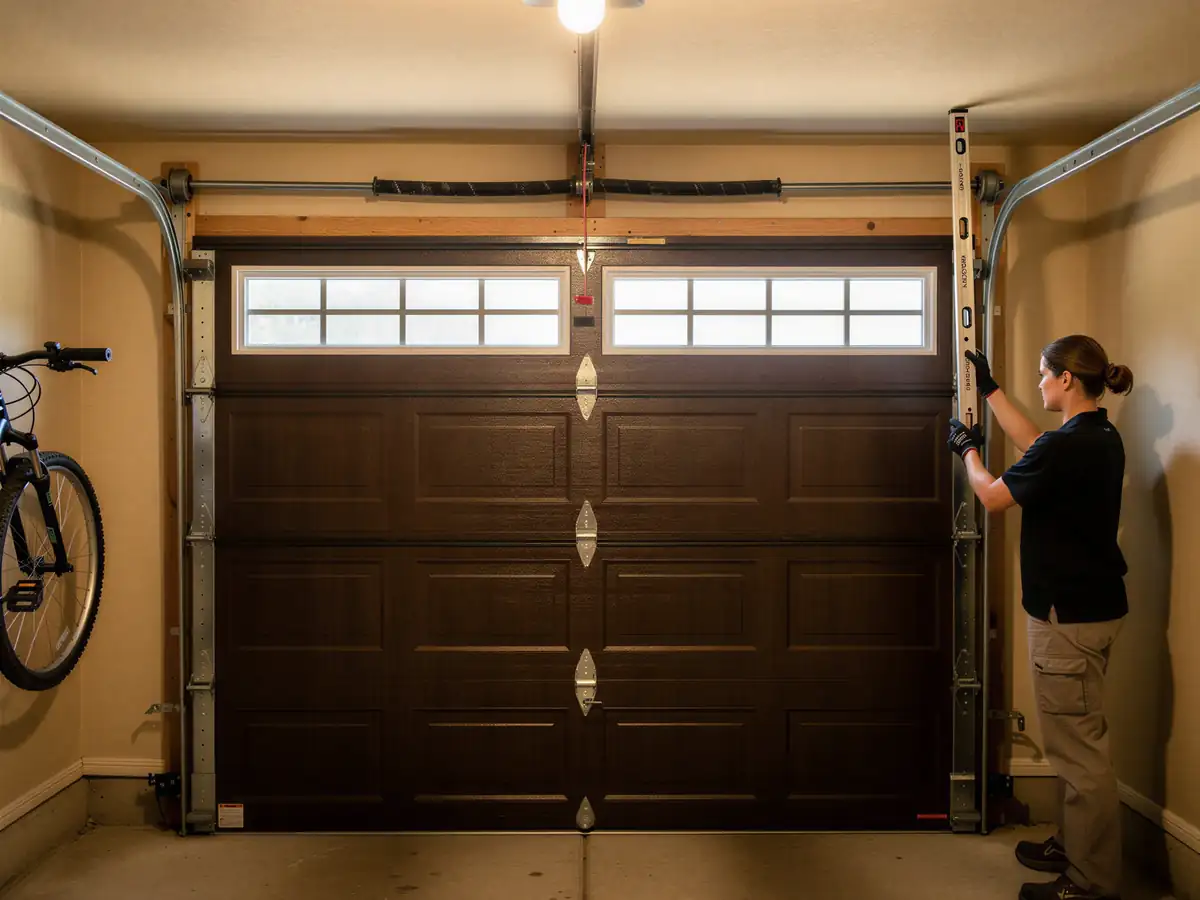
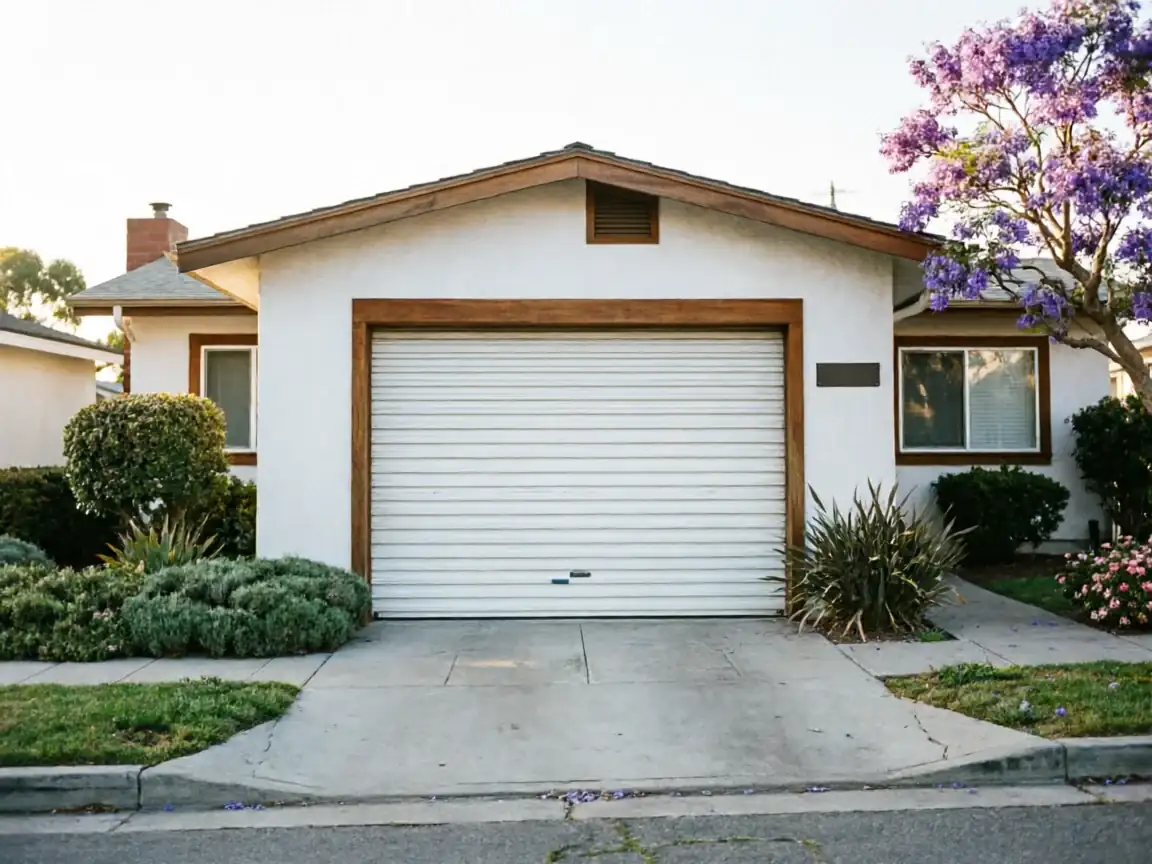
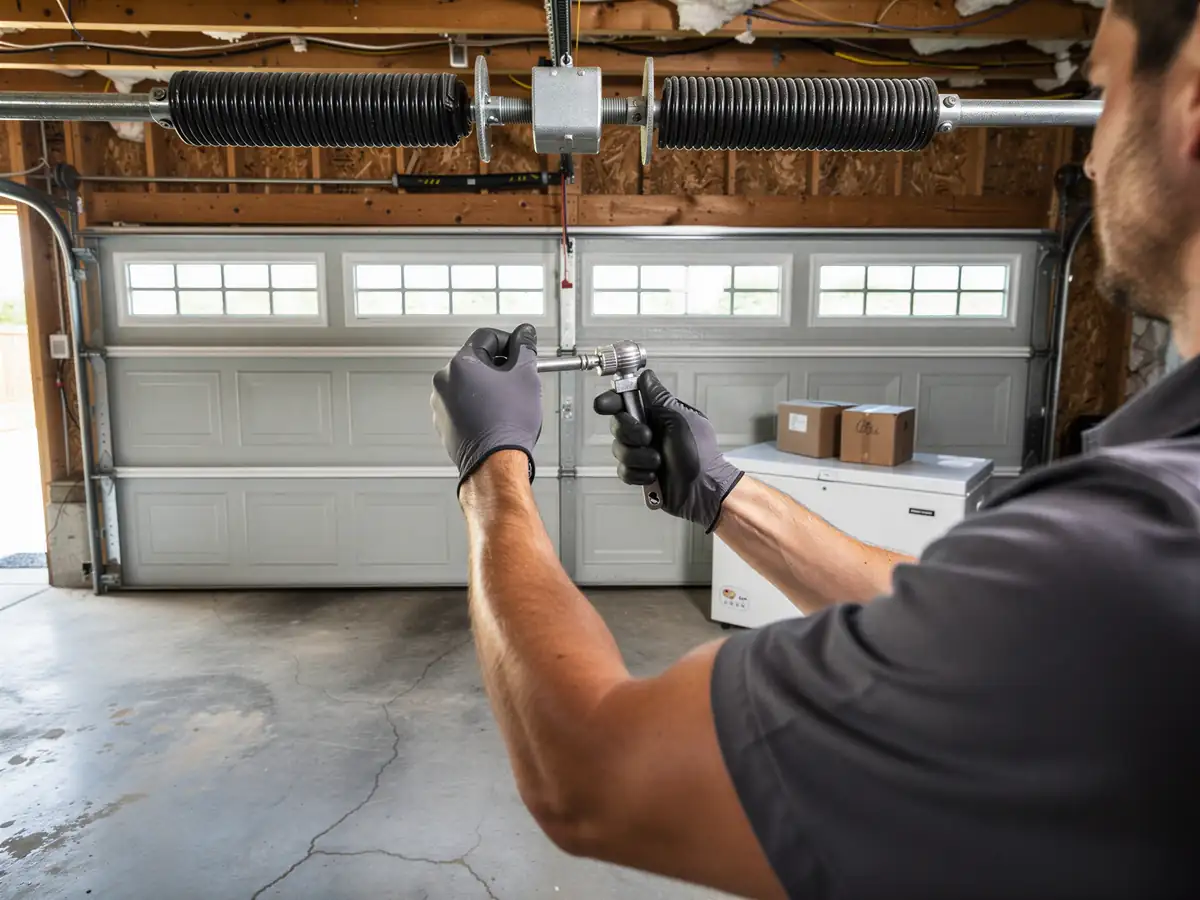
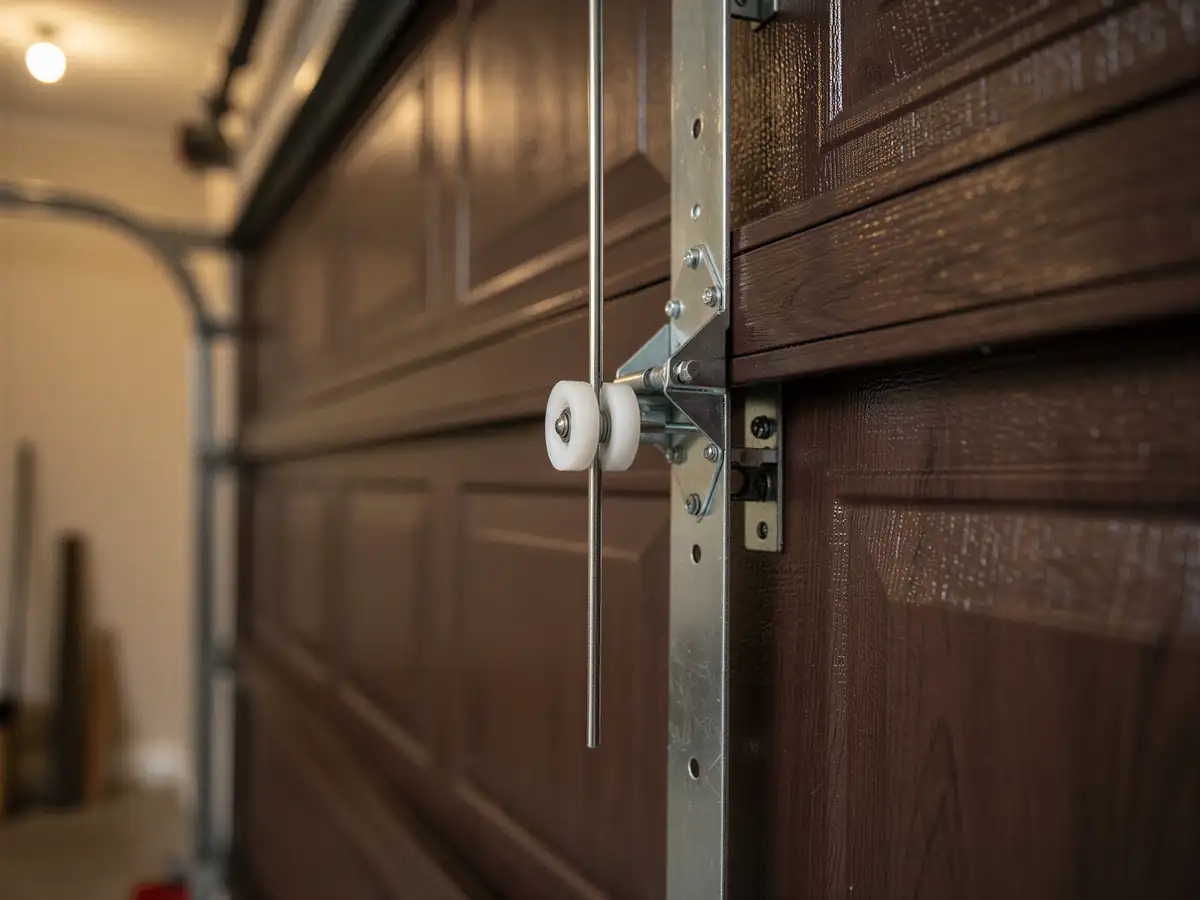
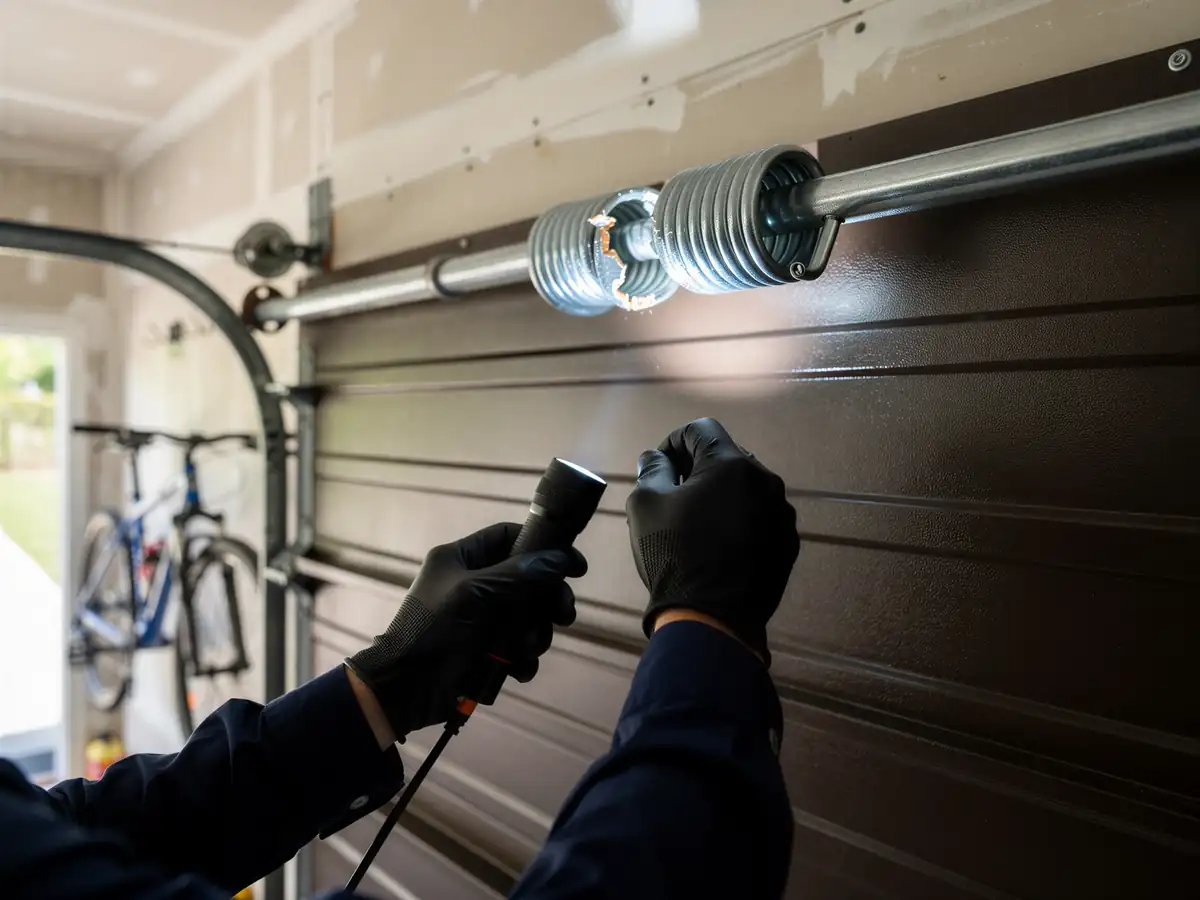
Most houses in this part of Palo Alto went up around 1963, squarely in the torsion-spring era that became standard across the whole region through the 1960s and 70s. That's good news for parts availability on common sizes, but it also means a lot of original one-piece doors are still hanging on side-mounted track hardware that newer installers don't carry stock for. The failure that catches people off guard isn't the spring itself - it's the drum or bearing plate underneath it, which on a door this age has usually never been replaced and can be seized or cracked by the time the spring finally lets go. We also see cable fraying at the drum on these older setups, which looks minor until the door drops unevenly on one side. A straightforward spring swap turns into a longer job when the opener bracket, the track, or the jamb itself is original 1960s stock and needs matching hardware rather than a universal part. We tell people this upfront rather than quoting a quick fix and finding the real scope once the door's apart.
What You Pay
We don't post a flat number here because the spread between a cable job and a full torsion spring replacement on an original-era door is wide, and quoting one price for both would be dishonest. What drives the cost is parts, not the drive from Santa Clara - a standard spring and drum swap is a different job than one where the bearing plate or track also needs replacing because it's original to a 1963-era install. Palo Alto's median household income runs well above the broader Santa Clara service area's figure, and in practice that tends to show up as more owners opting to replace an aging door system outright rather than keep patching the same original hardware. We'll always tell you which of those two roads you're on before we start, and we won't recommend a full replacement if a repair gets you several more years out of the door.
How Long It Takes
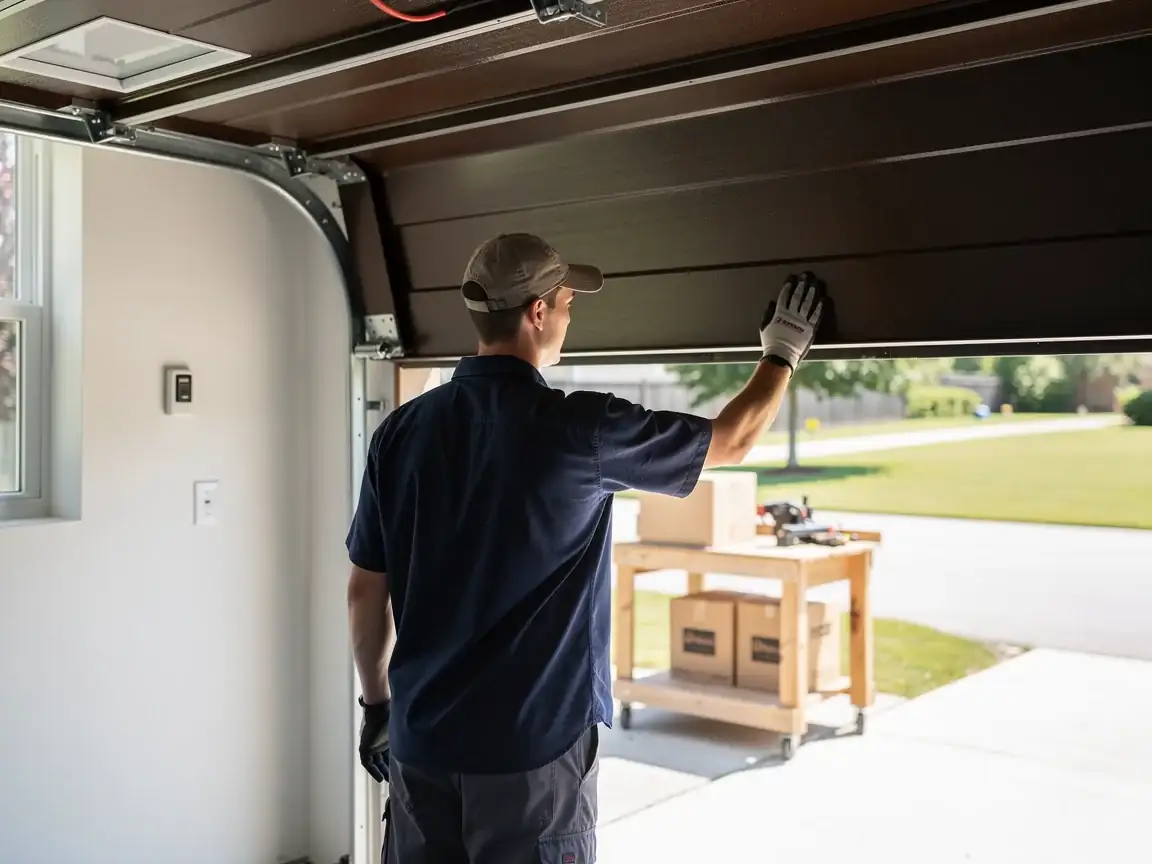
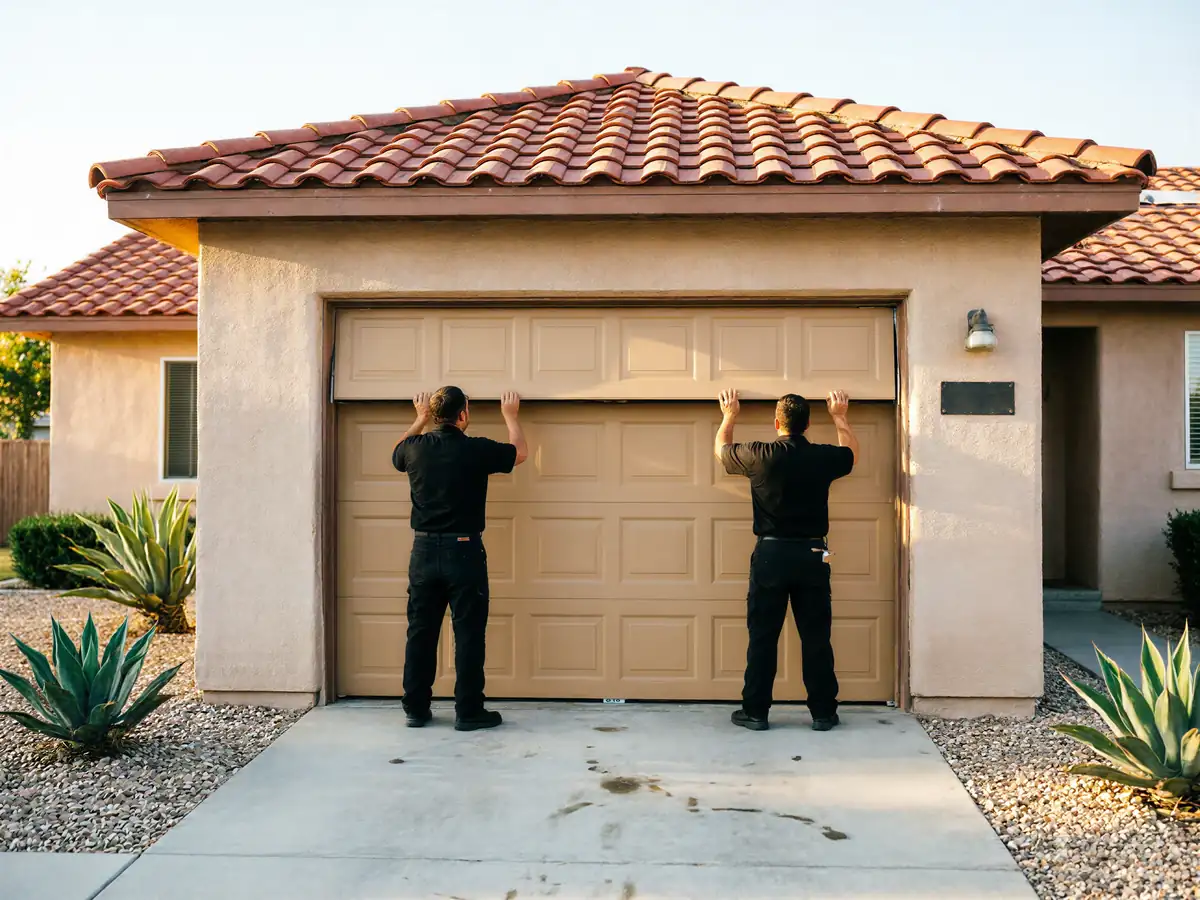
Because the truck is traveling ten miles from Santa Clara rather than sitting around the corner, the window for a Palo Alto call runs a bit longer than for closer parts of the service area - that's a function of distance, not urgency. Once we're on site, a standard spring or cable repair is usually finished in under two hours. Jobs run longer when the hardware is original to the house and a replacement drum, track section, or bracket has to be matched rather than swapped off the shelf, which comes up more often here given how much of the housing stock dates to the early 1960s. We'll give you a realistic estimate once we've actually seen the door and the hardware behind it, not before.
Stocked Parts
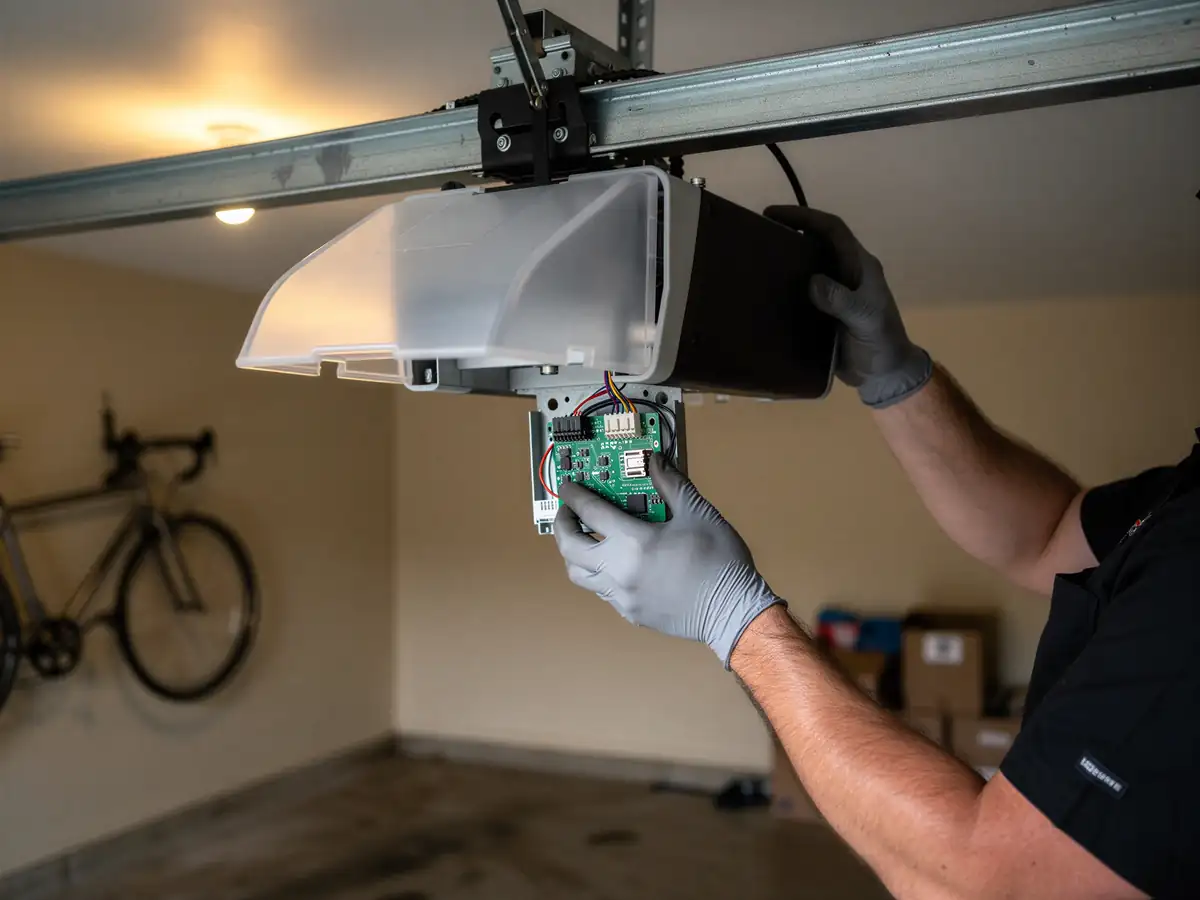
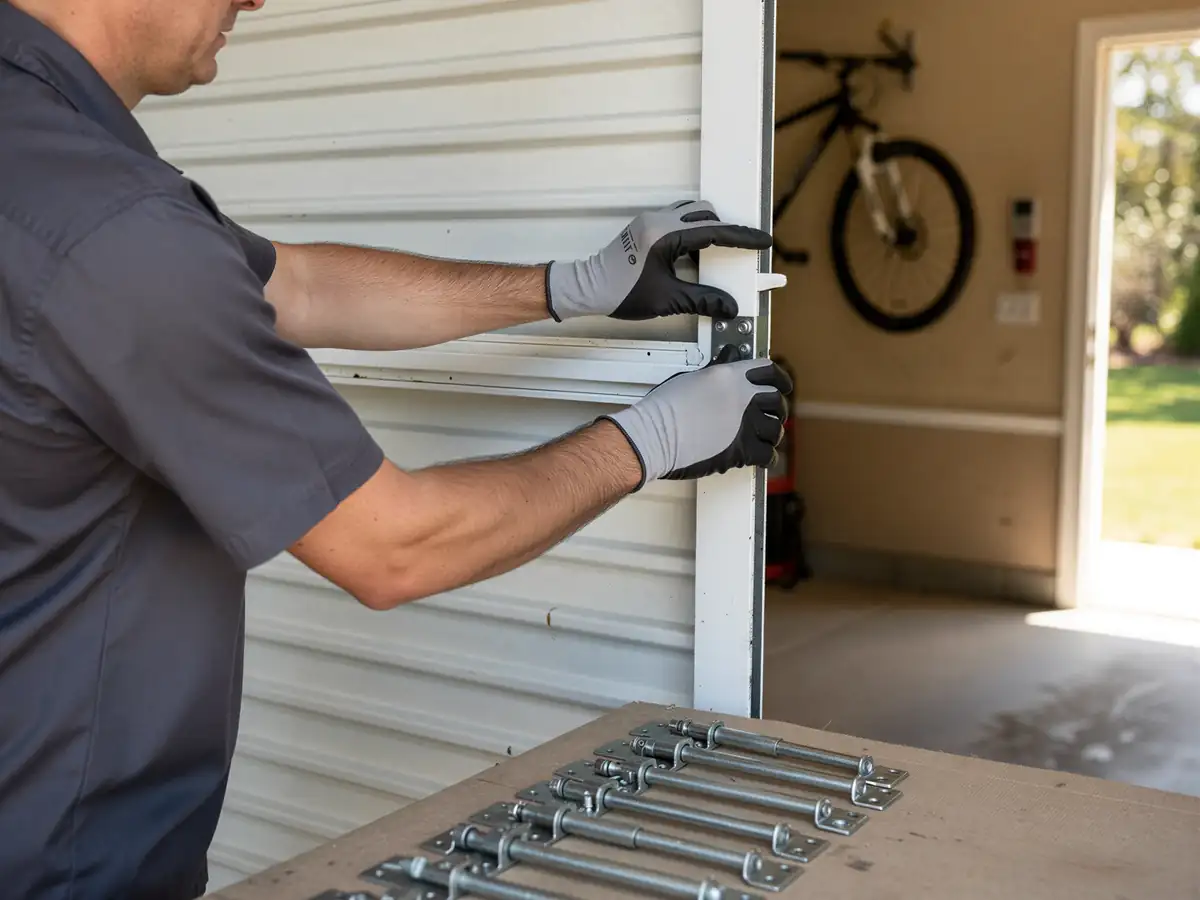
The truck carries torsion springs, drums, cable, rollers, and hinges sized for the hardware that was standard when most of this area's houses were built, which covers the great majority of Palo Alto calls without a return trip. Where we run into trouble is original 1960s track brackets or jamb hardware that manufacturers stopped producing decades ago - if a job needs one of those, we're honest that it may mean a short parts delay rather than same-visit completion. That's the one limitation worth saying plainly: we stock for the era, not for every discontinued part that era ever produced. For openers, we carry common replacement logic boards and remotes, but a legacy opener from the original install sometimes needs a part we have to order rather than pull off the truck.