Where This Job Goes Sideways
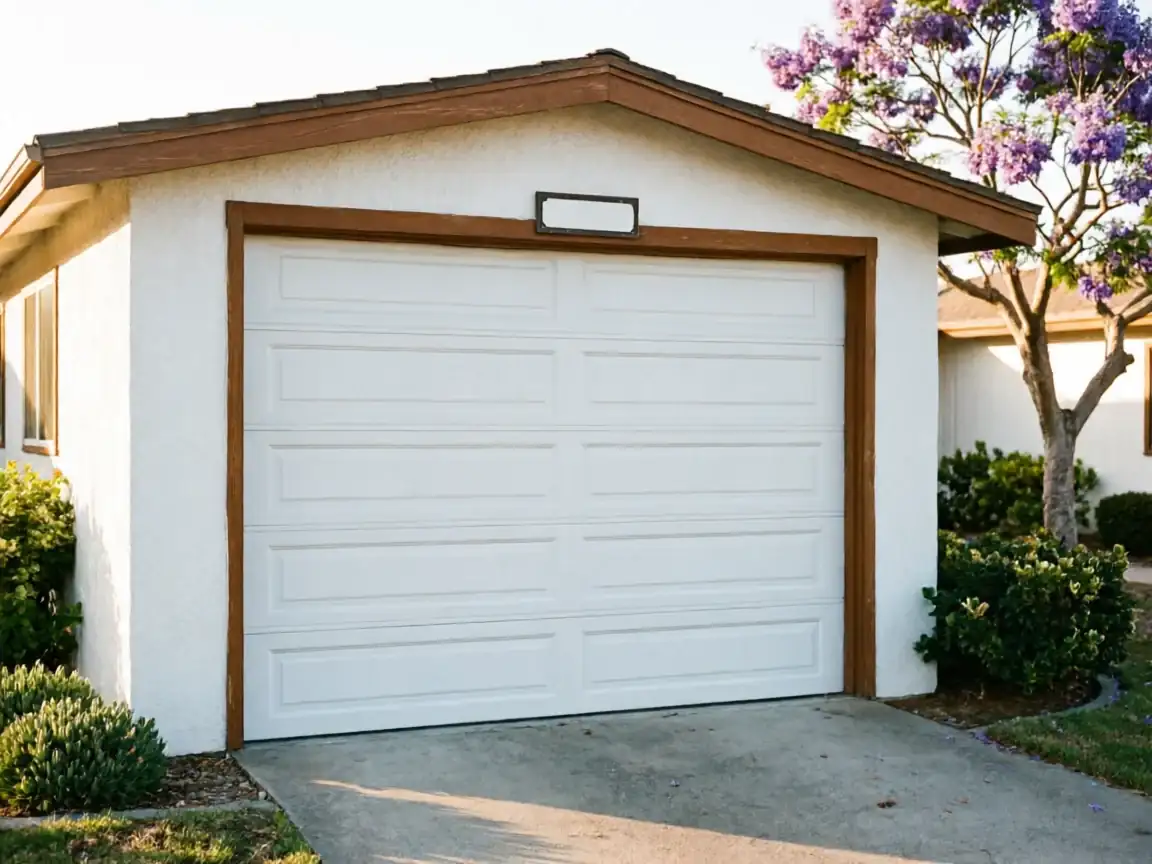
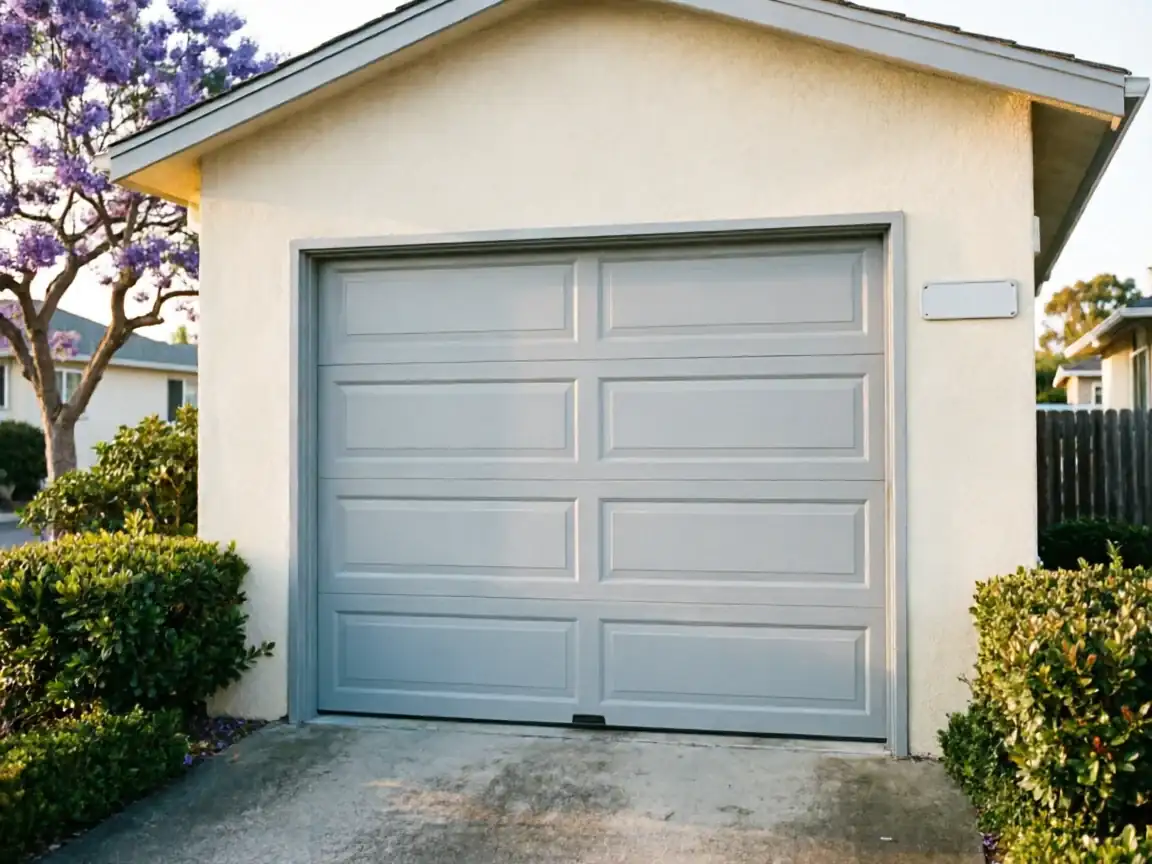
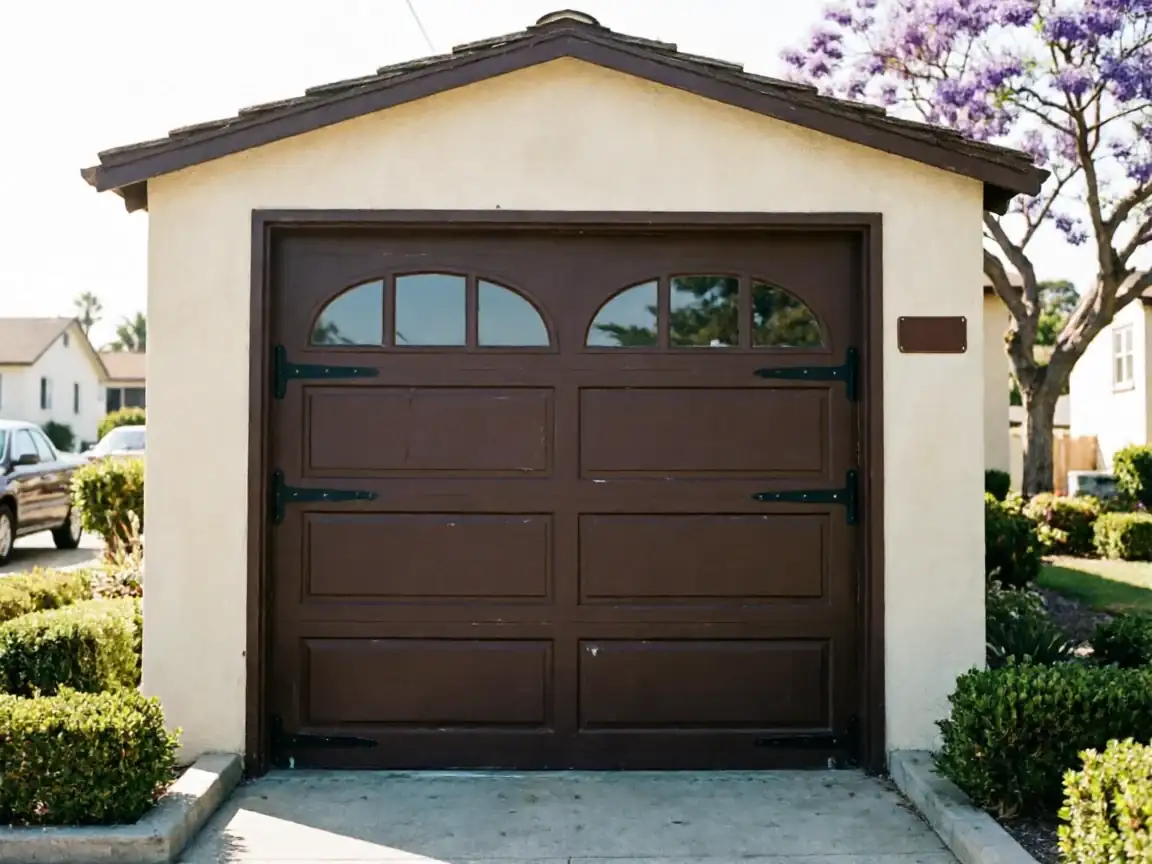
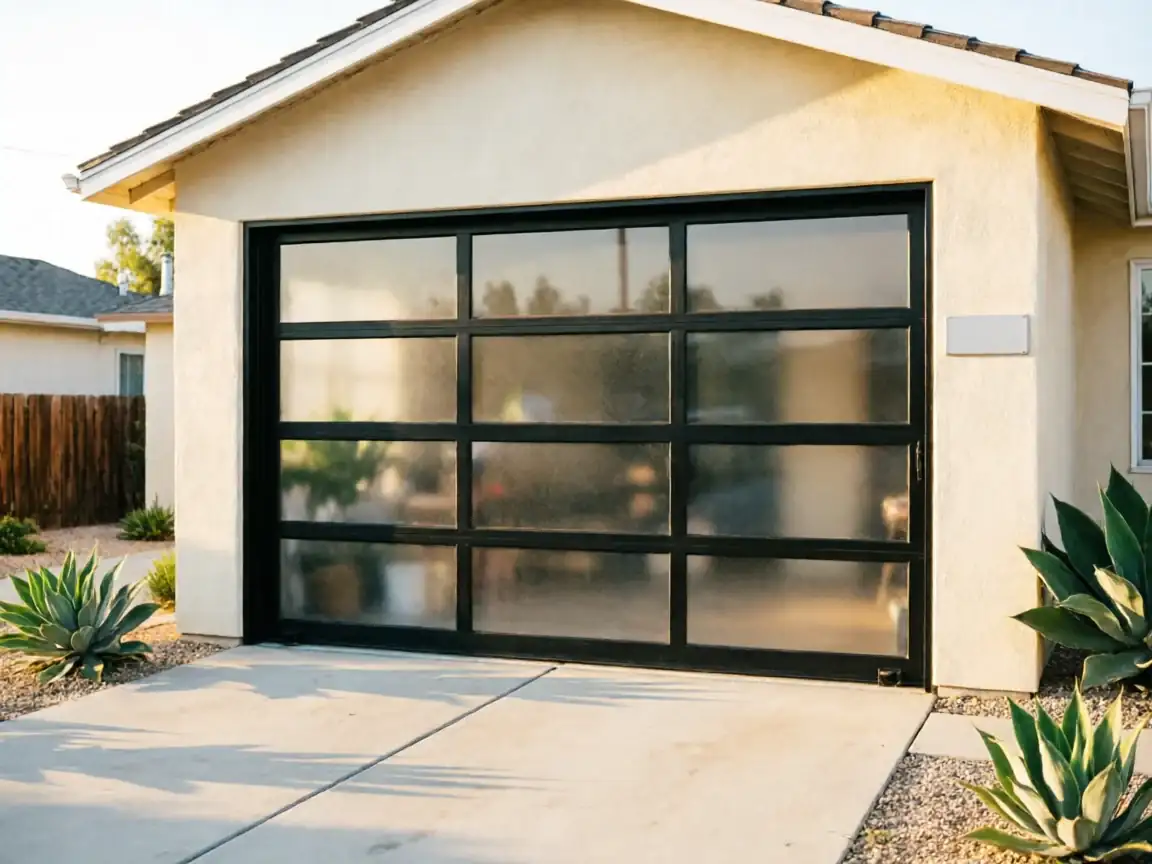
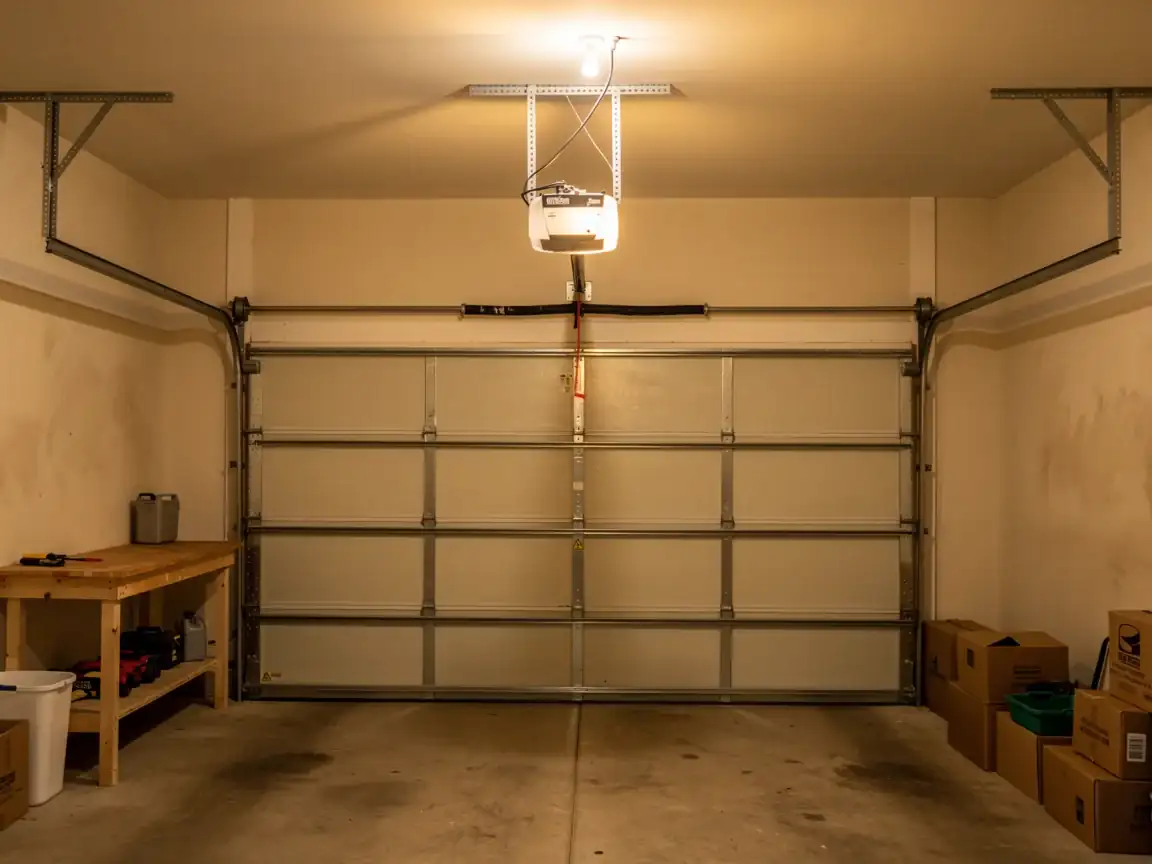
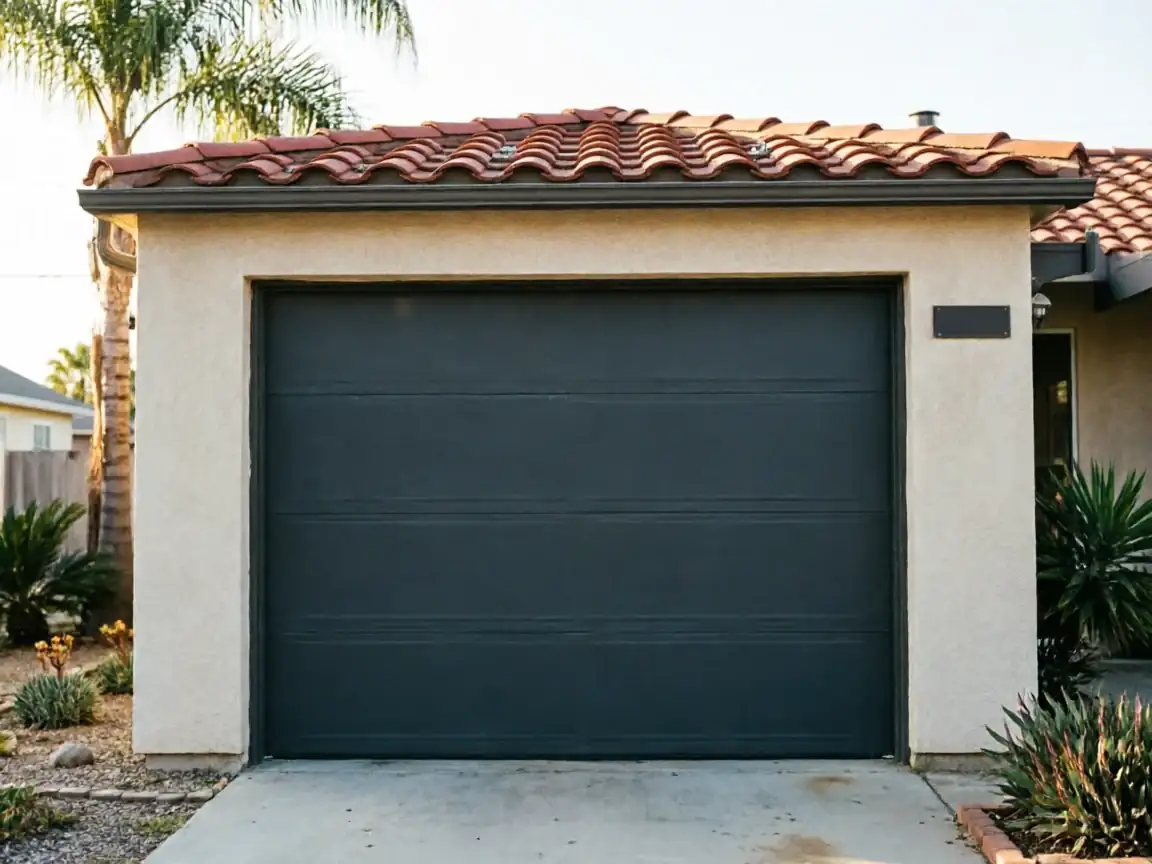
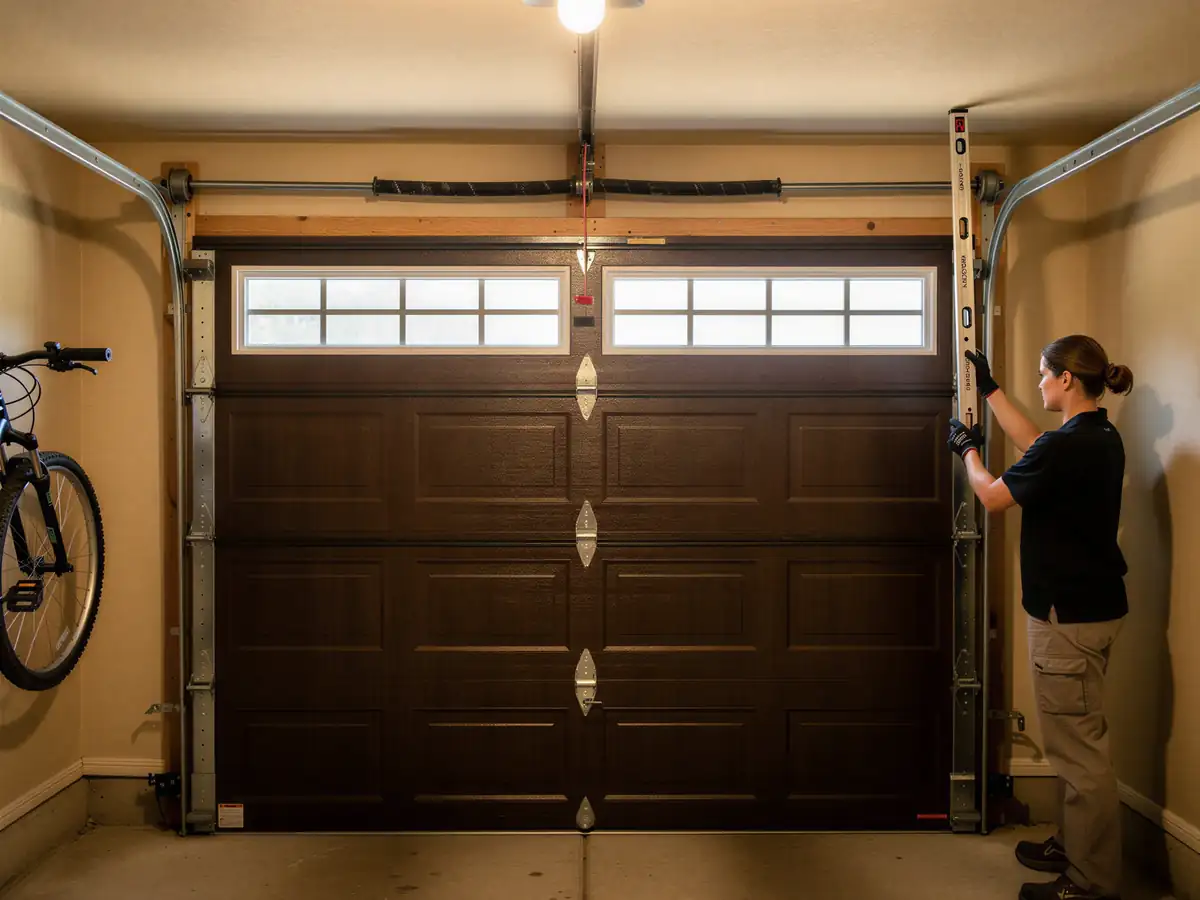
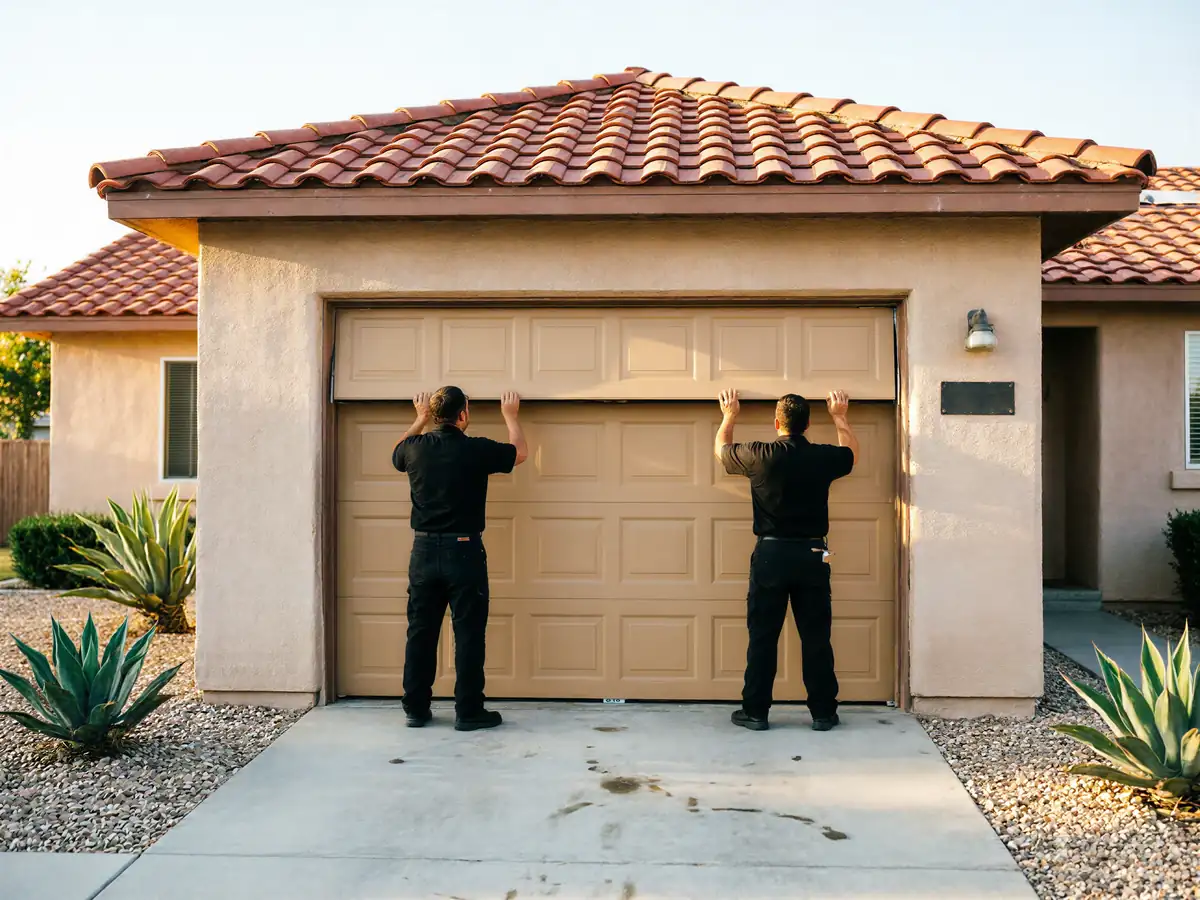
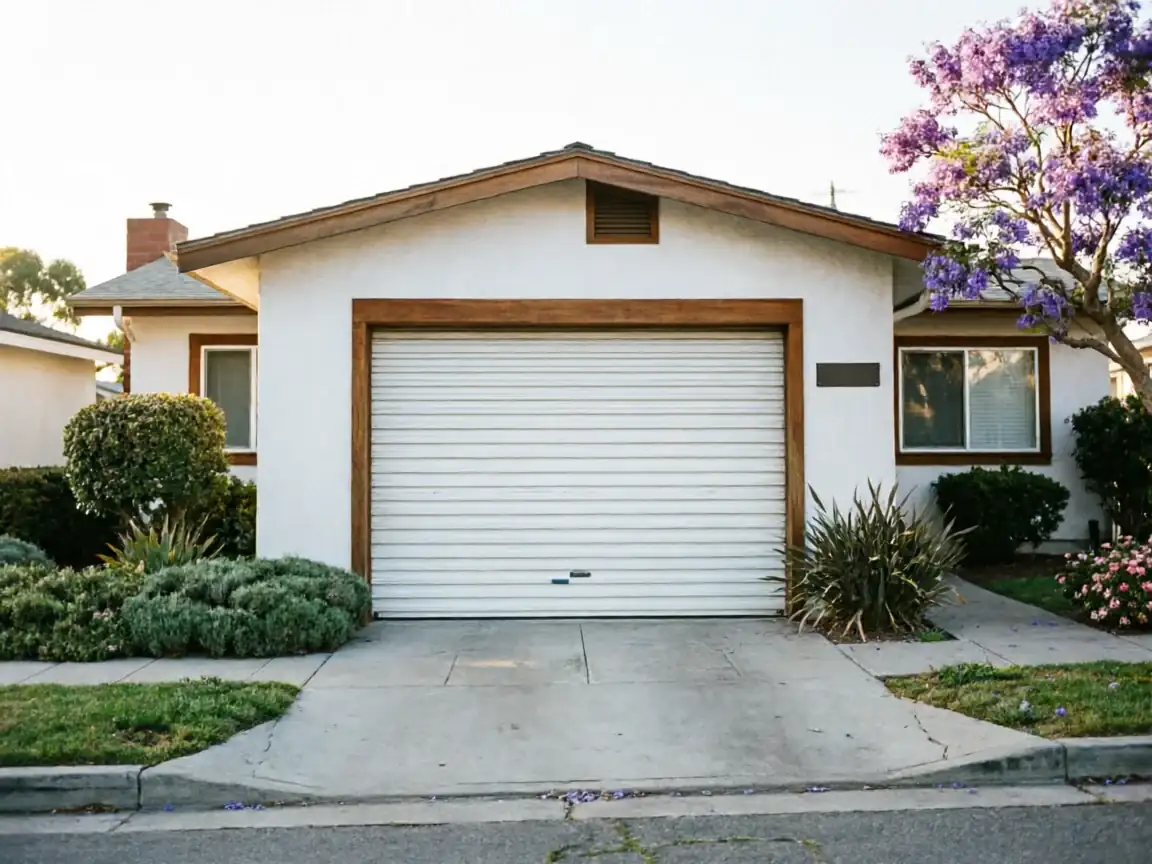
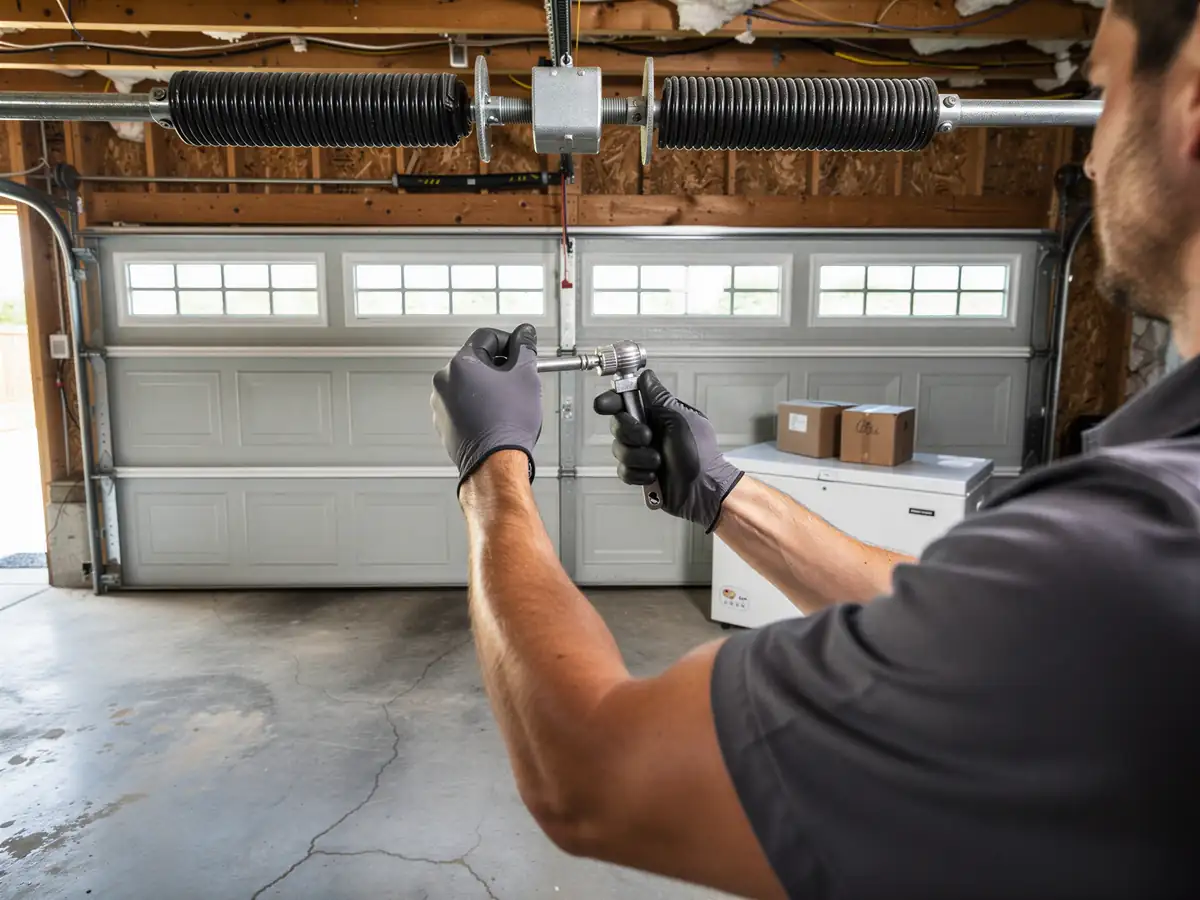
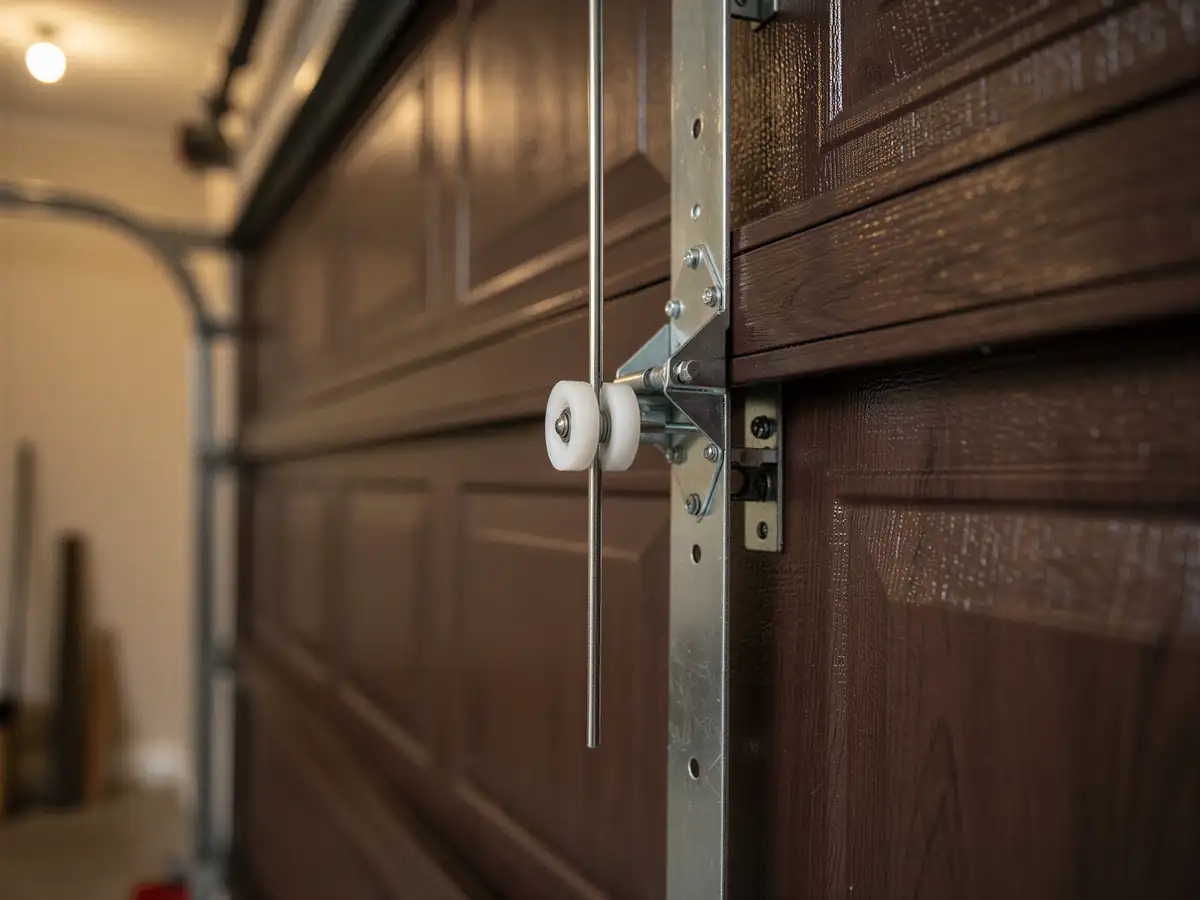
The trouble starts with age. Palo Alto's housing stock is mostly 1947 to 1987, with a median build year around 1963, which means a lot of doors here are original or close to it. A panel from a door that age often isn't in production anymore, and the track width, hinge spacing, or panel profile on a 1960s door doesn't always match what current manufacturers stock. We've opened up doors expecting a straightforward swap and found the replacement panel is a quarter-inch off on hole spacing, which means re-drilling hardware or special-ordering instead of a same-day fix. The other place this goes sideways is when the dent has bent the track or pulled a hinge loose from the frame. That's not a panel problem anymore, that's a structural one, and it changes the job.
What You Pay
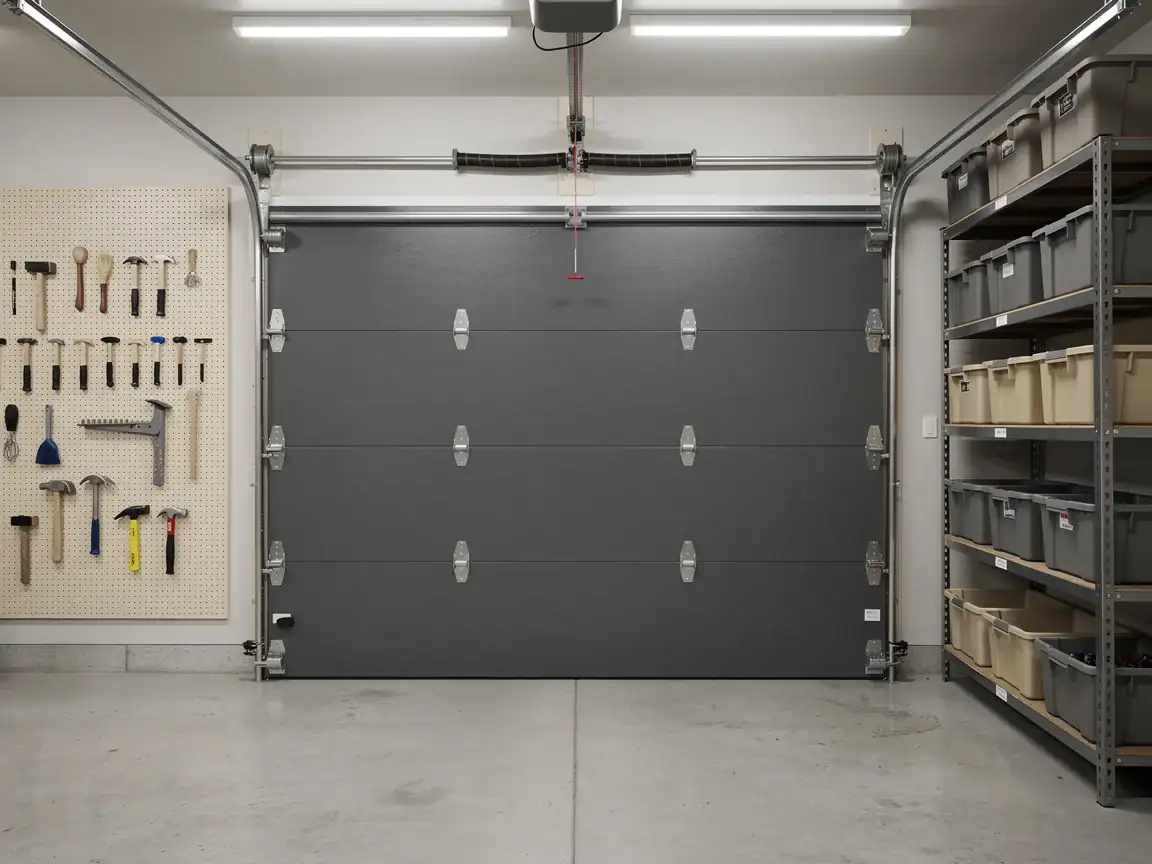
We don't post a flat number here because panel cost depends entirely on what's on your house. A matching steel panel for a door still in production costs less than a special-order wood panel or a universal match that needs trim work to look right. What we can tell you is how we think about it at this income level: if panel and labor start approaching half the cost of a new door, we'll say so, because at that point most owners here are better served replacing the whole door and getting new weatherstripping and hardware with it, rather than paying close to full price to keep an old door another five years.
How Long It Takes
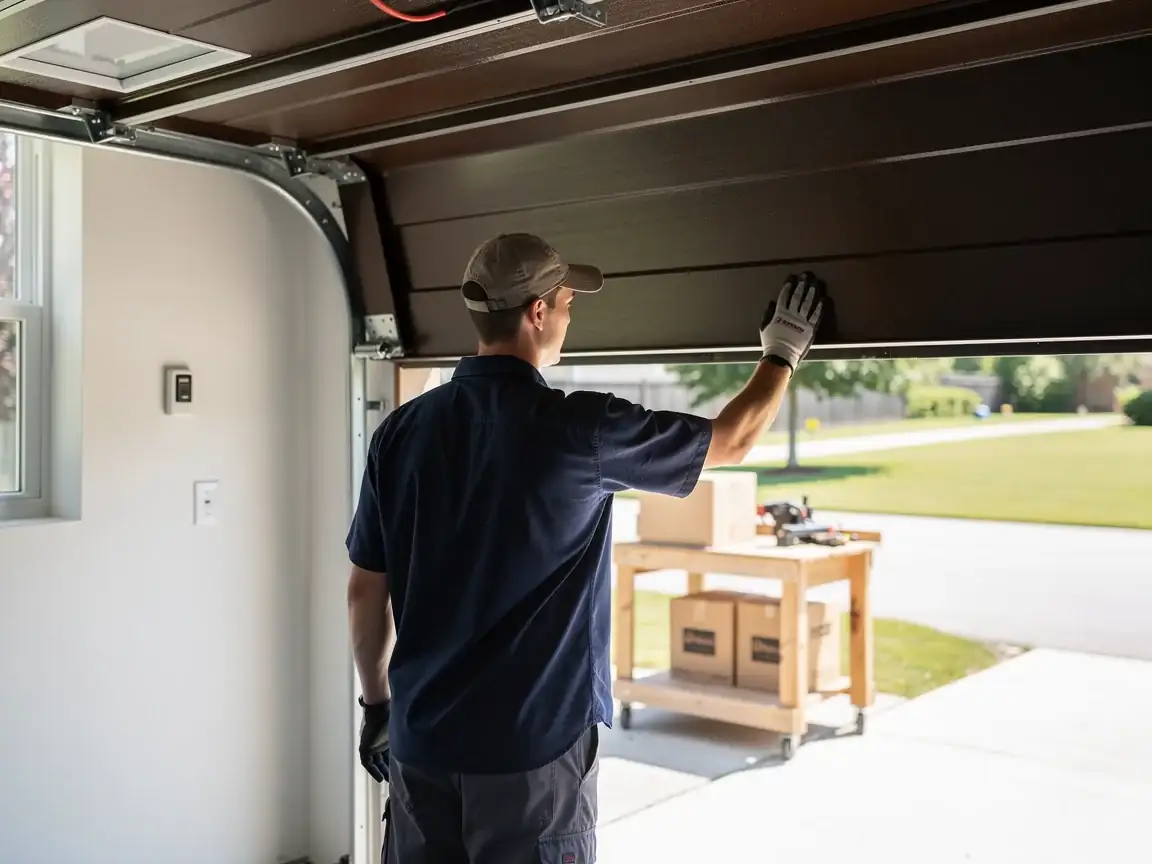
A single panel swap where we have the part in the truck is usually the fastest job we do, often finished within the same visit once we've confirmed the match. The time sink is almost always sourcing, not installing. If your door's panel run isn't something we carry and we have to order a match for an older profile, that's the part that stretches the timeline, not the actual labor at your house.
Stocked Parts
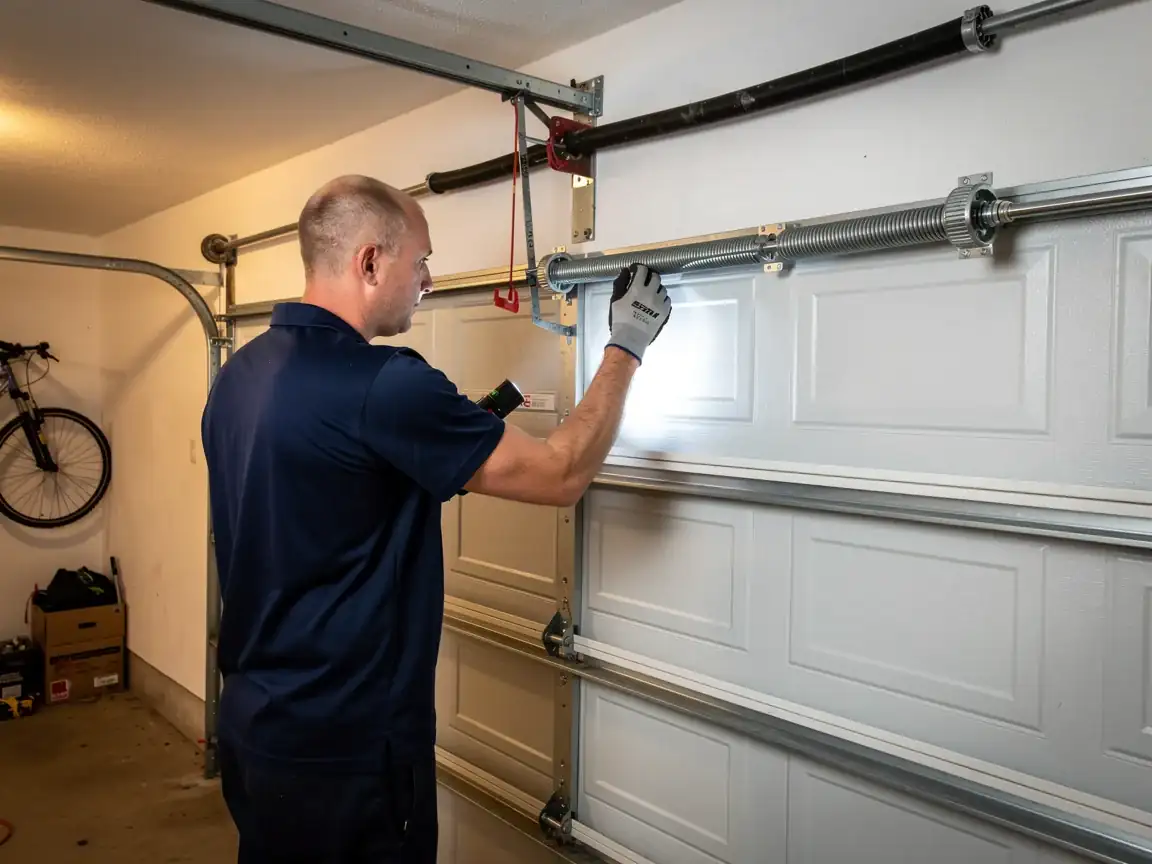
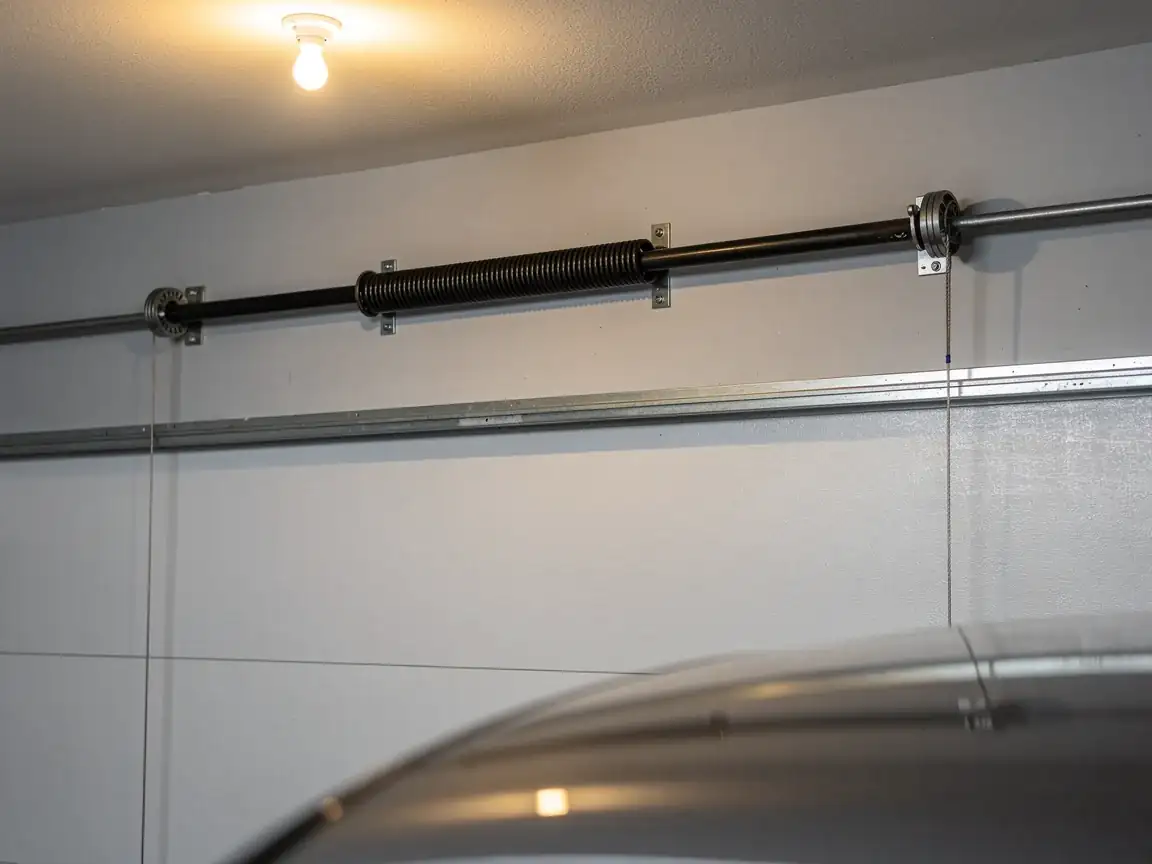
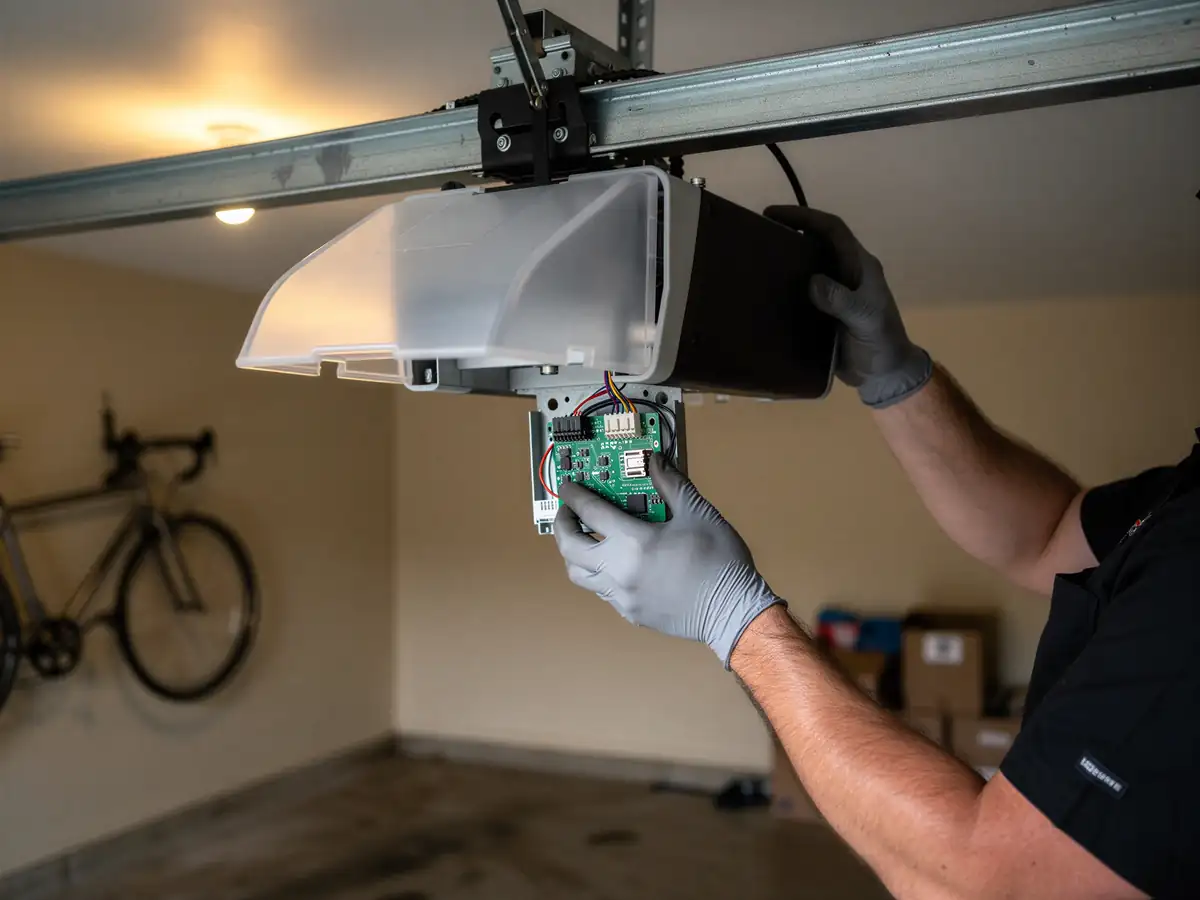
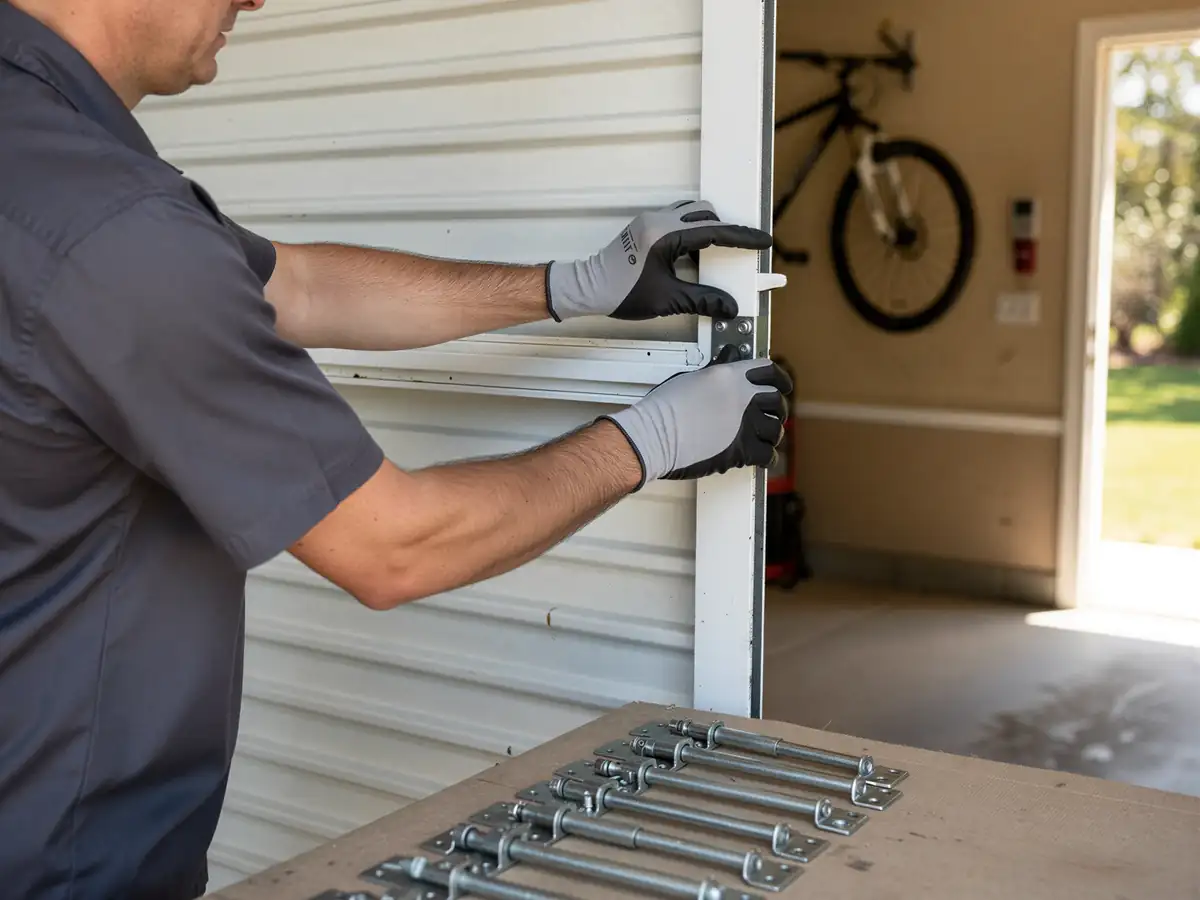
We carry common panel sections, hinges, rollers, and matching hardware for the door styles that show up most often across the area we serve from Santa Clara, including the mid-century steel and wood doors typical of Palo Alto's 1960s housing. What we don't stock is every discontinued profile from every manufacturer that built doors in the 1950s through 1980s. On those, we're honest that we'll need to order the part before we can finish the job, rather than improvise a fit that won't hold up.