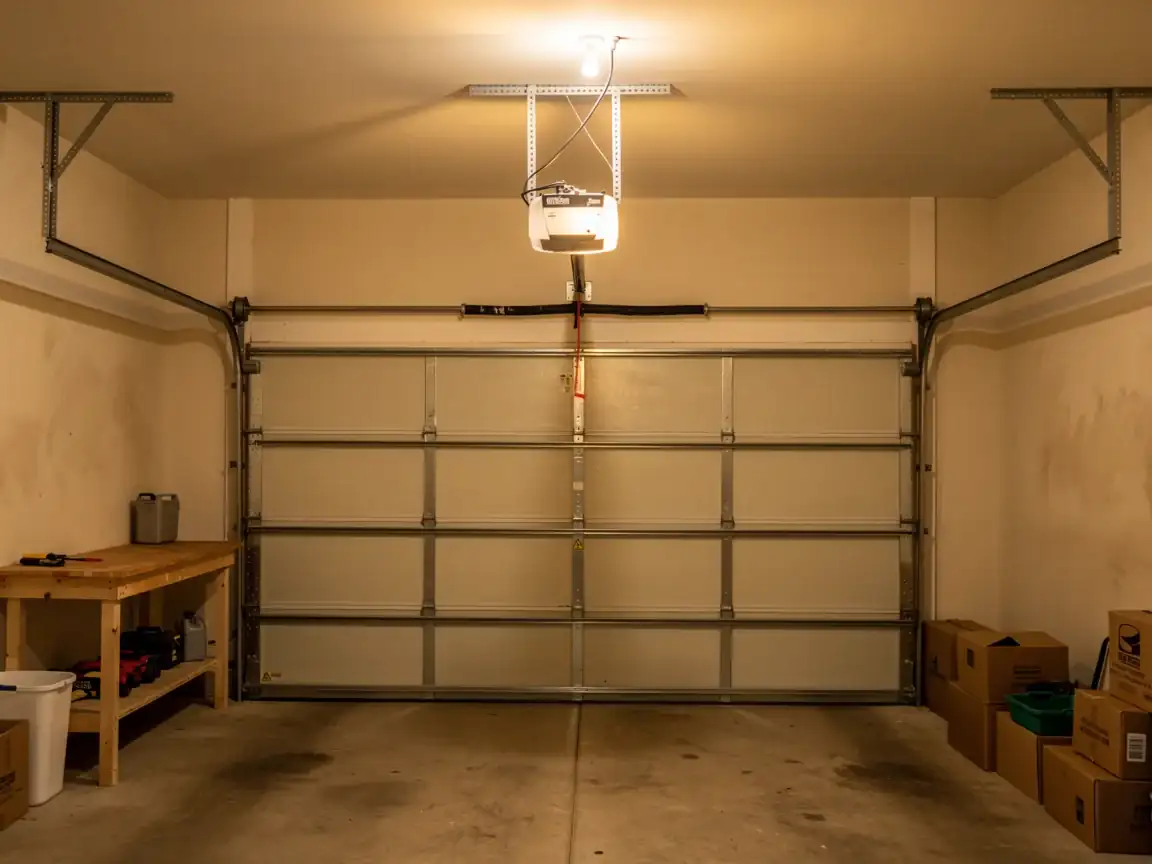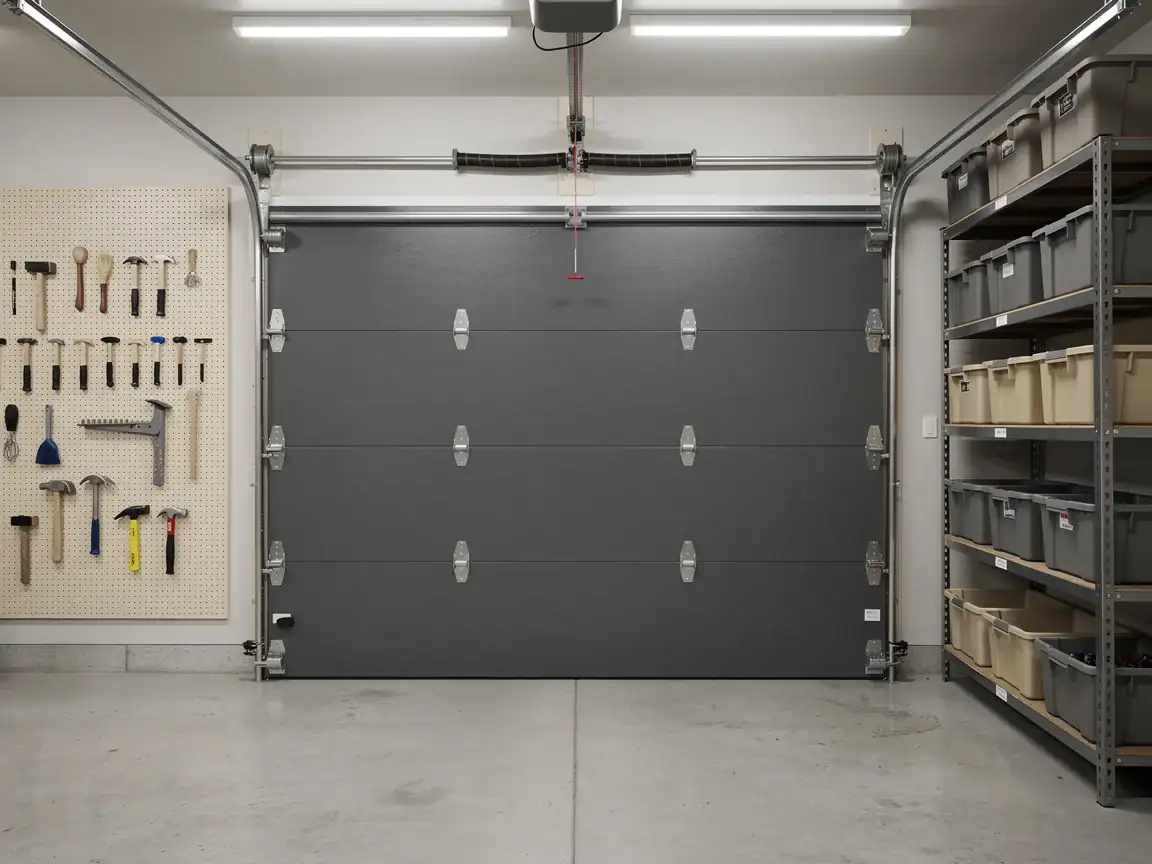
How We Fix It
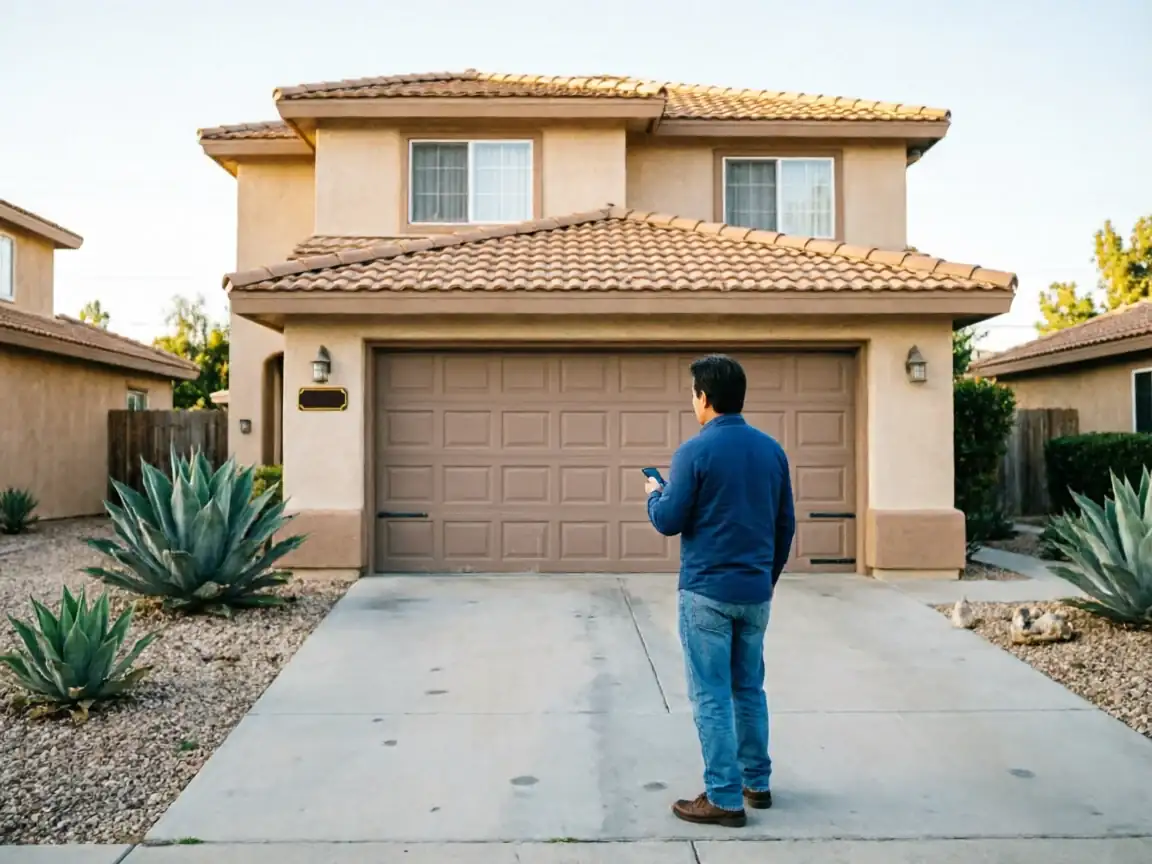
Palo Alto's median home dates to 1963
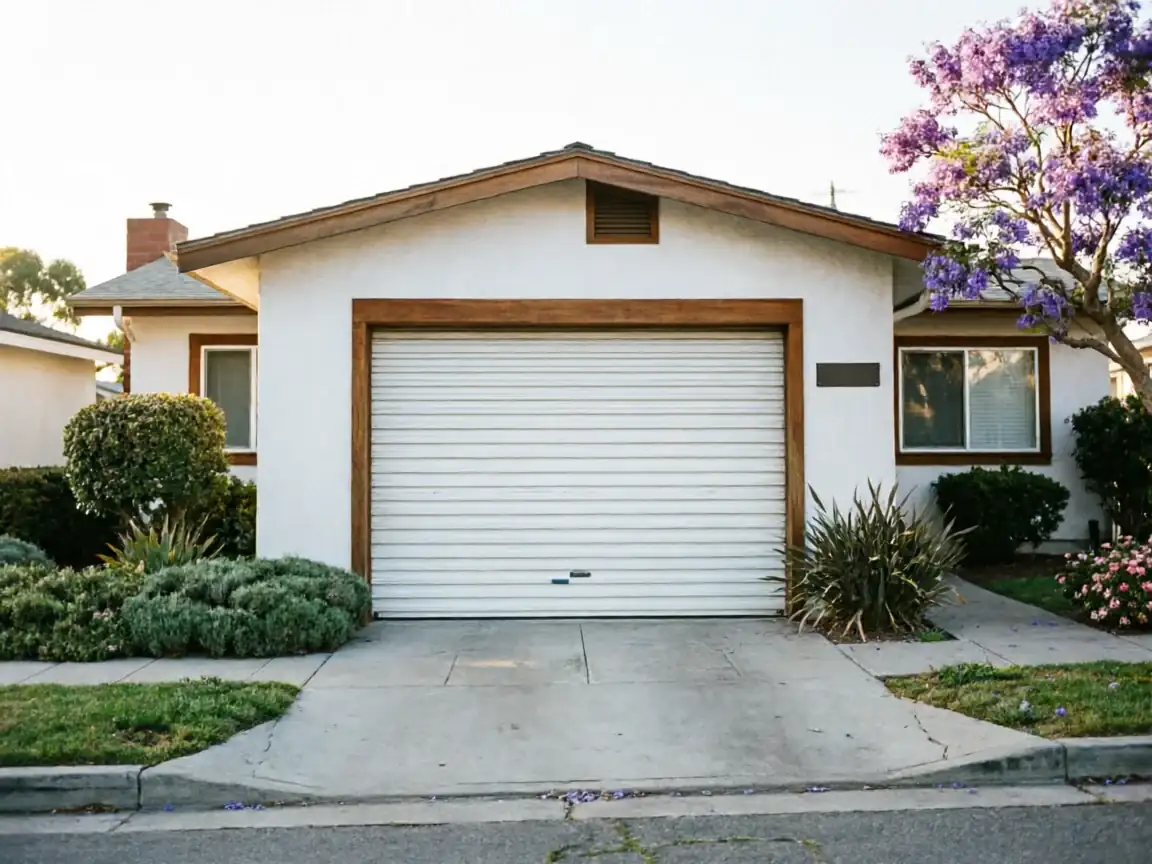
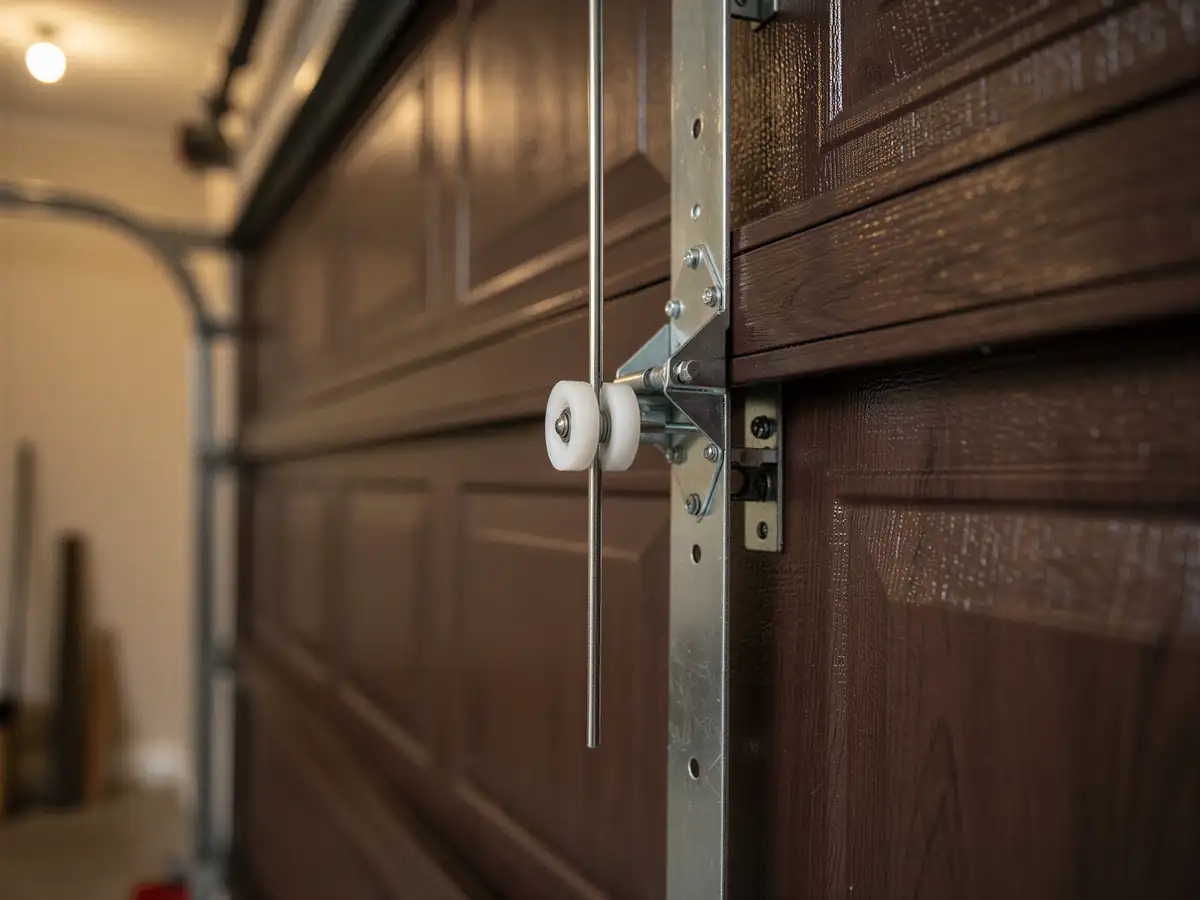
Almost exactly the same build year as the rest of our service area, where the typical house went up in 1964. That matters because it means the roller wear pattern we see here isn't unusual; it's the same story as everywhere else we work, just with a 10-mile drive to get to it. These houses came with steel or early nylon rollers on short stems, and forty-plus years of daily cycling has worn the stem bores oval and chewed up the track edges that ride against them.
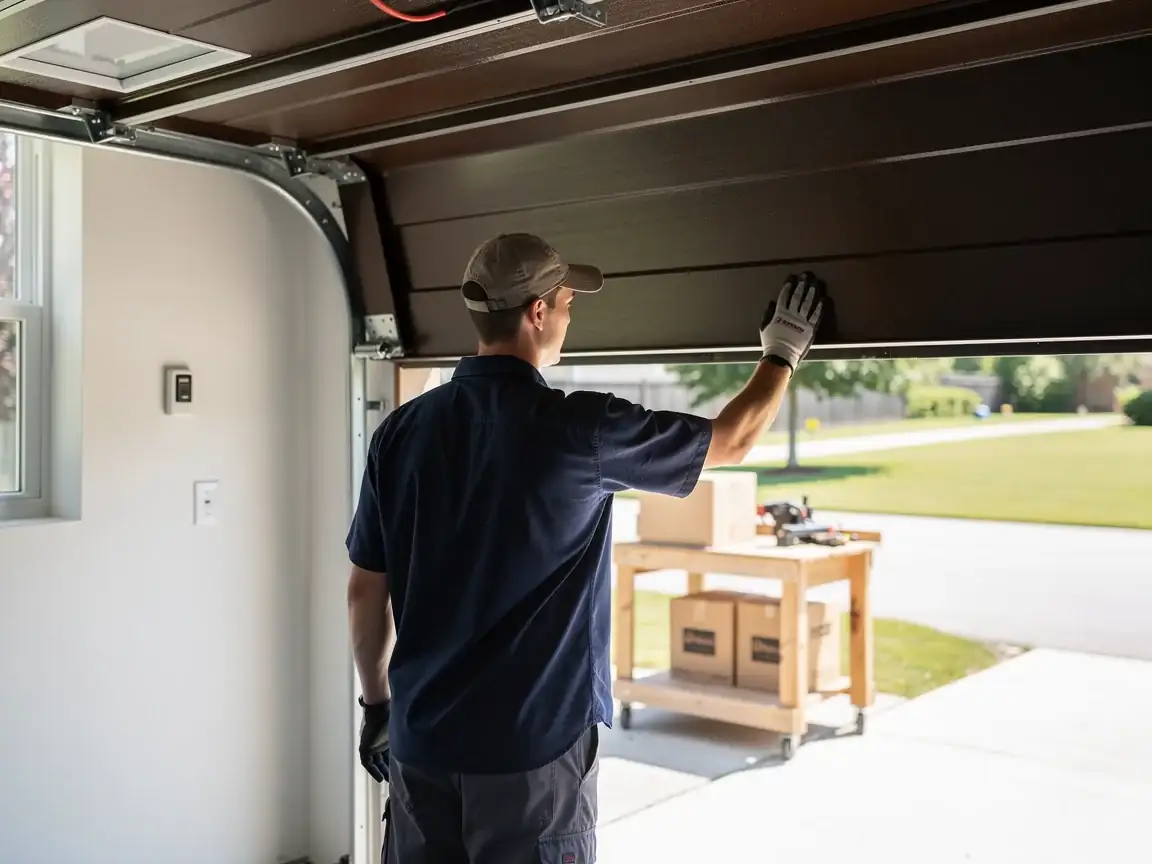
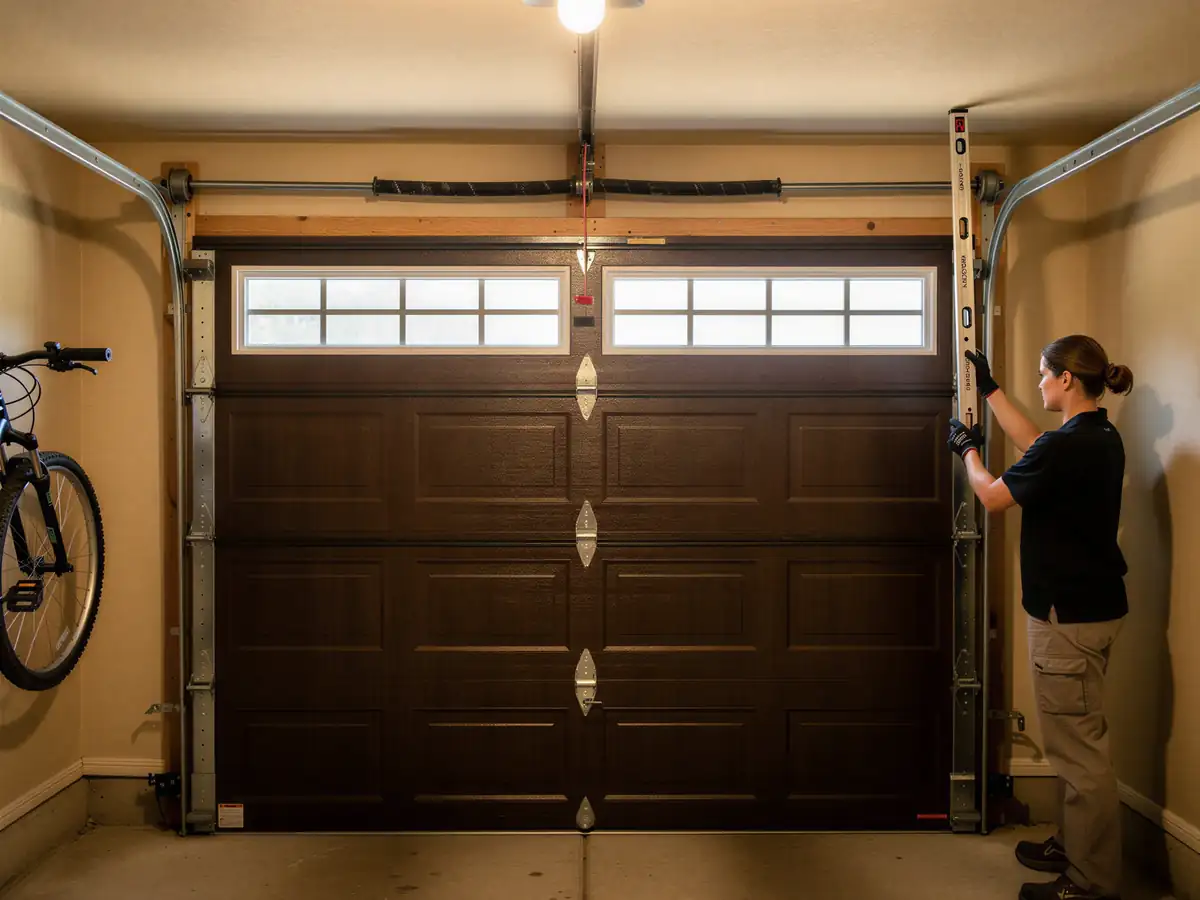
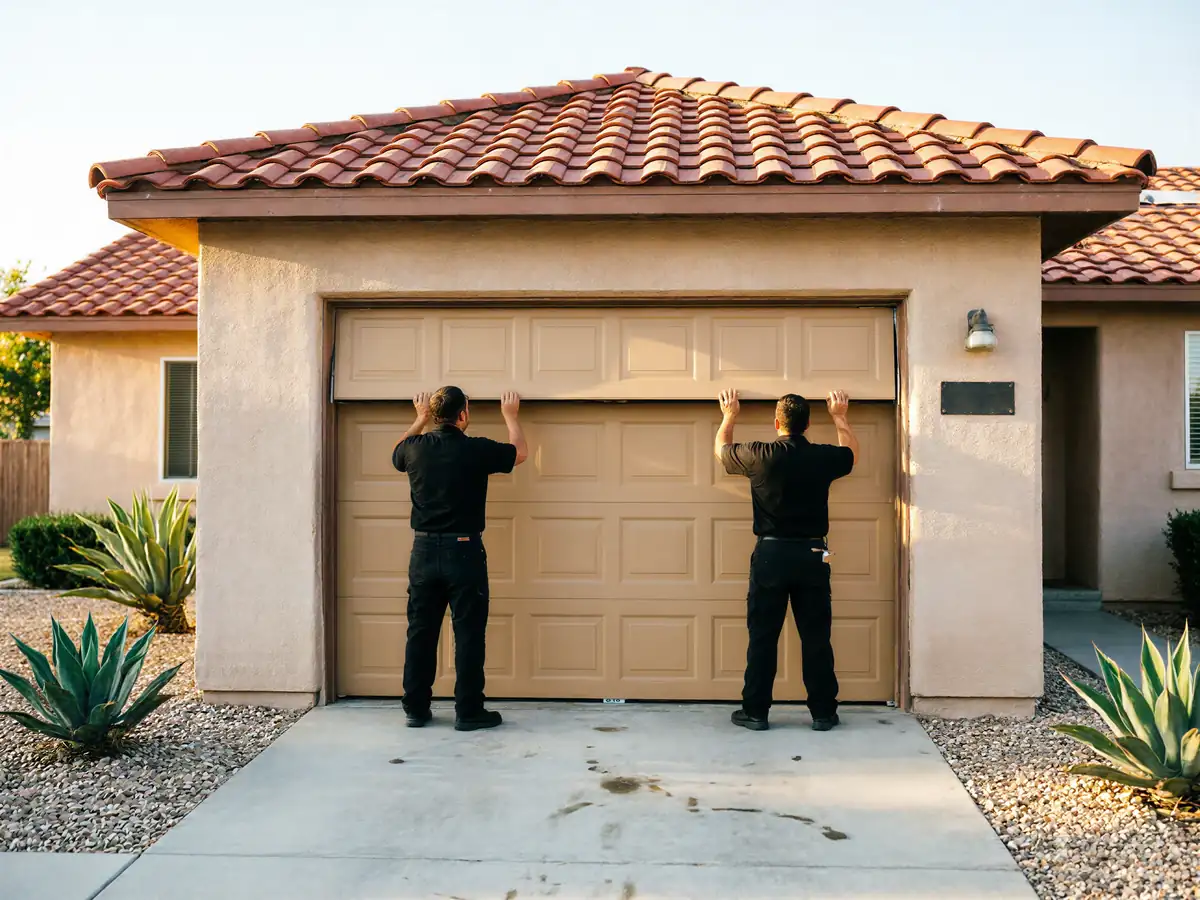
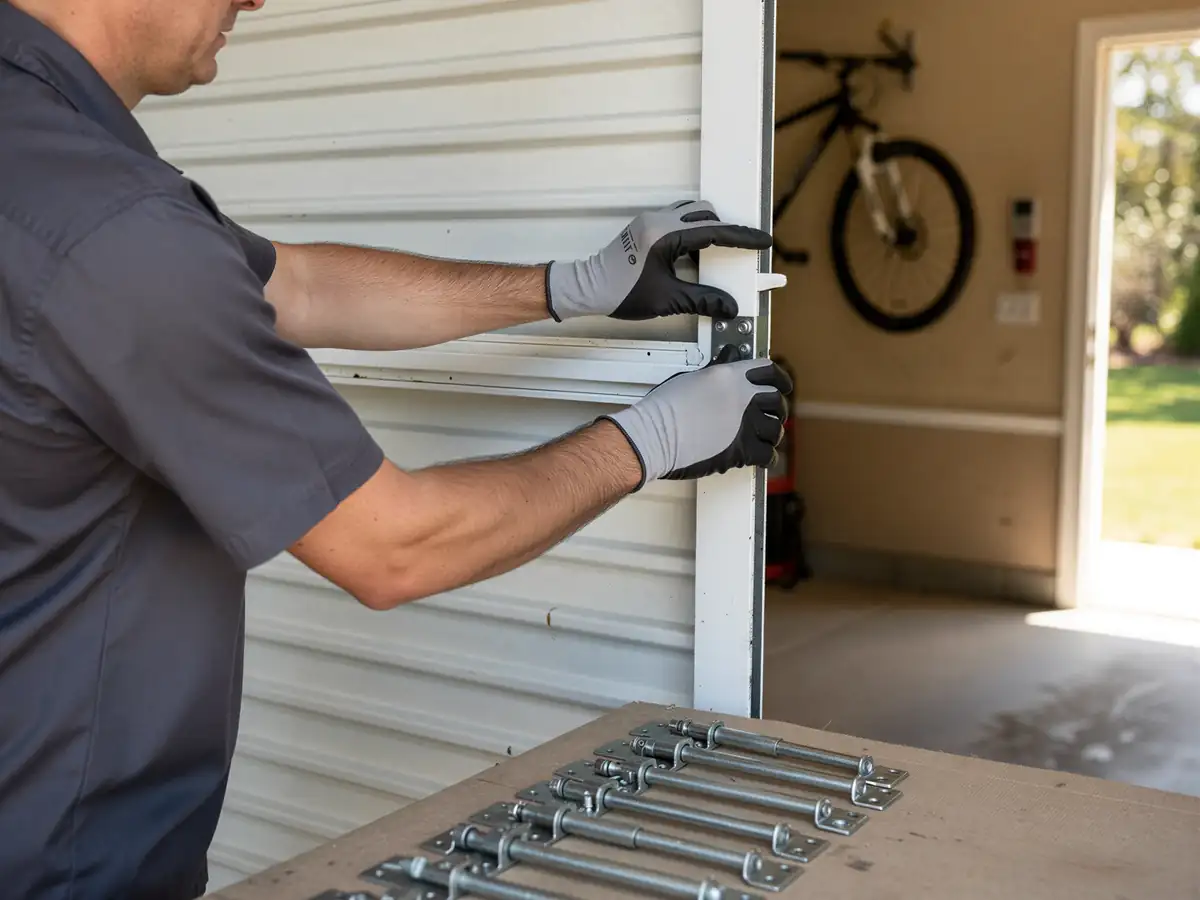
We pull the door, check the track for the gouging that bad rollers leave behind
And swap the full set rather than the one or two that look worst - if one roller's shot, the rest are close behind on a door this age. We re-set track gap and lube the new rollers before we leave. If the track itself is bent or the gouging's deep enough to catch a new roller, we tell you before we quote the job, not after.
Where This Job Goes Sideways
The mild temperate climate out here is kind to steel and nylon alike - no hard freeze to crack a roller, no road salt to pit a track. So when a roller fails this far out from Santa Clara, it's almost never weather. It's cycle count and, on the older doors, a roller stem that's been running dry for years.
Where it goes sideways is the track. On a door this old, a worn roller has usually been grinding a lip into the track rail for months before anyone hears the noise. Swap the roller and ignore the track, and the new roller wears out again in a fraction of the time. We check the rail every time, because a $15 roller job turning into a track replacement is the kind of surprise nobody wants on a call we drove 10 miles for.
What You Pay
We don't have a posted price list for this job and we're not going to make one up for Palo Alto. What drives the number is how many rollers need replacing, whether it's steel or nylon, and whether the track needs attention too - a full 10-roller swap with no track work costs less than half of a job where the rail's also bent or gouged.
Median household income out here runs higher than the rest of the service area - $220,408 against $214,149 - which doesn't change what we charge, but it does mean we see more owners opt for the better nylon rollers up front instead of the cheaper steel ones, since the price difference matters less relative to the rest of the budget.
Can You Do This Yourself
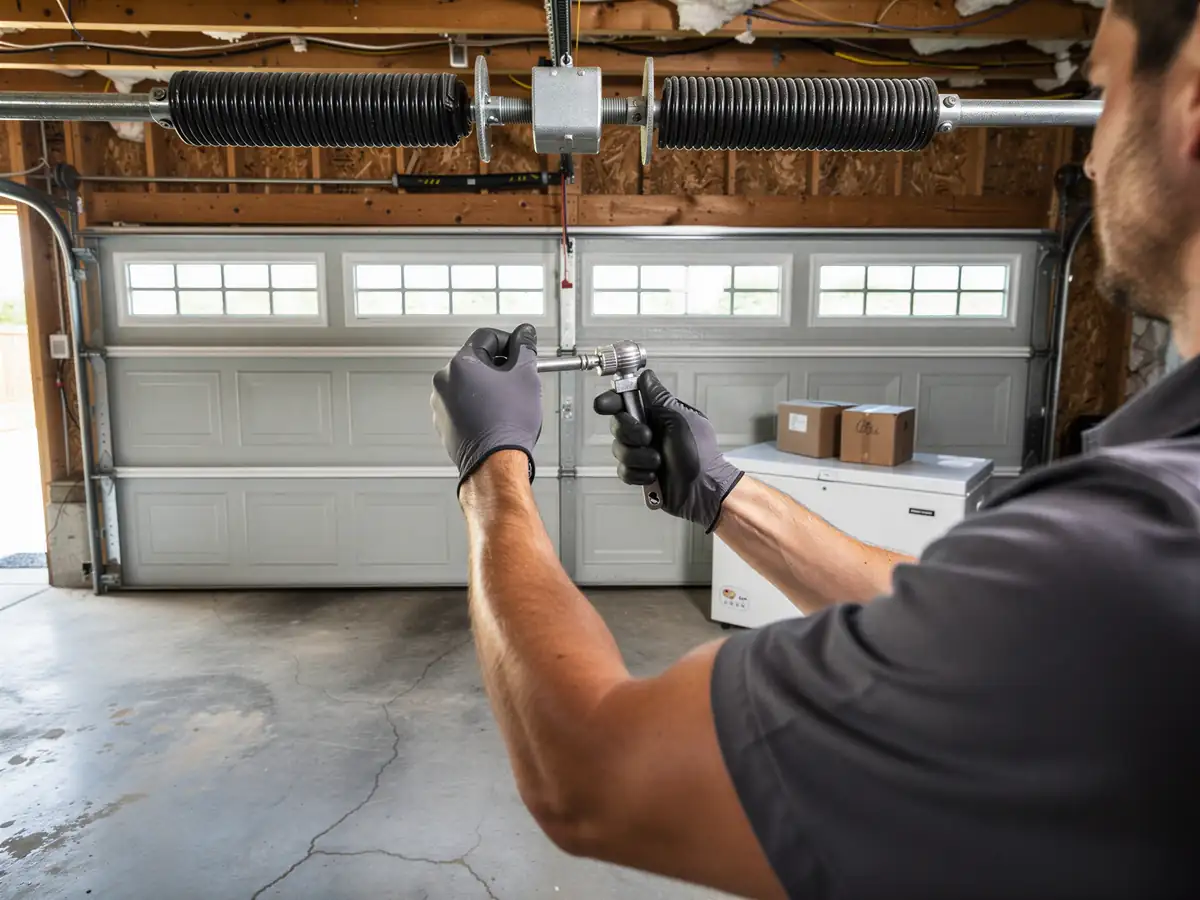
Swapping a roller on an open track section is a reasonable DIY job if the door's low-tension and you're comfortable with a socket wrench and a pry bar
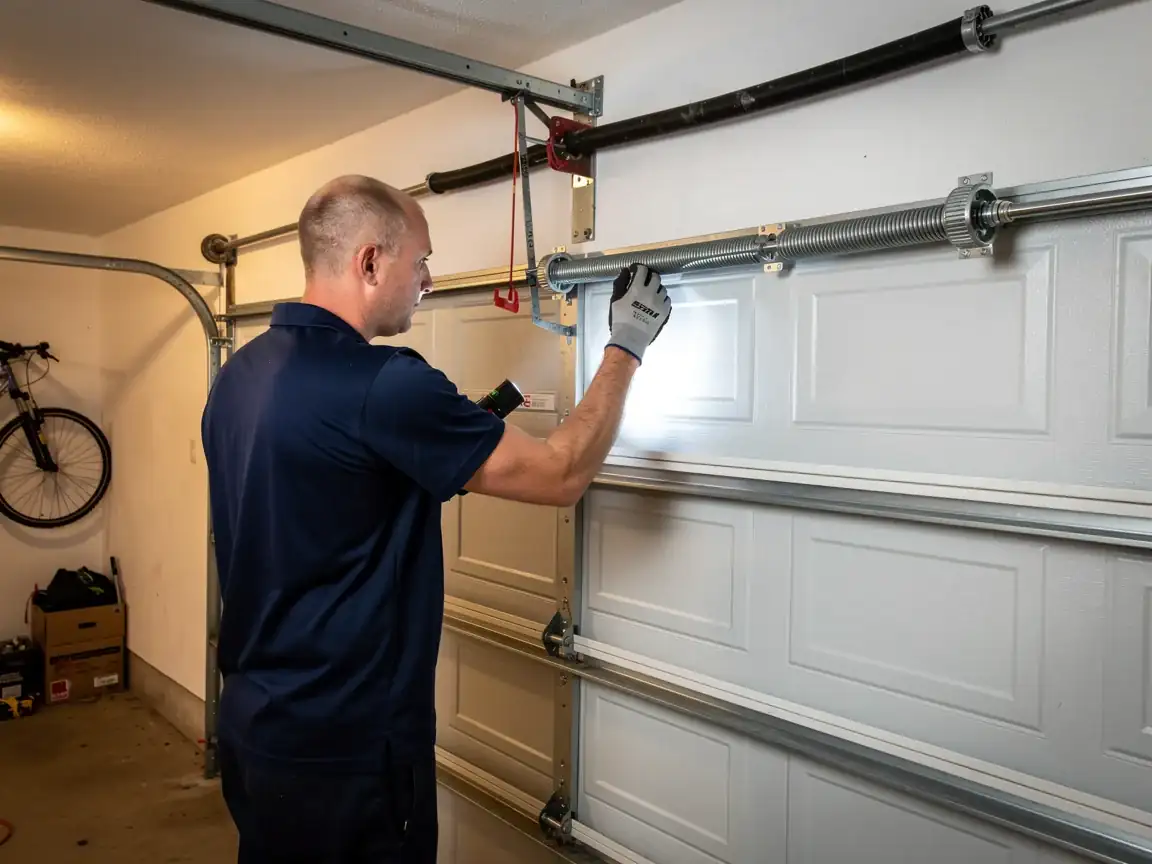
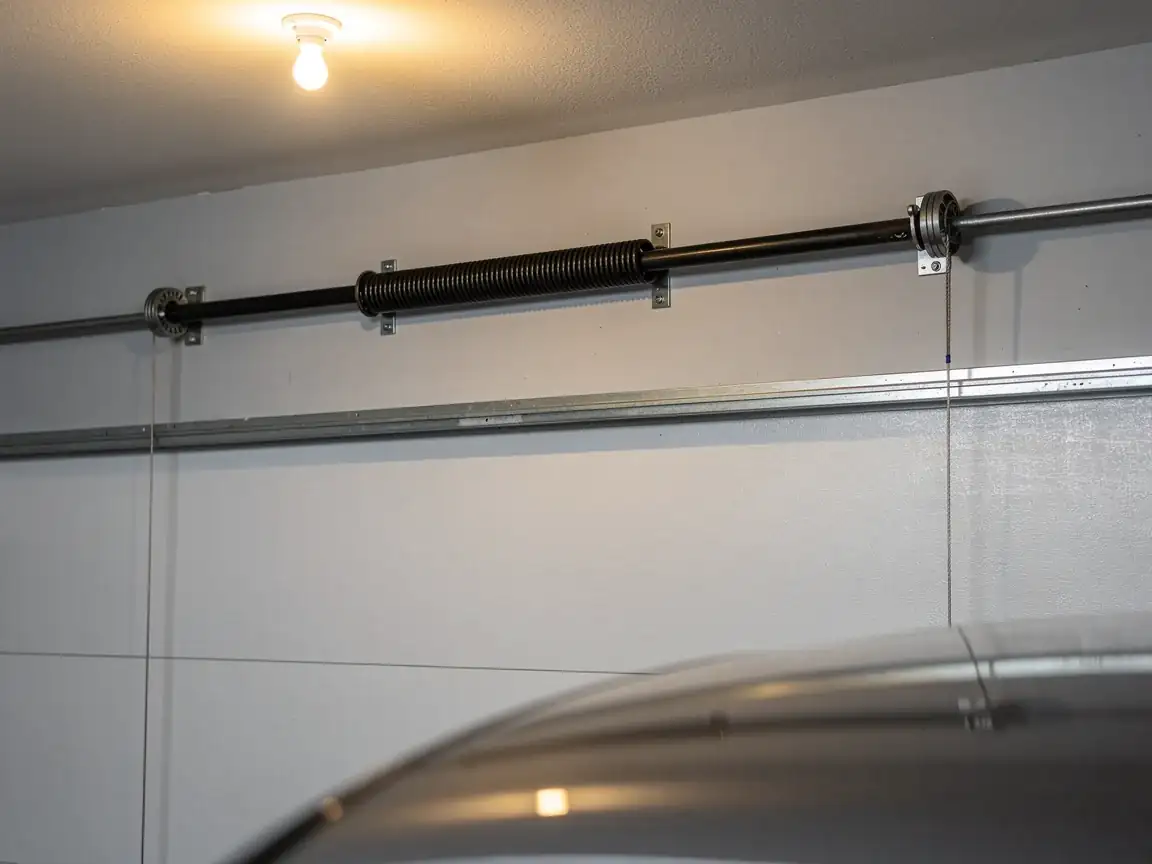
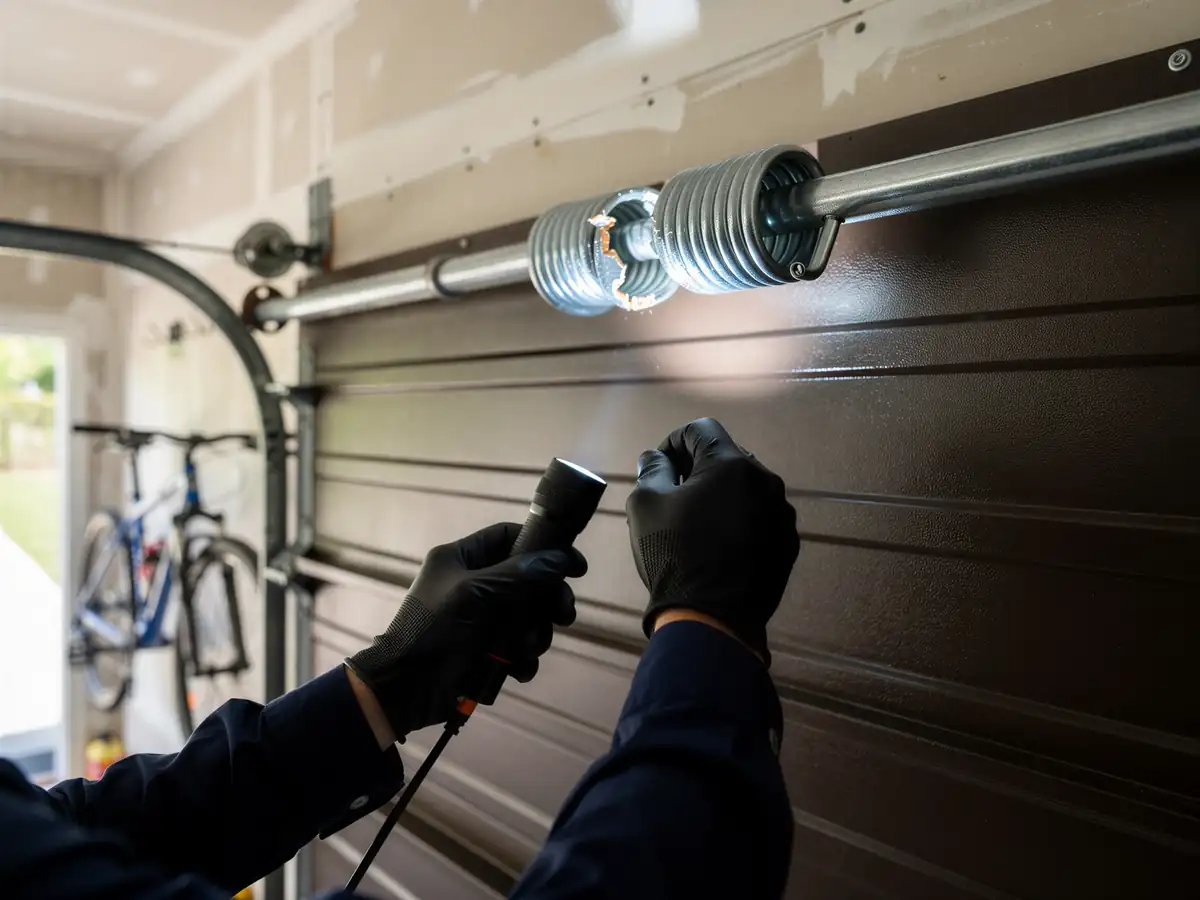
The part where people get hurt is the bottom section, where the roller sits inside the track right next to the cable and the spring system. On a torsion-spring door, that spring is under enough force to do real damage if you're not used to working around it.
We'd rather tell you that straight than sell you a service call for a job you could do yourself on the top rollers
Where we draw the line: if you're not sure which rollers are under tension, don't guess - call.
How Long It Takes
A straight roller swap, no track work, runs about an hour once we're on site. Add track repair or a bent rail section and it stretches - sometimes into a second visit if a part needs ordering. We travel from Santa Clara to get here, about 10 miles, so we don't carry same-day guarantees for Palo Alto the way we might for calls closer to the shop. If your door's grinding loud enough that you're worried about it failing mid-cycle, say so when you call and we'll work out timing.
Stocked Parts
We carry steel and nylon rollers on the truck in the sizes that fit doors from the 1960s and 70s era that makes up most of the housing stock across our service area - Palo Alto included. What we don't stock are oddball stems or rollers for doors that have already been retrofitted with non-standard track, which turns up now and then on older houses that have had partial upgrades over the decades. If that's what we find, we'll tell you the lead time before we order rather than guess at it.