How We Fix It
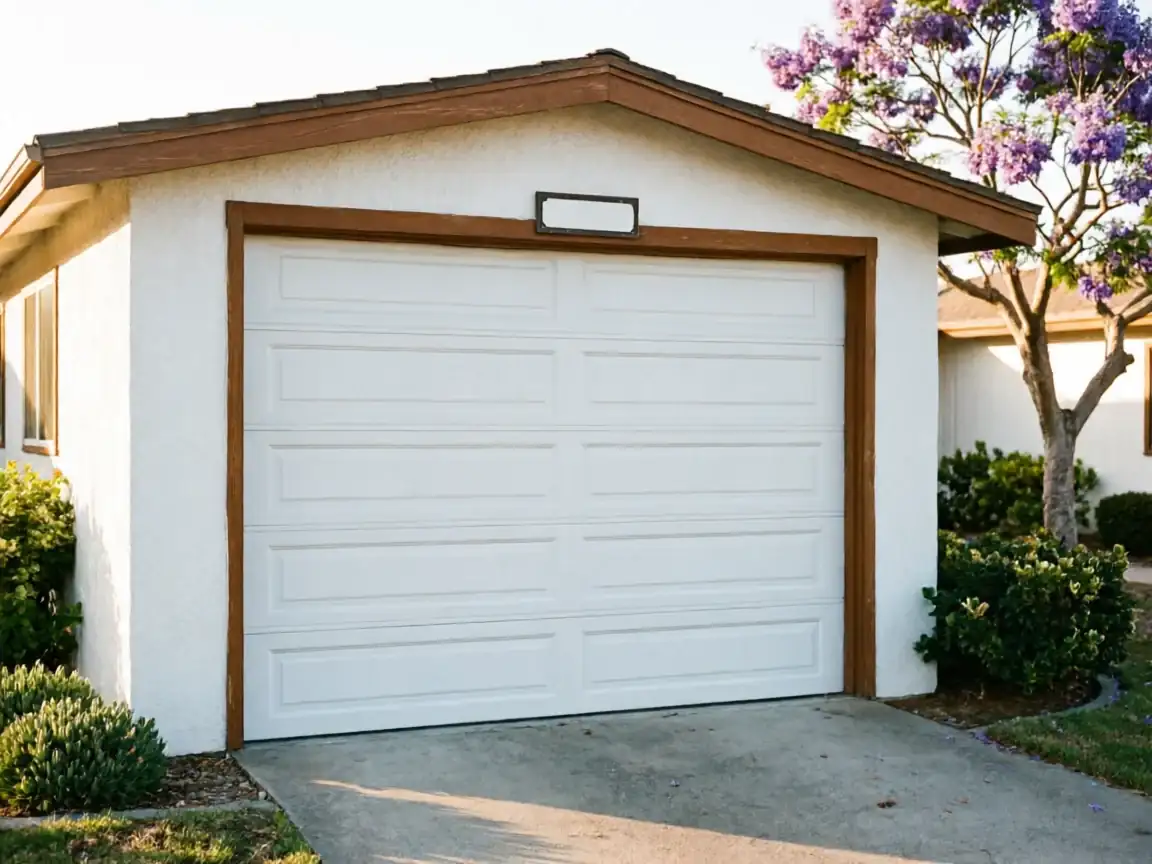
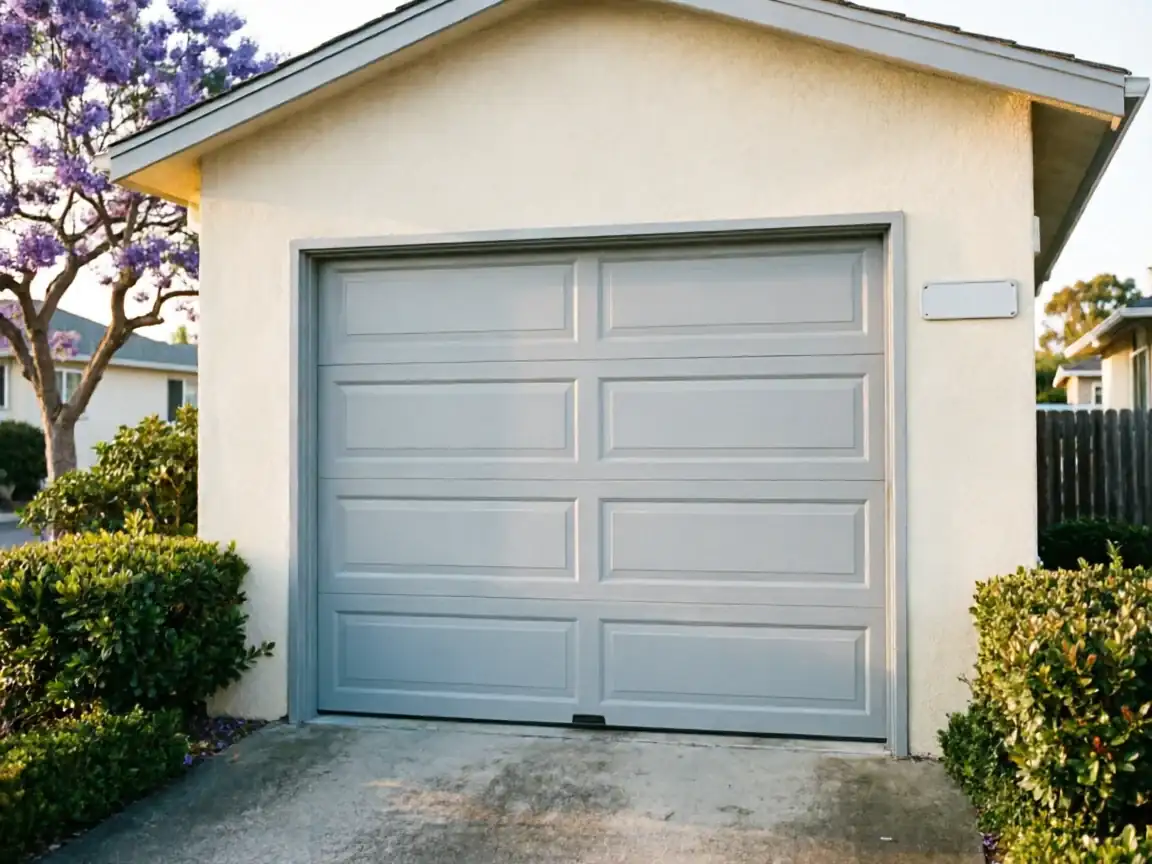
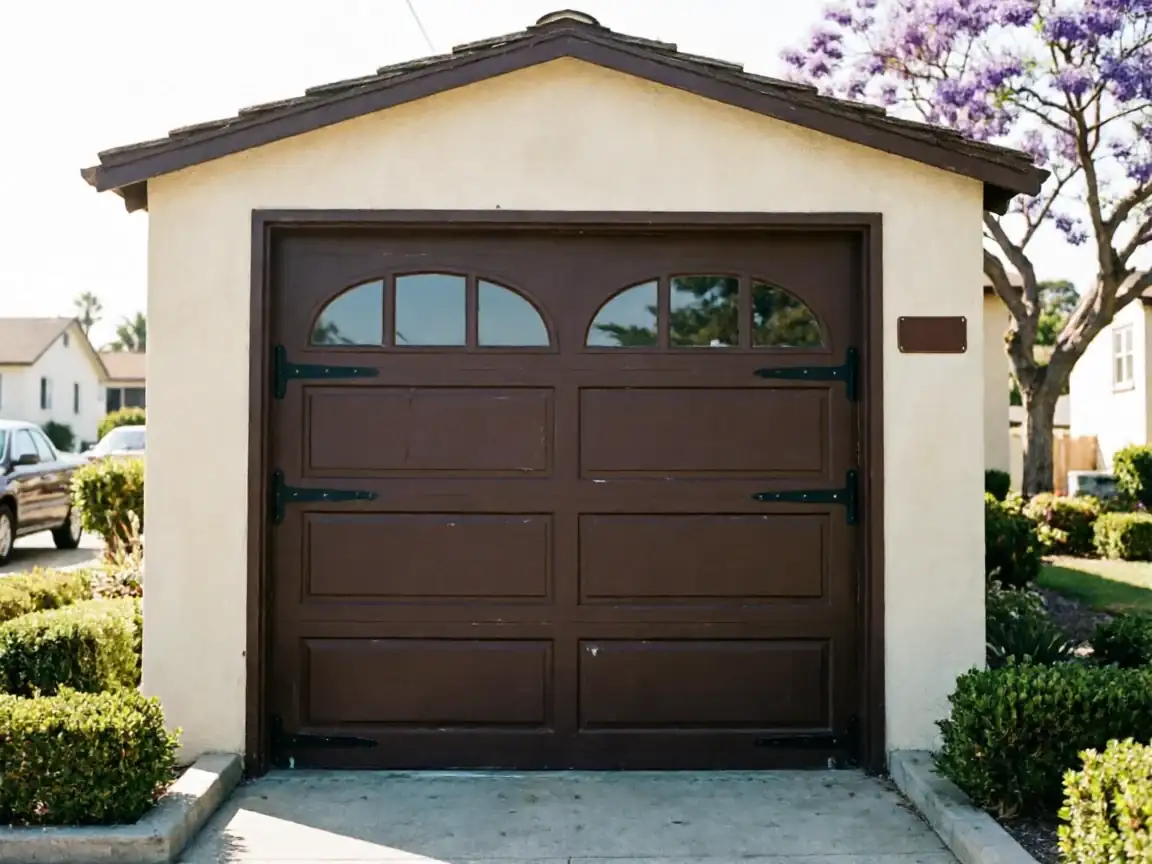
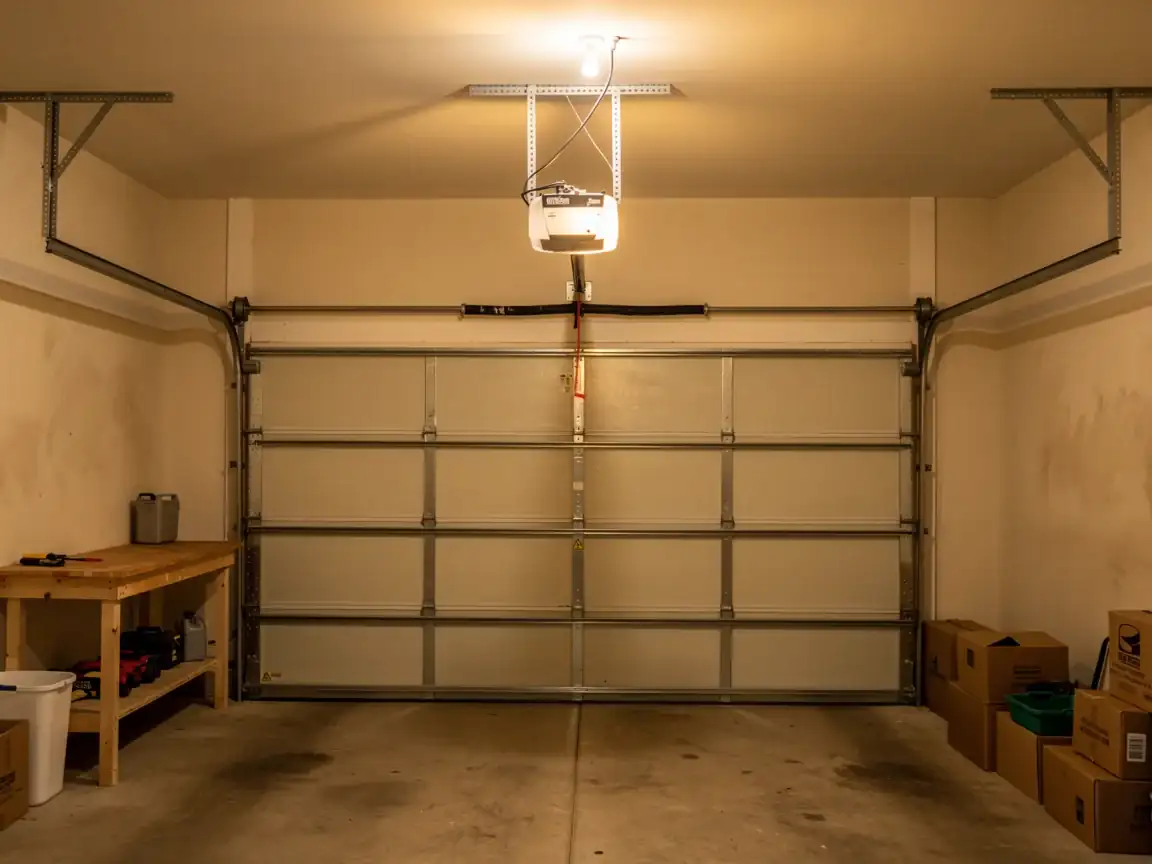
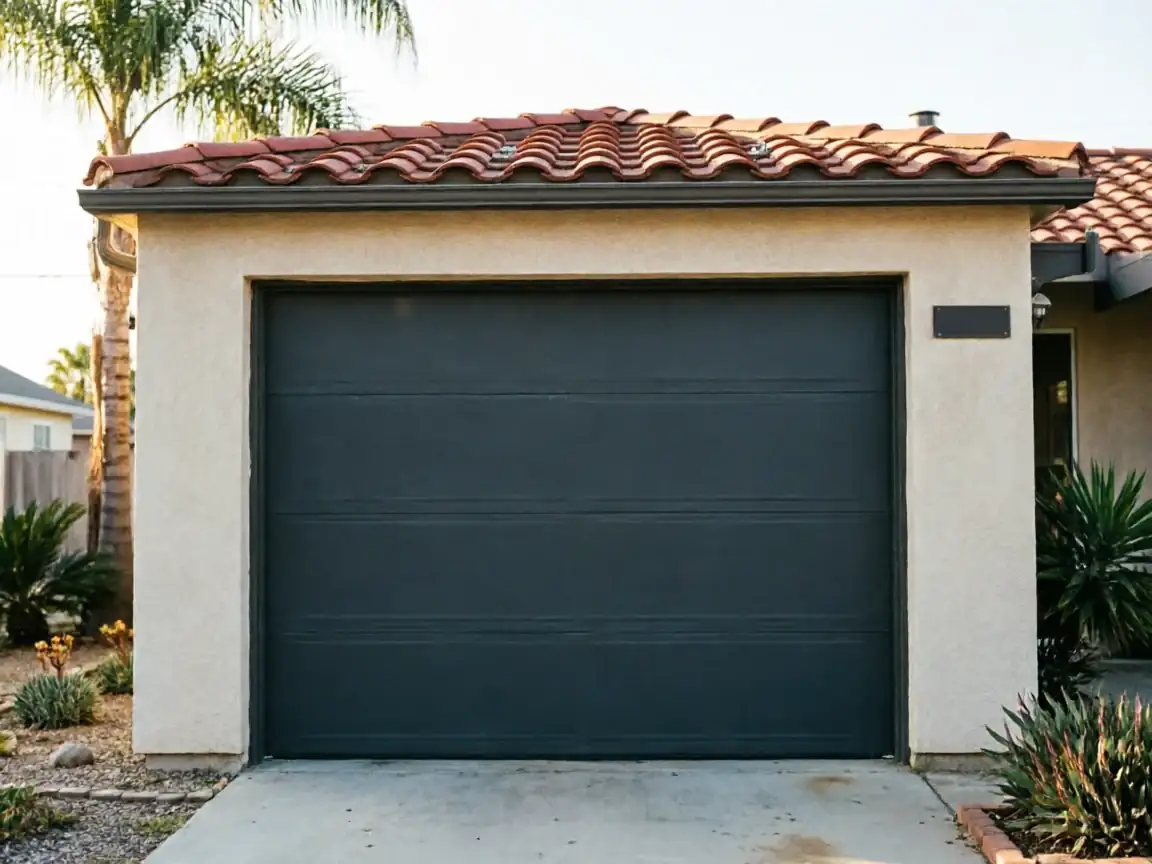
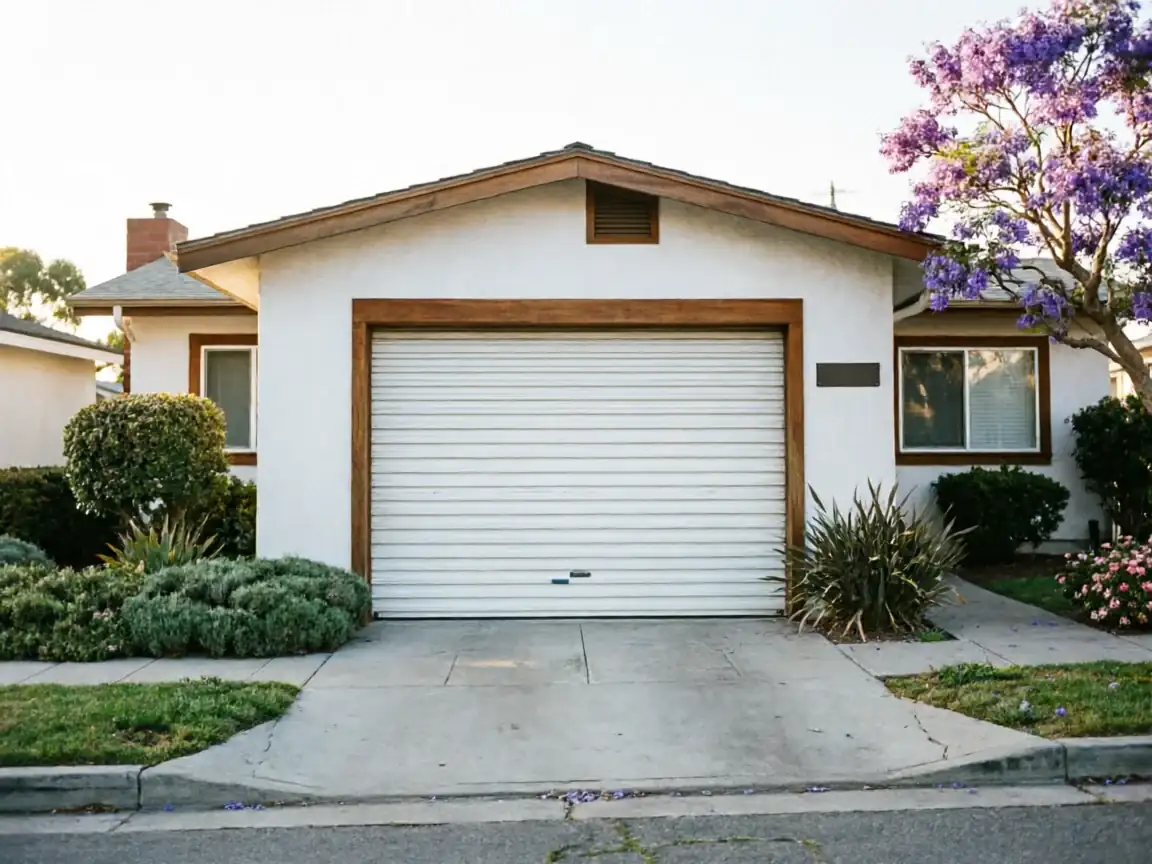
A Palo Alto garage built around 1963 usually carries one of two doors
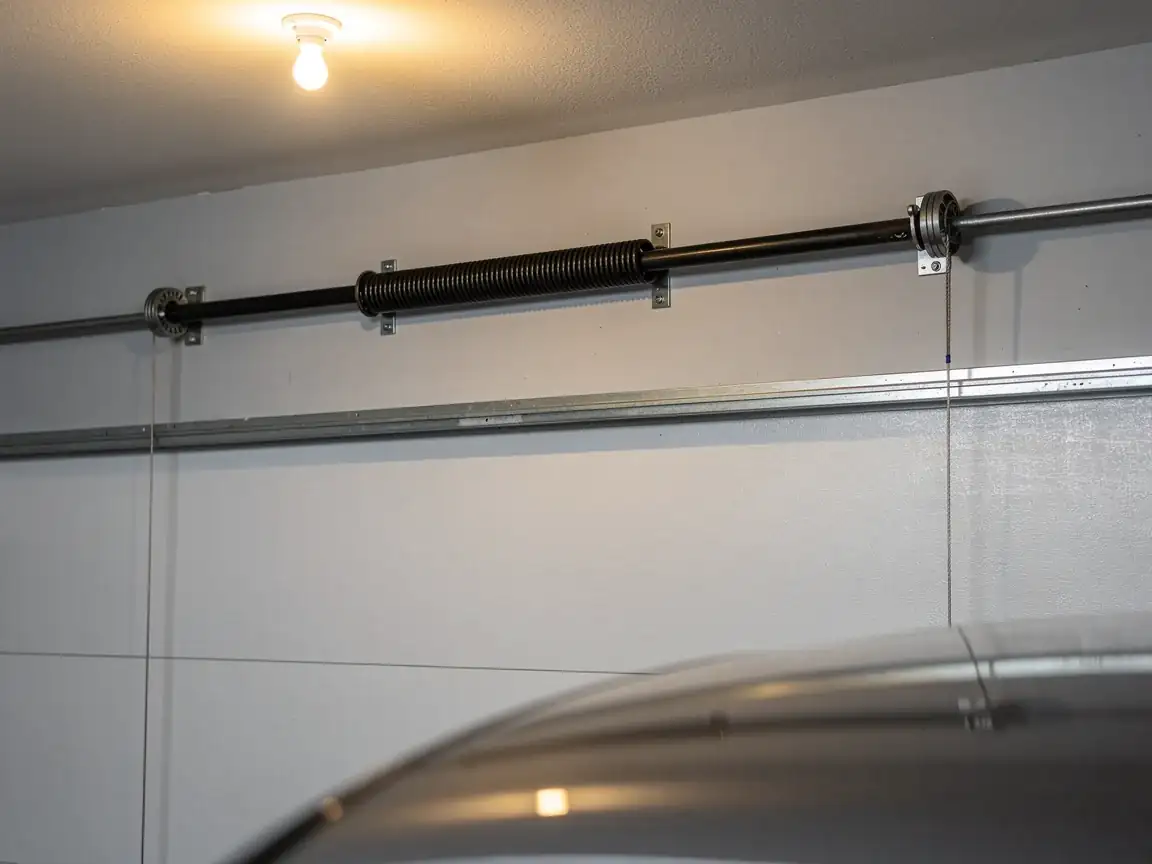
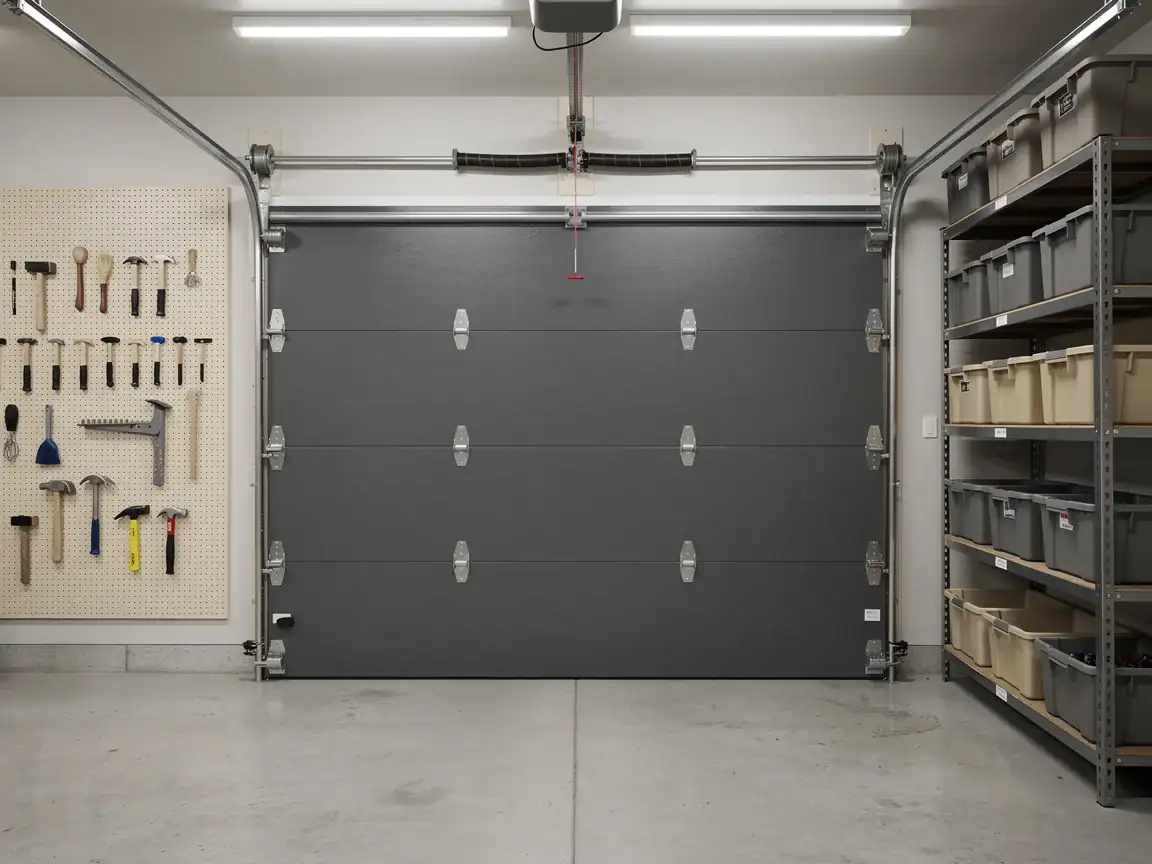
A flat wood panel door, heavy enough that it still runs on a torsion spring sized for its original weight, or an early steel sectional with narrower tracks than what gets installed today. Either way, the spring and the drums on these doors have outlived a few replacement cycles already, and the hardware mounting often doesn't match what a newer parts kit assumes.
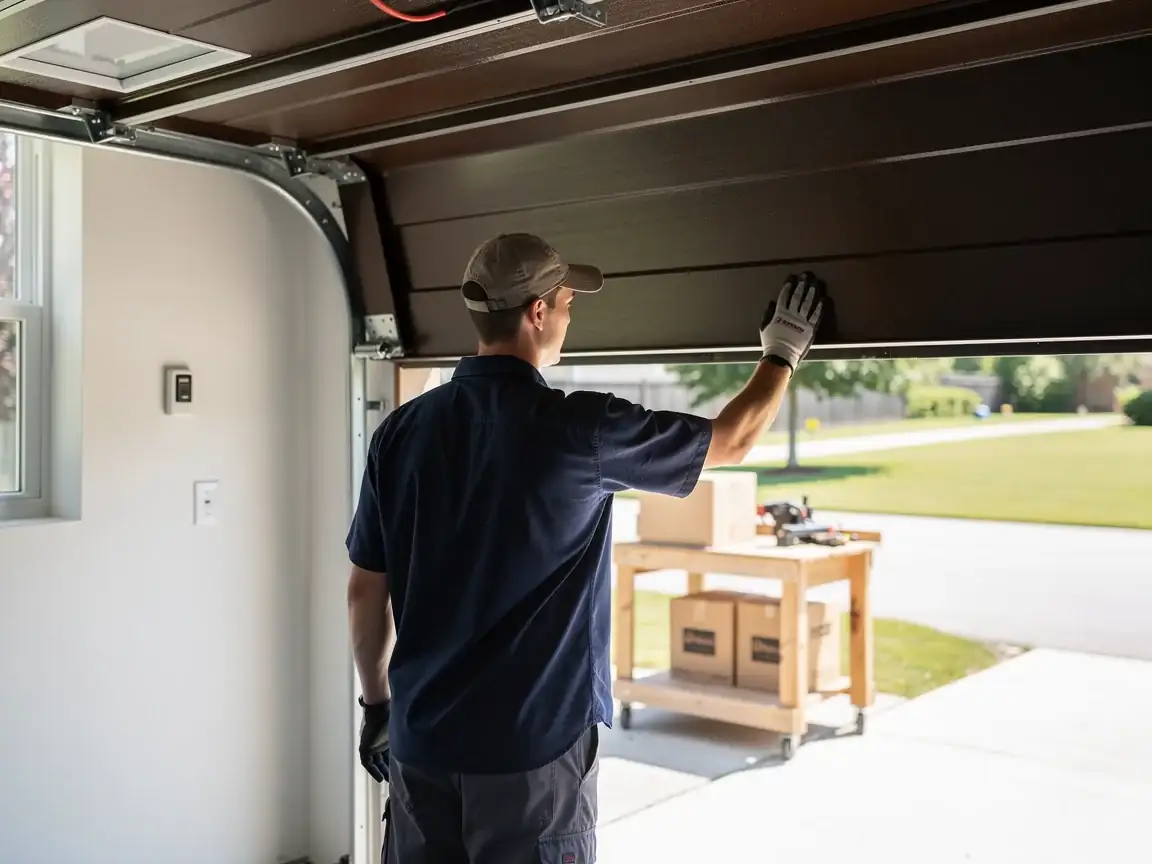
We start by opening the door by hand with the opener disconnected
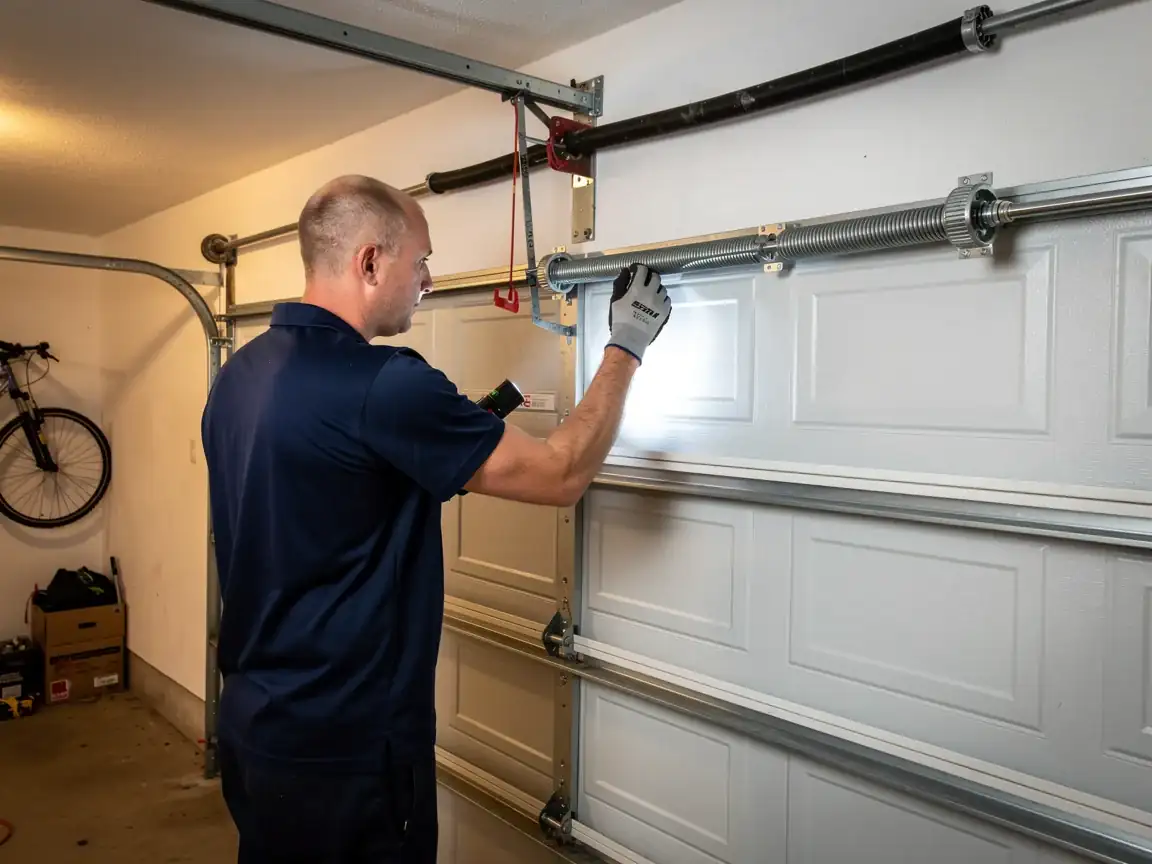
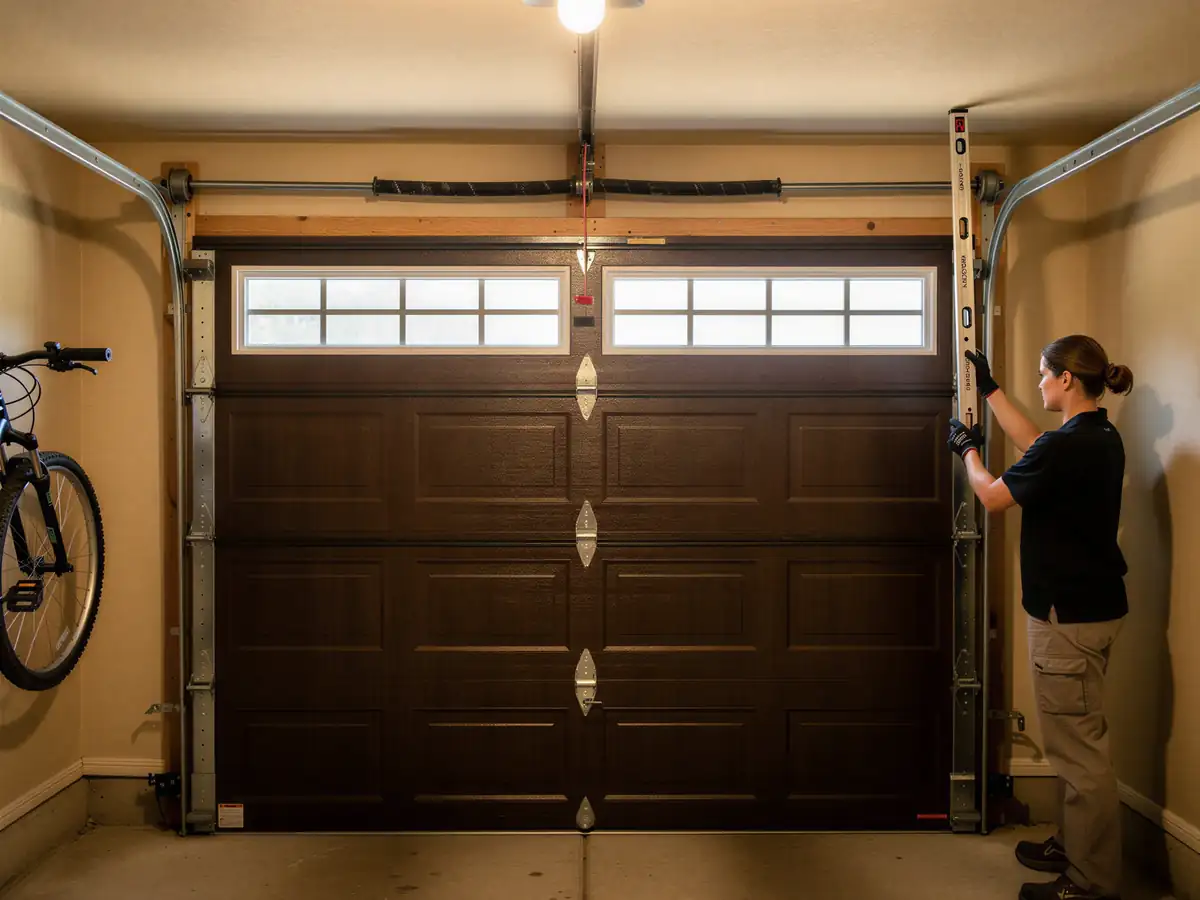
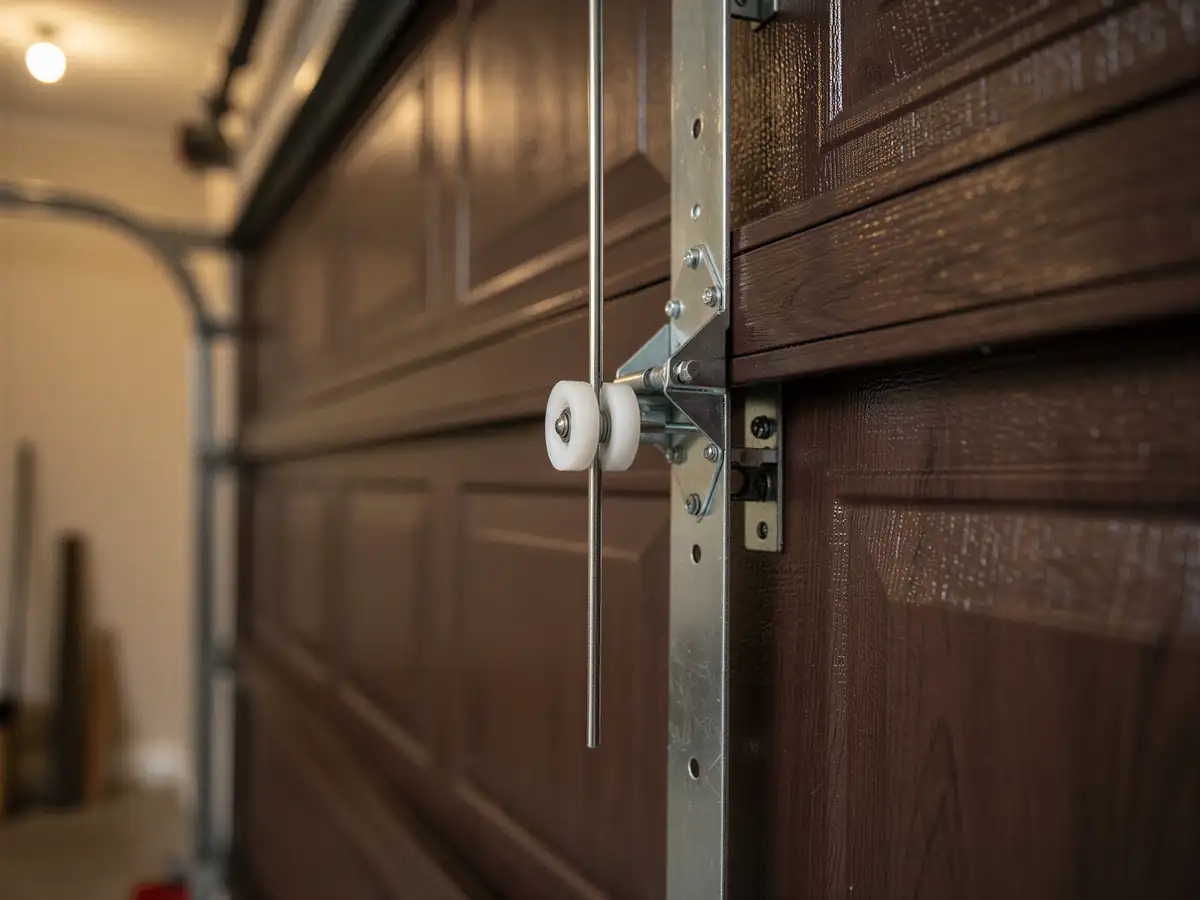
So we can feel where the drag actually is before we touch a spring. On a door this old that might be a bent track rail from decades of a car bumper tapping it, worn rollers that have gone from steel to a softer alloy, or a center bearing plate that's cracked but still holding. We fix what's actually wrong rather than replacing the whole assembly by default, because on a wood door the panel itself is often still sound even when every moving part on it needs work.
Once the mechanical side is right, we check balance and travel limits
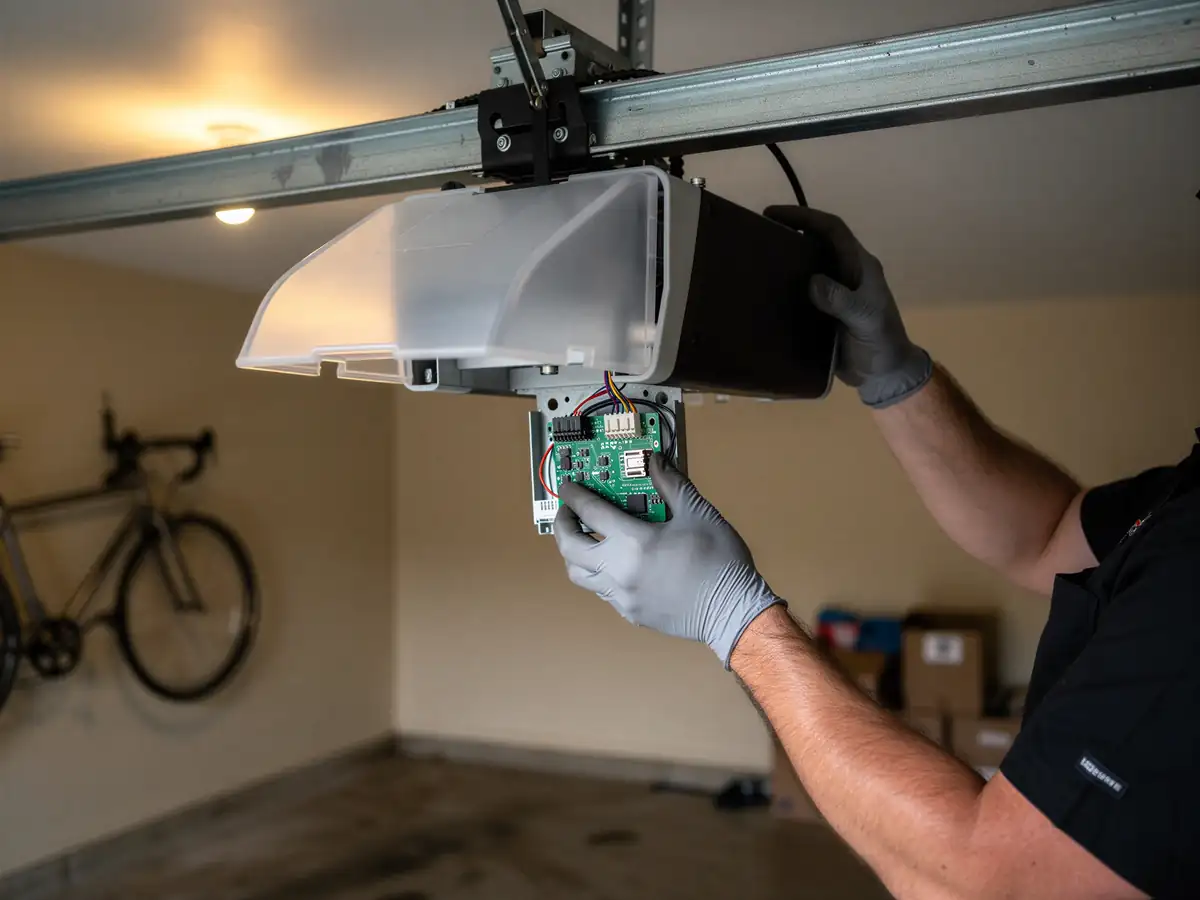
Since a door built before modern opener safety standards may need the limit switches reset entirely rather than adjusted.
Where This Job Goes Sideways
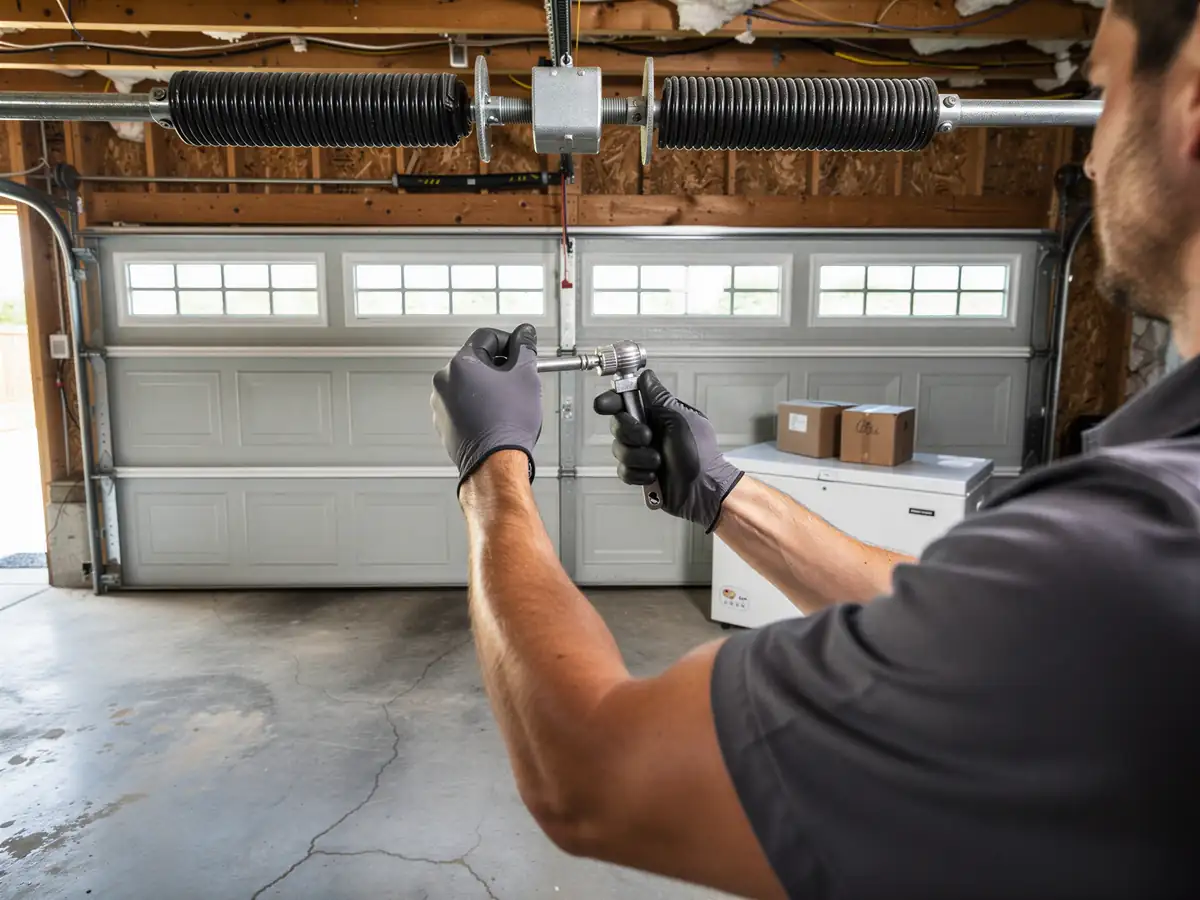
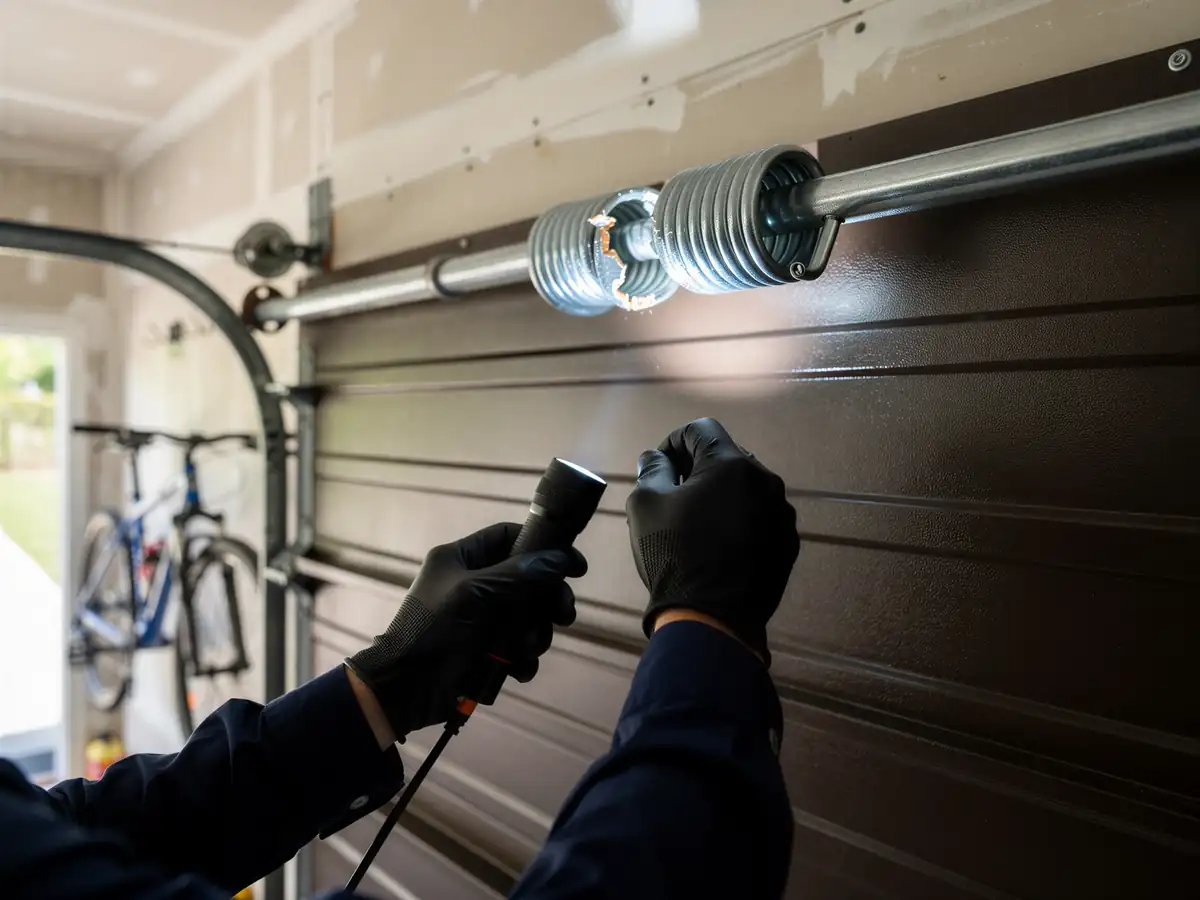
The trouble on a 1963-era door is almost never the thing the homeowner called about. A spring snap on one of these doors is often really a sign the opposing spring is close behind it, worn at the same rate, because both have been cycling since the original install or the last full replacement decades back. Replace one and leave the other and you get a second call within a season.
Track misalignment is the other common surprise. On older wood doors especially, the jamb itself can have shifted slightly over sixty years, which means a track that looks straight is actually mounted off true. A straight-swap of a bent section won't hold if the framing behind it has moved.
We'll tell you straight if we find rot in a wood jamb or a header that's no longer square. That's carpentry, not garage door work, and it's the one thing we won't pretend to fix with door hardware alone.
What You Pay
We don't have a flat number to quote here for Palo Alto specifically, since every door and every fault is different, and we're not going to invent a price range just to fill this space. What we can tell you is that the parts cost on a pre-1970s door often runs higher than on a newer one, simply because torsion springs and drums for that older hardware aren't the stock size most suppliers carry. We price the job after we've seen the door, not before.
Can You Do This Yourself
Checking balance is safe to do yourself
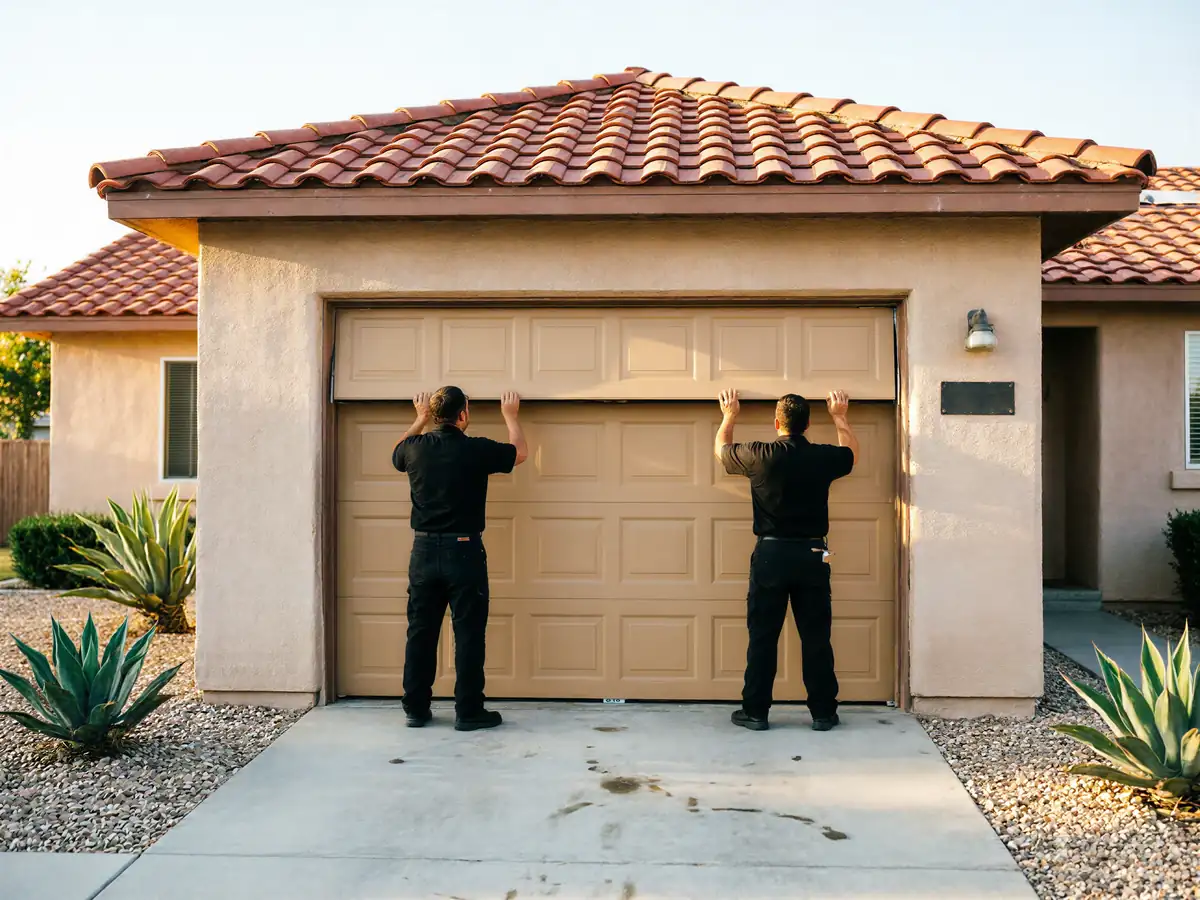
Disconnect the opener, lift the door halfway by hand, and see if it holds or drops. If it drops, the spring has lost tension and that's not a DIY spring job, especially on a wood door where the panel weight is higher than a modern steel one and the stored energy in the spring is correspondingly more dangerous.
Lubricating hinges and rollers, tightening visible bolts
And clearing track debris are all fine for an owner to handle. Replacing a torsion spring, re-tensioning a cable drum, or straightening a track near the jamb is where we'd tell you to call instead of reaching for a wrench. A door built in 1963 has had sixty years for someone before you to improvise a repair, and we find mismatched hardware on these jobs more often than not.
How Long It Takes
A straightforward spring or roller job on one of these older doors usually finishes in a single visit. What stretches the timeline is parts: if the drums or spring size on an original 1960s installation aren't something we carry on the truck, we have to order the correct size rather than force a near-match that'll wear out fast. We'll tell you at the door whether what you need is something we're carrying or something we need to bring back for.
Stocked Parts
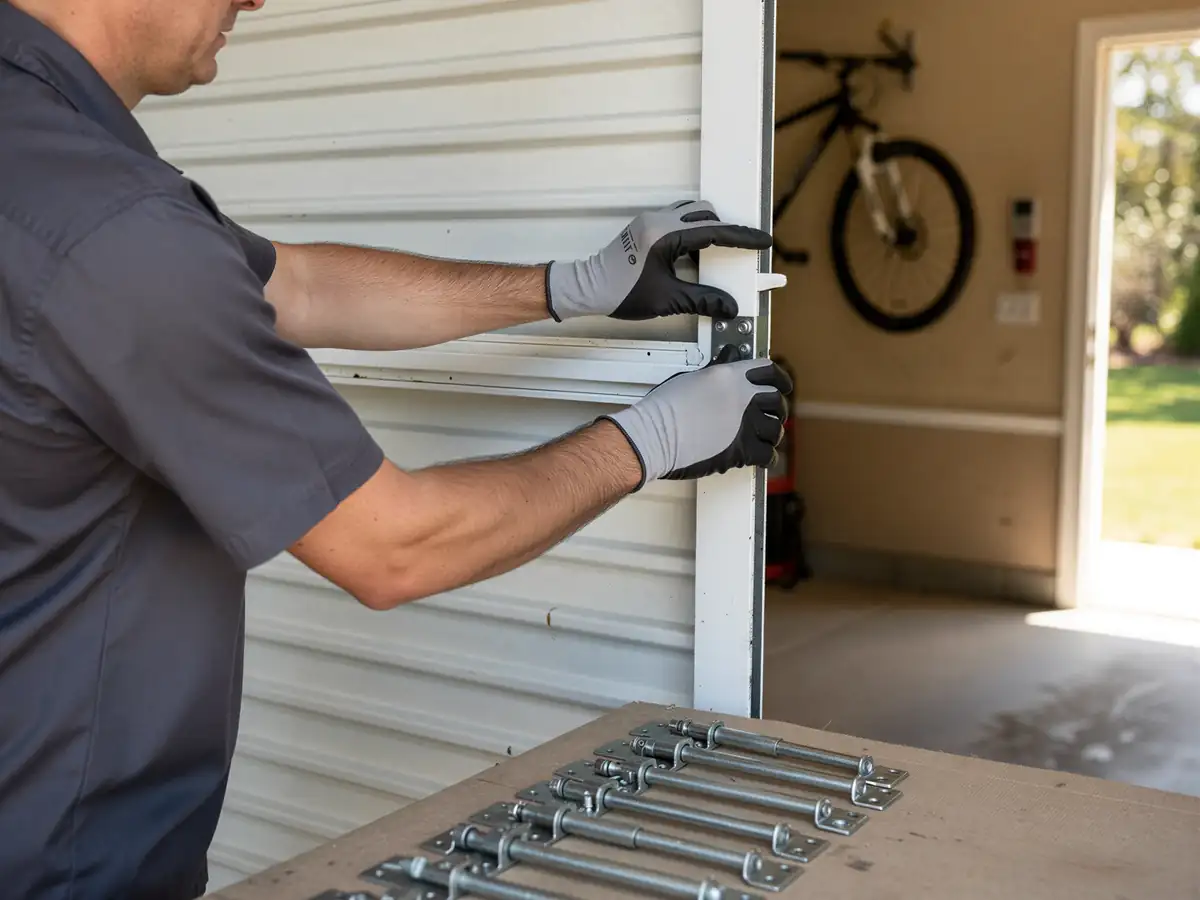
We keep common torsion springs, standard steel rollers, and current-size cable on the truck, which covers most calls. What we don't always carry is the older, narrower track hardware and oversized drums that some original 1960s wood doors in Palo Alto still use. On those we'll diagnose on the first visit and schedule a second trip out from Santa Clara once the right part is in hand, rather than installing something that's close but wrong.