How We Fix It
Most of the spring calls we take in Palo Alto trace back to the same thing
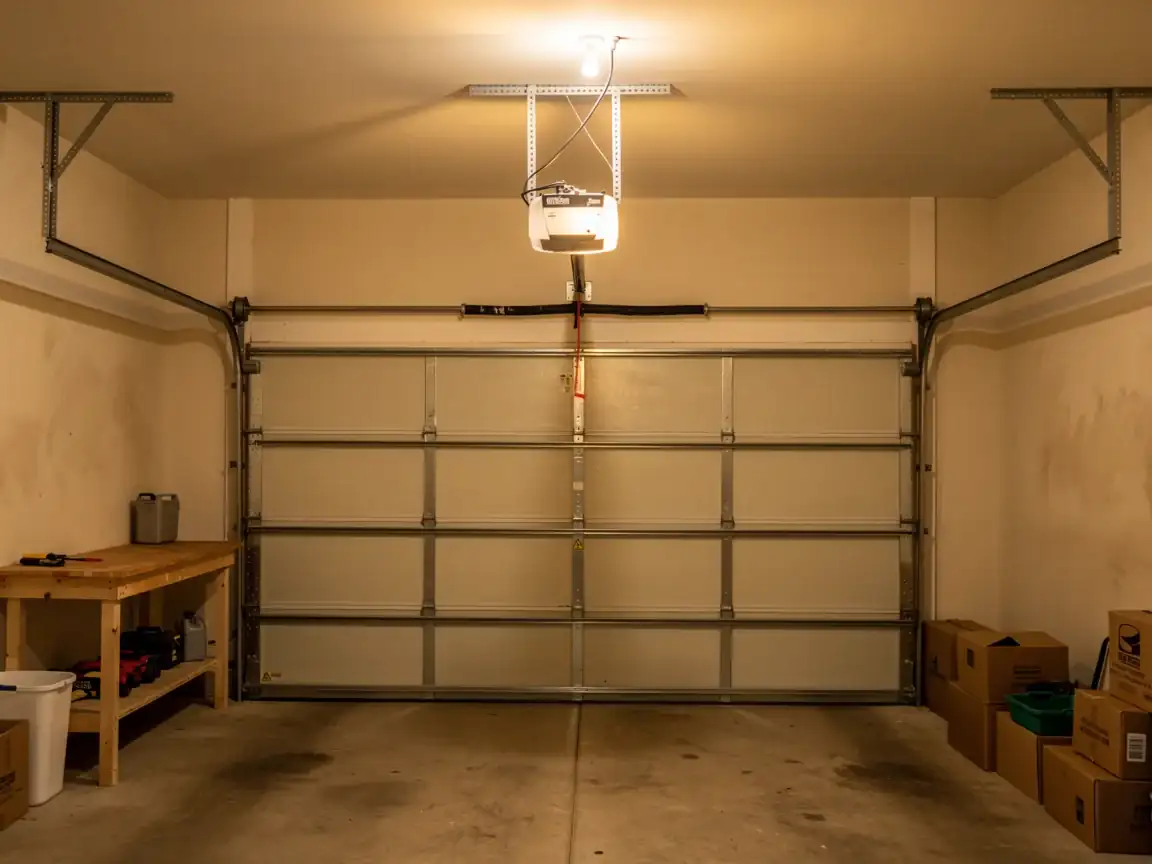
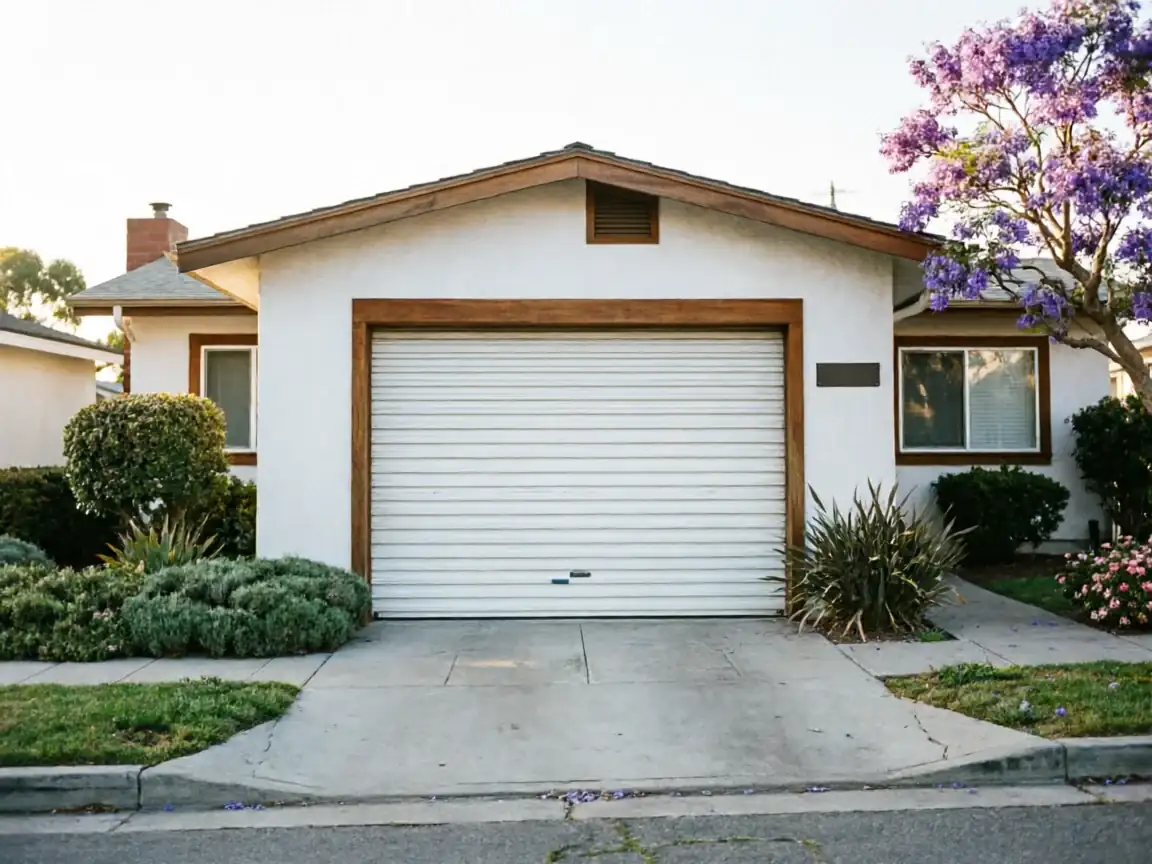
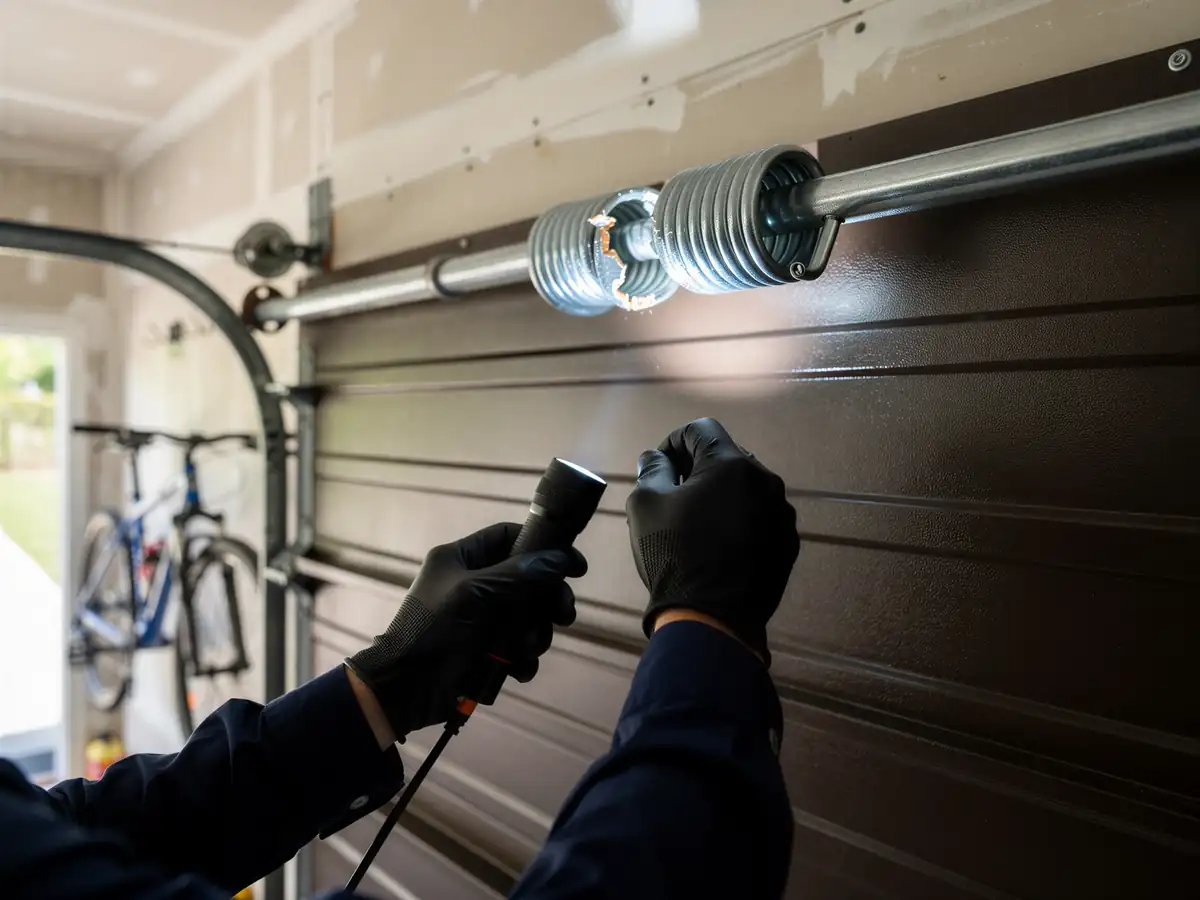
The house is older than the hardware currently bolted to it. Median build year here lands around 1963, which puts a lot of these garages squarely in the torsion-spring era before extension springs mounted on the sides became common on lighter doors, and before cycle-rated galvanized coils were standard. When a spring on one of these doors finally gives out, it's usually not a sudden snap from one bad day - it's cumulative fatigue from decades of lift cycles on hardware nobody's touched since the door was hung.
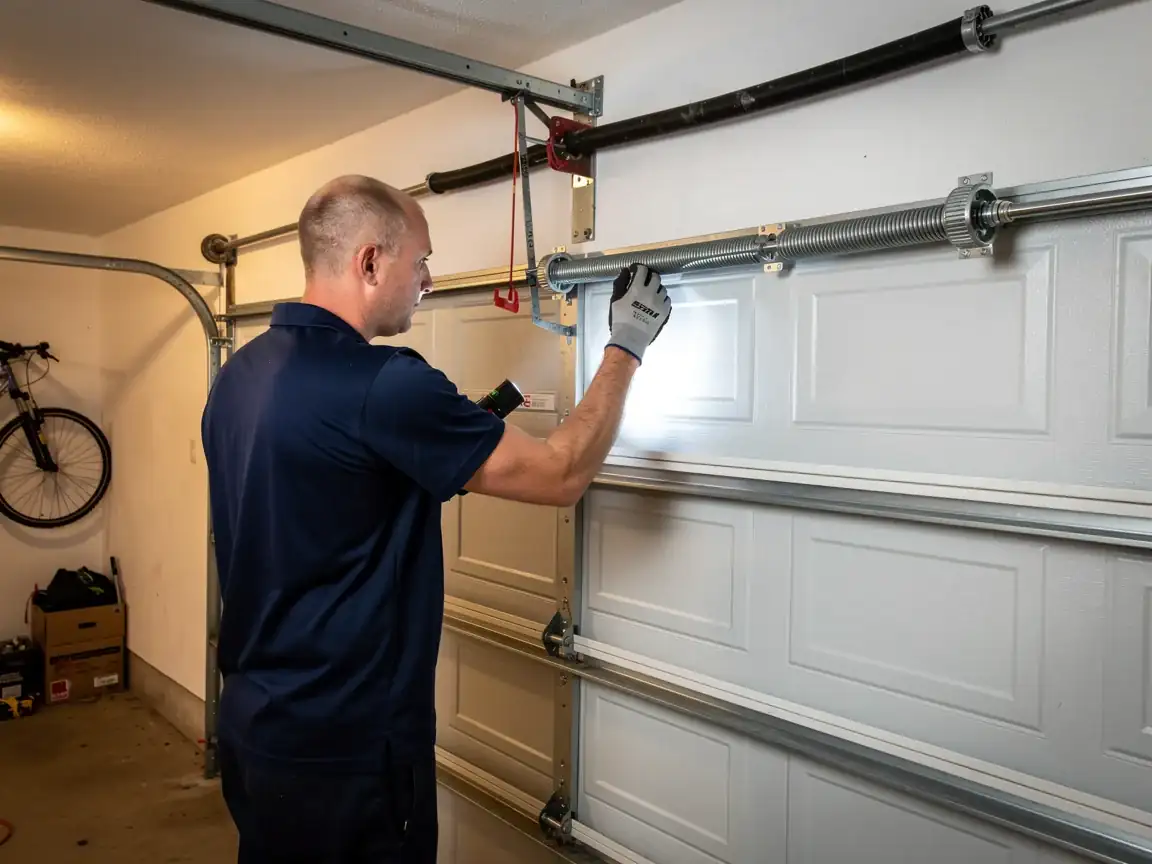
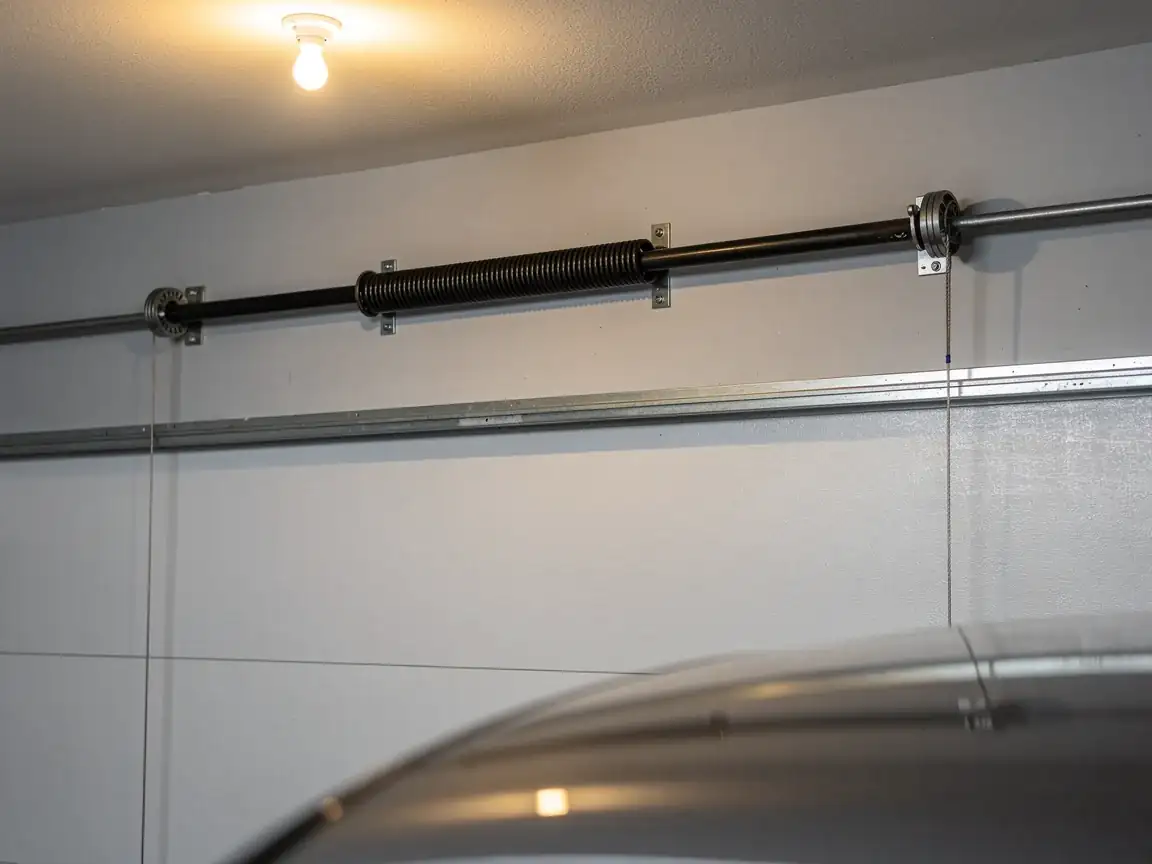
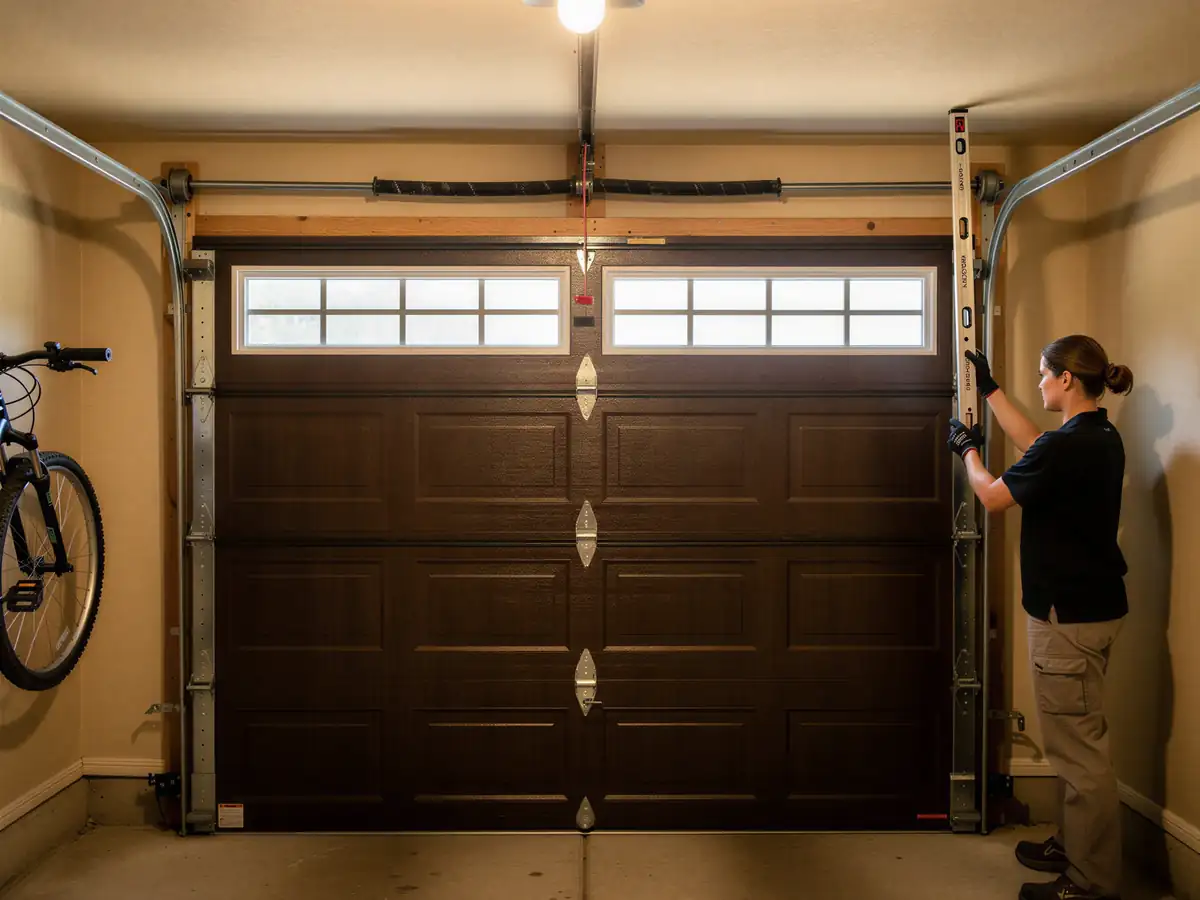
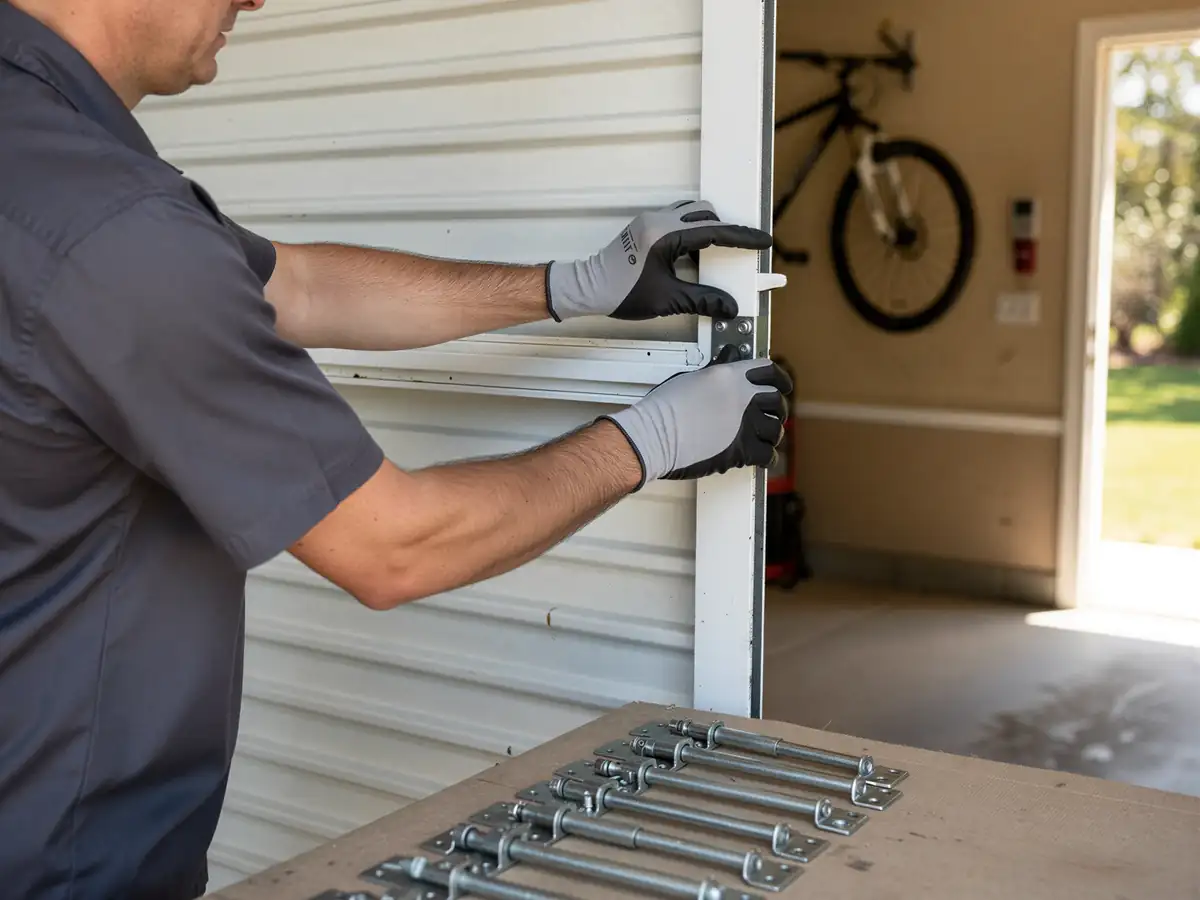
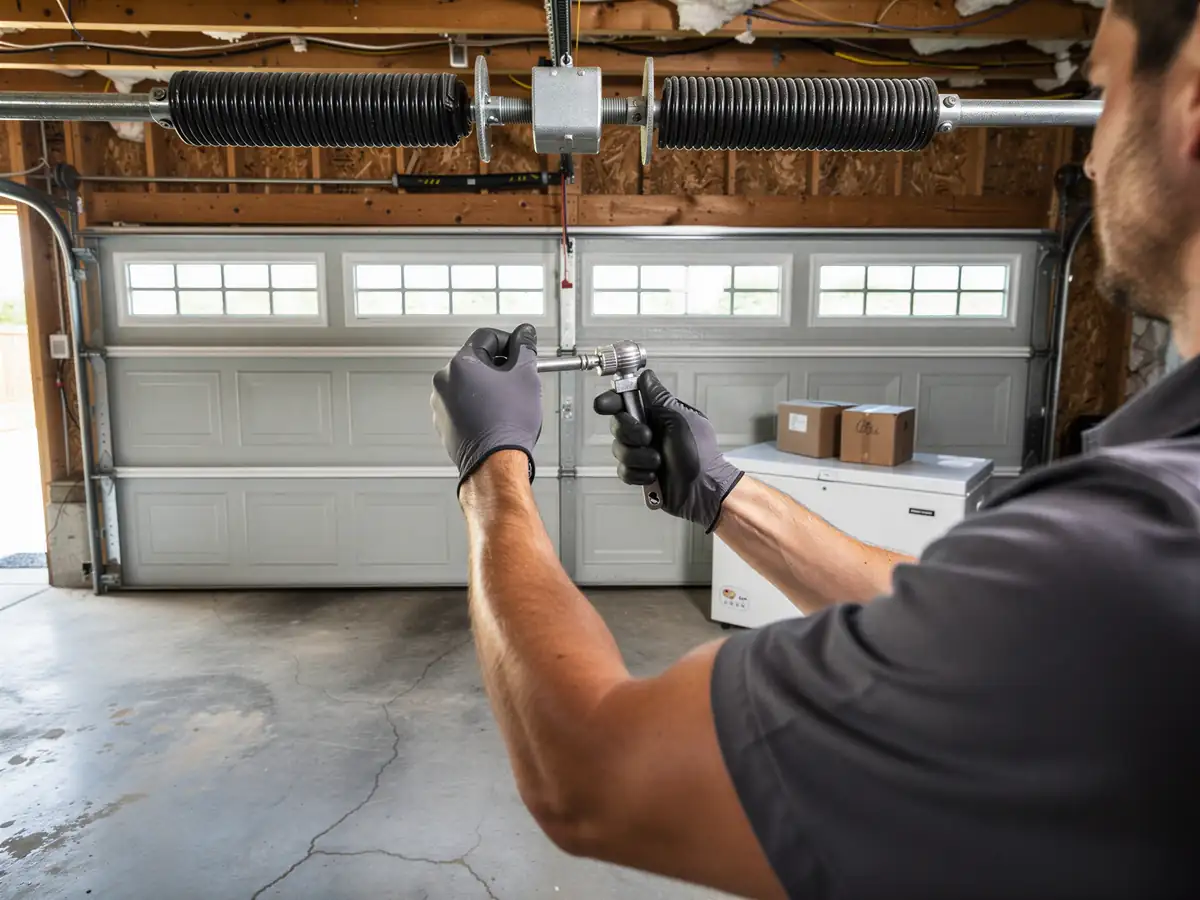
We pull the old spring, measure the wire gauge, inside diameter, and wind length against the door weight it's actually lifting now (which is often heavier than the original door, if the panel's been swapped at some point), and set a matched pair rated for the cycle count the door needs
On these 1960s-era frames we also check the center bearing plate and the shaft for wear, since that hardware is original on a lot of these jobs and rarely gets inspected unless something breaks.
Where This Job Goes Sideways
The failure mode we see most in this part of the service area is a single spring doing the work of two. Doors built in the early-to-mid 1960s were lighter on average, so some were sold with just one torsion spring. If that door's been reinforced or the panel material changed since, one spring is now working overtime, wearing faster, and when it goes, the door can jump or tip in the track because the lift is suddenly unbalanced on one side.
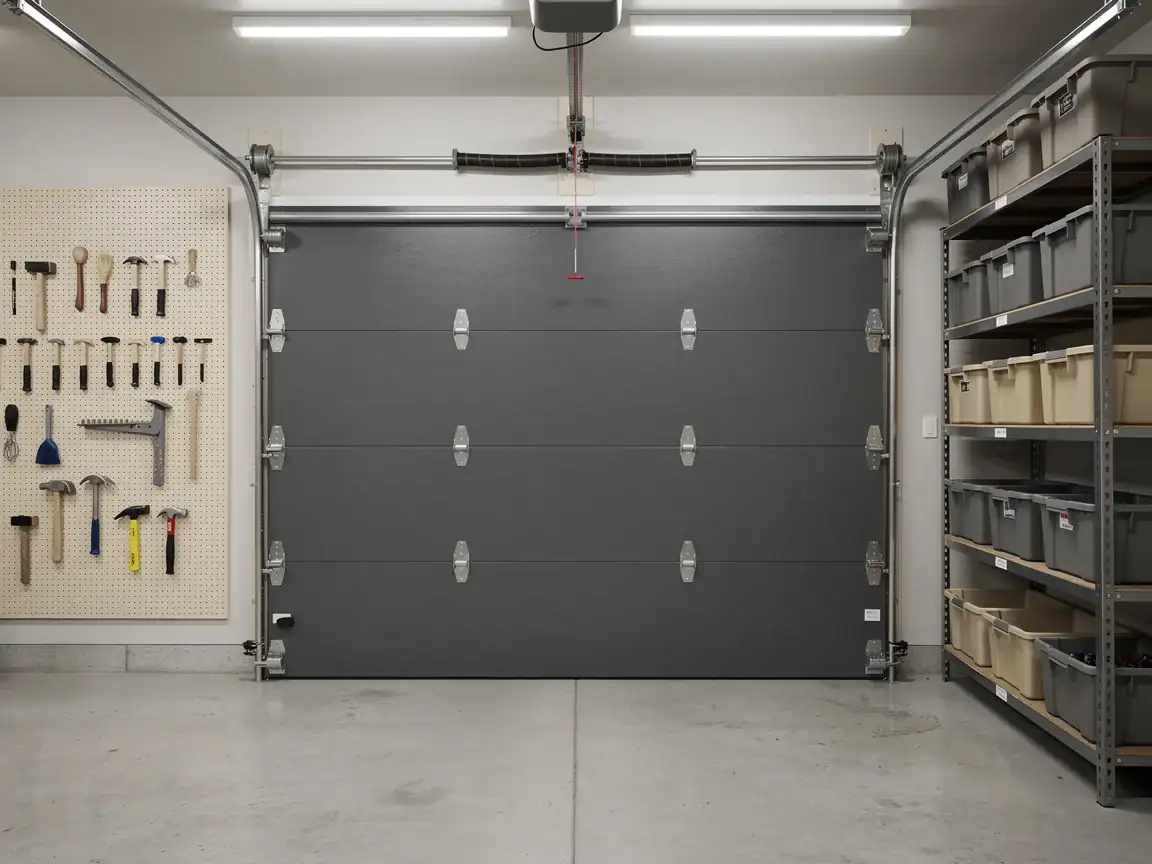
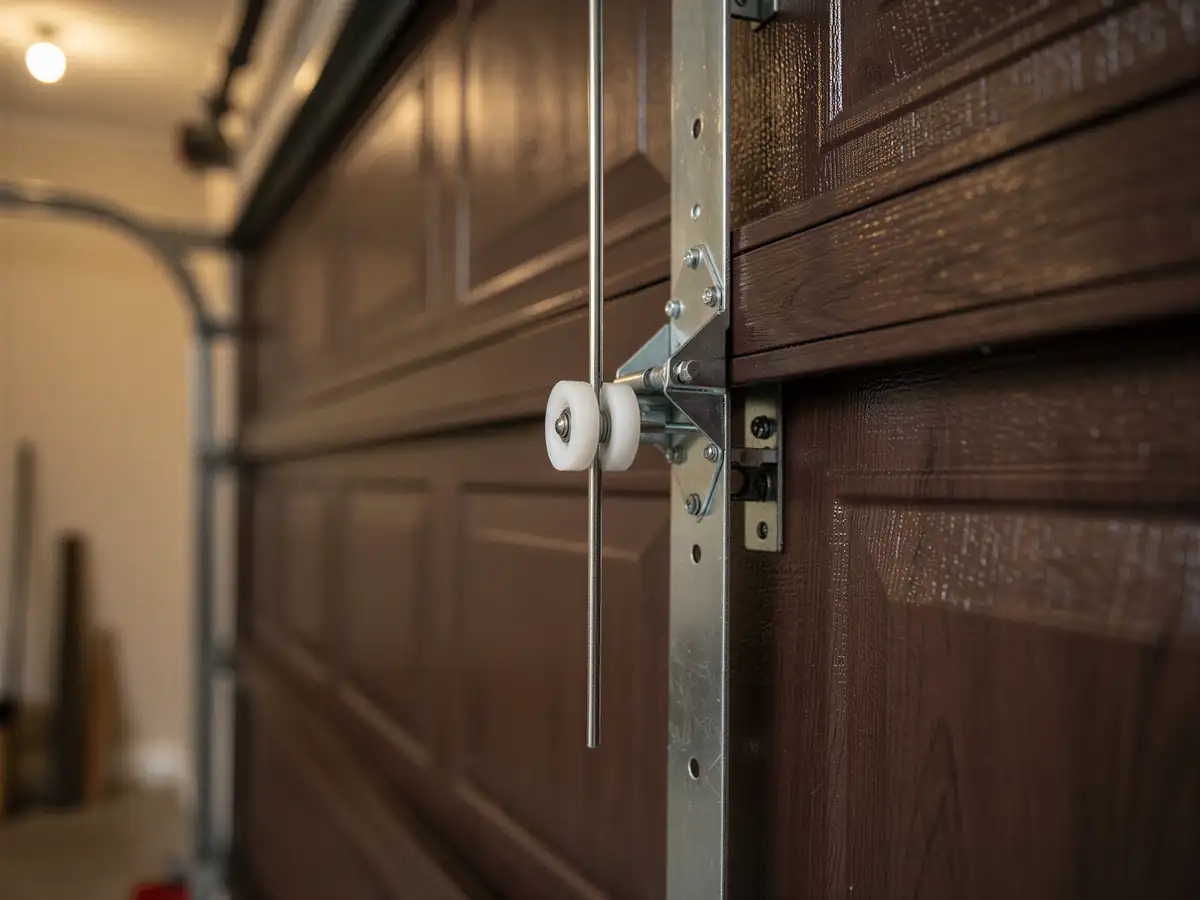
The other complication is missing or seized safety cables through the spring. On original hardware from this era, we sometimes find no containment cable at all, which means a broken spring has nowhere to go but out. We don't install a replacement spring without correcting that, even if it means the job takes a little longer than the quote implied.
What You Pay
We don't have a flat number to post for this job because spring cost depends on the wind, the wire size, and whether the door needs one spring or two - and on these older Palo Alto doors we frequently find it needs a hardware correction alongside the spring itself, which changes the bill. What we can tell you is that we price the spring and the labor separately on the visit, so you see exactly what you're paying for the part versus the work. We don't pad a quote to cover a drive from Santa Clara; the travel is built into how we route the day, not into your invoice.
Can You Do This Yourself
A torsion spring is wound under enough tension to break a bone or worse if it lets go while you're working on it
And the winding bars and clamps that make it safe aren't something most homeowners have sitting in a drawer. If you're dealing with an extension spring setup - more common on lighter, older single-car doors in this area - the risk is lower but still real, since a snapped cable under load can whip hard.
What you can safely do yourself is diagnose
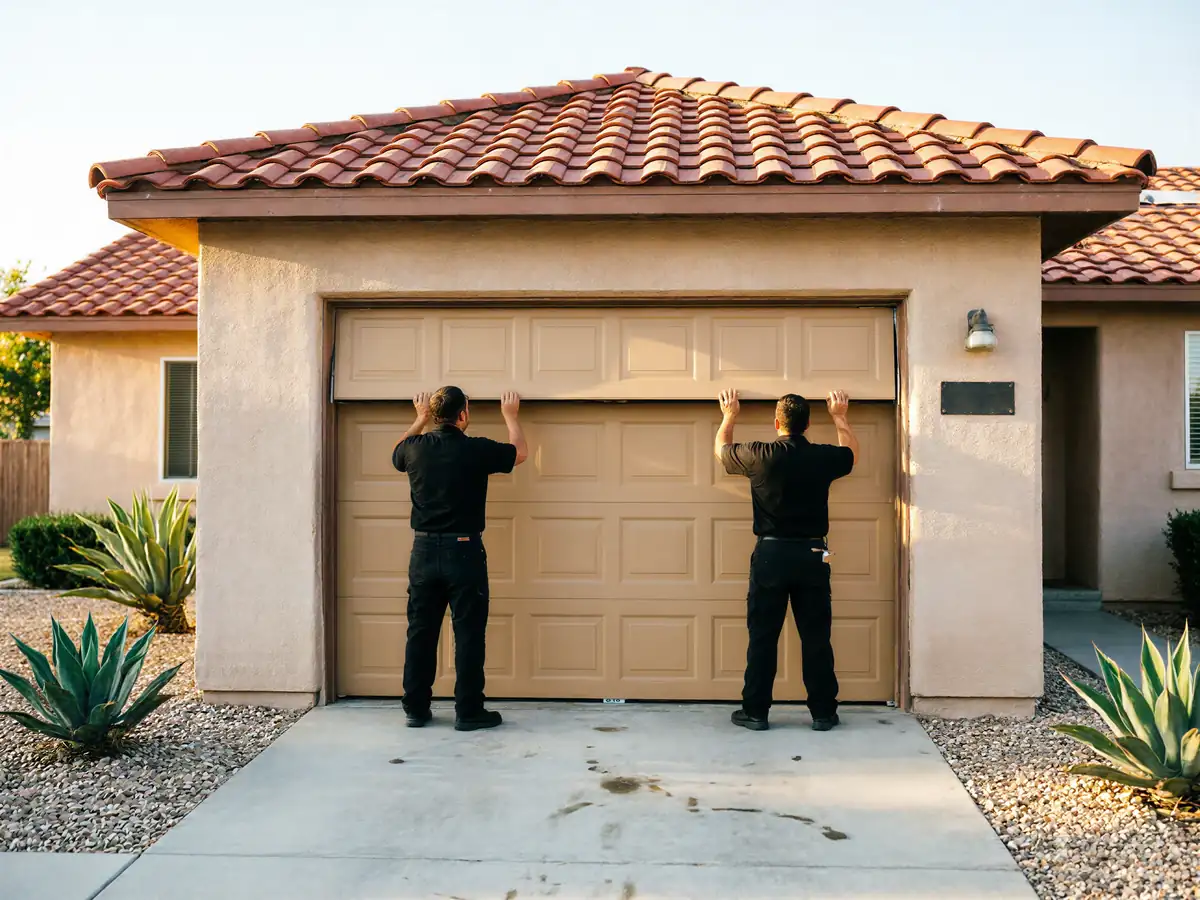
If the door feels heavy to lift by hand with the opener disconnected, or one side visibly sags lower than the other when it's halfway open, that's a spring problem, and it's worth calling before you run the opener against it and burn out the motor too.
How Long It Takes
Palo Alto is about 10 miles from our Santa Clara base, and that drive factors into how we schedule the day rather than into same-day guarantees - we don't promise a response window we can't back up. Once we're on site, a standard torsion spring swap on a single door usually doesn't take long, but if we find a missing safety cable, a worn bearing plate, or a single-spring setup that needs to go to a matched pair, plan for the visit to run longer than a straight swap would.
Stocked Parts
We carry a working range of torsion spring sizes on the truck to cover the wire gauges and wind lengths common on doors from the 1950s through 1980s, which covers the bulk of what we run into on this side of the valley given the median build year around here. What we don't always have on hand is an exact match for a spring that's been special-ordered or custom-wound at some point in a door's life - if a previous repair used something nonstandard, we may need to order the replacement rather than pull it off the truck, and we'll tell you that up front rather than force a near-match.